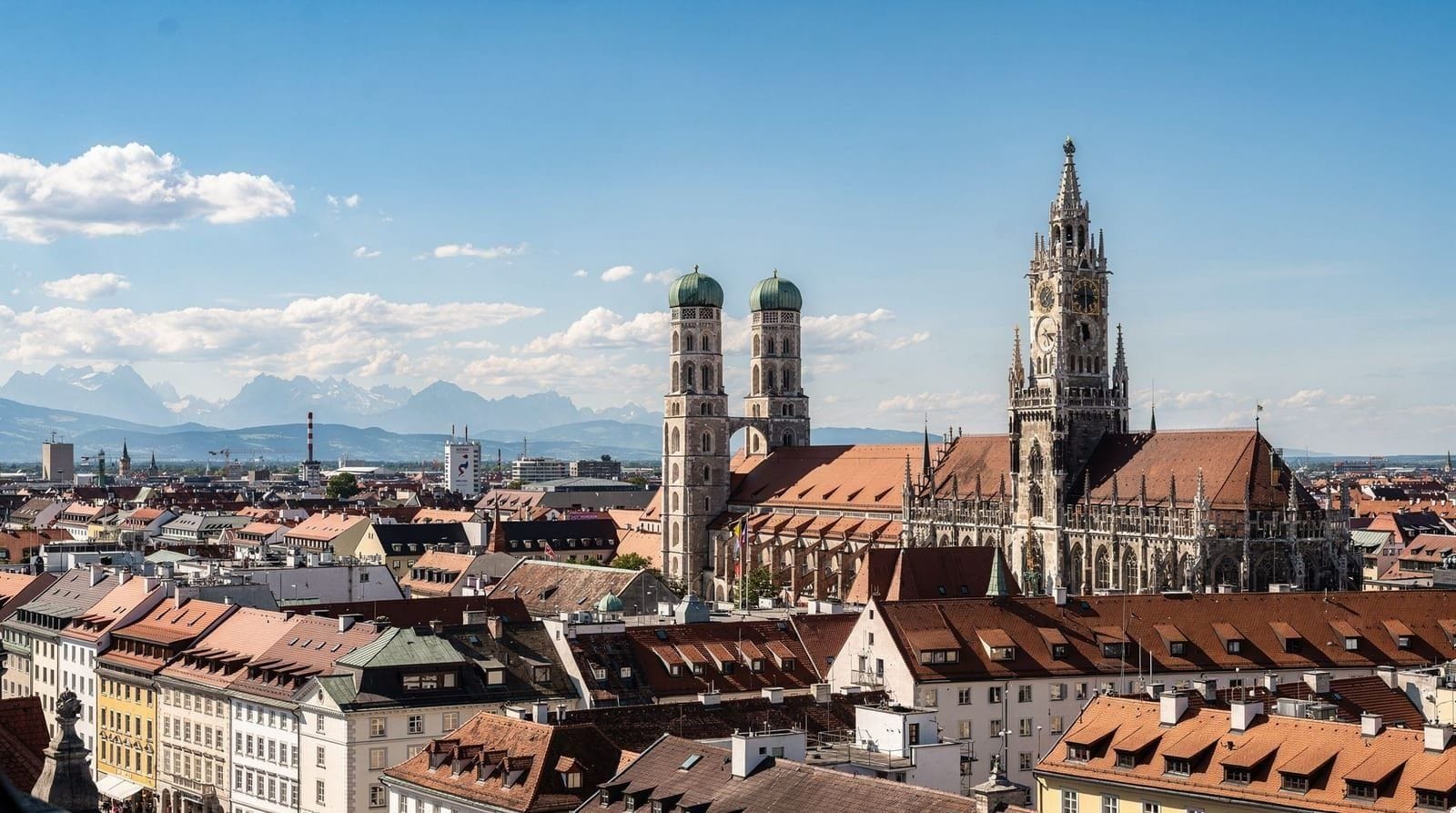
Munich and Bavaria in 7 days: the definitive week itinerary
From Munich: Neuschwanstein Castle full-day trip by van
A full week in Munich and Bavaria
Seven days is the most satisfying timeframe for exploring Munich and the Bavarian region. It allows thorough city coverage, three major castle or nature day trips, Austria and two other Bavarian towns, without the exhaustion of a sprint itinerary. This plan assumes a Saturday arrival and Friday departure — adjust the day-trip order if weather or bookings require it.
Total distances covered: approximately 900 km by rail without a car. A rental car on Days 3-4 would add Linderhof, Oberammergau, and lakeside routes not reachable efficiently by train.
| Where | Munich, Füssen/Neuschwanstein, Garmisch/Zugspitze, Dachau, Salzburg, Berchtesgaden, Regensburg |
| Cost | around 210-225 EUR/person transport (excl. accommodation) |
| Time needed | 7 full days, Saturday arrival / Friday departure model |
| Getting there | walkable core + Bayern-Ticket, OBB Railjet, S-Bahn |
| Best time | late May-September for weather and castle crowds |
Day 1 (Saturday): Arrival and first impressions
Afternoon: Arrive in Munich
14:00 — S-Bahn from airport to Hauptbahnhof
S1 or S8 from either terminal to Munich Hauptbahnhof: 40-45 minutes. Airport-City Day Ticket: 17.50 EUR (2026), covers all city zones for the rest of the day.
Check in to accommodation. The Maxvorstadt area (15 minutes’ walk from Marienplatz, near the museum district) is the best value in a central location. See Munich where to stay guide.
16:00 — Marienplatz and Altstadt orientation
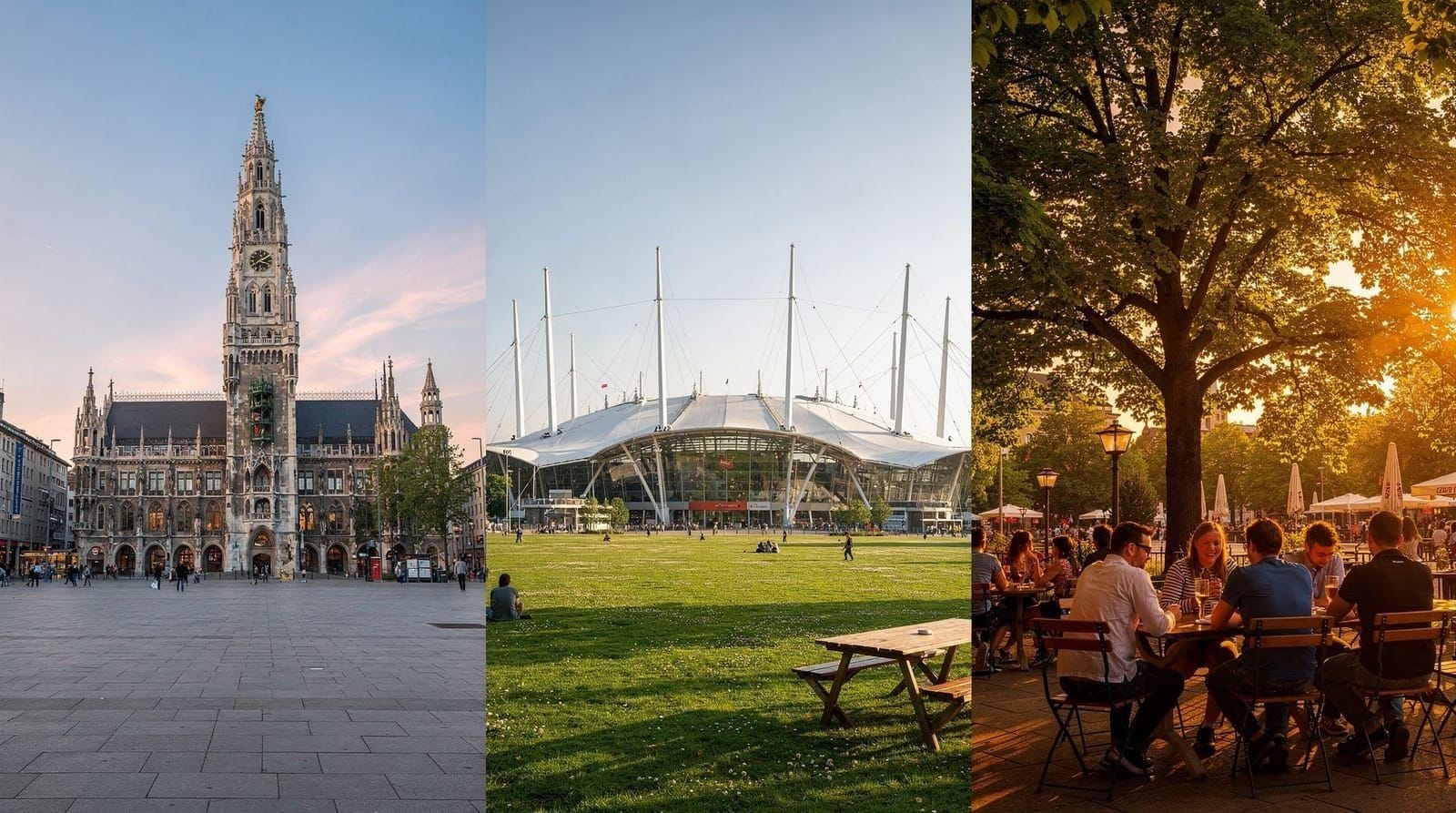
Walk from your hotel to Marienplatz for a first look. The Neues Rathaus Glockenspiel runs at 17:00 in summer — catch it without the lunchtime crowds. Continue to the Frauenkirche (free entry, 5 minutes’ walk) and the Rindermarkt pedestrian zone for a first feel of the city layout.
19:30 — Opening dinner: Augustiner Keller
Arnulfstrasse 52. Munich’s original brewery, operating since 1328. Helles vom Holzfass (lager from wooden barrels) is the benchmark Munich beer. Order Weisswurst evening-style (unusual but available here), Leberkäse, or Schweinshaxe. No reservation required for walk-in, but evenings in summer fill up — arrive before 19:00 if possible.
Day 2 (Sunday): Deep Munich exploration
Morning: Museum district at Sunday prices
09:00 — Alte Pinakothek (Sunday special)
Munich’s major museums offer 1 EUR entry on Sundays — the Alte Pinakothek (Rubens, Dürer, Raphael) and Neue Pinakothek are the highlights. See the Pinakothek museums guide for what to prioritise. Both galleries open at 10:00 on Sundays. Allow 2 hours for the Alte Pinakothek.
12:00 — Lunch in Schwabing
Walk 15 minutes north to Schwabing for lunch. The Vorstadt neighbourhood has Munich’s best independent lunch options: Café Leopold (Leopoldstrasse) for a relaxed terrace lunch, or the Turkish market area around Münchner Freiheit for cheaper street food.
Afternoon: Residenz and English Garden
13:30 — Residenz Palace
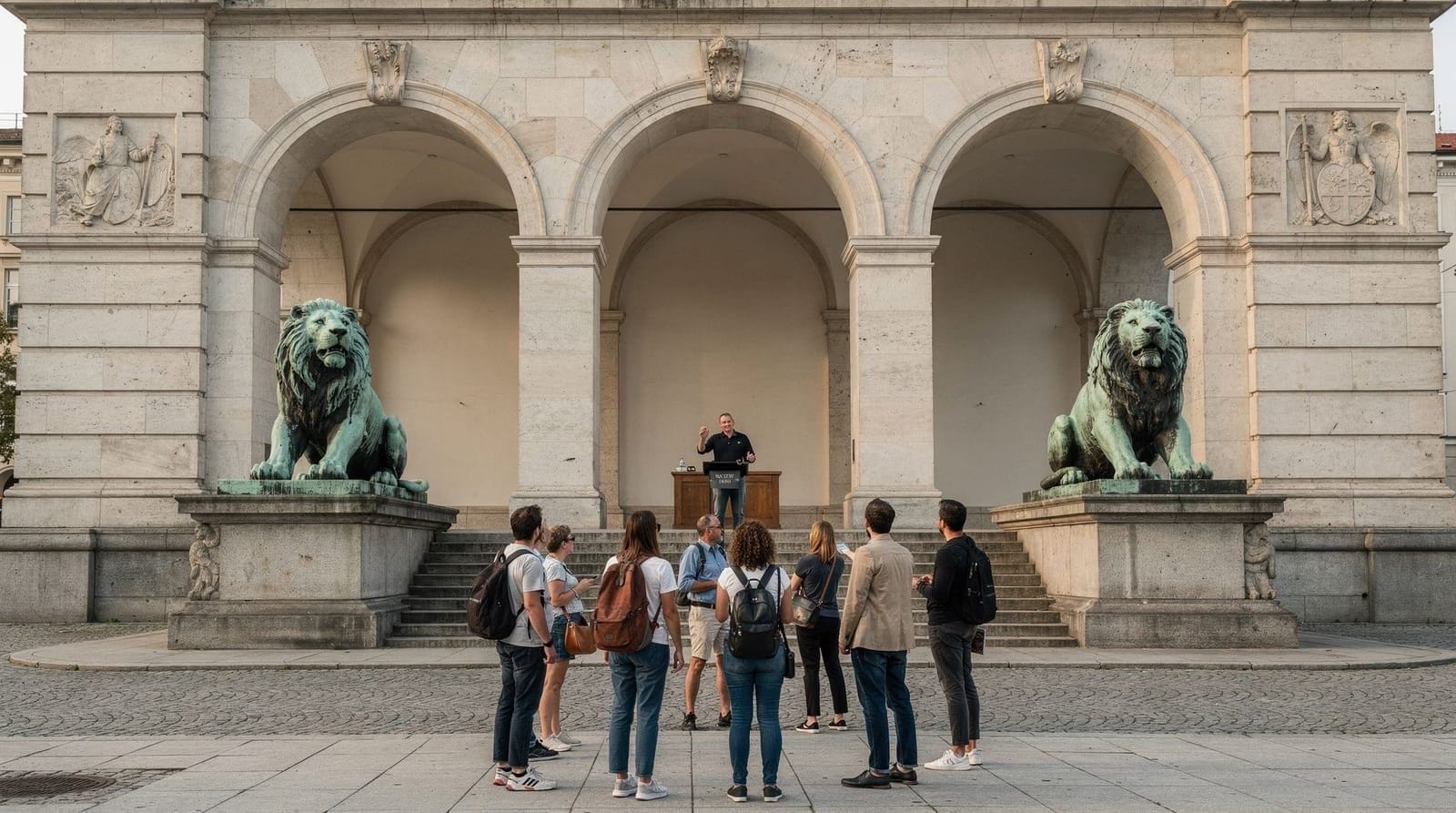
The Residenz is the definitive Wittelsbach palace: 130 rooms including the Treasury (Wittelsbachkrone, the 16th-century electoral crown), the Antiquarium, and the Cuvilliés Theatre. Entry 20 EUR. Sunday museum discounts don’t apply to the Residenz — it’s a different category. Allow 90 minutes. Residenz Palace guided visit
15:30 — English Garden
Enter via Odeonsplatz and walk north through the 3.7 km park. Stop at the Eisbach surfers (standing wave, year-round free spectacle), the Japanese Tea House (Japanisches Teehaus, lakeside, closed to visitors but photographable), and the Monopteros temple for a panoramic city view. See the English Garden guide.
17:30 — Chinesischer Turm beer garden
Stay in the English Garden for an early evening beer. The Chinesischer Turm beer garden is Munich’s second-largest — a genuinely local Sunday afternoon ritual.
Evening: Viktualienmarkt area
20:00 — Dinner in Altstadt
Sunday options narrow. The Hofbräuhaus is open daily and good for a first visit. For a quieter option: Spatenhaus an der Oper (Residenzstrasse 12) is a formal sit-down restaurant with excellent Bavarian cuisine and better service than most beer halls (mains 22-35 EUR).
Day 3 (Monday): Neuschwanstein and Royal Castles
07:30 — Bayern-Ticket to Füssen
Neuschwanstein timed tickets must be booked weeks ahead — the most important advance booking in this itinerary. Bayern-Ticket (25 EUR per person, 2026) covers the 2-hour regional journey.
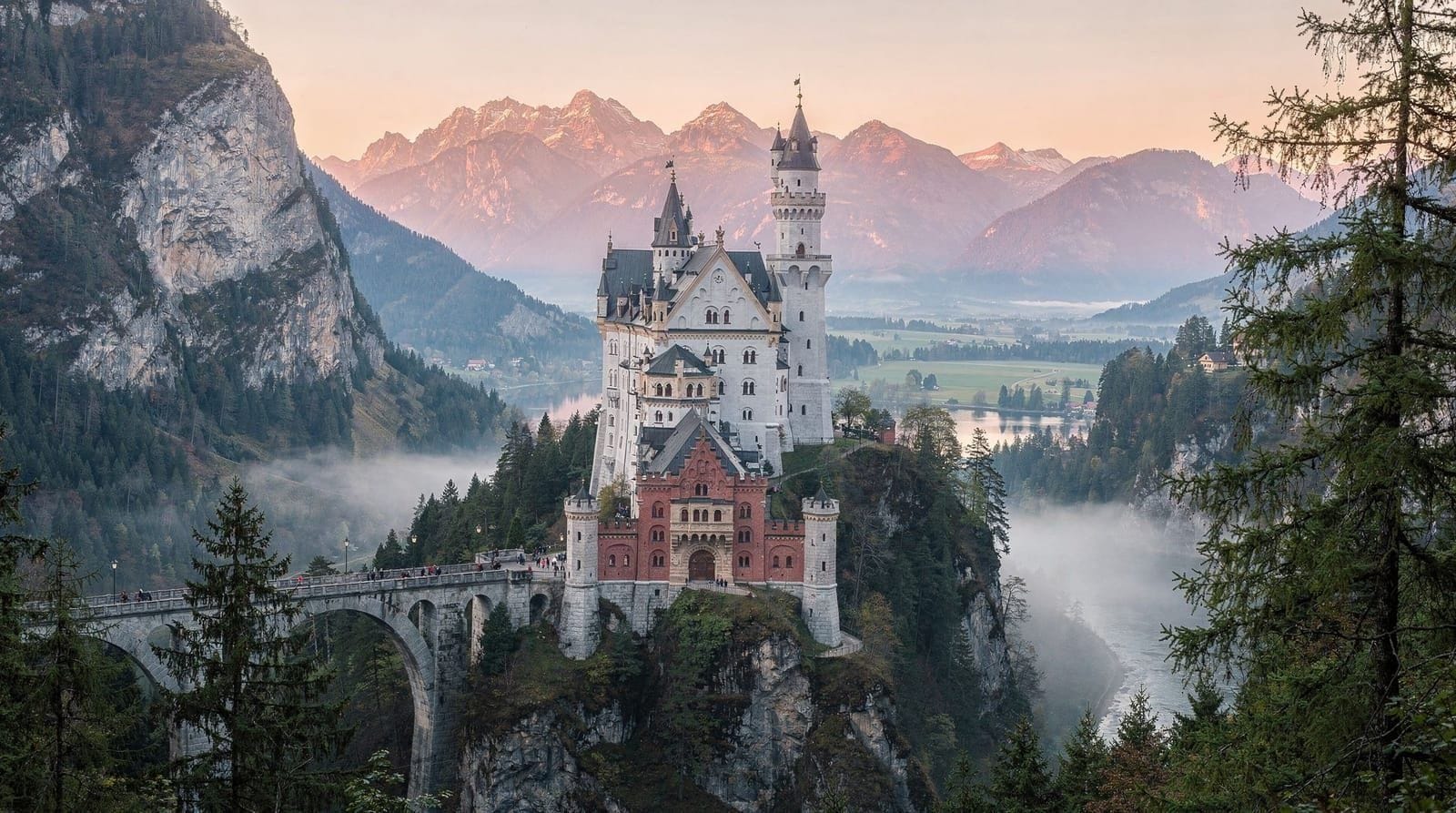
09:30 — Hohenschwangau then Neuschwanstein
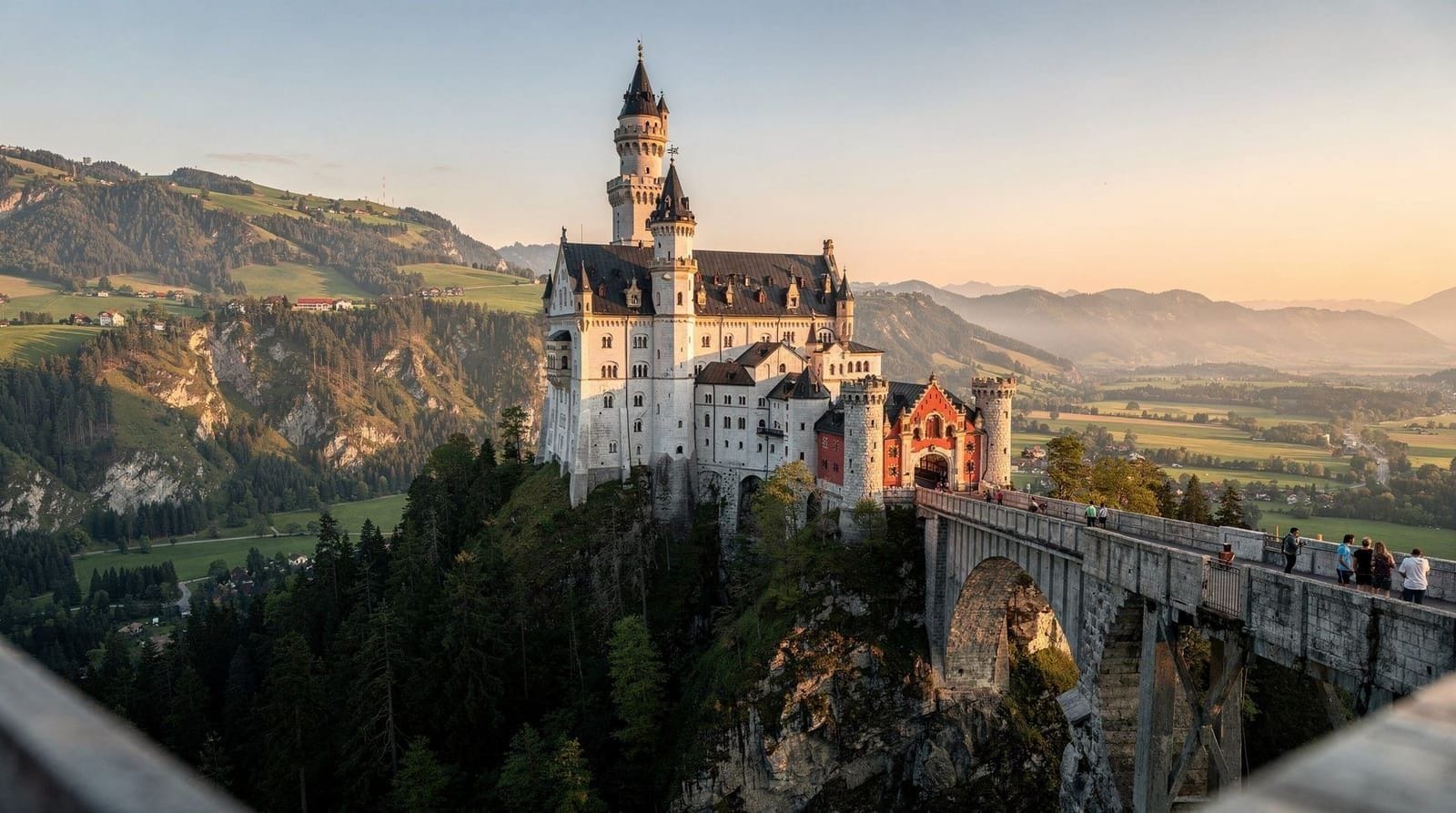
Start at Hohenschwangau (entry 21 EUR), Ludwig II’s childhood home. Then Neuschwanstein (entry 17 EUR) — the 35-minute guided tour. Walk up to Marienbrücke for the photographic view (see Marienbrücke guide). The king Ludwig II castles guide explains all three royal castles in context.
13:00 — Lunch and Füssen
Bus to Füssen, lunch (12-18 EUR). The Füssen Altstadt is worth 30 minutes — walk the baroque Benedikt monastery and the lakeside to Forggensee.
16:00 — Optional extension by car
If you have a rental car: drive 40 minutes to Linderhof Palace (entry 10 EUR, 2026) — the smallest and most lavish of Ludwig’s castles, with a Venus grotto and Moorish kiosk in the grounds. Return via Oberammergau (village famous for its Passion Play, painted facades, and Lüftlmalerei frescoes). Total driving loop from Schwangau: 90 minutes. Full-day Neuschwanstein guided day trip
17:30 — Train back to Munich (18:30 Füssen departure)
Day 4 (Tuesday): Zugspitze Alpine summit
07:30 — Train to Garmisch-Partenkirchen
Regional Bahn from Hauptbahnhof: 90 minutes. Bayern-Ticket valid (25 EUR). From Garmisch, the Zugspitze cogwheel train (Zahnradbahn) runs from the station: 75-minute journey through Europe’s longest cogwheel tunnel to the summit station at 2,600m, then cable car final 350m to the 2,962m peak.
Summit ticket 2026: 64.50 EUR return.
The Zugspitze day trip guide explains all route options and what to expect at the summit. The glacier viewing platform on the Austrian side and the panoramic restaurant are both excellent.
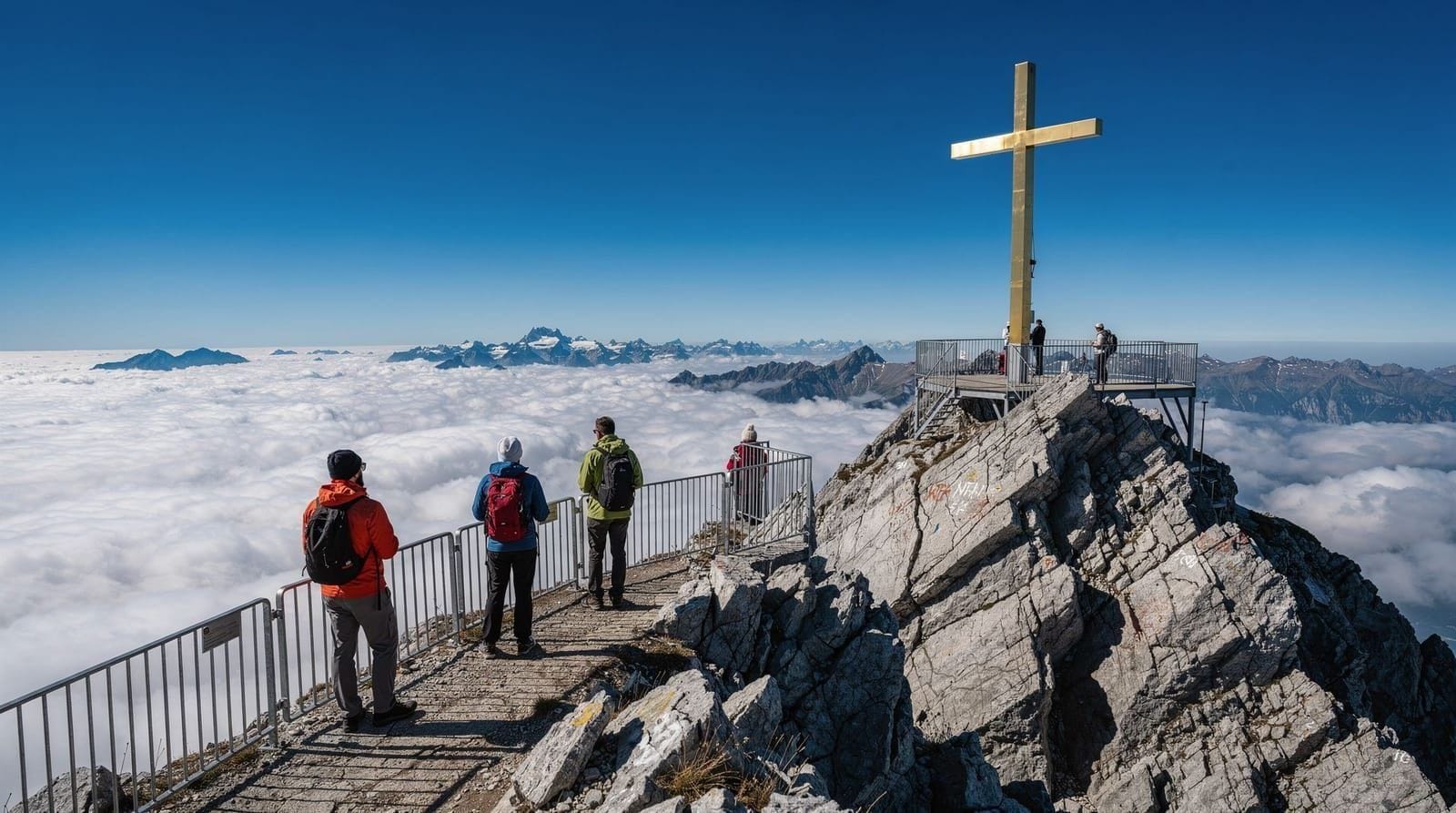
10:30 — Zugspitze summit
On clear days, views extend to the Dolomites and four countries. Summit temperature is 15-20 degrees lower than Munich — bring a layer. The Zugspitz glacier is visibly receding; current accessible area is discussed in the Bavarian Alps guide.
13:00 — Eibsee lake
Descend by cable car to Eibsee (1,000m altitude). The lake circuit (7.3 km, 2.5 hours) is one of Bavaria’s finest walks. Even 45 minutes lakeside is exceptional. Return to Garmisch by cogwheel.
15:00 — Garmisch Altstadt
The Partenkirchen old town has 17th-century painted house facades and the Partnach Gorge (Partnachklamm, 8 EUR entry) nearby. See Garmisch hiking guide. Guided Zugspitze day trip from Munich
17:00 — Return train to Munich
Day 5 (Wednesday): Dachau and Nymphenburg
Morning: Dachau Memorial
09:00 — S2 to Dachau
S2 from Hauptbahnhof (25 minutes) then Bus 724. Free entry. The Dachau Memorial is one of Germany’s most important historical sites. The permanent exhibition in the former maintenance hall takes 2 hours. Grounds (original barracks, crematorium, international memorial sculptures): 1 more hour. Guided tours provide deeper context on the camp system.
Return to Munich by 13:00.
Afternoon: Nymphenburg Palace and gardens
14:30 — Tram 17 to Nymphenburg
Nymphenburg Palace is the afternoon’s complete change of tone. Entry 9 EUR. The Marstallmuseum (historical carriages, including the carved Cinderella sleigh used by Ludwig II) and the porcelain museum in the outbuildings are often skipped — both are worth 30 minutes. The formal garden canal walk takes 45 minutes.
17:00 — Maxvorstadt coffee
Return via Tram 17 to the Maxvorstadt museum quarter for coffee. The Brasserie OskarMaria (Literaturhaus, Salvatorplatz) is one of Munich’s most architecturally pleasant cafes.
Evening: Schwabing dinner
19:30 — Schwabing neighbourhood dinner
The Schwabing guide lists the best independent restaurants. For Bavarian food with a creative twist, Gasthaus Zum Wirt (Nikolaistrasse) is a local staple. For international: the Türkenstrasse area has Thai, Vietnamese, and Italian at student prices.
Day 6 (Thursday): Salzburg and Berchtesgaden
Full day: Austrian day trip circuit
This day is ambitious but manageable: Salzburg in the morning and early afternoon, Berchtesgaden and the Eagle’s Nest in the late afternoon.
07:30 — Railjet to Salzburg
OBB Railjet (not covered by Bayern-Ticket — buy OBB ticket, 25-35 EUR return, 2026). Arrive by 09:00.
09:00 — Salzburg morning (3 hours)
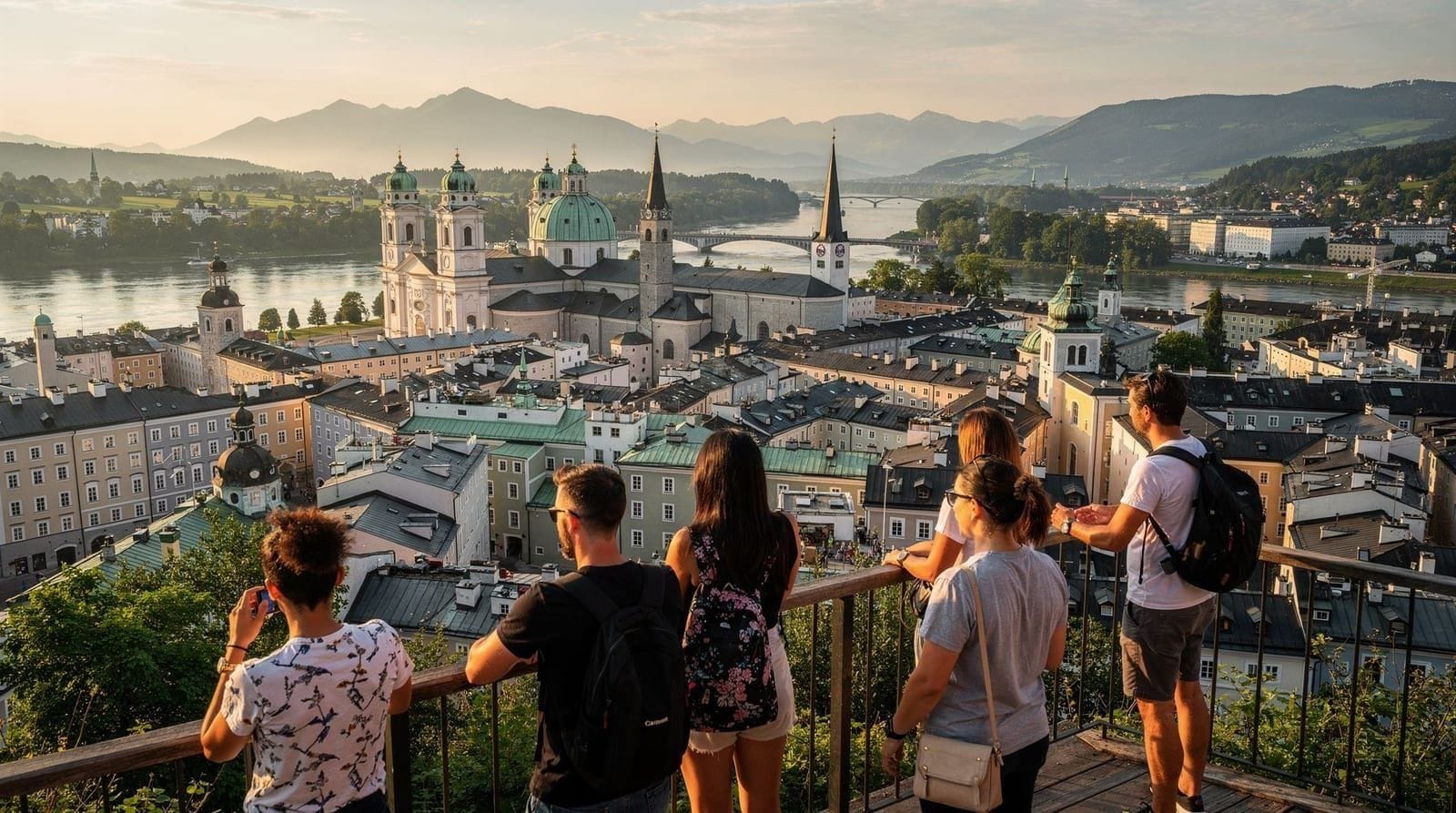
Walk from Salzburg Hauptbahnhof to the Altstadt (20 minutes). Priorities: Getreidegasse and Mozart’s Geburtshaus (13 EUR), Residenzplatz and the Baroque fountain, Hohensalzburg Fortress via funicular (13.80 EUR). See Munich to Salzburg day trip guide.
12:30 — Lunch and departure to Berchtesgaden
Quick lunch (Cafe Tomaselli for coffee and pastry, or a Brotzeit to take on the train). Train from Salzburg to Berchtesgaden: 60 minutes (local OBB service, covered by OBB day pass). Arrive Berchtesgaden by 14:00.
14:00 — Eagle’s Nest (Kehlsteinhaus)
The Eagle’s Nest at Obersalzberg is one of Germany’s most dramatic historical sites — a mountain teahouse at 1,834m built for Hitler’s 50th birthday in 1939, now open to visitors as a restaurant and viewpoint. Access: Bus 849 from Berchtesgaden to Kehlstein parking, then a dedicated tunnel elevator 124m through the mountain to the summit. Return bus service: last departure 16:00 (check current times at eagles-nest.de). Entry to the bus and elevator: 34 EUR (2026). Views over the Berchtesgaden valley and the Watzmann massif are exceptional. Munich to Eagle’s Nest guided day trip
17:00 — Train back to Munich
Berchtesgaden to Munich via Freilassing or Salzburg: approximately 2 hours. Arrive Munich by 19:00.
Evening: Rest and final dinner
20:00 — Au-Haidhausen farewell dinner
The Au-Haidhausen neighbourhood is Munich at its most neighbourhood-level real. Wirtshaus in der Au (Lilienstrasse 51) is the area’s best traditional option, specialising in Dampfnudeln (sweet steamed dumplings) and Bavarian classics. Reservations recommended.
Day 7 (Friday): Regensburg or Munich leisure
Option A: Regensburg day trip
09:00 — ICE to Regensburg
Regensburg (1 hour by ICE from Munich Hauptbahnhof, Bayern-Ticket valid on regional trains, not ICE) is one of Germany’s best-preserved medieval towns — its entire old city is UNESCO-listed and has no World War II bomb damage. Population 160,000 but feels like a village. The 12th-century Steinerne Brücke (Stone Bridge) over the Danube is the town’s emblem.
Key sights: Dom St Peter (cathedral, free entry), the Wurstkuchl (sausage kitchen at the bridge, operating since 1135 — Regensburg sausages, 11 EUR), the historic Thurn und Taxis Palace (guided tours 14 EUR), and the Document Neupfarrplatz (underground Roman ruins, 5 EUR). Return by 16:00.
See the Munich to Regensburg day trip guide.
Option B: Munich leisurely last morning
If you’d rather spend your final morning in Munich:
09:00 — Deutsches Museum
The Deutsches Museum at Museumsinsel in the Isar deserves a full morning even after a week in Munich. Entry 16 EUR. The pre-industrial sections (mining, shipping, printing) are the finest in the world. At 73,000 sqm, it’s the largest science museum on earth — treat it as a curated walk, not a race.
12:30 — Viktualienmarkt lunch and goodbye
A final Weisswurst and Radler at the Viktualienmarkt before heading to the airport. S1/S8 from Hauptbahnhof to Munich Airport: 40-45 minutes. Allow 2 hours before departure.
Week-long practical summary
Total transport estimate per person (no car):
- MVV day tickets x4: 36 EUR
- Bayern-Ticket x2 (Neuschwanstein + Zugspitze): 50 EUR
- Zugspitze summit: 64.50 EUR
- OBB to Salzburg + Berchtesgaden (Day 6 circuit): 45-60 EUR
- Regensburg regional (Bayern-Ticket, Day 7): 0 EUR (already bought x2)
- Airport S-Bahn: 13.60 EUR
- Total: approximately 210-225 EUR per person
Critical bookings (do all before arriving):
- Neuschwanstein timed entry — tickets.hohenschwangau.de (book 3-4 weeks ahead in summer)
- Eagle’s Nest bus tickets — eagles-nest.de (book 1 week ahead, sells out in peak season)
- Accommodation 7 nights in Munich (Maxvorstadt or Schwabing)
Frequently asked questions about this itinerary
Can I do this 7-day itinerary without renting a car?
Yes — the entire plan is built on public transport. A car adds the Linderhof detour on Day 3 and makes Berchtesgaden easier, but is not necessary. The Bavaria region has excellent train coverage.
What if it rains during the Zugspitze day?
Swap it with the Dachau and Nymphenburg day (or with a full Munich museum day). The Zugspitze summit in clouds provides no views — postpone unless you specifically want the summit experience regardless of weather. Check zugspitze.de webcam at 06:00 the morning of the trip.
Is 7 days too long for Bavaria?
Bavaria is Germany’s largest state and has enough content for a month. Seven days is an excellent introduction. A second trip could cover the Romantic Road (Rothenburg, Dinkelsbühl, Augsburg), Lake Constance, Bamberg, and the Franconian wine region. See the best day trips from Munich guide for possibilities.
How should I split time between Munich and day trips?
This itinerary gives 2 full days in Munich (Days 1-2) before any day trips — enough to orient yourself and feel comfortable with the city before going out into Bavaria. If you arrive by Friday evening, you effectively have 2.5 days in the city before Neuschwanstein on Day 3 (Monday).
What’s the best accommodation option for a week in Munich?
For a week, consider an aparthotel or serviced apartment — cheaper than hotels for multiple nights and allows cooking some meals. The Maxvorstadt and Schwabing areas offer the best combination of location, value, and neighbourhood character. See Munich where to stay guide.
Can I add Oktoberfest to this itinerary?
Oktoberfest runs for 16-18 days in late September and early October. If your 7-day visit overlaps with Oktoberfest, the itinerary changes significantly: tent reservations (inside the fest grounds, required for seated service) must be booked 6-12 months ahead. See the Oktoberfest guide and Oktoberfest tickets and tables guide for full planning detail. During Oktoberfest, hotel prices double and accommodations at any budget are scarce without advance booking.
Is Regensburg worth a full day or can I see it in half a day?
Half a day (arriving by noon and leaving by 17:00) is sufficient for Regensburg’s main sights. A full day allows the Thurn und Taxis Palace tour, an afternoon cruise on the Danube, and a more relaxed lunch at the Wurstkuchl. If you have limited time, prioritise Regensburg over a second Salzburg day if you’ve already been — it’s the more original choice.
Week-by-week planning considerations
Flexibility buffer: Seven days feels like plenty until you factor in weather delays on the Zugspitze, Neuschwanstein ticket conflicts, or simply wanting to stay longer somewhere. Build at least one half-day of unscheduled time into the week — the plan above has Day 7 as the most flexible day, which can absorb any day-trip that got delayed or cancelled earlier.
Sunday as a museum day: Munich’s major museums offer steep Sunday discounts (Alte Pinakothek 1 EUR, Neue Pinakothek 1 EUR). If your Day 2 falls on a Sunday, prioritise museums over the Residenz and Nymphenburg (which remain full price on Sundays). See the Pinakothek museums guide for which building to prioritise.
Physical demands by day:
- Days 1-2 (Munich city): 10-14 km walking per day on flat ground. Manageable.
- Day 3 (Neuschwanstein): Involves a 30-minute uphill walk to the castle, stairs inside. Moderate effort.
- Day 4 (Zugspitze): Summit at 2,962m can cause mild altitude-related fatigue. Not a strenuous hike — the cogwheel train does the climbing — but the altitude is real and some visitors feel light-headed. Drink water at the summit.
- Day 5 (city museum day): Easy, indoor.
- Day 6 (Salzburg + Berchtesgaden): Long day, early start, significant walking in both cities. Prepare for fatigue.
- Day 7 (Regensburg or leisure): Easy.
The Chiemsee option for Day 7: An alternative to Regensburg is a half-day at the Chiemsee (Bavaria’s largest lake, 1 hour by train) with a boat trip to Herrenchiemsee Palace on the Herreninsel — Ludwig II’s unfinished copy of Versailles. Boat service (15 EUR return), palace entry (12 EUR). See Herrenchiemsee Palace guide. The Chiemsee is a calmer, more scenic option than Regensburg if you’ve had enough historical cities by Day 7.
Bavaria beyond this itinerary: Seven days covers Bavaria’s A-list. A return trip could add: the Romantic Road (Rothenburg ob der Tauber, Dinkelsbühl, Augsburg); Bamberg in Franconia (UNESCO-listed, smaller than Regensburg, famous for smoked Rauchbier); Lake Constance (Bodensee) and its cycling paths; and the less-visited lakes of the Tölzer Land (Tegernsee, Schliersee, Walchensee) which draw German city-dwellers but few international visitors. See the best day trips from Munich guide for a full overview.
Local advice on Oktoberfest and other festivals: If your 7-day visit overlaps with Oktoberfest (typically 16-18 days in late September-early October), the character of Munich changes dramatically. Hotels charge 2-3x normal rates and book out 6-12 months ahead. The festival itself is the Theresienwiese grounds southwest of Hauptbahnhof — entry to the grounds is free but tent seating requires advance reservations. See Oktoberfest when and where guide for dates and planning. Other good festival timing: Starkbierfest in March (strong beer season, less crowded, genuinely local), Christmas markets in December (Marienplatz Christkindlmarkt, Schwabing market, Auer market — all worth a combined evening walk).
The honest case for a slow week in Munich: The itinerary above is ambitious but completely realistic without feeling rushed. A slower variant would skip Berchtesgaden and Salzburg on the same day (do each separately with a travel day between), skip Regensburg in favour of another Munich neighbourhood, and build in two evenings without a plan — just wandering. Munich is a city that rewards wandering. The English Garden, the Isar riverside, the Schwabing streets, and the Glockenbach neighbourhood reveal themselves slowly and are better experienced on foot without a destination than driven through by itinerary.
Seven-day summary at a glance
| Day | Focus | Highlight | Pace |
|---|---|---|---|
| Day 1 (Sat) | Arrival | Marienplatz orientation, Augustiner Keller | Easy |
| Day 2 (Sun) | Munich deep dive | Alte Pinakothek, Residenz, English Garden | Moderate |
| Day 3 (Mon) | Füssen/Schwangau | Neuschwanstein, Hohenschwangau, optional Linderhof | Full day |
| Day 4 (Tue) | Garmisch/Zugspitze | Summit at 2,962m, Eibsee lake | Full day, altitude |
| Day 5 (Wed) | Munich | Dachau Memorial, Nymphenburg Palace | Emotionally demanding morning |
| Day 6 (Thu) | Salzburg + Berchtesgaden | Hohensalzburg Fortress, Eagle’s Nest | Long day, ambitious |
| Day 7 (Fri) | Regensburg or leisure | Steinerne Brücke, Deutsches Museum | Flexible/easy |
Should the Salzburg and Berchtesgaden combo be split instead?
Day 6 is the most demanding day in this itinerary — two destinations, an early Railjet, and a late return. If you’d rather not attempt both in one push, the honest fix is to trade Day 7’s Regensburg option for a second Austria/Berchtesgaden day, giving each destination its own unhurried day instead. This works well if Day 7 was going to be the flexible leisure option anyway, and it removes the single most rushed day of the week at the cost of Regensburg. The Munich to Berchtesgaden day trip guide and Munich to Salzburg day trip guide both work as standalone single-destination days if you decide to split them.
Comparing 7 days with the 5-day version
The extra two days over the 5-day itinerary add Berchtesgaden’s Eagle’s Nest and Documentation Center, plus Regensburg or a slower final day — genuinely different destinations rather than more time in the same places. If Berchtesgaden’s WWII history and the Königssee don’t especially interest you, the 5-day version loses relatively little by comparison and is a meaningfully lighter trip to plan and execute. Conversely, travellers who want real breathing room rather than more destinations should consider keeping the 5-day structure and simply adding two unstructured days rather than filling them with Day 6 and Day 7 as scripted here. The Munich itinerary ideas guide lays out this full spectrum from 1 to 7+ days in one place.
Booking timeline for a 7-day trip
Given the number of moving pieces in this itinerary, a rough booking timeline helps: 3-4 weeks ahead, secure Neuschwanstein timed tickets for Day 3 — this remains the single hardest booking to get right in summer. About 1-2 weeks ahead, book Eagle’s Nest bus tickets for Day 6 and reserve OBB Sparschiene fares for both the Salzburg and Berchtesgaden legs, since early booking meaningfully lowers the cost. Accommodation for the full 7 nights should ideally be locked in a month or more ahead if travelling in July or August, when Munich’s Maxvorstadt and Schwabing hotel inventory tightens noticeably. Same-day bookings that are genuinely fine to leave until arrival: MVV day tickets, Dachau entry (free, no booking), and the Regensburg or leisure choice for Day 7, which can be decided the night before based on how the week has actually gone.
Top experiences
Bookable activities with verified prices and instant confirmation on GetYourGuide.