Salzburg day trip from Munich
Mozart's birthplace, Hohensalzburg fortress and the Sound of Music city — complete day-trip guide from Munich by train. Real prices 2026, honest tips.
From Munich: Salzburg day trip by train
Quick facts
- Distance from Munich
- ~140 km (about 1 h 30 min by direct train)
- Train fare (Bayern-Ticket)
- From €29 for up to 5 people (valid across border to Salzburg)
- Return fare (DB/ÖBB)
- ~€38–€52 return flexible ticket
- Salzburg Card (1 day)
- €35 adult — covers all museums + public transport
- Country
- Austria (EU/Schengen — no passport control)
A city in Austria that feels like the perfect Bavarian day trip
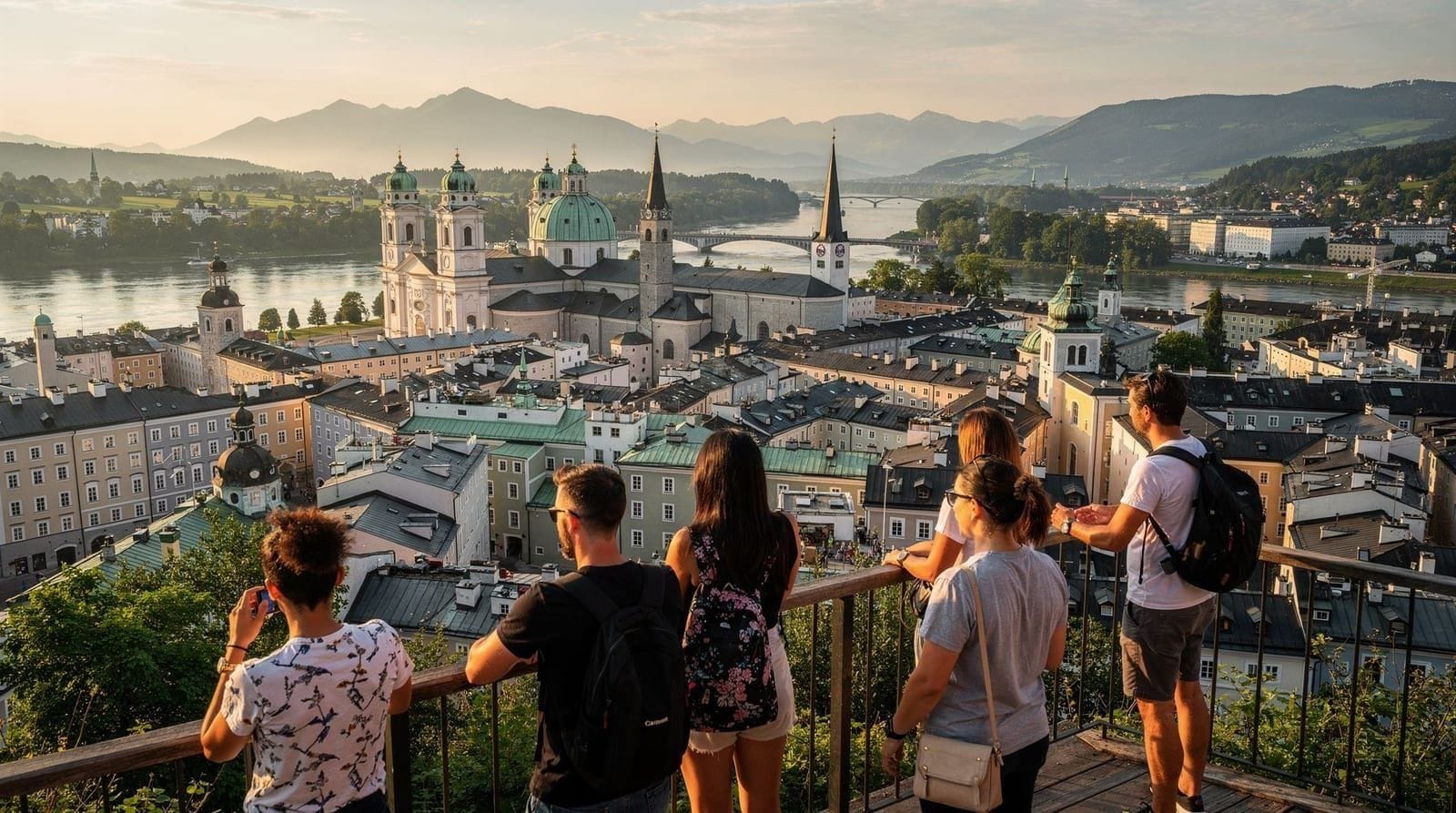
Salzburg sits just 140 km east of Munich, across the Austrian border, yet the journey takes only 90 minutes by direct train. The city is technically Austrian but shares so much with Bavaria — the Alpine backdrop, the baroque architecture funded by prince-archbishops, the beer gardens — that most visitors treat it as a natural extension of a Munich trip. The border crossing is seamless (both countries are Schengen members), and the Bayern-Ticket even remains valid all the way to Salzburg Central Station, making it one of the cheapest international day trips in Europe.
What you find when you arrive: a medieval fortress on a rocky hill above a compact baroque old town, Mozart’s actual birthplace turned museum, the famous Getreidegasse lane where every shop sign is a gilded wrought-iron work of art, and the Mirabell gardens where Julie Andrews spun around with children who were, in reality, already teenagers. It is also one of the most visited cities in central Europe, which means you need to plan around the crowds.
quickAnswer — How long does the train from Munich to Salzburg take? Direct trains run roughly hourly from Munich Hauptbahnhof to Salzburg Hauptbahnhof and take 1 hour 25 minutes to 1 hour 45 minutes. The Bayern-Ticket (from €29 for one person, same price for up to 5 people) covers the journey, making it by far the most cost-effective option. Book at the DB or ÖBB app for flexible tickets if you want to return on any train.
| Where | Austria, ~140 km east of Munich, no border control (Schengen) |
| Cost | From €29 Bayern-Ticket return; Salzburg Card €35/day |
| Time needed | 1 long day (9–10 hrs on the ground); 2 days with the Salzkammergut lakes |
| Getting there | Direct train from Munich Hbf, about 1h30 |
| Best time | April–June or September, weekdays; avoid the July–August Festival weeks |
Getting there from Munich
The most comfortable option is the direct Railjet or EC service from Munich Hauptbahnhof to Salzburg Hbf. Trains run at roughly :00 and :30 past the hour throughout the day. Journey time is consistently around 1 h 25 min to 1 h 45 min depending on the service.
Bayern-Ticket (€29 first person + €8 each additional, up to 5 people) covers all regional DB services and is valid across the border to Salzburg. It is not valid on ICE or fast Railjet services. If you want the fast train, buy a regular DB/ÖBB return, which costs €38–€52 depending on how far in advance you book.
First trains depart Munich from around 05:30; last returns from Salzburg leave around 22:00. A 7:00 departure from Munich gives you a full 10+ hours in Salzburg before the last sensible return around 19:00–20:00.
By car is also straightforward — A8 motorway, about 1 h 30 min in light traffic. You will need an Austrian motorway vignette (€11.50 for 10 days, available at the border or online). Parking in Salzburg old town is expensive and limited; the Mönchsberg garage (€2.80/hour) is the most convenient. Book a guided Munich–Salzburg day trip (train included)
Hohensalzburg fortress
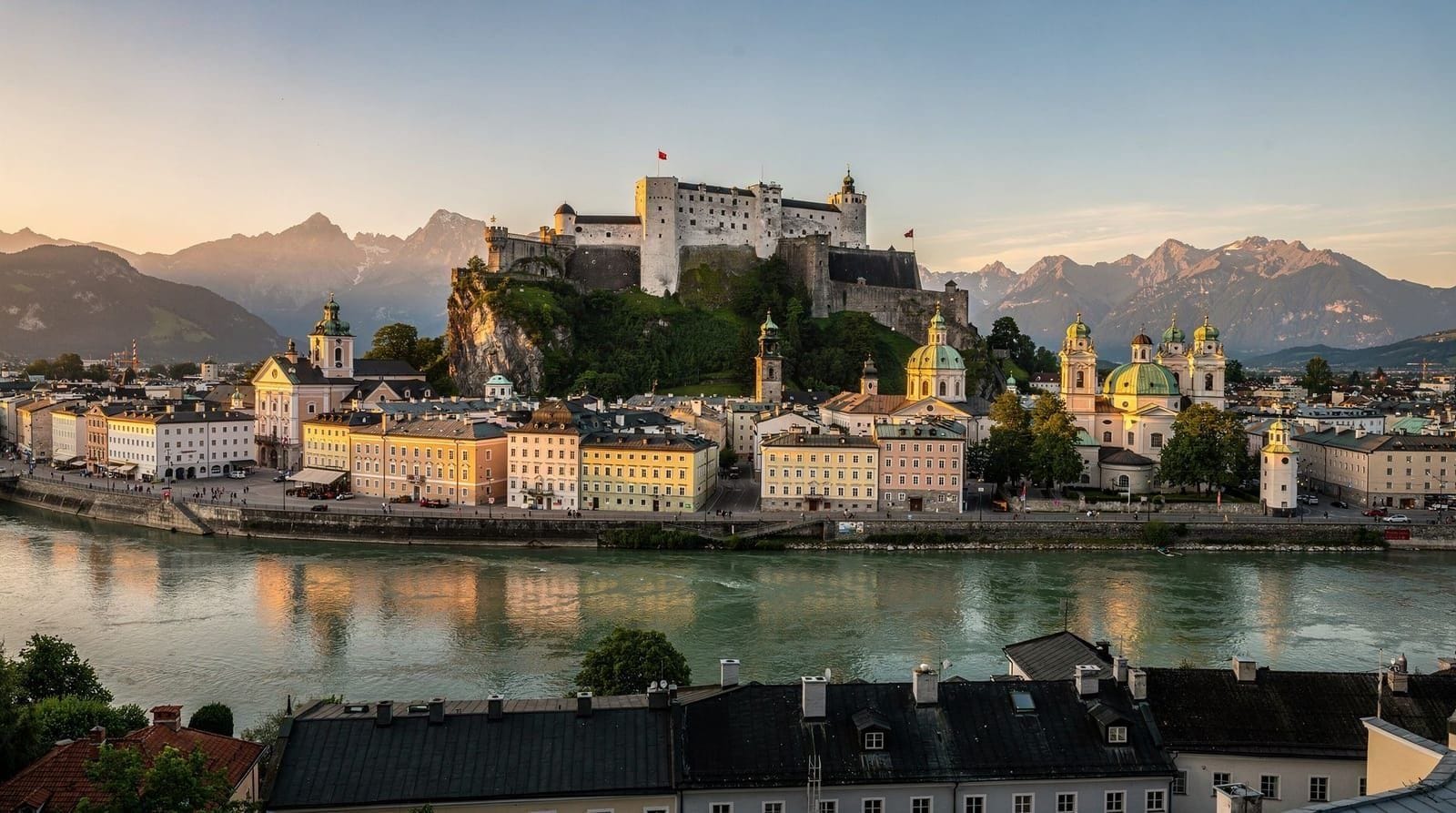
The Festung Hohensalzburg is the largest fully preserved medieval castle in the German-speaking world, and it has dominated the Salzburg skyline since 1077. The funicular (Festungsbahn) runs from Festungsgasse every few minutes (€4.20 up/down or included in the Salzburg Card). On foot, the climb takes about 15 minutes on a cobbled path.
Entry to the outer courtyard is free; the inner rooms and museums cost €10 adult (2026) or are included in the Salzburg Card. The rooms worth seeing: the State Rooms (Fürstenzimmer) with their original 15th-century tiled stove — one of the best-preserved Gothic interiors in central Europe — and the Rainer Regimentsmuseum for military history buffs. The fortress also houses a marionette museum, which is either charming or odd depending on your sensibility.
The viewing terrace gives the best panorama over the Salzach River and the city’s baroque domes. Go early (fortress opens 09:00 in summer) to avoid the tour groups that arrive with cruise buses from 10:00 onward.
Honest note: the audio guide included with some ticket packages is lengthy and not especially engaging. Give yourself 90 minutes for a self-paced visit rather than the 2.5 hours some tour operators suggest.
Old town: Getreidegasse and beyond
Getreidegasse is Salzburg’s most photographed street: a narrow medieval lane lined with buildings whose facades are hung with ornate gilded shop signs. Mozart was born at number 9 (Mozarts Geburtshaus, €13 adult) on 27 January 1756. The house is worth an hour — you see the family instruments, portraits, and the room where he was born. It is small and gets crowded fast; arrive before 09:30 or after 16:00.
The rest of Getreidegasse can feel like a tourist gauntlet of souvenir shops and Mozart chocolate boutiques. Walk the full length for the architecture but do not feel obliged to spend time browsing every storefront. Turn into the arcaded Durchhäuser (passageways) between the buildings — these give glimpses of private courtyards that most day-trippers miss entirely.
Residenzplatz is the baroque heart of the city. The Residenz Palace (€13 adult) has a collection of 17th- and 18th-century European paintings — solid rather than exceptional, but the State Rooms are genuinely impressive if you care about rococo interiors. The fountain in the square is photographed constantly; come at dusk when the light falls across it.
Dom zu Salzburg (Salzburg Cathedral, free entry) is the city’s baroque centrepiece, rebuilt in 1628 after fire. Mozart was baptised here and worked as court organist for years. Entry is free; a donation box is visible. The interior is all cream and gold with ceiling frescoes — worth 20 minutes even if you do not visit the crypt (€3).
Mirabell gardens and the Sound of Music
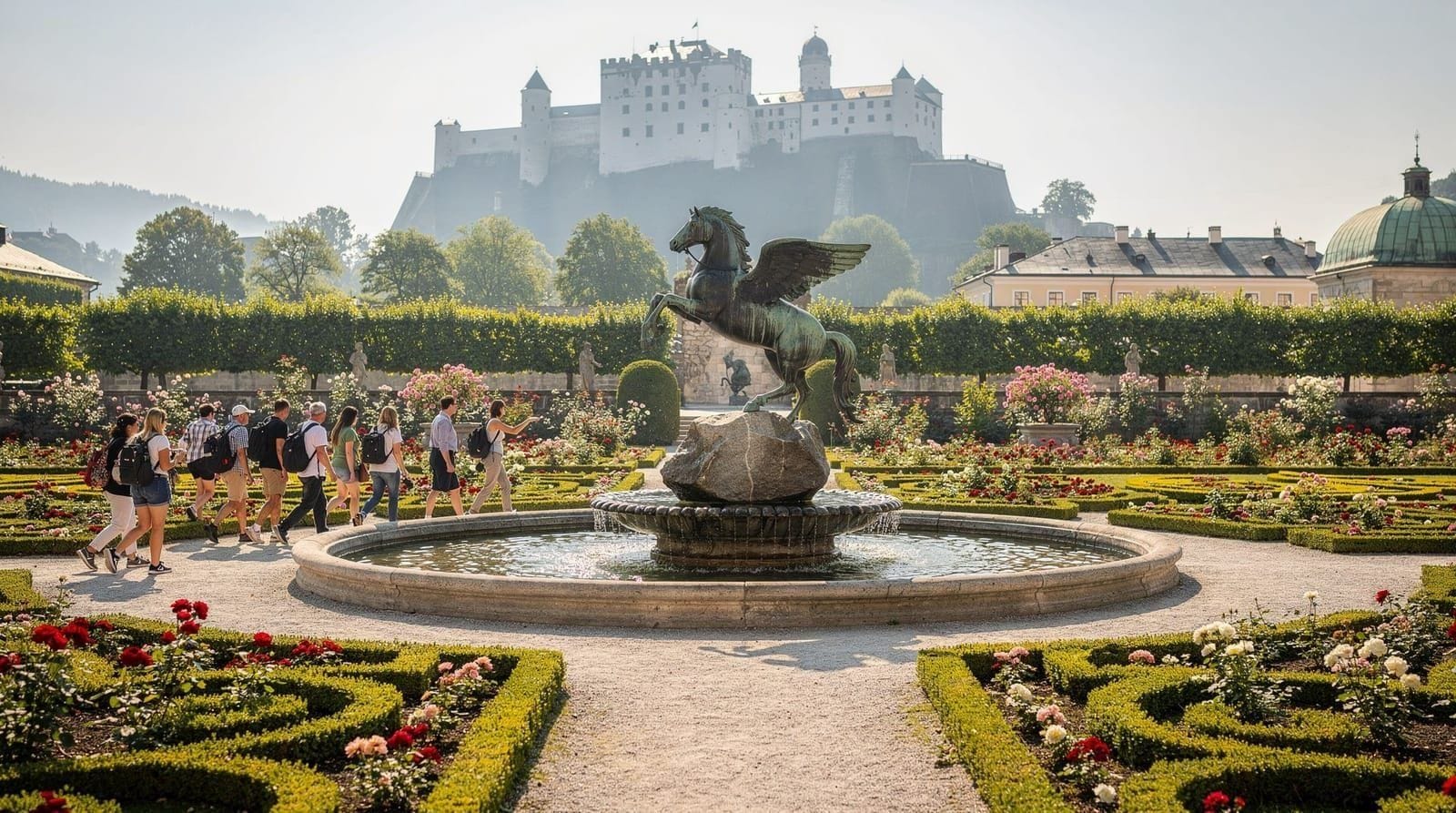
The Mirabell Palace gardens (free, open 06:00–dusk) are the location used in the “Do-Re-Mi” sequence in the 1965 film The Sound of Music. The formal baroque gardens, laid out in 1730, are genuinely lovely on their own terms — geometric flowerbeds, a Rose Hill, Dwarf Garden with its 28 marble statues — but they are also perpetually filled with tourists trying to recreate the steps that Julie Andrews and the von Trapp children climbed.
The Real (not particularly cinematic) Sound of Music Locations: Most of the film was actually shot elsewhere. The hilltop gardens shown at the opening are Leopoldskron Palace (privately owned by Harvard’s Salzburg Seminar); the lake house is Schloss Fuschl, 15 km east of Salzburg; the wedding scene is in Mondsee, 30 km away. If you are a serious Sound of Music enthusiast, a guided tour that visits all the locations is far more satisfying than standing in the Mirabell gardens expecting cinematic revelation.
Honest note on Sound of Music tours: There are several competing operators in Salzburg offering “original” tours. The 4-hour bus tours (€45–€50 per person) are well-established and include multiple film locations. The more expensive private versions are not meaningfully better for most visitors. Many day-trippers from Munich find the full tour difficult to fit in unless they take an early train. Salzburg + Wolfgangsee + Hallstatt day tour from Munich
The Salzach riverside and New Town
Cross the Makartsteg pedestrian bridge (the one covered in padlocks) to the Neustadt (New Town) side of the Salzach. This side is less visited and less crowded. The Makartplatz has the Mozart Wohnhaus (Mozart’s Residence, €13 adult) — the house where Mozart lived from 1773 to 1780. A combined ticket with the Geburtshaus is €18.50 and covers both, which is good value if you want to go deep on Mozart.
The Sebastiankirche (St Sebastian’s Church) is often overlooked. Its baroque cemetery contains the graves of Mozart’s father Leopold and his wife Constanze’s family. The mausoleum of Archbishop Wolf Dietrich von Raitenau, who commissioned much of Salzburg’s baroque rebuilding, is here too.
The Mirabell gardens are on this side; beyond them, the Kapuzinerberg hill above offers trails and views if you want a 45-minute walk to decompress from the old town crowds.
What to eat and drink in Salzburg
Salzburg is not cheap. A sit-down lunch at a Gasthof costs €18–€28 for a main; tourist traps around Getreidegasse charge €25–€35 for mediocre Wiener Schnitzel. Better options:
- Stiftskeller St. Peter (St. Peter Bezirk 1) — claims to be the oldest restaurant in Europe (operating since 803 CE). The food is solid Austrian, prices moderate for the setting (€18–€26 mains). It is not a trap; it is genuinely historical and the courtyard is pleasant.
- Zum Fidelen Affen (Priesterhausgasse 8) — a neighbourhood bar-restaurant on the New Town side, popular with locals. Schnitzel around €16, beer about €4.50. No reservations for small groups.
- Green Garden (Nonntaler Hauptstraße 16) — vegetarian and vegan Austrian food, unusually good for a city that defaults to meat. Lunch menus from €12.
For a quick Salzburg coffee and cake, the bakeries along Rathausplatz and Mozartplatz are cheaper than the famous Café Tomaselli (which charges a €2 cover and has been photographed so often it has lost the plot on pricing).
Honest tips and tourist traps
The Salzburg Card: At €35 for 24 hours, it includes entry to Hohensalzburg, the Residenz, the Mozart museums, the Modern Art Museum, all city buses, and the Mirabell lift. If you plan to see 3+ paid attractions, it pays for itself. If you are mainly walking and visiting one or two sites, buy individual tickets.
Mozart chocolate: The round praline chocolates wrapped in silver and red foil labelled “Mozartkugeln” were invented in 1890 by Paul Fürst and are still made by hand in the Fürst confectionery (multiple locations in Salzburg). The mass-produced versions from Reber and Mirabell are fine for gifts but are not the artisanal original. The original Fürst version costs about €2.40 each and is meaningfully better.
Crowds: July and August are the Salzburg Festival months; hotel prices triple, and the old town is uncomfortably crowded on most afternoons. Avoid weekends in general. The best window for a day trip from Munich is Tuesday–Thursday in May, June, September, or October.
Currency: Austria uses euros, same as Germany. No currency exchange needed.
Crossing the border by train: You do not need to show a passport. The Bayern-Ticket is valid on the Munich–Salzburg regional service. If you carry a Bayern-Ticket, have it validated (stamp the date) before boarding.
Planning your day: a practical order
A realistic day from Munich:
- 07:00 Train from Munich Hbf
- 08:30 Arrive Salzburg Hbf, walk 12 minutes to old town
- 09:00–10:30 Hohensalzburg fortress before the tour groups arrive
- 10:30–11:30 Getreidegasse + Mozart Geburtshaus
- 11:30–12:30 Lunch (Stiftskeller or Zum Fidelen Affen)
- 12:30–14:00 Residenzplatz, Dom, Residenz Palace
- 14:00–15:00 Cross to New Town: Mirabell gardens and palace
- 15:00–16:30 Kapuzinerberg walk or Mozart Wohnhaus
- 17:00 Return walk to Hbf; train back to Munich
- 18:30–19:00 Back in Munich
If you want a guided tour that combines Salzburg with the Sound of Music locations, the Eagles Nest, or Hallstatt, operators in Munich run full-day minivan trips that are worth considering — they handle the driving and the logistics of multiple stops. Private guided day trip Munich to Salzburg
Combining Salzburg with other day trips
Salzburg works well in a multi-day Bavaria itinerary. From the city, you can continue east to Hallstatt (90 minutes by bus/train via Bad Ischl) or the Wolfgangsee lakes. The Munich suggests splitting time between the city and the Salzkammergut lake district.
From Munich, Salzburg is often paired with Berchtesgaden and the Königssee on a two-day southern Bavaria circuit. If you are travelling by car, the A8 connects Munich, Salzburg, and Berchtesgaden in a natural loop.
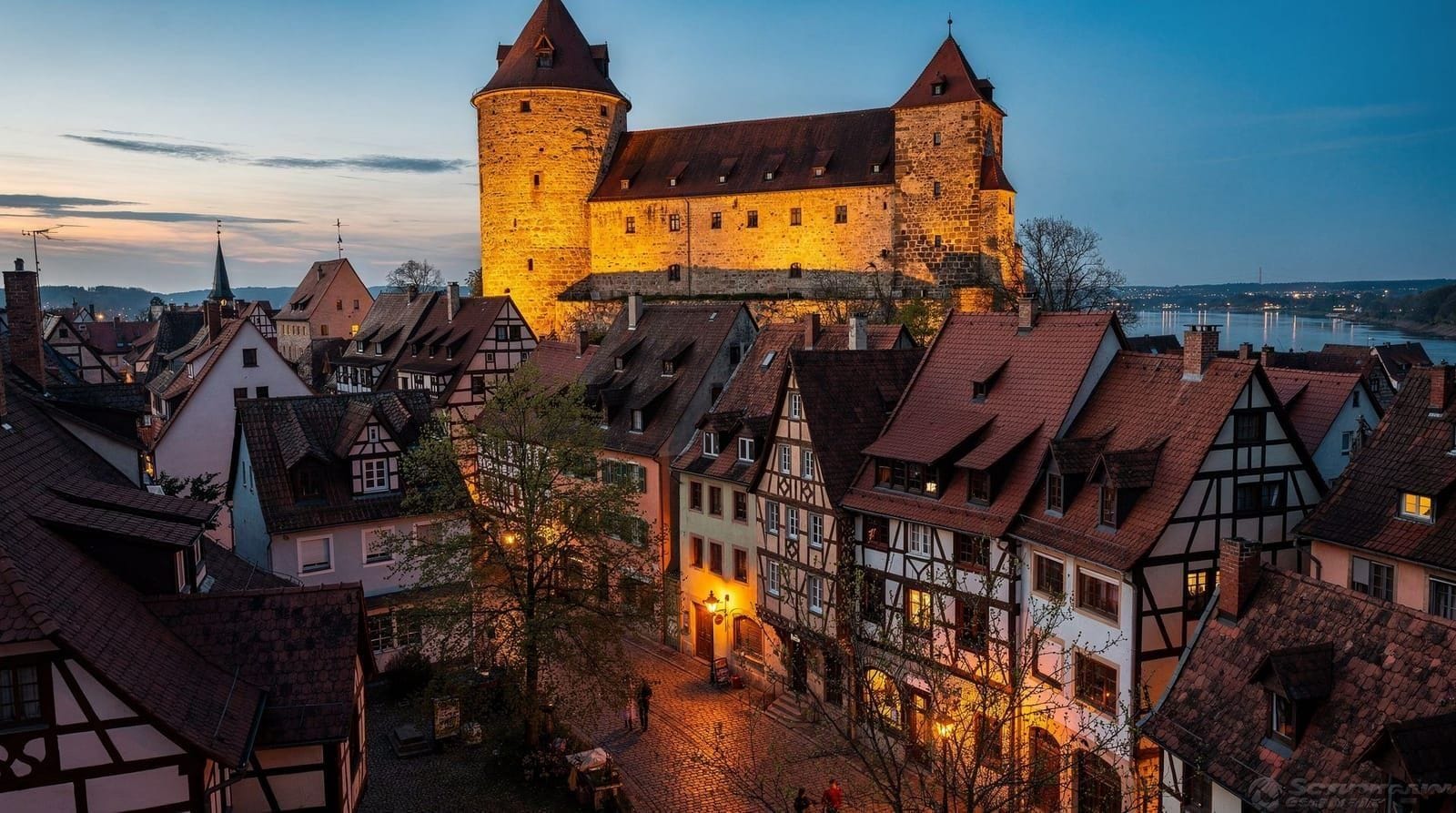
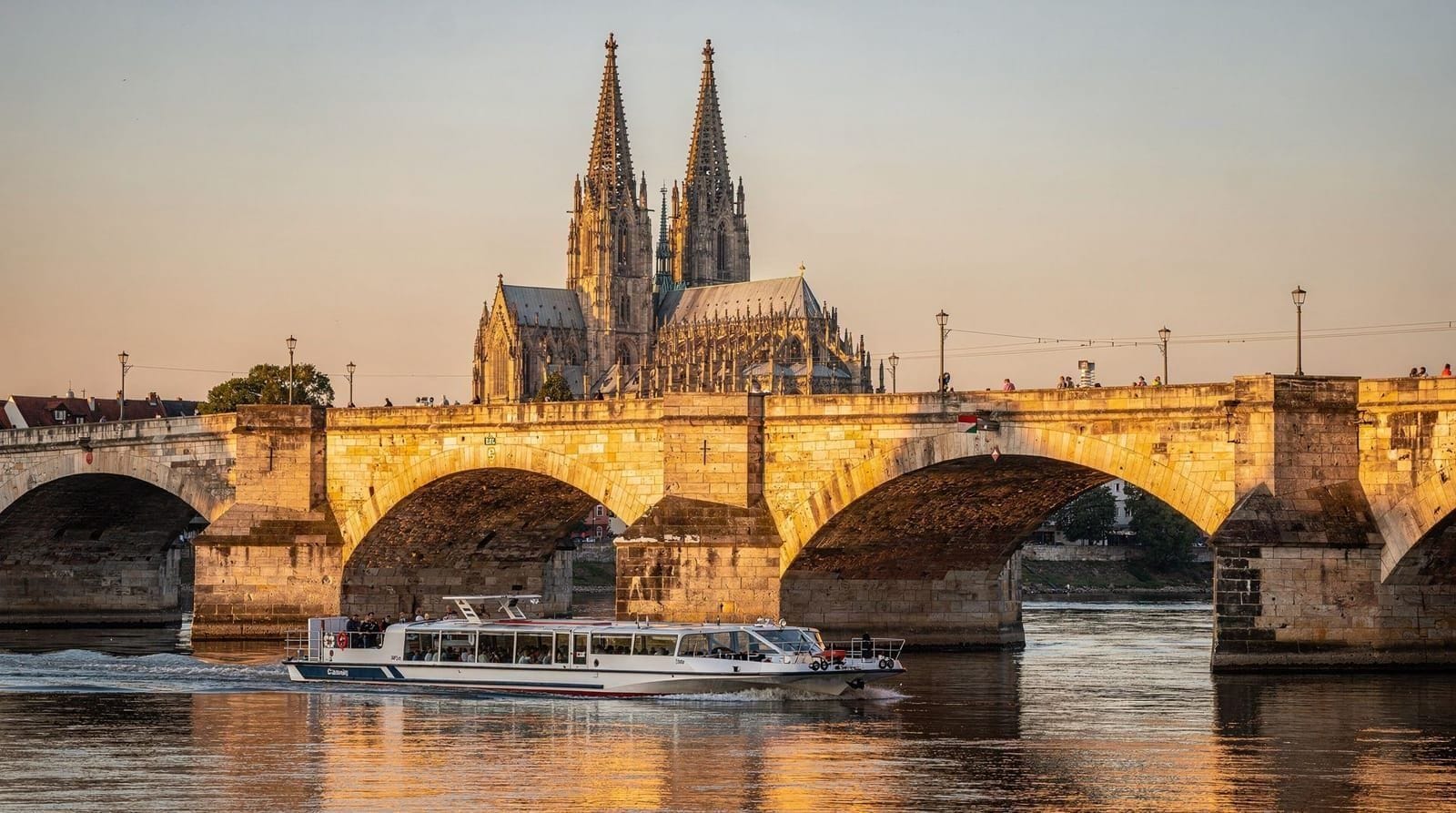
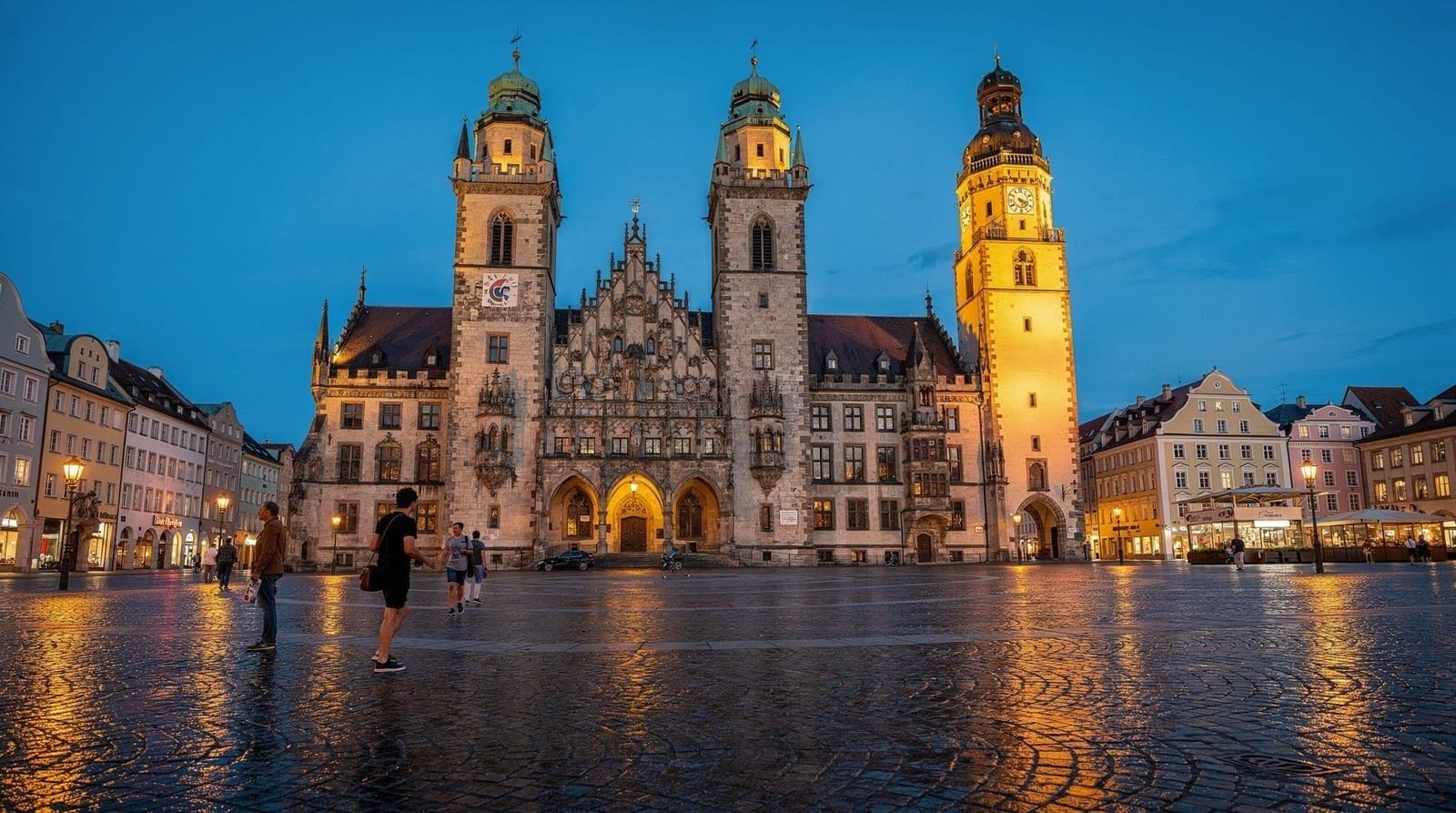
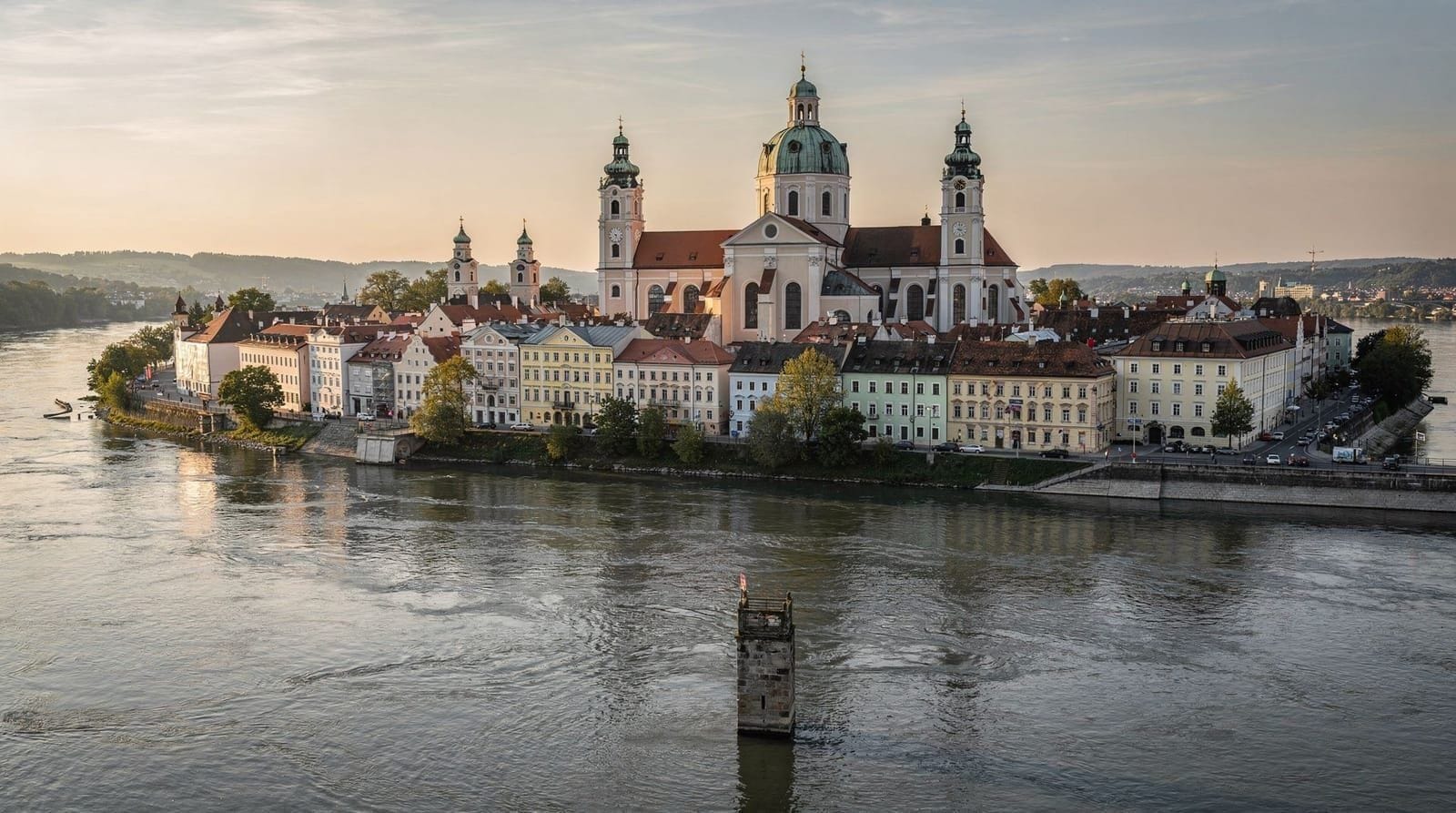
Other historic day trips from Munich at similar distance: Nuremberg (1 h by train), Regensburg (1 h 20 min), Passau (2 h), Augsburg (35 min). The best day trips from Munich guide ranks all of them by effort and return on investment.
For planning the wider trip, see the Munich and the day trips by train from Munich guide.
Salzburg with children
Salzburg works well as a family day trip, though a few adjustments help. The Hohensalzburg funicular is a highlight for most children on its own, and the fortress courtyards and marionette museum are engaging without requiring much reading. The Mirabell gardens are open, flat, and safe to run around in — genuinely one of the easier stops with young kids, Sound of Music associations aside. Skip the Mozart house museums with very young children; the small rooms and dense information panels do not hold their attention. The Salzach riverside paths on the New Town side are pram-friendly and quieter than the old town lanes. If travelling by train, note that the direct Munich–Salzburg service has limited luggage and pram space at peak times, so an early or off-peak departure is more comfortable with a stroller. For a broader family-trip framework covering the wider Bavaria region, see the Munich with kids guide.
Salzburg vs other Munich day trips
For visitors deciding between Salzburg and Bavaria’s other classic historic-city day trips, here is how the logistics and character compare.
| Salzburg | Regensburg | Nuremberg | Passau | |
|---|---|---|---|---|
| Travel time from Munich | ~1h30 | ~1h30 | ~1h | ~2h |
| Border crossing | Yes (Austria, no checks) | No | No | No |
| Signature draw | Hohensalzburg + Mozart + baroque | Medieval old town, Stone Bridge | Kaiserburg, WWII history | Three-rivers geography, organ |
| Crowd level | High, especially July–Aug | Moderate | High (bigger city) | Lower except cruise days |
| Cost level | Higher (Austria pricing) | Moderate | Moderate | Moderate |
See the best day trips from Munich guide for the full comparison across all options.
Salzburg in winter and at Christmas
Salzburg’s Christmas market (Christkindlmarkt) runs on the Residenzplatz and Domplatz from late November through 26 December, one of Austria’s oldest and best-regarded, dating back to the 15th century in some form. The baroque squares, lit and decorated against the fortress backdrop, are genuinely more atmospheric than the market stalls themselves — expect the usual mulled wine (Glühwein) and craft stalls at similar prices to Munich’s markets. Snow on the fortress and surrounding hills, when it falls, makes for the best Salzburg photographs of the year. Trains run a slightly reduced schedule around Christmas Day and New Year’s Day, so check timetables if travelling on those specific dates. Outside the market period, January and February are Salzburg’s quietest months — cold, sometimes grey, but with the fortress and museums entirely free of the summer queues.
Frequently asked questions about Salzburg
Do I need a passport to travel from Munich to Salzburg?
No. Both Germany and Austria are Schengen member states, so there are no border controls on trains or by road. You should carry ID (an EU identity card is sufficient for EU citizens; non-EU visitors should carry their passport in general), but in practice, passport checks on the Munich–Salzburg train are rare.
Is the Bayern-Ticket valid on the train to Salzburg?
Yes, the Bayern-Ticket is valid on the regional DB/ÖBB train to Salzburg Hbf, even though Salzburg is in Austria. It is not valid on ICE or fast Railjet (Railjet EC) services. From €29 for one person (€8 per additional person, up to 5 people), it remains the cheapest way to make the journey.
How many hours do you need in Salzburg?
A minimum of 5–6 hours in the city proper lets you cover the fortress, Getreidegasse, and the Mirabell gardens comfortably. Most visitors who take the early train (07:00 from Munich) and return at 19:00 find 9–10 hours more than adequate. If you want the Sound of Music tour, add 4 hours.
Is the Salzburg Card worth buying?
For most day-trippers who plan to visit Hohensalzburg, the Residenz Palace, and at least one Mozart museum, the 24-hour Salzburg Card (€35, 2026) covers those admissions plus all city buses and the fortress funicular. If you only plan to walk around and visit one site, individual tickets are cheaper.
When is Salzburg too crowded?
July and August (Salzburg Festival season) are extremely busy; hotel prices are very high and the old town is packed on afternoons. Christmas markets (late November to 26 December) are beautiful but draw large crowds on weekends. The least busy periods are early May, late September, and October on weekdays.
What is the Salzburg Festival?
The Salzburg Festival (Salzburger Festspiele) is one of the world’s leading performing arts festivals, held from late July to late August since 1920. It focuses on opera, theatre, and concerts — Mozart’s Don Giovanni is usually performed in the Felsenreitschule (cliff-face open-air stage). Tickets range from €10 (standing) to €450+ (opera premiere). Unless you have tickets, visiting during the festival is mainly attractive for the atmosphere and the outdoor concerts in the squares.
Can I combine Salzburg with a visit to Hallstatt in one day from Munich?
It is physically possible but exhausting. Hallstatt is about 75 km southeast of Salzburg (90 minutes by a combination of regional train and ferry across the lake). A Munich–Salzburg–Hallstatt–Munich day requires a very early start and a late return. Most people find a dedicated Salzburg day and a separate Hallstatt via the Salzkammergut day more comfortable.
Is Salzburg expensive compared to Munich?
Somewhat, yes. Restaurant mains, museum entries, and hotel rates in Salzburg’s old town generally run 10–20% higher than equivalent options in Munich, partly because the historic centre is small and tourist demand is concentrated. Eating a street or two back from Getreidegasse and Residenzplatz closes much of that gap.
Internal links for further planning
Top experiences
Bookable activities with verified prices and instant confirmation on GetYourGuide.