Berchtesgaden — Eagle's Nest, Königssee, and WWII history
Plan your visit to Berchtesgaden: Eagle's Nest, Königssee boat trip, Obersalzberg history, salt mine, and how to get there from Munich.
Munich: Eagle's Nest, Obersalzberg and Berchtesgaden tour
Quick facts
- Distance from Munich
- 150 km SE (2 h 30 min by train)
- Train route
- Munich Hbf → Freilassing or Salzburg → Berchtesgaden (BRB/Deutsche Bahn)
- Elevation (town)
- 572 m; Eagle's Nest at 1,834 m
- Eagle's Nest season
- Mid-May to late October (road closed in winter)
- Königssee boat (year-round)
- Adult round trip approx. EUR 21
Where the Alps meet the darkest history
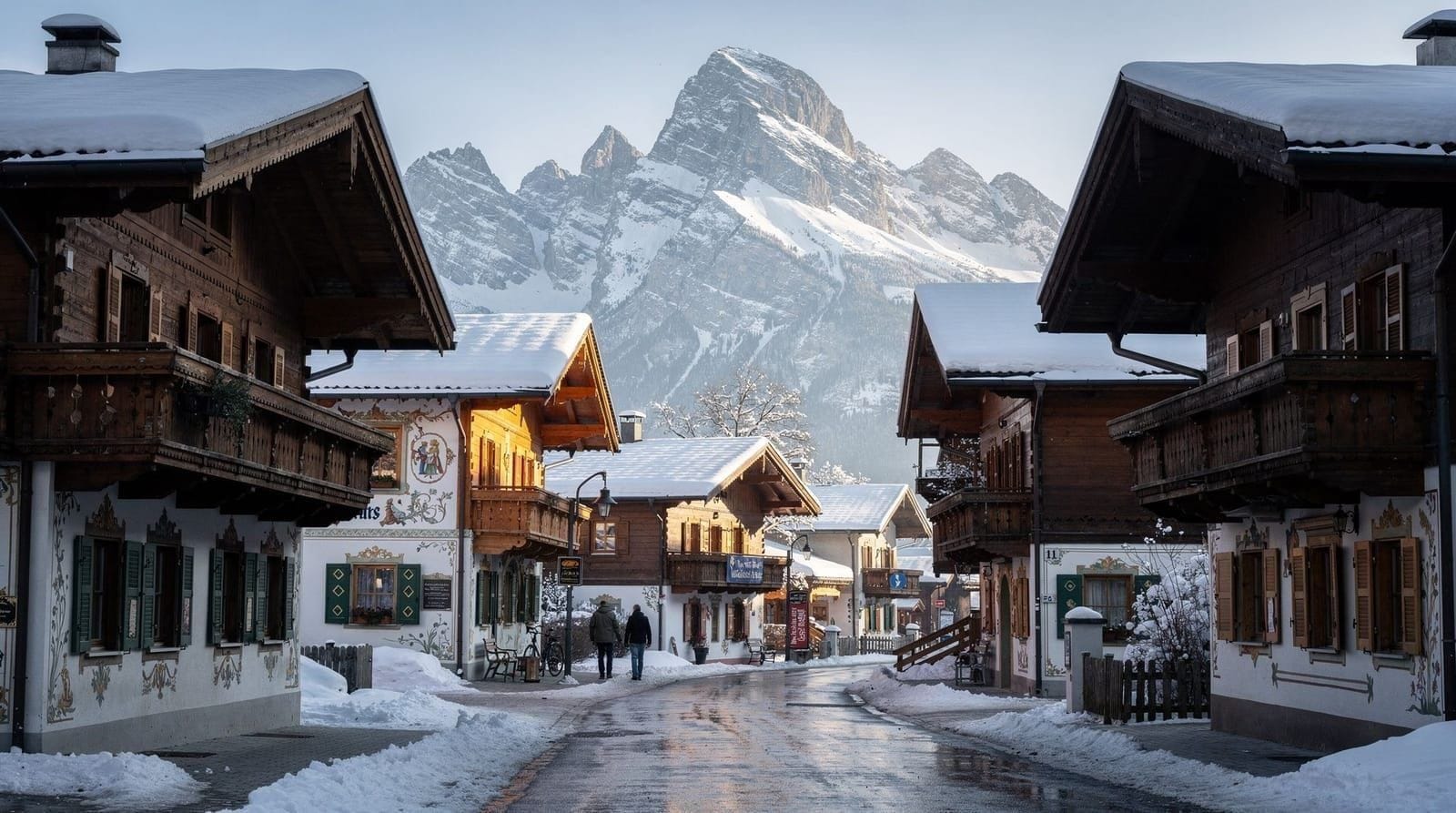
Berchtesgaden sits in the far southeastern corner of Bavaria, pressed against the Austrian border and surrounded by a dramatic ring of peaks. The town is small (population around 7,500), deeply traditional, and extraordinarily scenic. It is also the site of one of the most significant — and contested — landscapes of the 20th century: the Obersalzberg, where Adolf Hitler established his mountain retreat from 1933 onward.
Managing these two realities is what makes Berchtesgaden distinctive among Alpine destinations. The natural setting is genuinely beautiful: the Königssee is one of Europe’s cleanest and most visually striking lakes, the surrounding Berchtesgaden National Park (the only Alpine national park in Germany) contains genuine wilderness, and the town’s salt-mining heritage predates the Nazi period by six centuries. But understanding what happened on the Obersalzberg and the Kehlstein — the Eagle’s Nest — is essential context for any visitor. The area has been sensitively handled since the 1990s, with the Dokumentation Obersalzberg providing serious historical interpretation.
| Where | 150 km southeast of Munich, on the Austrian border |
| Cost | Around EUR 100–150/person for train, Eagle’s Nest bus, and Königssee boat |
| Time needed | Day trip possible; 2 days for an unhurried visit covering all main sites |
| Getting there | Train via Salzburg or Freilassing, 2h30–3h; A8/A10 by car, ~2h |
| Best time | Mid-May to late October for the Eagle’s Nest; year-round for Königssee |
Getting from Munich to Berchtesgaden
The train journey from Munich takes 2 hours 30 minutes to 3 hours depending on the connection. The route goes Munich Hbf → Salzburg (via Deutsche Bahn ICE/IC, approximately 1 hour 30 minutes) → Freilassing → Berchtesgaden (BRB, approximately 45 minutes). Alternatively, some trains run direct via Freilassing without changing at Salzburg. Check the DB Navigator app for current schedules.
The Bayern-Ticket is not valid on ICE trains; use it on regional BRB services only. If using the Bayern-Ticket, the journey involves all-regional services via Rosenheim and Freilassing (add around 30–45 minutes). A day return using Deutschland-Ticket (EUR 49/month in 2026) is valid and cost-effective.
By car, the route via A8 and A10 (via Salzburg) takes approximately 2 hours from Munich. Parking is available at the main town centre car parks near the train station (EUR 1.50–2 per hour) and at Schönau am Königssee for the lake (EUR 6–8 per day at the main lake car parks).
For the Eagle’s Nest specifically, you cannot drive to the summit — a dedicated bus service from the Obersalzberg is the only motorised access. This is covered below.
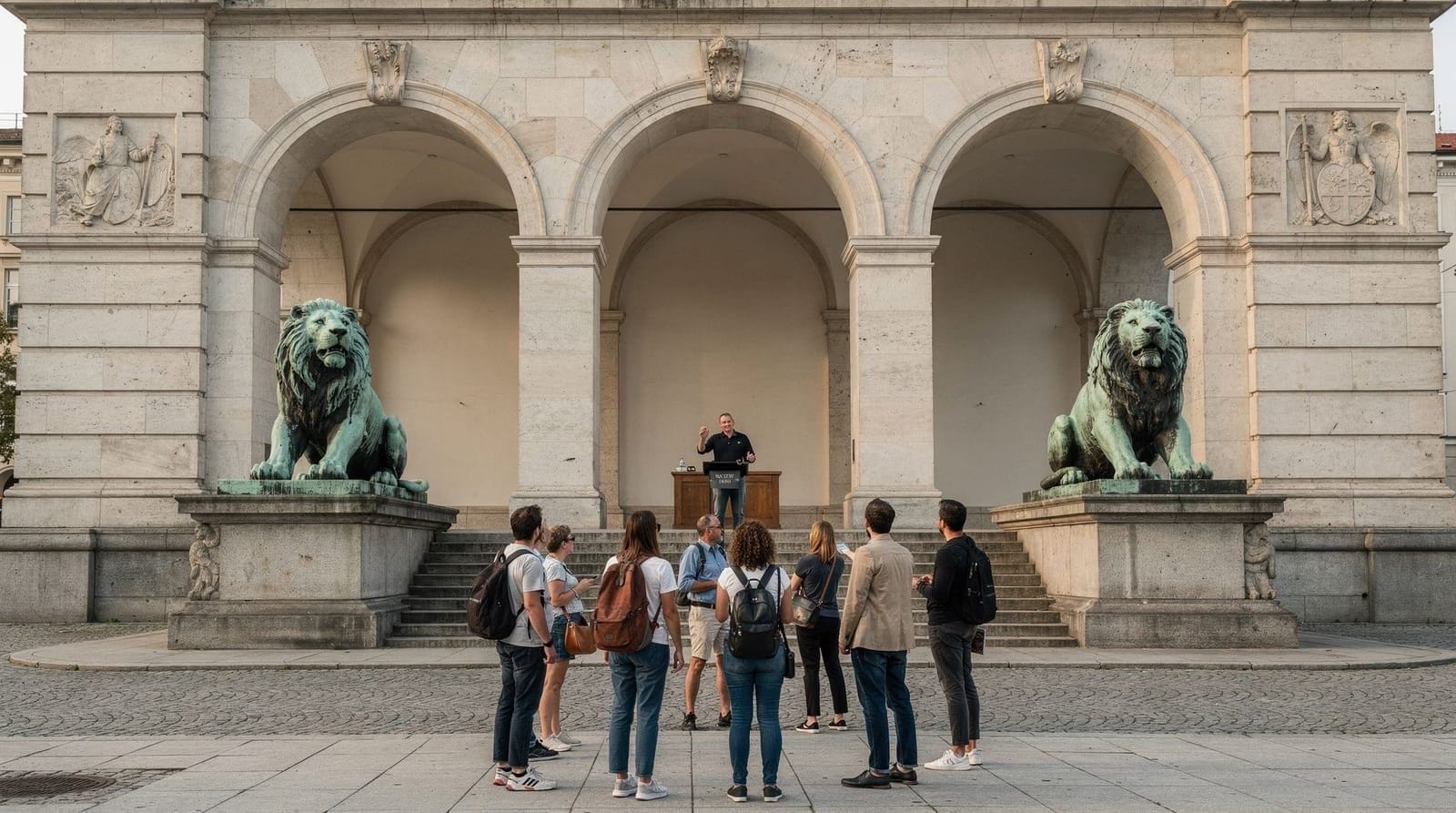
Organised day tours handle the logistics: a full-day Eagle’s Nest and Berchtesgaden tour from Munich covers transport, the Obersalzberg, and the Eagle’s Nest with a guide who provides historical context. The Munich to Berchtesgaden day trip guide covers independent transport in full.
The Eagle’s Nest (Kehlsteinhaus)
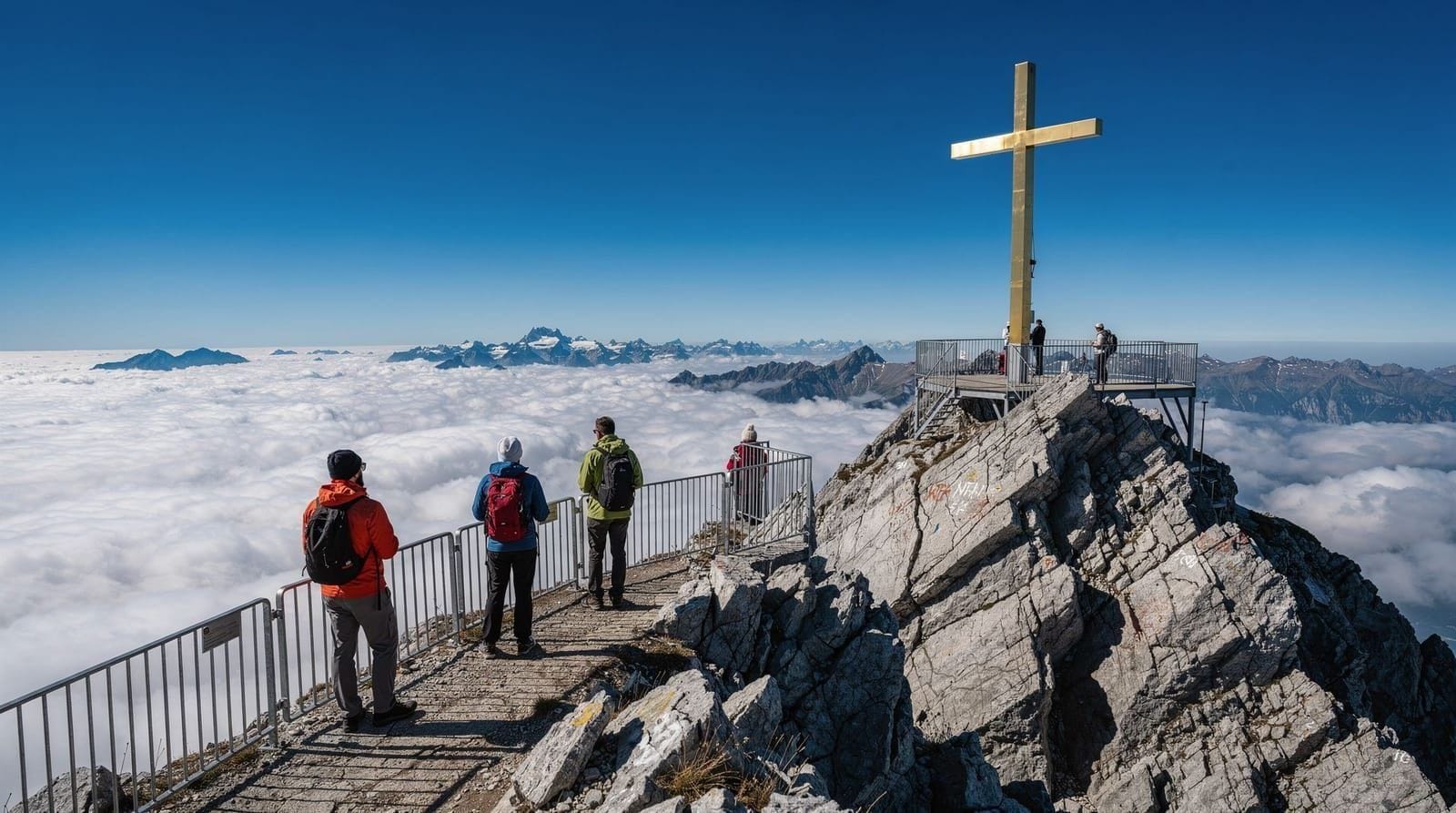
The Kehlsteinhaus — known in English as the Eagle’s Nest — is a teahouse built at 1,834 metres on the Kehlstein peak and presented to Hitler on his 50th birthday in 1939 by the Nazi Party. It was used rarely (Hitler visited perhaps 14 times) and was never a primary Nazi command centre, contrary to popular perception. The building survived the war intact and has operated as a restaurant and viewpoint since 1952. Revenue funds charitable activities in the Berchtesgaden area.
The ascent involves a 6.5-km mountain road (the Kehlsteinstraße) that is closed to private vehicles and accessible only by the official Kehlstein-Dokumentation bus service from the Obersalzberg area. Buses run from mid-May to late October; the road is closed in winter due to avalanche risk. A bus ticket (which must be purchased at the Dokumentationszentrum or online) costs EUR 35 for adults and EUR 21 for children in 2026, and includes a 124-metre lift carved through the Kehlstein rock to the teahouse level.
The building itself is architecturally interesting, with marble-lined rooms (the original furniture was removed by US forces in 1945 and replaced with period replicas). The panoramic views over the Berchtesgadener Land, Austria, and the Dolomites are exceptional. Plan 2–3 hours at the summit and allow around 30–45 minutes for the bus queue in high season. The on-site restaurant serves good-quality Bavarian food.
A detailed history and visit guide is at our Eagle’s Nest guide. For a focused WWII context tour: a full-day guided tour covering the Eagle’s Nest, bunkers, and Obersalzberg WWII history provides the most coherent historical narrative.
Obersalzberg and the Nazi documentation centre
The Obersalzberg is the plateau above Berchtesgaden town where the Nazi hierarchy established a second seat of power from 1933 to 1945. Hitler’s Berghof residence was here; so were Hermann Göring’s house, Martin Bormann’s residence, extensive bunker networks, and SS barracks. Allied bombing on 25 April 1945 destroyed most of the above-ground structures; the ruins and surviving bunkers remained largely unexamined until the 1990s.
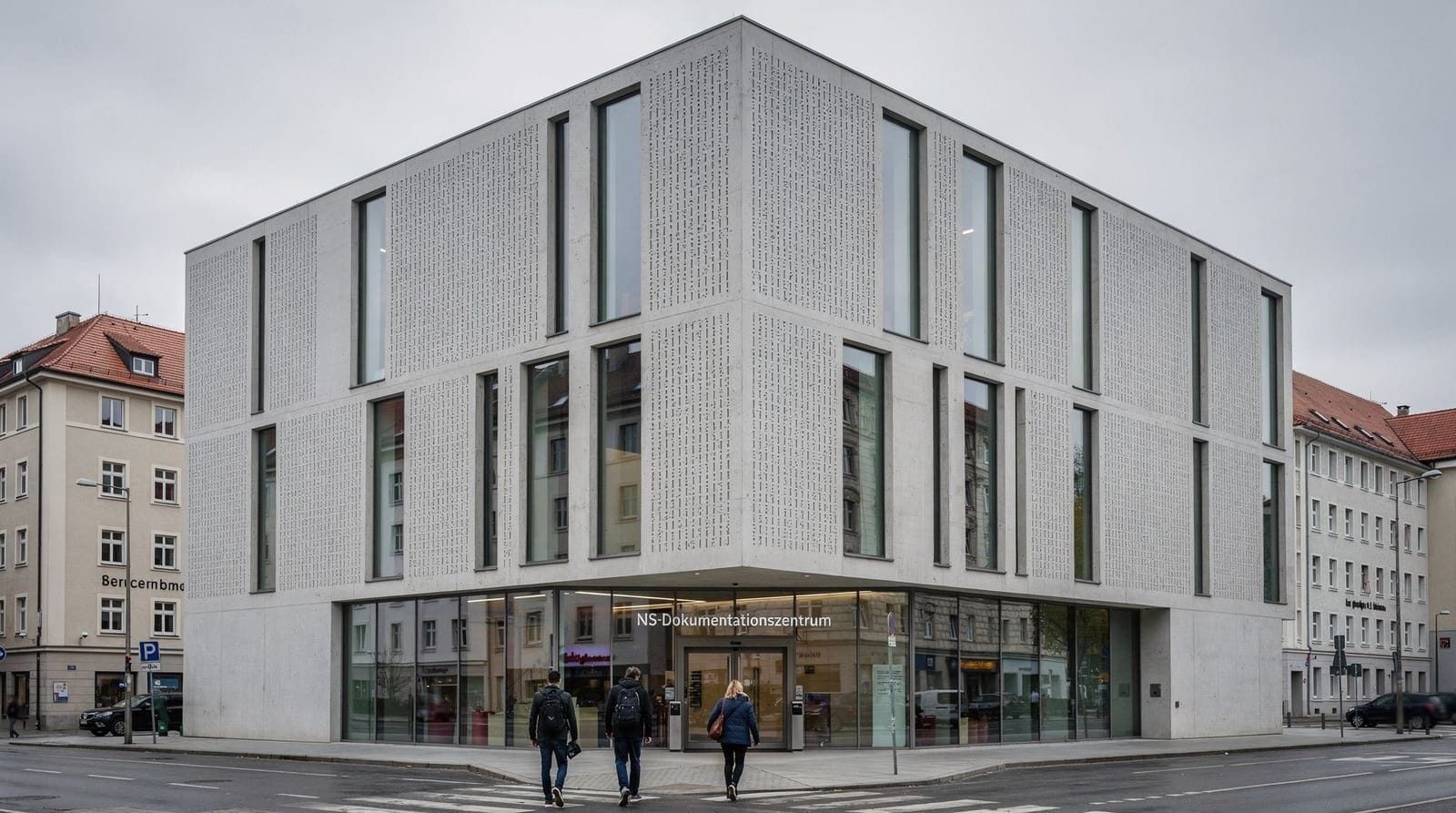
The Dokumentation Obersalzberg (documentation centre) opened in 1999 and was substantially expanded in 2024. It is a serious historical museum covering the rise of National Socialism, the Obersalzberg as a seat of power, forced labour, and the post-war history of the site. Entry costs EUR 12 for adults (EUR 9 reduced) and the permanent exhibition takes 2–3 hours to cover properly. The guided bunker tour (underneath the documentation centre) costs an additional EUR 5 and is worth doing; the bunkers were designed as a command post for senior Nazis and survive in good condition.
The documentation centre is a 20-minute bus ride from Berchtesgaden town centre. It is not a place to treat lightly: the material is disturbing and the historical weight of the location is palpable. The Munich WWII history guide and Nazi documentation center guide provide broader context.
Königssee
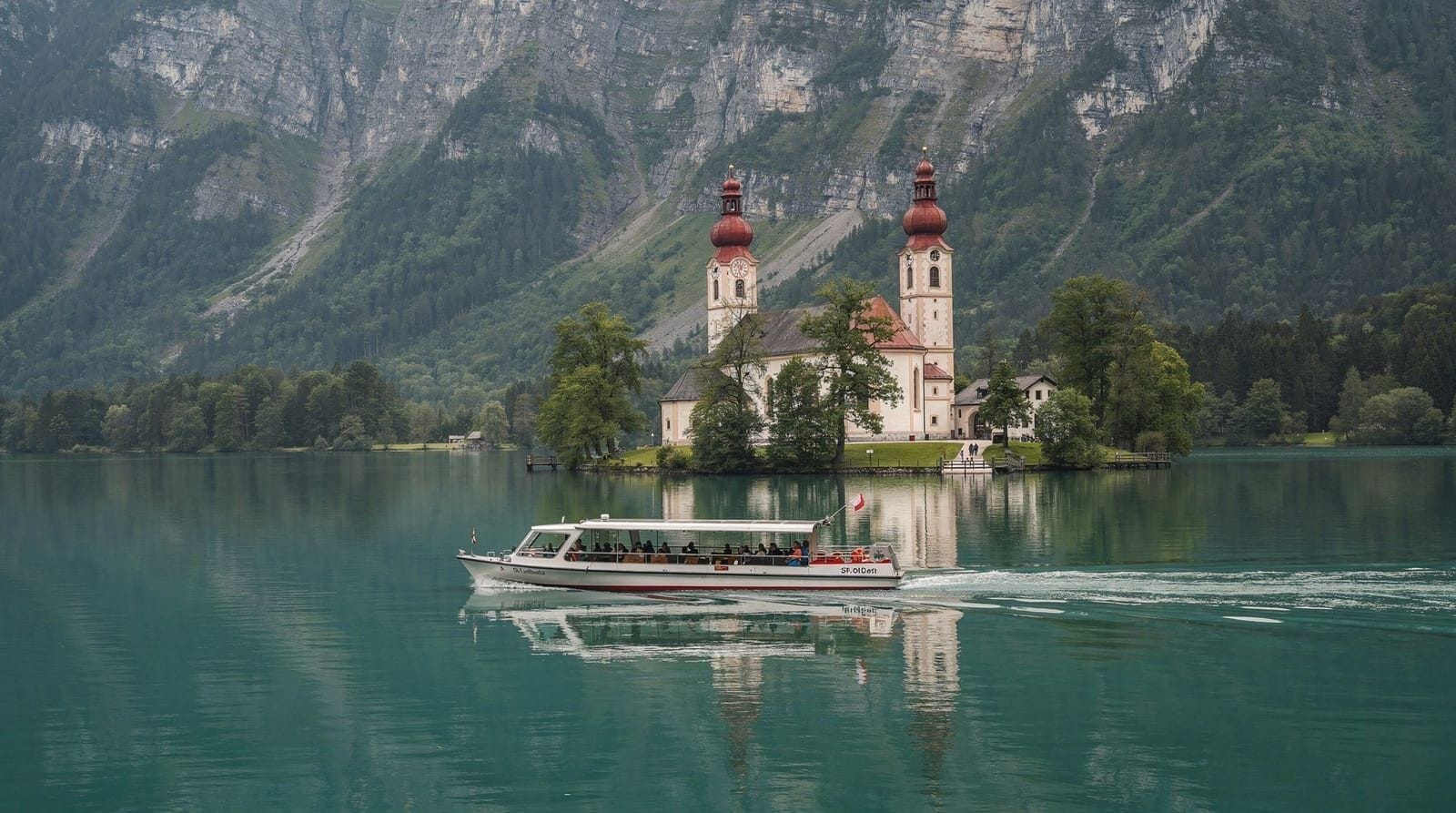
The Königssee is 5 kilometres south of Berchtesgaden town and is covered in more detail on the dedicated Königssee destination page. In brief: it is a 7.7-km-long fjord-like lake set in near-vertical rock walls within the national park, navigable only by electric boats (no motorised private vessels permitted) and famous for its echo demonstrations. The boat trip to the chapel of St. Bartholomä (halfway down the lake) costs EUR 21 return for adults in 2026 and takes about 20 minutes each way.
The combination of Königssee with the Eagle’s Nest and Obersalzberg is the most common two-destination itinerary for visitors to the area. Doing both in one day is possible but requires an early start; staying overnight in Berchtesgaden allows a more relaxed experience.
WWII bunkers and underground history
Beyond the Dokumentation Obersalzberg, the area contains an extensive network of bunkers built from 1943 onward as Allied bombing intensified. The official bunker tour (included with the documentation centre ticket at an additional EUR 5) covers approximately 150 metres of the surviving tunnel network below the Obersalzberg plateau. The bunkers were designed to allow the Nazi leadership to continue operations during bombing; they were never fully used for this purpose.
Separate from the official tour, several private operators run guided tours of parts of the bunker network, including areas not covered by the official exhibition. The Berchtesgaden covers the documented historical sites with a specialist guide who can contextualise the material beyond what the exhibition signage provides. This is recommended for visitors with a serious historical interest rather than those primarily seeking the scenic or recreational experience.
The Obersalzberg area is also notable for what is absent: the Berghof (Hitler’s primary Alpine residence) was demolished by the Bavarian government in 1952 to prevent it becoming a pilgrimage site for neo-Nazi groups. Only the foundations survive, unmarked. The Dokumentation Obersalzberg deliberately chose to build on this site, making the museum’s physical placement an act of historical reclamation.
Berchtesgaden salt mine
The Salzbergwerk Berchtesgaden has been extracting salt from the Berchtesgaden deposits since 1517. The guided mine tour (75 minutes) involves a salt-dusted coverall, a descent by miners’ railway (Grubenbahn), rides down wooden slides into the mine chambers, a boat crossing of an underground salt lake illuminated by light projections, and a return by funicular. The experience is theatrical, historically informative, and genuinely enjoyable for mixed-age groups.
Entry costs EUR 25 for adults and EUR 14 for children (4–16) in 2026. The mine is open year-round. In summer, tickets should be booked online (salzbergwerk.de) as slot times fill up several days in advance during peak season. The mine stays at a constant 12°C regardless of outside temperature; bring a light jacket.
The salt mine is a 15-minute walk from Berchtesgaden town centre and makes a good first or last activity of the day given its fixed time slots.
Berchtesgaden National Park
The Berchtesgadener Land National Park (covering 210 km²) contains some of Germany’s most pristine Alpine terrain: the Watzmann massif (2,713 m, the third-highest peak in Germany), high alpine meadows, glacial valleys, and the Königssee itself. The national park has no entry fee but maintains strict rules: no camping outside designated sites, dogs must be leashed, and motorised access is restricted.
The Watzmann Ostwand (east face) is one of the most challenging rock faces in the Alps and is strictly for technical climbers. More accessible options include the Jenner summit (1,874 m, reached by gondola from Schönau am Königssee, EUR 34 adults return) for views over the Königssee from above, and the circular walk around the Obersee (reached by boat from the Salet landing on the Königssee).
Hiking detail is in the Berchtesgaden National Park section of our Alps hiking guide.
Planning a multi-day stay
Most visitors come on a day trip from Munich, but Berchtesgaden rewards a two-night stay if you want to cover the area without rushing. A suggested two-day structure:
Day 1: Arrive morning, visit the Dokumentation Obersalzberg and bunker tour in the morning, take the Eagle’s Nest bus in the early afternoon (targeting the 13:00 bus to avoid morning crowds), descend by 16:00, explore Berchtesgaden town and salt mine on day 2 morning.
Day 2: Salt mine tour (timed slot, book in advance), then boat to Königssee with option to extend to the Obersee.
For hiking beyond the Jenner gondola, the Watzmann Haus hut (1,430 m) is a 3-hour walk from Berchtesgaden town and serves as a base for the Watzmann Hochkalter ridge — a serious but non-technical mountain walk with extraordinary views over the Königssee. The Alps hiking guide covers route options with difficulty ratings.
The Bavarian Alps 3-day itinerary integrates Berchtesgaden with Garmisch-Partenkirchen and the Zugspitze into a structured multi-destination trip. The Munich castles and Alps 3-day itinerary adds Neuschwanstein as a third stop.
How Berchtesgaden compares to other Bavarian Alps destinations
Visitors choosing between the major Bavarian Alps day trips often ask whether Berchtesgaden or the Zugspitze offers more value. They are fundamentally different experiences: the Zugspitze is a pure mountain summit experience (mechanical ascent, views, descent), while Berchtesgaden is a multi-layered destination combining difficult history, a UNESCO-listed lake, underground heritage (salt mine), and hiking in a national park. Two different trips, not competing alternatives.
Compared to the Neuschwanstein experience, Berchtesgaden is less iconic but less crowded and more diverse in what it offers. The Eagle’s Nest draws visitors specifically for its WWII context, which makes it a different audience from the fairy-tale castle crowd. Honest advice: if you only have one Alpine day trip from Munich, Neuschwanstein and Berchtesgaden are the two strongest candidates, for entirely different reasons.
Berchtesgaden by season
The Eagle’s Nest bus and the national park’s high trails are strictly seasonal, which makes timing more important here than at most Bavarian Alps destinations.
| Season | Eagle’s Nest | Königssee | Salt mine & hiking |
|---|---|---|---|
| May–June | Opens mid-May, quieter than midsummer | Boats running, water cold but scenic | Mine year-round; lower trails open |
| July–August | Peak season, book bus tickets ahead | Busiest, warm enough to see the clear turquoise colour at its best | Mine busy; Jenner and Watzmann Haus trails fully open |
| September–October | Open until late October, thinning crowds | Excellent, clear light, fewer boats | Good hiking conditions, cooler |
| November–April | Closed (avalanche risk) | Open year-round, atmospheric in snow | Mine open; Jenner ski area operates Dec–April |
The Dokumentation Obersalzberg and the salt mine are the two attractions unaffected by the Eagle’s Nest’s seasonal closure, making them the sensible focus for a winter visit.
Berchtesgaden for one intense day versus two relaxed days
A single day from Munich is genuinely workable but forces a choice: Eagle’s Nest and Obersalzberg together, or Königssee and the town, not comfortably all three. Two days changes the calculation completely — day one for the WWII history (Obersalzberg documentation centre, bunker tour, Eagle’s Nest bus in the early afternoon), day two for the natural side (Königssee boat to St. Bartholomä, the salt mine, or a Jenner gondola ascent). Given the 2.5–3 hour journey each way from Munich, an overnight stay converts roughly 5–6 hours of travel time into a single overhead cost rather than paying it twice, which is the strongest practical argument for staying rather than day-tripping.
Where to eat and stay
Hofbräuhaus Berchtesgaden (Brauhausstraße 13): The town has its own historic Hofbräuhaus (separate from the Munich one), founded in 1645. Traditional Bavarian food and Hofbräu beer in a historic setting; mains EUR 14–22.
Restaurant Schiffmeister (Schönau am Königssee, at the lake): Good fish dishes including Saibling (char) from the lake. Mains EUR 18–28. A more honest meal option than the boat landing food stalls.
Kehlsteinhaus restaurant (at the Eagle’s Nest): Surprisingly decent Bavarian food at summit prices; a Masskrug costs EUR 7.50 and a Schweinebraten around EUR 20.
For accommodation, Berchtesgaden has a range of hotels and Pensionen; prices are significantly lower than Munich. A good mid-range option is the Hotel Edelweiss (Maximilianstraße 2) with mountain views. Budget around EUR 90–150 per night for a comfortable double room in summer.
Frequently asked questions about Berchtesgaden
Can I visit Berchtesgaden as a day trip from Munich?
Yes, but it is the longest day trip in this guide. Budget around 5–6 hours of travel time total (2.5 hours each way) plus activity time. Realistic options in a single day: Eagle’s Nest + Obersalzberg, OR Königssee boat trip + Berchtesgaden town. Doing all three main attractions in one day requires an early train and minimal dawdling.
When is the Eagle’s Nest open?
Mid-May to late October, weather permitting. The Kehlsteinstraße is closed throughout winter (typically November to May) due to avalanche risk. Check the official Kehlstein website for the exact opening date each year, which varies depending on snowmelt.
Is the Eagle’s Nest actually the Eagle’s Nest from the war?
Yes and no. The Kehlsteinhaus is the original building, built in 1938 and survived largely intact. However, it was not a primary command centre and Hitler visited rarely. The more historically significant site is the Obersalzberg below, where the Berghof, Göring’s house, and the main command bunkers were located. The Eagle’s Nest is more visually spectacular; the Dokumentation Obersalzberg is more historically important.
Do I need to book the Eagle’s Nest bus in advance?
Yes, in July and August. The bus service has limited capacity and can sell out several days in advance during peak summer. Book online at kehlstein.de or at the Dokumentationszentrum ticket office. Arriving without a ticket on a summer weekend often means a 2–3 hour wait or missing the last bus up.
What is the salt mine experience like for children?
Excellent. The sliding, the underground boat, the miners’ railway, and the light show make it one of the more engaging family activities in Bavaria. Children need to be at least 4 years old. The mine maintains 12°C year-round so bring a layer even in summer.
How do I combine Berchtesgaden with Salzburg?
Berchtesgaden and Salzburg (Austria) are 30 km apart by road. A natural combination is Munich → Salzburg (1.5 hours, explore 2 hours) → Berchtesgaden (30 minutes by bus/car) → Eagle’s Nest or Königssee → return to Munich. The Munich to Salzburg day trip guide covers the Salzburg portion, while the Bavaria to Salzburg Austria connection gives broader context.
Is there skiing near Berchtesgaden?
Yes. The Jenner ski area above Schönau am Königssee has 18 km of pistes and operates December to April. It is modest in size but with excellent snow reliability and stunning views. Day passes cost EUR 40–48 for adults. For more extensive skiing, Garmisch-Partenkirchen or the Zugspitze glacier offers a larger ski area.
Is it better to visit Berchtesgaden as a day trip or stay overnight?
A day trip is workable but forces a choice between the Eagle’s Nest/Obersalzberg combination and the Königssee/town combination — doing all three main attractions in one day from Munich is possible only with an early start and little dawdling. An overnight stay spreads the 2.5–3 hour journey’s overhead across two full days rather than one rushed one, and is the better choice for anyone who wants to properly absorb the Obersalzberg history without watching the clock.
What should I prioritise if I can only do one thing in Berchtesgaden?
If WWII history is the primary interest, the Dokumentation Obersalzberg with the bunker tour gives more substance than the Eagle’s Nest alone and doesn’t depend on a seasonal bus. If natural scenery is the priority, the Königssee boat to St. Bartholomä is the single most rewarding two-hour activity in the area and runs year-round, unlike the Eagle’s Nest.
Top experiences
Bookable activities with verified prices and instant confirmation on GetYourGuide.