Munich castles 3-day itinerary: Neuschwanstein, Linderhof, Herrenchiemsee and Nymphenburg
From Munich: Neuschwanstein and Linderhof Castle full-day trip
Why three days for Bavaria’s royal castles
King Ludwig II built obsessively, and each of his three major castles demands a half to full day to do justice. Cramming Neuschwanstein and Linderhof into one day is physically possible but results in rushed visits and a long, exhausting drive. Spending three days lets you see each palace at a calm pace, catch morning light at Neuschwanstein’s Marienbrücke viewpoint before the crowds arrive, and still finish with Nymphenburg in Munich without feeling you are on a forced march.
This itinerary works best with a rental car. It is doable by public transport and organised tours, but the logistics become complicated on day two (Herrenchiemsee) and day three (Linderhof). Car rental in Munich for three days in 2026 typically costs €70–120 total, depending on the provider.
Logistics base: Stay in Munich or Füssen. Füssen works well for day one (it is right next to Neuschwanstein), while Munich is the logical base for days two and three.
| Where | Neuschwanstein/Hohenschwangau (Füssen) → Herrenchiemsee (Prien) → Linderhof/Nymphenburg (Munich) |
| Cost | Around €54–68/person admissions, plus €70–120 car rental |
| Time needed | 3 full days, ideally with a rental car |
| Getting there | A95/B17 to Schwangau; A96/A8 to Prien; A95/B2/B23 to Ettal |
| Best time | April–May or September–October for fewer crowds |
Day 1: Neuschwanstein and Hohenschwangau
Morning: timed entry at Neuschwanstein
Drive from Munich to Schwangau (about 2 hours without stops). The A95 south to Garmisch, then west on the B17 via Füssen, is the most direct route. Leave Munich by 7:00 to be at the ticket centre by 9:00 when it opens.
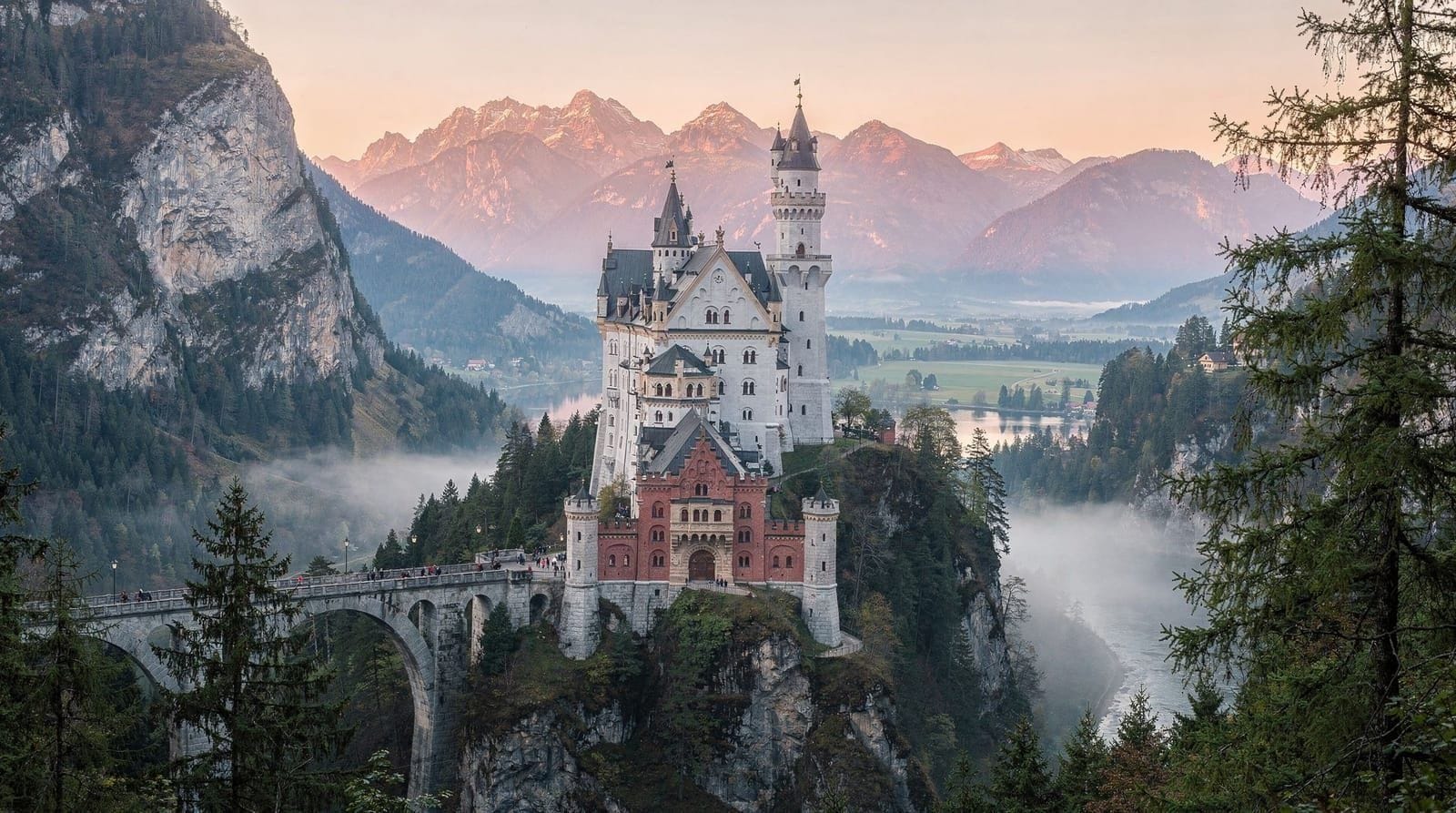
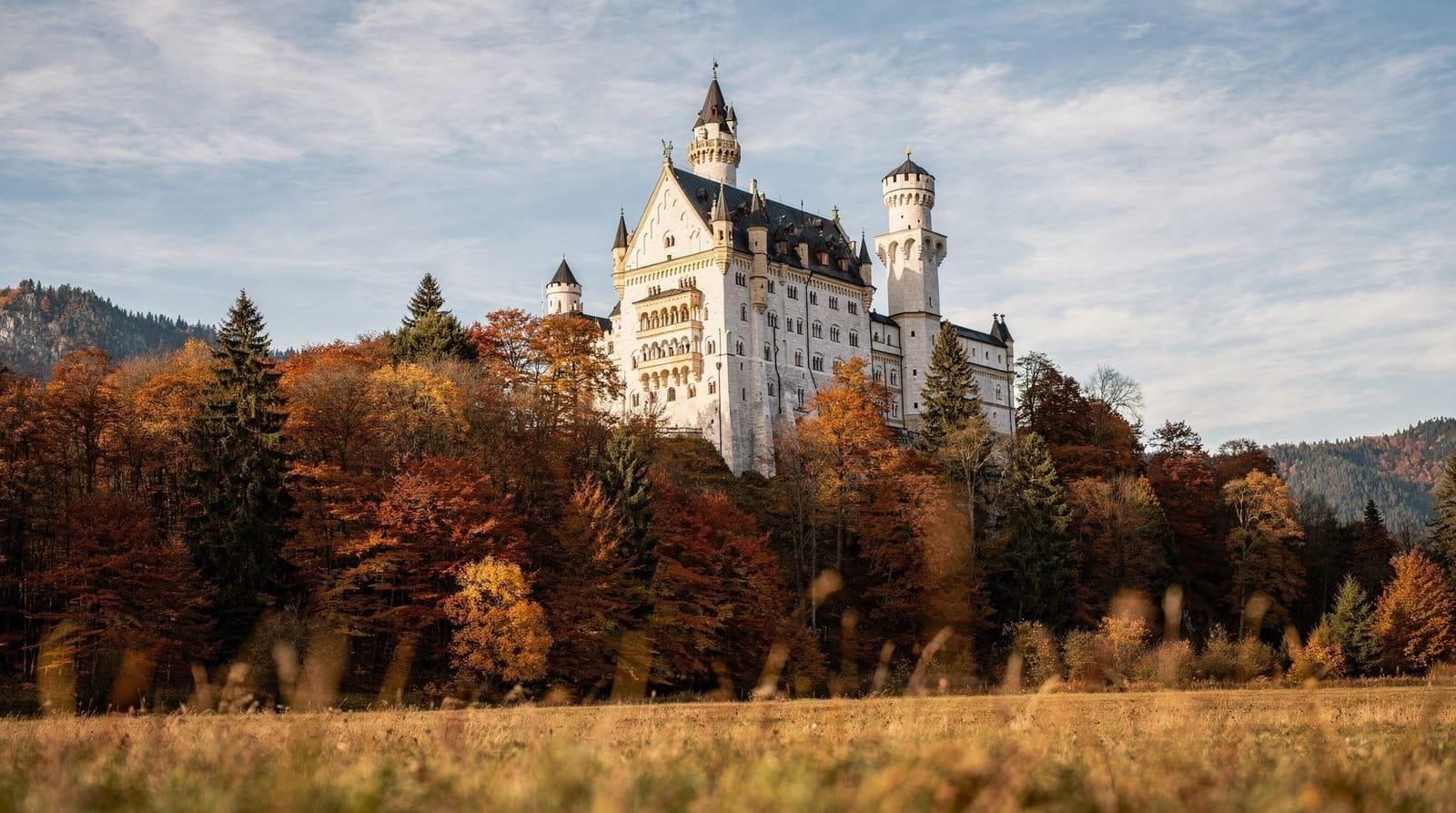
Neuschwanstein entry (2026): Adults €15, under 18 free. The castle operates on timed tickets — you choose a specific 30-minute entry window at the ticket office or online at www.hohenschwangau.de. Tickets routinely sell out by mid-morning in summer. Book online at least two days in advance for peak season (June–September).
The walk from the ticket centre to the castle gate takes 30–40 minutes uphill. Horse-drawn carriages are available (€8 up, €4 down) but the queue can add 20 minutes. Walking is faster and more reliable. From the castle gate, the Marienbrücke suspension bridge is a 10-minute walk and gives the iconic view across the gorge. Go here first thing before your timed entry to avoid waiting behind tour groups.
The guided tour inside lasts 35 minutes. Not all rooms are accessible — the Throne Room and Singer’s Hall are highlights. Photography inside is not permitted.
Afternoon: Hohenschwangau Castle
After Neuschwanstein, walk down to Hohenschwangau Castle, where Ludwig spent his childhood. Entry costs €20 for adults (2026). This castle is smaller but the interior is largely original — the furniture, wall paintings, and personal items make it feel more lived-in than the theatrical Neuschwanstein. Tours run in 30-minute slots.
Lunch is available at the Müller alpsee restaurant near the lakes (expect €12–18 for a main), or pack a picnic and eat by the Alpsee lake, which is free to access and a pleasant spot.
Evening: settle into Füssen
Füssen is 5 km from Schwangau. A room in a simple guesthouse costs €55–90 per person. The old town has a few good dinner options — Gasthof Krone at Schrannengasse 17 serves solid Bavarian food at non-tourist prices (Schnitzel around €14). Book a guided Neuschwanstein and Linderhof full-day tour from Munich
Day 2: Herrenchiemsee Palace
Morning: drive to Chiemsee
Drive from Füssen to Prien am Chiemsee (about 1 hour 45 minutes via the A96 and A8). Arrive by 9:30 to catch an early boat to Herreninsel.
Boat to Herrenchiemsee: Chiemsee Schifffahrt ferries run from Prien/Stock pier. The round-trip boat ticket plus island entry fee costs €13.80 for adults (2026). Boats run approximately every 30–45 minutes in summer. The crossing to Herreninsel takes 15 minutes.
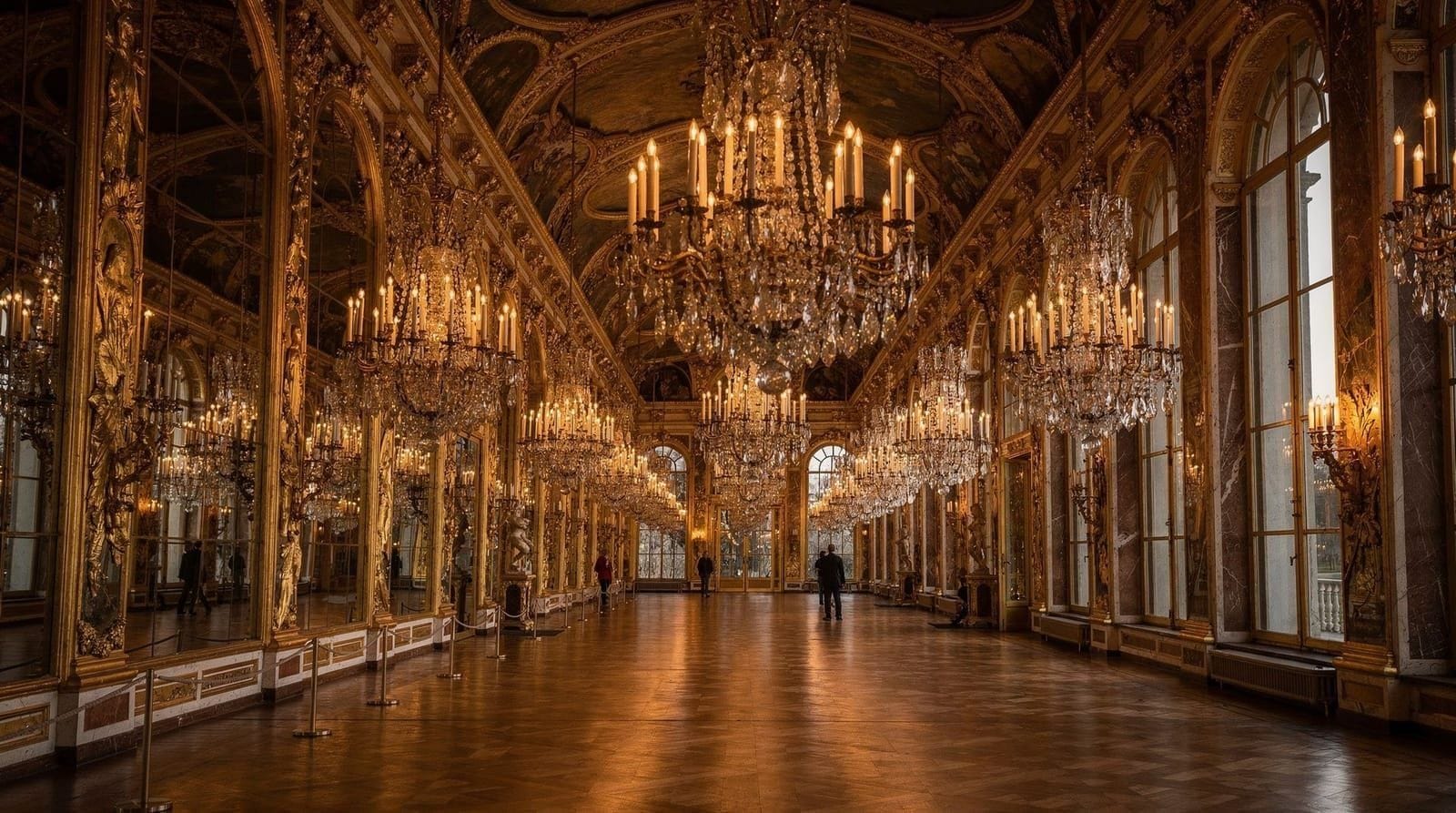
Herrenchiemsee Palace entry: Adults €11 (2026). Guided tours last 40 minutes. Ludwig II built this palace explicitly as a homage to Versailles — the Hall of Mirrors is longer than the French original, and the State Bedroom is designed around a never-used bed. Construction stopped in 1885 when Ludwig died; the unfinished south wing gives an interesting behind-the-scenes view of how the palace was built.
Visit the Ludwig II Museum in the former monastery buildings on the island (included in ticket). It contains personal effects and photographs that give context to Ludwig’s character and the politics of his era.
Afternoon: Chiemsee and drive to Munich
After the palace, walk around Herreninsel’s park gardens (free). The café on the island is mediocre and expensive — have lunch in Prien instead before driving back to Munich (about 1 hour on the A8).
Check into your Munich hotel in the afternoon. Central Munich hotels in the 3-star category run €100–160 per night in 2026. The Schwabing and Maxvorstadt areas offer good value with easy access to public transport. Join a guided Herrenchiemsee day trip from Munich with boat included
Day 3: Linderhof and Nymphenburg
Morning: Linderhof Palace
Drive from Munich to Linderhof (about 1 hour 30 minutes via the A95 to Oberau, then B2 and B23 to Ettal). Plan to arrive by 10:00.
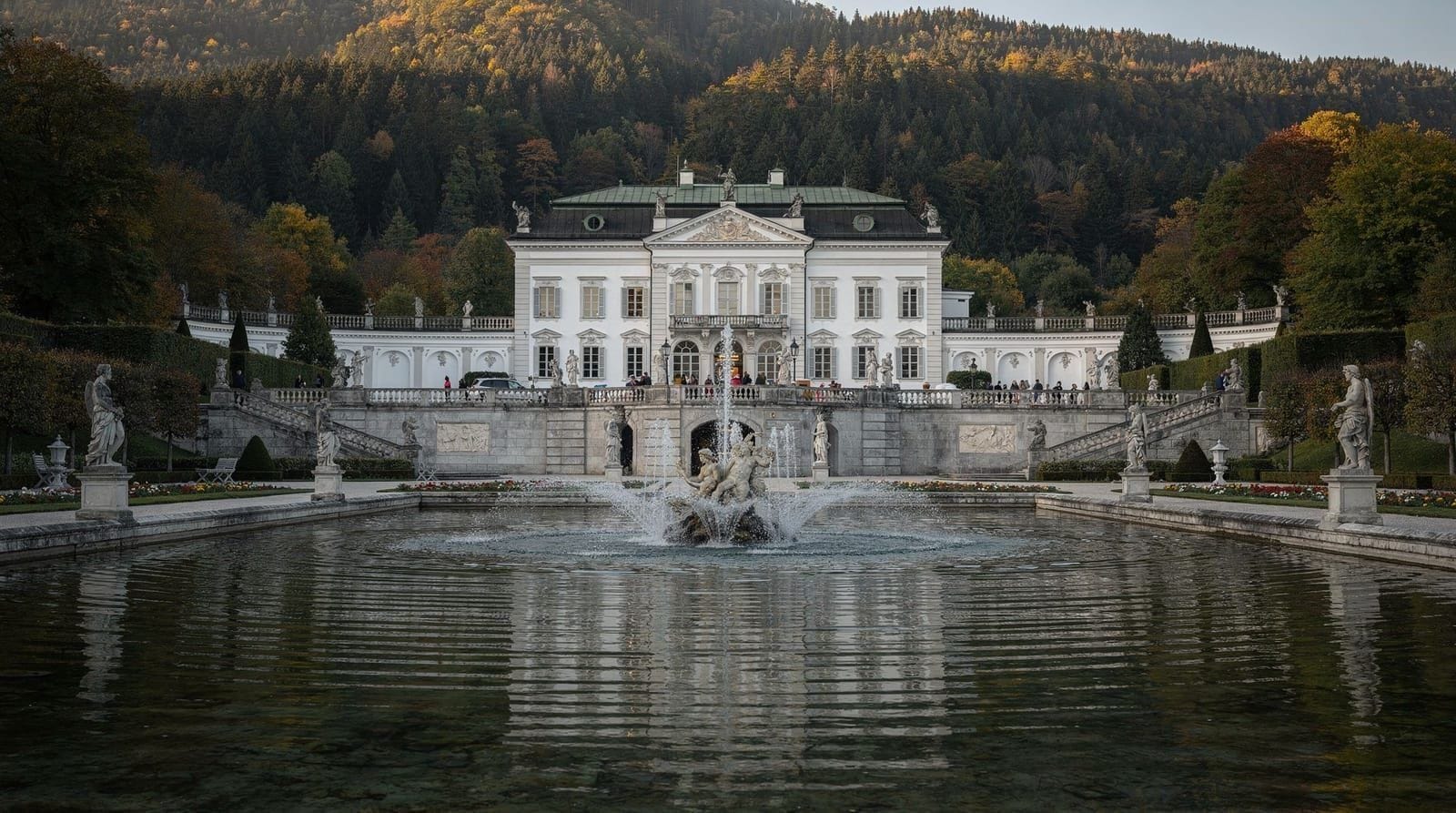
Linderhof entry (2026): Adults €10 (palace only), or €10 with Venus Grotto included (seasonal). The palace is the smallest of Ludwig’s three major projects but arguably the most complete — every room is finished, furnished, and excessive. The Gold Room and Hall of Mirrors are notable. Tours run every 15–20 minutes and last 25–30 minutes.
The grounds are free to wander after the palace tour. The Venus Grotto — an artificial stalactite cave with coloured lighting — is open April–October and worth 20 minutes. The Moorish Kiosk (a garden pavilion Ludwig bought from the Paris Exposition) is also on the grounds.
Ettal Monastery is 12 km away and worth a 30-minute stop on the drive: the baroque church is free to enter, and the monastery brewery produces decent beer and spirits available in the shop.
Afternoon: Nymphenburg Palace, Munich
Return to Munich and head directly to Nymphenburg Palace on the western edge of the city. The U1 tram stops at Schloss Nymphenburg.
Nymphenburg entry (2026): The combination ticket (palace + Marstall/Carriage Museum + Amalienburg hunting lodge) costs €18 for adults. The individual palace ticket is €9. The Carriage Museum alone is worth the combination price — Ludwig II’s golden coronation carriage and the sleighs used at Herrenchiemsee are displayed there.
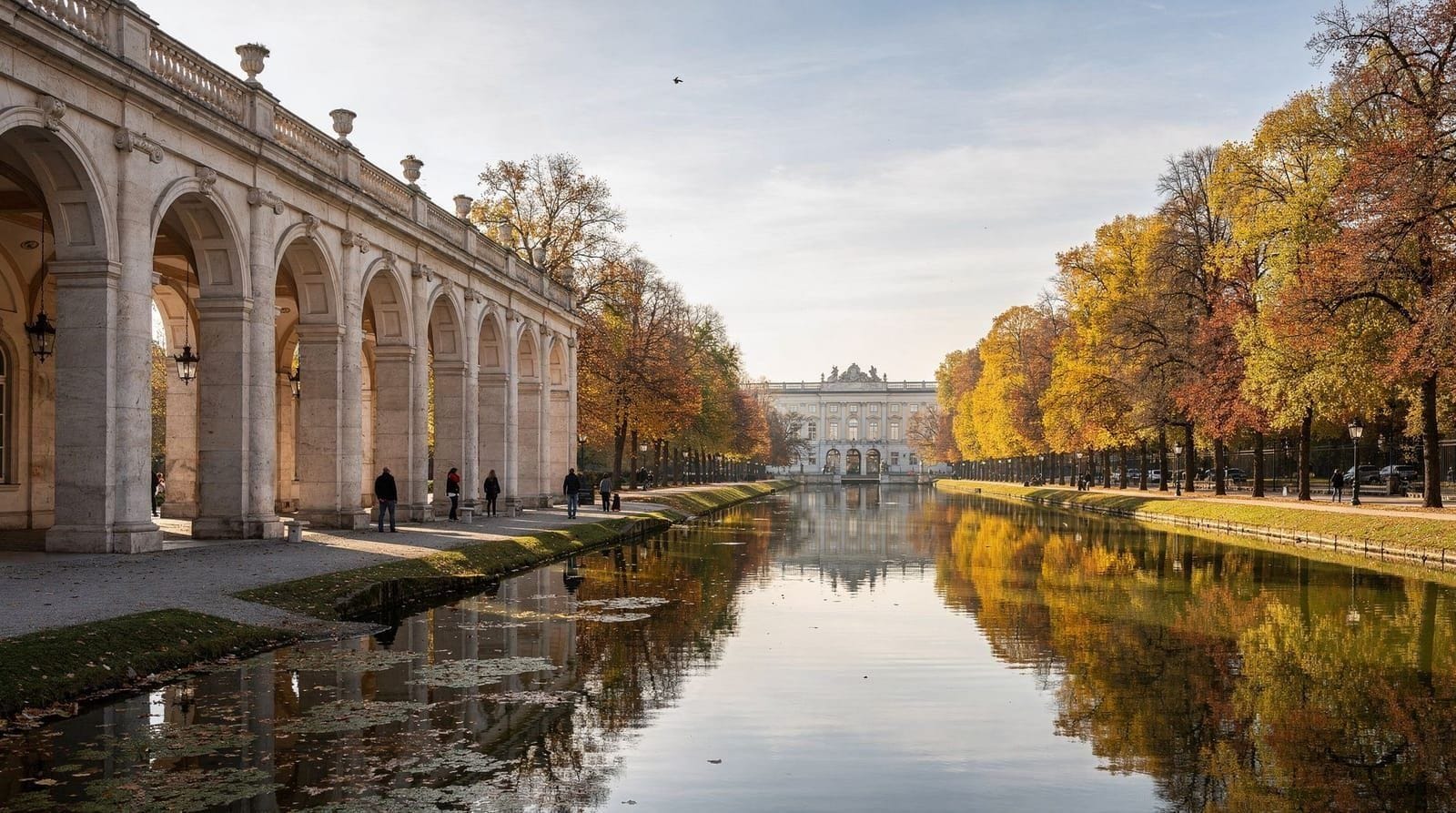
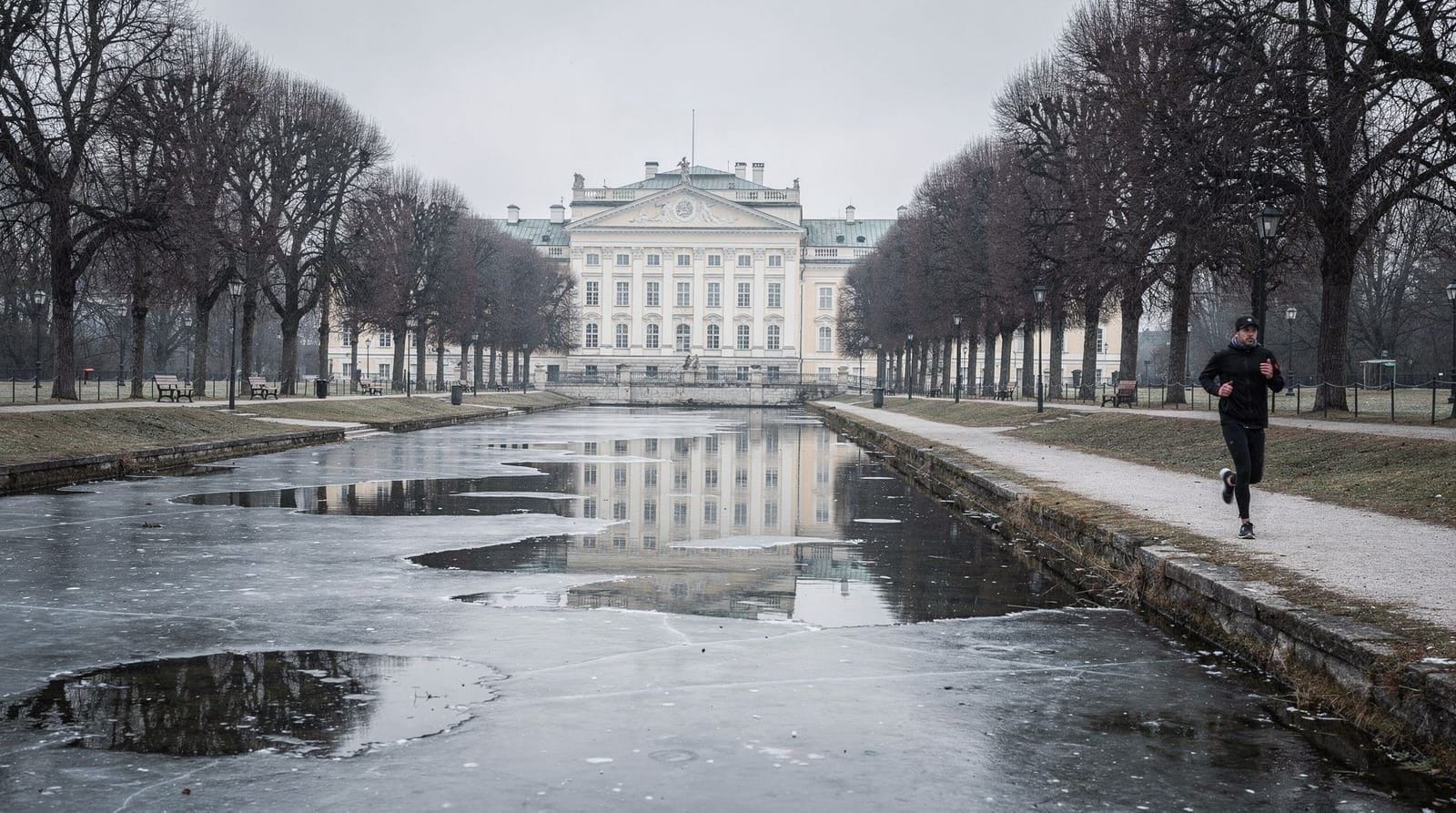
Plan 2 hours for the palace and grounds. The Schlosspark is free to walk and covers 200 hectares. The ornamental canal running from the palace’s front is a popular cycling route.
Evening in Munich: dinner at Weisses Bräuhaus at Tal 7 (white sausage and beer from around €15 per person) is a good way to end the Bavaria castle circuit. Book a fast-track Nymphenburg Palace and Carriage Museum tour
Day-by-day summary at a glance
| Day | Focus | Base | Approx. drive time |
|---|---|---|---|
| 1 | Neuschwanstein + Hohenschwangau | Füssen | 2h from Munich |
| 2 | Herrenchiemsee (boat crossing) | Munich | 1h45 Füssen–Prien, 1h Prien–Munich |
| 3 | Linderhof + Nymphenburg | Munich | 1h30 Munich–Linderhof |
What to skip if you only have two days
If a third day is not realistic, the itinerary compresses reasonably well, though something has to give. Combine day 1 and day 3 into a single long day: Neuschwanstein in the morning, then drive directly to Linderhof (about 1 hour from Schwangau via Echelsbacher Brücke) in the early afternoon, skipping Hohenschwangau. This still totals around 10–11 hours including driving and two guided tours, so start early and accept that it is a full day rather than a relaxed one. Herrenchiemsee is the easiest of the three to drop entirely — it is the most remote, requires a boat crossing, and is the least essential if you have already seen Neuschwanstein and Linderhof. Nymphenburg, being inside Munich itself, is the easiest to slot into an arrival or departure day instead of a dedicated castle day.
Where to eat between castles
Food options directly at the castle sites are limited and priced for a captive audience, so plan around them rather than relying on them. Near Neuschwanstein, the Schlossrestaurant next to the ticket centre is convenient but mediocre (€14–20 mains); Füssen’s old town, a 10-minute drive away, has far better and cheaper options. At Herrenchiemsee, the island café is best avoided — eat in Prien am Chiemsee before or after the boat crossing, where the harbourfront has several solid fish restaurants (€13–19). Near Linderhof, Ettal Monastery’s brewery restaurant, a 12 km detour, serves proper Bavarian food alongside its own beer (€12–18), and is a better stop than anything immediately at the palace car park.
Weather and what to pack
Bavaria’s alpine foothills are notably cooler and wetter than Munich itself, especially around Neuschwanstein and Linderhof, both set against mountain backdrops. Even in summer, mornings at altitude can require a light jacket, and the Marienbrücke bridge is fully exposed to wind. Pack layers, a compact umbrella or rain shell (weather changes quickly in the foothills), and comfortable walking shoes — the uphill walk to Neuschwanstein and the grounds at Linderhof both involve uneven paths. Winter visits (December–February) are atmospheric with occasional snow on the castles, but the Nymphenburg canal and some garden areas close seasonal features, and driving on alpine roads requires winter tyres, which most rental cars in Bavaria carry as standard between October and April.
Basing entirely in Munich instead of Füssen
Some travellers prefer not to switch hotels mid-trip and instead base the whole three days in Munich, driving out and back each day. This works but adds significant driving time: day 1 becomes a round trip of roughly 4 hours (Munich–Schwangau–Munich) on top of the castle visits, turning an already full day into a 12–13 hour one. The trade-off is one less hotel booking and no packing/unpacking mid-trip. If you choose this option, leave Munich by 6:30 rather than 7:00 to build in a buffer, and consider that you will arrive back in Munich late in the evening after day 1, tired for an early day 2 start. Families with young children or anyone prioritising a relaxed pace should stick with the Füssen overnight; solo travellers or couples comfortable with a long driving day can save the hotel switch.
Combining with other Bavaria highlights
If you have a fourth or fifth day, this castle-focused itinerary connects naturally with other Bavarian day trips. Garmisch-Partenkirchen and the Zugspitze are roughly 45 minutes from Füssen, making a short detour possible if you extend day 1 into day 1.5. Salzburg, just over the Austrian border, pairs well as a day 4 addition if you are already staying centrally in Munich — see our Munich to Salzburg day trip guide for logistics. Travellers building a longer Bavaria loop often follow this castles itinerary with the Romantic Road self-drive route, which continues south from Füssen through medieval towns toward Rothenburg ob der Tauber.
Understanding Ludwig II and his castles
King Ludwig II (1845–1886) built three major castles in Bavaria during his reign as King of Bavaria from 1864 until his mysterious death by drowning in Starnberger See in 1886 at age 40. He is still called the Fairy Tale King (Märchenkönig) and Mad King Ludwig, though modern historians reject the second label as politically motivated.
Ludwig was deeply introverted and found court life in Munich stifling. He retreated to the Bavarian Alps and began commissioning castles as theatrical personal projects — stage sets for a private world shaped by Wagner’s operas, the French absolutist court of Louis XIV, and medieval German mythology. He rarely spent more than a few weeks at any finished castle.
Understanding this background fundamentally changes how you experience the sites. Neuschwanstein was not built to impress guests — Ludwig entertained almost nobody there. Herrenchiemsee was never completed; Ludwig died with most rooms unfinished, having spent €16.5 million (an enormous sum in the 1880s) in 11 years of construction. The castles are monuments to an imagination that outran any real political or social function.
The right order and pace
Visit in this sequence: Neuschwanstein (most popular, book first) → Herrenchiemsee (remotest, requires boat) → Linderhof (most intimate and complete) → Nymphenburg (city-based, easiest logistics). This order spreads the most logistically demanding sites across days 1 and 2 and finishes on day 3 with a manageable Munich-based afternoon.
Resist the urge to rush. Each palace tour is 25–45 minutes of guided walking followed by grounds exploration. Adding travel between sites means a day that tries to include more than two palaces becomes exhausting. The Herrenchiemsee boat crossing and island walk alone take 3–4 hours including travel from Munich.
What each castle reveals
Neuschwanstein is the most dramatic exterior but actually the least historically significant — only 14 rooms were completed before Ludwig’s death. The Throne Room was never used; no throne was ever installed. The Singer’s Hall occupies two floors and was built for Wagner productions that never happened.
Linderhof is arguably Ludwig’s most successful project: small, complete, and internally coherent. The Venus Grotto in the grounds — an artificial stalactite cave with a lake, boat, and coloured electric lights (Ludwig was an early adopter of electric lighting) — represents his most purely theatrical fantasy.
Herrenchiemsee exists because Ludwig was obsessed with Louis XIV of France. He considered himself a kindred absolute monarch, even though Bavaria in the 1870s was constitutionally constrained. The Hall of Mirrors (Spiegelsaal) in Herrenchiemsee is 98 metres long, longer than Versailles, and was lit on the single occasion Ludwig used it with 1,848 candles. The Apartement du Roi (King’s Apartments) were completed; the Guest Apartment and south wing were not.
Nymphenburg predates Ludwig II — construction began in 1664 under Elector Ferdinand Maria. Ludwig II was born here in 1845. The palace is a 17th-century baroque ensemble, not a Ludwig II creation, but it is where the Wittelsbach story begins and ends for the purposes of this itinerary.
Practical logistics
Getting around: A rental car is strongly recommended. All four sites have parking (free or under €5). Without a car, organised tours from Munich are the most practical option for Neuschwanstein+Linderhof and Herrenchiemsee — public transport to Herrenchiemsee requires a train to Prien and then the ferry.
Bayern-Ticket: If you plan to use trains for part of this itinerary, the Bayern-Ticket guide explains the €29/person day-pass that covers regional trains across Bavaria.
Booking sequence: Reserve Neuschwanstein tickets first (they sell out fastest), then Herrenchiemsee. Linderhof and Nymphenburg rarely sell out but can be busy in summer.
Photography notes: No photography inside Neuschwanstein (enforced). Photography permitted inside Linderhof (no flash). Herrenchiemsee and Nymphenburg permit photography in most rooms. The best exterior shots of Neuschwanstein are from Marienbrücke bridge (free, 10 minutes walk from the castle gate) and from the Jugend path below the bridge level for the waterfall angle.
Accommodation costs: Füssen guesthouse: €55–90/night. Munich 3-star: €100–160/night. Total accommodation for 3 nights: roughly €265–430.
Total castle admission: Approximately €54 per adult (Neuschwanstein €15 + Hohenschwangau €20 + Herrenchiemsee €11 + Linderhof €10 + Nymphenburg €18 combination ticket, less one or two if you skip). Budget around €60 to be safe.
For a broader overview of Ludwig II’s properties, see our King Ludwig II castles guide. If you want to compare which castle is best, read our Neuschwanstein vs Hohenschwangau breakdown. The best castles near Munich guide also covers smaller regional options for day 4 if you extend your trip.
Day-by-day accommodation suggestions
Night 1: Füssen
Staying in Füssen rather than driving back to Munich after Neuschwanstein is the right move — it saves 2 hours of driving and lets you have a relaxed evening in a town that is genuinely pretty. The Altstadt of Füssen is compact and walkable; the Lech River runs alongside it.
Hotel Hirsch (Kaiser-Maximilian-Platz 7): A historic hotel on the main square. Rooms from €95 double. The breakfast is a proper Bavarian spread (cold meats, cheeses, fresh bread). Walking distance from everything.
Gasthof Krone (Schrannengasse 17): More basic, rooms from €65. Good value. The restaurant downstairs serves local food at below-tourist prices.
Altstadthotel zum Hechten (Ritterstrasse 6): Mid-range with views over the Lech canal. Around €85–110 double.
Dinner in Füssen: Zum Franziskaner at Kemptener Strasse 1 serves lake fish (Saibling and Forelle from local waters) at €17–22 — a better dinner option than anything near the castle itself.
Night 2: Munich
Return to Munich after Herrenchiemsee (about 1 hour drive from Prien am Chiemsee). Stay centrally or in Schwabing for easy access to Nymphenburg on day 3.
Hotel am Moosfeld (near the A8, for drivers): Budget option with parking. Good for those prioritising car logistics over central location.
Hotel Königswache (Steinheilstrasse 7, near the university): 3-star, consistently good reviews, €100–140 per night. Walking distance to the Pinakotheken and tram to Nymphenburg.
For a central option near Marienplatz, expect to pay €140–200 for a 3-star room in 2026. Many travellers find this premium hard to justify given that central Munich is only 10–15 minutes by public transport from anywhere they are likely to stay.
Night 3: optional — or fly home
If you are flying home after day 3, most major European carriers operate late-afternoon Munich departures that work with a Nymphenburg Palace afternoon visit. Leave the palace by 16:00 to reach the airport by 17:30 for a 19:30 flight.
Neuschwanstein: what to actually see inside
The interior tour is 35 minutes and covers 14 of the 200 rooms planned but only partially completed. The guide (or audio guide) walks you through specific rooms; you cannot wander freely. Here is what you will see:
The Grotto: An artificial cave between two floors, decorated as a theatrical setting inspired by Wagner’s Tannhäuser. Ludwig used it as a private space to read and listen to music. The swan throne was planned but never installed.
The Singers’ Hall (Sängersaal): A two-storey hall covering the entire top floor of the palace. Ludwig commissioned it as a performance space for Wagnerian opera. No performance ever took place during his lifetime; the first public concert in the hall was held in 1933.
The Throne Room (Thronsaal): The most architecturally dramatic room in the castle — a Byzantine-style basilica with apse, gold mosaics, and a dome. No throne was ever placed here. Ludwig died before the installation.
The King’s Bedroom: The most excessive single room in Bavaria. The bed canopy took 14 carvers 4.5 years to complete. The adjoining study is decorated with scenes from the Tristan and Isolde saga.
Photography: No photography is permitted inside. The rule is enforced. Photograph from the Marienbrücke bridge before your entry slot.
Frequently asked questions about this itinerary
Do I need to book Neuschwanstein tickets in advance?
Yes. Timed tickets for Neuschwanstein sell out by mid-morning in summer (June–September). Book at least 2–3 days ahead at www.hohenschwangau.de. In shoulder season (April–May, October), walk-up tickets are usually available.
Can I do this itinerary without a car?
Partially. Day 1 (Neuschwanstein) is straightforward by train from Munich to Füssen (about 2 hours, Bayern-Ticket valid) or via organised tour. Day 2 (Herrenchiemsee) works by train to Prien then ferry. Day 3 (Linderhof) is difficult without a car — there is no direct public transport. A tour from Munich is the most realistic option.
How much does the full 3-day castle itinerary cost?
Expect roughly €54–68 per adult in admission fees, plus accommodation (€265–430 for three nights), fuel or transport, and meals. Allow €500–700 per person excluding flights for a comfortable version of this trip.
Is Herrenchiemsee worth the extra effort?
If you are interested in Ludwig II’s obsession with Versailles and French absolutist grandeur, yes. The Hall of Mirrors and unfinished rooms are unique. If you have limited time, prioritise Neuschwanstein and Linderhof over Herrenchiemsee.
Can I see Linderhof and Neuschwanstein in one day?
Yes, but it is a long day (about 14 hours including driving and both palace tours). The route from Munich to Neuschwanstein, then west to Linderhof, then back to Munich covers around 240 km. This itinerary separates them to avoid fatigue. If you only have 2 days, combine days 1 and 3, and skip either Herrenchiemsee or Hohenschwangau.
What is Nymphenburg Palace like compared to Ludwig’s castles?
Nymphenburg was built by earlier Wittelsbach rulers and is more classical in style — less theatrical than Ludwig’s work. It is larger in ground area and set in beautiful baroque gardens. The Carriage Museum is often underestimated. See our Nymphenburg Palace guide for a full breakdown.
When is the best time to visit Bavaria’s castles?
April–May and September–October offer fewer crowds, more reasonable accommodation prices, and reliable weather. July and August are the busiest months. December is quiet at the castles but Nymphenburg closes the Amalienburg lodge in winter. See our best time to visit Munich guide for seasonal details.
Top experiences
Bookable activities with verified prices and instant confirmation on GetYourGuide.