Bavarian Alps in 3 days: the mountain escape itinerary
From Munich: Zugspitze mountain van tour with Garmisch town
The Bavarian Alps in three days
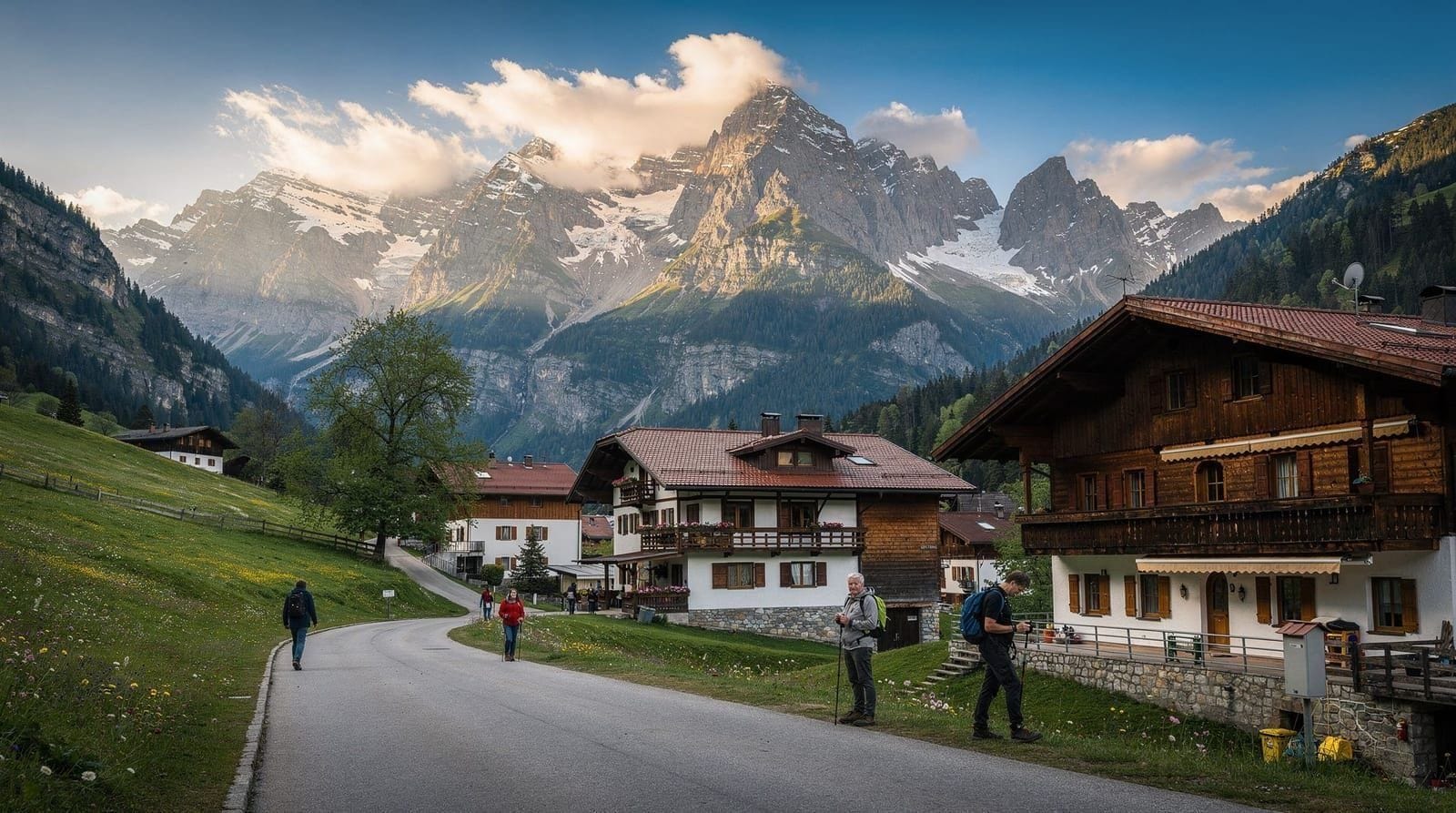
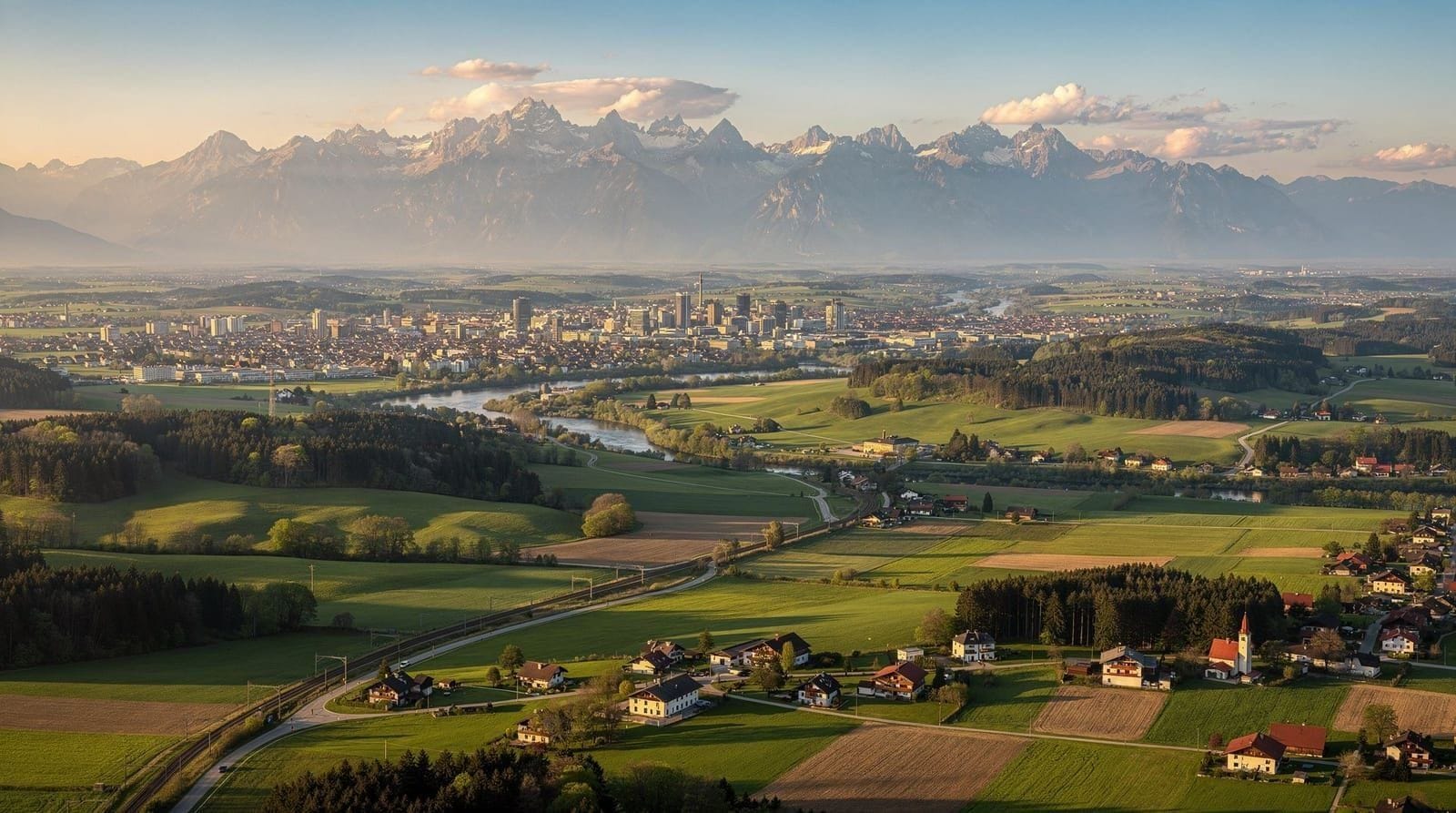
The Bavarian Alps are one of Europe’s most accessible mountain ranges — within 90 minutes of Munich by train, yet dramatically alpine in character. This 3-day itinerary covers three distinct zones: the Zugspitze massif around Garmisch-Partenkirchen, the royal castles and foothills around Füssen, and the Berchtesgadener Land near the Austrian border. Each area has its own character and requires its own day.
A car makes this itinerary more flexible (particularly on Day 2 when combining Neuschwanstein, Linderhof, and Oberammergau), but all three days are doable by public transport. The Bayern-Ticket (25 EUR per person, 2026) covers all regional rail on Days 1 and 2; Day 3 to Berchtesgaden requires a separate ticket or OBB day pass as the route goes via Austria.
Base: Munich (or Garmisch-Partenkirchen for a mountain stay). From Munich, each day trip is 90-120 minutes by train.
| Where | Garmisch-Partenkirchen/Zugspitze, Füssen/Neuschwanstein, Berchtesgaden |
| Cost | around 194 EUR/person transport (excl. car rental) |
| Time needed | 3 full days, 07:30 starts |
| Getting there | Bayern-Ticket trains; car recommended for Day 2 |
| Best time | June-September; check Zugspitze webcam morning-of |
Day 1: Zugspitze — Germany’s highest peak
Morning: Garmisch-Partenkirchen and the ascent
07:30 — Train from Munich Hauptbahnhof to Garmisch-Partenkirchen
Regional Bahn journey: 90 minutes. Bayern-Ticket valid. Trains run every 1-2 hours from early morning. Arrive Garmisch by 09:00.
Garmisch-Partenkirchen is Bavaria’s premier mountain resort town — a double-barrelled name from the 1936 Winter Olympics merger of two villages. The Partenkirchen side (older) has painted facades and a small pedestrian zone worth 20 minutes. The Garmisch side is more modern but has the train station and Zugspitze departure point.
09:15 — Zugspitze cogwheel train
The Zugspitze Zahnradbahn (cogwheel railway) departs from Garmisch Zugspitze station, adjacent to the Hauptbahnhof. The train runs through Europe’s longest cogwheel mountain tunnel (4.5 km) to the glacier station at 2,600m, then guests take a separate cable car to the 2,962m summit. Journey time to summit: approximately 90 minutes.
Zugspitze ticket options (2026):
- Zugspitze Ticket (cogwheel up + cable car, cable car down + train return): 64.50 EUR
- Eibsee cable car direct (if starting from Eibsee station): 64.50 EUR same price
- Pay individually if you have a Bayern-Ticket: supplementary summit ticket 61 EUR
Book at zugspitze.de. The first morning ascent is best — afternoon clouds obscure views on approximately 40% of summer days.
10:30 — Summit experience
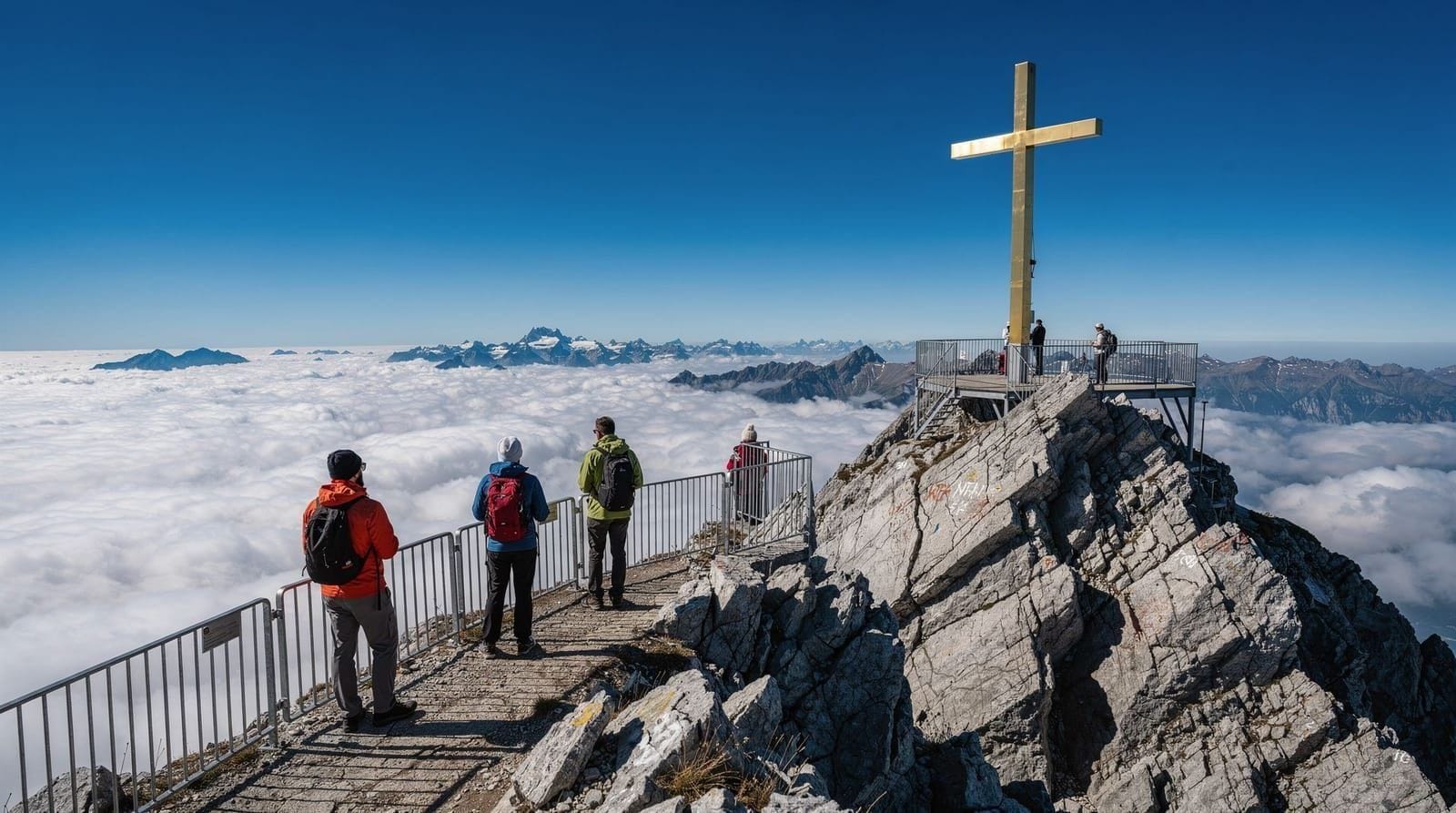
At 2,962m, the Zugspitze summit has views across Bavaria, Austria, Switzerland, and Italy on clear days. The glacier platform (Zugspitzplatt) at 2,600m has a weather station, a small museum on climate monitoring, and the highest-altitude monastery in Germany. The summit proper (by cable car from 2,600m) has the panoramic Münchner Haus restaurant, the Zero Meridian marker (historic German cartographic reference point), and the famous golden cross erected in 1851.
Temperature at the summit is typically 15-20 degrees below Munich. A waterproof layer and fleece are essential even in July.
The Zugspitze day trip guide covers the glacier walk, the ski area (operational in winter), and what changes seasonally. Guided Zugspitze day trip from Munich
Afternoon: Eibsee and Partnachklamm
13:00 — Eibsee lake
Descend by cable car to Eibsee (1,000m altitude). The lake — turquoise, spring-fed, surrounded by mountains — is one of Bavaria’s finest. The full circuit path (7.3 km) takes 2.5 hours; even a 1-hour partial loop gives a strong sense of the lake’s beauty. Cafe Eibsee at the hotel serves lunch (14-22 EUR for mains).
15:30 — Return to Garmisch
Cogwheel train from Eibsee to Garmisch: 15 minutes. For those with energy: the Partnachklamm (Partnach Gorge) is a 700m deep gorge with walkways carved into its walls, 3.5 km round trip from Garmisch. Entry 8 EUR (2026). See Garmisch hiking guide for trail details. In winter, ice formations in the gorge are extraordinary.
17:00 — Return train to Munich
Alternatively, stay overnight in Garmisch for an early start on the alpine hiking trails (early start matters for summit visibility). Garmisch has reasonable mid-range hotels from 90 EUR/night.
Evening: Garmisch or Munich
If staying in Garmisch: Gasthof Fraundorfer (Ludwigstrasse) is one of Bavaria’s most authentic Gast houses — traditional Bavarian evening entertainment including zither music and yodelling (not a tourist show — genuinely traditional). Mains 18-28 EUR.
If returning to Munich: A quiet dinner, given the early start tomorrow for Neuschwanstein.
Day 2: Neuschwanstein, Linderhof, and Oberammergau
Morning: Royal castles
07:30 — Train or drive to Füssen
By train: Bayern-Ticket, Munich Hauptbahnhof to Füssen via Buchloe, 2 hours. First trains from 06:00. By car from Munich: A95 south to Garmisch junction, then B17 north to Füssen — approximately 1 hour 40 minutes.
Neuschwanstein timed tickets are mandatory and must be booked online at tickets.hohenschwangau.de — book at least 2-4 weeks ahead in summer. Entry: 17 EUR adults (2026).
09:30 — Hohenschwangau Castle
Start with Hohenschwangau (entry 21 EUR) — Ludwig II’s childhood home at the base of the hill. The interior frescoes depicting German legends are vivid and provide context for Neuschwanstein’s themes. The view of Neuschwanstein from Hohenschwangau’s yellow tower is one of the best angles on the fairy-tale castle.
The Neuschwanstein vs Hohenschwangau guide helps understand why both are worth visiting.
11:00 — Neuschwanstein Castle
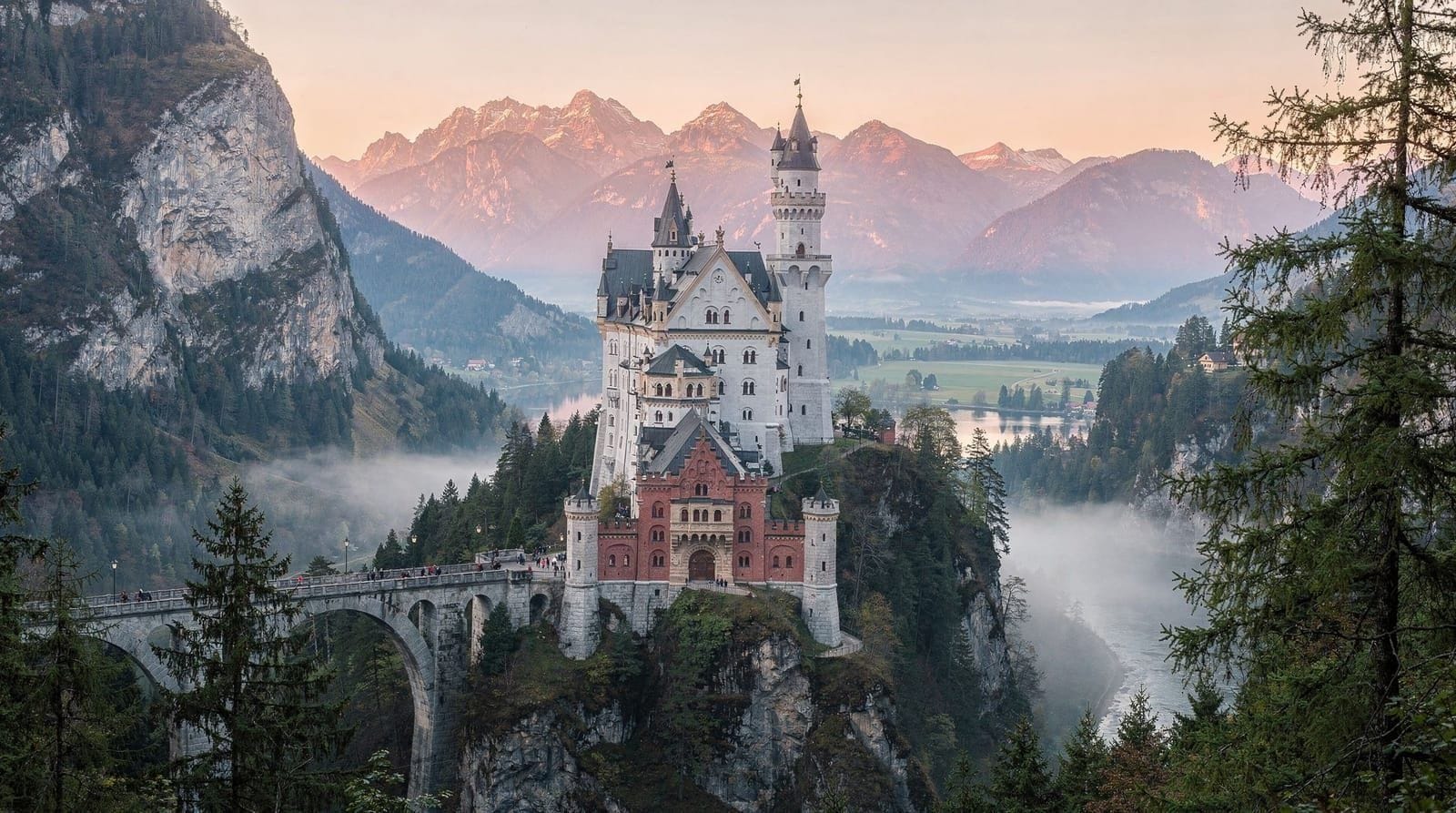
Walk 30 minutes up to Neuschwanstein (horse carriage 9 EUR up, 7 EUR down). The castle tour is 35 minutes inside, guided only — all groups. Ludwig II lived here for only 172 days before his mysterious death in 1886. The Throne Room (never completed) and the Singer’s Hall are the architectural highlights.
After the tour, walk 25 minutes to the Marienbrücke footbridge for the classic view. Photography from the bridge is the defining image of Bavarian tourism — arrive before 12:00 for manageable crowds. See Marienbrücke guide. Full-day Neuschwanstein guided day trip from Munich
13:30 — Lunch in Schwangau
Several Gasthäuser at the base of the hill near the ticket centre. Expect 14-18 EUR for Bavarian lunch plates. The Restaurant Alpenstuben at Hotel Müller (Alpseestrasse, Hohenschwangau) is the best of the cluster around the ticket centre.
Afternoon: Linderhof and Oberammergau (by car)
14:30 — Drive to Linderhof Palace (by car: 40 minutes)
Linderhof Palace is Ludwig II’s most intimate and most personally realised creation — a French Baroque miniature completed in 1878. Unlike Neuschwanstein (never finished) or Herrenchiemsee (never inhabited properly), Ludwig actually lived at Linderhof. Entry 10 EUR (2026). The Venus grotto (an artificial stalactite cave with a lake and floating boat, built for private Wagnerian performances) is extraordinary and unique.
The Moroccan House and Moorish Kiosk in the grounds are open seasonally. The formal garden with its 25-metre water cascade is best photographed from the slope above the palace. See Linderhof Palace guide.
By public transport: Bus from Füssen or Oberammergau (limited service — check MVV for current schedules, journey 30-60 minutes from Oberammergau). A car is significantly easier for Linderhof.
16:30 — Oberammergau
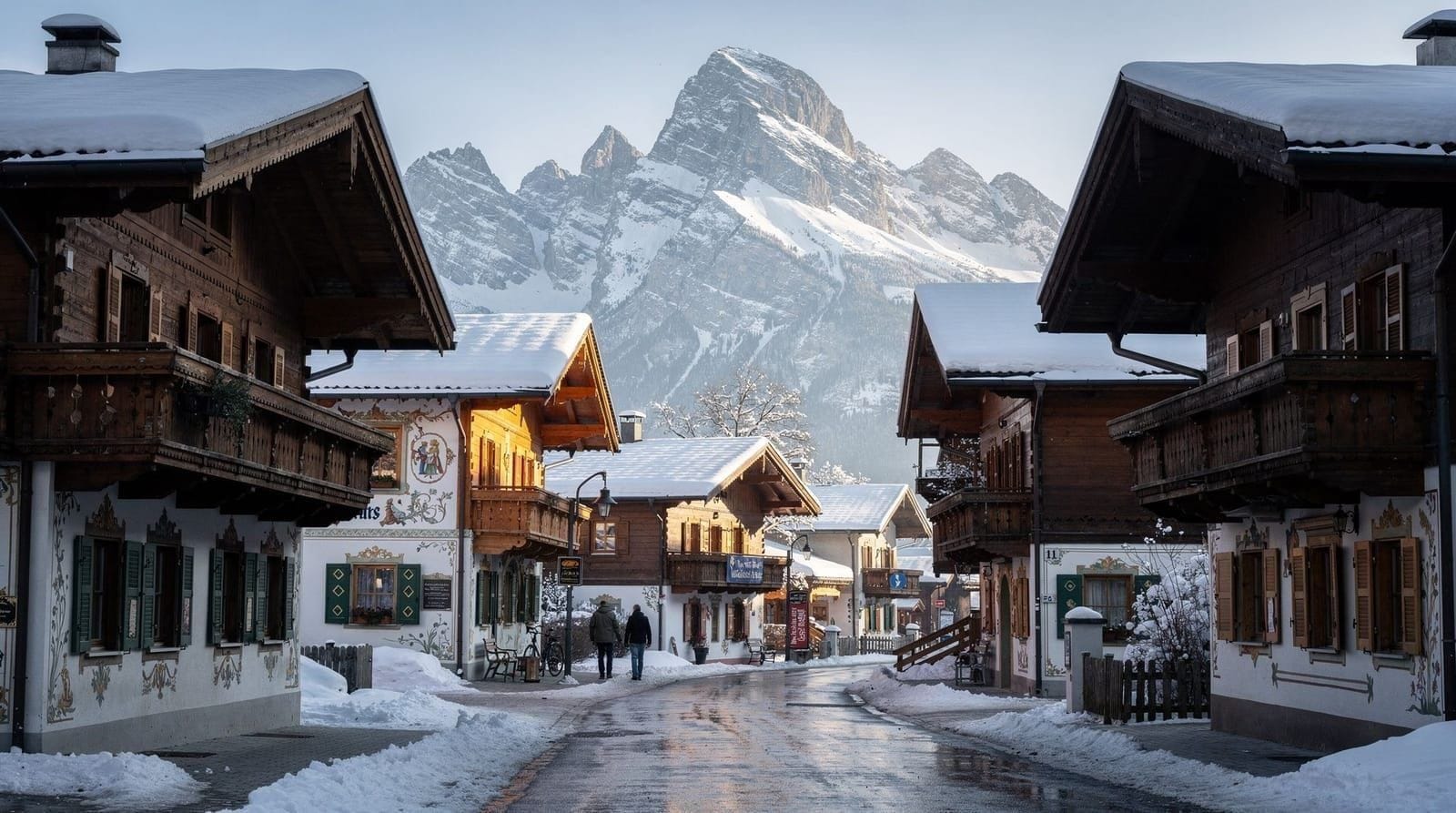
Oberammergau (25 km from Linderhof) is famous for its Passion Play (every 10 years, next in 2030) and its centuries-old tradition of Lüftlmalerei — exterior frescoes painted directly on house facades. The town is genuinely pretty even outside Passion Play years. Park on the edge of town (free) and walk the main street (Dorfstrasse). The woodcarving school and its shop is worth 20 minutes.
17:30 — Drive or train back to Munich
By car: A95 from Oberammergau to Munich — approximately 1.5 hours without traffic. By train from Oberammergau: change at Murnau for Munich Hauptbahnhof, approximately 2 hours.
Day 3: Berchtesgaden, Eagle’s Nest, and Königssee
Full day: Berchtesgadener Land
07:30 — Train to Berchtesgaden
From Munich Hauptbahnhof: Regional train to Freilassing (2 hours, Bayern-Ticket) then change for Berchtesgaden (30 minutes — this leg uses OBB Austrian trains, covered by a separate ticket or day pass, approximately 12 EUR). Total journey: approximately 2.5 hours.
Alternatively, book the guided day trip which handles logistics: Eagle’s Nest and Berchtesgaden guided day trip from Munich
10:00 — Eagle’s Nest (Kehlsteinhaus)
The Eagle’s Nest at Obersalzberg (1,834m) is accessible only by dedicated bus and elevator from May to October (weather permitting). Bus 849 from Berchtesgaden bus terminal to Kehlstein parking: 30 minutes, 34 EUR round trip including the elevator (2026). The last return bus from Kehlstein departs at 16:00 — check current times at eagles-nest.de before going.
The historical context: the Obersalzberg area was Hitler’s private mountain retreat, and the Eagle’s Nest was a diplomatic gift built for his 50th birthday in 1939. The area around it was extensively bombed by the RAF in April 1945. Today the building is a restaurant and viewpoint with no Nazi displays (those are at the Documentation Center below). Views over the Berchtesgadener Land valley and the Watzmann massif are among the finest in Bavaria. Bring a waterproof layer — the summit is frequently in cloud.
12:30 — Documentation Center Obersalzberg
The Documentation Center (12 EUR, 2026) documents the Nazi presence at Obersalzberg from 1933-45 in considerable historical depth — a sobering counterpart to the scenic Eagle’s Nest above. Connected to the preserved Nazi-era bunker system that visitors can walk through. Allow 90 minutes.
14:30 — Königssee
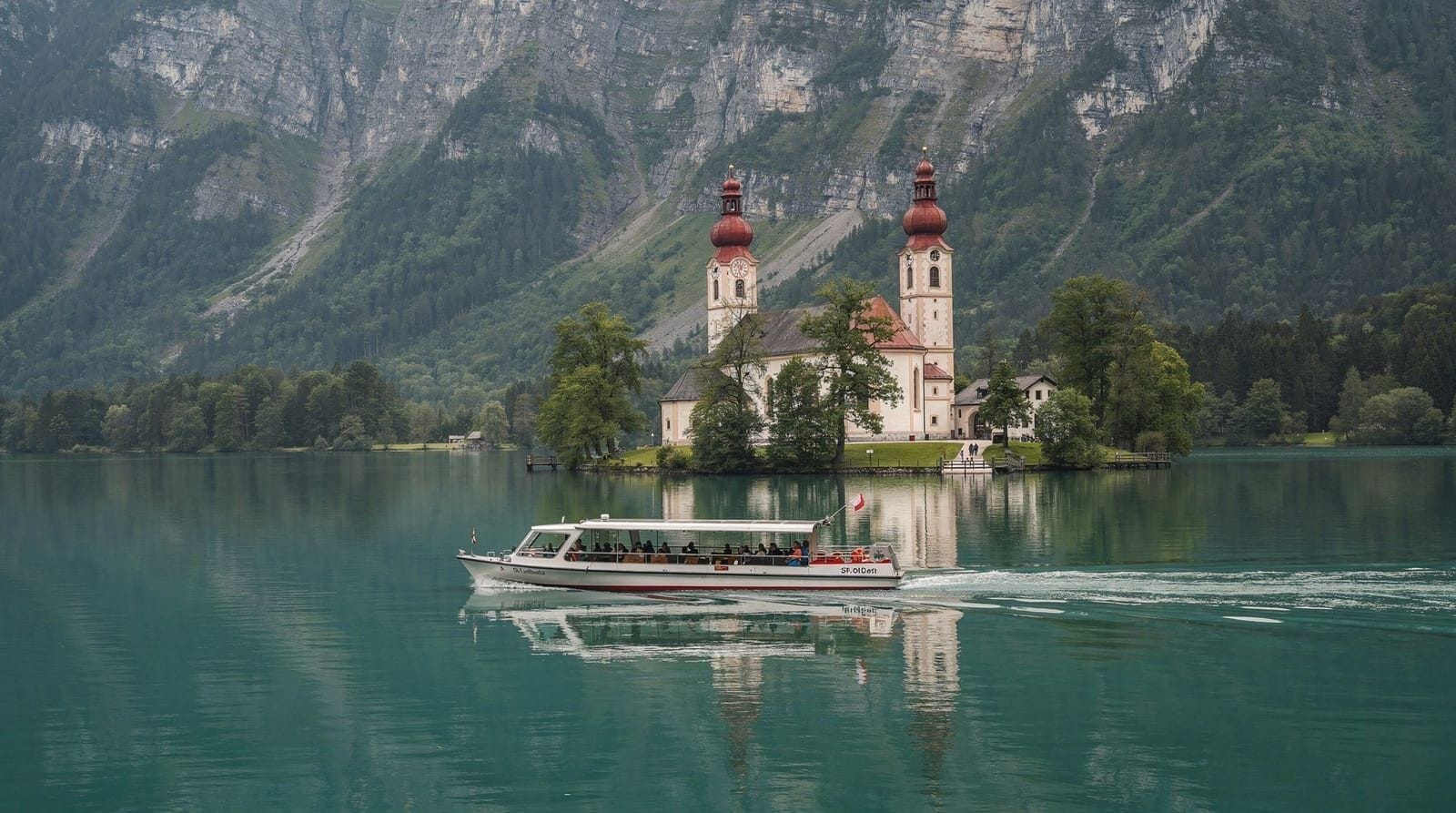
Bus from Berchtesgaden to Königssee landing stage (15 minutes, local bus). The Königssee is a glacially carved lake surrounded by vertical 2,700m cliff faces — one of Germany’s most dramatic natural sights. Electric boat tours run the 8 km length of the lake every 30 minutes (return ticket 21 EUR, 2026). The captain’s trumpet echo demonstration at the midpoint is a tourist tradition worth experiencing. Disembark at St Bartholomä (pilgrimage church on a peninsula, red-onion-domed, isolated — no road access) for lunch at the Gasthof St Bartholomä (fish from the lake, 18-24 EUR). Königssee boat tour guided day trip from Munich
See the Königssee guide for the full boat schedule and walking options from the southern landing stage.
17:30 — Return train to Munich
Train from Berchtesgaden to Munich via Freilassing: 2.5 hours. Arrive Munich by 20:00.
Practical notes for the Bavarian Alps 3-day circuit
Transport summary per person:
- Bayern-Tickets x2 (Days 1-2): 50 EUR
- Zugspitze summit ticket: 64.50 EUR
- Berchtesgaden OBB supplement (Day 3): 24 EUR
- Eagle’s Nest bus + elevator: 34 EUR
- Königssee boat: 21 EUR
- Total transport: approximately 194 EUR per person (excluding car rental)
With car (Day 2 addition):
- Rental car (1 day): 45-70 EUR
- Fuel Füssen-Linderhof-Oberammergau-Munich: approximately 20 EUR
- Parking at Neuschwanstein: 6 EUR
Weather strategy:
- Day 1 (Zugspitze): Requires clear weather — check the summit webcam at zugspitze.de before departing
- Day 2 (castles): Weather-tolerant — castle interiors are excellent rainy-day options
- Day 3 (Berchtesgaden/Eagle’s Nest): Eagle’s Nest closes if summit is in cloud or wind. Have a backup plan (Königssee alone is worthwhile in any weather)
Best season: June-September for all three days. October is excellent for autumn colours but Eagle’s Nest closes mid-October. Winter closes Königssee boat tours and makes the Zugspitze primarily a ski destination.
Frequently asked questions about this itinerary
Is a car necessary for the Bavarian Alps itinerary?
No, but it helps significantly on Day 2. The Neuschwanstein-Linderhof-Oberammergau loop is a natural driving circuit; by public transport, Linderhof requires backtracking. Days 1 and 3 work well without a car. If you have a driving licence, renting a car for Day 2 only (pick up in Munich, return in Munich same evening) costs around 50-70 EUR and saves 2 hours of bus connections.
Which day should I put the Zugspitze on?
Put the Zugspitze on the day with the best weather forecast. Mountain weather changes quickly — check 3-day forecasts and the webcam at zugspitze.de. A clear-day Zugspitze visit is dramatically better than a clouded one.
Can I hike between Neuschwanstein and Linderhof?
Not in a day. The two palaces are 45 km apart. The Romantic Road (a historical travel route connecting Füssen north to Augsburg) passes both areas but cycling it takes 2-3 days. A car or organised tour is the only practical way to combine both in one day.
What’s the Königssee boat schedule?
Boats run from the Königssee landing stage approximately every 30 minutes in summer (May-October), first departure 08:00, last return around 17:30. Full return to Obersee (furthest point) takes approximately 2.5 hours each way. For a shorter trip, St Bartholomä is the most rewarding stop (halfway down the lake, 45 minutes from the landing stage). Check schedules at seenschifffahrt.de.
Is Berchtesgaden worth visiting without the Eagle’s Nest?
Yes. The Königssee alone justifies the journey. The Documentation Center at Obersalzberg is one of Germany’s best WWII museums. The Berchtesgaden Salzbergwerk (salt mine, 25 EUR, 2026) offers an underground tour with wooden slides into the mine. The town itself is pleasant with an accessible old centre.
How does the Bavarian Alps circuit compare to just staying in Munich for day trips?
Doing consecutive alpine days (rather than returning to Munich each evening) saves 3 hours of daily travel. If staying overnight in Garmisch (Day 1), Füssen (Day 2), or Berchtesgaden (Day 3), you get earlier morning access before the day-trippers arrive from Munich. The tradeoff is logistics of moving accommodation. For most travellers, Munich as a base with day trips is more practical.
Detailed planning notes for the Bavarian Alps circuit
Weather and seasonal considerations: The Zugspitze is the most weather-dependent element. The summit is above the cloud inversion layer approximately 60-70% of summer days — but when it is cloudy, the cloud sits exactly at summit level and views are zero. Check the live webcam at zugspitze.de the morning of your visit. The Eagle’s Nest at Berchtesgaden closes if wind speeds are excessive (the bus road is exposed). Neuschwanstein and its surroundings are fine in light rain — the castle interiors are excellent regardless of weather, and the Marienbrücke view is atmospheric in mist.
Overnight base options:
- Munich (standard): 90 minutes from each day’s starting point. Early departure (07:00-07:30) required for all three days.
- Garmisch-Partenkirchen: Perfect base for Day 1 and within 40 minutes of Füssen by car. Train to Berchtesgaden is 3 hours (via Munich) so Day 3 still works from Garmisch as a base.
- Füssen: Walking distance to Neuschwanstein. Quieter than Garmisch, fewer restaurant options. Good for 1 overnight.
- Berchtesgaden: Small town with good hotels and direct access to Königssee. Staying overnight allows an early boat to St Bartholomä before the day-trippers arrive from Munich.
Eibsee as a mid-day destination: The Eibsee lake deserves more attention than most Zugspitze itineraries give it. The water temperature in summer (18-20 degrees Celsius at the surface in August) is warm enough for swimming. The gravel beaches on the north side of the lake are well-maintained. Given the lake is at 1,000m altitude surrounded by the Wetterstein massif, swimming here is a distinctly alpine experience. The full circuit path is 7.3 km (approx 2.5 hours at a leisurely pace); the western shore path to the viewpoint at Freibergsee is a shorter 45-minute option.
Hiking options if you want more than sightseeing:
- Garmisch area: The Alpspitze via-ferrata route (600m altitude gain from the Alpspitze cable car) is the classic Garmisch adventure for experienced hikers. Cable car (30 EUR) + via-ferrata gear rental required. See Garmisch hiking guide.
- Füssen area: The Tegelberg cable car (25 minutes from Schwangau) reaches 1,720m with hikes toward the Marienbrücke from above. More dramatic views of the lake and castles than from the standard route below.
- Berchtesgaden area: The Watzmann ridge (2,713m) is a serious multi-day mountaineering route; the Jenner mountain (cable car from Königssee, 24 EUR) gives a less serious but rewarding viewpoint over the lake system. See Königssee guide.
What to eat in each area:
- Garmisch: Gasthof Fraundorfer for genuine Bavarian evening entertainment. Zugspitzrestaurant at the summit for lunch with the best view in Germany (basic but acceptable, mains 16-20 EUR). Cafe Dallmair in Garmisch town for Apfelstrudel.
- Füssen/Schwangau: Gasthof zum Schwanen (Füssen Brotmarkt) for honest Bavarian food; the hotel restaurants at the base of the castles are pricier and no better.
- Berchtesgaden: Gasthof Neuhaus (Marktplatz, Berchtesgaden) for solid Bavarian mains. Gasthof St Bartholomä on the Königssee island for freshwater fish from the lake — the Saibling (char) and Forelle (trout) are the local specialities, worth 20-25 EUR.
Planning this in combination with Munich city days: The Bavarian Alps 3-day circuit works best as the middle section of a longer Bavaria trip. Spend 2 days in Munich first (orienting yourself, visiting the Residenz, Nymphenburg, and first beer hall), then do the 3 Alpine days, then return to Munich for a final day. This gives you a natural structure: city introduction, Alpine exploration, city conclusion. The 5-day Munich and Bavaria itinerary and 7-day itinerary incorporate this structure across a longer trip.
Accessibility notes: The Zugspitze cogwheel train is accessible; the summit areas are largely accessible but some terrain is rocky. The Neuschwanstein castle interior tour involves stairs (not wheelchair accessible). Hohenschwangau has more flat access sections. The Königssee boat is accessible for most mobility levels (boarding assistance available). Eagle’s Nest access is by bus and elevator — the elevator is accessible, but the bus road is steep with hairpin bends that can be challenging for those with motion sickness.
Three-day Alps summary at a glance
| Day | Zone | Highlight | Weather sensitivity |
|---|---|---|---|
| Day 1 | Garmisch-Partenkirchen / Zugspitze | Summit at 2,962m, Eibsee lake | High — needs clear skies |
| Day 2 | Füssen / Ammergau Alps | Neuschwanstein, Linderhof, Oberammergau | Low — castle interiors indoors |
| Day 3 | Berchtesgadener Land | Eagle’s Nest, Documentation Center, Königssee | Medium — Eagle’s Nest closes in poor weather |
How this compares to a Munich-based city itinerary
This circuit is a genuinely different trip from the Munich itinerary series — it trades the Altstadt, beer halls, and museums almost entirely for mountains, lakes, and royal castles in nature settings. If you’re deciding between this and, say, the 3-day Munich itinerary, the honest distinction is: choose the city itinerary if you want beer halls, the Residenz, and Nymphenburg; choose this Alps circuit if hiking, alpine scenery, and getting out of the city matter more. Many visitors combine both by extending to 5 or 7 days, which fold a version of this Alps circuit into a longer Munich-based trip rather than forcing a choice.
Packing list specific to the Alps circuit
Unlike a pure city itinerary, this trip has real altitude and weather exposure. Pack: a waterproof shell (Zugspitze summit temperatures run 15-20 degrees below Munich and cloud cover brings genuine wind chill), sturdy walking shoes with grip (the Partnachklamm and Eibsee paths are uneven), a swimsuit if visiting Eibsee in summer, sunscreen and sunglasses (UV exposure is stronger at altitude), and a printed or downloaded copy of your Neuschwanstein timed ticket in case of patchy mobile signal in the mountains. The Bavarian Alps cable cars guide has more detail on what each cable car and cogwheel journey actually involves if you want to plan around specific mobility or comfort needs.
What this circuit deliberately leaves out
Three days across three distinct zones necessarily means gaps. This itinerary doesn’t include Mittenwald (a smaller, quieter alpine town east of Garmisch, good for a slower add-on day), the Tegernsee or Chiemsee lakes (both closer to Munich than to this circuit’s route), or the Watzmann massif hiking routes near Berchtesgaden, which need a dedicated multi-day trip for anyone serious about mountaineering. If any of these interest you more than a packed three-zone circuit, consider a slower variant: two zones properly explored over three days rather than three zones covered efficiently. The best alpine views near Munich guide surveys the wider region if you want to see what else the Bavarian Alps offer beyond this specific route.
If you’re travelling with a car the whole three days
The itinerary above assumes public transport for Days 1 and 3, with a car recommended only for Day 2’s castle loop. If you’re renting a car for the full three days regardless, the logistics change meaningfully: Day 1’s Zugspitze parking is at the Eibsee or Garmisch station car parks (both paid, 8-12 EUR/day), Day 3’s drive from Munich to Berchtesgaden via the A8 motorway takes around 2 hours rather than 2.5 by train, and you gain the flexibility to add Mittenwald as a lunch stop between Garmisch and Berchtesgaden if the route allows. A full-circuit rental (3 days) typically runs 150-220 EUR including fuel, against roughly 194 EUR per person for the public-transport version above — worthwhile mainly if travelling as a group of three or more, where the per-person car cost drops below the train alternative.
Top experiences
Bookable activities with verified prices and instant confirmation on GetYourGuide.