Zugspitze day trip guide: Germany's highest peak by cog railway and cable car
From Munich: tour of Germany's highest peak Zugspitze
How much does it cost to visit Zugspitze and how do you get there?
In 2026, a round-trip ticket to the Zugspitze summit from Garmisch-Partenkirchen costs approximately €72 for adults. You travel either by the Zugspitzbahn cog railway (about 75 minutes from Garmisch) or start from Eibsee and take the Eibseeseilbahn cable car directly to the summit (about 10 minutes). The Bayern-Ticket covers the regional train from Munich to Garmisch; from there you pay separately for the mountain transport. Allow a full day.
What Zugspitze actually offers — and what it does not
At 2,962 metres, the Zugspitze is the highest point in Germany. That fact is, in itself, the main draw: you are standing higher than anywhere else in the country, with views that sweep across the Bavarian Alps into Austria, Switzerland, and on very clear days towards the Italian Dolomites. The summit experience is fundamentally about the altitude and the panorama, not about historical sights, walks through the mountain, or architectural spectacle.
That framing matters because it shapes whether the trip is worth the investment. At roughly €72 for the round-trip mountain transport (on top of your Munich-Garmisch train ticket), Zugspitze is among the more expensive day trips in Bavaria. The question is whether the experience justifies the cost — and the honest answer is yes, with conditions: go on a clear day, plan for an early arrival to Garmisch, and have a strategy for the cable car versus cog railway question before you book.
This guide covers the practicalities as they actually exist in 2026, not the marketing version. Guided day tour to Zugspitze from Munich including transport and tickets
| Distance from Munich | ~90 km south, via Garmisch-Partenkirchen |
| Total journey time | around 2.5 hours each way, train + mountain transport |
| Time needed | full day |
| Getting there | regional train to Garmisch, then cog railway or Eibsee cable car |
| Best time | clear mornings, May–June or September |
Getting from Munich to Garmisch-Partenkirchen
The regional train journey from Munich Hauptbahnhof to Garmisch-Partenkirchen takes approximately 90 minutes. There are direct services roughly every 30-60 minutes throughout the day. The Bayerische Zugspitzbahn operates the mountain section, but the regular Deutsche Bahn / BOB regional service handles the Munich-Garmisch leg.
Using the Bayern-Ticket: The Bayern-Ticket is a day pass that covers all regional trains and most buses in Bavaria. From 9am onwards, a single-person Bayern-Ticket costs €29 in 2026; each additional person adds €9. If you are travelling with two or more people, the Bayern-Ticket makes the train portion of the journey very cost-effective. It covers the entire Munich-Garmisch leg but does not include the Zugspitzbahn mountain railway or cable cars.
Important timing note: Trains to Garmisch from Munich start from the mainline, and the most useful services for a day trip depart Munich Hauptbahnhof between 7:30am and 8:30am. Arriving in Garmisch before 10am gives you the best chance of clear summit views (cloud typically builds from midday in summer) and avoids the worst queues at the cable car.
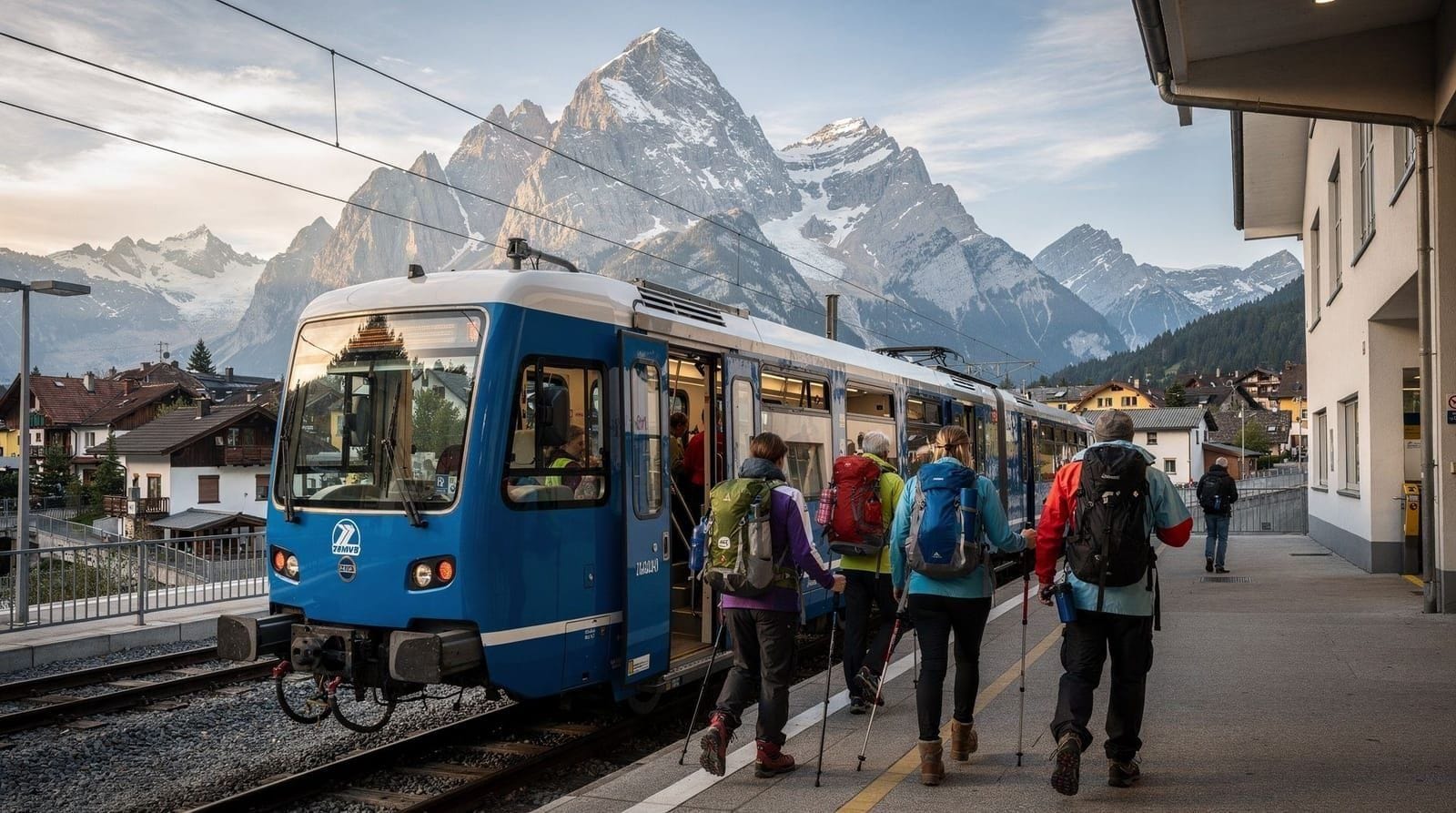
Once in Garmisch, the Zugspitzbahn station is directly adjacent to Garmisch-Partenkirchen Bahnhof — you exit the regional train and the cog railway station is a 2-minute walk away.
The two routes to the summit
The Bayerische Zugspitzbahn operates two distinct routes to the summit, both included in the same round-trip ticket.
Route 1: Zugspitzbahn cog railway (Zahnradbahn)
The Zugspitzbahn is a narrow-gauge rack railway that has been climbing to the Zugspitze since 1930. It is one of the steeper cog railways in Germany and the journey is genuinely enjoyable as an experience in itself.
From Garmisch Bahnhof, the train travels initially through the town and then climbs through increasingly dramatic mountain scenery. The journey stops at Eibsee (the lake at the base of the final ascent), then enters a 4.5-kilometre tunnel through the mountain before emerging at Zugspitzplatt — the glacier plateau at approximately 2,590 metres. From Zugspitzplatt, a short cable car ride called the Gletscherbahn (included in the ticket) takes you the final stretch to the summit.
The full journey from Garmisch to the summit via the cog railway takes approximately 75 minutes. This is not a fast commuter service — it is a scenic mountain railway, and the unhurried pace is appropriate. Passengers stand on the outdoor platforms between tunnel sections to photograph the views. The final section through the tunnel is less scenic but mercifully short.
The Zugspitzplatt glacier: At the upper cog railway station before the final summit cable car, you are on a ski area that operates from approximately November to May. In summer, the glacier is present but visibly diminished — a reminder that high-altitude glaciers across the Alps are retreating. The Zugspitzplatt is one of Germany’s few remaining ski areas.
Route 2: Eibseeseilbahn cable car from Eibsee
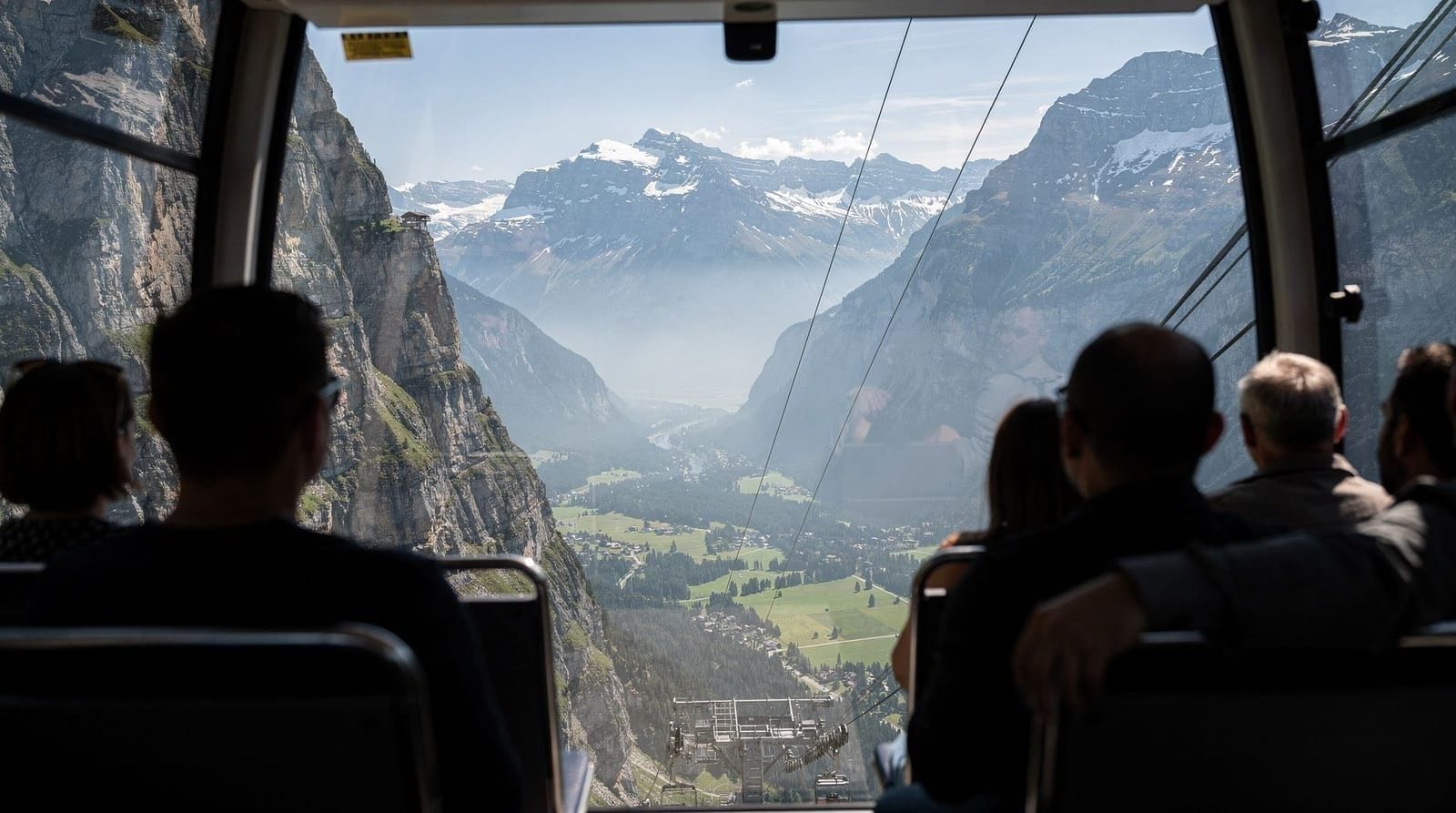
The Eibseeseilbahn is one of the steepest aerial cable cars in Germany, rising from Eibsee lake (at approximately 1,000 metres) to the summit at 2,962 metres in a single span — a vertical rise of roughly 1,945 metres. The journey takes about 10 minutes.
Reaching Eibsee from Garmisch requires either:
- The cog railway (Zugspitzbahn) to the Eibsee stop, then a short transfer
- A bus or taxi from Garmisch to Eibsee (about 10 minutes by road)
The cable car runs continuously between Eibsee and the summit, with departures every 30 minutes. The panoramic views of Eibsee lake below during the ascent are dramatic — the turquoise water contrasts sharply against the grey rock of the mountain above.
The recommended approach: one up, one down
Most visitors use the round-trip ticket to take the cog railway one direction and the cable car the other. The most popular combination is:
- Cog railway from Garmisch to summit (scenic, 75 minutes)
- Eibseeseilbahn cable car from summit down to Eibsee (10 minutes, dramatic descent)
- Brief stop at Eibsee lake before returning to Garmisch by bus/cog railway
This combination shows you both transport experiences and allows time at Eibsee, which is worth 30-60 minutes in its own right.
Eibsee: the lake worth your time
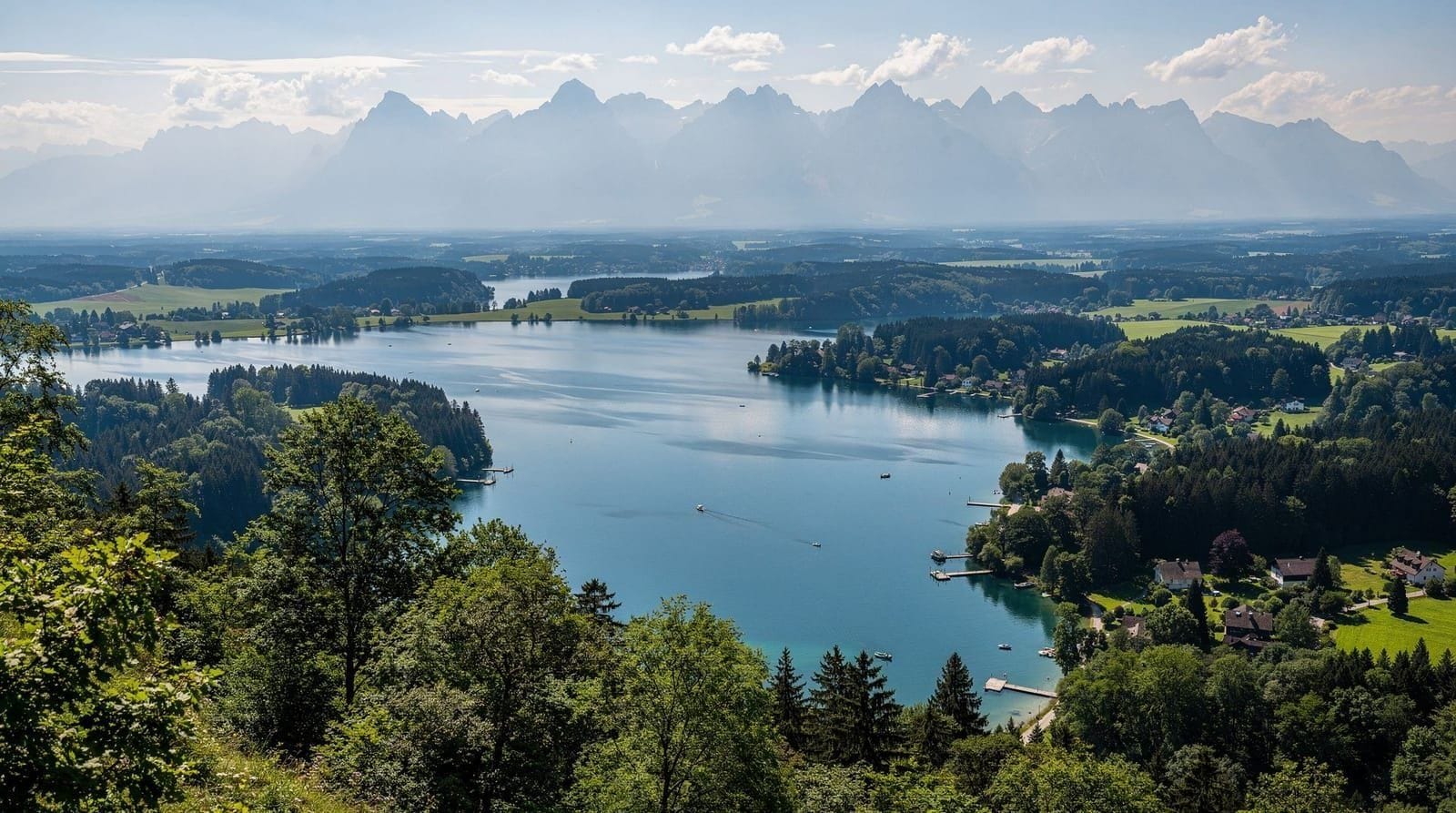
Eibsee is one of Bavaria’s most photogenic alpine lakes, sitting at the base of the Zugspitze’s south face. The water is a distinctive turquoise-blue colour produced by glacial minerals and the lake’s depth. It is surrounded by forest, with the dramatic rock face of the Zugspitze rising directly above.
The lake circuit on foot takes about 90 minutes at a steady pace. There is a beach area (Eibsee-Badestrand) where swimming is permitted in summer — cold, but genuine alpine lake swimming. A boat hire operation runs from spring through autumn (pedal boats and electric boats, roughly €15-20 per 30 minutes). A hotel and several kiosks at the lakeside provide food and drinks.
Honest assessment of Eibsee: It is genuinely beautiful. If you have the time and the day is clear, a 30-60 minute stop at Eibsee adds real value to the Zugspitze trip. If you are pressed for time or the weather has turned, skip it and focus on the summit.
Eibsee also works as a standalone destination if the summit is fully clouded in — the lake itself sits well below the cloud base on many days when the peak is socked in, so it is worth checking the lower webcam separately from the summit one before writing off the whole trip. A short circuit of the lakeside path, even without the cable car ride, is a pleasant way to spend an hour if you decide the summit conditions are not worth the ticket price that day.
The summit: what to expect
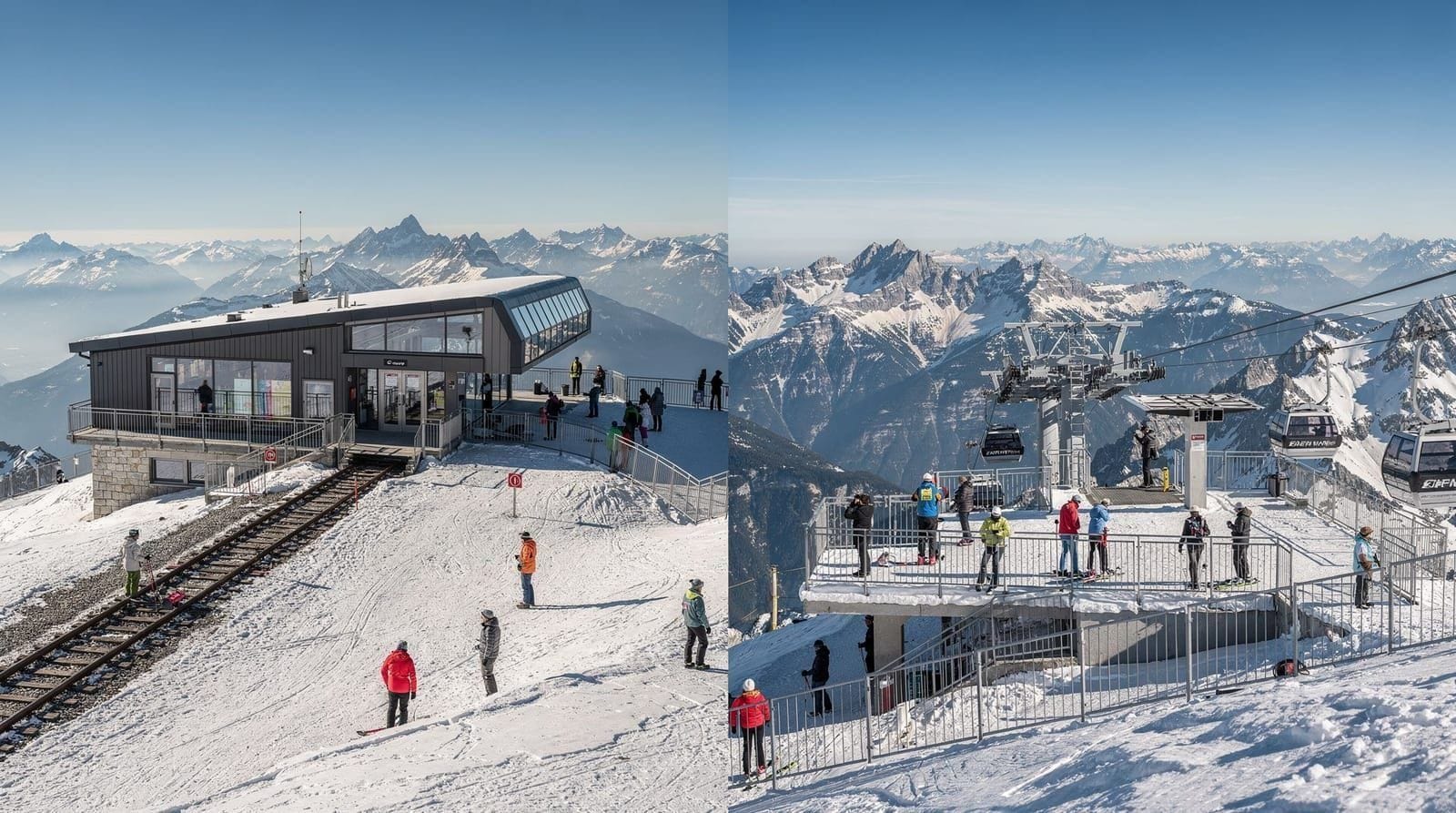
The Zugspitze summit area is split between two buildings connected by a short outdoor walkway at 2,962 metres. On the Austrian side, the Tiroler Zugspitzhaus restaurant and cable car terminal (operated by Austria). On the German side, the Münchner Haus — a weather station and mountaineering hut that has been at the summit since 1900.
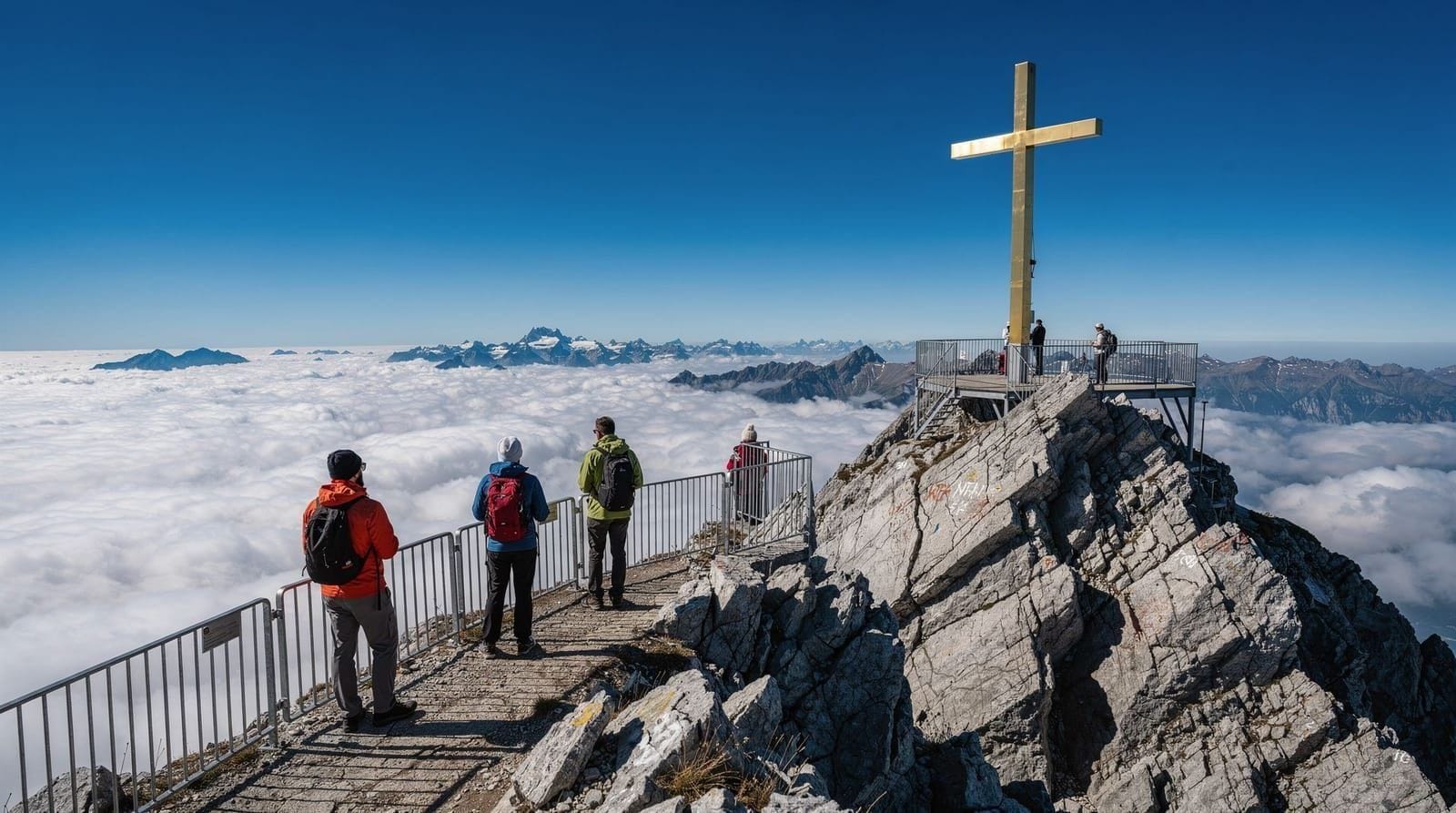
The viewing platforms: Several outdoor platforms give the full 360-degree panorama. On a clear day, the view is exceptional — you look down into the Zugspitzplatt glacier on one side, across to the Austrian Alps and towards Innsbruck to the south, and back towards Munich to the north (where you can see the city and, beyond it, the flat Bavarian plain extending to the horizon). The golden cross (Gipfelkreuz) marking the summit is a traditional climbing landmark and popular photography subject.
The restaurants and beer garden: The summit has a cafeteria-style restaurant and what claims to be Germany’s highest beer garden. The food is serviceable mountain fare — the prices are airport-level high given the captive audience, but a beer or hot soup at 2,962 metres is its own kind of experience. The view from the beer garden seating area, looking south into Austria, is arguably the best spot for a sustained sit-down view.
The Zugspitze chapel: The small chapel at the summit dates from 1900 and is used for services in summer. It is a detail rather than a destination in itself, but adds to the sense of how long this summit has been visited and documented. Private Zugspitze and Eibsee alpine tour from Garmisch
Crowds and timing strategy
The Zugspitze is Bavaria’s most visited mountain, and the crowds are a genuine factor in planning.
Peak season (July to August): Queues for the Eibseeseilbahn cable car at Eibsee can reach 60-90 minutes during peak summer weekends. The cog railway sells allocated seats and books out in advance during German school holiday periods. The summit viewing platforms can be congested. If you visit in peak season, the choice is between: arriving at Garmisch by 8am (catching the first cog railway departure and reaching the summit before the tour groups), or booking via an organised tour that guarantees priority boarding.
Shoulder season (May, September, October): Queue times drop dramatically. September in particular offers excellent conditions — stable weather, clear views, minimal crowds, and comfortable temperatures at altitude. The Zugspitzplatt glacier shows more exposure in autumn (the snow cover has melted from summer) but the panoramic views are typically superb.
Weather: Check the Zugspitze webcam (zugspitze.de) the morning of your visit. The summit is frequently in cloud, particularly from late morning in summer when thermal convection builds. A perfectly clear Munich morning does not guarantee clear summit views — the mountain creates its own cloud. The webcam gives a real-time view that is far more useful than a general weather forecast.
German public holidays and school holidays: The Zugspitze draws heavily from within Bavaria and Austria. German school holidays, particularly in Bavaria (end of July through early September), create peak crowds. Check Bavarian school holiday dates before planning.
Zugspitze by season, at a glance
| Season | Crowd level | Weather reliability | Notes |
|---|---|---|---|
| May–June | Low–moderate | Good, improving | Snow can linger at the summit into May |
| July–August | High | Fair, cloud builds by midday | Book cog railway seats in advance |
| September | Low | Very good, often the best month | Best combination of clear views and low crowds |
| October | Low | Variable | First autumn snow possible; glacier plateau less scenic |
| November–April | Low–moderate | Good on clear winter days | Ski season on the Zugspitzplatt; different experience entirely |
For the broader seasonal picture across the Alps around Munich, see the best alpine views near Munich guide and the Bavarian Alps cable cars guide, which compares Zugspitze’s transport options with other peaks.
Practical logistics for 2026
Tickets: Buy Zugspitzbahn tickets in advance from zugspitze.de. For peak summer weekends, advance booking is essential — walk-up availability can be limited, particularly for specific time slots on the cog railway. Ticket price for adults is approximately €72 round trip in 2026; children under 15 approximately €40; under 6 free.
Train from Munich: Munich Hauptbahnhof to Garmisch-Partenkirchen, regional train (RB/R-Bahn), journey time approximately 90 minutes. Trains depart roughly every 60 minutes throughout the day. First useful departure for a day trip: approximately 7:30-8:00am. Last train back from Garmisch: typically around 9pm.
Luggage: There is no left-luggage facility at the Zugspitze summit. Garmisch Bahnhof has lockers (€2-4). If you carry a large bag, leave it in Garmisch before ascending.
Dress for the altitude: Even in July, the summit can be 10-15 degrees cooler than Garmisch. Wind at 2,962 metres can be strong. A wind-proof layer, sunglasses, and sunscreen are essential regardless of the season. Snow is possible at the summit in any month of the year.
Combining Zugspitze with other nearby attractions
The Zugspitze day trip pairs naturally with several other destinations covered in detail elsewhere in this guide.
Garmisch-Partenkirchen town: Spend 30-60 minutes in the town centre before or after the mountain. The old town (Partenkirchen) has preserved painted house facades and a pleasant pedestrian zone. The town is a functional base rather than a must-see destination, but it is agreeable. See the Garmisch hiking guide for trails starting from the town, and the Munich to Garmisch day trip guide for combining the town with other stops.
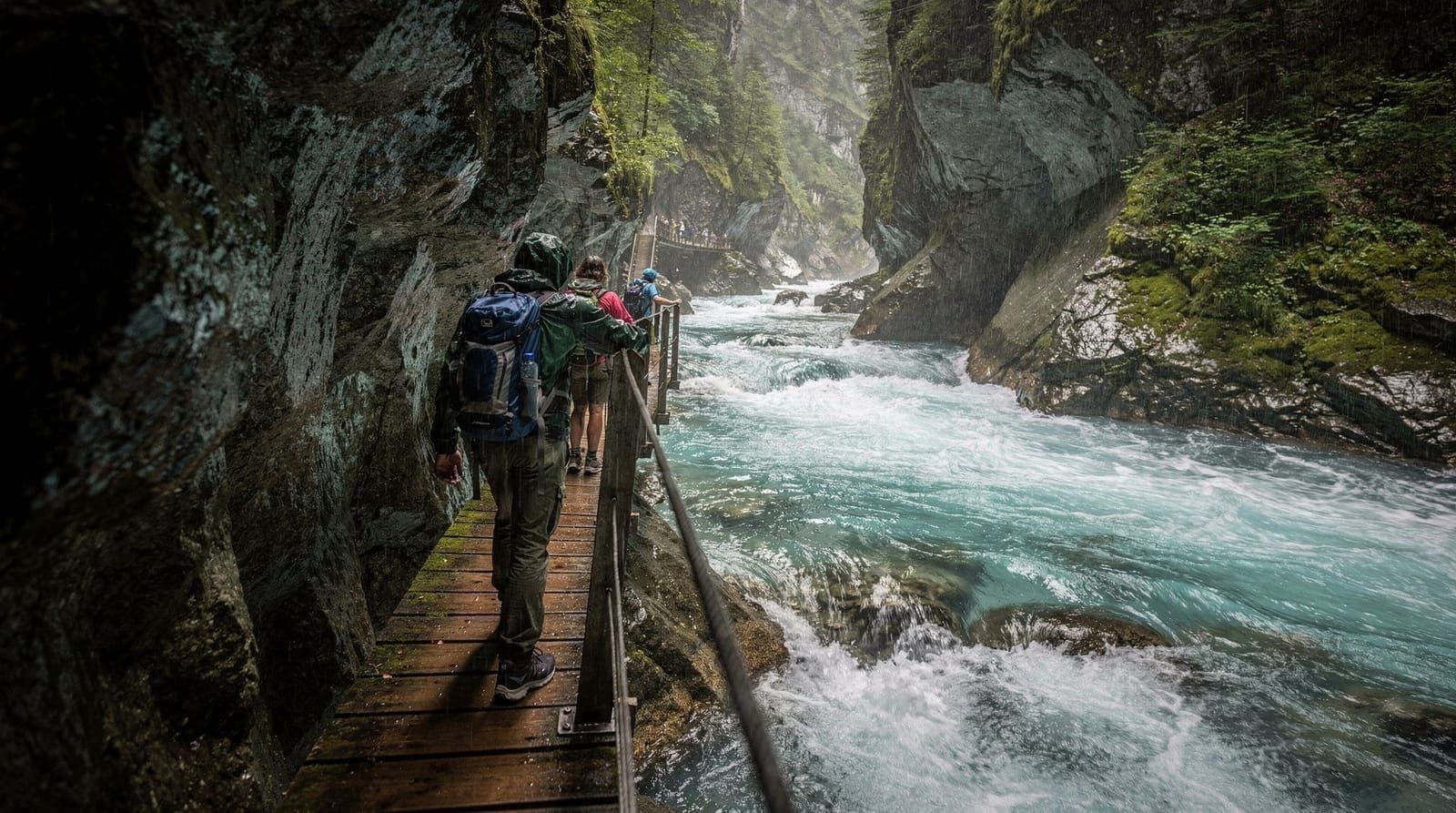
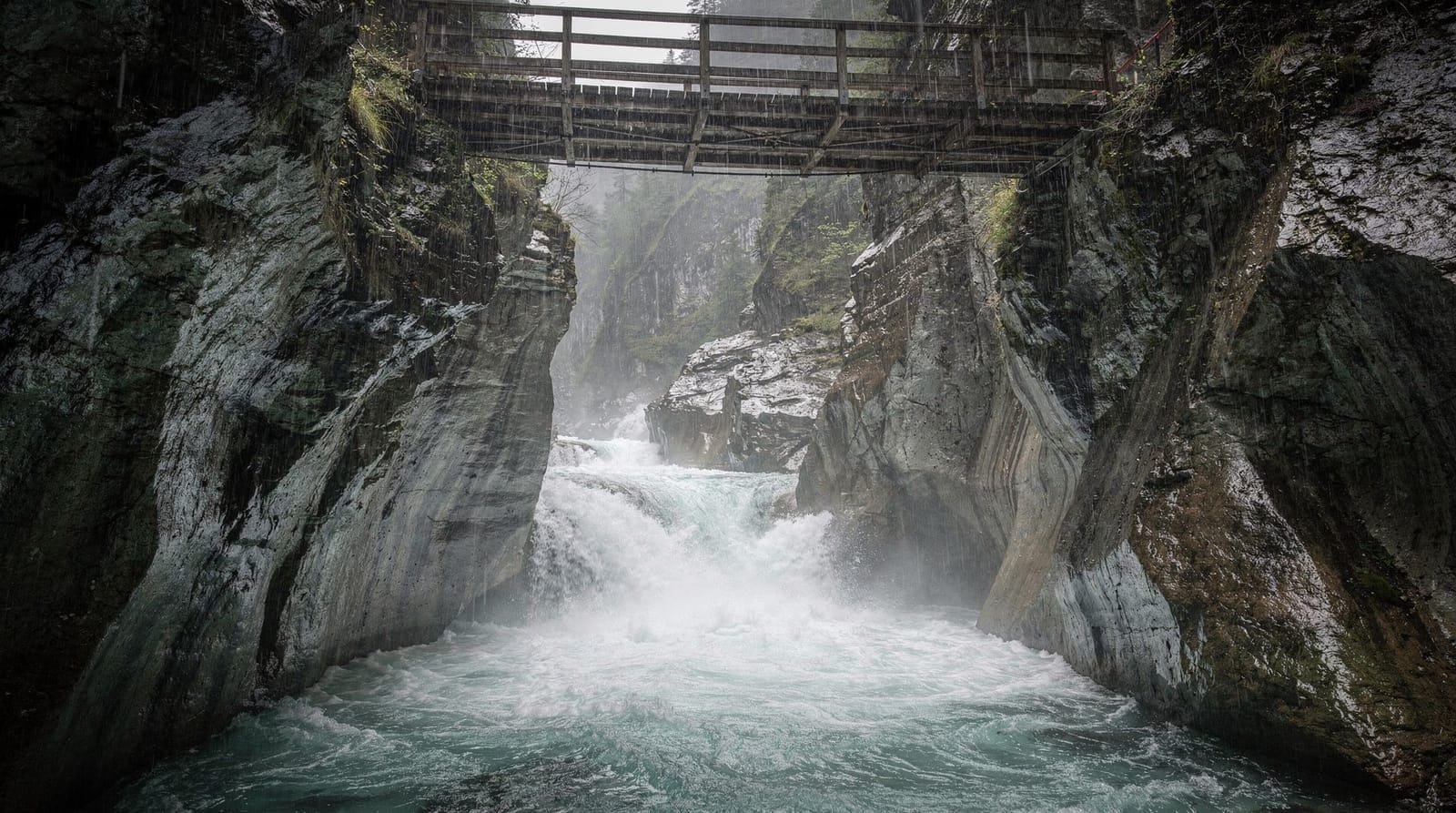
Partnachklamm gorge: A 10-minute walk from Garmisch Bahnhof, the Partnachklamm (Partnach Gorge) can be combined with the Zugspitze for a longer day. Read the Partnach Gorge guide for entry details and what to expect.
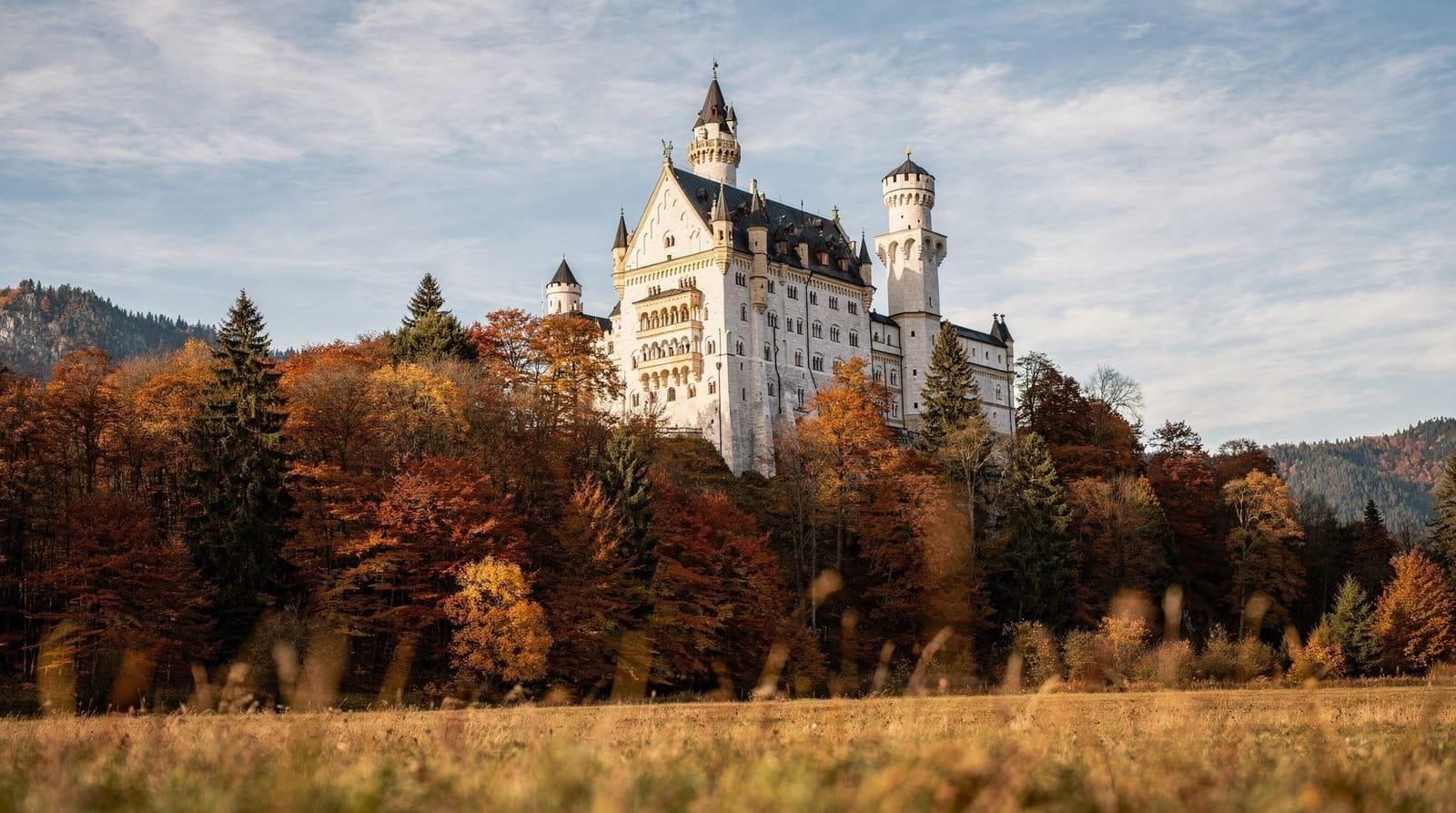
Neuschwanstein: Some visitors combine Zugspitze with Neuschwanstein on the same day. This is technically possible — both are accessible from Munich — but it makes for a very full day with limited time at each. The Munich castles day trip guide discusses the logistics.
For a multi-day alpine itinerary, the Bavarian Alps 3-day itinerary includes Zugspitze alongside Garmisch, Neuschwanstein, and the lakes. Full-day Neuschwanstein, Zugspitze, and Eibsee tour from Munich
What is not worth the extra cost
The 2-day hiking package: A specialised 2-day hike to the Zugspitze summit via the Knorrhütte route is available for experienced mountain hikers. This is a genuinely demanding alpine experience (overnight at altitude, steep terrain, early start). It is not appropriate for casual visitors or those without alpine hiking experience.
The Austrian-side tour operators: Several Austrian tour operators sell Zugspitze packages from Innsbruck that access the summit via the Austrian-side Tiroler Zugspitzbahn. These are not inherently worse, but add complexity. The German-side (Bayerische Zugspitzbahn) approach via Garmisch is simpler from Munich.
Summit shops: The souvenir shop at the summit sells items at predictably inflated prices. If you want Zugspitze-branded items, they are available at the same (or lower) prices in Garmisch town.
If Zugspitze feels too crowded: the alternative
Zugspitze’s status as Germany’s highest peak means it draws crowds that a genuinely quieter alpine day trip can avoid entirely. Our Zugspitze vs Nebelhorn comparison covers Nebelhorn above Oberstdorf in detail — lower altitude, roughly half the ticket price, far fewer visitors, and better hiking access from the summit. It is a genuinely different day, not simply a smaller version of Zugspitze, and worth considering if you have already done Zugspitze or specifically want to avoid the summer queues. For the train logistics either way, the day trips by train from Munich guide and the Munich public transport guide cover ticketing beyond the Bayern-Ticket basics above.
Frequently asked questions about visiting the Zugspitze
How far is Zugspitze from Munich?
Garmisch-Partenkirchen, the gateway town for Zugspitze, is approximately 90 kilometres south of Munich. By train, the journey takes about 90 minutes on the regional service to Garmisch. The Zugspitze summit itself is accessed from Garmisch by the cog railway or by cable car from Eibsee, adding roughly 75 minutes or 10 minutes respectively to the transit time.
Is the Bayern-Ticket valid for the trip to Zugspitze?
The Bayern-Ticket covers the Bayerische Oberlandbahn regional train from Munich Hauptbahnhof to Garmisch-Partenkirchen. It does not cover the Zugspitzbahn cog railway or the cable cars — those require a separate ticket costing approximately €72 round trip in 2026.
What is better — the cog railway or the cable car?
Both have merit. The Zugspitzbahn cog railway from Garmisch offers a scenic 75-minute journey through forest and the Zugspitzplatt glacier plateau — the journey itself is part of the experience. The Eibseeseilbahn cable car from Eibsee reaches the summit in about 10 minutes with dramatic vertical views over the lake. Many visitors take one up and the other down.
What is at the top of the Zugspitze?
At 2,962 metres, the Zugspitze summit has two restaurants, Germany’s highest beer garden, a weather station, a small chapel, a gold cross marking the peak, and a viewing platform with panoramic views into four countries (Germany, Austria, Switzerland, Italy on clear days).
When is the best time to visit Zugspitze?
Clear views are most reliable in late April, May, and September. Summer (June to August) brings crowds and afternoon cloud build-up. Morning visits are strongly advisable. July and August are the busiest months; expect queues for the cable car and cog railway.
Can children visit the Zugspitze?
Yes. Children under 15 pay reduced rates (approximately €40 round trip in 2026). The summit is accessible without hiking — both the cog railway and cable car reach the top. The altitude (2,962 m) can cause mild breathlessness in young children; allow time for acclimatisation.
What should I wear for the Zugspitze?
Pack warm layers regardless of the season. At 2,962 metres, temperatures at the summit are typically 15-20 degrees Celsius cooler than Munich. Bring a wind-proof jacket, sunglasses, and sunscreen. Walking shoes are adequate if you plan to stay on the summit platforms.
Is Zugspitze or Nebelhorn better for a first alpine day trip from Munich?
For a first visit, Zugspitze is the stronger choice — standing on Germany’s highest point has a symbolic value that Nebelhorn does not offer, and the two-route (cog railway/cable car) journey is part of the experience. If you specifically want to hike from the summit or prefer a quieter, less touristed mountain, Nebelhorn above Oberstdorf is worth considering instead — see the full comparison.
Can I do Zugspitze without a car, using only public transport?
Yes, and it is the recommended approach. The regional train from Munich Hauptbahnhof to Garmisch-Partenkirchen, followed by the Zugspitzbahn cog railway or Eibsee cable car, covers the entire round trip without a car. Driving adds parking costs and does not save meaningful time given the train frequency described above.
Top experiences
Bookable activities with verified prices and instant confirmation on GetYourGuide.