Partnach Gorge guide: Partnachklamm in Garmisch-Partenkirchen
From Munich: Zugspitze mountain van tour with Garmisch town
What is the Partnach Gorge and how much does it cost to enter?
Partnachklamm is a 700-metre gorge carved by the Partnach river through solid rock in Garmisch-Partenkirchen. In 2026, adult entry costs €6 and children's entry is €3. The gorge is open year-round and is accessible on foot from Garmisch Bahnhof in about 30-40 minutes (or by horse carriage in summer). Winter visits are especially dramatic, when ice formations coat the tunnel walls.
A gorge carved by glacial water — what the Partnachklamm actually is
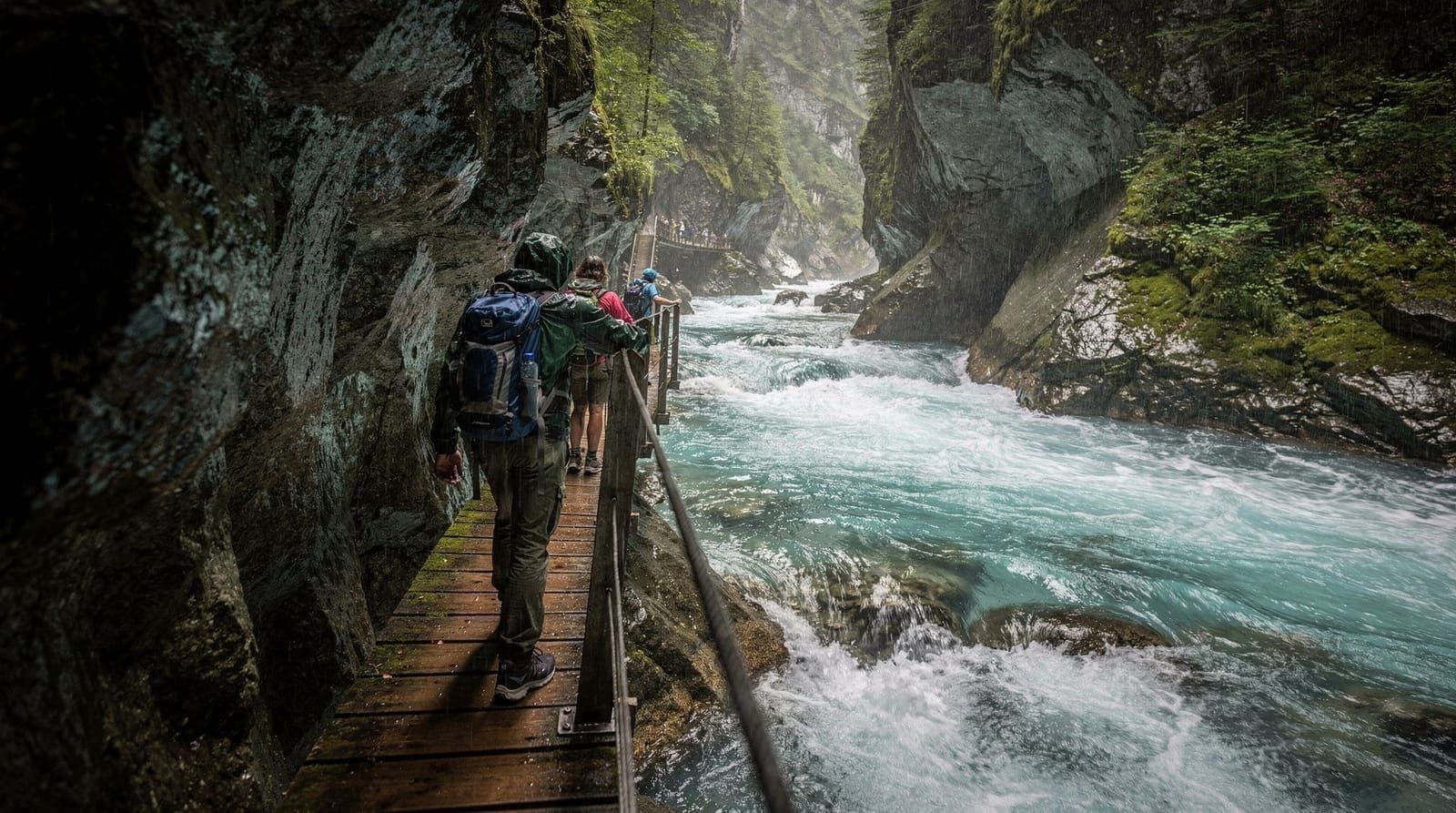
Partnachklamm is the result of the Partnach river cutting through a limestone massif over thousands of years. The result is a narrow gorge — sometimes only 2-3 metres wide — carved up to 80 metres deep into the rock, with the river thundering through at the bottom. The gorge was first made accessible to visitors in 1912, when wooden walkways were installed along the cliff face and tunnels blasted through the rock sections that were too narrow or overhanging for a surface path.
That industrial-era accessibility is what makes Partnachklamm genuinely impressive rather than merely scenic. The path takes you through carved rock tunnels, along narrow ledges directly above the river, and behind small waterfalls. You feel enclosed by the gorge rather than simply looking into it from a viewpoint. The 700-metre length passes quickly but intensely.
The gorge is also unusual in Bavaria for being open year-round. Where many gorge attractions close in winter due to ice risk, Partnachklamm keeps operating — and winter is, by many accounts, the most dramatic time to visit. The ice formations that build up on the tunnel walls and cliff faces from December through February can be extraordinary, turning the gorge into a sculptural environment quite different from the summer version.
Honest assessment: at €6 entry and a 30-minute walk from Garmisch Bahnhof, the Partnachklamm is one of the best-value nature experiences in the Bavarian Alps. Most visitors who come specifically to Garmisch for the Zugspitze overlook it. That is their loss. Day tour to Garmisch and Zugspitze from Munich — combined with local sights
| Where | Garmisch-Partenkirchen, 2.5 km south of the Bahnhof |
| Cost | Around €6 adult / €3 child (2026) |
| Time needed | 2–3 hours round trip from the station, including the gorge walk |
| Getting there | BOB regional train from Munich Hbf (~90 min), then a 30–40 min walk |
| Best time | Weekday mornings in summer; December–February for the ice formations |
Getting to the Partnach Gorge from Garmisch
The gorge is 2.5 kilometres south of Garmisch-Partenkirchen Bahnhof. There are three ways to get there:
On foot (recommended): From Garmisch Bahnhof, follow the signed route south along Olympiastrasse. The path is flat and paved for most of the route — you follow the Partnach river upstream through the valley floor. At the Olympic ski stadium (Skistadion), the path continues south alongside the river on a gravel track. The walk from the station to the gorge entrance takes about 30-40 minutes. It is a pleasant approach that lets you see the river and the mountains before the gorge itself.
By horse carriage: In summer (roughly April through October), traditional horse carriages (Kutschen) operate from the area near the Olympic ski stadium to the gorge entrance. The price is approximately €6-8 per person one way. This is a pleasant novelty if you have children who would enjoy it, or if mobility makes the walk difficult. The carriages do not operate in winter.
By car: There is limited parking near the Skistadion, approximately 500 metres from the gorge entrance. On summer weekends, it fills by mid-morning. Arriving by train from Munich is much simpler — the regional train takes about 90 minutes from Munich Hauptbahnhof and Garmisch Bahnhof is the start of the walk.
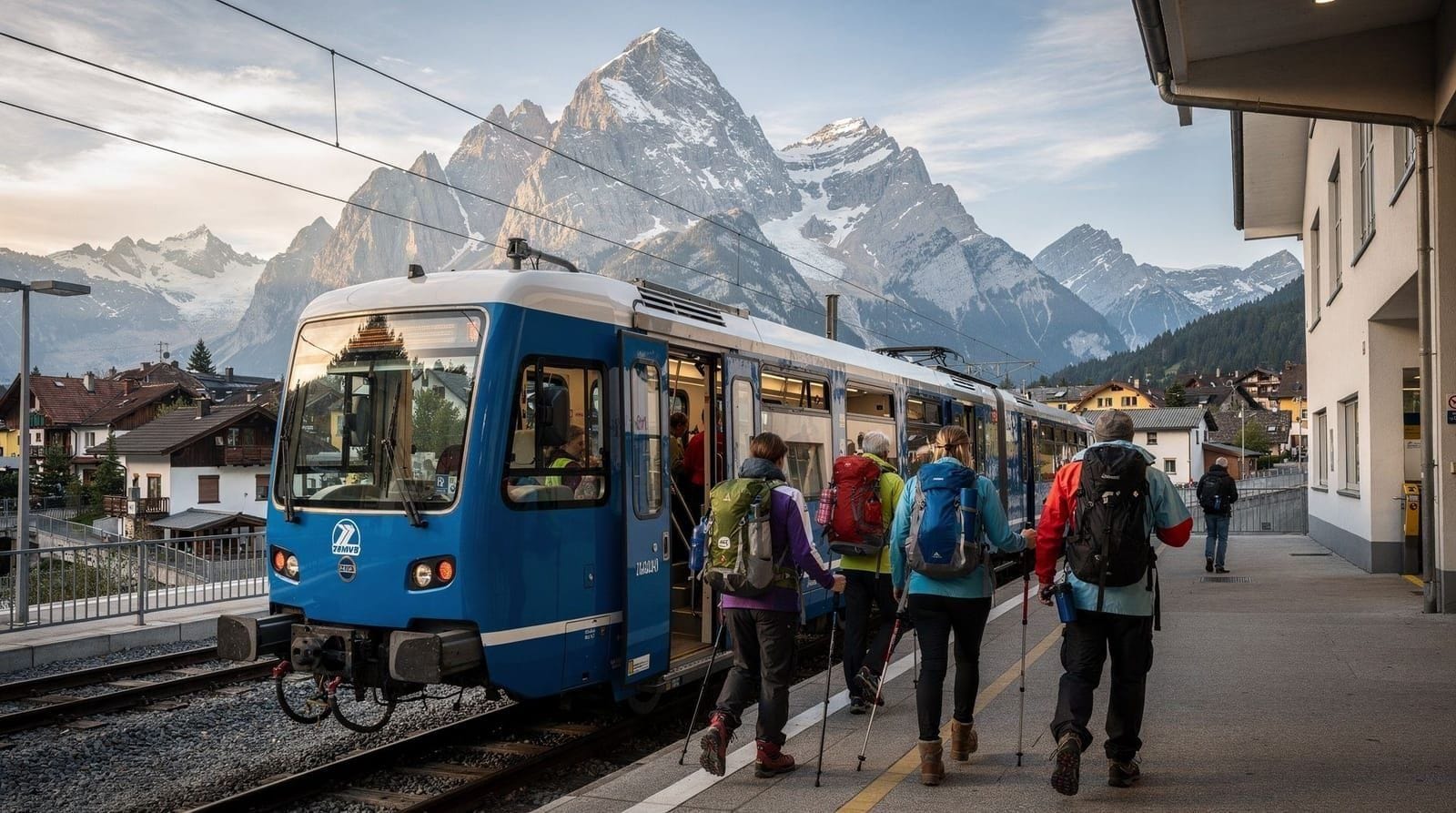
From Munich: The Bayerische Oberlandbahn (BOB) regional train runs Munich Hauptbahnhof to Garmisch-Partenkirchen approximately every 60 minutes. Journey time is about 90 minutes. A Bayern-Ticket covers the journey from 9am. There is no separate admission needed until you reach the gorge entrance.
The walk through the gorge
Entrance and ticket: The Partnachklamm ticket office is at the gorge entrance, a stone building at the point where the valley narrows and the gorge begins. In 2026: adult ticket €6, child ticket (ages 6-14) €3, under 6 typically free. Opening hours are typically 8am to 6pm in summer (shortened in winter — check current hours, especially for November to February).
The path: The path through the gorge is a combination of:
- Natural cliff ledges widened into walkways, protected by metal railings
- Rock tunnels blasted through sections too narrow for a surface path
- Wooden bridges over the river at several points
- Viewing platforms at specific points where the river is particularly dramatic below
The going is not technically difficult but requires sure footing. The path is damp throughout — the enclosed gorge keeps the surface permanently wet from spray and seepage. In dry summer weather, a light rain jacket suffices. In wet weather or winter, full waterproofs and waterproof shoes are genuinely necessary — the difference between a pleasant visit and a soggy misery.
The river: The Partnach runs at the bottom of the gorge in a continuous rush. The sound in the enclosed sections is significant — conversation is difficult at the narrowest points. The colour of the water varies with the season: milky-blue from glacial melt in late spring and early summer, clearer and slightly lower in late summer and autumn.
Direction of travel: Most visitors enter from the valley floor (south) end and walk through to the Graseck plateau above. The path through the gorge is one-way at peak times. From the exit, you can return via a different path through forest that brings you back to the valley floor — a circular route.
Winter at the Partnachklamm
The winter gorge experience is worth describing separately because it is so different from the summer version.
From approximately December through February, cold temperatures cause the spray and seepage in the gorge to freeze on the rock surfaces. Ice forms on the tunnel walls, building up in layers over weeks until formations reach 1-3 metres thick in the coldest winters. Ice stalactites grow from overhangs; ice cascades form where small streams enter the gorge. The path is gritted but sections can be icy — crampons or ice-grip overshoes (available for hire at the entrance in some years, or bring your own) are strongly recommended.
The visual effect is extraordinary. The gorge in winter is a completely different environment from its summer state — white and blue where it was green and grey, quiet where it was thundering (lower water levels reduce the noise). Visitor numbers drop significantly, which enhances the atmosphere further.
Practical winter notes: The last entry in winter is typically 4pm or earlier (check current hours). Dress warmly — temperatures inside the gorge can be several degrees below zero even on a day when the valley is above freezing. The horse carriages do not operate in winter; the walk from Garmisch Bahnhof is the only approach.
After the gorge: the Graseck plateau and cable car
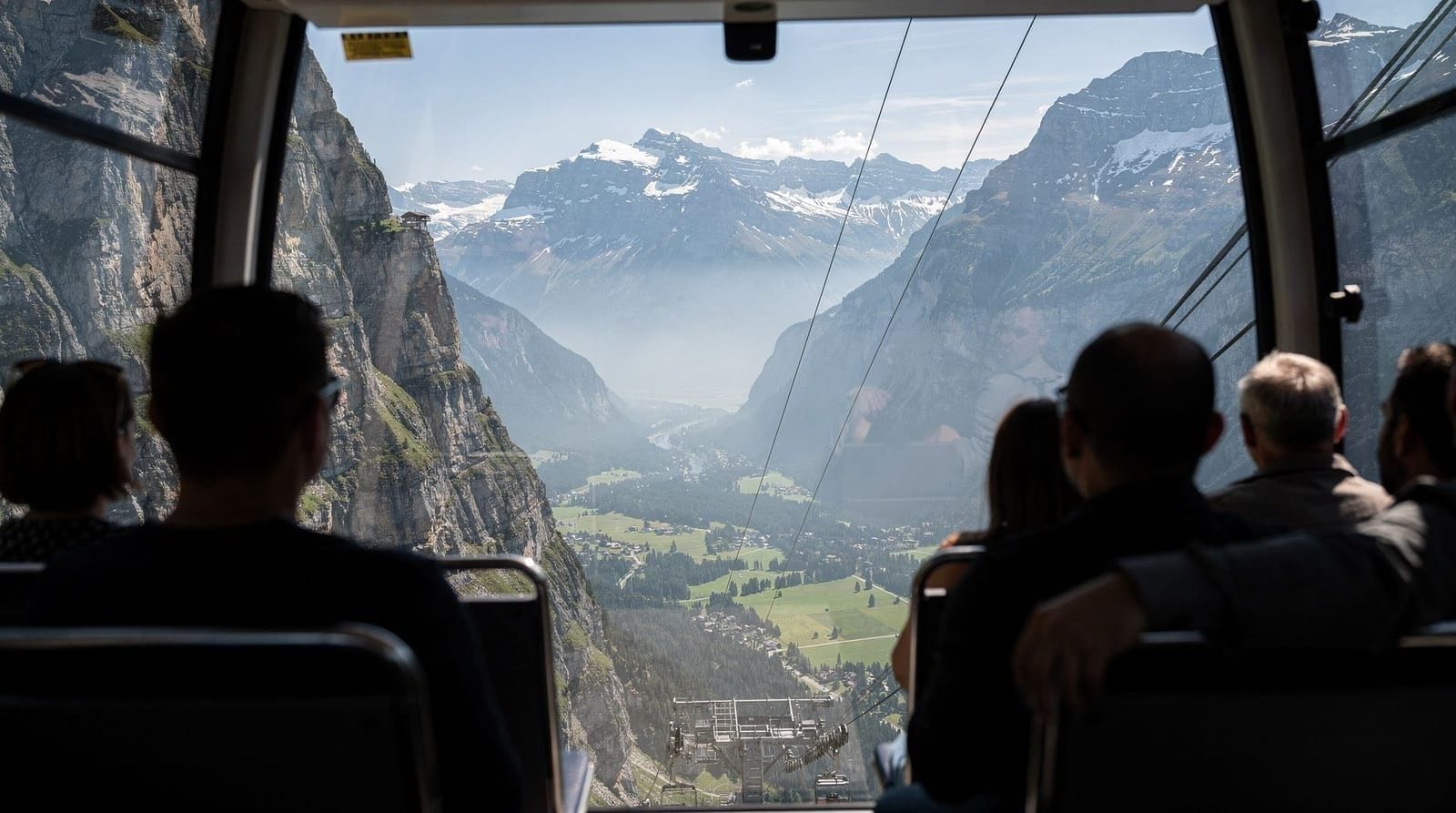
The gorge path exits onto the Graseck plateau, a meadow area at approximately 750 metres with views back over Garmisch and toward the Zugspitze. From the plateau, a small cable car (Graseckbahn) descends to the valley floor — a route originally built to serve the Hotel Graseck on the plateau. The cable car costs approximately €4 and provides a different return to the valley.
The Graseck plateau itself has a few hiking routes that continue upward into the mountains — these are the approach trails for the Reintal valley and, eventually, the Knorrhütte and the Zugspitze summit. For the 2-day Zugspitze hiking route, the Partnachklamm gorge is the standard starting point. See the Garmisch hiking guide for detailed trail information and difficulty assessments.
Combining the Partnachklamm with a Zugspitze day trip
The Partnachklamm is 2.5 kilometres from Garmisch Bahnhof. The Zugspitzbahn cog railway station is adjacent to Garmisch Bahnhof. These two attractions can be combined in a single day, but the timing requires planning.
Recommended sequence: Arrive Garmisch by 9am. Walk to the gorge (30-40 minutes), go through the gorge and return to the valley floor by 11:30am. Return to Garmisch Bahnhof and take the cog railway (or bus to Eibsee for the cable car) for the Zugspitze. Arrive at summit by 1-1:30pm. Return from Zugspitze to Garmisch by 4-5pm for the train back to Munich.
This is achievable but busy. If you want a more relaxed day, do the gorge on one trip and the Zugspitze on another — both can be done as separate day trips from Munich via the same train route.
For the complete Zugspitze logistics, see the Zugspitze day trip guide. Private Garmisch and Zugspitze tour including local highlights
What else is in Garmisch-Partenkirchen
Garmisch-Partenkirchen is a dual-town — Garmisch and Partenkirchen were separate villages until forced to merge for the 1936 Winter Olympics. They retain distinct characters to this day.
Partenkirchen old town: The older of the two settlements, Partenkirchen has a historic Ludwigstrasse with painted Lüftlmalerei facades — the traditional Bavarian fresco decoration applied to exterior walls. The paintings mostly depict religious scenes and local legends and date from the 17th to 19th centuries. Partenkirchen is 15 minutes’ walk east from Garmisch Bahnhof.
Olympic ski stadium: The 1936 Winter Olympics were held here, and the original ski jump and stadium remain — now used for international ski jumping competitions (the Vierschanzentournee / Four Hills Tournament uses the Garmisch ramp on January 1st each year). Outside competition periods, the area is open for walking.
The Philosophenweg: A flat walking path (the “Philosophers’ Path”) along the Loisach river through Garmisch town, useful for a pleasant 30-minute stroll if you have time between trains.
For a complete picture of hiking options in the area beyond the Partnachklamm, the Garmisch hiking guide covers routes at all difficulty levels.
Photographing the gorge
The gorge is genuinely difficult to photograph well because of the low light and constant spray. A few things help: a lens hood or a quick wipe on the lens before each shot, a slightly higher ISO rather than a slow shutter (the spray makes tripods impractical on the narrow walkways anyway), and shooting toward the tunnels rather than the open river sections, where the contrast between light and dark rock gives more depth. Midday in summer gives the most usable light through the gorge’s open sections; in winter, the ice formations photograph best with a flash or a bright phone light held close, since ambient light barely reaches some tunnel walls. Phones generally cope better than expected thanks to computational HDR — bring a dry cloth to keep the lens clear rather than worrying about camera gear.
Partnachklamm compared with other Bavarian gorges
Partnachklamm is not the only gorge in reach of Munich, and it is worth knowing how it compares before committing a full day to it.
| Gorge | Distance from Munich | Cost | What makes it distinct |
|---|---|---|---|
| Partnachklamm (Garmisch) | ~90 min by train | ~€6 | Open year-round, dramatic winter ice, easy walk from the station |
| Höllentalklamm (Garmisch) | ~90 min + local transfer | Similar range | Longer, steeper, more technical — closed in winter |
| Wimbachklamm (Berchtesgaden) | ~2.5 hrs | Similar range | Wilder, less developed path, part of a longer valley hike |
For most first-time visitors, Partnachklamm’s combination of easy access, low cost, and year-round opening makes it the sensible choice — the Garmisch hiking guide and the best alpine views near Munich guide cover the harder alternatives if you want to go further.
Where to eat before or after the gorge
There is no food inside the gorge itself, so plan around it. Near the Olympic ski stadium, a handful of casual cafés serve coffee and pastries — useful for an early breakfast before the walk. Partenkirchen’s old town, 15 minutes’ walk from the Bahnhof in the other direction, has a better range of proper Bavarian restaurants if you are saving your appetite for after the hike. If you are combining the gorge with a Zugspitze day, eat before you set off — options thin out considerably once you are on the mountain side of Garmisch. The best day trips from Munich guide and the day trips by train guide cover how to fit a proper lunch stop into a Garmisch itinerary without rushing.
Getting to Garmisch from Munich for this visit
The journey from Munich to Garmisch-Partenkirchen by regional train takes approximately 90 minutes. Trains depart Munich Hauptbahnhof roughly every 60 minutes throughout the day. A Bayern-Ticket is valid from 9am and is the most economical option for a day trip, particularly if you are not also buying a Zugspitze summit ticket.
The Bayern-Ticket guide explains the full coverage and how to make it work across the day.
Return trains: Last useful return train from Garmisch to Munich is typically around 9-10pm. The service is reliable and seats do not require reservation except for peak holiday periods.
Frequently asked questions about Partnachklamm
How long is the Partnach Gorge walk?
The gorge itself is 700 metres long. Walking through takes about 30-45 minutes. Allow 2-3 hours total from Garmisch Bahnhof for the walk there, through the gorge, and back.
Is the Partnach Gorge open in winter?
Yes. Partnachklamm is open year-round. Winter is one of the most dramatic times to visit, with ice formations building up on the tunnel walls. Bring waterproof and warm clothing.
Is the Partnach Gorge suitable for children?
Yes, for children aged 5 and over with reasonable fitness. The path has narrow sections and can be slippery. Very young children and pushchairs are not practical. Children aged 6-14 pay €3 in 2026.
What should I wear for Partnachklamm?
Waterproof or water-resistant clothing is essential. The gorge path is permanently damp from river spray. Waterproof shoes are strongly recommended. In winter, full waterproofs and warm clothing are necessary.
How do I get to the Partnach Gorge entrance from Garmisch?
Walk 30-40 minutes south from Garmisch Bahnhof along Olympiastrasse and then the river path. Or take a horse carriage in summer from near the Olympic ski stadium.
Can you use the Partnach Gorge as a starting point for Zugspitze hiking?
Yes. The gorge connects to the Reintal valley trail system, which leads to the Knorrhütte mountain hut and ultimately the Zugspitze summit — a demanding multi-hour ascent best suited to experienced hikers.
Is there parking at the Partnach Gorge?
Limited parking is available near the Olympic ski stadium, 500 metres from the gorge entrance. It fills quickly on summer weekends. Arriving by train from Munich is much simpler.
Can I visit Partnachklamm and Zugspitze without staying overnight in Garmisch?
Yes, though it is a full day. Both are commonly done as separate day trips from Munich by train, and the Zugspitze day trip guide covers the timings if you want to attempt both in one day. Splitting them across two visits is more relaxed and lets you linger properly in the gorge instead of watching the clock.
Top experiences
Bookable activities with verified prices and instant confirmation on GetYourGuide.