Hohenschwangau Castle
Visit Hohenschwangau Castle — Ludwig II's childhood home, less crowded than Neuschwanstein, stunning Alpsee views, and combo ticket options for 2026.
Schwangau: combo ticket Neuschwanstein and Hohenschwangau Castle
Quick facts
- Distance from Füssen
- 4 km (10 min by bus or 45 min walk)
- Adult ticket (2026)
- €25 (palace only)
- Combo with Neuschwanstein
- €35 adult
- Opening hours
- Apr–Oct 8:00–17:30; Nov–Mar 9:00–15:30
- Tour duration
- 35 minutes guided
Ludwig II’s childhood home — and the castle most visitors rush past
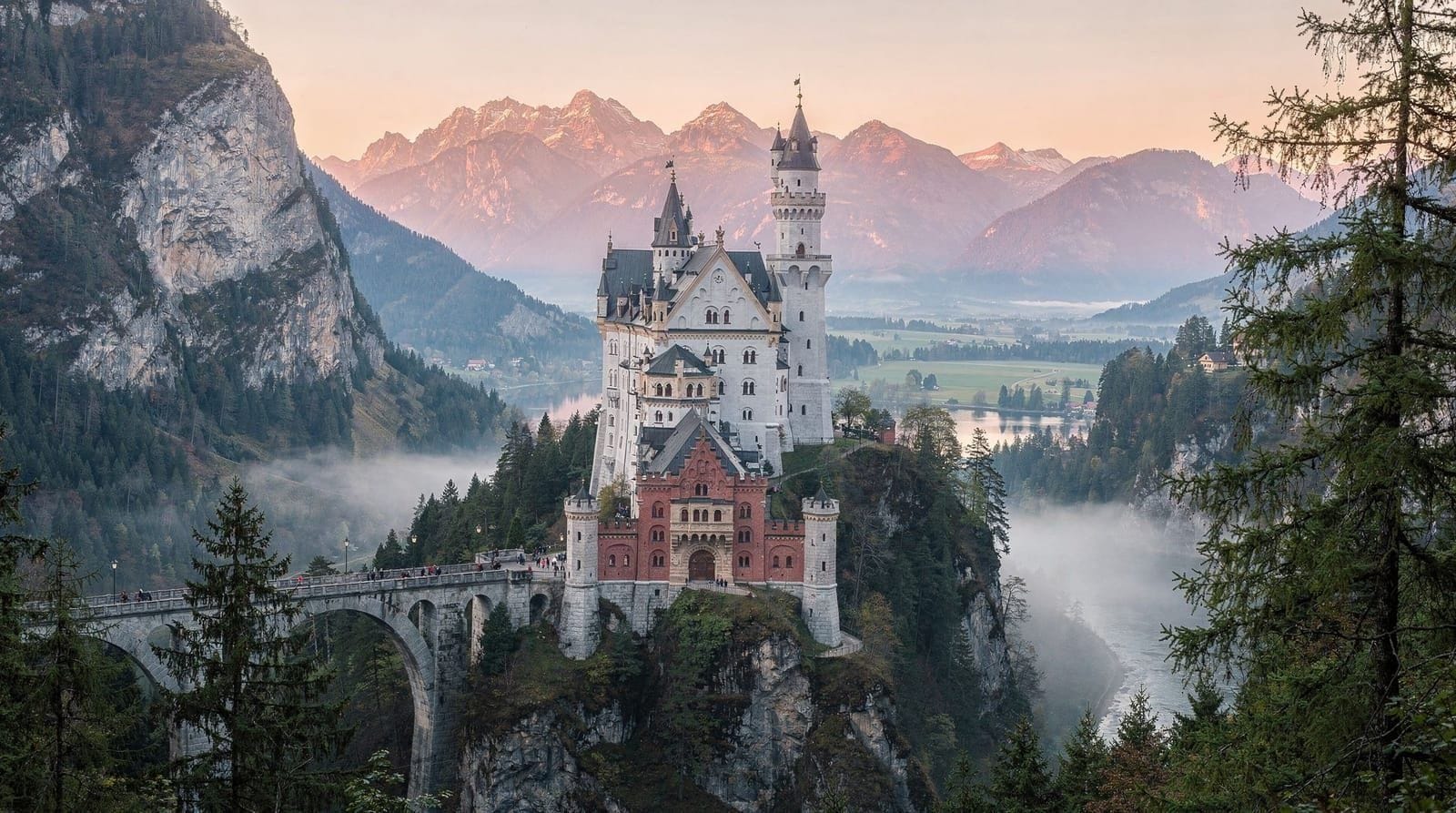
Almost everyone who visits the Schwangau area focuses entirely on Neuschwanstein, the fairy-tale castle on the hill. Hohenschwangau sits just 15 minutes’ walk away on a lower ridge, and most day-trippers barely glance at it. That is their loss. Hohenschwangau is where King Ludwig II grew up, where he developed his obsessive fascination with medieval German legend, and where he spent his summers looking up the hill at the empty cliff where Neuschwanstein would eventually be built. It is in many ways the more human of the two castles — a place someone actually lived in, rather than an architectural fantasy that was never completed.
Built — or more accurately rebuilt — between 1832 and 1836 by Crown Prince Maximilian (later King Maximilian II), the castle sits on medieval foundations and incorporates genuine Gothic Revival architecture. The interior murals covering nearly every wall in every room were painted during the original reconstruction and depict scenes from German legend: Lohengrin, the Swan Knight, and the Nibelung saga that would later become Wagner’s Ring Cycle. Ludwig grew up staring at these walls. He also met Wagner here for the first time.
Quick answer: Hohenschwangau is worth visiting alongside Neuschwanstein. The combo ticket saves money, the tour is equally long, and the castle is less crowded, better preserved as a royal residence, and offers genuine insight into the childhood that shaped Ludwig’s extraordinary imagination.
| Where | Base of the hill below Neuschwanstein, Schwangau |
| Cost | Around €25 solo, €35 combo with Neuschwanstein |
| Time needed | 35-min tour + 45 min at the Alpsee |
| Getting there | Bus 73/78 from Füssen (9 min) or 45-min walk |
| Best time | Morning opening (08:00) for smallest groups |
Ludwig’s childhood home
The yellow castle on the lower hill was the summer residence of the Bavarian royal family for much of the 19th century. Unlike Neuschwanstein — which Ludwig designed himself and never fully inhabited — Hohenschwangau was a working royal palace. Maximilian II used it regularly, and Ludwig spent significant portions of his youth here between 1845 and 1865.
The 35-minute guided tour covers the main state rooms on two floors. Key highlights:
Swan Hall: The entrance room, with swan motifs on every surface — the Schwangau (swan district) heraldry that Ludwig adopted. The telescope in this room was how Ludwig watched construction progress on Neuschwanstein across the valley.
Hero’s Hall: Murals depicting the story of Lohengrin, the Swan Knight, which later inspired Wagner’s opera of the same name. Ludwig allegedly had these murals lit by magic lantern slides at night.
Bedroom of Ludwig II: The ceiling is painted as a night sky with stars that actually illuminated via artificial lighting — an early form of theatrical staging in a private room. Ludwig used this room until he moved to Neuschwanstein.
Chapel: Small private chapel with original Gothic Revival fittings, used by the royal family for daily prayer.
Unlike Neuschwanstein, photography is not permitted inside. The tour groups are capped at smaller numbers than at Neuschwanstein, making the experience less rushed and more intimate.
Getting there
Hohenschwangau is located at the base of the hill immediately adjacent to the main Hohenschwangau ticket centre. If you are visiting Neuschwanstein on the same day, you are already in the right place — the two castles share the same ticketing and transport infrastructure.
From Munich by public transport: Train from Munich Hauptbahnhof to Füssen (RB 84, approximately 2 hours, covered by Bayern-Ticket from €31 per person). Then bus 73 or 78 from Füssen bus station to the Hohenschwangau / Alpsee stop (9 minutes, roughly every 30 minutes). Hohenschwangau Castle is a 5-minute walk from the bus stop, steeply uphill.
From Füssen on foot: The castle is 4 km from Füssen town centre, mostly on a footpath and minor road. Allow 45–55 minutes walking with light luggage. The final approach is steep. Most visitors take the bus.
By car: Follow signs for Hohenschwangau from the B17 south of Füssen. Paid parking in the Schwangau lots (P3, P4, P5) costs €9–12 per day. Lots fill by 09:30 in summer. See the day trips by train guide for alternatives to driving.
Tickets and combo options
All tickets — for Hohenschwangau alone or in combination — are purchased or collected at the central ticket centre at Alpseestraße 12, 87645 Hohenschwangau. The official booking site is tickets.hohenschwangau.de.
2026 prices:
- Hohenschwangau adult: €25
- Hohenschwangau reduced (under 18 EU/EEA, disabled): free to €1 administrative fee
- Combo Neuschwanstein + Hohenschwangau adult: €35
- Combo reduced: €17
Note: Hohenschwangau costs €25 standalone but Neuschwanstein is €21 standalone — the combination of €35 saves €11. For most visitors, the combo is the logical choice.
Booking window: 3 months in advance online, same as Neuschwanstein. Hohenschwangau is less in demand and easier to get last-minute, particularly on weekdays. However if you are also booking Neuschwanstein for the same day, purchase both together — their timed slots need to be coordinated.
Timing the two castles: Schedule Hohenschwangau first (morning, starting at opening at 08:00) and Neuschwanstein second. The walk between them is 15 minutes uphill. Do not leave less than 90 minutes between the end of your Hohenschwangau tour and your Neuschwanstein entry time — you need to get up the hill. Combo ticket: Neuschwanstein and Hohenschwangau Castle Füssen: Neuschwanstein and Hohenschwangau entry ticket with audio guide
Alpsee — the lake below
The Alpsee is the natural lake immediately in front of and below Hohenschwangau Castle. It is genuinely beautiful and remarkably uncrowded compared to the castle itself — most visitors head straight up the hill and ignore the lake entirely.
What to do at the Alpsee:
- Walk the 3.5 km footpath that circles the entire lake (about 1 hour, flat)
- Swim in summer (the lake is cold even in August, but swimming is permitted)
- Rent a rowing boat from the boathouse on the eastern shore (approximately €10 per 30 minutes)
- Picnic on the western shore with Hohenschwangau Castle reflected in the water
The Alpsee is owned by the Wittelsbach family trust (which still manages both castles) and the surrounding land is largely undeveloped. The path through the forest on the western shore offers views of both Hohenschwangau and — higher up — Neuschwanstein.
The second lake, Schwansee (Swan Lake), is a short walk further west. It is smaller and more secluded, with no facilities, and was reportedly Ludwig’s favourite spot for solitary walks. Not signposted for tourists, which keeps it quiet.
Practical tips
Castle vs lake priority: If your time is limited, the Alpsee walk adds genuine value beyond the castle tour. Pair 45 minutes at the lake with the castle tour for a full morning.
Opening hours differences: Hohenschwangau opens earlier than Neuschwanstein (08:00 in summer vs 09:00), which gives you an advantage if you want to do both in sequence without a long gap. Book Hohenschwangau at 08:30 and Neuschwanstein at 11:00 for a smooth day.
Photography: No photos inside the castle. Exterior photography is unrestricted. The best angle of the castle is from the lake shore path or the meadow below the entrance — you can see the yellow facade against the forested hill with Neuschwanstein visible higher up on the right.
Food: The ticket centre complex has a café and a restaurant. Both are average quality at tourist prices. Füssen has significantly better options — see Füssen for specific recommendations.
Crowds: Hohenschwangau receives about one-third of Neuschwanstein’s visitors. Even on busy summer days the interior tour groups feel manageable. The castle never reaches the queuing chaos that Neuschwanstein can produce at peak times.
Accessibility: The entrance involves a steep uphill path from the ticket centre. The interior has stairs throughout and is not wheelchair accessible. The Alpsee lakeside path is flat and suitable for all mobility levels.
For comparison between the two castles, the Neuschwanstein vs Hohenschwangau guide covers the architectural, historical and visitor experience differences in detail. For the full context of Ludwig II’s three castles, see the King Ludwig II castles guide.
Frequently asked questions about Hohenschwangau Castle
Do I need to book Hohenschwangau tickets in advance?
Less urgently than Neuschwanstein, but still recommended in summer. Weekday visits in May, June, and September can often be booked just a few days ahead. Saturday and Sunday slots in July and August are worth booking 2–4 weeks out. Buy the combo ticket online for both castles simultaneously to coordinate your timed slots.
Which castle should I visit first — Hohenschwangau or Neuschwanstein?
Visit Hohenschwangau first. It opens earlier (08:00 vs 09:00 in summer), provides historical context for what you will see at Neuschwanstein, and gives you a head start on the day. After your Hohenschwangau tour ends, walk or take the carriage up to Neuschwanstein.
Is the Hohenschwangau tour the same length as Neuschwanstein?
Both guided tours last 35 minutes. The groups at Hohenschwangau are somewhat smaller and the guide pace tends to be slightly more relaxed. Photography is not allowed inside either castle.
Can I see Hohenschwangau without going inside?
Yes. The exterior is visible from the ticket centre area and the Alpsee lake path at no charge. The interior requires a ticket and a timed slot.
What is the walk from Hohenschwangau to Neuschwanstein like?
The path is approximately 1.2 km with about 100 metres of altitude gain. Allow 20–25 minutes on the path (it is steeper than it looks on a map). The route is signposted from the ticket centre. Alternatively, take the shuttle bus (€4) or horse-drawn carriage (€7) from the same point where you board for Neuschwanstein — both service both castles.
Is Hohenschwangau suitable for children?
More so than Neuschwanstein, in some ways. The tour is similarly paced but the murals are vivid and appeal to children familiar with fairy-tale imagery. The Alpsee is excellent for children — flat walking path, row boats, and space to run around. The Munich with kids guide has wider suggestions for family visits to the region.
What is the Alpsee and can I swim there?
The Alpsee is the natural lake immediately below Hohenschwangau Castle. Swimming is permitted in summer. The water temperature reaches around 18–20°C in July and August. The lake is cold by any standard but swimmable. There are no facilities at the lake — no lifeguard, no changing rooms. The rowing boat hire on the eastern shore operates in summer only.
Is there a best time of year to visit Hohenschwangau for photographs?
The exterior of Hohenschwangau is yellow — vivid against green forest in summer and spectacular against snow in winter. The best light for exterior photography is in the early morning (before 09:00 in summer) when the facade catches the low sun. Autumn (October–early November) is particularly photogenic when the deciduous forest on the hillside behind the castle turns amber and red. Winter with snow is dramatic but the access path is icy and the palace opens later (09:00). Summer midday light is harsh and the car park area is crowded — plan your exterior photography for morning or evening.
Can I visit Hohenschwangau in winter?
Yes, year-round, though hours are shorter (09:00–15:30, November–March versus 08:00–17:30 in summer). Winter has far fewer visitors and the yellow facade against snow is genuinely striking, but the Alpsee path can ice over in shaded stretches, so wear proper footwear. Check the best time to visit Munich guide for wider seasonal context.
Is Hohenschwangau or Neuschwanstein better if I can only see one?
If forced to choose, Neuschwanstein’s exterior is the more instantly recognisable sight and the one most visitors travel for. But Hohenschwangau offers a fuller, less rushed interior experience with more historical depth, at roughly a third of the crowds. Many visitors who only planned for Neuschwanstein end up rating Hohenschwangau as the more enjoyable actual visit.
Ludwig II’s connection to Hohenschwangau
Hohenschwangau was not merely a place Ludwig visited — it was where his imagination was formed. He grew up reading the Wagnerian legends painted on the walls: the Swan Knight Lohengrin, the Nibelung saga, the story of Parsifal. These were not decorations to him but a mythological world he absorbed as a child and spent his adult life trying to re-create.
The castle’s builder, his father Maximilian II, was a historically minded monarch who commissioned the reconstruction to evoke the medieval German past. What Maximilian intended as a romantic historical gesture became, in Ludwig’s childhood experience, something more literal: a belief that the world of German legend was real, or should be real, or could be made real with sufficient money and imagination.
Wagner visited Hohenschwangau in 1865 at Ludwig’s invitation, shortly after the young king had become his primary patron. The two men walked through the rooms Ludwig had grown up in, discussing Tristan und Isolde and Lohengrin. It was here that Ludwig’s decision to build Neuschwanstein — directly visible from his bedroom window at Hohenschwangau — crystallised. Visiting Hohenschwangau first makes Neuschwanstein comprehensible rather than merely spectacular.
The telescope in the Audience Chamber is a detail worth noting on the tour: Ludwig used it to observe progress on Neuschwanstein’s construction on the hill opposite. He would stand at the window of his childhood home and watch the castle of his adult fantasy being built. There is something poignant in that image.
For the broader context of Ludwig II’s building campaign, the King Ludwig II castles guide covers all three palaces and the psychological and political circumstances of their construction.
The Hohenschwangau village and surroundings
The hamlet of Hohenschwangau sits immediately below the two castles at approximately 800 metres altitude. It is tiny — essentially a cluster of hotels, restaurants, souvenir shops, and the large ticket centre car park — but worth noting as an alternative base to Füssen for visitors who want to be as close to the castles as possible.
Hotels in Hohenschwangau: Hotel Müller Hohenschwangau (4-star, directly below both castles, from approximately €120–180/night) and Hotel Alpenrose (3-star, good value, from approximately €80–120/night) are the primary options. Both are heavily booked in summer — plan 3–6 months ahead for July and August.
Restaurants: The Schlossrestaurant at the ticket centre is the largest, with predictable tourist prices and Bavarian standards. Gasthof Schwangauer Stuben, on the main road, is a slightly more authentic alternative with better beer.
The Munich to Neuschwanstein day trip guide covers the logistics for day visitors from Munich, while the wider best day trips from Munich guide situates the area within the broader landscape of Bavaria’s attractions.
Combining Hohenschwangau with the region
Hohenschwangau is the natural companion to Neuschwanstein — they share the same valley, the same ticket system, and the same transport links from Munich. The nearby town of Füssen is the most practical base for the area, offering hotels, restaurants, and the southern end of the Romantic Road.
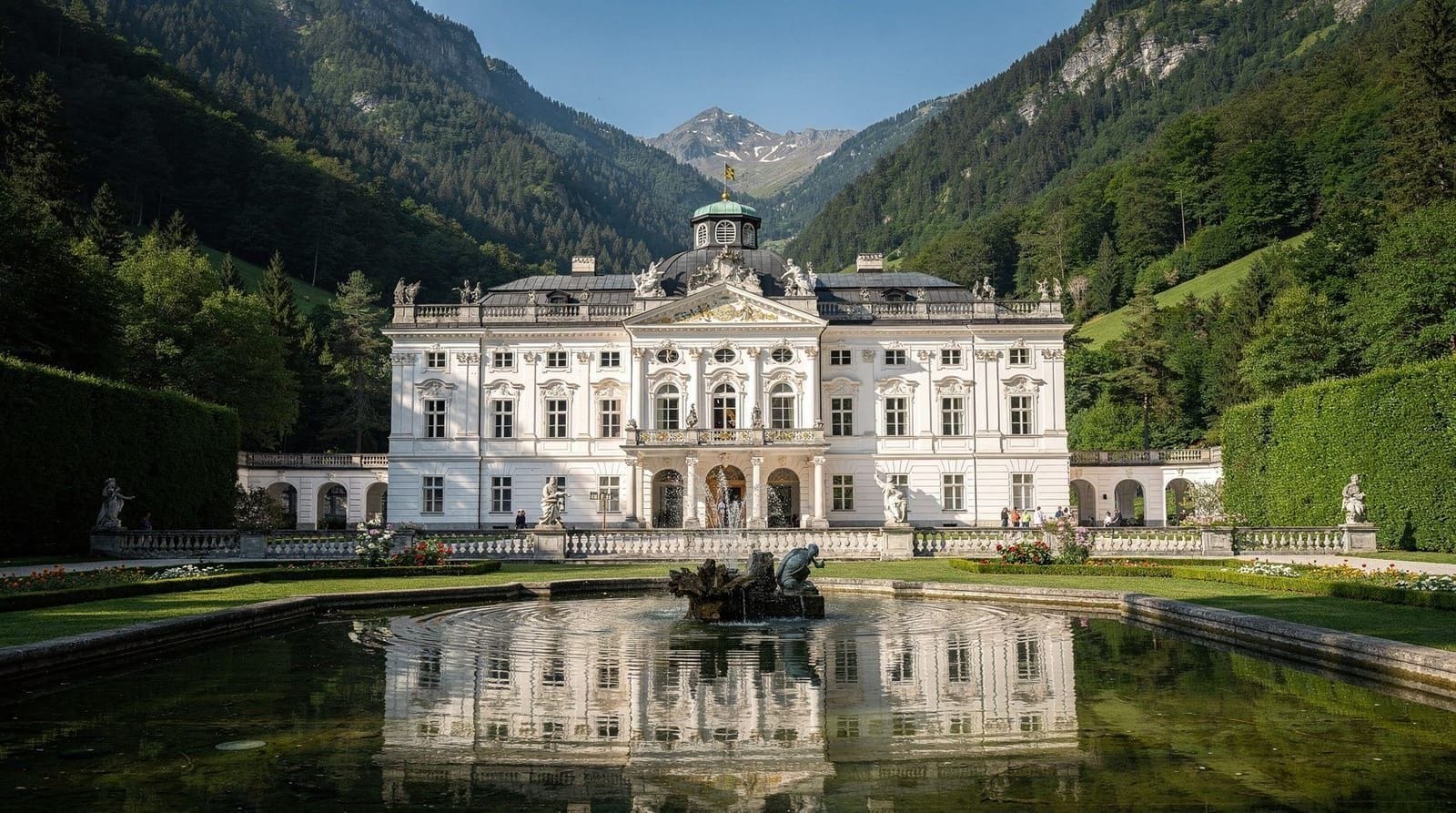
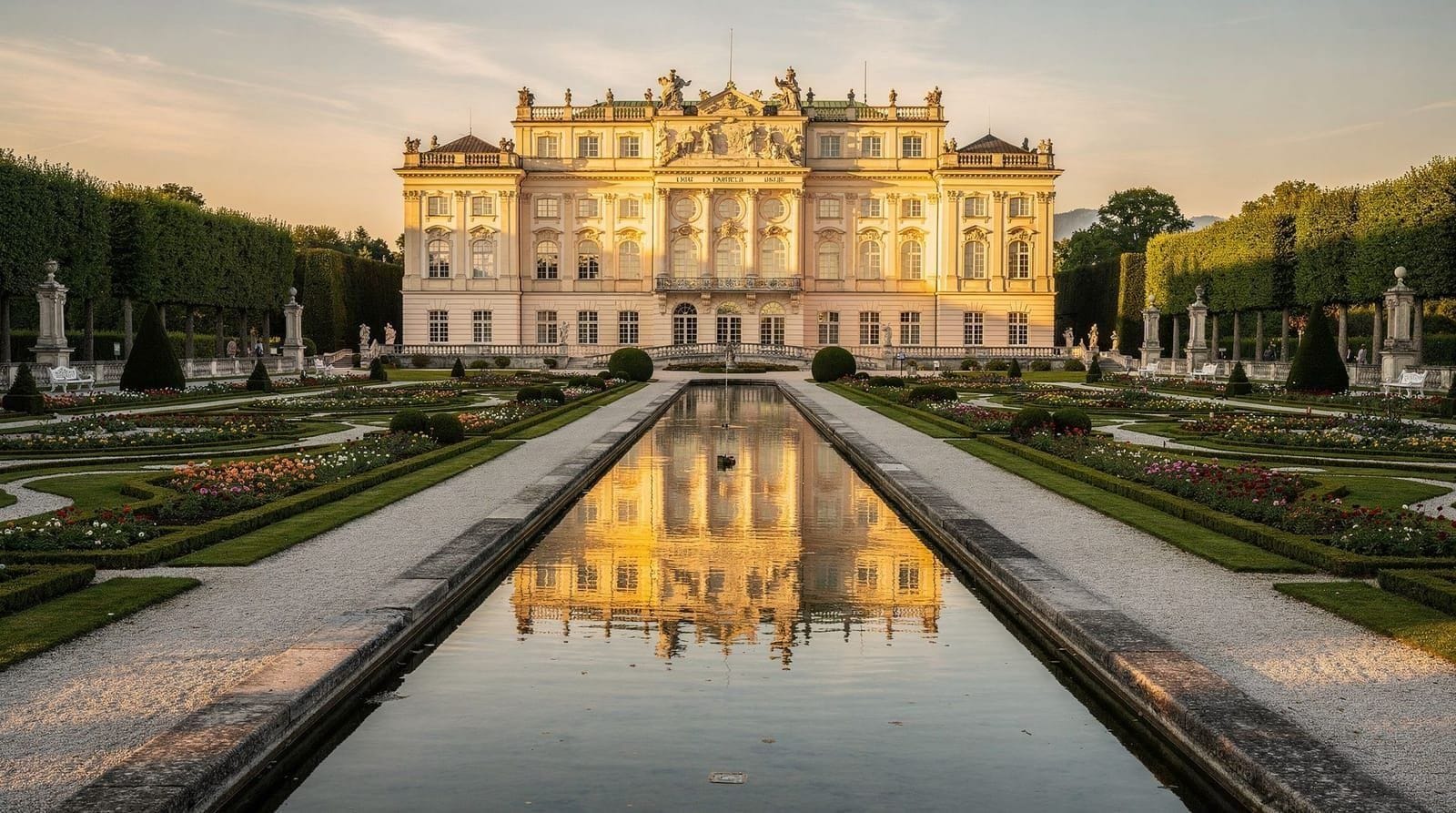
Further afield, Linderhof Palace and Herrenchiemsee Palace complete the Ludwig II castle triad, though both require a car or organised tour to reach efficiently. The Munich castles 3-day itinerary outlines the best sequence for combining all four sites. From Hohenschwangau: guided tour to Neuschwanstein Castle
Hohenschwangau vs Neuschwanstein at a glance
Visitors with limited time sometimes ask whether they can skip one castle. Here’s how they actually compare:
| Hohenschwangau | Neuschwanstein | |
|---|---|---|
| Character | Lived-in royal residence, murals | Fantasy exterior, unfinished dream |
| Crowds | About a third of Neuschwanstein’s | Highest of any Bavarian castle |
| Tour length | 35 minutes | 35 minutes |
| Opens | 08:00 (summer) | 09:00 (summer) |
| Ticket (2026) | €25 solo / €35 combo | €21 solo / €35 combo |
Neither is skippable if this is your only Bavaria castle trip — they tell two halves of the same story, and the combo ticket makes visiting both the obvious choice. The Neuschwanstein vs Hohenschwangau guide goes deeper on which to prioritise if you truly only have time for one.
What most visitors get wrong about the two castles
The most common misconception is that Hohenschwangau is a minor add-on to Neuschwanstein — something to glance at from the outside on the way up the hill. In fact the interior tour is the same length, the murals are arguably more interesting as a coherent narrative (the Lohengrin and Nibelung cycles told room by room), and the smaller tour groups make it easier to actually hear the guide and look at the details rather than being swept along. Visitors who allocate an hour for Hohenschwangau and three for Neuschwanstein often find the balance should be closer to even, especially once the Alpsee walk is added.
Rainy-day and off-season notes
Hohenschwangau’s interior tour is unaffected by weather, which makes it a reliable rainy-day option compared with the Alpsee walk or the climb to Neuschwanstein. In winter (November–March), the castle opens later (09:00) and closes earlier (15:30), and the Alpsee path can be icy in shaded sections — sturdy footwear matters more than in summer. The upside of an off-season visit is real: winter crowds are a fraction of summer’s, and the yellow facade against snow is one of the most photogenic versions of the castle. For wider seasonal planning around Munich and Bavaria, see the best time to visit Munich guide.
Top experiences
Bookable activities with verified prices and instant confirmation on GetYourGuide.