Eagle's Nest guide: visiting Kehlsteinhaus at Obersalzberg near Berchtesgaden
Munich: Eagle's Nest, Obersalzberg and Berchtesgaden tour
How do you get to the Eagle's Nest (Kehlsteinhaus) and how much does it cost?
You must take the special RVO bus from Berchtesgaden Bahnhof to Kehlsteinhaus — private vehicles are not permitted on the Kehlsteinstrasse. In 2026, the round-trip bus fare is approximately €21.10 per adult, which also includes the lift to the summit (the last 124 metres are covered by a brass-lined elevator inside the mountain). The Kehlsteinhaus is open from mid-May to late October only — it is closed in winter.
Kehlsteinhaus: what it is, what it is not, and why you should visit it
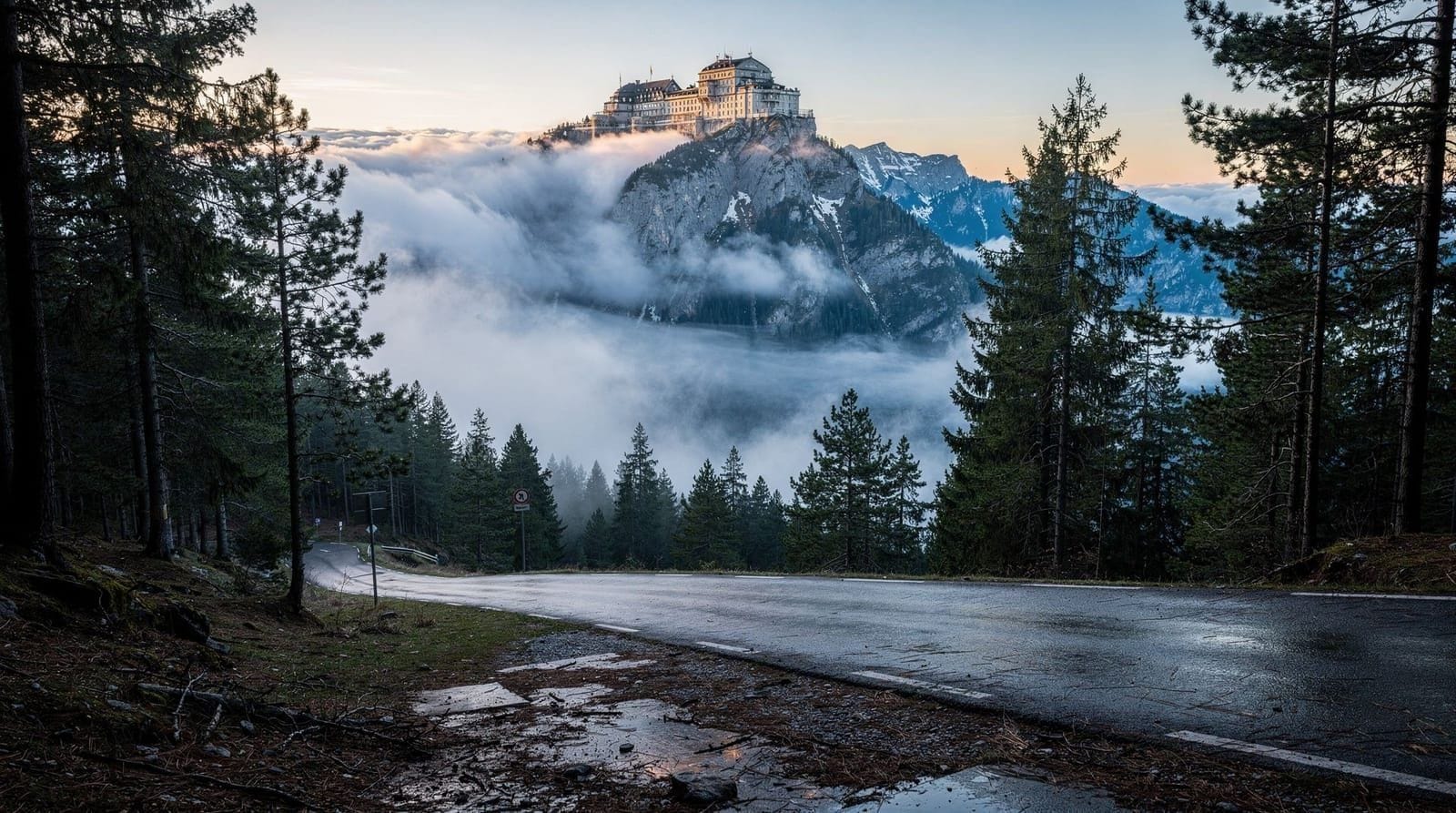
The Kehlsteinhaus sits at 1,834 metres on a rocky pinnacle above the Obersalzberg — a mountain estate south of Berchtesgaden in the far southeast of Bavaria. In English, it is known almost universally as the “Eagle’s Nest.” This name was coined by a French diplomat in 1938, picked up by Allied soldiers, and has stuck ever since — though Germans tend to use the building’s actual name, Kehlsteinhaus.
Understanding what this building represents requires separating two things that tourism often conflates: the dramatic alpine setting and the deeply uncomfortable history. The Kehlsteinhaus was commissioned by Martin Bormann, Hitler’s private secretary, as a gift to Hitler for his 50th birthday in 1939. The construction alone was an extraordinary feat of engineering — a 6.5-kilometre road blasted through solid rock in less than 13 months, completed by thousands of workers under brutal conditions. Despite this, Hitler visited the building only about 14 times before the war ended. Eva Braun came more frequently and apparently liked it considerably more than Hitler did.
After the war, American forces occupied Berchtesgaden and used the Eagle’s Nest themselves. Allied bombing in 1945 had destroyed most of the other Nazi buildings on the Obersalzberg plateau. The Kehlsteinhaus, being remote and difficult to reach, survived largely intact. It was converted into a restaurant in 1952 and has operated as one ever since.
What this means in practice: you are visiting a historically significant building in a stunning setting, operated today as a restaurant with proceeds supporting local charitable causes. The visit rewards careful thought about what you are seeing, and the combination with the Documentation Center at Obersalzberg makes the day considerably more substantive. Guided tour from Munich to Eagle’s Nest and Berchtesgaden
| Where | Obersalzberg, near Berchtesgaden, ~180km southeast of Munich |
| Cost | Around €21 bus + lift, plus €10 Documentation Center |
| Time needed | Full day from Munich (4hrs on-site minimum) |
| Getting there | Train to Berchtesgaden via Freilassing (~2.5hrs), then RVO bus |
| Best time | Clear mornings, mid-May–late October only |
Getting from Munich to Berchtesgaden
Berchtesgaden is approximately 180 kilometres southeast of Munich — further than it looks on a map, and the journey takes about 2.5 hours by train. The route goes via Freilassing (near Salzburg), where you change from the main Deutsche Bahn intercity service to a regional train south into the valley.
By train: Munich Hauptbahnhof to Berchtesgaden requires a change at Freilassing. A Bayern-Ticket covers the full journey (it includes Regional Express and Regional Bahn services). Journey time is approximately 2 hours 30 minutes with the connection. First useful departure for a day trip: around 7:00-7:30am from Munich.
By organised tour: Several tour operators run guided day trips from Munich that include transport, the Eagle’s Nest visit, and often the Königssee or the Documentation Center. If you want to remove the logistics entirely — particularly the train change at Freilassing and the bus coordination in Berchtesgaden — an organised tour from Munich is genuinely worth considering. See the Munich to Berchtesgaden day trip guide for a full comparison.
Journey note: Berchtesgaden is in an enclosed valley surrounded by Austrian territory on three sides. The train journey through the final section of the valley — steep forested slopes rising on both sides, the Salzach river below — is scenic.
The Kehlsteinbus: the mandatory bus to the summit
This is the critical logistical point for the visit: private vehicles are completely prohibited on the Kehlsteinstrasse. The road to the Kehlsteinhaus is accessible only to the special RVO buses operated under license from Berchtesgaden Bahnhof. You must take these buses.
Departure point: RVO Kehlsteinbus departs from Berchtesgaden Bahnhof, adjacent to the train station. In 2026, the round-trip fare is approximately €21.10 per adult. Children under 6 are free; children aged 6-14 pay a reduced rate. The ticket price includes both the bus journey and the brass-lined elevator that covers the final 124 metres to the summit.
Bus schedule: In season (mid-May to late October), buses run approximately every 25 minutes from the first departure (typically around 9:00am) to the last bus back from the summit (typically around 4:30pm). Check the current timetable on kehlsteinhaus.de before you go — the last bus timing is important; miss it and you are walking 6.5 kilometres downhill.
The Kehlsteinstrasse: The road itself is one of the more remarkable engineering achievements of the Nazi period — and that context should not be forgotten when you ride it. Built between 1937 and 1938 at extraordinary cost in both money and the wellbeing of the workers involved, it climbs from the Obersalzberg plateau through five tunnels to the bus terminal below the summit. The views from the bus windows are excellent, particularly on the final exposed hairpin section.
The elevator: From the bus terminal, a short tunnel leads into the mountain and to a brass-panelled, marble-walled lift that rises 124 metres through solid rock to the Kehlsteinhaus level. The elevator was installed in 1938 and remains operational. It holds about 30 people. Queues at peak times can mean a 10-20 minute wait.
At the Kehlsteinhaus
The building itself is a sturdy stone structure built to withstand alpine conditions. The architecture is a deliberate rustic-nationalist style — heavy stonework, low rooflines, materials sourced from across the German-speaking world (marble from Salzburg, granite from Munich, tiles from Thuringia). The main hall has large picture windows giving views south into the Austrian Alps.
The restaurant: The Kehlsteinhaus restaurant serves traditional Bavarian food and drinks — Weissbier, coffee, Brotzeiten (cold platters), soup, and main courses. The quality is adequate mountain-restaurant standard. Prices are slightly elevated given the setting and the logistics involved in getting anything up here, but not unreasonable. A portion of proceeds goes to a foundation supporting the Berchtesgaden community.
Interior of the building: Several rooms have been preserved in their original form, including the large reception hall with its marble fireplace (a gift from Mussolini) and the circular dining room with its panoramic view. Information panels throughout the building provide historical context. The overall tone is matter-of-fact rather than glorifying — the building is presented as a historical document, not a monument.
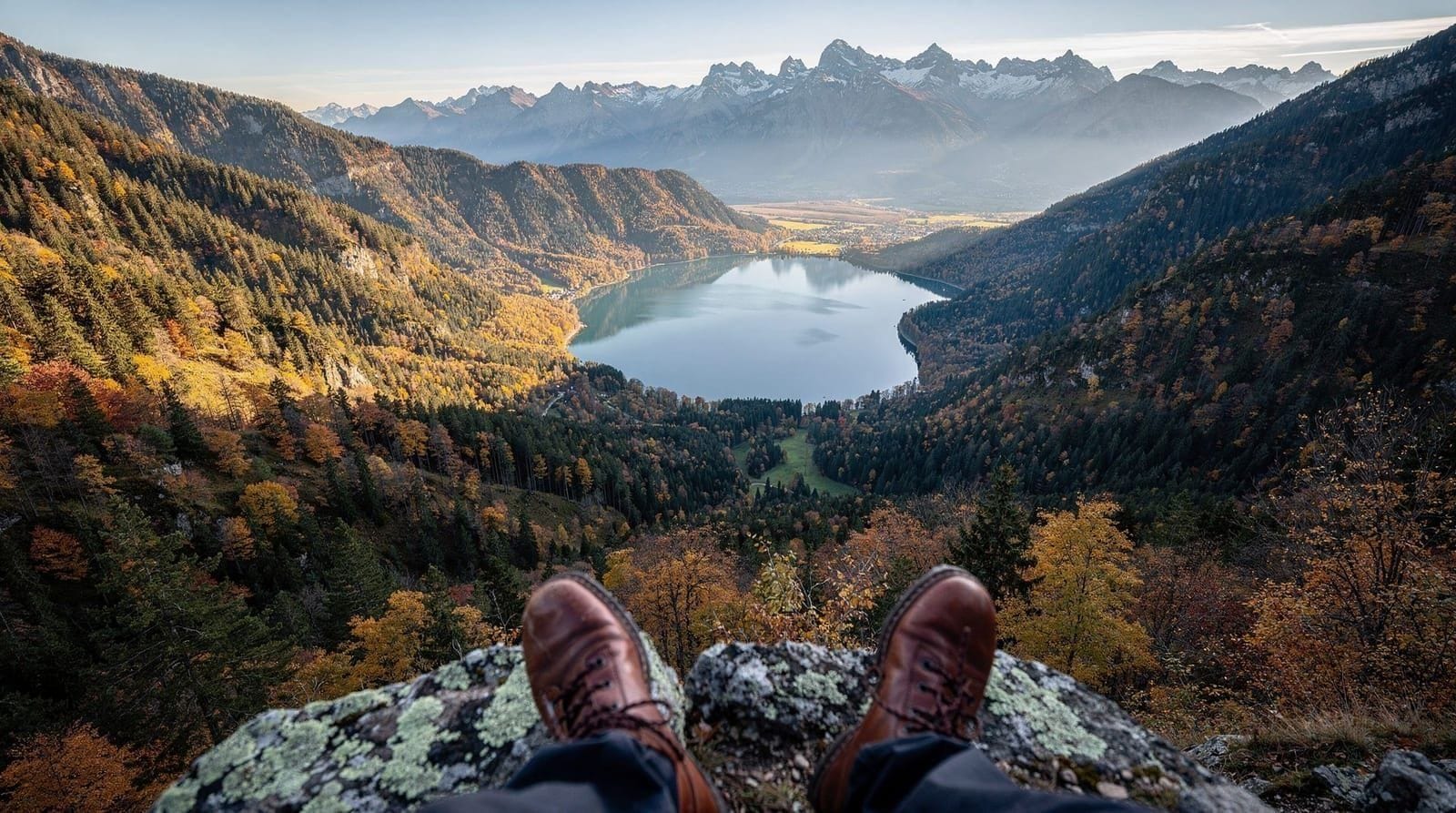
The terrace and views: The outdoor terrace at 1,834 metres is the main event. On a clear day, the panorama includes the distinctive Watzmann massif to the west — at 2,713 metres, the third-highest mountain in Germany — the Untersberg plateau to the northwest, and the Berchtesgadener Alps extending south into Austria. On the clearest days, Salzburg’s Festung Hohensalzburg is visible in the distance. The views are different in character from the Zugspitze — less vertiginous, more intimate with the surrounding mountains.
Hiking options from the summit: A short signed trail leads from the Kehlsteinhaus around the summit ridge, with views in all directions. This is a 30-minute gentle walk, not technical hiking. Experienced hikers can descend on foot via trails back to Obersalzberg, but this requires appropriate footwear and the descent takes 2-3 hours. Full-day Eagle’s Nest and Obersalzberg WWII history tour
The Obersalzberg Documentation Center
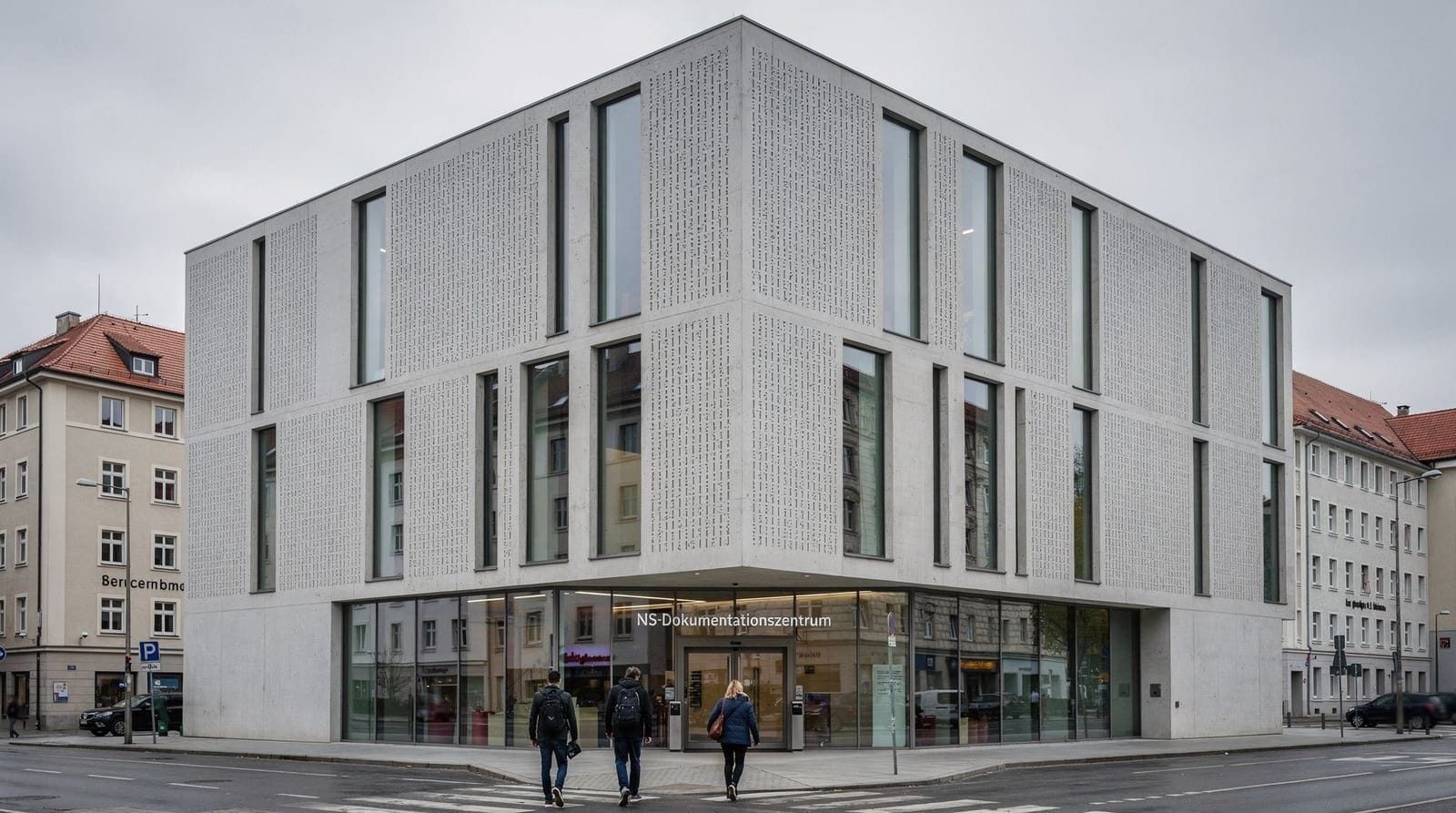
Before or after the Eagle’s Nest, the Documentation Center (Dokumentationszentrum Obersalzberg) is essential for understanding what you are actually looking at. It is located at Obersalzberg, the plateau where the Nazi leadership’s mountain retreat complex was centred, about 3 kilometres from Berchtesgaden Bahnhof (bus connections available).
The Documentation Center opened in 1999 and was substantially expanded in 2016. It presents the history of Obersalzberg from the early 20th century through the Nazi period (when Hitler’s Berghof — his private residence — stood here, along with residences for Göring, Bormann, and others) to the postwar period. The exhibition is thorough, scholarly, and neither sensationalises nor minimises what happened here.
Underneath the Documentation Center, preserved sections of the original bunker system that honeycombed the Obersalzberg are accessible as part of the guided tour. These underground corridors — built from 1943 as protection against Allied bombing — give a concrete sense of the scale of the wartime preparations. The bunker tour is worth adding; it runs about 45 minutes additional.
Admission to the Documentation Center: approximately €10 for adults in 2026, with student and senior reductions. Opening hours: Tuesday to Sunday, typically 9am-5pm (check current hours). Closed Mondays and certain holidays.
Honest recommendation: Do the Documentation Center either in the morning before ascending or on the way back, not as an afterthought. The historical context it provides transforms the Kehlsteinhaus visit from a scenic mountain excursion into something more meaningful.
Combining with Königssee
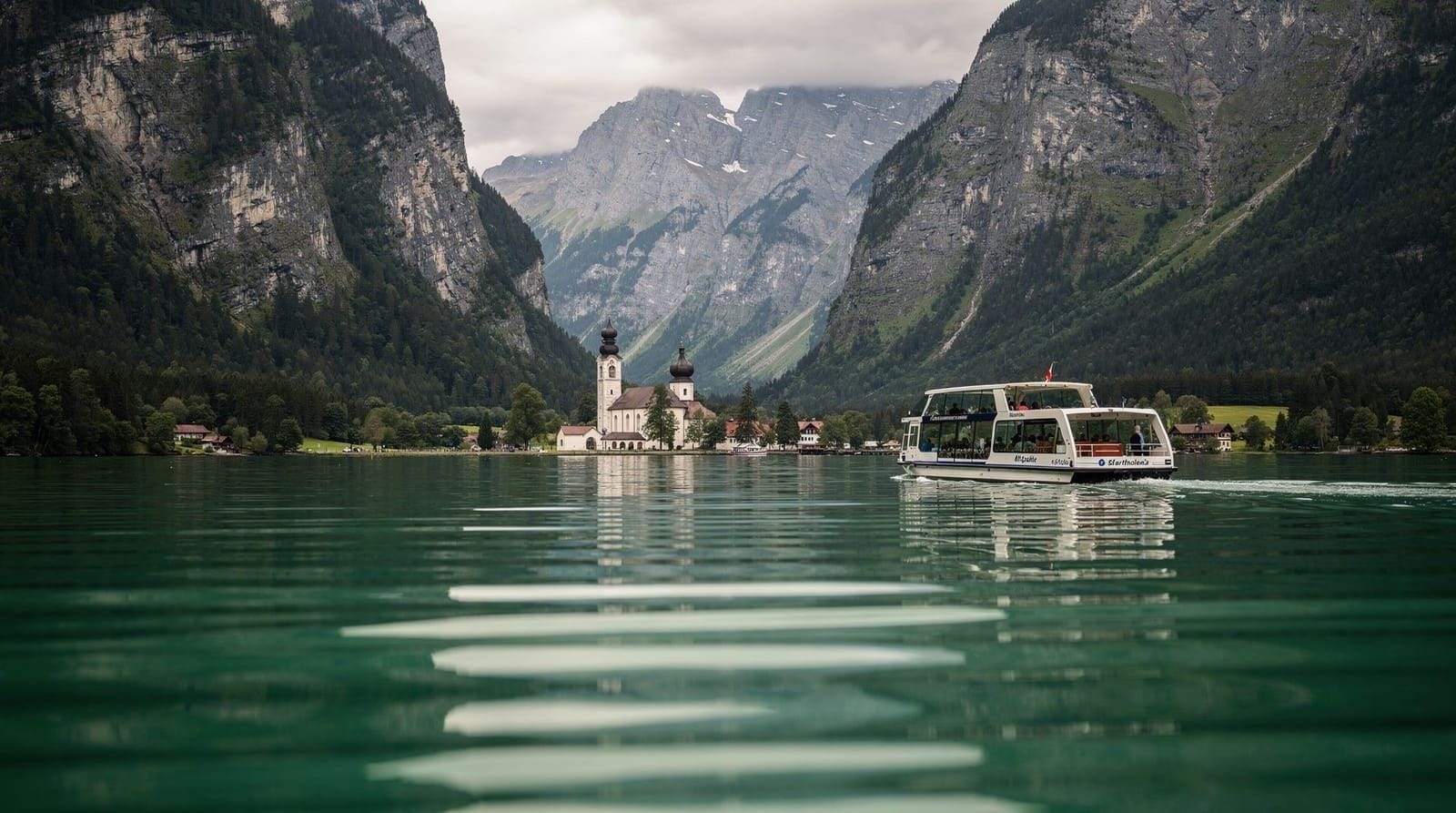
Berchtesgaden’s other major attraction — Königssee lake — is about 5 kilometres south of the town centre. If you have a full day in Berchtesgaden, combining the Eagle’s Nest in the morning with a Königssee boat trip in the afternoon is efficient and gives you a complete picture of the area.
The timing constraint is the Kehlsteinbus last departure (typically around 4:30pm). If you take the first bus up (9am), spend 2 hours at the summit, descend by noon, and have lunch in Berchtesgaden, you can reach Königssee by 1:30-2pm and take the electric boat to St. Bartholomä — a 25-minute crossing — before the final return to Berchtesgaden for the train.
This is an ambitious day from Munich given the 2.5-hour train journey each way. For a more relaxed combination, consider staying overnight in Berchtesgaden. The Königssee guide covers the boat trips and what to expect at the lake.
Practical points for 2026
Book bus tickets in advance: In peak season (July-August), the first few departures sell out. You can book the Kehlsteinbus online at rvo-bus.de or at the Berchtesgaden tourist office. Walk-up tickets are generally available on weekdays but may be limited on summer weekends.
Weather: At 1,834 metres, cloud is common, particularly in the afternoon. A clear morning is no guarantee of a clear summit. Check the webcam at kehlsteinhaus.de before you go.
What to wear: The summit is typically 8-12 degrees cooler than the valley. Even in summer, a warm layer and wind-proof jacket are necessary on the exposed terrace.
No photography of political symbols: German law prohibits the display of Nazi symbols, and this applies inside the Kehlsteinhaus. Photographing the building, views, and historical panels is fine.
Last bus timing: The last bus from the summit (typically 4:30pm, check current schedule) is firm. Miss it and you walk 6.5 kilometres down. Build in time before the last bus.
Toilets and facilities: There are toilets both at the Kehlsteinbus terminal (bottom station) and inside the Kehlsteinhaus itself. There is no facility at the summit ridge trail, so use the ones inside before setting off on the short walk.
Mobile signal: Coverage on the summit is generally reliable for German networks, useful for checking the return bus schedule, but can drop out in the tunnel sections of the ascent road.
Context: why honest tourism here matters
The Eagle’s Nest is one of the most visible Nazi-era sites in Germany that is actually accessible to visitors. This creates a genuine ethical question: is visiting appropriate, and how should it be approached?
The evidence strongly suggests that visiting is appropriate and valuable, provided it is done with historical awareness. The site is managed by the Berchtesgaden community, not glorified. The Documentation Center exists precisely to ensure that visitors have access to honest historical context. Tourism revenue supports a foundation benefiting local residents. This is a very different situation from, for instance, buying SS memorabilia at a market.
The approach that gives the visit meaning: read about the history before you go, visit the Documentation Center alongside the Kehlsteinhaus, and treat the dramatic alpine setting and the uncomfortable history as inseparable parts of the same experience. For those interested in the broader history of the Nazi period in Bavaria, the Munich WWII history guide provides context on the Munich sites, and Dachau memorial is the other essential WWII-history day trip from Munich.
Best month to visit, by weather and crowds
The Kehlsteinhaus’s short season (mid-May to late October) and its exposure at 1,834 metres mean timing matters more here than at most Bavarian sights.
| Month | Weather odds | Crowds |
|---|---|---|
| Mid-May–June | Variable, snow possible early on | Moderate |
| July–August | Warmest, but afternoon cloud common | High, book buses ahead |
| September | Often the clearest, stable window | Moderate |
| Early–mid October | Crisp, good visibility, cold at summit | Lower |
| Late October–mid-May | Closed | — |
September is frequently cited by regulars as the best compromise between clear skies and manageable bus queues; July and August require booking the Kehlsteinbus well in advance.
Alternatives if the Eagle’s Nest is closed or fully booked
If you’re visiting outside the May–October season, or the Kehlsteinbus is sold out, Berchtesgaden still has plenty to offer: the Königssee guide covers the boat trip to St. Bartholomä, which runs year-round, and the Obersalzberg Documentation Center stays open through the winter, giving the historical context without the summit trip. For a broader view of alpine day trips from Munich that don’t depend on a seasonal bus, see best alpine views near Munich and Bavarian Alps cable cars.
Frequently asked questions about the Eagle’s Nest
Is the Eagle’s Nest open year-round?
No. The Kehlsteinhaus is open from approximately mid-May to late October. The exact opening date varies depending on snow conditions. In winter, the Kehlsteinstrasse road is inaccessible. Check kehlsteinhaus.de for the current season’s dates.
Is it appropriate to visit given its WWII history?
Yes — visiting is historically appropriate and educationally valuable. The Kehlsteinhaus restaurant operates as a charity benefiting Berchtesgaden. Visiting with awareness of the history is very different from glorifying it, and the combination with the Documentation Center makes the day substantive.
How long does the Eagle’s Nest visit take?
Allow at least 4 hours for the full experience from Berchtesgaden: bus journey up (around 20 minutes), time at the summit (1-2 hours), and bus journey back. Add 2 hours for the Documentation Center.
Can I drive to the Eagle’s Nest?
No. Private vehicles are not permitted on the Kehlsteinstrasse. The RVO bus service is mandatory for all visitors.
What is the view like from the Kehlsteinhaus?
At 1,834 metres, the views are panoramic across the Berchtesgadener Alps, including the Watzmann to the west and the Untersberg plateau to the northwest. On clear days you can see into Austria towards Salzburg.
Is there a restaurant at the Eagle’s Nest?
Yes. The Kehlsteinhaus serves Bavarian food and drinks. Profits support a local charitable foundation. The interior has been preserved and the windows provide spectacular views.
How do I get from Munich to Berchtesgaden?
Take the regional train from Munich Hauptbahnhof to Berchtesgaden, changing at Freilassing. Journey time is approximately 2.5 hours. A Bayern-Ticket covers the full journey. From Berchtesgaden Bahnhof, the RVO Kehlsteinbus departs adjacent to the station.
What month has the best chance of clear views from the summit?
September is generally regarded as the best compromise: the weather tends to be more stable than midsummer’s afternoon cloud build-up, and crowds are lighter than July–August. Whatever month you choose, check the kehlsteinhaus.de webcam on the morning of your visit — a clear forecast at valley level doesn’t guarantee a clear summit.
Is the Eagle’s Nest worth it if I only have one day in Munich to spare?
Only if that’s genuinely your priority for the day — the round trip from Munich (2.5 hours each way by train, plus bus and lift time) consumes most of a day on transport alone. Visitors short on time are usually better served by an organised day tour that bundles transport, the Documentation Center and often Königssee into one coordinated itinerary.
Top experiences
Bookable activities with verified prices and instant confirmation on GetYourGuide.