Sound of Music tour from Salzburg: locations, honest tips, and how to get there
From Munich: Salzburg day trip by train
Where are the Sound of Music filming locations in Salzburg?
Key locations include the Mirabell Gardens (Do-Re-Mi scene), the Felsenreitschule (concert venue), Nonnberg Abbey, and the Schloss Leopoldskron (used for exterior shots of the Von Trapp villa). Note: many iconic scenes were filmed in the Salzkammergut lake region, not central Salzburg. The movie's Austrian geography is deliberately muddled.
What this guide is and is not
This guide is written for two types of people: genuine fans of the 1965 film who want to stand where Julie Andrews stood, and independent travellers who are heading to Salzburg from Munich and have heard vaguely that there is a Sound of Music connection. Both are valid. The advice for each is different.
For fans: the filming locations are real, accessible, and moving if the film means something to you. This guide tells you which ones are actually in Salzburg, which are elsewhere in Austria, and which are further afield than most tour operators let on — including one that is technically in Germany.
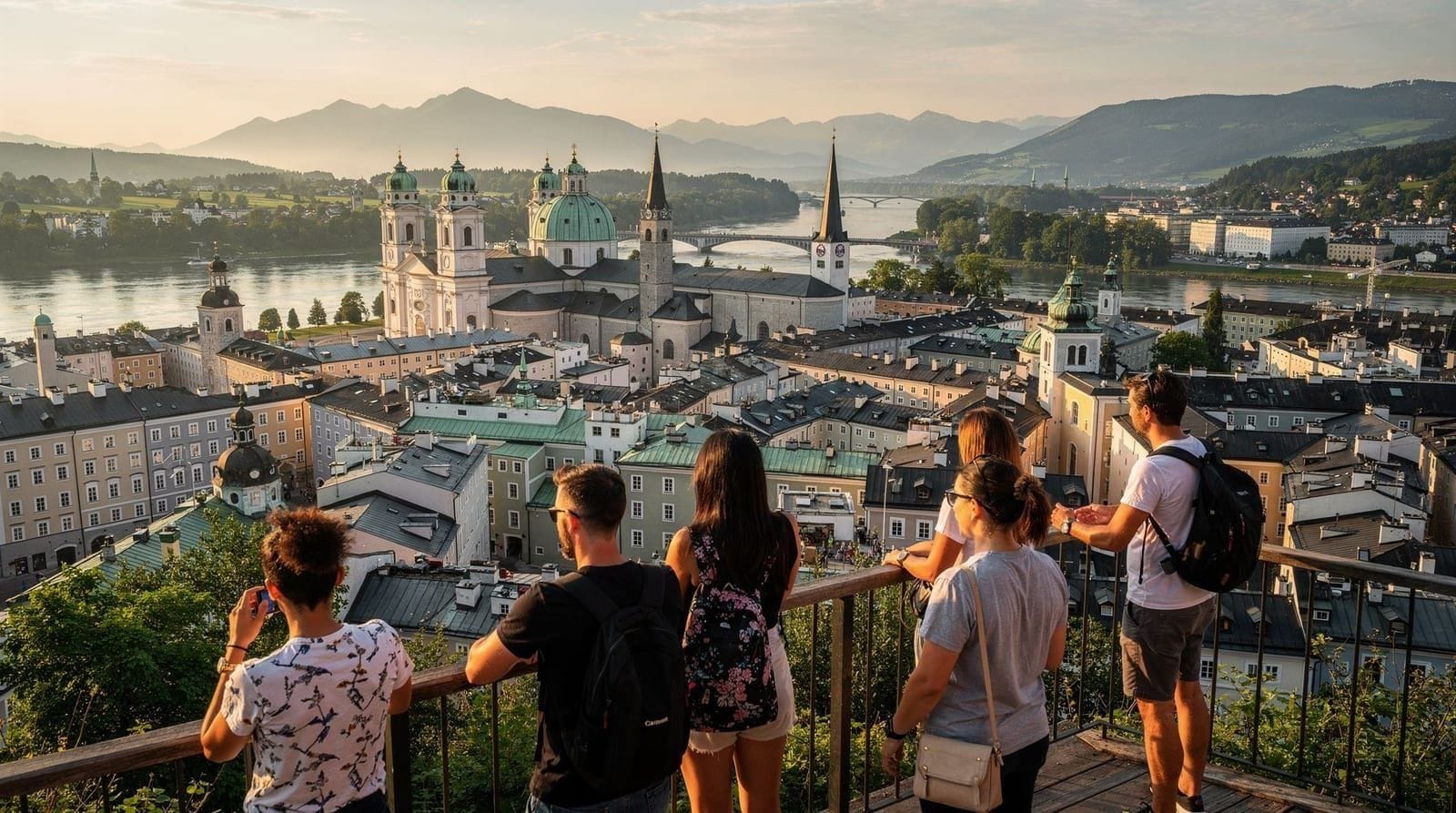
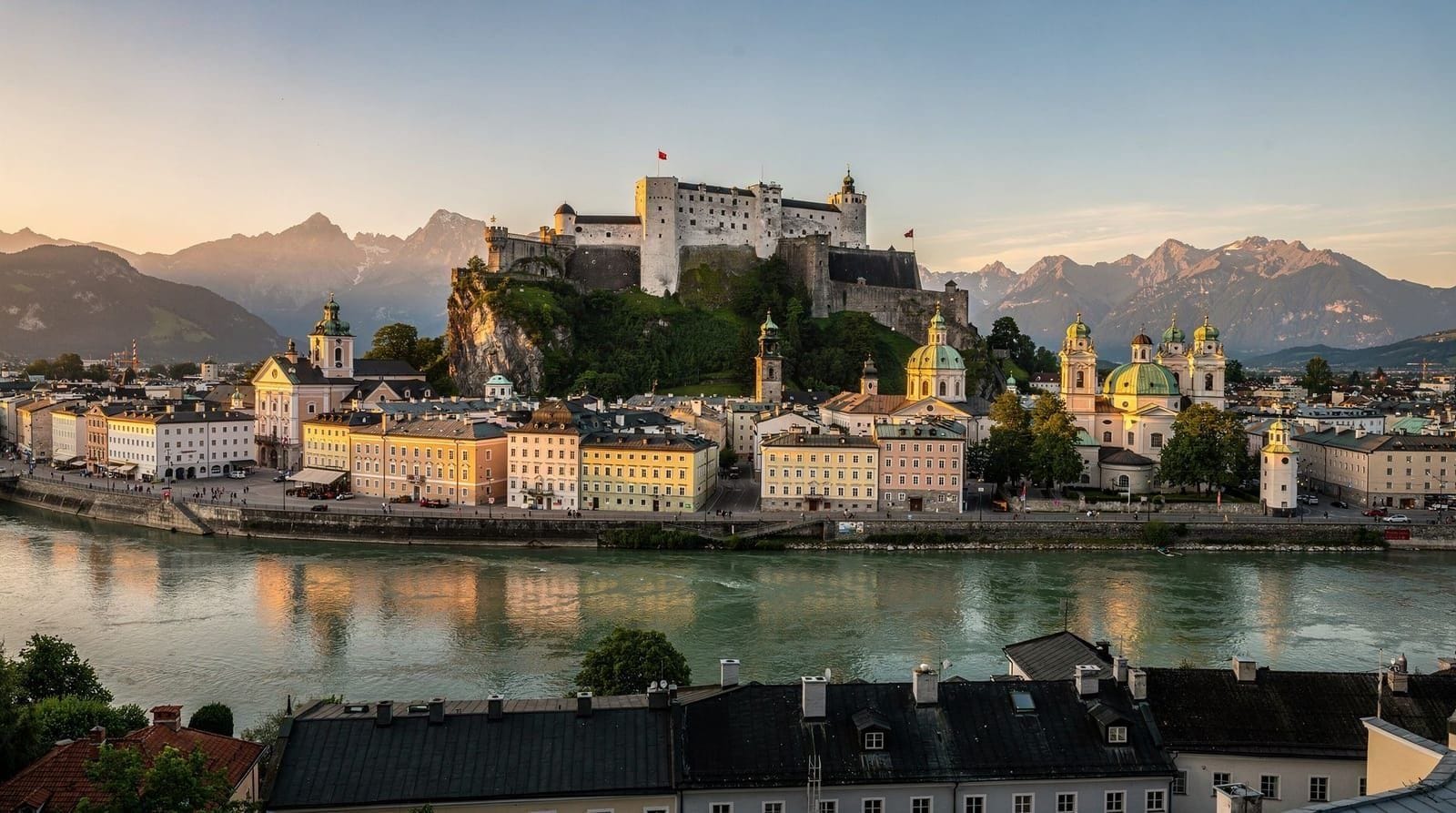
For non-fans: Salzburg is a genuinely outstanding European city with or without the film. The baroque old town is a UNESCO World Heritage Site. The Hohensalzburg fortress is one of the largest and best-preserved medieval castles in Central Europe. The Salzkammergut lakes surrounding the city are some of the most beautiful alpine scenery in Austria. If the film does nothing for you, skip the guided tour, explore the city on your own terms, and you will still have a remarkable day.
Salzburg is 150 kilometres from Munich. The train takes about an hour and a half. This makes it one of the best day trips available from Munich — a fact that has nothing to do with the Von Trapp family.
| Where | Salzburg, Austria, ~150km / 90 min from Munich by train |
| Cost | Train €23–45 each way; dedicated Sound of Music tour ~€45–60 |
| Time needed | Full day; the film locations alone take 2.5–4 hours |
| Getting there | Railjet from Munich Hbf hourly; Bayern-Ticket NOT valid (Austria) |
| Best time | Late spring or early September for fewer crowds; avoid peak Festival season (late July–August) if crowds bother you |
Getting from Munich to Salzburg
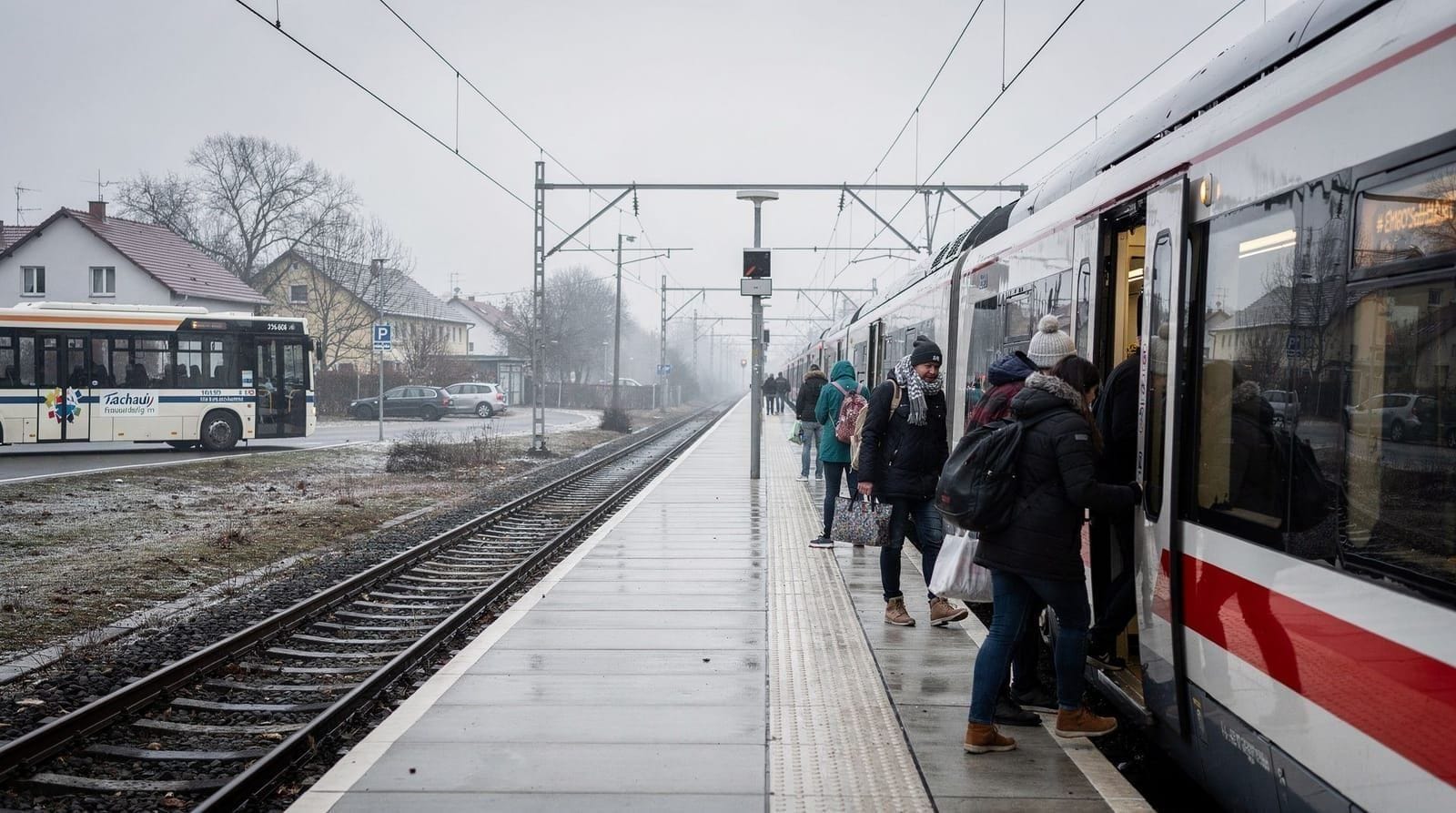
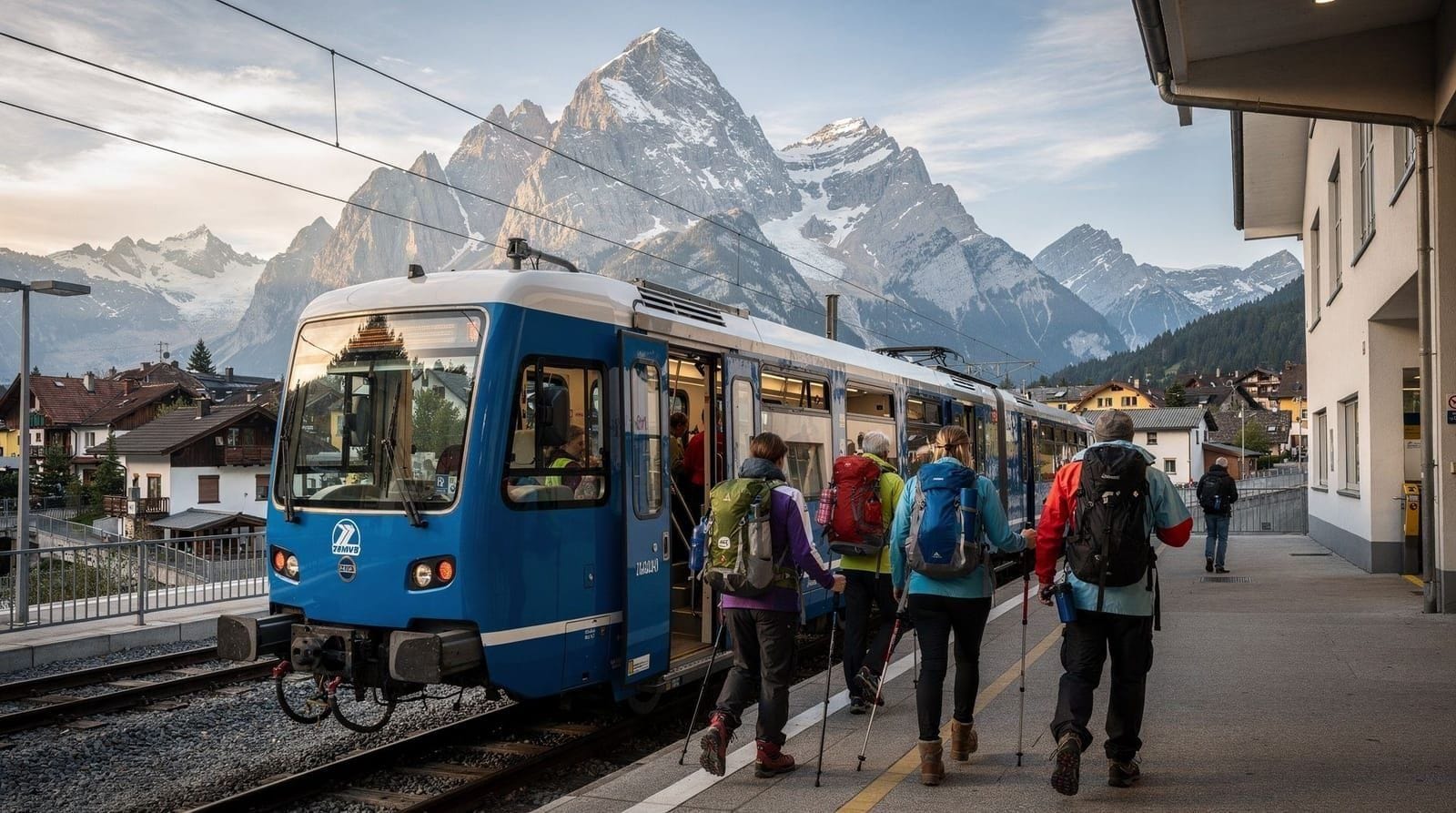
The most straightforward way to reach Salzburg from Munich is by train. Railjet services operated by ÖBB and Deutsche Bahn run roughly every hour from Munich Hauptbahnhof, with the journey taking approximately 1 hour 30 minutes. The trains are comfortable, the scenery through the Bavarian foothills is good, and the station in Salzburg is a ten-minute walk from the old town.
One important point about tickets: the Bayern-Ticket — the regional day pass used by many Munich visitors for travel within Bavaria — is not valid for Salzburg. Salzburg is in Austria. You need a separate ticket. Buy via bahn.de, oebb.at, or at the DB ticket machines at Munich Hauptbahnhof. Prices range from around €23 to €45 each way depending on booking lead time and whether you choose a saver or flexible fare. Book early for the best prices.
By car, the A8 autobahn connects Munich to Salzburg in about the same time — around 1 hour 30 minutes in light traffic. Parking in central Salzburg is expensive and limited (expect €3–4 per hour in the centre). If you are driving, the Park and Ride facilities on the city outskirts are significantly cheaper with direct bus connections to the centre.
Getting around once you arrive: Salzburg’s old town is compact enough to cover almost entirely on foot — Mirabell Gardens to the fortress is about 20–25 minutes of walking, with everything else in between. For the outlying sites (Schloss Hellbrunn, Mondsee, St. Gilgen), the local bus network is straightforward and inexpensive; a Salzburg city day ticket covers unlimited local bus travel and is worth it if you plan more than two or three trips beyond the old town. Taxis are a reasonable option for a single trip to Hellbrunn if you are short on time, but not economical for a full day of hopping between outlying sites. If you are staying overnight rather than day-tripping, the Salzburg Card (covering public transport plus museum entry) is worth calculating against your planned itinerary, though for a single day trip from Munich it rarely pays for itself.
If you want to combine the train journey with a guided Sound of Music experience and city highlights without managing logistics yourself, organised day trips from Munich are available. Munich to Salzburg day trip by train — includes guided city tour Munich to Salzburg flexible return day trip
For those who prefer a more private, customised experience — particularly useful if you want to spend time at specific film locations at your own pace — a private guided tour makes the logistics considerably easier. Munich to Salzburg private guided day trip
You can also find more day trip options from Munich by train if Salzburg is part of a broader itinerary.
The filming locations: what is real, what is where, and what the film obscures
This section is the heart of the guide, and it requires some honesty upfront: the Sound of Music’s geography is fictional. The film takes enormous liberties with the actual layout of Salzburg, the surrounding lakes, and the Austrian-German border. The film’s climactic escape scene — the Von Trapp family crossing the Alps into Switzerland on foot — is geographically impossible. Salzburg is near the German border, not the Swiss border. A walk south from Salzburg into the mountains takes you toward Berchtesgaden in Germany, not Switzerland. The final mountain scenes were actually filmed near Obersalzberg, in Bavaria — not Austria at all.
None of this diminishes what the film accomplished cinematically. It does mean that when you visit the real locations, some of the narrative geography will not match up to what you remember.
Here is an honest breakdown.
Central Salzburg: the locations you can walk to
Mirabell Gardens and Mirabell Palace. The Mirabell Gardens are the most iconic single location for Sound of Music fans visiting Salzburg. The Do-Re-Mi sequence — Maria teaching the children to sing, spinning around the garden, climbing the stone staircase — was filmed here. The gardens are still recognisably the same: the Pegasus fountain, the hedge-lined paths, the staircase with its stone dwarfs, and the view toward the fortress above the city. Entry to the gardens is free. The gardens are busy in summer but open early, and arriving before 9:00 gives you time before the coach tour groups arrive. The palace behind the gardens is now Salzburg’s city hall and is not open for general visits.
Nonnberg Abbey. Maria’s convent in the film is based on Nonnberg Abbey, a real Benedictine abbey founded in 714 AD — one of the oldest surviving convents in the German-speaking world. The abbey sits on a rocky bluff above the old town, a short walk up from the Kaigasse. It is still an active religious community. The church is open to visitors during limited hours; you cannot tour the cloister or living quarters. The exterior — the stone gate, the view down to the city — is exactly as seen in the film’s opening sequences. The nuns do not appreciate being treated as a backdrop for Sound of Music photographs, and the posted notices requesting quiet are genuine. Visit with some awareness that this is a working religious institution.
The Felsenreitschule. The concert venue where the Von Trapp family perform their final concert before fleeing Austria is the Felsenreitschule — the Rock Riding School — built into the face of the Mönchsberg cliff. It is one of Salzburg’s most extraordinary spaces: a baroque open-air theatre with tiered galleries carved directly into the rock and a stage visible against the natural cliff backdrop. The Felsenreitschule is still an active venue, used for performances during the Salzburg Festival every summer. You cannot visit during a performance without a ticket, but it can be seen on tour and some guided options include interior access. If you are in Salzburg during the Salzburg Festival (late July through August), tickets for performances in this venue are exceptional.
Residenzplatz. The large square in the heart of the old town, with its baroque Residenzbrunnen horse fountain, appears in several background shots and is used as a general scenic Salzburg stand-in throughout the film. It is the central square of the old town and you will pass through it in any case. The cathedral behind the square also features in the film.
Just outside the city centre
Schloss Leopoldskron. The baroque lakeside palace used for exterior shots of the Von Trapp family home is Schloss Leopoldskron, on the southern edge of Salzburg near the Leopoldskroner Weiher lake. The famous scene where the children tumble into the water from a boat — set up as being at the Von Trapp villa — was filmed here. The palace is now a private conference centre operated by the Salzburg Seminar. It is not open to the general public. You can walk along the lakeside path and view it from outside, which most guided tours do as a drive-by or short stop. The baroque facade reflected in the lake is visually striking regardless of the film connection.
Schloss Hellbrunn and the gazebo. The famous gazebo from the “Sixteen Going on Seventeen” scene — where Liesl and Rolf dance while rain pours outside — is now located in the grounds of Schloss Hellbrunn, a 17th-century pleasure palace about 5 kilometres south of the city centre. The gazebo was originally at Schloss Leopoldskron but was moved to Hellbrunn to allow public access. Schloss Hellbrunn is worth visiting independently: its trick fountains — baroque water-powered mechanical surprises built in 1619 — are genuinely entertaining and have nothing to do with the film. Entry to the grounds and trick fountains costs around €13.50 for adults.
The Salzkammergut region: 30–90 kilometres from Salzburg
Several of the film’s most visually memorable scenes — the alpine meadow sequences, the lake montages, the rolling green hills of the opening helicopter shot — were not filmed in Salzburg at all. They were filmed in the Salzkammergut, the lake district east of Salzburg. This region is strikingly beautiful and well worth visiting, but it takes time to reach.
Mondsee Basilica. The wedding scene in the film was filmed at the Basilica of St. Michael in Mondsee, a real 15th-century church about 30 kilometres east of Salzburg. The interior — the gothic nave, the yellow baroque facades — looks exactly as it does in the film. Mondsee village is attractive, sitting at the northern end of the Mondsee lake. Local buses connect Salzburg Hauptbahnhof to Mondsee in approximately 50 minutes. If you make only one excursion into the Salzkammergut, this is the most directly connected to the film.
St. Gilgen and the Wolfgangsee. The lake scenery surrounding St. Gilgen — on the western shore of the Wolfgangsee — features in establishing shots and the film’s opening aerial sequence. The village is also notable as the birthplace of Mozart’s mother (a fact that is irrelevant to the film but adds to the Austrian heritage context). It is reached by bus from Salzburg in around 50 minutes.
Fuschlsee. The small lake at Fuschl, west of Salzburg, appears in several establishing shots. It is about 20 kilometres from Salzburg and is one of the cleaner, less-visited lakes in the region.
What the film gets wrong about Salzburg geography
The film compresses a large area into an apparent afternoon’s walk. In reality:
- Schloss Leopoldskron (southern edge of the city) and Mirabell Gardens (northern edge) are about 2.5 kilometres apart
- Mondsee, which appears to be just over the hill, is 30 kilometres away
- The Salzkammergut lakes seen in the opening sequence are 30–60 kilometres from central Salzburg
- The “mountains of Switzerland” the family crosses at the end are not visible from Salzburg, are not reachable on foot, and are geographically to the west, not south
None of this matters for the film’s emotional effect. It matters quite a lot when planning what you can actually see in a day trip from Munich.
Salzburg beyond the film
Even if the Sound of Music means nothing to you, Salzburg earns its place on the list of great day trips from Munich.
Mozart’s birthplace. Wolfgang Amadeus Mozart was born at Getreidegasse 9 in 1756. The house is now the Mozart Geburtshaus museum, which contains original instruments, family portraits, and contextual exhibits about Mozart’s early life. Entry is €12 for adults. The house itself is narrow and atmospheric — it gives a sense of the actual living conditions of an 18th-century Salzburg middle-class family. Getreidegasse, the street it stands on, is one of the most attractive commercial streets in Austria.
Hohensalzburg Fortress. The fortress sits on the Festungsberg hill above the city, reached by a funicular from the old town or by foot up a steep path. It is one of the best-preserved medieval fortresses in Central Europe, with a history stretching back to 1077. The views from the ramparts over Salzburg and the Salzach valley are exceptional. The interior includes the state rooms of the former archbishops, a military museum, and a marionette museum. Allow 2 to 3 hours.
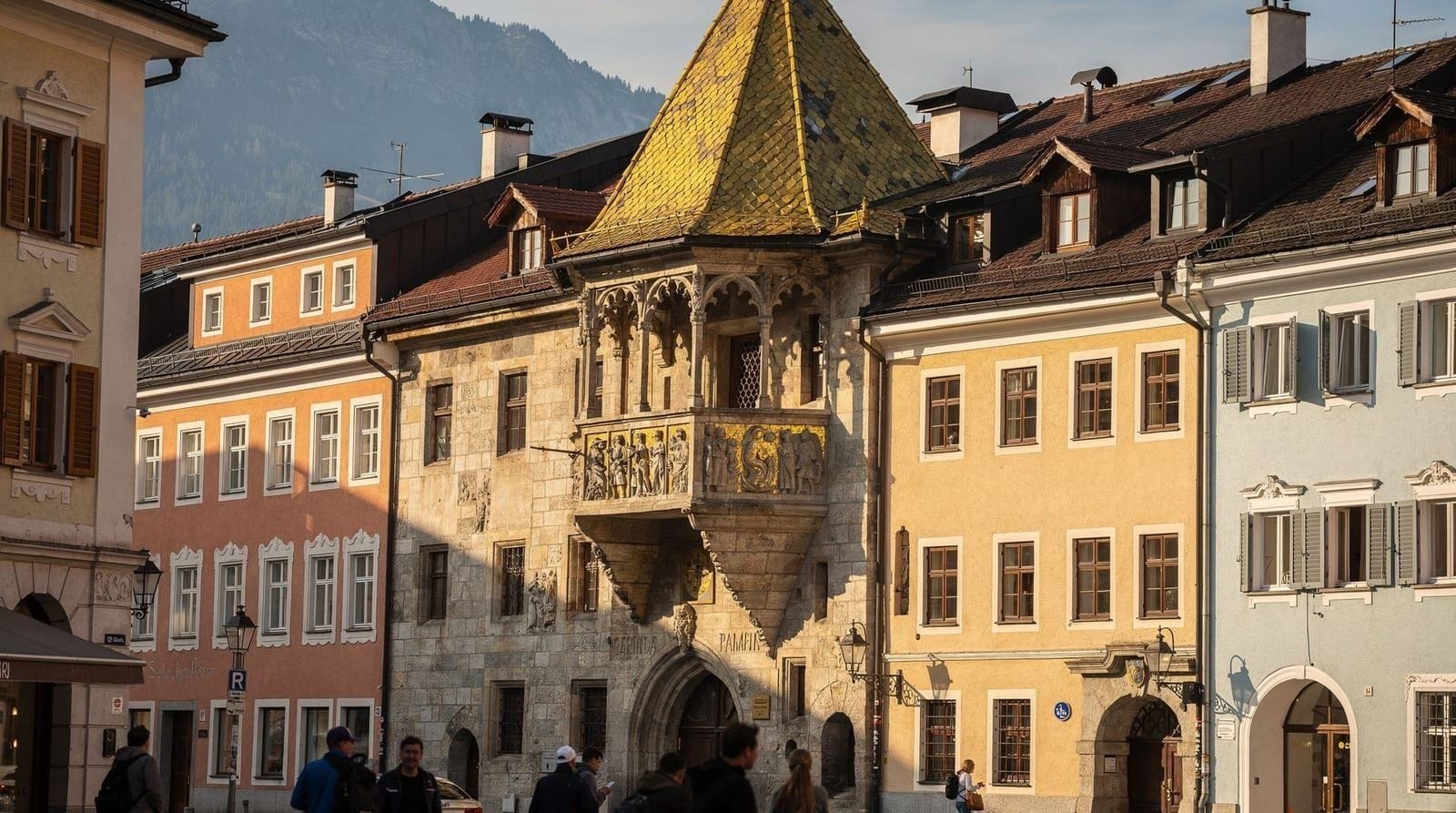
The old town. The UNESCO-listed old town is compact and walkable. The main areas — Getreidegasse, Residenzplatz, the cathedral, the Universitätsplatz market, and the Alter Markt — can all be covered on foot in a few hours. The architecture is predominantly baroque, dating from the archbishopric’s peak in the 17th and 18th centuries.
The Salzkammergut lakes. Regardless of the Sound of Music connection, the Salzkammergut is one of the most beautiful lake districts in Europe. The combination of glacially carved lakes, alpine peaks, and small Austrian market towns — Mondsee, St. Wolfgang, Bad Ischl — makes it worth a separate trip in its own right.
If you enjoy alpine scenery, the Königssee lake and Berchtesgaden are on the German side, about 30 kilometres from Salzburg, and can be combined with Salzburg as a longer itinerary from Munich. The Chiemsee is another lake option closer to Munich if you want to stay in Bavaria.
Where to eat in Salzburg
Food in Salzburg’s old town is priced for tourists on the streets nearest the cathedral and Getreidegasse — expect to pay a premium for average quality directly on the main sightseeing routes. St. Peter’s Stiftskulinarium, adjacent to St. Peter’s Abbey, claims a history stretching back over a thousand years and serves solid Austrian classics (Tafelspitz, schnitzel) in a genuinely atmospheric setting, though prices reflect the location. For a cheaper, faster option, the stalls at Universitätsplatz sell fresh produce, cheese, and simple lunches at local prices — a good stop between the fortress and Mirabell Gardens. Mozartkugel (the chocolate-marzipan-pistachio confection associated with the city) are sold everywhere; the same product is considerably cheaper away from the most touristic shops on Getreidegasse. If your day trip includes a Sound of Music tour in the afternoon, eat before the tour departs — most operators do not build in a lunch stop.
Salzburg with children
Even without the film, Salzburg works well as a family day trip. The Mirabell Gardens offer open lawns and fountains that keep younger children entertained regardless of any Do-Re-Mi association, and the Pegasus fountain and stone staircase are genuinely photogenic without needing film context. Schloss Hellbrunn’s 17th-century trick fountains — water traps built into garden furniture and pathways designed to surprise visitors — are one of the most reliably popular attractions in the region for children, and have nothing to do with the movie. The Hohensalzburg funicular ride is an attraction in its own right for younger visitors. The main planning challenge is pacing: covering the old town, fortress, and gardens in a single day is a lot of walking for young legs, so consider trimming the itinerary — Mirabell Gardens plus Hellbrunn plus a shorter old town walk is a realistic family day rather than the full fan itinerary described above.
Salzburg compared with other Munich day trips
| Salzburg | Zugspitze | Neuschwanstein / Romantic Road | |
|---|---|---|---|
| Distance/time from Munich | 150km, ~90 min train | ~90km, ~90 min train + cog railway | 130–190km, ~2hrs |
| Best for | City culture, film fans, Mozart | Alpine scenery, hiking | Fairy-tale castle, medieval towns |
| Full day realistic? | Yes | Yes | Yes, pick one focus |
| Crosses into Austria | Yes (Bayern-Ticket not valid) | No | No |
Salzburg stands out among Munich’s day trips for combining genuine cultural depth (Mozart, baroque architecture, UNESCO old town) with the film connection, whereas the other classic day trips lean more on scenery or a single landmark. If you have time for more than one, they complement each other well rather than compete — see the day trips from Munich by train guide for how to sequence several across a longer stay.
The Sound of Music guided tours: honest assessment
Dedicated Sound of Music tours depart from Mirabellplatz in central Salzburg and run 2.5 to 4 hours depending on the operator. Standard group tour prices are around €45–60 per person. Longer tours include the Salzkammergut lake region; shorter ones focus on central Salzburg locations.
What the tour does well: a knowledgeable guide who can explain which scenes were actually filmed at each location, tell you about the real Von Trapp family history (which differs significantly from the film’s version), and help you spot the specific staircases, archways, and garden corners that appear on screen. For fans, this is genuinely engaging.
What the tour cannot do: take you inside Schloss Leopoldskron (private hotel), guarantee access to the Felsenreitschule interior (dependent on events), or cover the Salzkammergut lake region thoroughly in 2.5 hours.
For fans arriving from Munich: the most efficient approach is usually to take the train independently — it is straightforward and significantly cheaper than an organised coach from Munich — and then book a local Sound of Music tour in Salzburg. This gives you more flexibility and time in the city.
For non-fans: skip the dedicated Sound of Music tour, explore the old town and fortress on your own, and consider the Königssee or Berchtesgaden as an alternative complement to Salzburg.
If you prefer everything organised in a single booking from Munich — transport, city highlights, and Sound of Music locations — combined day trips are available. Combined Salzburg, Eagle’s Nest, and Königssee day trip from Munich
The real Von Trapp family story
The film dramatises and softens the actual history considerably. The real Georg Von Trapp was a submarine commander in the Austro-Hungarian Navy, a widower with seven children, who married Maria Augusta Kutschera, a novice at Nonnberg Abbey, in 1927. The family did leave Austria after the Anschluss in 1938, when Germany annexed Austria. They were genuinely active concert performers.
However, they did not escape by walking over the Alps. They took a train to Italy, a country they were already scheduled to perform in, using their existing travel documents. The dramatic mountain crossing in the film is a complete invention. The real family settled in Vermont in the United States, where they established the Trapp Family Lodge — still operating today.
Georg Von Trapp was also not the stern, emotionally unavailable figure of the film; accounts from his children describe him as affectionate and musical. The film’s version of events is a musical dramatisation loosely connected to a 1949 memoir by Maria Von Trapp.
The historical distance from the film does not make the locations less interesting. Nonnberg Abbey, where Maria actually trained, is the real thing. That connection is genuine.
Planning your day: a suggested sequence
If you are making a full day of it from Munich, the timing works roughly as follows:
Catch an early Railjet from Munich Hauptbahnhof — trains run from around 6:30 onwards, with the first useful departure getting you to Salzburg by around 8:00–8:30. This gives you a full day before trains back in the early evening.
From Salzburg Hauptbahnhof, the old town is about a 15-minute walk or a short bus ride. Start at the Mirabell Gardens before the tour groups arrive. Walk across the Salzach to the old town, visit Getreidegasse and the Mozart Geburtshaus, then climb to the fortress. After the fortress, head back down to Residenzplatz and the cathedral area, then work south toward Nonnberg Abbey.
The afternoon works well for a Sound of Music guided tour departing from Mirabellplatz — most depart in the early afternoon. Alternatively, take a local bus or taxi out to Schloss Hellbrunn for the gazebo and trick fountains.
If you want to extend to Mondsee for the wedding church, that requires either a morning or late afternoon excursion and adds about two hours to the day.
Return trains from Salzburg Hauptbahnhof to Munich run until around 21:00, which gives you flexibility on your return time.
For visitors interested in combining Salzburg with other alpine destinations on the German side, Garmisch-Partenkirchen and the Zugspitze are possible extensions with a car, though not practical in a single day if you are travelling by train. The romantic road through Bavaria heads in a different direction entirely but makes for an excellent alternative day trip.
A word on Salzburg in different seasons
Salzburg receives an extraordinary number of visitors in summer, particularly during the Salzburg Festival from late July through August. In Festival season, the Felsenreitschule and other venues are in heavy use, accommodation prices rise significantly, and the old town is crowded. If you are visiting for the filming locations rather than the festival, late spring or early September offers the same scenery with considerably fewer people.
Winter in Salzburg has its own appeal — the baroque architecture under snow, the Christmas markets in Residenzplatz and Domplatz, and the fortress illuminated at night. The Sound of Music locations are accessible year-round; the Mirabell Gardens are especially dramatic in light snow.
The Dachau Memorial and Innsbruck are alternatives if weather makes the mountain scenery around Salzburg less appealing on a particular day — though Salzburg is largely a city-centred visit and holds up well in any conditions.
Summary: what to take away
Salzburg is worth visiting. That is the main point. The Sound of Music connection adds a layer of meaning if the film resonates with you, and the honest version of that connection — real locations, real history, real distances — is more interesting than the simplified tour brochure version.
If you are a fan: go. Take a guided tour. Stand in the Mirabell Gardens staircase. Visit Nonnberg Abbey with the respect it deserves. Know that the mountain escape was filmed in Germany and the wedding church is 30 kilometres away. None of that reduces what the film meant.
If you are not a fan: go anyway. The fortress, the old town, the lakes, and the Mozart connection make Salzburg one of the strongest day trips from Munich — well ahead of many destinations that receive less attention. The Bavarian castles, Königssee, and Berchtesgaden compete with it on scenery; nothing else in the region quite matches it for cultural density in a single day.
The train from Munich takes 90 minutes. It is, by any measure, time well spent.
Frequently asked questions about Sound of Music tour from Salzburg
Is the Sound of Music tour worth it for fans?
Yes, with realistic expectations. Dedicated guided tours (2.5–4 hours) take you to a dozen locations with film context and behind-the-scenes stories. You will see the real Mirabell Gardens, Nonnberg Abbey, and drive past Schloss Leopoldskron. The Salzkammergut lakes are included on some tours. For genuine fans of the film, this delivers.Is the Sound of Music tour worth it for non-fans?
Less so as a Sound of Music tour, but Salzburg itself is exceptional. Mozart's birthplace, the Hohensalzburg fortress, the old town UNESCO World Heritage streets, and the Salzkammergut lakes are outstanding regardless of the film. If you are indifferent to the movie, explore the city independently and skip the tour.Which Sound of Music locations are in Salzburg versus elsewhere?
Central Salzburg: Mirabell Gardens, Nonnberg Abbey, Felsenreitschule, Residenzplatz (some scenes). Outskirts: Schloss Leopoldskron (not open to public), Schloss Hellbrunn (used for the gazebo). Lake region (60–90km from Salzburg): the Salzkammergut lakes featured in montage scenes, St. Gilgen, and Mondsee Church (wedding scene).How do you get from Munich to Salzburg?
By train: Railjet from Munich Hauptbahnhof, about 1 hour 30 minutes, departing roughly every hour. Cost €23–€45 depending on how far in advance you book. Note: the Bayern-Ticket is NOT valid for Salzburg as it is in Austria. Buy tickets on bahn.de or oebb.at. By car: about 1 hour 30 minutes via the A8 autobahn.What is the Schloss Leopoldskron and can you go inside?
Schloss Leopoldskron is the baroque lakeside palace used for exterior shots of the Von Trapp family home in the film. It is now a private conference hotel. You can view it from the lakeside path but cannot enter without a hotel reservation. Most guided tours include a drive-by.Where was the wedding scene filmed in Sound of Music?
The wedding scene was filmed at Mondsee Basilica, about 30km east of Salzburg in the Salzkammergut region. It is a real 15th-century church and is frequently visited by fans. Local buses connect Salzburg to Mondsee in about 50 minutes.Are there combined Munich–Salzburg–Sound of Music tours?
Yes. Several operators run day trips from Munich that include Salzburg city highlights and Sound of Music locations. These typically depart Munich at 7:30–8:00 and return by 19:00–20:00. They save you from managing trains and navigation but compress your time in the city. If you want more flexibility, take the train independently.Is Salzburg suitable for a day trip with children?
Yes. The Mirabell Gardens are genuinely fun for children regardless of the film — open lawns, the Pegasus fountain, and space to run. Schloss Hellbrunn's trick fountains are a guaranteed hit with kids of most ages. The fortress funicular is an attraction in itself. The main challenge is pacing: a full day covering the old town, fortress, and gardens is a lot of walking for younger children, so consider trimming the itinerary rather than doing everything in one day.Where should I eat in Salzburg during a day trip?
The old town has plenty of options but many streets nearest the cathedral and Getreidegasse are priced for tourists. St. Peter's Stiftskulinarium, near the abbey, claims to be one of Europe's oldest restaurants and serves solid Austrian classics. For a quicker, cheaper option, the Universitätsplatz market has food stalls with fresh produce and simple lunches. A Sacher torte or Mozartkugel is a reasonable one-time indulgence, but avoid buying multiples at the most touristic shops on Getreidegasse — the same items are cheaper a few streets over.
Top experiences
Bookable activities with verified prices and instant confirmation on GetYourGuide.