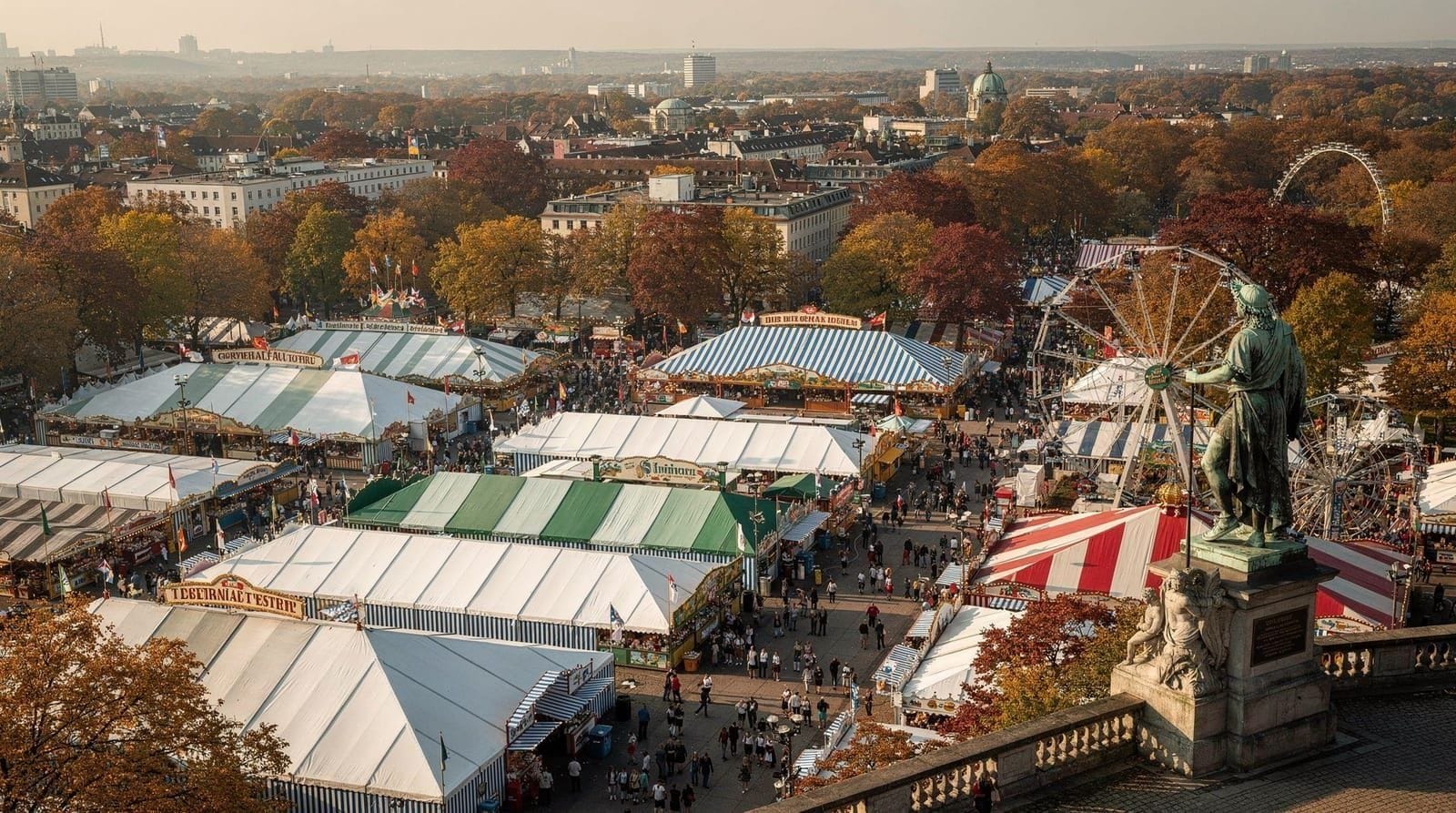
Oktoberfest tables and reservations — how it actually works in 2026
Munich: Oktoberfest tour with tent reservation, food and beer
Do you need a ticket to enter Oktoberfest?
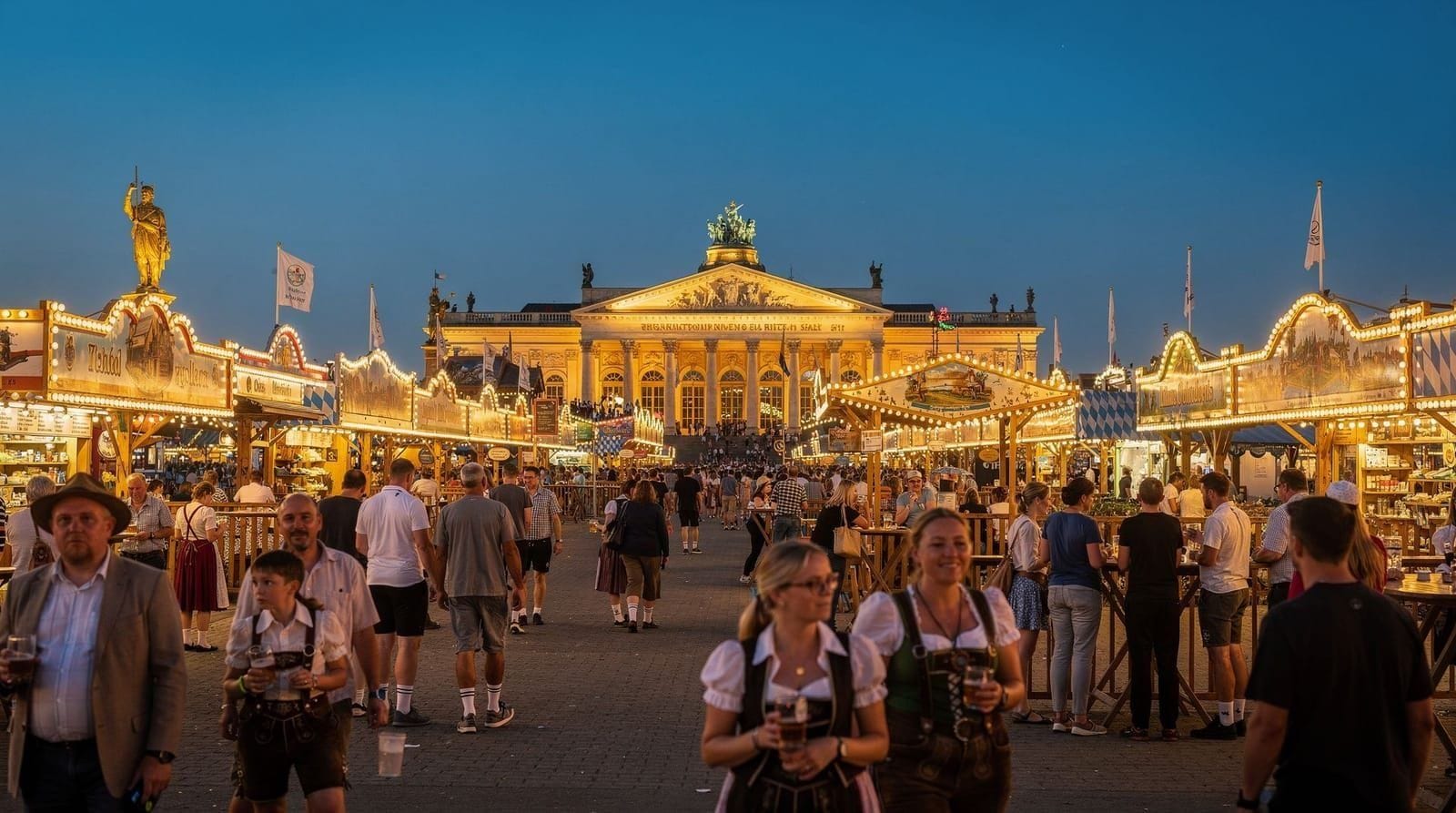
No. Entry to the Theresienwiese grounds is completely free for everyone, every day of the festival. What people call "Oktoberfest tickets" are actually table reservations — a reservation gives you a guaranteed seat inside a tent for a specific session. Without one, you can still enter the tent and use standing areas at the back, or arrive early on weekday mornings when reserved sections fill more slowly.
| Where | Theresienwiese; reservations booked per-tent, not centrally |
| Cost | free entry; tent reservations typically €10-30pp deposit + spend |
| Time needed | book reservations by autumn/winter for the following year |
| Getting there | book directly via oktoberfest.de links or each tent’s own site |
| Best time | weekday mornings for walk-in access without a reservation |
There are no Oktoberfest “tickets” — and that’s where the confusion starts
The most persistent misconception about Oktoberfest is that you need to buy a ticket to attend. You do not. Entry to the Theresienwiese festival grounds is free for every visitor, every day, for all 16 days of the festival. There are no gates, no entry fee, no wristbands.
What visitors mean when they talk about “Oktoberfest tickets” is table reservations inside the beer tents. A reservation gives you a guaranteed seat at a table inside a specific tent for a specific session. Without a reservation, you can still enter the tent — through the standing areas — but you do not have a dedicated table or seat.
The commercial ecosystem that has grown up around this system is significant, and it has created fertile ground for both legitimate businesses and outright scams. This guide explains how the reservation system actually works, when to book, where the scams lurk, and what your options are if you arrive without a booking.
For dates, location, and what to expect on the grounds, see the companion Oktoberfest when and where guide. For the broader festival overview, the Oktoberfest guide covers the full picture.
How the tent reservation system works
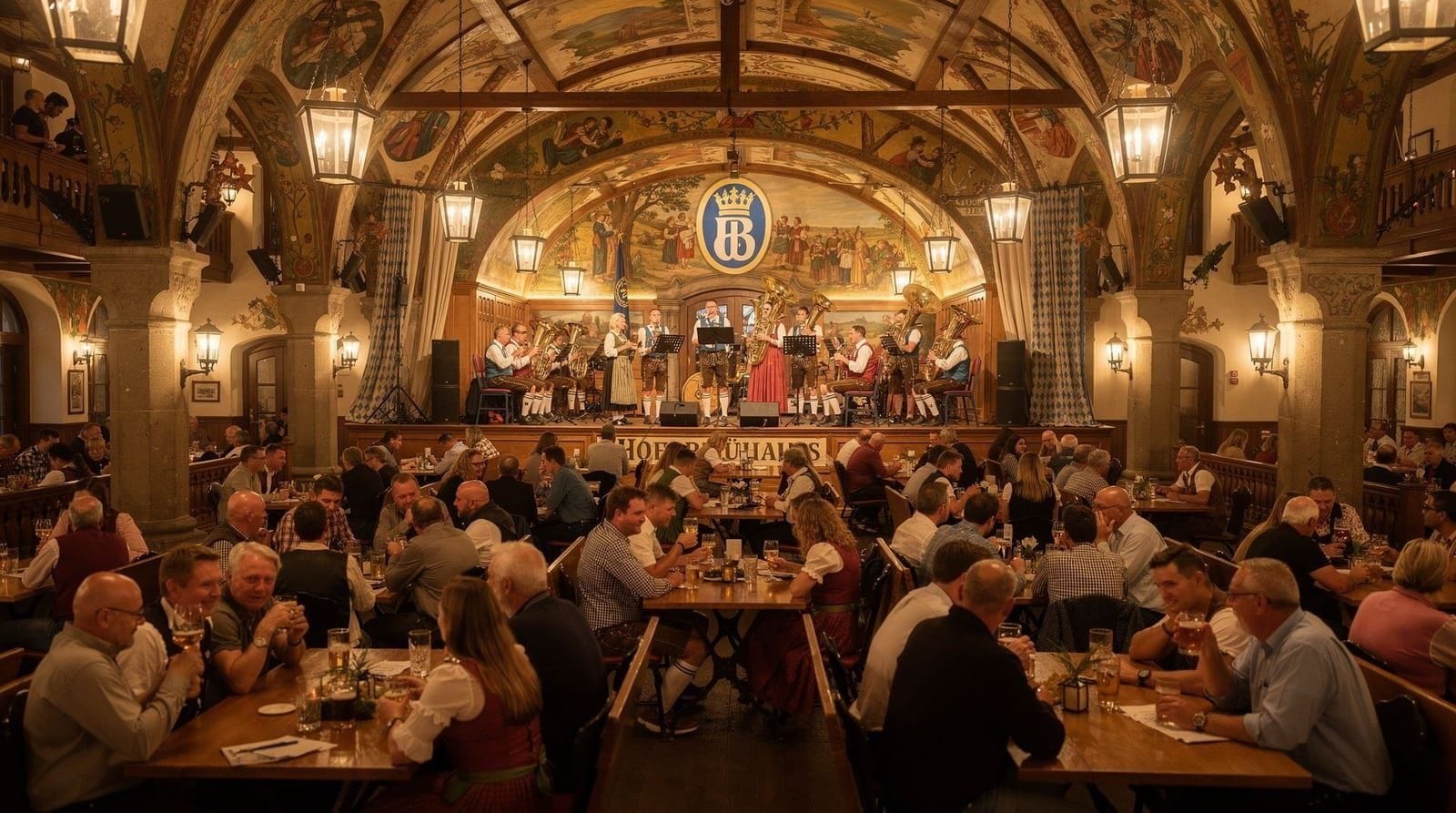
Each of the 14 large beer tents at Oktoberfest is operated independently by one of Munich’s six official breweries. Each tent operator manages their own reservation system — there is no centralised Oktoberfest reservation platform that covers all tents. The official Oktoberfest website (oktoberfest.de) provides links and information, but actual bookings happen through each tent’s own system.
Sessions: Each tent day is divided into two sessions. The morning session runs from 10:00 to approximately 14:30–15:00, depending on the tent. The afternoon/evening session begins around 17:00–18:00 and continues until midnight (23:30 on Sundays). A table reservation is for a specific session — not a full day. You book either the morning session or the evening session, not both.
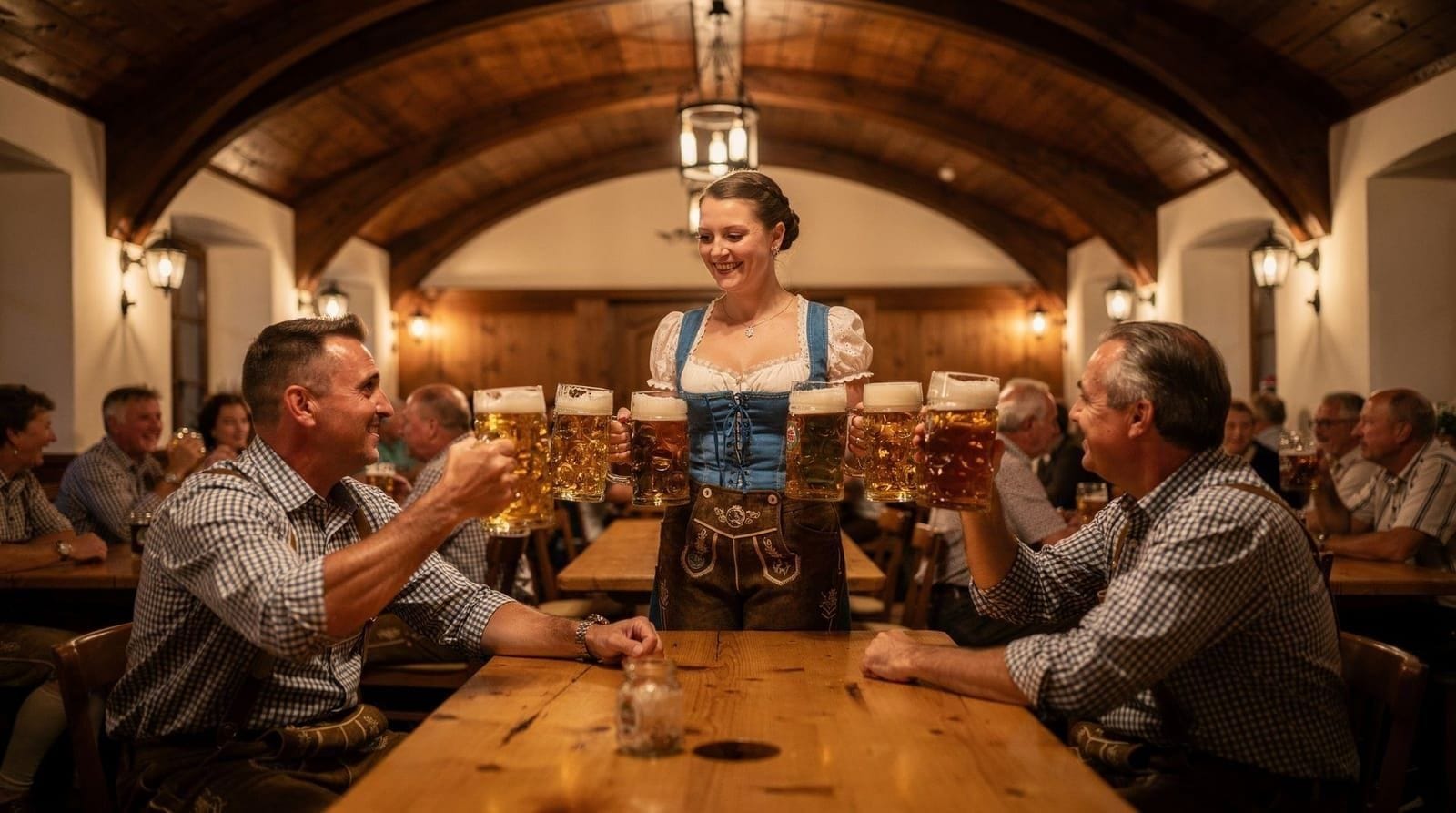
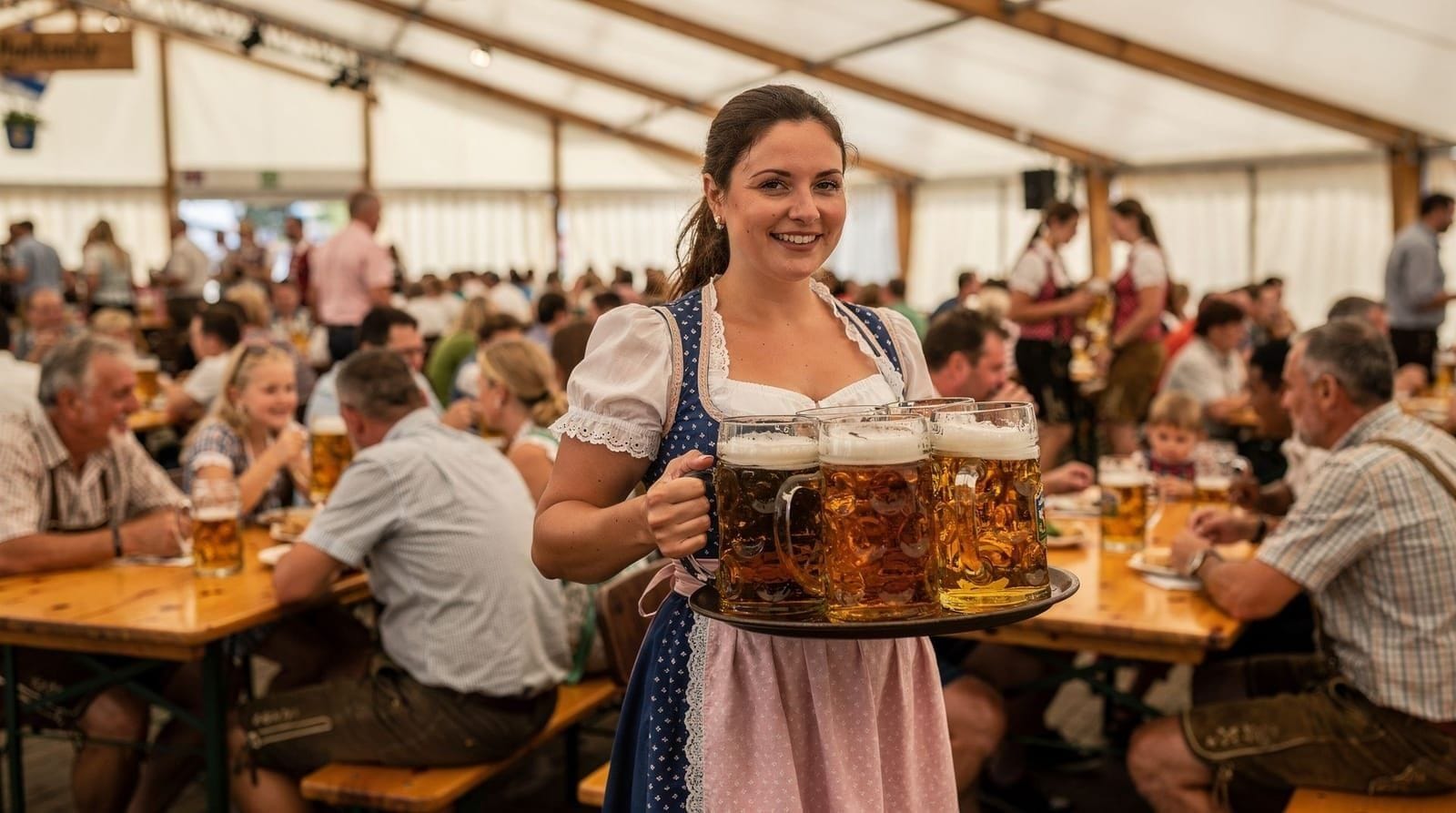
What the reservation covers: A reservation guarantees your table for the duration of the session. It does not pre-pay for food or drinks. You order normally from the waitstaff during your session. Most tents have an informal minimum spend expectation — realistically, ordering at least one Maß (1 litre) per person per session is the social expectation, which at €15.70–16.50 per Maß in 2026 adds up quickly for larger groups.
Deposits: Most tent operators require a deposit at booking time, either per person or per table. Deposits typically range from €10–30 per person and are deducted from your food and drink bill on the night, or credited back if you cancel within the permitted window.
Group sizes: Minimum table size is usually 6–8 people for weekday reservations; some tents require 10 for weekend evening sessions. Solo travellers and couples cannot easily access the reservation system for popular tents — the walking tour and tour operator package route is more practical. See the Munich beer tasting tours guide for small-group options that guarantee access without a private reservation.
When reservations open — and how fast they go
The reservation calendar for Oktoberfest 2026 (September 19 – October 4) follows a well-established pattern.
Tent operators announce their reservation opening dates each autumn, typically in October or November for the following year’s festival. Schottenhamel, which hosts the official festival-opening ceremony (the Mayor of Munich taps the first keg at exactly 12:00 on the opening Saturday), is traditionally the first tent to open reservations and the fastest to sell out. Our Munich beer festivals calendar tracks announcement dates for 2026. Schottenhamel has a capacity of approximately 10,000 people, but the reserved portions fill within hours or days of reservation opening.
The large flagship tents — Hofbräu-Festzelt (10,000 capacity), Hacker-Festzelt “Himmel der Bayern” (9,300), Augustiner-Festhalle (6,000), Löwenbräu-Festzelt (5,700) — follow similar patterns. Friday and Saturday evening sessions are consistently the first to sell out, often within the first week of the reservation window opening.
Weekday morning sessions for mid-festival weeks (not the first weekend, not the last weekend) are typically available well into the summer before the festival. If you have flexibility in your schedule, a Tuesday or Wednesday morning session in late September has the best chance of securing a legitimate direct reservation late in the year.
The 2026 timeline in practical terms: If you are planning an Oktoberfest visit and have not yet secured a reservation as you read this, check oktoberfest.de and each tent’s individual website immediately. Mid-week sessions may still be available. For weekend sessions, the tour operator package route is now likely your most reliable option.
| Reservation window | Availability |
|---|---|
| Oct-Nov (booking opens) | Best chance for any session, especially Schottenhamel |
| Dec-Feb | Weekend evenings largely gone; weekday sessions still open |
| Mar-Jun | Mostly weekday mornings/afternoons remain |
| Jul onwards | Direct reservations rare; tour operator packages are the realistic route |
Official reservation channels
Booking directly through official channels is the only way to guarantee that your reservation is real.
Individual tent websites: Each of the 14 main tents has its own booking website. These are linked from the official Oktoberfest website. Tent names and their associated breweries:
- Schottenhamel: Spaten-Franziskaner beer
- Hofbräu-Festzelt: Hofbräu München
- Augustiner-Festhalle: Augustiner
- Hacker-Festzelt “Himmel der Bayern”: Hacker-Pschorr
- Löwenbräu-Festzelt: Löwenbräu
- Paulaner-Festzelt: Paulaner
- Marstall: Spaten-Franziskaner
Oktoberfest.de: The official city website provides the definitive list of tent operators, links to their booking systems, and general information about the reservation process. It does not itself sell reservations for individual tents.
Telephone reservations: Some tent operators accept reservations by phone for visitors who cannot navigate the German-language online systems. Call wait times in November when reservations open can be extreme.
For guided access with guaranteed seating included: Oktoberfest guided tour with reserved tent seats
The scam landscape — what to watch for
The Oktoberfest reservation market has significant fraud risk, and it operates in a legal grey zone that makes enforcement difficult.
The core scam: Third-party websites sell “Oktoberfest ticket packages” for €50–200 per person. What you are often receiving is either a fake confirmation that no tent has on record, a confirmation in a name that doesn’t match what you’re told, or a genuine reservation that the operator has the right to modify or cancel and that they resell at a 10x mark-up for what is legally a free reservation.
Red flags:
- Any site describing a “ticket” rather than a “reservation” and charging per person just for the table entry
- Prices that seem disproportionate to what an official booking plus drinks would cost
- No clear statement of which specific tent and which specific session you are booking
- No information about the deposit/minimum spend structure at the tent itself
- Reviews that are only positive and date only from the current year
What’s legal but still questionable: In Germany it is not illegal to resell a table reservation, even though the reservation itself was obtained free. Some resellers hold genuine block reservations and resell the access at a mark-up, providing a seat that is real and honoured by the tent. This is a legitimate (if expensive) service. The problem is that fraudulent resellers operate with near-identical websites and marketing. The difference only becomes clear when you arrive at the tent and the name on the door list either matches or doesn’t.
Safer third-party route: Established international tour operators who have verifiable track records across multiple Oktoberfest years — not just 2025 review dates — are more trustworthy. Look for operators who have been running Oktoberfest programmes for at least 5 years and have detailed reviews from multiple years.
For a comprehensive rundown of Oktoberfest scam types, Oktoberfest scams tips covers this in more detail. The Munich beer halls guide is also useful background on which tents have which character — so you know which one you’re actually paying to get into.
Beer prices inside the tents in 2026
No smaller sizes are served inside the official beer tents. You order a Maß — 1 litre — or nothing at all in terms of beer. Wine and non-alcoholic drinks are available but Maß ordering is the cultural expectation.
2026 prices: Expect to pay €15.70–16.50 per Maß inside the official festival tents. Prices increased each year through the early 2020s and this trend has continued. At a table with six people drinking two Maß each over a 4-hour session, the beer bill alone reaches approximately €190–200 before food.
Food: Oktoberfest tent food is expensive relative to Munich restaurants. A half chicken (halbe Hendl) costs approximately €15–18. Pretzels (Brezn) run €5–7. A full Schweinsbraten mit Knödel (pork roast with dumplings) is around €22–28. Food orders are encouraged and often expected by waitstaff, particularly at tables with reservations.
Cash versus card: Most tents now accept card payment, but some waitstaff still strongly prefer cash for speed. Carrying €100–150 per person in cash for a session is practical.
The Munich beer hall etiquette guide is worth reading before your first session — it covers the ordering system, the communal bench culture, and how to signal a Brezn without looking lost.
Getting in without a reservation
The absence of a table reservation does not mean you cannot enter Oktoberfest tents. It means you enter through the standing areas.
Standing sections: Every official tent has a standing area, typically at the rear and along the sides of the main hall. You can enter, order a Maß from the bar or from circulating waitstaff, and participate in the full tent atmosphere. You will not have a fixed seat, and during busy sessions you may need to be patient in finding a position. On peak evenings (Friday and Saturday nights), standing sections also fill to capacity and tent operators close their doors to new entrants once the tent reaches fire safety limits.
Timing strategies:
- Arrive before 10:00 on weekday mornings for the best walking access
- Tuesday through Thursday afternoons (14:00–17:00, after the morning reserved session ends and before the evening fills) are significantly easier than weekend access
- The first Saturday (opening day) and the final weekend are the two hardest periods to access without a reservation
- Rain days reduce crowds noticeably
Which tents to try without a reservation: Smaller and specialty tents are consistently more accessible. The Käfer Wiesn-Schänke (upscale food tent), the Fischer-Vroni (fish specialities), and the Weinzelt (wine tent) have more capacity relative to demand than the main flagship tents. The Hacker-Festzelt on a weekday morning is typically walkable.
Oide Wiesn: The historical festival section at the southern end of the Theresienwiese has a separate €4 entry and is markedly more accessible than the main grounds. It features historical rides, traditional costumes, Bavarian folk music, and older-style beer service. Locals who prefer a calmer atmosphere often choose Oide Wiesn over the main festival. For full timing details see when to visit Oktoberfest.
Tour operator packages — the legitimate workaround
If you missed the official reservation window and want a guaranteed seat, legitimate tour operator packages are the realistic solution.
These packages work because tour operators purchase block reservations directly from tent operators in October/November for the following year, often for multiple sessions across the 16-day festival. They then resell access as packages that typically include: guaranteed seating in a specific tent for a specific session, a set number of drinks vouchers (usually 1–2 Maß per person), sometimes a food voucher, and sometimes a guided component (walking the grounds, explaining the tents, historical context).
Price range: €80–150 per person for a standard package with 1–2 drinks included. Premium packages with more drinks and a guide run €120–200.
What to look for in a legitimate operator:
- Specific tent name and session time stated clearly before purchase
- Documented reviews from the previous year’s festival
- Clear cancellation policy
- Contact details and a verifiable business address
Cancelling or changing a reservation
Plans change, and it’s worth knowing your options before you book rather than after. Most direct tent reservations allow changes or cancellations up to a set cutoff — commonly two to four weeks before the session date — with the deposit refunded or forfeited depending on the individual tent’s policy; check the specific terms at booking time since they vary by operator and are not standardised across the 14 tents. Tour operator packages usually have their own cancellation windows, often more generous (24-48 hours before departure with some operators) but sometimes stricter for peak dates like the opening or closing weekend. If illness or a genuine emergency prevents attendance, contacting the tent or operator directly, rather than simply not showing up, is worth doing — some will transfer the reservation to a different date within the same festival run if capacity allows, though this is discretionary rather than guaranteed. Travel insurance that explicitly covers pre-paid event bookings is worth considering if you’ve paid a significant deposit or a full package price well in advance.
The Oktoberfest Museum — an alternative when the tents are overwhelming
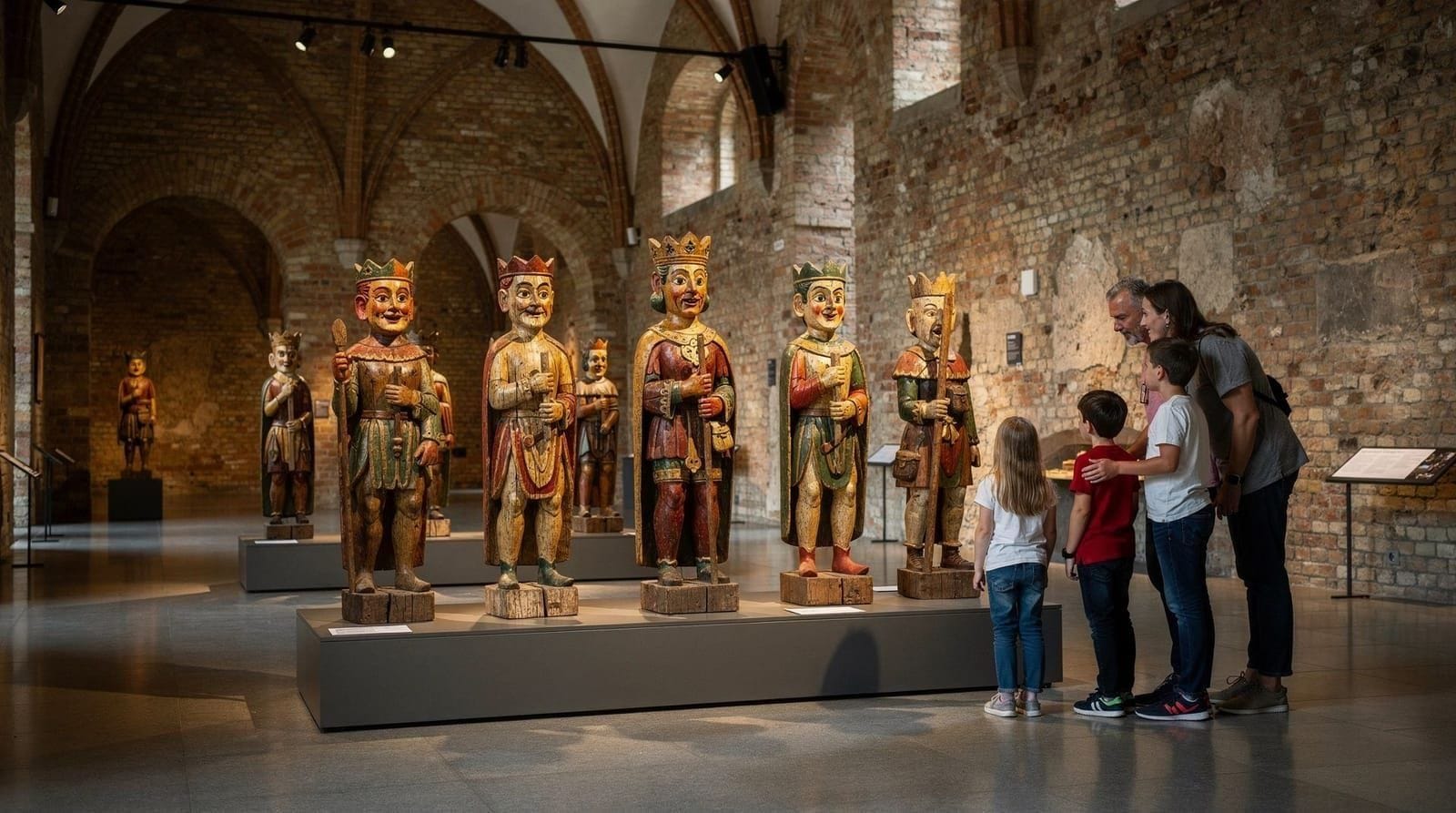
The Oktoberfest Museum (Sterneckerstraße 2, near Isartor) is a small but well-curated exhibition covering the history of the festival from its 1810 origins as a horse racing event celebrating Crown Prince Ludwig’s wedding to the present-day scale of 6–7 million visitors per year.
The museum is open year-round, not just during festival season, and entry costs approximately €4. Upstairs is a licensed historical tavern where Augustiner beer is served in the original festival mugs. For visitors who want to understand Oktoberfest as a cultural institution rather than just a drinking event, this is genuinely informative and considerably calmer than the festival grounds themselves.
Some guided packages combine the Oktoberfest Museum with a beer tasting led by a certified sommelier — a good option for people who want structured education alongside their beer experience. Our Munich beer tasting tours guide compares the structured tasting options available during festival season. Munich beer and food tour including Oktoberfest Museum
Splitting a large group without a full-table reservation
If your group is smaller than the minimum table size (usually 6-8 for weekday sessions, up to 10 for weekend evenings), a full reservation may not be an option at your preferred tent, and the honest answer is you have two realistic paths. The first is joining an existing reservation as an add-on — some tour operators and even individual reservation holders occasionally have spare seats at a booked table and coordinate through Oktoberfest-focused travel forums or the tour operator’s own group-booking desk. The second, more reliable path is simply using the standing areas, which have no minimum group size and let two or three people enter and order freely. For couples or solo travellers specifically, standing sections combined with an early weekday arrival deliver most of the atmosphere without the logistics of assembling six-plus people for a table booking.
Practical advice for your Oktoberfest visit
What to bring:
- Cash (€100–150 per person recommended)
- ID — you will need it if you look younger than 25; entry to tents is 18+
- A small bag or no bag — large bags are prohibited inside tents for security reasons; if you must bring a bag, it must fit under your seat
- Comfortable shoes that can handle a day of standing, walking, and occasional spillage
- A light layer — Munich in late September/early October can be 8–12°C in the evenings
What not to bring:
- Selfie sticks (prohibited)
- Glass bottles or cans from outside
- Large backpacks or wheeled luggage
- Alcohol purchased outside the grounds (strictly prohibited inside tents)
Trachten (traditional dress): Dirndl and Lederhosen are genuinely worn by locals — this is not performance. Approximately half the crowd on any given day wears traditional Bavarian dress. If you want to wear one, rental shops near the Theresienwiese open from early September and charge €30–60 per day. Buying your own in Munich costs €80–300+ depending on quality. The Munich old town history guide provides useful context on the Bavarian cultural traditions behind the dress.
For the complete timing picture, see when to go to Oktoberfest and the Munich autumn Oktoberfest season guide for what else is happening in the city during festival weeks. If you’re still planning the overall trip, Munich trip planning guide and the Munich budget guide cover costs and logistics.
Frequently asked questions about Oktoberfest tables and reservations
Can I just show up at Oktoberfest and get in?
Yes, to the grounds. Entry to Theresienwiese is always free. Getting a seat inside a tent on a weekend without a reservation is genuinely difficult, especially after 16:00. On weekday mornings, arriving by 10:00 gives a reasonable chance of finding a standing spot or a table that hasn’t yet been claimed by the reserved holders.
Is there a limit to how long you can stay at Oktoberfest?
No time limit applies to the grounds themselves. Inside tents with a table reservation, your reservation covers one session only (morning or evening). Staying beyond the session break while a new reserved session begins is at the discretion of tent management — in practice, popular tents clear tables between sessions to reset for the incoming reserved group. See the Oktoberfest when and where guide for how sessions and timing work across the full 16 days.
Do children need tickets to enter Oktoberfest?
Entry to the grounds is free for everyone including children. Children under 18 are permitted on the grounds but cannot enter the main beer tents after 20:00. During morning sessions, families are common. Oide Wiesn allows children at all hours and has family-appropriate historical rides and activities.
What if my reserved table is given away when I arrive late?
Tent operators typically hold reserved tables for a set window after the session start — usually 30–45 minutes. If you arrive after this window, the table may be released to walk-in visitors. Contact the tent operator in advance if your group may be delayed; some tents will hold longer with a call. There is no automatic refund if you miss your reservation window.
How many people attend Oktoberfest each year?
The Munich Oktoberfest typically draws 6–7 million visitors over the 16-day festival. This number varies with weather — cold or rainy years see lower attendance. The grounds are large enough that the experience varies considerably: the first Saturday is genuinely overwhelming; a Tuesday in the second week is manageable even without a reservation.
Can a small group of 2-3 people get a tent reservation?
Rarely at the flagship tents, where minimum table sizes of 6-10 apply. Smaller parties are better served using standing areas, which have no minimum group size, or trying smaller specialty tents that sometimes accommodate smaller reserved groups. Joining an existing reservation as an add-on through a tour operator’s group-booking desk is another option worth asking about directly.
Top experiences
Bookable activities with verified prices and instant confirmation on GetYourGuide.