Munich in autumn and Oktoberfest season — the complete 2026 guide
Munich: Oktoberfest tour with tent reservation, food and beer
When is Oktoberfest 2026 and what else happens in Munich in autumn?
Oktoberfest 2026 runs from Saturday 19 September to Sunday 4 October on Theresienwiese. After the festival closes, Munich in October and November is quieter but genuinely attractive — the English Garden turns gold and amber from mid-October, harvest food appears on restaurant menus, and the Starkbierfest season begins in November with the first Märzen and Bock beers. Christmas market season starts from late November.
| Where | Theresienwiese for Oktoberfest; city-wide for autumn foliage |
| Cost | Around €50–80 per person per tent visit |
| Time needed | 16 festival days, plus October/November for a quieter visit |
| Getting there | U4/U5 Theresienwiese; S-Bahn for day trips |
| Best time | Weekday sessions for Oktoberfest; mid-to-late October for foliage |
Munich in autumn: from harvest season to Oktoberfest and beyond
Autumn is Munich’s most intensely scheduled season. September brings Oktoberfest — the world’s largest folk festival and a logistical and cultural event of genuine scale. October brings golden foliage, harvest food, and the slow transition to the beer hall season. November marks the beginning of the Christmas market period. Understanding the rhythm of Munich’s autumn helps you decide not just when to come but what kind of visit you are planning.
This guide covers the full autumn arc: Oktoberfest logistics and costs, what Munich looks and feels like outside the festival grounds, the foliage season, and what happens in October and November after the tents come down.
Oktoberfest 2026: dates, structure and honest expectations
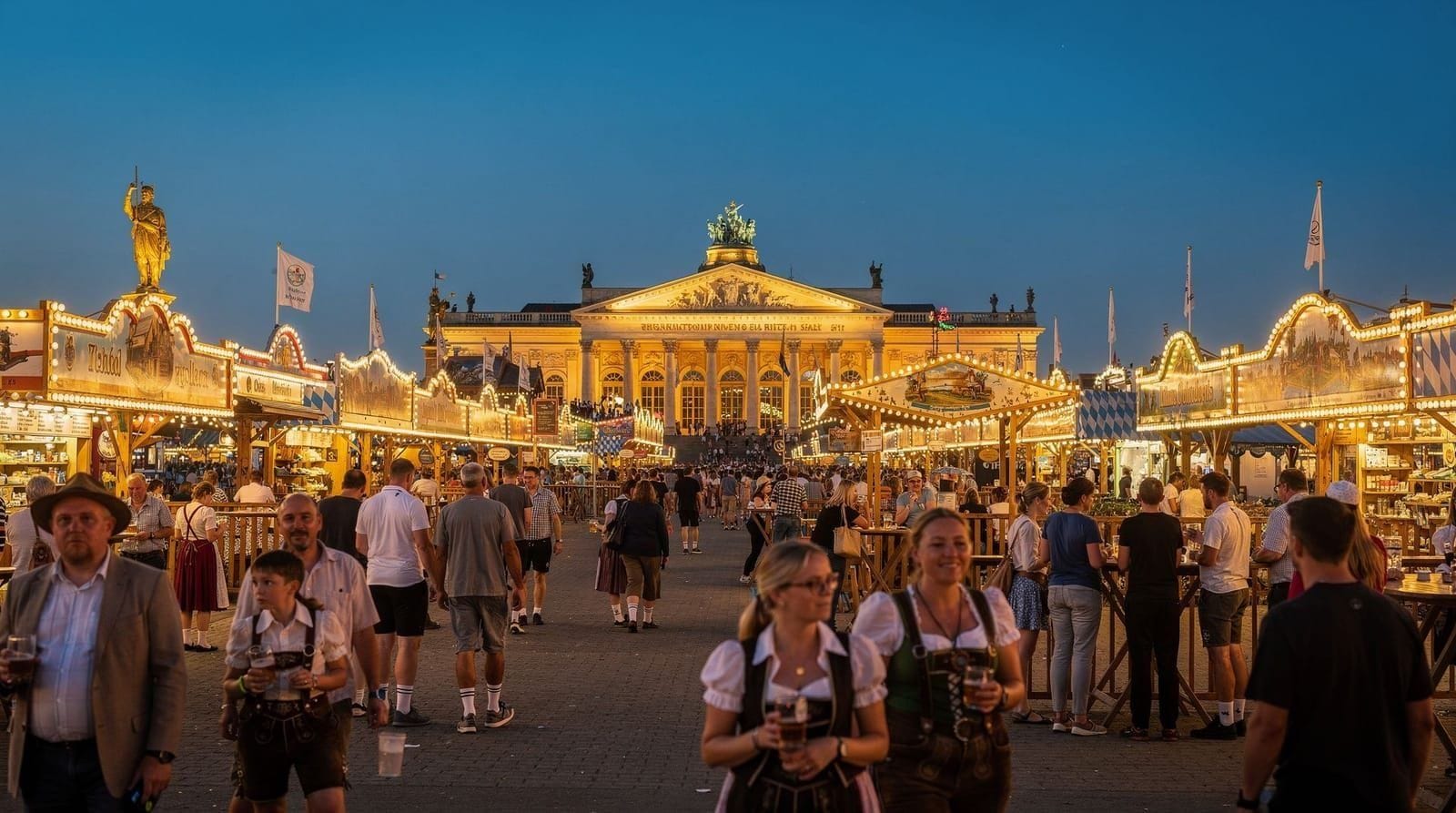
Official dates: Saturday 19 September to Sunday 4 October 2026. Location: Theresienwiese, southwest of Munich city centre. U4/U5 Theresienwiese or Schwanthalerhöhe. Entry: Free to the festival grounds at all times.
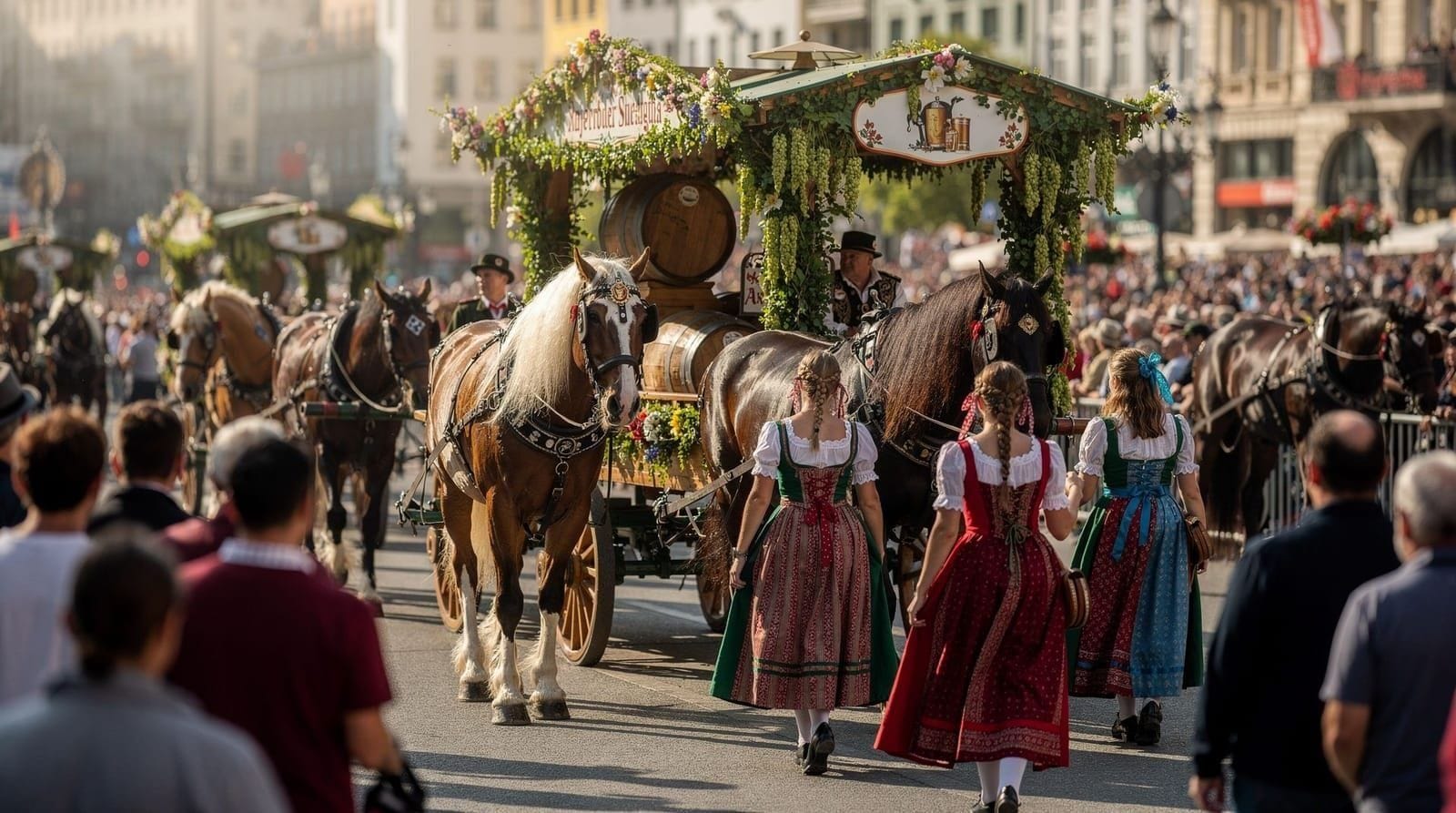
The festival opens with the Anzapfen (tapping) ceremony at noon on 19 September at the Schottenhamel tent. The Lord Mayor of Munich strikes the first keg, shouts “O’zapft is!” (It’s tapped!), and the day officially begins. The rest of the ceremony is broadcast on city screens and watched by tens of thousands on the grounds.
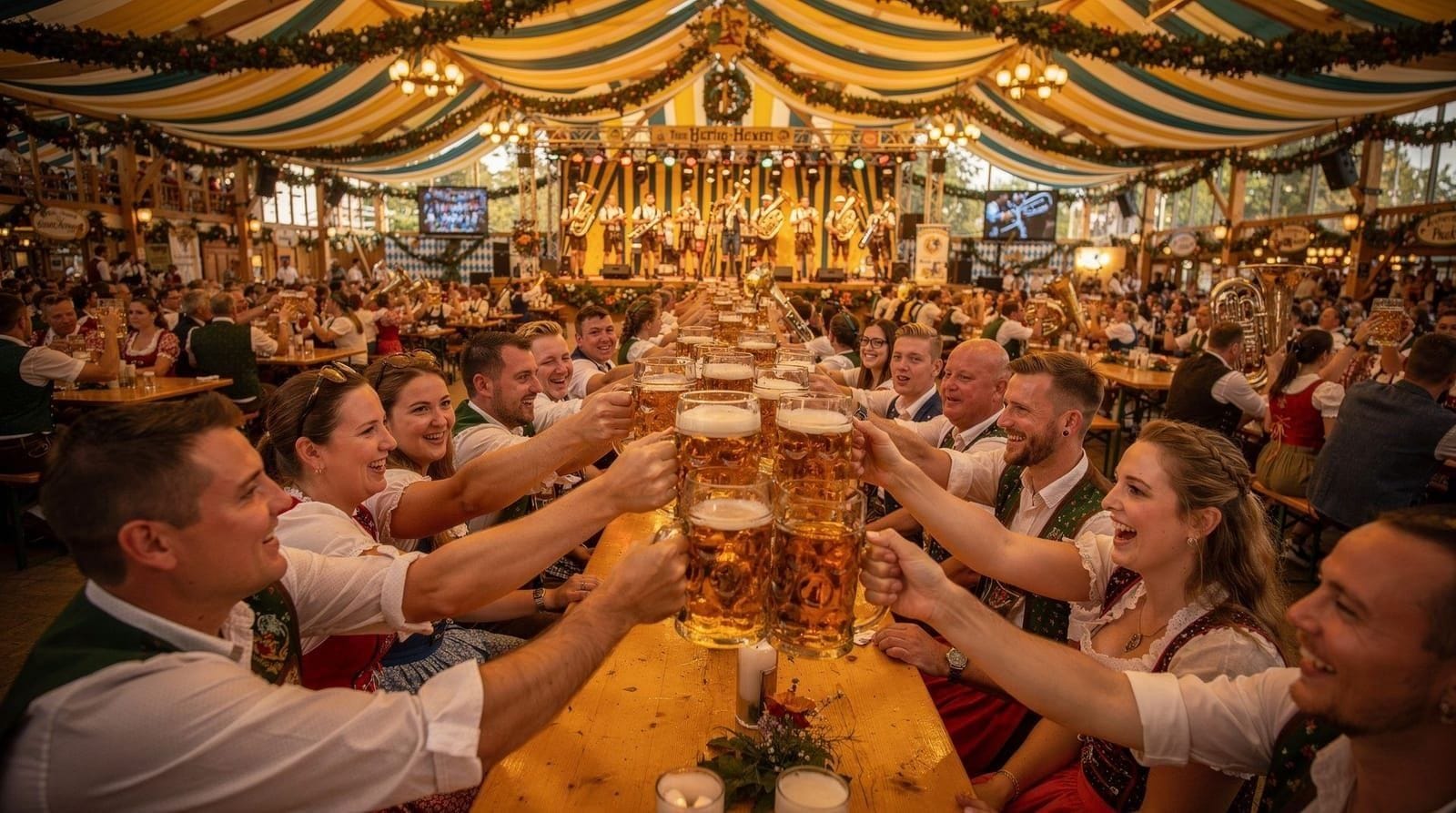
Oktoberfest has 14 large tents with combined seating for approximately 100,000 people. The major tents are:
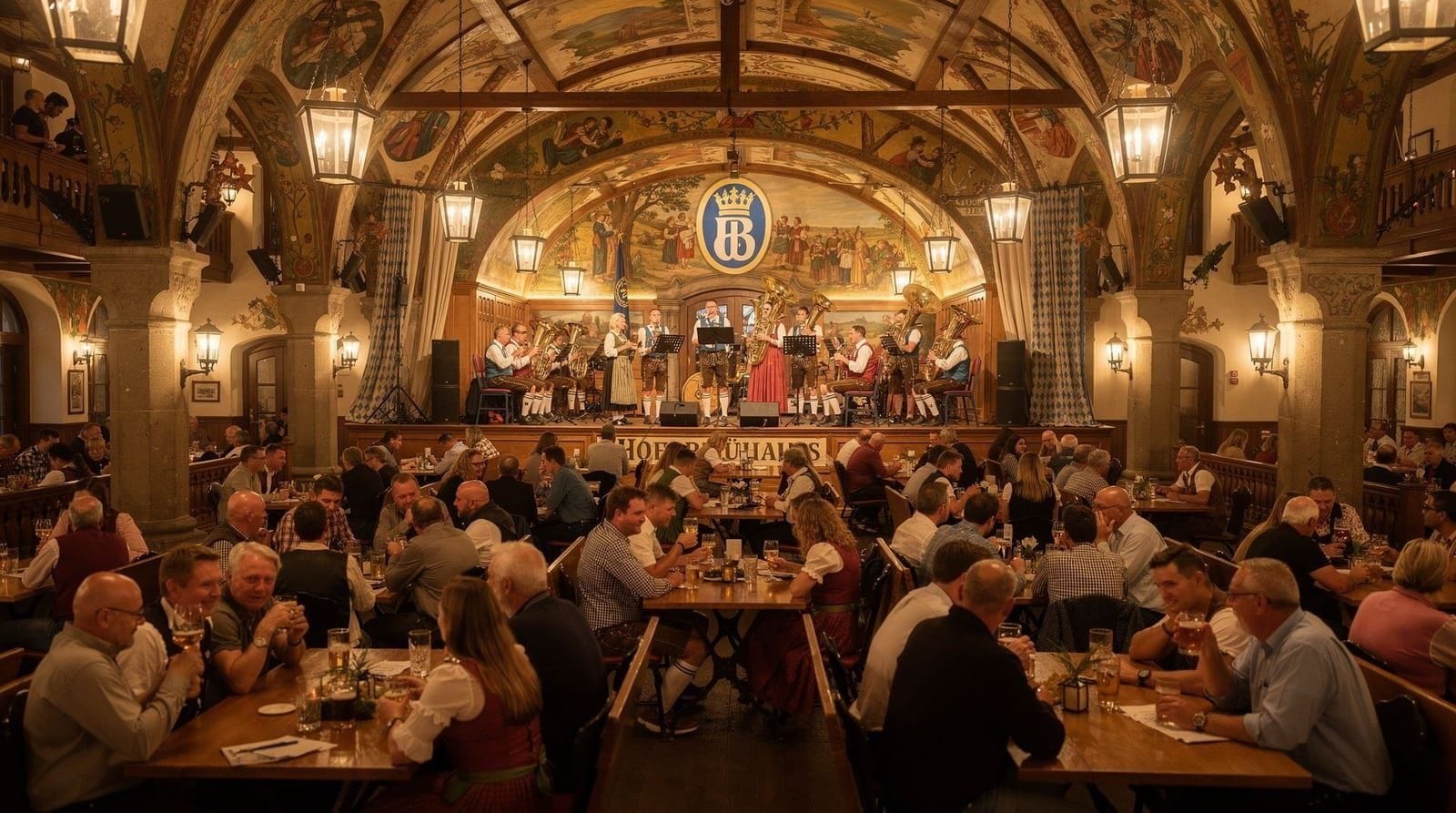
- Hofbräu-Festzelt (Hofbräuhaus beer, 10,000 seats, most international crowd)
- Augustiner-Festhalle (Augustiner beer from wooden barrels, strongly preferred by locals)
- Schottenhamel (Spaten beer, home of the opening ceremony)
- Paulaner-Festzelt (Paulaner beer)
- Spaten-Franziskaner-Festhalle
- Löwenbräu-Festzelt (Löwenbräu)
- Käfer Wies’n Schänke (smaller, more expensive, easier to enter)
- Hacker-Pschorr Bräurosl
Several smaller tents specialize in Hendl (roast chicken), fish, or wine rather than beer.
An Oktoberfest guided tour with tent reservation, food and beer solves the single biggest problem of Oktoberfest attendance — guaranteed table access — and includes a guide who knows how to navigate the system. For first-time visitors during peak weekend evenings, a pre-arranged reservation is the difference between spending three hours inside a tent and three hours trying to enter one.
Reservations: how they work and how hard it is to get them
Reservations for 2026 open through individual tent websites, typically in December 2025. The process:
- Go to the specific tent’s website directly (not third-party aggregators for the initial booking)
- Select a date and time slot (typically lunch or evening sessions)
- Pay a per-person minimum spend on food and drink (€35–50) plus a reservation fee
- Receive a confirmation that secures your table for the session duration
The practical reality: Hofbräu and Augustiner weekend evening reservations sell out within minutes of the booking window opening. Weekday lunch seatings remain available for weeks or months. If you are reading this before December 2025, set a calendar reminder for the reservation opening date and be ready to book at the moment it opens. If you are reading this after reservations have opened, check the tent websites directly — cancellations do occur.
Without a reservation: Arrive at tent opening (9am weekdays, 10am weekends). Unreserved seating is available first-come first-served. By 11am on weekdays it begins filling; by 6pm on any day, unreserved space in the main tents is essentially gone. The tents have a last-entry system — once at capacity, they close temporarily. The outdoor areas between tents always have capacity.
For deeper detail on every aspect of Oktoberfest logistics including which tent suits which type of visitor, see the Oktoberfest guide and the Oktoberfest tickets and tables guide.
What Oktoberfest costs in 2026
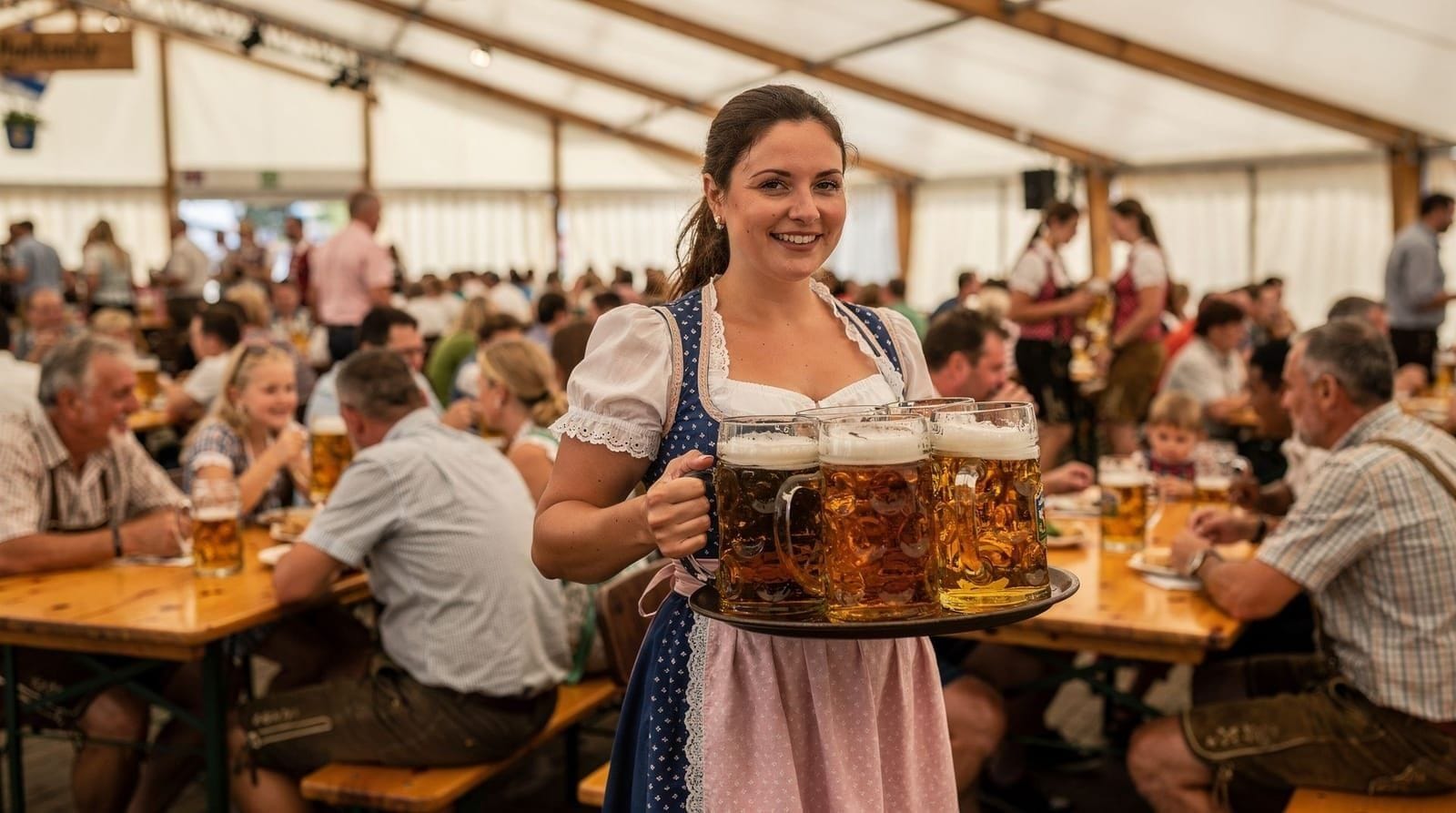
A Maß (one litre of beer) inside the main tents will cost approximately €14.50–16 in 2026. Prices are set annually by the tent operators and announced in spring — they have risen roughly 5–7% per year since 2019. A Hendl (half roasted chicken) runs €17–20. A pair of Weißwurst (white veal sausages) with a pretzel costs around €14.
A realistic budget for one evening inside a tent: €50–80 per person (two Maß, one food item, no cocktails). If you have a group and share multiple food items, you can reduce this. There is no minimum order outside of the reservation’s pre-paid minimum spend.
Outside the tents: The fairground food stalls have cheaper alternatives — Steckerlfisch (charcoal-grilled fish, €12–15), roasted almonds (€6–8), Lebkuchen hearts (€8–20 depending on size). These are more expensive than at a regular food stall but comparable to street food at any major European festival.
Accommodation: Hotel prices in Munich during Oktoberfest typically double compared to comparable September dates in other years. Expect €180–350 per night for mid-range central hotels during the festival period. Book 6–10 months in advance.
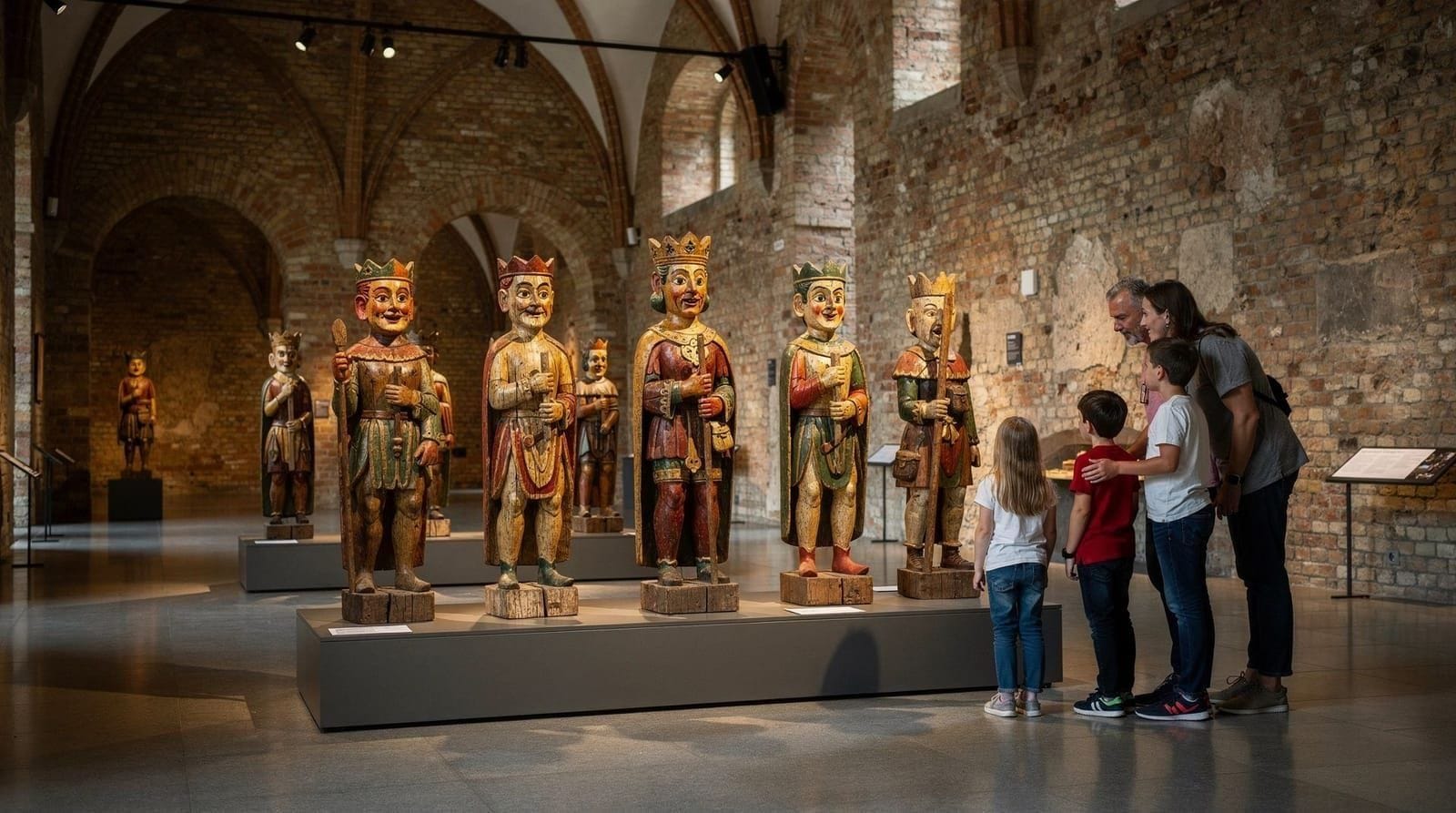
The Oktoberfest Museum visit with beer tasting gives context for the festival’s 200-year history and includes a structured tasting — useful for understanding why the six official Oktoberfest breweries and their specific beers matter to Bavarians.
Munich outside the festival grounds during Oktoberfest
A common misunderstanding: Oktoberfest does not absorb the entire city for 16 days. Theresienwiese is a specific site; the rest of Munich operates normally.
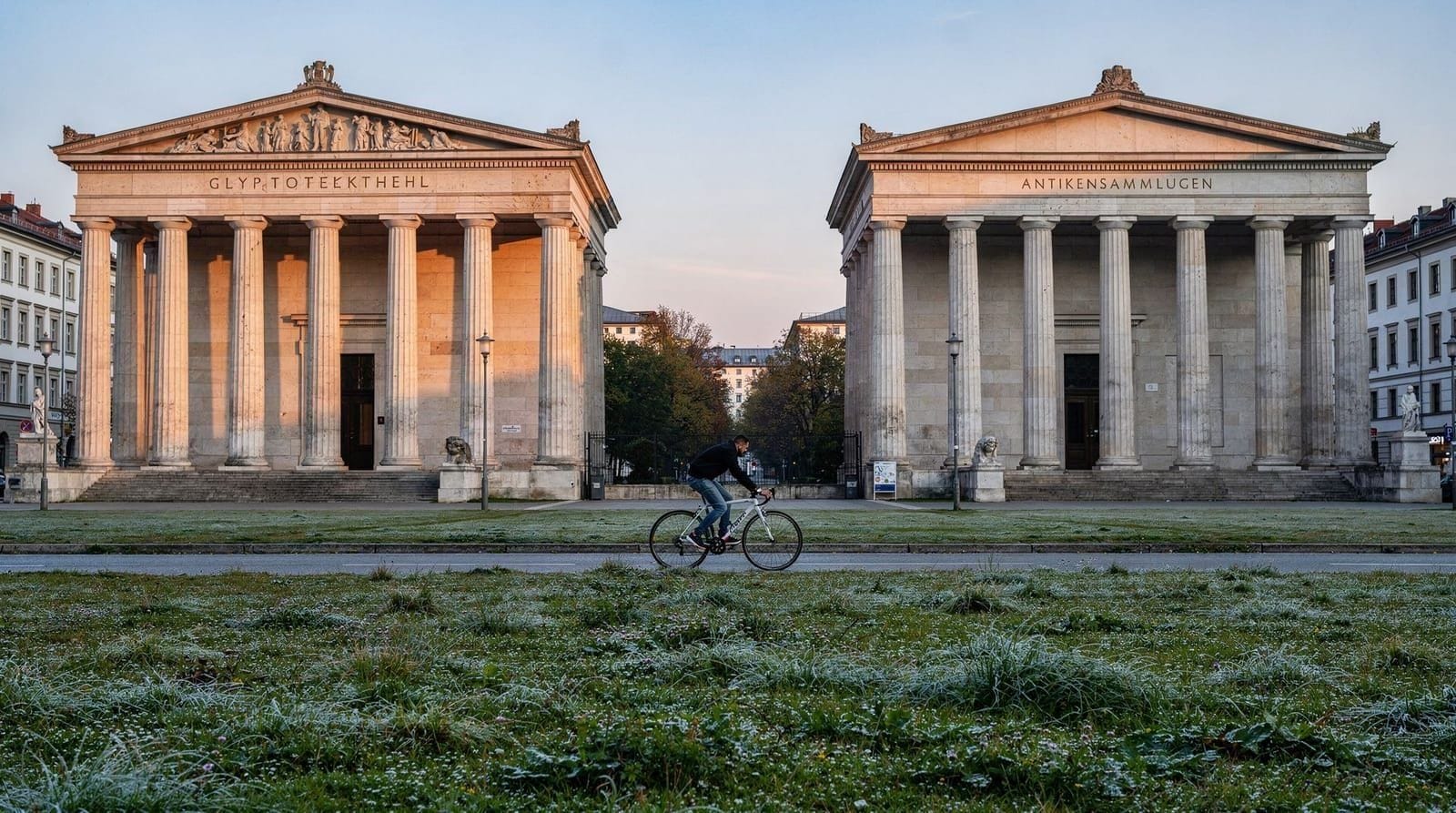
What is less crowded during Oktoberfest: The Pinakothek museums, Deutsches Museum, Nymphenburg Palace, and the English Garden all see fewer visitors in late September than in July or August because the tourist population is concentrated at Theresienwiese. If you are in Munich during Oktoberfest but not spending every day at the festival, these are excellent low-crowd options.
What is more crowded: The city centre (Marienplatz, Kaufingerstrasse, Hauptbahnhof) from 4pm onwards. The U4/U5 and S-Bahn serving Theresienwiese run at capacity during festival hours. Restaurant bookings in Altstadt fill up faster than usual.
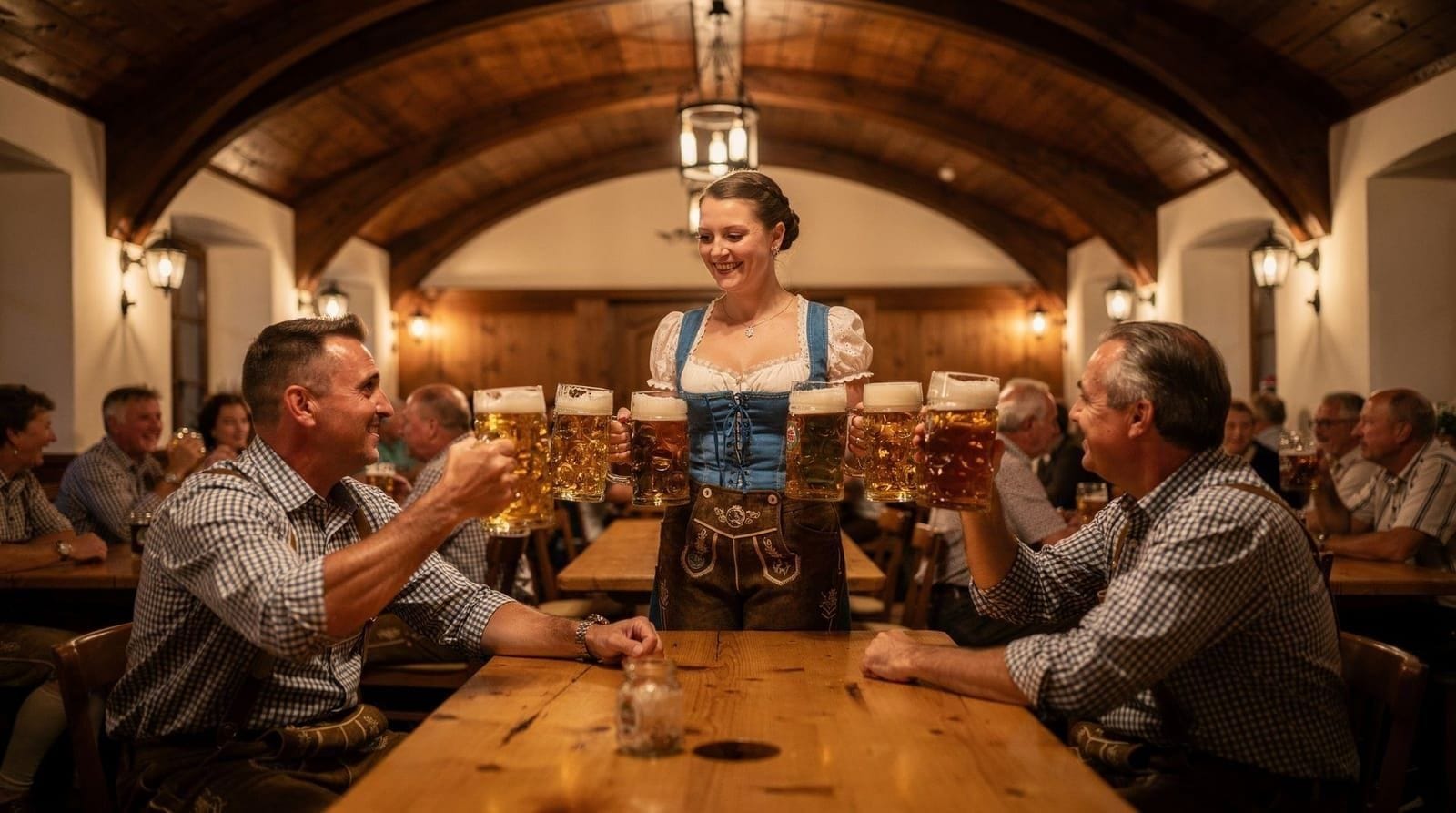
Beer halls and Oktoberfest: The city’s major beer halls see increased demand during Oktoberfest from visitors who cannot get into the tents or who want a less chaotic experience. Hofbräuhaus, Augustiner Keller, and the Löwenbräukeller all serve special seasonal Märzenbier during the Oktoberfest season — the same style of beer served in the festival tents.
Autumn foliage in Munich and the surrounding region
After Oktoberfest closes on 4 October, Munich transitions into its autumn character. Peak foliage typically runs from mid-October to early November, depending on how early the first frosts arrive.
English Garden: The park’s mature oaks, beeches, and linden trees provide the most accessible foliage display in the city. Walk the main central path from Lerchenfeldstrasse northwards, or follow the Isar bank to the south entrance. The park looks excellent at golden hour in late October.
Nymphenburg Palace grounds: The formal gardens at Nymphenburg are designed for summer use but the combination of the palace facade and autumn trees reflects well in the canal on still mornings in October. The palace itself continues normal visiting hours through October. See the Nymphenburg Palace guide.
Isar cycling and walking paths: The Isar river valley path running south from Munich through Thalkirchen to Grünwald is excellent for an autumn ride or walk. The trees along the valley walls turn through October; the gravel banks are uncrowded after the swimming season ends. By bicycle from the city centre takes about 30–40 minutes each way.
Starnberger See in October: The lake, 30 minutes south on the S6, has a particular atmosphere in autumn — the leaves on the surrounding hills reflect in the water, the tourist season is over, and the lakeside towns of Starnberg and Tutzing are quiet. Worth a half-day trip in late October.
Harvest food and autumn eating in Munich
September and October bring a shift in Munich’s food culture. The beer tent Maß and Hendl give way to:
Zwiebelrostbraten (roast beef with fried onions) appears on autumn menus in most traditional restaurants. Kürbissuppe (pumpkin soup) becomes a fixture from September. Wildbret (game meat) — venison, wild boar, hare — appears on menus at traditional Bavarian restaurants from the hunting season’s start in September. The restaurant Augustiner am Dom, Haxenbauer near Marienplatz, and Spatenhaus an der Oper on Max-Joseph-Platz all do strong autumn game menus.
Federweißer (partially fermented grape juice / young wine) arrives in September from the German wine regions and is available at some Munich wine bars and better supermarkets. It pairs with onion tart (Zwiebelkuchen) in the traditional south German way.
Bavarian mushrooms from the Alpine foothills — Steinpilze (porcini), Pfifferlinge (chanterelles) — appear at Viktualienmarkt from late August and peak in September-October. If you see fresh Steinpilze at a reasonable price (under €30/kg), buy them and cook them simply with butter and garlic. See the Viktualienmarkt food guide for specific vendor recommendations.
October and November: after Oktoberfest
The contrast between Oktoberfest’s final Sunday and the following Monday morning is striking. The tents come down over the following week, Theresienwiese returns to an open field, and the city’s tourist population drops sharply.
October in Munich is one of the city’s genuinely pleasant months: temperatures around 13–17°C in early October dropping to 8–12°C by month’s end, mostly stable weather, full museum access without summer crowds, and beer halls serving autumn seasonal beers without reservation pressure.
November is the grey month before Christmas redeems it. Cold, often rainy or foggy, with short days. The Christmas markets begin in late November (see the Munich Christmas guide for dates), which gives November its redemption arc. The Tollwood Winterfestival opening in late November is genuinely welcome after a few weeks of grey skies.
Practical autumn logistics
For Oktoberfest visitors:
- Book accommodation 6–10 months ahead
- Make tent reservations the moment they open (December 2025 for October 2026)
- Arrive at tents early (9–10am) if going without a reservation
- Budget €50–80 per person per tent visit
- Wear layers — September evenings can be cold inside the canvas tents
For general autumn visitors:
- October accommodation prices are significantly lower than September
- Bayern-Ticket day trips to foliage spots (Starnberger See, Bavarian Alps) are excellent in October
- Beer halls are more accessible October onwards than during Oktoberfest
- The English Garden is excellent for an evening walk as the leaves fall
Autumn month by month
| Month | Feel | Good for |
|---|---|---|
| September (pre-fest) | Warm, building anticipation | Museums, English Garden, beer halls before the crowds |
| Late Sept–early Oct | Peak Oktoberfest | Tent culture, festival atmosphere |
| October | Cooler, foliage, quieter | Day trips, uncrowded sightseeing, autumn menus |
| November | Grey, transitional | Cheap hotels, quiet museums, early Christmas market opening |
Day trips that suit autumn especially well
Autumn’s cooler, clearer days are well suited to trips outside the city that get uncomfortably hot or crowded in summer. The Munich to Berchtesgaden day trip guide and the Zugspitze day trip guide both benefit from autumn’s clearer mountain air and thinner crowds compared to July and August, and the Munich lakes guide covers which lakes are still worth a visit once swimming season has ended. If you’re using a Bayern-Ticket for these, the Bayern-Ticket guide explains how to make the most of a single day pass across multiple stops.
Frequently asked questions about Munich autumn and Oktoberfest
How do I book Oktoberfest 2026 tent reservations?
Via the individual tent operator websites — links are listed on the official Oktoberfest site (oktoberfest.de). Reservations for 2026 open in December 2025. Set a reminder, be online at the opening time, and have your card ready. Weekend evening reservations at Augustiner-Festhalle and Hofbräu sell out in minutes.
Can I attend Oktoberfest without lederhosen or dirndl?
Absolutely — no dress code is enforced at the festival itself. That said, traditional dress is widespread — up to 50% of attendees at some tents wear Tracht, and it is increasingly common among younger Bavarians as a genuine cultural expression rather than a tourist costume. Rental is available at multiple shops near Hauptbahnhof if you want to participate without buying.
Is Oktoberfest safe for solo travellers?
Generally yes. The festival has heavy security presence, and tent staff monitor for problems. The peak-risk moments are late weekend evenings when intoxication levels are high. Solo travellers should keep valuables secured (pickpocketing does occur in crowded areas), keep track of how many Maß they have consumed, and arrange accommodation within walking distance or a short S-Bahn ride to avoid crowded late-night transport.
What is the weather like during Oktoberfest in September?
Variable. The festival has been held in rain, sun, heat waves, and near-freezing temperatures in recent decades. Average Munich temperatures for late September are 17°C daytime and 9°C overnight. The tents are heated by body heat during busy sessions — you may be warm despite cold outside. Bring layers; the fairground between tents can be cold on an overcast evening.
What happens to Theresienwiese after Oktoberfest ends?
The tents and rides are dismantled over the two weeks following the festival close. By mid-October, Theresienwiese is an open field again. It is used throughout winter and spring for Tollwood, Frühlingsfest, and various other city events. In summer it is primarily used as parkland.
Is Munich worth visiting in November?
November is genuinely one of Munich’s quieter months. The tourist season is over, hotels are cheap (rooms from €70–100 in mid-range central hotels), museums are uncrowded, and the Christmas markets that open in late November provide the seasonal atmosphere. If you can time it to arrive the week the Christkindlmarkt opens, late November is excellent value.
Is October a better time to visit than September for Oktoberfest visitors who dislike crowds?
If avoiding crowds matters more to you than attending the festival itself, yes. Early October (after the festival closes on the 4th) gives you foliage, mild weather, uncrowded museums and lower hotel prices, while still being close enough to the festival period that beer halls are serving seasonal Oktoberfest-style Märzen. The best time to visit Munich guide compares every month in more depth.
Do the Bavarian Alps make a good autumn day trip from Munich?
Yes, arguably better than summer — the air is clearer, trails are less crowded, and the first snow can dust the highest peaks by late October while the valleys stay walkable. Check current trail and cable car conditions before heading up, since alpine weather changes faster in autumn than in the city.
Top experiences
Bookable activities with verified prices and instant confirmation on GetYourGuide.