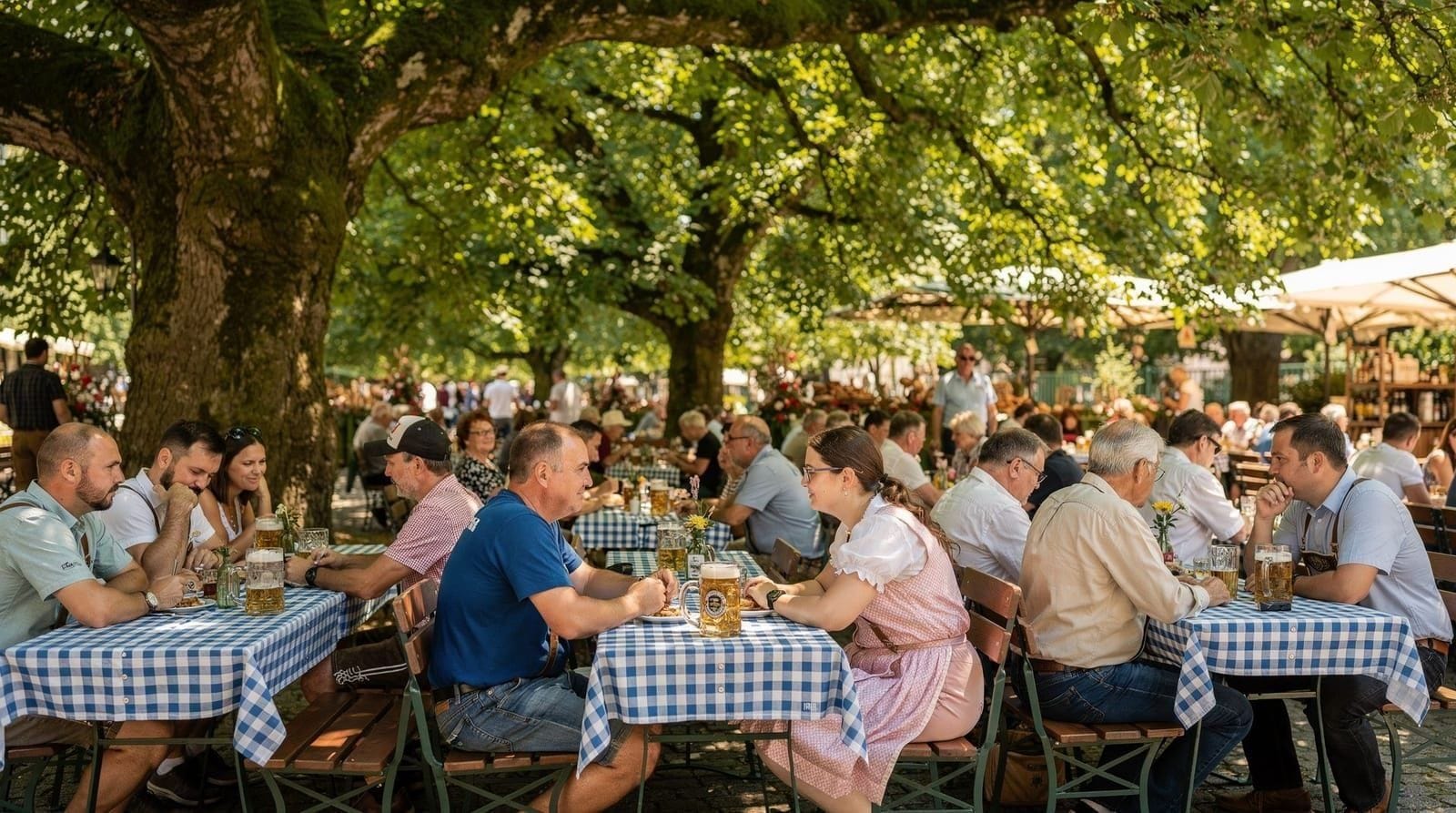
Munich beer tasting tours: the complete guide for 2026
Munich: beer halls and breweries 3-hour guided tour
What are the best beer tasting tours in Munich?
Munich has excellent guided beer hall tours at €35–60 per person covering 3–5 stops over 3 hours, brewery tours at Paulaner Bräuhaus, and walking tours with food pairings. The best option for first-timers is a guided beer hall hop with tasting notes and historical context.
| Group tour cost | Around €35–55 per person, 2.5–3.5 hours |
| Private tour cost | Around €80–150 per person for 2–4 people |
| Brewery tour | Around €25–35 at Paulaner Bräuhaus, 90 minutes |
| Getting there | Most tours start near Marienplatz |
| Best time | Any season; March adds Starkbierfest specials |
Munich is arguably the beer capital of the world — a city where breweries have existed for 700 years, where a 16th-century law still governs what goes into every glass, and where beer hall culture is woven into the social fabric of daily life. A tasting tour, whether guided or self-guided, is one of the most efficient ways to understand what makes Munich’s beer scene distinctive, why locals are passionate about specific breweries, and how to drink well without ending up in an overpriced tourist trap.
Understanding Munich’s beer landscape
Before discussing tours, it helps to know what you are tasting and why. Munich beer is defined by three interlocking concepts:
The Reinheitsgebot (purity law) of 1516 is the foundation. Issued by Duke Wilhelm IV of Bavaria, it specified that Bavarian beer could contain only water, malt, and hops. Yeast was later recognised as an ingredient once its role was understood. This law, still in effect in Bavaria, means Munich beers contain no adjuncts, no corn syrup, no rice, no artificial flavours. What you taste is malt, hops, water, and yeast — nothing more.
The six Munich brewery families — Augustiner, Hofbräu, Paulaner, Löwenbräu, Hacker-Pschorr, and Spaten — are the only breweries licensed to sell beer at Oktoberfest. Each has a distinct style and character worth understanding.
The main beer styles in Munich:
- Helles (pale lager, 4.7–4.9% ABV) — The everyday Munich beer, light gold, malty, gently hopped
- Dunkel (dark lager, 4.5–5.5% ABV) — Brown to dark amber, bread and caramel notes
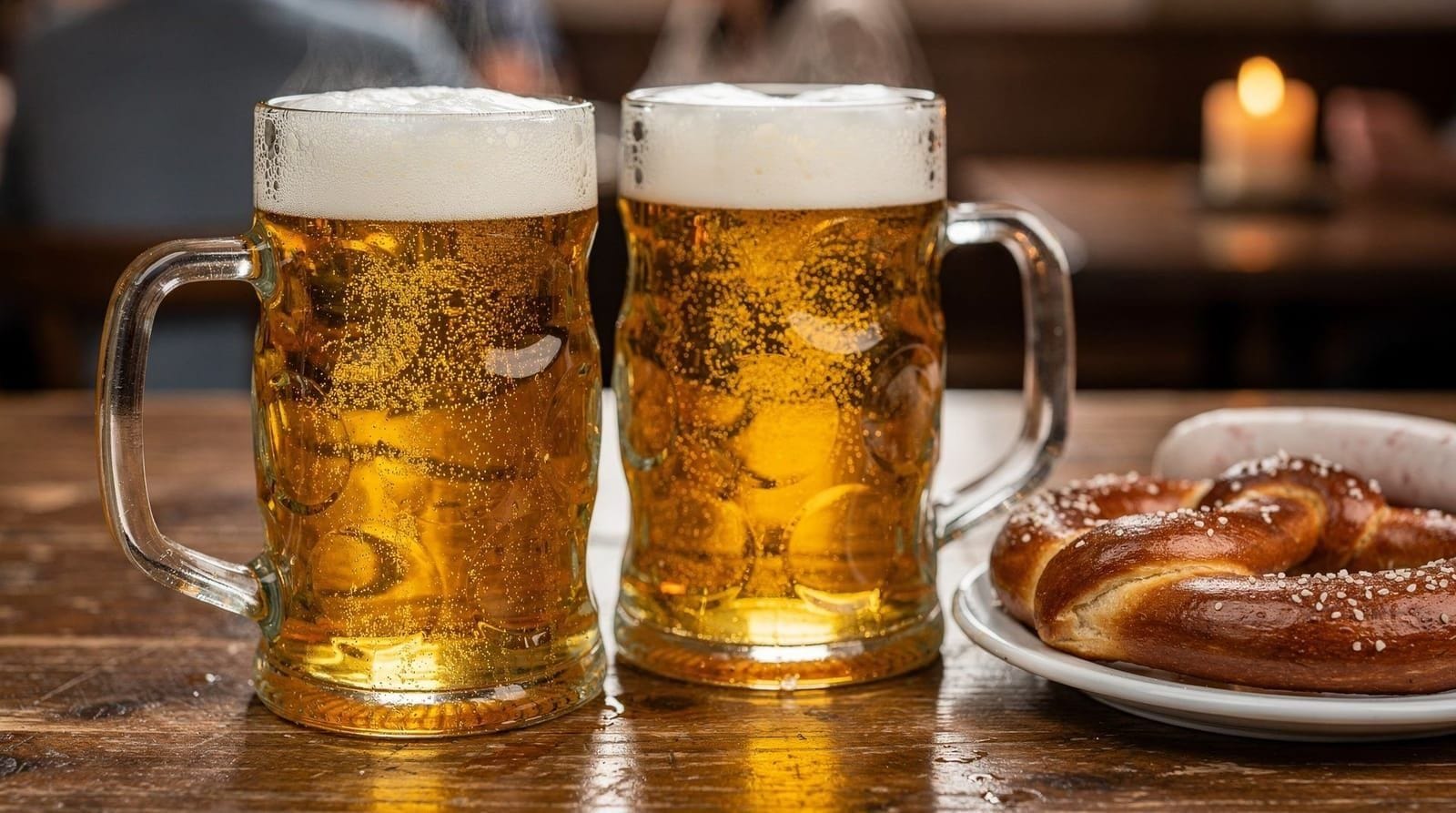
- Weißbier / Hefeweizen (wheat beer, 5–5.5% ABV) — Cloudy, banana and clove character
- Märzenbier (amber festival lager, 5.8–6.5% ABV) — Richer, sweeter, served at Oktoberfest
- Doppelbock (strong dark lager, 7–9% ABV) — Intense, warming, the Starkbierfest specialty
A good beer tasting tour will take you through at least three of these styles with commentary on the differences.
Guided group beer hall tours
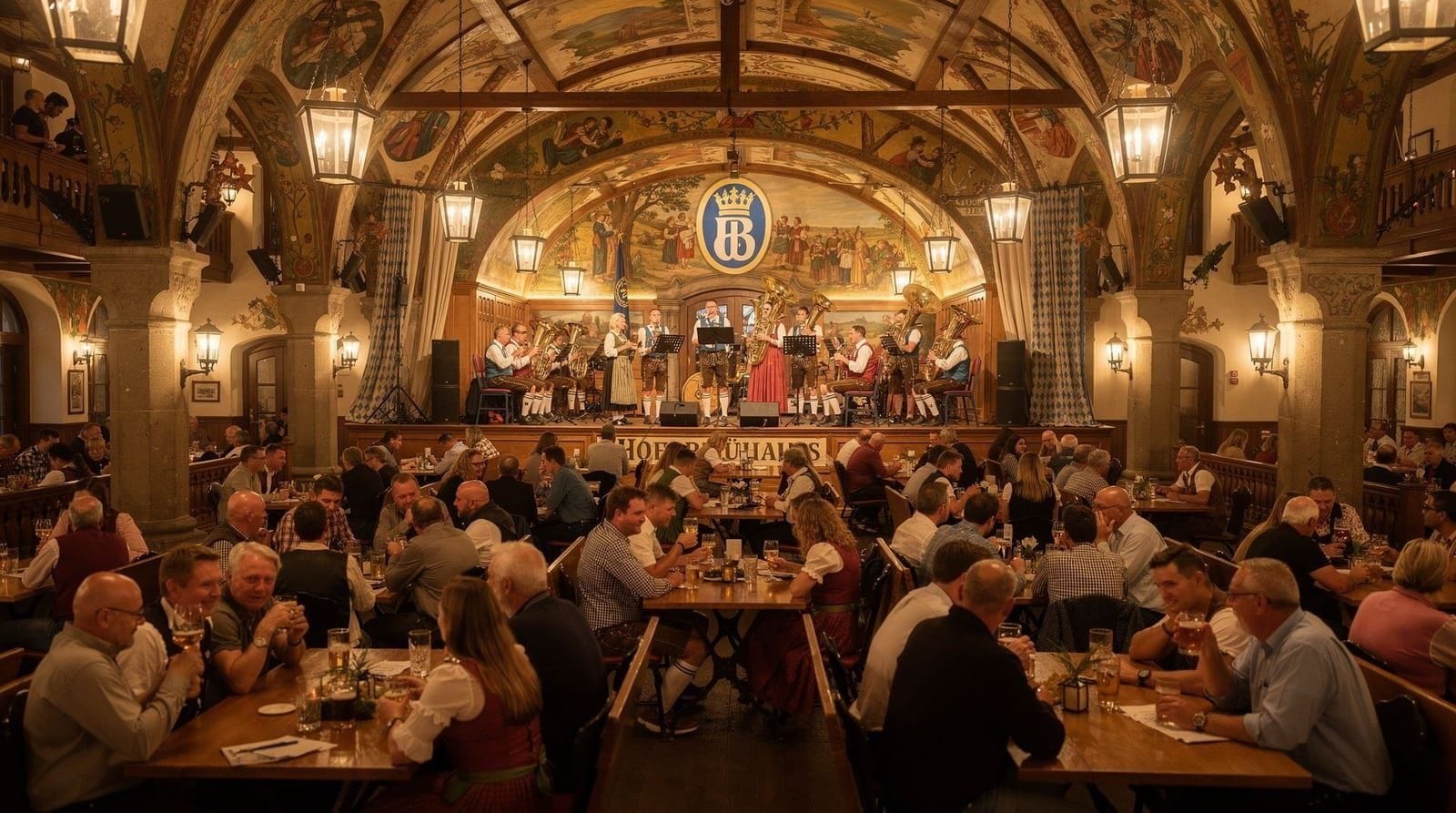
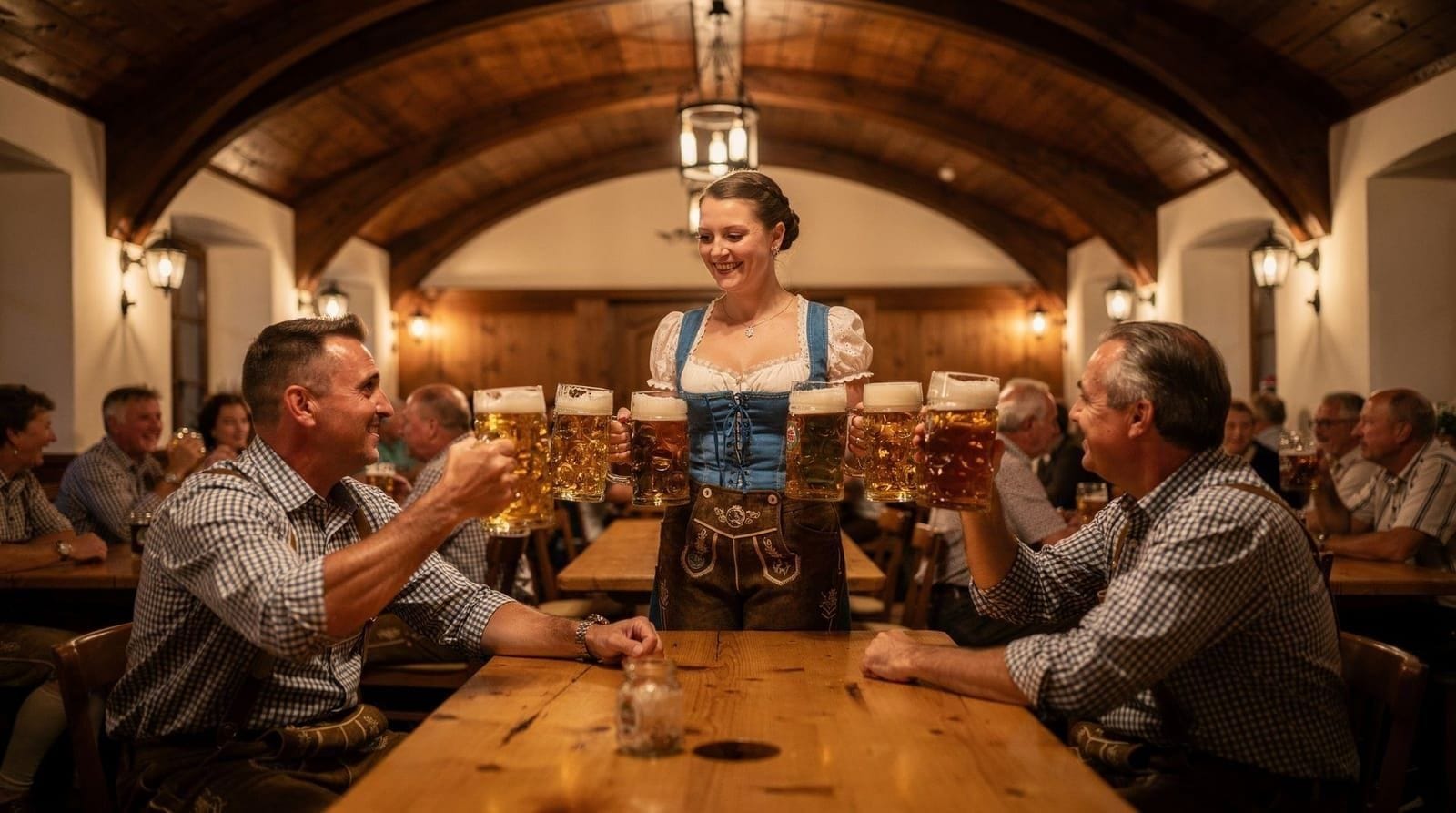
The most popular option for visitors, these tours cover 3–5 Munich beer venues over 2.5–3.5 hours with a local guide providing historical context and beer education along the way.
What to expect: Groups of typically 10–15 people walking between venues — usually starting near Marienplatz — with stops at established beer halls and possibly a beer garden. At each stop the guide explains the brewery history, what makes that venue’s beer distinctive, and sometimes orders a food pairing. You typically drink a Halbe (500 ml) at each stop.
What a good tour includes:
- Explanation of the Reinheitsgebot and why it matters today
- Comparison of Helles from at least two different breweries
- A Weißbier or Dunkel stop for style contrast
- Practical etiquette guidance (Stammtisch, toasting, tipping — see the Munich beer hall etiquette guide)
- Honest notes on which venues are most tourist-oriented and which are more local
What to watch out for: Tours that consist entirely of tourist-trap venues, or guides who have rehearsed a script rather than actually knowing their beer. A guide who cannot explain the difference between Augustiner and Hofbräu Helles on a technical level is not a beer expert — they are a pub crawl host.
The 3-hour beer halls and breweries guided tour is one of the most consistently well-reviewed structured options in Munich, covering the city’s most important beer establishments with historical context and tasting notes. Munich beer halls and breweries guided tour (3 hours)
For a more complete experience that includes Bavarian food matched to each beer: Munich Bavarian beer walking tour with samples and food
Prices for group tours typically run €35–55 per person depending on the number of stops and whether food is included.
Private beer tasting tours
For groups of 2–6 people or travellers who want a customised experience, private beer tours offer flexibility, depth, and access to less commercial venues.
A private guide can tailor the route to your interests — more emphasis on beer history, a focus on comparing specific styles, inclusion of venues outside the tourist circuit, or a specific focus like comparing all six Oktoberfest brewery Helles beers side by side. You set the pace and can linger at venues you enjoy.
Private tours typically cost €80–150 per person for groups of 2–4, though the per-person cost drops significantly for larger groups. Some private guides will also organise tasting notes and recommendations for bottle shops where you can buy specific beers to take home. Munich private beer tasting tour with Oktoberfest Museum
The private option that includes the Oktoberfest Museum is particularly good value — the museum provides historical context that makes everything you taste afterward more meaningful.
Brewery tours in Munich
Unlike some cities where large brewery tours are a standard attraction, Munich’s major historic breweries (Augustiner, Hofbräu, Paulaner main plant) do not offer regular public industrial tours. However, there are good alternatives.
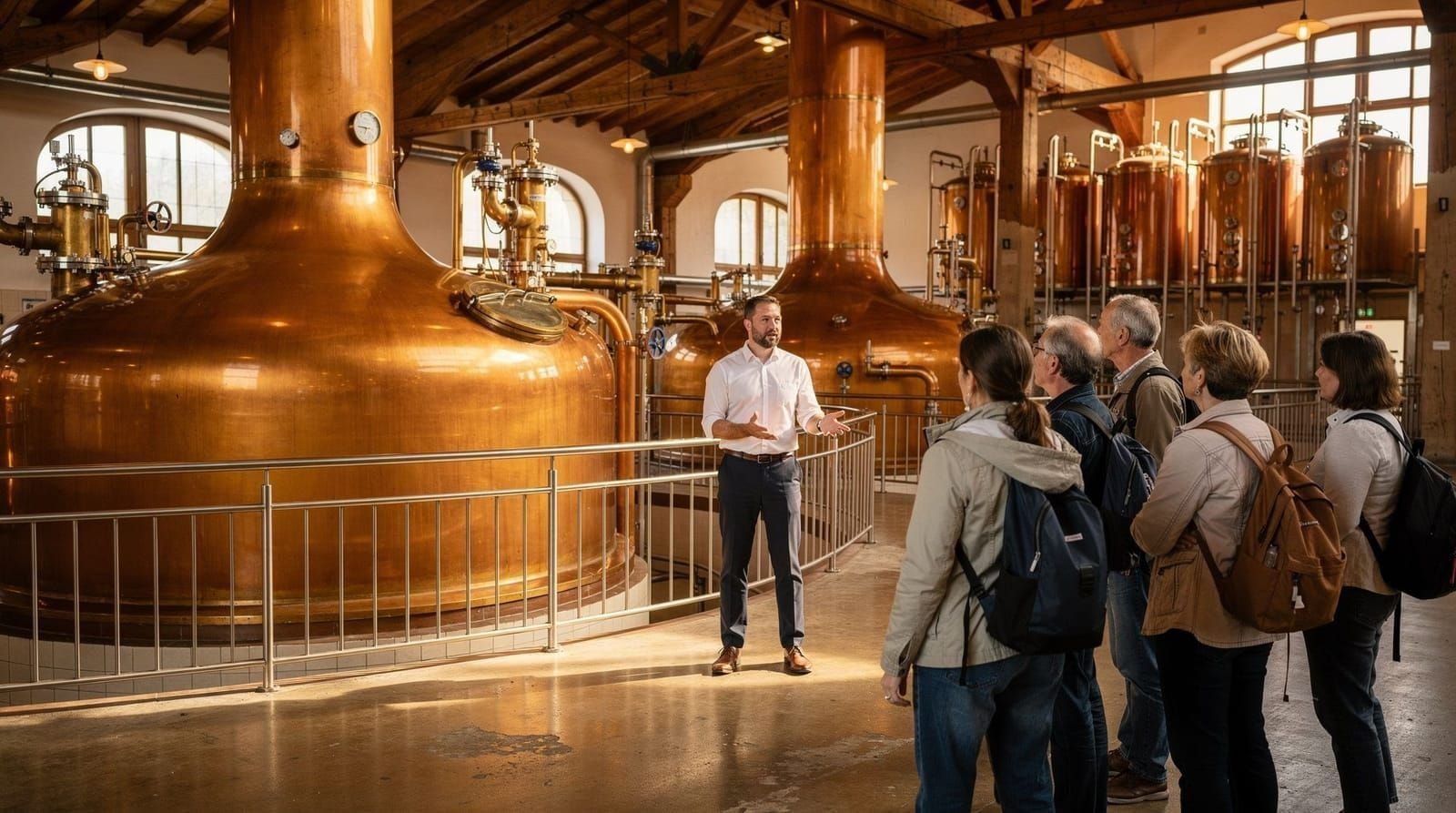
Paulaner Bräuhaus (Kapuzinerplatz 5, Munich-Au) operates as a working microbrewery and restaurant, and offers guided brewery tours that take you behind the brewing process with a professional brewer, followed by a tasting of freshly brewed beers with food snacks. This is the closest experience to a traditional brewery tour available in Munich proper. Munich brewery tour at Paulaner Bräuhaus with beer tasting and snacks
The tour covers the brewing process from mash tun to fermentation tank, explains how Munich Helles differs technically from other lager styles, and ends with a comparative tasting of 3–4 different beers. Duration is approximately 90 minutes and costs around €25–35 per person including tastings.
What the Paulaner Bräuhaus tour teaches you: The difference between lager and ale fermentation (bottom vs top), how temperature control affects flavour, why Munich water chemistry is so important to Helles production, and why the Reinheitsgebot makes German brewing both limiting and distinctive.
For context on the Paulaner brewery history — including Starkbierfest and the Nockherberg tradition — see the Starkbierfest guide.
Beer and food pairing tours
Munich’s beer culture is inseparable from its food culture. The best pairings — developed over centuries — are not accidental. A Maß of Helles with cold Leberkäse (Bavarian meatloaf), a Weißbier with Weißwurst (white veal sausage), a Dunkel with Schweinshaxe (roast pork knuckle) — these combinations exist for flavour reasons that a good food-and-beer tour can illuminate.
Beer and food tours typically cover 3–4 stops with small tasting portions at each, rather than full Maß servings. This means you experience more variety without getting full or overly affected by the alcohol. Expect to pay €45–65 per person for a good combined tour including all tastings.
A useful complement to a beer and food tour is the Viktualienmarkt food guide — the market is often included as a stop where you can browse the food stalls alongside a discussion of Bavarian ingredients.
Self-guided beer tasting route
For experienced beer travellers who prefer independence, or those visiting with non-beer-drinkers who want their own pace, a self-guided route through Munich’s key venues is straightforward to organise. Below is a practical afternoon route that covers the main styles and several of the six Oktoberfest breweries.
Start: 14:00 at Augustinerkeller (Arnulfstrasse 52) Try an Augustiner Helles — the benchmark Helles style, lighter and less carbonated than most Munich beers. Order Obatzda and Brezn alongside. Spend 45–60 minutes. S-Bahn from Hackerbrücke or 10-minute walk from Hauptbahnhof.
Stop 2: 15:30 at Augustiner am Dom or Wirtshaus in der Au A Dunkel (dark Munich lager) — compare the malty sweetness against the Helles you just had. The contrast between the same brewery’s two flagship lagers is instructive.
Stop 3: 17:00 at Hofbräuhaus (Platzl 9) Order a Weißbier (HB’s wheat beer is one of their stronger offerings) or their Helles — useful for directly comparing Hofbräu against Augustiner. See the Augustiner vs Hofbräu guide for the full comparison.
Stop 4 (optional): 19:00 at Löwenbräukeller (Stiglmaierplatz) Try Löwenbräu Helles or Dunkel to extend your Oktoberfest brewery comparison. A Maß here costs around €10–11.
Budget: At €10–11 per Maß and buying food, expect to spend €50–70 across the afternoon for the self-guided version, excluding transport.
The Munich public transport guide covers the U-Bahn, S-Bahn, and Tram connections between these venues.
Oktoberfest beer tasting
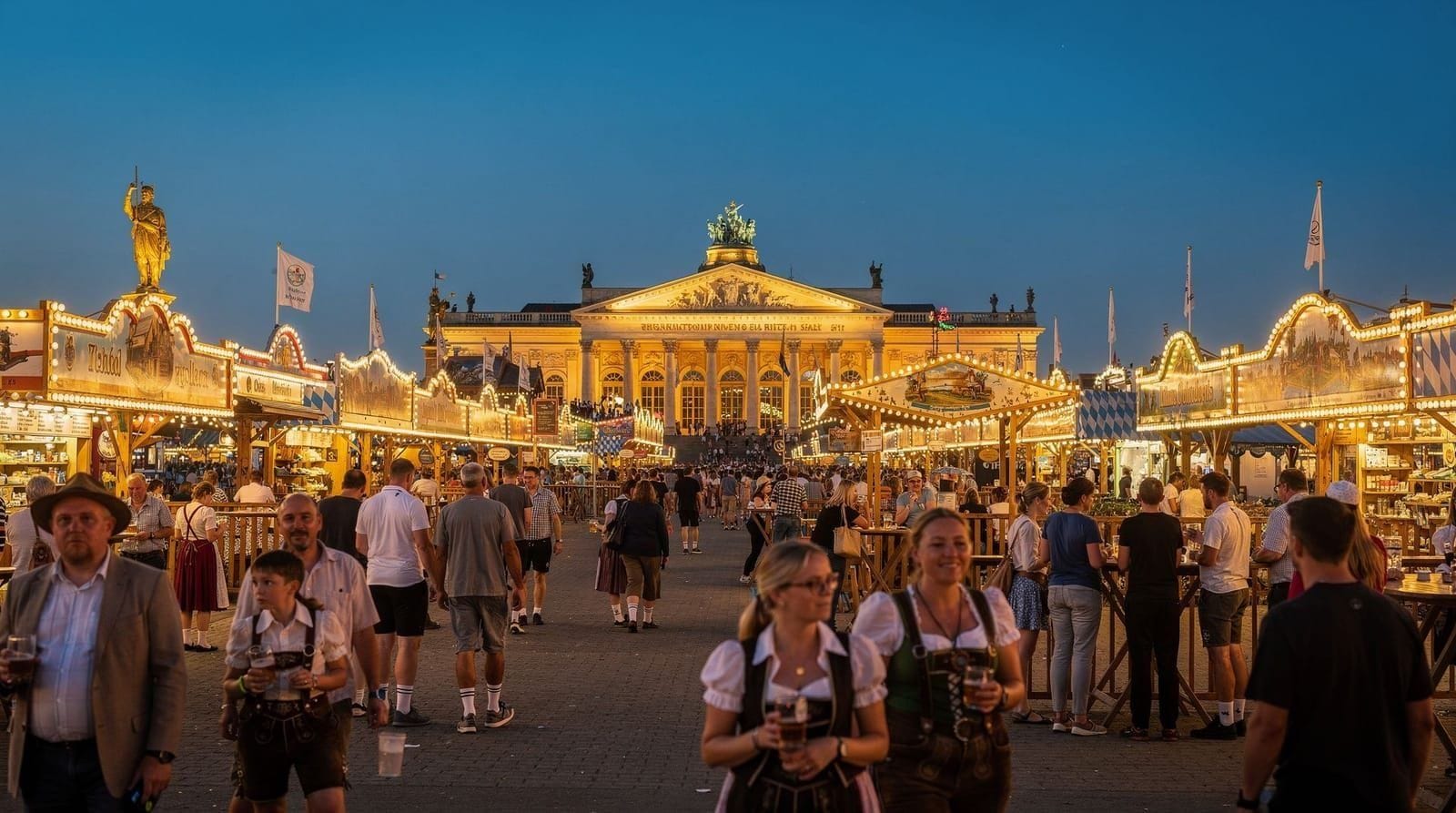
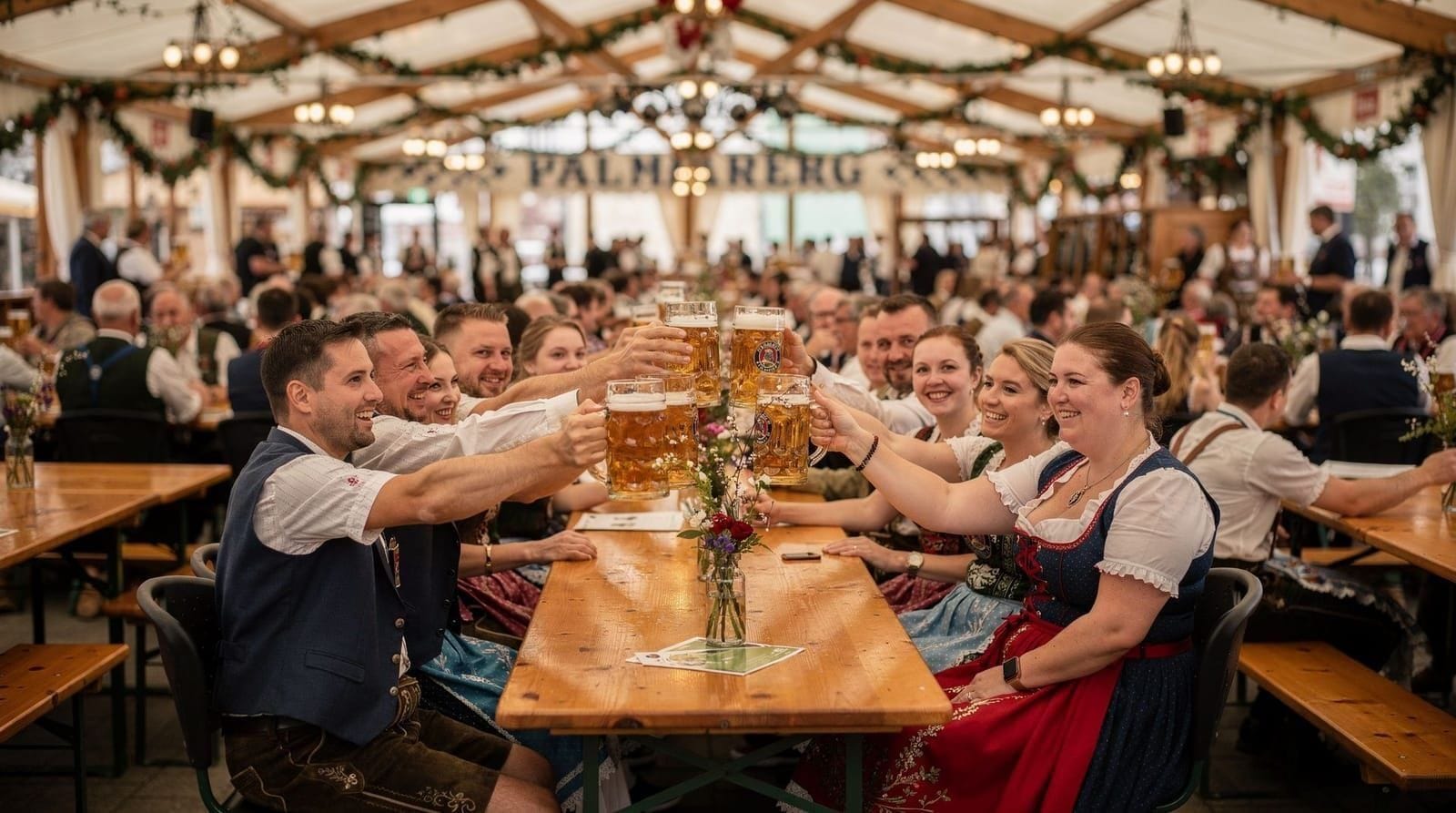
Oktoberfest (2026 dates: September 19 – October 4) offers its own unique beer tasting opportunity — all six Munich breweries produce special Oktoberfest Märzenbier exclusively for the festival, and comparing them across different tents is a rewarding exercise for beer enthusiasts.
The Märzenbier style (amber, 5.8–6.5% ABV, slightly sweeter and fuller than Helles) was the original Oktoberfest beer. Today’s versions vary by brewery in subtle ways — Augustiner’s is generally considered the most elegant, Paulaner’s slightly rounder, Hofbräu’s more assertive.
A Maß at Oktoberfest 2026 costs approximately €14–15. For a structured approach to the tents with reserved seating and food:
The best time for Oktoberfest guide covers tent-by-tent strategy and how to manage the crowds.
Starkbierfest and seasonal beer tours
March is an excellent time to visit Munich for beer enthusiasts specifically because of Starkbierfest — the strong beer season centred on Nockherberg and the Paulaner Salvator tapping. The doppelbock beers available during this period are dramatically different from the standard Munich Helles and worth experiencing on their own terms.
The Starkbierfest guide covers the venues, dates, and beers in detail. The festival runs with far smaller crowds than Oktoberfest and at standard Munich beer hall prices — around €6–8 per Halbe of strong beer.
What to do after a beer tour
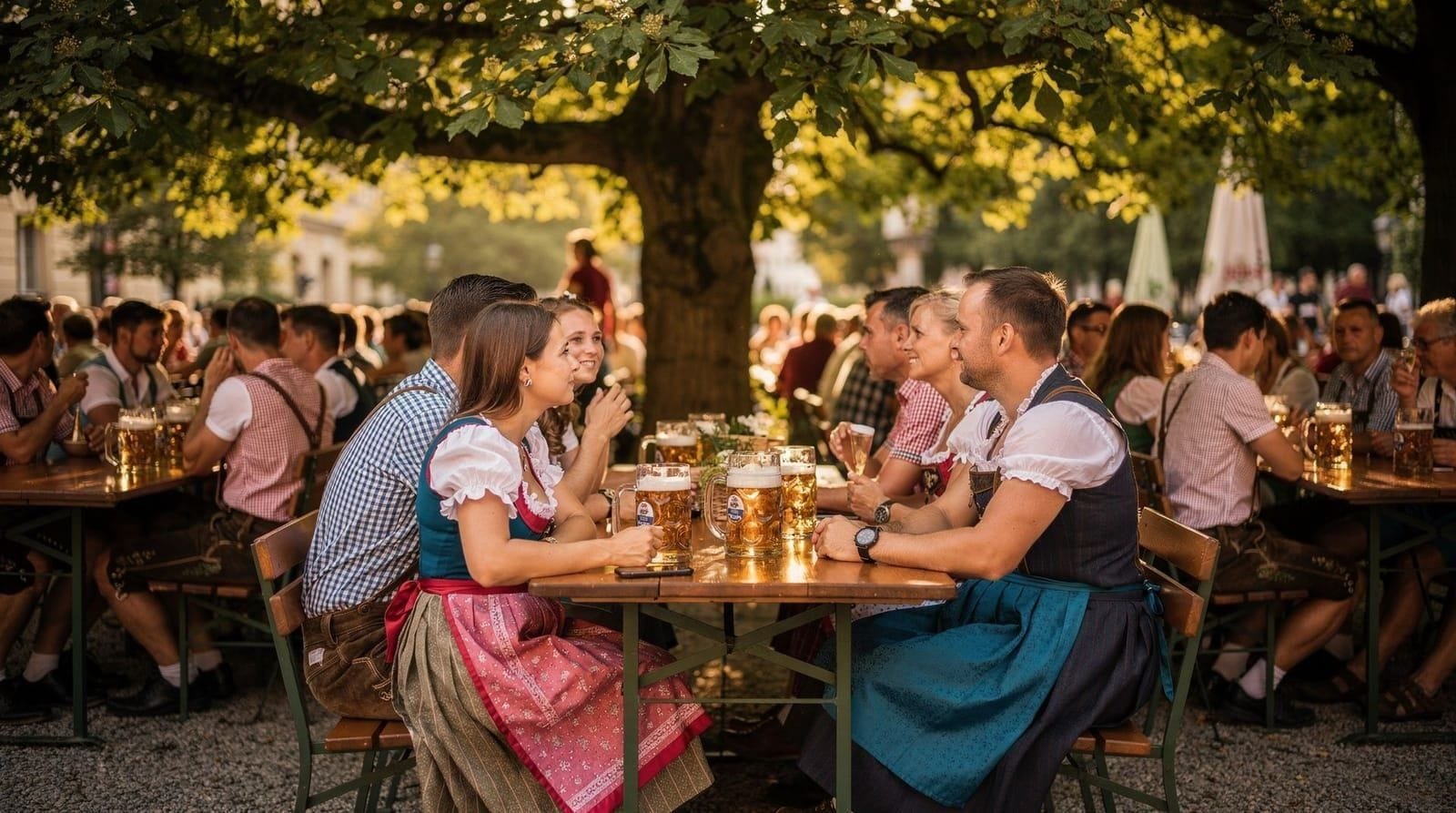
After a structured tasting, a walk along the Isar or through the English Garden helps the afternoon end well. The English Garden guide covers the Chinese Tower Biergarten, which is often included on beer tours as one of Munich’s most atmospheric beer garden experiences. It seats around 7,000 people and draws a genuine local crowd.
For post-tour dinner, the best Bavarian food guide recommends specific restaurants near the main beer hall areas — crucial if you want to eat well without paying tourist trap prices.
For planning your full trip around Munich’s beer scene, the Munich beer festivals calendar lists every major event from Starkbierfest in March through Oktoberfest in autumn.
Tour types compared
| Tour type | Cost per person | Duration | Best for |
|---|---|---|---|
| Group beer hall tour | €35–55 | 2.5–3.5 hrs | First-timers, social travellers |
| Private tour | €80–150 | Flexible | Small groups, custom routes |
| Brewery tour (Paulaner Bräuhaus) | €25–35 | ~90 min | Learning the brewing process |
| Beer and food pairing tour | €45–65 | 2.5–3 hrs | Combining tasting with a meal |
| Self-guided route | €50–70 total | Half a day | Independent travellers, own pace |
Finding a broader beer tour beyond the flagship halls
Several operators bundle beer tasting with a wider look at Munich’s food and history rather than treating it as a standalone activity. The Munich brewery tours guide covers options beyond the Paulaner Bräuhaus visit described above, and the Munich food tour guide lists combined culinary walks where beer is one element among several. If you would rather build your own route using public transport and the Munich walking tours overview, that works too — a self-guided route just requires more planning and a firmer sense of pacing.
Budgeting for a beer tour on top of your daily spend
A group beer tour at €35–55 is a meaningful add to a daily Munich budget, and worth weighing against what else that money buys. The Munich budget guide breaks down typical daily costs, which helps decide whether a guided tour or the cheaper self-guided route fits your trip better. Either way, budget separately for dinner afterward — most tours use small tasting pours rather than full meals, and the best restaurants in Munich guide has options near the main beer hall areas for a proper meal once the tour ends.
Frequently asked questions about Munich beer tasting tours
Are beer tasting tours suitable for non-beer-drinkers?
Most guided tours can accommodate non-drinkers or light drinkers — guides are generally happy to arrange water, Apfelschorle (apple juice with fizzy water), or Radler (beer mixed with lemonade, around 2.5% ABV) at stops. But honestly, a beer-focused tour without any interest in beer is not the best use of 3 hours in Munich.
What should I eat before a beer tour?
Eat a proper meal before starting. Beer tastings on an empty stomach affect you much faster, especially given Munich Helles is around 4.9% ABV. A Weißwurst breakfast or a plate of Schweinebraten is a good starting point. Most tour operators advise eating beforehand.
Do Munich beer tours run year-round?
Yes — guided beer tours operate every month, though some seasonal options (Oktoberfest tent tours, Starkbierfest-focused tours) only run during their respective seasons. Winter tours are generally smaller and more intimate, with more indoor stops.
Can I combine a beer tour with visiting the Viktualienmarkt?
Easily. The Viktualienmarkt beer garden is a natural starting or ending point for a self-guided tour, and many guided tours include it as a stop. The Viktualienmarkt beer garden guide covers what makes this particular spot worth including.
What is included in the tour price?
This varies significantly. Some tours include all tastings in the price; others include the guide but require you to pay for your own drinks at each stop. Read the listing carefully before booking. The best tours are transparent about exactly what is included.
How long do Munich beer tasting tours last?
Most group tours run 2.5–3.5 hours. Private tours can run shorter or longer depending on your preferences — some private clients request 5–6 hour tours covering 6–8 venues. Brewery tours typically run 90 minutes. Factor in recovery time if you are planning activities the next morning.
Is there a minimum age for beer tours in Munich?
German law prohibits the sale of beer to anyone under 16. Most tour operators require participants to be 18 or older. If you are travelling with older teenagers (16–17), check with the specific operator about their policy.
Is a guided beer tour better value than visiting beer halls independently?
For a first visit, usually yes — the guide’s context on the Reinheitsgebot, the six breweries and local etiquette adds real value, and the group rate is often cheaper than what you’d spend ordering the same beers independently plus a food pairing. On a repeat visit or with more time to research, the self-guided route above achieves similar results for less money.
Can I fit a beer tasting tour around a day trip like Neuschwanstein?
It’s possible but tiring — most day trips return to Munich in the evening, leaving little energy for a 3-hour tour the same night. It works better as a separate evening, ideally not immediately before or after a long day trip.
Top experiences
Bookable activities with verified prices and instant confirmation on GetYourGuide.