Best beer gardens in Munich — ranked and reviewed for 2026
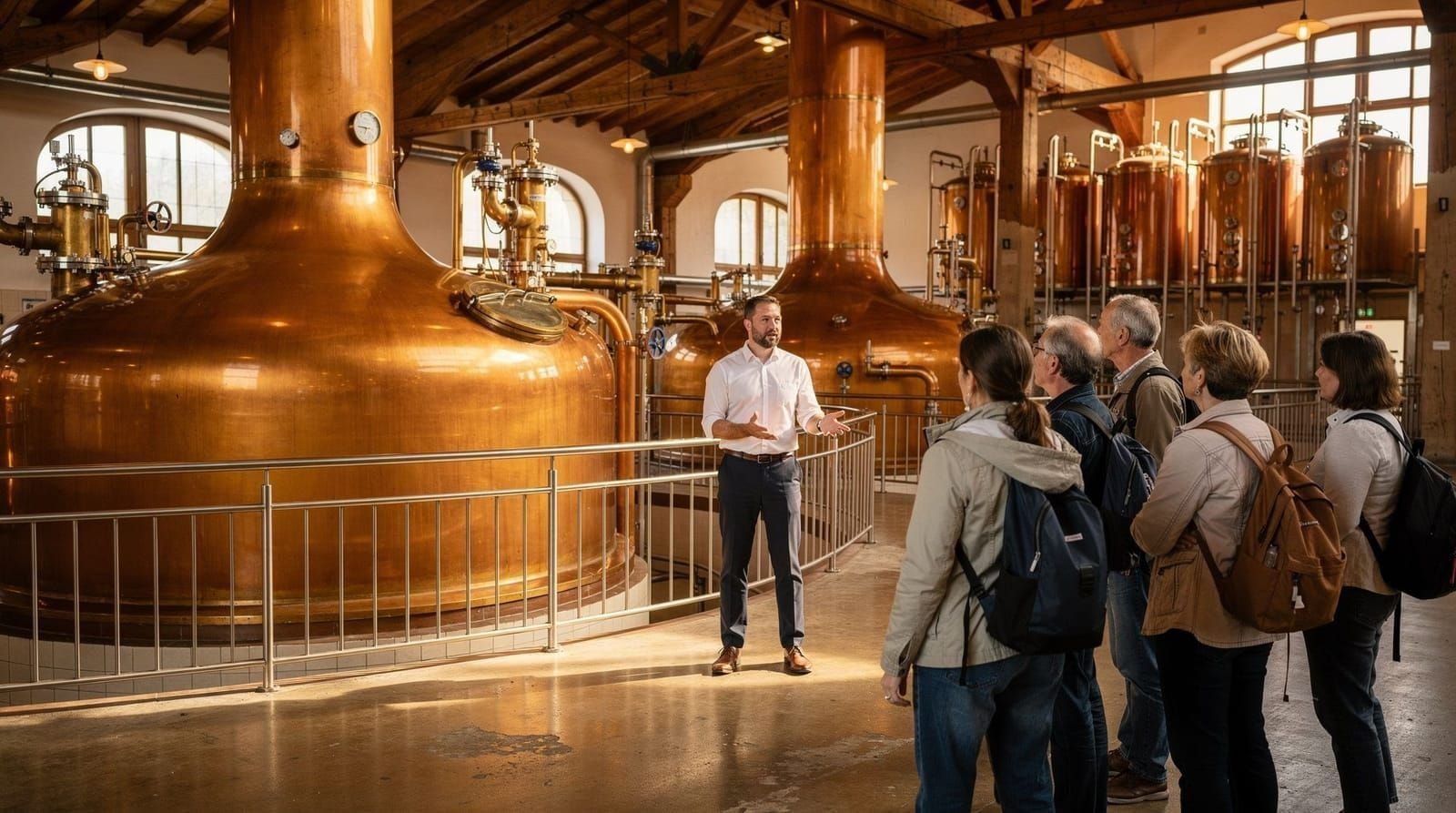
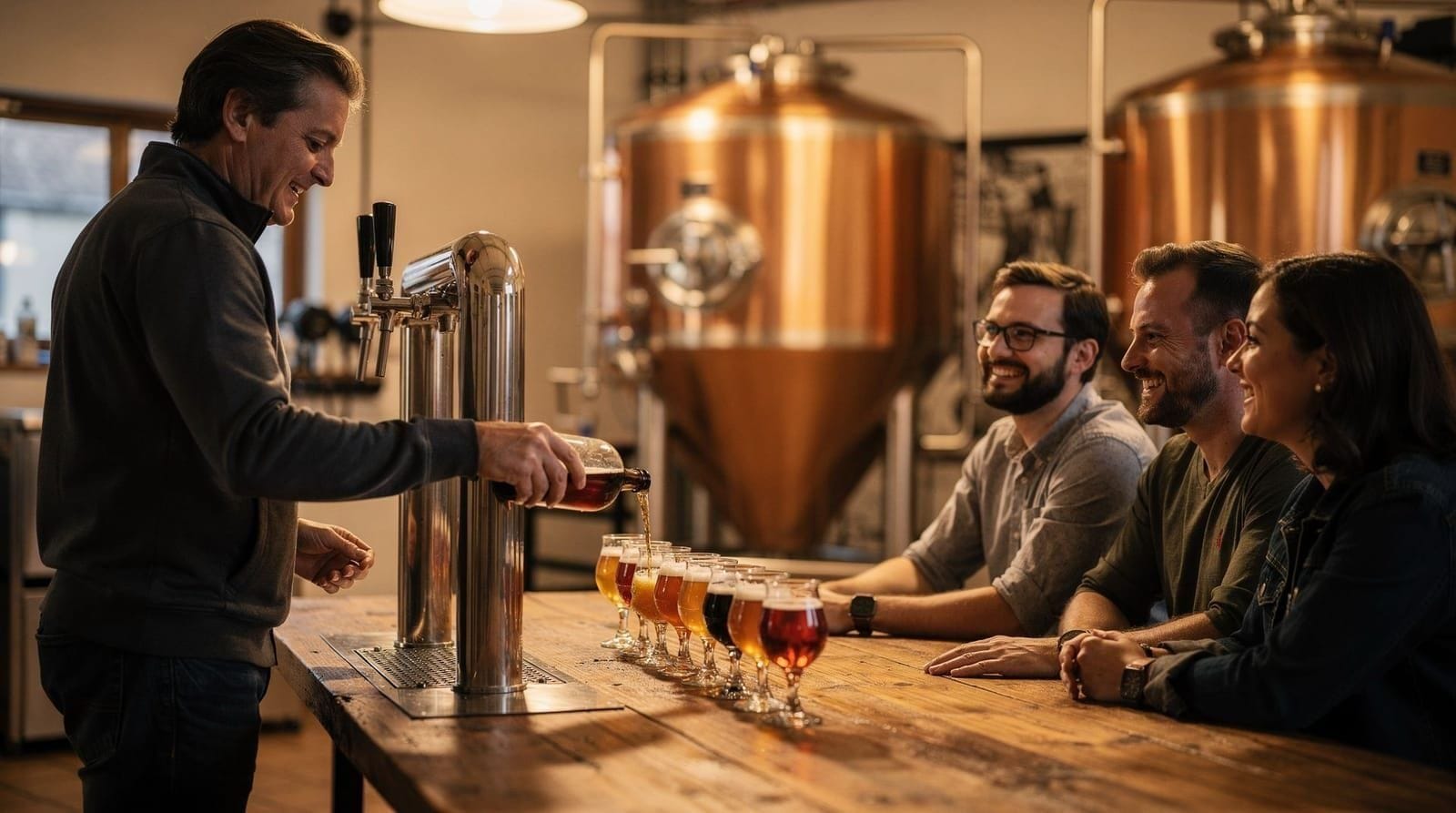
Munich: Bavarian beer walking tour with samples and food
Which is the best beer garden in Munich?
For locals, Augustiner-Keller (Arnulfstraße 52) wins every time — beloved chestnut trees, cheaper Maß at around €9–10, and a genuinely mixed crowd. For scenery, Seehaus im Englischen Garten by the lake is hard to beat. Chinesischer Turm is the most famous but the most touristy.
| Where | Across Munich, concentrated near Hauptbahnhof and the English Garden |
| Cost | Around €9–11 per Maß; bring your own food to cut costs further |
| Time needed | A full afternoon is the traditional pace |
| Getting there | S-Bahn/U-Bahn or tram to each garden’s nearest station |
| Best time | May, June and September; weekday mornings for the calmest tables |
The Bavarian tradition that makes Munich’s summer unlike anywhere else
In most cities, a beer garden is a pub with tables outside. In Munich, it’s a legal institution. A ruling from 1812 — originally passed to allow beer breweries to sell directly to the public in summer without competition from food vendors — gave Bavarians the right to bring their own food to any traditional beer garden as long as they purchased drinks there. Over 200 years later, that law still stands.
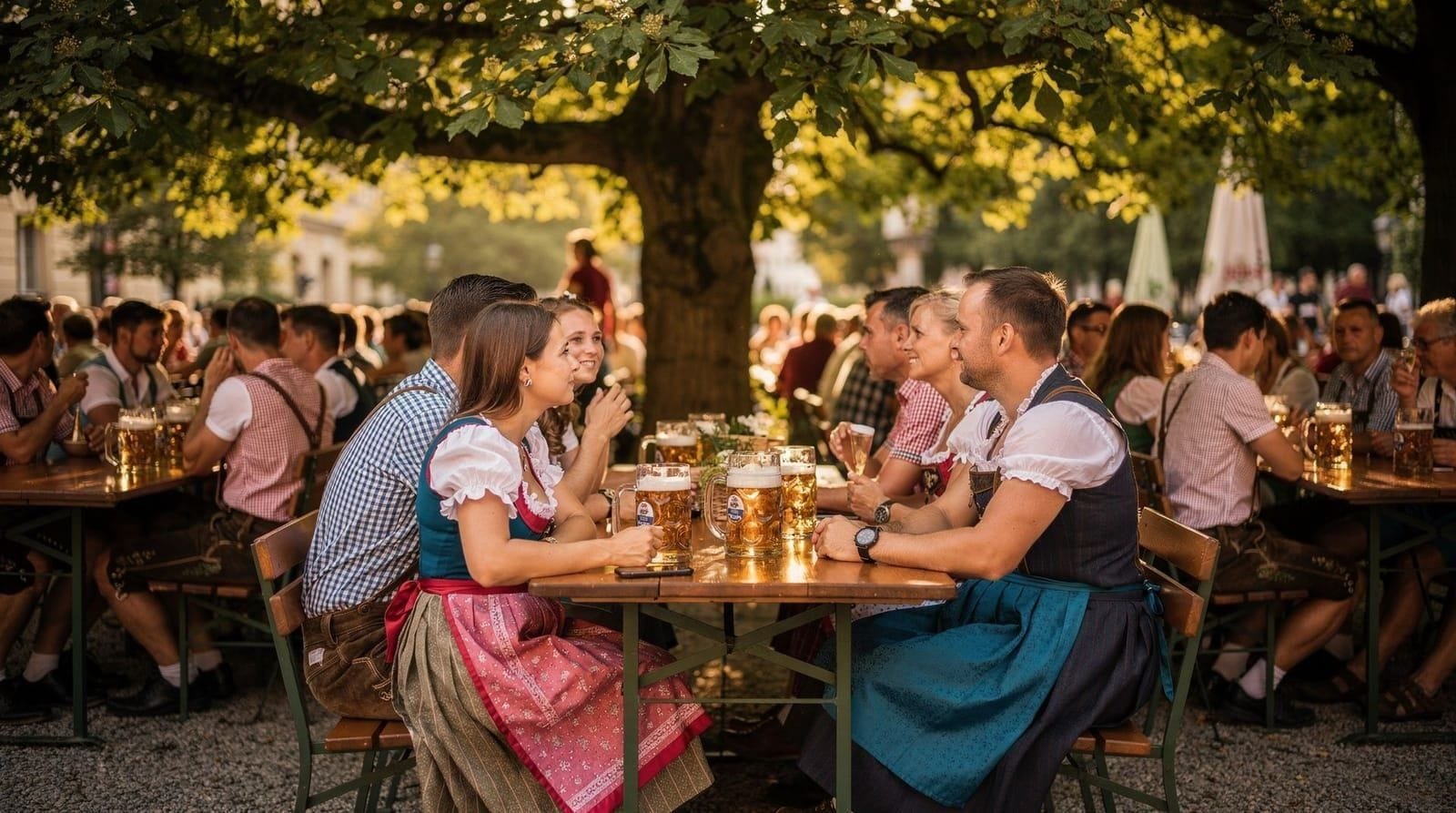
This small legal detail changes everything about the experience. On a warm Thursday afternoon, Munich families arrive at Augustiner-Keller with shopping bags of bread, sausages, radishes, and potato salad from Viktualienmarkt or the local supermarket, settle at long communal tables under ancient chestnut trees, order a round of Maß from the self-service counter, and spend two or three hours doing exactly what generations before them have done. No waiter handing over a bill before you’re ready. No pressure to order another course. Just beer, food, sun through leaves, and the particular low rumble of hundreds of simultaneous conversations.
The beer garden is Munich’s public living room in summer, and understanding it properly — which gardens to choose, what to expect, and how to behave — will make your time in the city significantly better. The Munich beer hall etiquette guide covers the shared customs of beer halls and beer gardens alike.
The self-service section and the restaurant section
Almost every large Munich beer garden has two distinct zones, and knowing the difference matters.
The Selbstbedienung (self-service) section is where the outside-food rule applies. You queue at a counter, order and pay for your beer (and any food from the garden’s own stalls), carry it to a table yourself, and sit wherever there’s space. This section is often the heart of the garden — louder, more communal, the place where strangers share tables and conversations start with “Ist hier noch frei?” (Is this seat free?). Ceramic steins are usually available to rent with a deposit.
The Bedienung (full-service) section functions more like a restaurant — a waiter brings drinks and food, outside food isn’t welcome at the table, and prices may be slightly higher. This is the right choice if you want table service, more privacy, or a full meal without the self-service queue.
At smaller gardens, there may be only one zone. At larger ones, the division is usually clearly marked.
Munich’s best beer gardens, ranked honestly
1. Augustiner-Keller — the locals’ favourite
Address: Arnulfstraße 52, 80335 Munich (near Hauptbahnhof) Capacity: 5,000 seats Beer: Augustiner (widely considered Munich’s finest brewery) Maß price: ~€9–10 Opens: Daily from around 11am in good weather, May–October
If you ask a Munich local where to take a friend visiting for the first time, the answer is almost always Augustiner-Keller. Not Hofbräuhaus, not Chinesischer Turm — Augustiner-Keller.
The reasons are clear once you’re there. The garden is anchored by massive 200-year-old chestnut trees whose canopy turns the space into something between a forest clearing and a cathedral nave. The light in the late afternoon, slanting through those leaves onto 5,000 people drinking and laughing, is the kind of thing that makes you understand why Munich residents defend their summers so fiercely.
The beer is Augustiner, and that matters. Of Munich’s six official breweries — Augustiner, Paulaner, Hacker-Pschorr, Hofbräu, Löwenbräu, and Spaten — Augustiner occupies a particular position of local loyalty. Poured here fresh from wooden barrels (gravity-fed, a method increasingly rare in Munich), it’s a step above what you’ll find poured from the standard keg system at most venues. The Augustiner Helles, the flagship pale lager, is silky and gentle, with none of the bitterness some helles beers pick up.
The self-service section runs along the west edge of the garden. Food stalls sell Brezn, Obatzda, Steckerlfisch, and Hendl. Bring supplementary food from the Viktualienmarkt or any local supermarket and you’ll eat well for minimal cost.
Getting there: 10-minute walk from Hauptbahnhof (main train station), heading north on Luisenstraße and then west along Arnulfstraße. S-Bahn to Hauptbahnhof from the centre or airport.
The comparison between Augustiner and Hofbräu — two breweries with very different images — is laid out in the Augustiner vs Hofbräu guide.
2. Hirschgarten — Munich’s largest, best for families
Address: Hirschgartenallee 1, 80639 Munich (Neuhausen-Nymphenburg) Capacity: 8,000 seats — the largest beer garden in Munich Beer: Augustiner Maß price: ~€9 Opens: Daily from around 11am, May–October
Hirschgarten translates as “deer garden,” and the clue is in the name. Adjacent to the beer garden is a free deer enclosure — a historic royal hunting ground that now houses fallow deer and stags behind a fence you can lean against while your children stare at the animals and your Maß sits on the table behind you. For families, this combination of outdoor space, animals, and beer garden culture makes Hirschgarten the standout choice.
At 8,000 seats spread across a wide, parkland setting, Hirschgarten rarely feels as crowded as its numbers suggest. The trees are younger than Augustiner-Keller’s but the garden is so large that even on a sunny weekend afternoon you can find space without queueing. The atmosphere is relaxed and local — this is deep in the Neuhausen residential district, not on any tourist trail.
Augustiner beer here is served from the standard keg system rather than the wooden barrels at the Keller, but it’s still excellent and among the cheapest Maß you’ll find at a major Munich garden.
Getting there: S-Bahn to Laim (S3, S4, S6, S8), then a 12-minute walk north through the park. Or tram 12 or 16 to Romanplatz, then 10 minutes on foot east.
3. Chinesischer Turm — the most famous, most photographed
Address: Englischer Garten 3, 80538 Munich (English Garden, Schwabing) Capacity: 7,000 seats Beer: Hofbräu (HB) Maß price: ~€10–11 Opens: Daily from around 10am, May–October
The Chinesischer Turm (Chinese Tower) is a five-storey wooden pagoda built in 1789 by court architect Joseph Frey, inspired by a tower in Kew Gardens in London. It survived the Second World War largely intact, was rebuilt in the early 1950s after fire damage, and today stands at the centre of the English Garden’s most popular beer garden — a place that attracts equal numbers of Munich families and international visitors.
The setting is undeniably beautiful. You’re deep inside the English Garden, Munich’s 900-hectare central park, surrounded by open grassland and towering trees. The brass band that plays in the pagoda’s lower level on summer afternoons adds an authentic oompah soundtrack that you’ll hear before you see it. There are 7,000 seats across a sprawling self-service and restaurant setup, and on a summer Saturday it will be heaving.
Be honest with yourself about what you’re walking into: Chinesischer Turm is the most touristy of Munich’s major beer gardens. Prices reflect the location premium. The English-speaking crowd around you on a busy day will be substantial. None of this ruins it — the physical environment is genuinely magnificent — but manage expectations if you’re hoping for an insider Munich experience.
Weekday mornings (from 10am, Tuesday through Friday) are the sweet spot: locals bringing their dogs, retirees with newspapers, a refreshed garden that hasn’t yet built up to afternoon capacity.
Getting there: U3 or U6 to Münchner Freiheit, then a 15-minute walk through the garden. Or bus 54 or 154 to Chinesischer Turm directly. From Marienplatz, the walk through the old town and up to the English Garden takes around 35 minutes and is itself a pleasant route — covered in the English Garden guide.
4. Seehaus im Englischen Garten — best setting in the city
Address: Kleinhesseloher See 3, 80802 Munich (English Garden, Schwabing) Capacity: ~2,500 seats (garden and restaurant combined) Beer: Spaten Maß price: ~€10–11 (self-service), restaurant prices higher Opens: Daily from around 11am, May–October
If beauty matters more than price, Seehaus wins. The garden sits directly on the edge of Kleinhesseloher See, the lake at the northern end of the English Garden, with views across the water to weeping willows and open sky. In the evening, when the light turns golden and the ducks drift past, it’s the most visually satisfying beer garden in Munich by some margin.
This beauty comes at a cost. The full-service restaurant section at Seehaus is a proper restaurant — white table linen, printed menus, and prices to match. The self-service beer garden section outside is more reasonable, but still a notch above Augustiner-Keller or Hirschgarten. Factor in the detour to the northern part of the English Garden (a 25-minute walk from Chinesischer Turm, or bus 144 to Seehaus) and Seehaus makes most sense as an afternoon-into-evening destination rather than a quick stop.
The Spaten beer served here is solid — Spaten Münchner Hell is one of the originals of the Munich helles style, light and straightforward. Spaten is owned by AB InBev today, which some Munich beer purists note with disapproval, but the beer itself remains good.
5. Viktualienmarkt beer garden — most central, most rotating
Address: Viktualienmarkt 3, 80331 Munich (city centre, near Marienplatz) Capacity: ~400 seats Beer: Rotates through all 6 official Munich breweries by season Maß price: ~€9–10 Opens: Monday–Saturday, approximately 10am–8pm (weather-dependent)
The Viktualienmarkt beer garden is unique in Munich: it rotates through all six official Munich breweries — Augustiner, Paulaner, Hacker-Pschorr, Hofbräu, Löwenbräu, and Spaten — across the calendar year, with each brewery given a season of months to pour. This means the beer on offer changes several times a year, and regulars track which brewery’s turn it is the way some people track which wine region is being featured at a restaurant.
At 400 seats it’s the smallest major garden on this list, but its location — surrounded by the colourful stalls of the Viktualienmarkt, Munich’s finest market — more than compensates. The market stalls are an ideal source for the outside food you can bring to the garden: cheese, smoked sausage, radishes, fresh bread, pickles, and whatever else catches your eye. A Maß from the garden and a spread from the market is one of the most pleasurable cheap lunches available in Munich.
The garden is closed Sundays and on public holidays when the market itself is closed. It’s also the most weather-sensitive of the major gardens — the relatively small footprint means it’s unusable in any real wind or rain. Check the day’s forecast before planning around it.
6. Löwenbräukeller — the grand hall’s outdoor extension
Address: Nymphenburger Straße 2, 80335 Munich (Neuhausen, near Stiglmaierplatz) Capacity: ~2,000 seats in the garden Beer: Löwenbräu Maß price: ~€9–10 Opens: Daily from around 11am, May–October
Löwenbräukeller is one of Munich’s grand traditional brewery-restaurants, built in 1883 and operating at the same address ever since. The building itself — a hulking neo-Baroque structure on Nymphenburger Straße — is impressive, and the beer garden to the rear is large, leafy, and genuinely underused by tourists (most of whom don’t know it exists).
Löwenbräu — the “lion’s brewery” — serves a clean, pale helles alongside a decent Dunkel and seasonal specials. The garden has a more traditional, neighbourhood feel than the gardens in the English Garden, and the proximity to Stiglmaierplatz (U1 or tram 20/21) makes it easy to reach without a lengthy walk.
Getting there: U1 to Stiglmaierplatz or tram 20/21 to the same stop, 5-minute walk south.
The six gardens compared
| Garden | Capacity | Beer | Maß price | Best for |
|---|---|---|---|---|
| Augustiner-Keller | 5,000 | Augustiner | ~€9–10 | Locals’ favourite, all-round pick |
| Hirschgarten | 8,000 | Augustiner | ~€9 | Families, deer enclosure |
| Chinesischer Turm | 7,000 | Hofbräu | ~€10–11 | Famous setting, oompah band |
| Seehaus | ~2,500 | Spaten | ~€10–11 | Lakeside views, evening light |
| Viktualienmarkt | ~400 | Rotates all 6 breweries | ~€9–10 | Central, market-side lunch |
| Löwenbräukeller | ~2,000 | Löwenbräu | ~€9–10 | Local, underused, traditional |
The bring-your-own-food tradition in practice
The outside-food right (colloquially called “Mitbringen” or “Brotzeit mitbringen”) is exercised freely at any traditional Munich beer garden — you’ll see it in action the moment you sit down. Some practical notes:
What to bring: Cold dishes work best — radishes, pretzel bread, Leberkäse (a cold-cut style meatloaf), hard-boiled eggs, cheese, and Obatzda are all classics. Hot food from outside the garden isn’t the norm and is awkward to manage practically.
What to buy from the garden: You must buy your drinks from the garden. Beer, soft drinks, and water are all available. At most gardens, food stalls within the garden also sell Brezn, Obatzda, grilled chicken, fish, and sausage — the quality at gardens like Augustiner-Keller and Hirschgarten is genuinely good, and there’s no obligation to bring outside food if you don’t want to.
Containers: Glass bottles are generally not allowed for outside food — bring food in containers or paper wrapping. Most gardens have plastic or stainless-steel stacking trays at the counter that customers use to carry their self-service order.
The stein deposit: At many gardens, ceramic Maßkrüge (one-litre steins) require a deposit of €1–2, returned when you hand the stein back. Some gardens use plastic cups in the self-service section during peak periods. If you want the full ceramic experience, ask specifically.
What to eat at a Munich beer garden
Even if you bring nothing from outside, most beer gardens have excellent in-garden food options. The essential Bavarian beer garden menu:
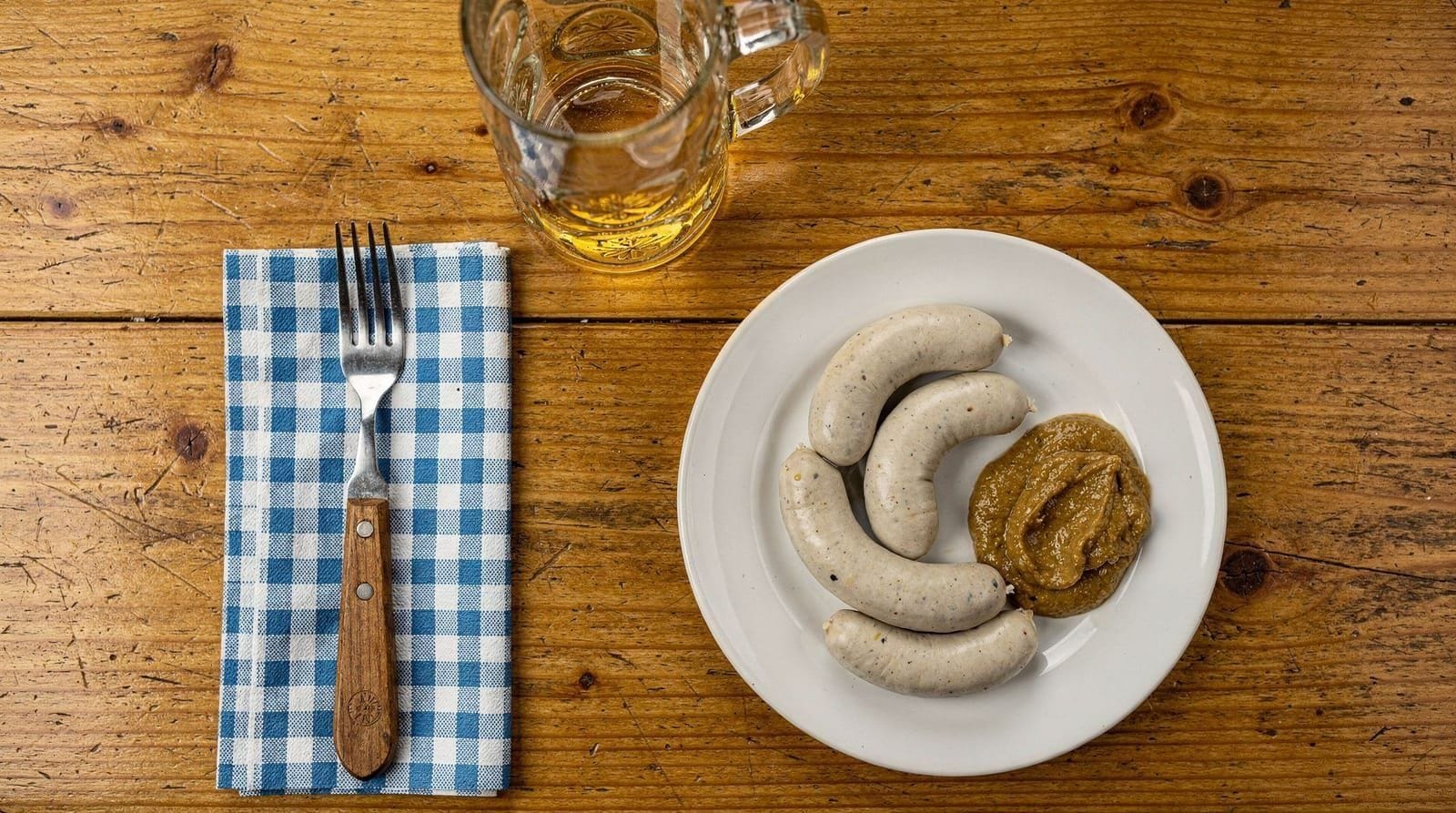
- Brezn (pretzel): The baseline. A proper Munich Brezn should be golden-brown, glossy from a lye wash, soft inside, chewy on the crust, and large enough to be used as a meal supplement. Price: €3–4.
- Obatzda: Whipped camembert or Brie blended with butter, cream, paprika, and onion. Eaten cold as a spread on Brezn. One of Bavaria’s great contributions to food culture, price €5–7.
- Steckerlfisch: A whole fish (usually mackerel or herring) threaded on a stick and grilled over open charcoal. Fragrant, crispy, and best eaten standing near the grill while it’s still hot. Price: €10–14 depending on fish size.
- Hendl (half roasted chicken): The main event at most gardens. A good Hendl has lacquered, crackled skin and juicy meat; a bad one has been sitting too long. Price: ~€12–14.
- Käsespätzle: Egg noodles tossed with melted cheese and fried onions. The vegetarian standby. Price: ~€12.
- Wurstsalat: A salad of sliced sausage, onion, and vinegar. Sharp, refreshing, perfect with beer. Price: ~€8–10.
For a guided introduction to Munich’s food and beer culture together, the Munich food and beer walking tour covers both the market and several beer institutions in a structured 3-hour format.
Getting the timing right
Munich beer gardens are seasonal and weather-dependent. The practical windows:
Best months: May, June, and September. The weather is reliably warm, crowds are significant but manageable (July–August brings peak tourist volume to gardens like Chinesischer Turm), and the evenings are long enough to arrive after work.
July–August: The busiest period, particularly at tourist-heavy gardens. Augustiner-Keller and Hirschgarten remain more local-leaning even in peak summer, but be prepared for full capacity on sunny Saturday afternoons.
Rainy days: Don’t bother. Beer gardens close the moment rain starts, and the experience of sitting under dripping chestnut trees in a rain jacket while a waitress apologetically collects your still-full Maß is not what you came to Munich for. Have a backup plan — the city’s indoor beer halls are the obvious alternative, and the Munich beer halls guide covers those venues.
Opening hours: Most gardens open around 10–11am and close at 11pm (Munich’s noise regulations mean late closing is unusual). The kitchen typically closes an hour before the garden itself.
The broader question of Munich’s best season is covered in the best time to visit Munich guide, and the Munich beer festivals calendar lists all the seasonal drinking events from Starkbierfest in March through to the autumn beer season.
Making the most of a beer garden day
A Munich beer garden visit works best as part of a full afternoon rather than a rushed half-hour stop. The ideal format:
- Arrive early (from 11am on weekdays, before noon on weekends) to secure a table in the self-service section
- Get your first Maß from the counter — the queue is fastest right at opening
- Settle, eat (whether from the garden’s stalls or food you’ve brought), and let the afternoon happen at its own pace
- If you want to see multiple gardens, Augustiner-Keller and Löwenbräukeller are both walkable from Hauptbahnhof and could form a relaxed afternoon route; the Munich walking tours guide includes a beer-focused routing option
For visitors who want expert guidance through Munich’s beer landscape rather than navigating alone, the Bavarian beer walking tour with samples covers the cultural context, the etiquette, and the beer itself across a morning or afternoon.
Those interested in the evening beer-and-food culture — including a visit to the Oktoberfest Museum and a multi-course Bavarian dinner — will find the Bavarian beer and food dinner with Oktoberfest Museum visit covers ground that goes well beyond a standard garden visit.
Beer gardens and the Munich budget
Munich is an expensive city by German standards, but the beer garden tradition is one of the few experiences here that genuinely rewards a tight budget. At Hirschgarten or Augustiner-Keller, a one-litre Maß of excellent beer costs less than €10, and the outside-food right means you can bring a full meal from Aldi or Lidl (both within walking distance of any major garden) for under €5. A complete beer garden afternoon — beer, food, and several hours of Munich summer — can be done for €15–20 per person.
The Munich budget guide covers accommodation and transport alongside food and drink, for those planning a cost-conscious trip.
Combining a beer garden with the rest of your day
Most of these gardens sit close enough to other Munich sights that a beer garden stop rarely needs to be its own dedicated outing. Chinesischer Turm and Seehaus both sit inside the English Garden, so pair naturally with a longer park walk — the English Garden nature guide covers the park’s flora and the surfers at the Eisbach wave, both easy detours on the way to either garden. Augustiner-Keller is a short walk from the Hauptbahnhof, making it an easy stop on the way to or from a train, including day trips covered in the Bayern Ticket guide. The Viktualienmarkt garden sits inside Munich’s main food market, so combine it with a Bavarian dishes checklist crawl rather than treating it as a separate stop.
For visitors staying in Schwabing, Chinesischer Turm and Seehaus are both within easy walking distance of the neighbourhood, while those based near Hauptbahnhof or in Maxvorstadt will find Augustiner-Keller and Löwenbräukeller more convenient.
Frequently asked questions about Munich beer gardens
Can you smoke in Munich beer gardens?
Yes. Beer gardens are outdoor spaces and German smoking regulations don’t apply to them in the same way as enclosed venues. Dedicated non-smoking sections exist at some larger gardens (Hirschgarten has one) but are not universal. If smoke is a concern, choose your table position accordingly — upwind of any visible smokers.
Do Munich beer gardens accept card payments in 2026?
Most major gardens now accept card at their main counters, but cash is still the safer option, particularly for smaller self-service stalls within the garden. Bring at least €30 in cash as backup. ATMs are available near Hauptbahnhof and Marienplatz.
What is Radler and should I order it at a beer garden?
Radler (literally “cyclist”) is a 50-50 mix of beer and lemon-flavoured soda, typically around 2.5% alcohol. It’s legitimate, refreshing, and extremely popular in Munich beer gardens on hot afternoons — anyone who tells you ordering one is shameful is being a bore. Ask for “ein Radler” at any counter.
Can I reserve a table at Augustiner-Keller’s beer garden?
The self-service beer garden section at Augustiner-Keller does not accept reservations — it’s first-come, first-served. The inner restaurant (Augustiner-Keller Gaststätte) does take bookings. For the garden, arrive early on busy days. Tables marked “Reserviert” with a flag are for groups who have reserved through the restaurant side — don’t sit at those.
Are Munich beer gardens pet-friendly?
Dogs are generally welcome at Munich beer gardens and you’ll see plenty of them. Most gardens have a water bowl near the entrance or self-service area. Keep dogs on a lead and under the table during busy periods — the combination of food, bare feet, and distracted children makes it the responsible choice.
Which beer garden is best if I only have time for one?
Augustiner-Keller, without much debate — it combines the best beer, a genuinely mixed local-and-visitor crowd, and an easy 10-minute walk from Hauptbahnhof. If you are staying near the English Garden instead and don’t want to cross the city, Chinesischer Turm is the practical substitute despite being more touristy.
Can I combine a beer garden visit with Oktoberfest season?
Yes, and it’s a good idea — beer gardens stay open through September, overlapping with the start of Oktoberfest, so you can do both without extra travel. See the Oktoberfest guide for tent details and the Munich beer festivals calendar for how the beer garden and Wiesn seasons overlap.
Top experiences
Bookable activities with verified prices and instant confirmation on GetYourGuide.