Hofbräuhaus Munich — honest guide for first-time visitors
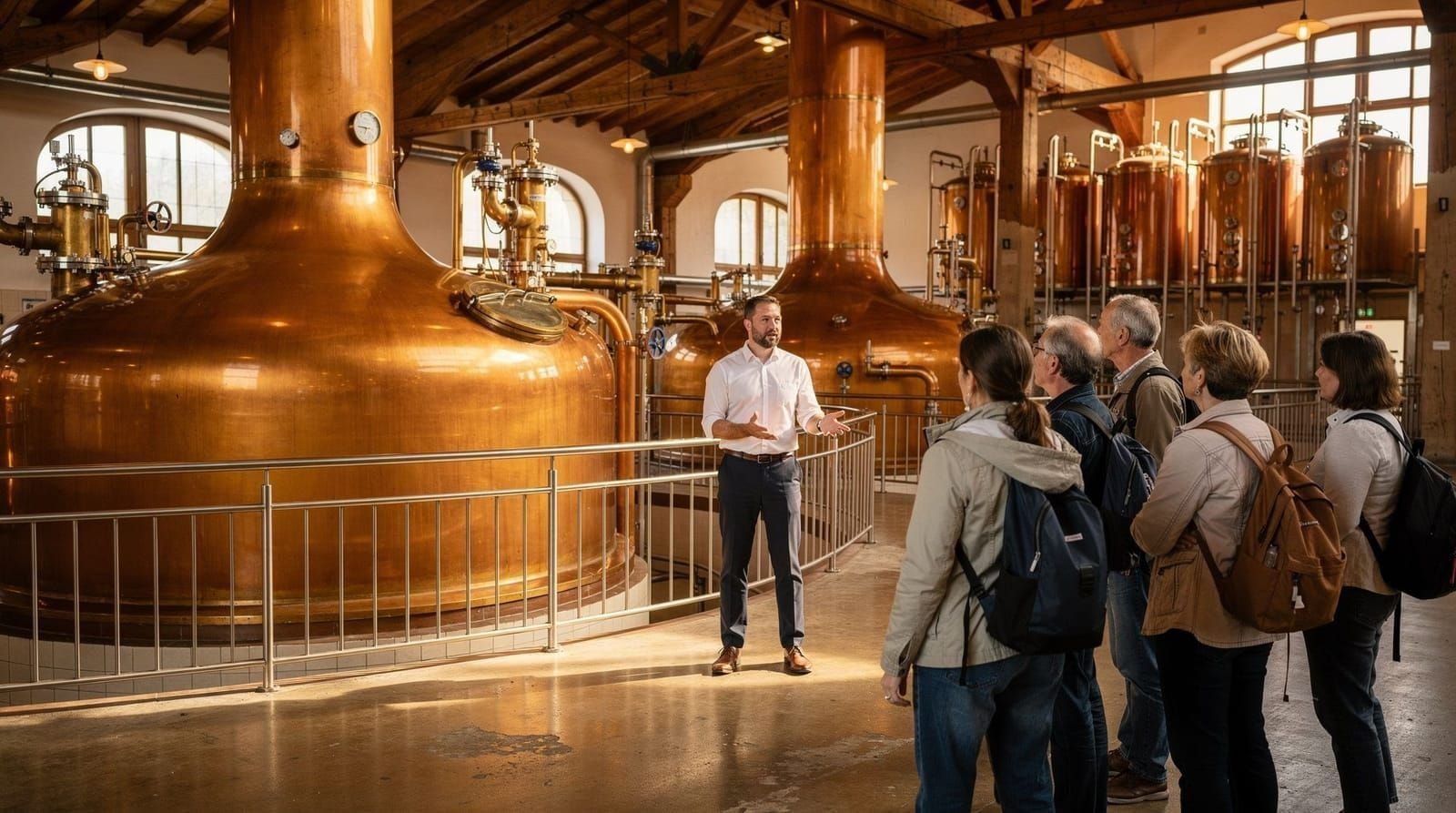
Munich: Hofbräuhaus guided tour with 1 beer
Is Hofbräuhaus worth visiting in Munich?
Once, yes — it's a genuine slice of Munich history and the sheer scale is impressive. But expect tourist crowds, €11–12 for a Maß, and a Schwemme so loud conversation is nearly impossible. Go for the experience, not for an authentic local night out.
A 437-year institution that still pulls a crowd
Few buildings in Munich carry as much history — or as many tourists — per square metre as the Hofbräuhaus. Founded in 1589 by Duke Wilhelm V as a private court brewery for the Wittelsbach royal family, it was originally built to satisfy the court’s demand for dark wheat beer without paying the hefty import costs from northern Germany. For the first two centuries of its existence, the public wasn’t invited.
That changed in 1828, when King Ludwig I opened the brewery to ordinary citizens — a democratic move that turned the HB brand into something more than a royal supplier. The current building at Platzl 9, just a 10-minute walk east of Marienplatz, dates to 1897. Designed in the Jugendstil transitional style with solid Bavarian bones, it replaced a smaller structure on the same spot and was built specifically to handle the volume of a paying public that had already grown enormous.
Today, Hofbräuhaus seats over 4,500 people across its ground floor, upper restaurants, and beer garden. On a summer Saturday evening, most of those seats are occupied — and the majority by visitors from outside Germany.
| Where | Platzl 9, 10 min walk east of Marienplatz |
| Cost | Around €11–12 for a Maß, €14–25 for a main |
| Time needed | 1–2 hours |
| Getting there | U3/U6 to Marienplatz, then walk; or U4/U5 to Odeonsplatz |
| Best time | Weekday lunchtime for a calmer visit, evening for the full spectacle |
The layout: three very different experiences under one roof
The building has distinct zones, and which one you end up in shapes your impression completely.
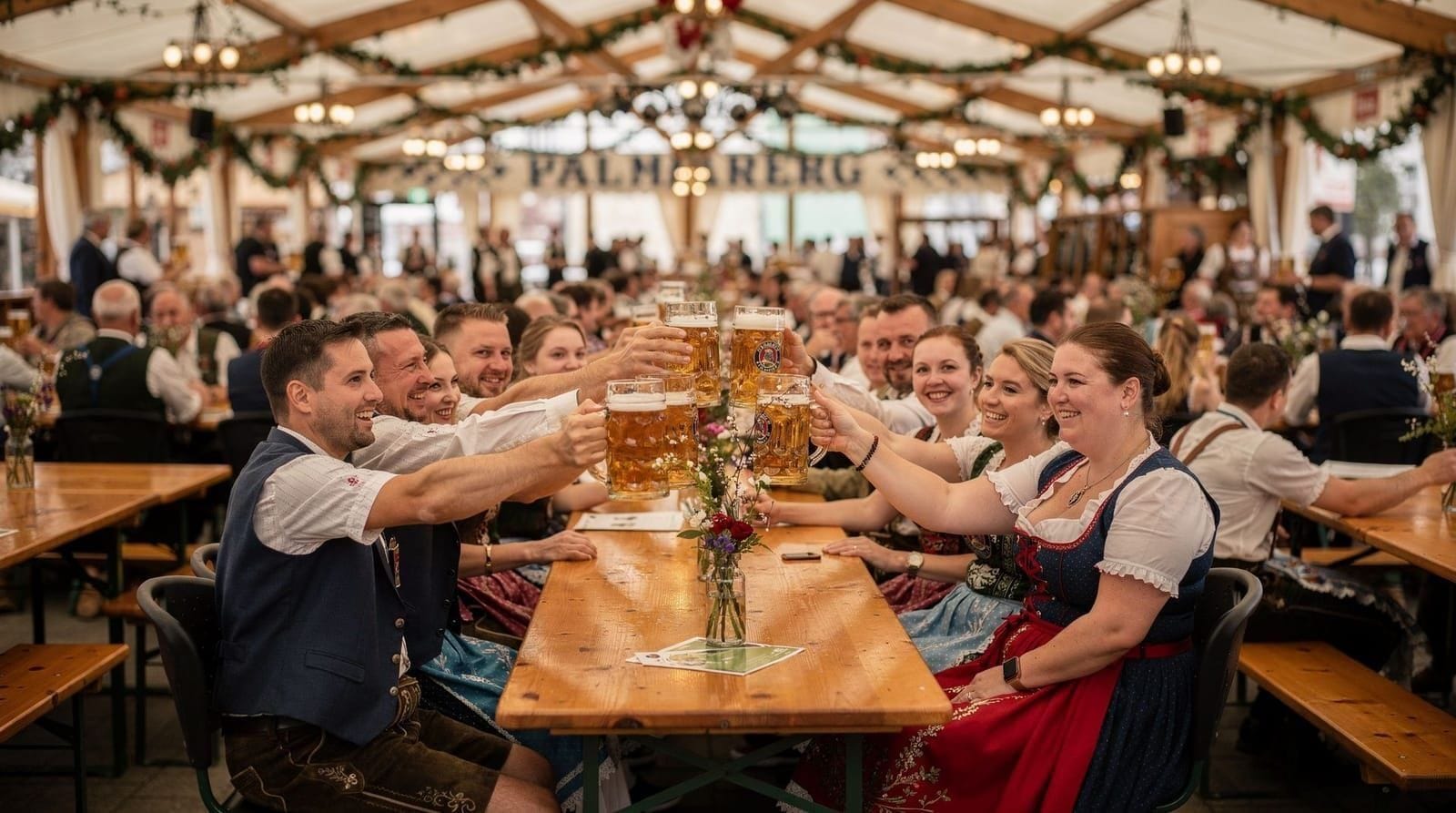
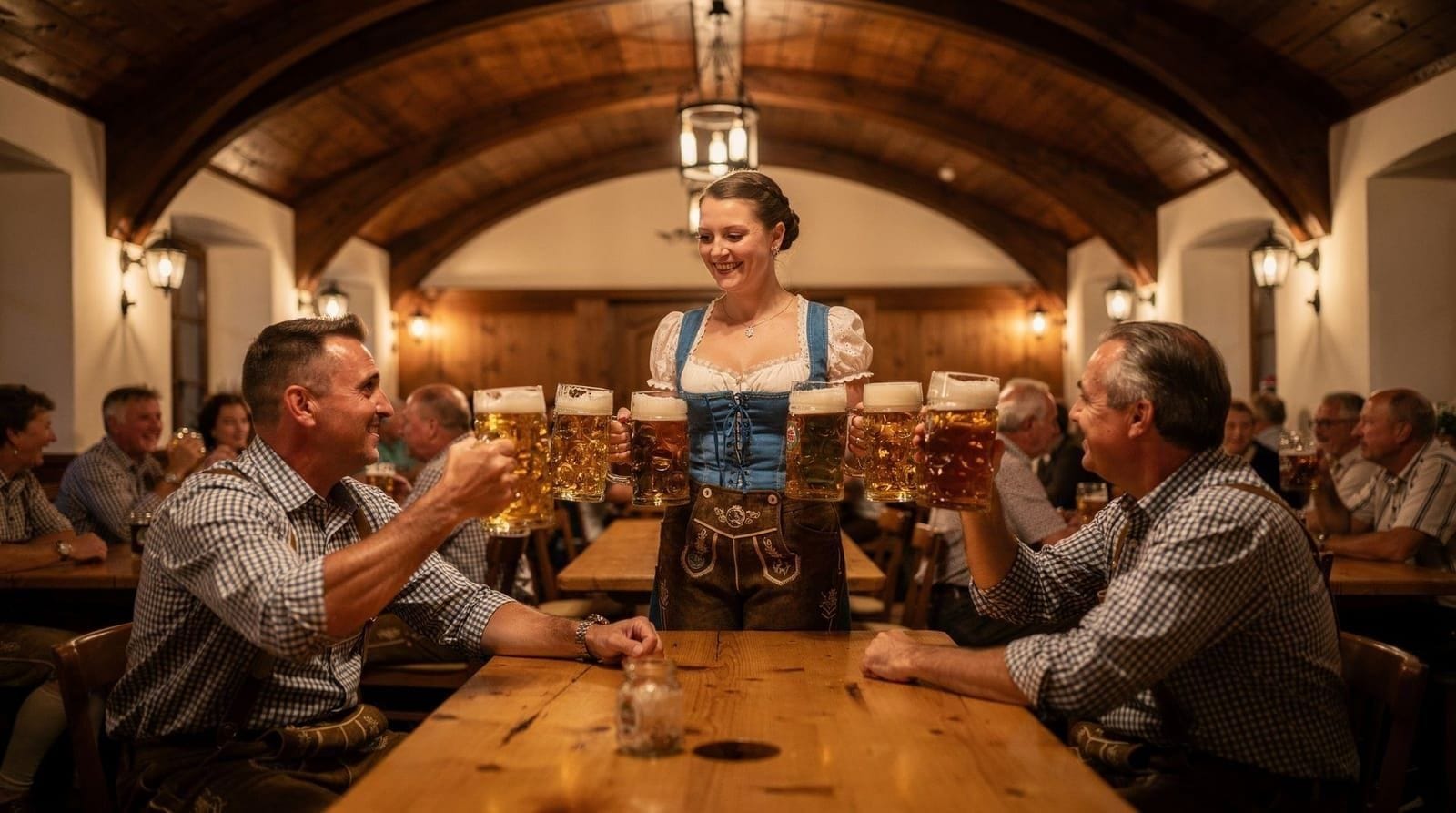
The Schwemme (ground floor) is what most people imagine when they think of Hofbräuhaus — long communal wooden tables, blue-and-white Bavarian diamond tiles on the vaulted ceiling, a brass band blasting oompah at a decibel level that makes normal conversation impossible, and walls of people clutching one-litre steins. Capacity is around 1,300 in the Schwemme alone, and it is loud in a way that must be experienced to be believed. Seating is walk-in only — waitstaff will gesture you to an open spot, and you order from them directly. This is the historic heart of the building and the most photographed room in Munich.
The upper floors host several restaurant spaces with a slightly calmer atmosphere, table service, and the ability to book ahead. The food is the same Bavarian menu you’ll find downstairs, but you can actually hear your companions speak. If you want Hofbräuhaus as a meal rather than an event, this is where to aim.
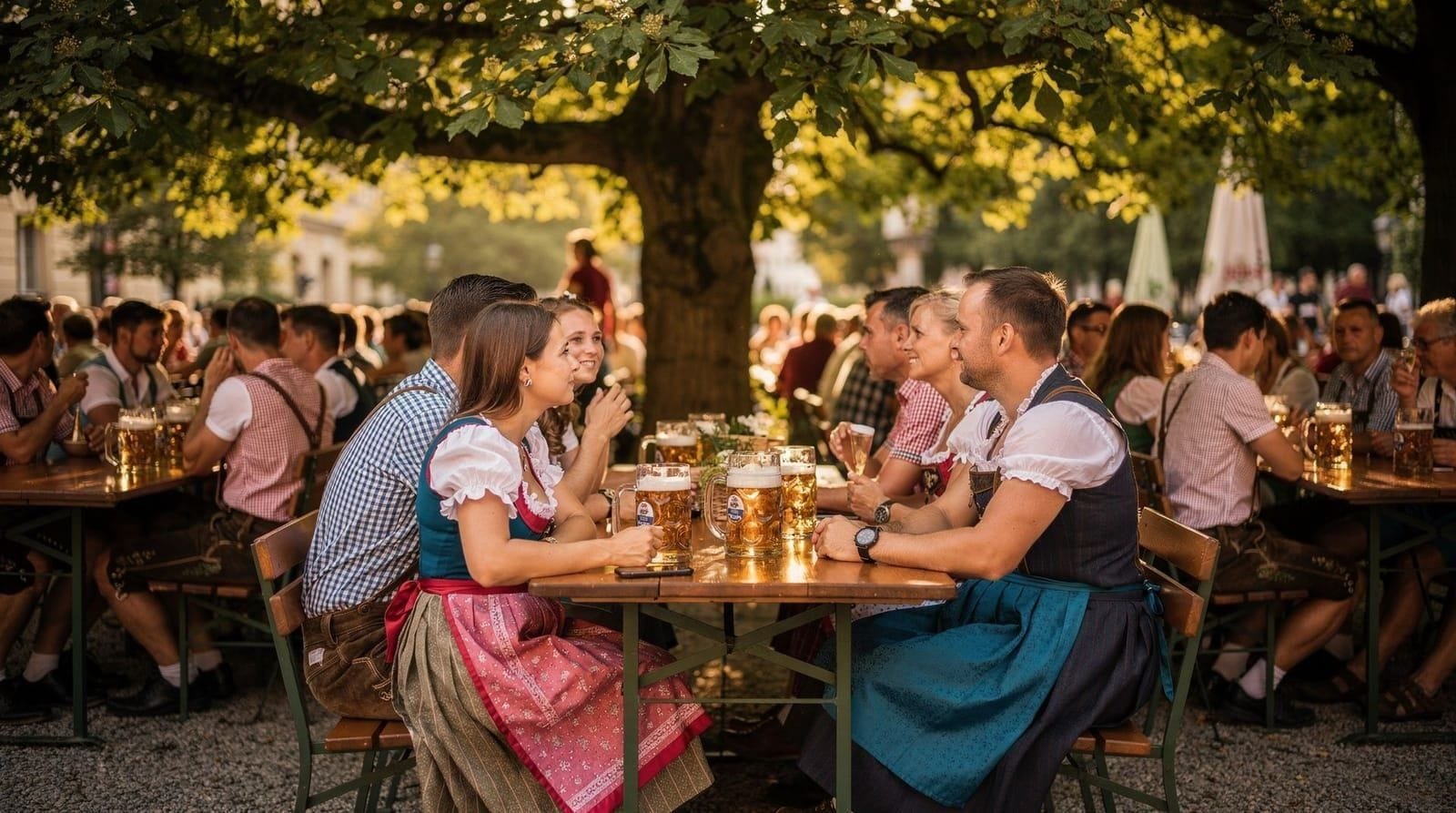
The beer garden wraps around the courtyard behind the main building and holds around 1,000 seats. Open in good weather from May through October, it’s noticeably quieter than the Schwemme, shaded by chestnut trees, and a better choice for families or anyone wanting to talk without shouting. Even here, though, the crowd skews heavily towards visitors.
Beer: only one brewery, and it costs what it costs
Hofbräuhaus serves exclusively Hofbräu München (HB) beer. There’s no switching to an Augustiner or a Paulaner — you’re in HB territory and that’s the deal.
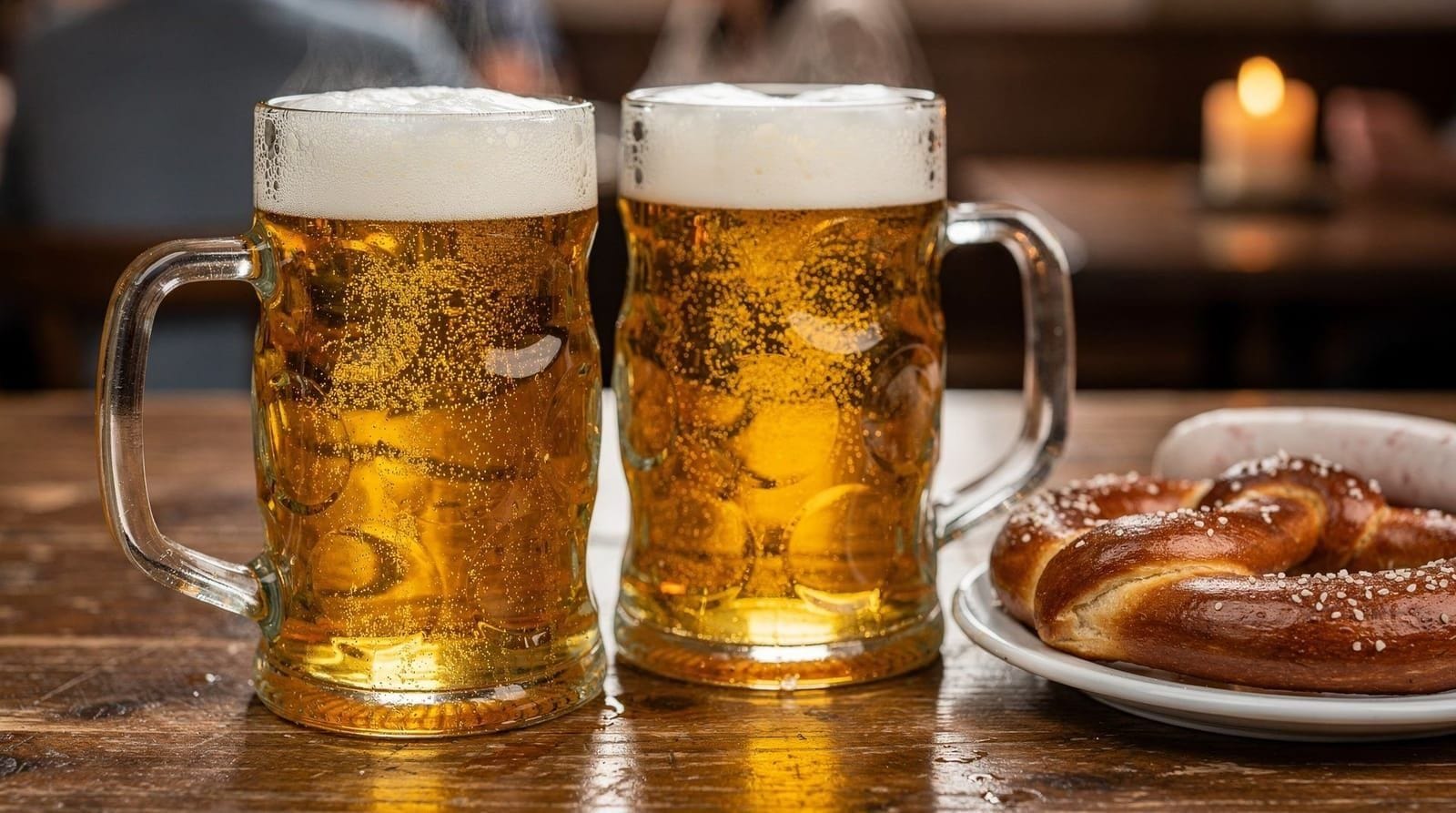
The main offering is HB Original, a 5.1% pale lager that’s clean, malty, and easy-drinking — a solid Munich helles, neither thrilling nor disappointing. Year-round, you’ll also find HB Dunkel, a dark lager with a bready, caramel edge. In summer, HB Radler (lager mixed with lemon soda) arrives. During Oktoberfest season (late September to early October), the halls pour the festival-strength Wiesn-Bier at around 6.1%, the same liquid that’s in the tents on the Theresienwiese.
Prices in 2026: a Maß (one litre) costs €11–12, depending on the beer. A 0.5-litre Halbe is around €6–7. By comparison, you’ll pay roughly €9–10 at Augustiner-Keller for the same volume — the Hofbräuhaus premium is real, and largely driven by location and footfall.
The brass band plays in the Schwemme from around 11am daily, with breaks in the afternoon. Evening sessions are the most exuberant and the most crowded. If you’ve never sat in a massive hall with a live oompah band at full volume, it’s a remarkable, slightly overwhelming thing to experience once.
Food: Bavarian classics, honest quality
The kitchen turns out reliable Bavarian standards rather than anything aspirational. Standout dishes include:
- Schweinshaxe (roasted pork knuckle, ~€22) — the flagship dish, falling-off-the-bone with crackling skin when it’s good, a bit dry when the kitchen is overwhelmed on a Saturday night
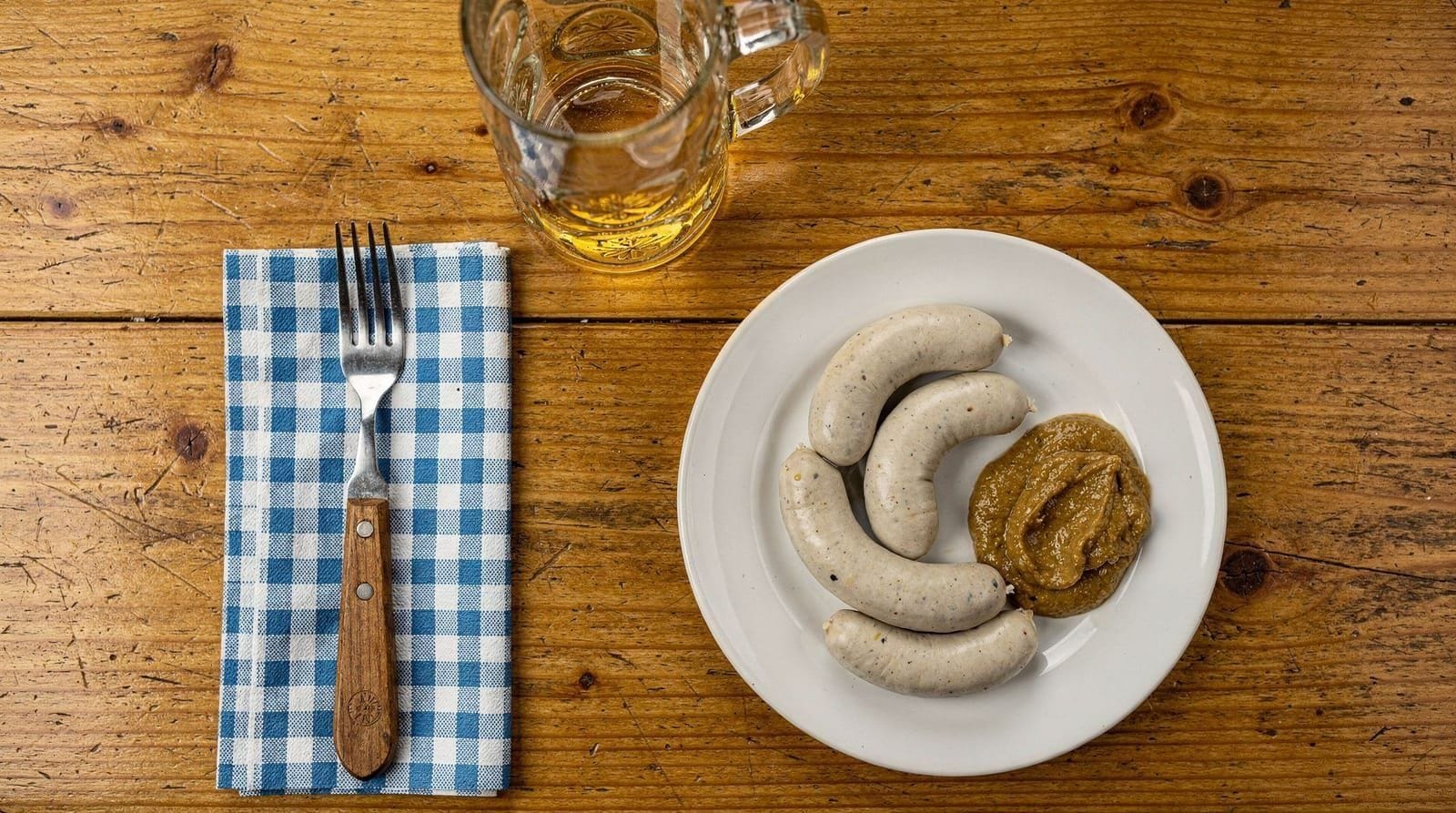
- Weißwurst (traditional white veal sausage with sweet mustard and a pretzel, ~€9 for two) — best eaten before noon, as the Bavarian tradition dictates
- Hendl (half roasted chicken, ~€16) — reliably done, a good choice for the beer garden
- Obatzda (whipped camembert-cream cheese spread, ~€8) — solid with the Brezn (pretzel, ~€3.50)
- Leberkäsesemmel (meatloaf sandwich, ~€7) — the budget-friendly option, available at the counter
Mains broadly range from €14–25. Quality is decent — this is a high-volume kitchen serving thousands of covers a day, and it shows in the consistency-first cooking. You won’t leave hungry, but you won’t be reaching for your phone to share the plate either. For more memorable Munich food experiences, the Viktualienmarkt food guide covers options within a 15-minute walk.
If you want to combine beer hall culture with a proper guided culinary experience, the private beer hall hopping tour with a 3-course menu covers multiple venues and gives better food context than arriving at Hofbräuhaus cold.
The honest tourist assessment
Let’s be direct: Hofbräuhaus is primarily a tourist venue. Munich locals — the kind who drink beer weekly — very rarely go there. The prices are too high, the crowd too anonymous, and the atmosphere too frantic for a regular Thursday evening. If you want to drink with actual Münchners, you’ll find them at Augustiner-Keller, at the English Garden’s Seehaus, or at any neighbourhood Wirtshaus that doesn’t appear in the top 10 Google results.
None of this means you shouldn’t go. It means you should go with the right expectations: this is a historical experience and a spectacle, not a neighbourhood local. The building is extraordinary. The scale is genuinely staggering. Sitting with a Maß while 1,200 other people do the same thing around you, with a brass band working through Bavarian folk standards, is something you won’t replicate anywhere else in the world. That counts for something.
For the full historical context with a guide who can explain the political and architectural significance of the building, the Hofbräuhaus guided tour with beer tasting is worth booking — you’ll understand what you’re standing in far better than if you walk in off the street.
To see more of Munich’s beer hall scene beyond Hofbräuhaus, the Munich beer halls guide covers the full picture, and the beer hall etiquette guide is useful reading before your first Maß anywhere in the city.
The Beer Hall Putsch: history you’re standing in
On the evening of 8 November 1923, Adolf Hitler and around 600 SA men surrounded and then stormed the Bürgerbräukeller, a large beer hall on the other side of the Isar (since demolished). From there, Hitler declared a national revolution. The following morning, a march through central Munich — planned to seize government buildings — was stopped by police at Odeonsplatz. Sixteen Nazis and four policemen died. Hitler fled, was arrested two days later, and was convicted of treason the following year.
While the Putsch didn’t begin at Hofbräuhaus, the building was a key National Socialist meeting place in the early 1920s. The NSDAP held a major party meeting here in February 1920, at which the party’s 25-point programme was announced. A small display inside the building acknowledges this history, though it doesn’t dominate the space.
The full context of Munich’s Third Reich history is covered at the Munich old town history guide, and the Dokumentationszentrum (Documentation Centre) near the former Führerbau on Arcisstraße 12 provides the most comprehensive account.
Getting there and practical information
Address: Platzl 9, 80331 Munich (city centre, near Maximilianstraße)
From Marienplatz: 10-minute walk east along Weinstraße, then Orlandostraße. Follow the signs for “Hofbräuhaus” — they appear at every junction in this part of the old town.
By U-Bahn: U3 or U6 to Marienplatz, then walk. Or U4/U5 to Odeonsplatz and walk south for 8 minutes.
By tram: Tram 19 to Nationaltheater (Max-Joseph-Platz), then 5 minutes on foot east.
Opening hours: Daily 9am–midnight. The kitchen opens at 9am for breakfast (Weißwurst until noon), with the full food menu from 11am.
Brass band: Plays in the Schwemme daily, typically from 11am onwards with a lunch break and then evening sessions from around 6pm–9pm. Schedules vary by season — the board near the entrance shows the day’s timings.
Reservations: The ground-floor Schwemme is walk-in only. Upper-floor restaurant rooms accept bookings via their website (hofbraeuhaus.de). During Oktoberfest weeks (late September to mid-October), all seating fills by early afternoon on weekends — arrive before 11am or expect to wait.
Accessibility: Ground floor is step-free. There is a lift to the upper floors. The beer garden has level access from the courtyard entrance.
Payment: Card and cash are both widely accepted, though the Schwemme’s fast-moving service means it’s worth having some cash ready to speed up settling your table’s tab, particularly during the busiest evening hours.
Left luggage: There is no dedicated luggage storage at Hofbräuhaus itself. If you’re passing through with bags before a train, use the lockers at Munich Hauptbahnhof rather than bringing luggage into the crowded Schwemme.
Better alternatives for a local-feeling night out
If Hofbräuhaus seems too overwhelming or too priced, here are two places that Munich residents actually favour:
Augustiner-Keller (Arnulfstraße 52, near Hauptbahnhof): The most beloved beer garden in Munich among locals, with 5,000 seats under 100-year-old chestnut trees. Augustiner beer — widely considered the best of the six official Munich breweries — flows at around €9–10 per Maß. The atmosphere is relaxed, the crowd genuinely mixed, and the kitchen solid. This is where you go if you want to understand Munich’s beer culture from the inside. More on the comparison in the Augustiner vs Hofbräu guide.
Paulaner am Nockherberg (Hochstraße 77): The original Paulaner brewery site, south of the Isar in Haidhausen. Less central, but the rooftop beer garden has panoramic city views, the beer is excellent (Paulaner Märzen in particular), and the crowd is solidly local. This is also where Starkbierfest — the “Strong Beer Festival” in March — is celebrated each year; the Starkbierfest guide covers the dates and logistics.
For a tour that covers multiple Munich beer halls in a single evening with local guidance, the 3-hour Munich beer halls and breweries tour visits the most significant venues and puts each one in context — a better introduction to the full scene than walking into Hofbräuhaus alone.
Planning your visit in context
Hofbräuhaus works best as part of a broader Munich beer itinerary, not as your only stop. If you’re following the Munich 2-day itinerary, a Hofbräuhaus visit slots neatly into Day 1’s old-town afternoon — you can arrive after visiting Marienplatz and the Frauenkirche, stay for an hour, then move on. That way you’ve ticked off the iconic experience without building your entire evening around it.
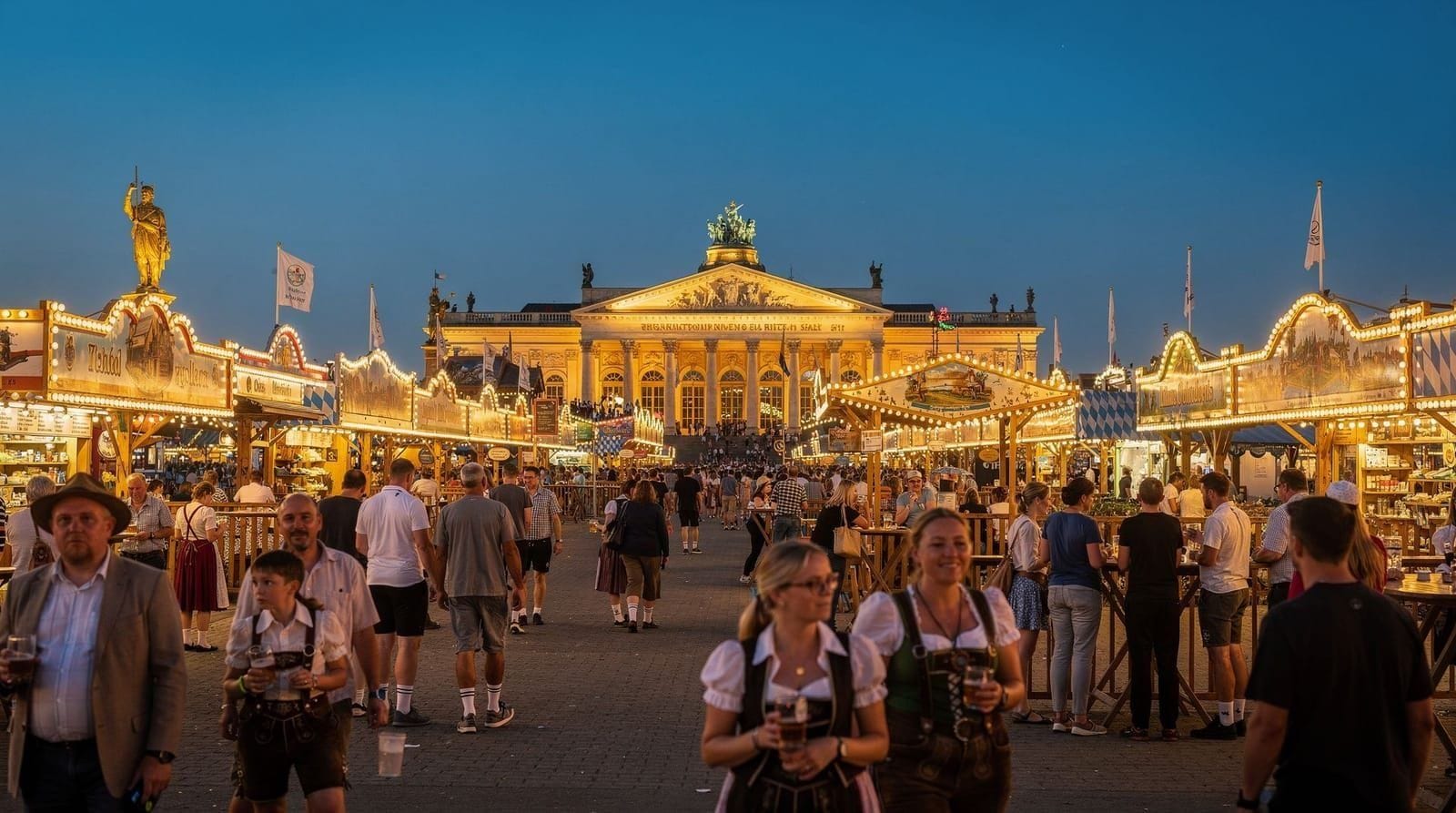
If your visit coincides with Oktoberfest (mid-September to early October), be aware that Hofbräuhaus adds the special festival beer and the crowd density increases further. The experience during Oktoberfest is both more intense and more expensive. The Oktoberfest guide covers everything you need to plan that trip, and the best time for Oktoberfest article helps you choose the right days to visit the festival tents on the Theresienwiese — which remain distinct from Hofbräuhaus itself.
For those primarily interested in exploring Munich’s brewery culture more deeply, the Munich brewery tours guide covers Paulaner, Augustiner, and the other four official breweries, and the Munich beer tasting tours page lists guided options with professional beer guides.
Hofbräuhaus versus the local alternatives at a glance
| Hofbräuhaus (Schwemme) | Augustiner-Keller | Paulaner am Nockherberg | |
|---|---|---|---|
| Crowd | Tourist-heavy | Mixed, locals-leaning | Solidly local |
| Maß price | €11–12 | €9–10 | Similar to Augustiner |
| Atmosphere | Loud, brass band, spectacle | Relaxed, chestnut-tree garden | Rooftop views, quieter |
| Best for | The historical experience, once | A genuine local beer garden night | Views plus Starkbierfest season |
Frequently asked questions about Hofbräuhaus
Is Hofbräuhaus the oldest beer hall in Munich?
No. The Hofbräuhaus site dates to 1589, which makes the brewery one of Munich’s oldest, but the current building only opened in 1897. Several other Munich venues — including Augustiner-Keller — have longer continuous histories as public drinking establishments. Hofbräuhaus is famous for its royal origins and its political history, not for being the oldest building of its type.
Can I bring children to Hofbräuhaus?
Yes. The beer garden and upper-floor restaurants are family-friendly, and children eat from the regular menu. The ground-floor Schwemme is legally open to minors but is extremely loud and can be overwhelming for young children, particularly in the evenings.
Is there a dress code at Hofbräuhaus?
No formal dress code. Lederhosen and Dirndl are always welcome and you’ll see plenty of both, but smart casual is standard. You’ll feel equally comfortable in jeans and a shirt as in traditional Bavarian costume.
How long should I plan to spend at Hofbräuhaus?
One to two hours is a reasonable visit — long enough to have a beer, eat something, soak in the atmosphere, and watch the brass band. More than two hours and you’ll likely find the noise and crowd start to wear. If you want a longer evening, plan to move on to a second venue afterwards.
Does Hofbräuhaus have a gift shop?
Yes, there’s a shop near the main entrance selling HB merchandise — branded steins, bottle openers, caps, and clothing. Prices are what you’d expect from a tourist gift shop. The steins are genuine ceramic Maßkrüge if you want a souvenir that also functions as a drinking vessel.
What happens to the Hofbräuhaus during Oktoberfest?
The Hofbräuhaus itself stays open as normal during Oktoberfest — it is not on the Theresienwiese festival grounds. However, the venue adds the seasonal Wiesn-Bier (festival-strength beer) and becomes even busier than usual, as visitors combine a trip to the festival tents with an evening at Hofbräuhaus. If you’re visiting during Oktoberfest, read the Oktoberfest scams and tips guide before you go.
Is parking available near Hofbräuhaus?
The city centre is heavily restricted for cars, and the nearest public car parks are a 10-minute walk away. Public transport is strongly recommended — the U-Bahn, tram, and bus network covers Platzl from every direction, and the S-Bahn from the airport reaches Marienplatz in around 40 minutes.
Is it worth booking a guided tour instead of walking in?
For most independent travellers, walking in works fine — the Schwemme is walk-in only regardless of whether you book a tour. A guided option adds value mainly through historical context and, in some cases, a reserved seat and included beer, which matters most during Oktoberfest weeks when seating is tightest. Hofbräuhaus guided tour with beer tasting
How does Hofbräuhaus compare to visiting during Oktoberfest itself?
They are separate experiences. Hofbräuhaus is a year-round beer hall in the city centre; Oktoberfest happens on the Theresienwiese fairground about 2km away. Many visitors do both on the same trip — Hofbräuhaus for the historic building, Oktoberfest tents for the festival atmosphere — but conflating the two leads to confusion about tickets and reservations, since Hofbräuhaus itself never requires an Oktoberfest-style table booking.
Top experiences
Bookable activities with verified prices and instant confirmation on GetYourGuide.