Munich best areas for tourists: where to focus by visit type and length
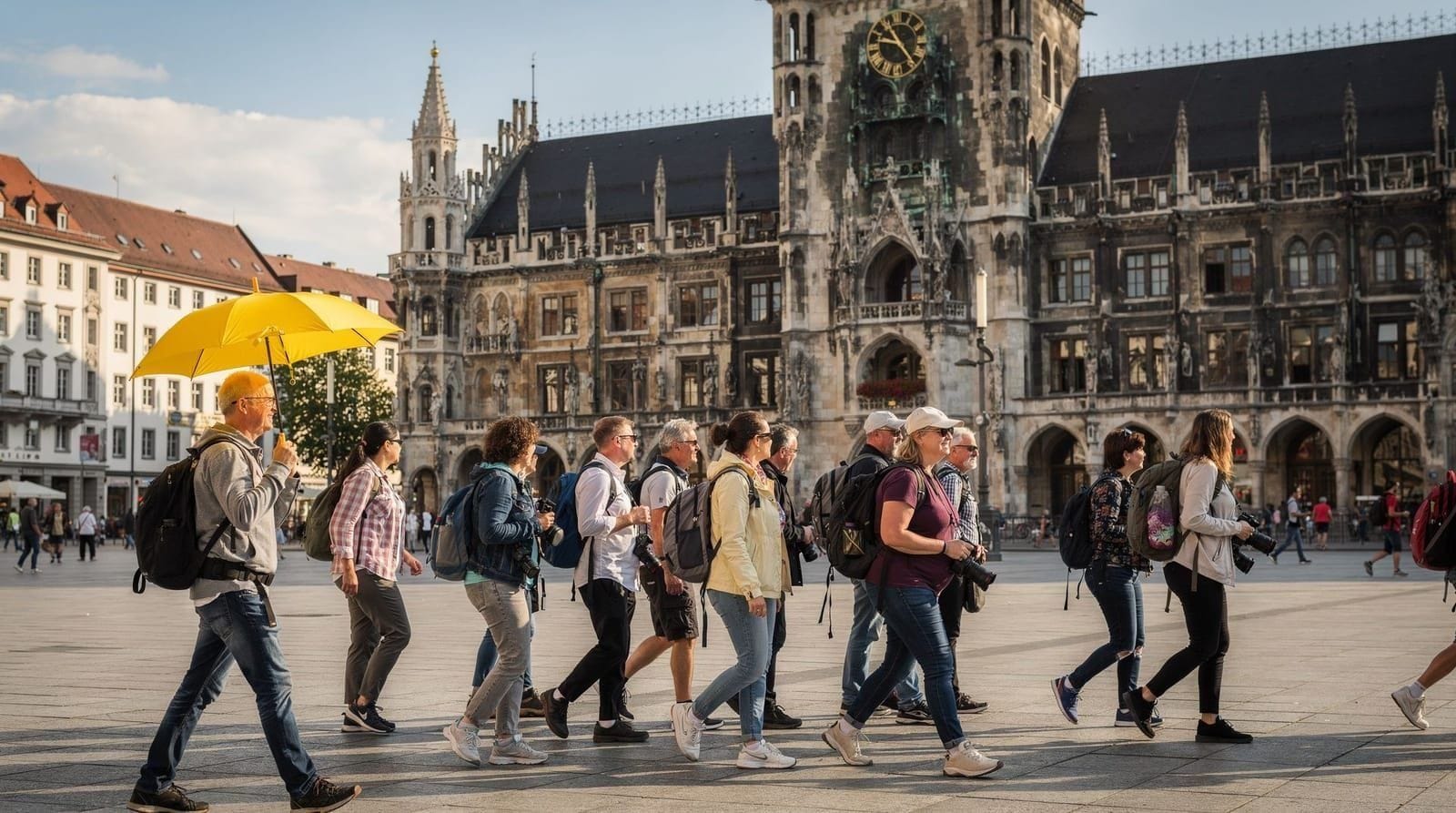
Munich: old town walking tour
What is the best area of Munich to visit as a tourist?
For a first visit of 2–3 days: focus on the Altstadt (Marienplatz, Hofbräuhaus, Residenz, Viktualienmarkt) and add Maxvorstadt (Pinakotheken) if museums interest you. For a longer or repeat visit: add Schwabing and the English Garden, the Glockenbachviertel evening scene, and Au-Haidhausen for local character. For day trips: Neuschwanstein and the Bavarian Alps are accessible from central Munich by public transport.
| Best first-visit focus | Altstadt core around Marienplatz |
| Time needed | Half a day minimum, 2–3 days for the essentials |
| Getting there | Marienplatz U-Bahn/S-Bahn hub |
| Cost | Mostly free to walk; individual sights vary |
| Best time | Weekday mornings for the busiest squares |
How to orient yourself as a first-time Munich visitor
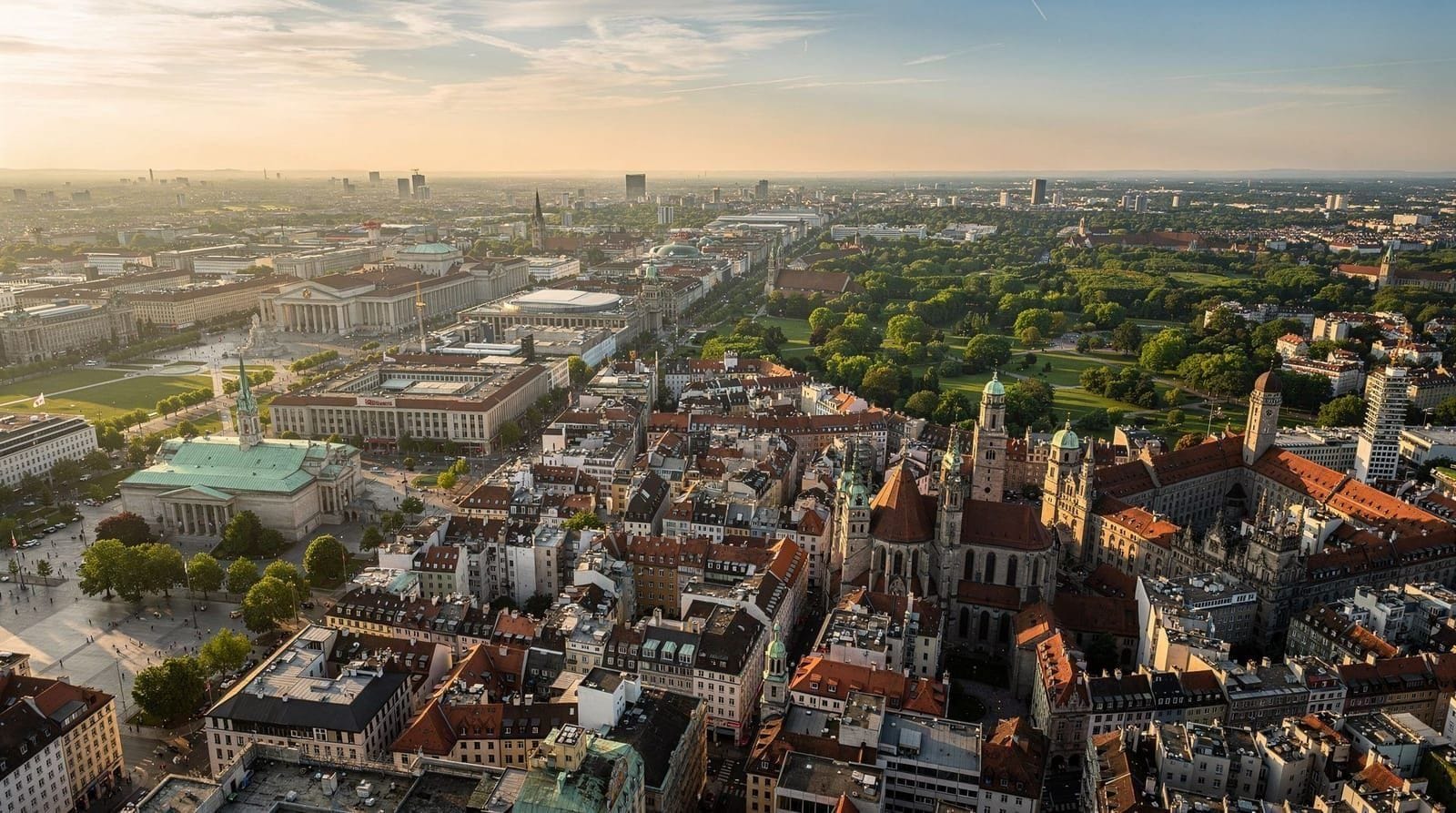
Munich is large — around 1.5 million people in the city proper, 2.9 million in the greater metropolitan area — but its tourist-relevant areas are concentrated and well-connected. The practical challenge is not finding things to do but prioritising them. Most visitors have more options than time.
This guide is organised by visit type and trip length rather than by exhaustive inventory of every district. For a comprehensive district-by-district overview, see the Munich neighborhoods overview.
For a 1–2 day first visit: the Altstadt core
A one-day visit to Munich should concentrate entirely on the Altstadt. Everything else requires more time to do properly. Within the Altstadt, the non-negotiable stops are:
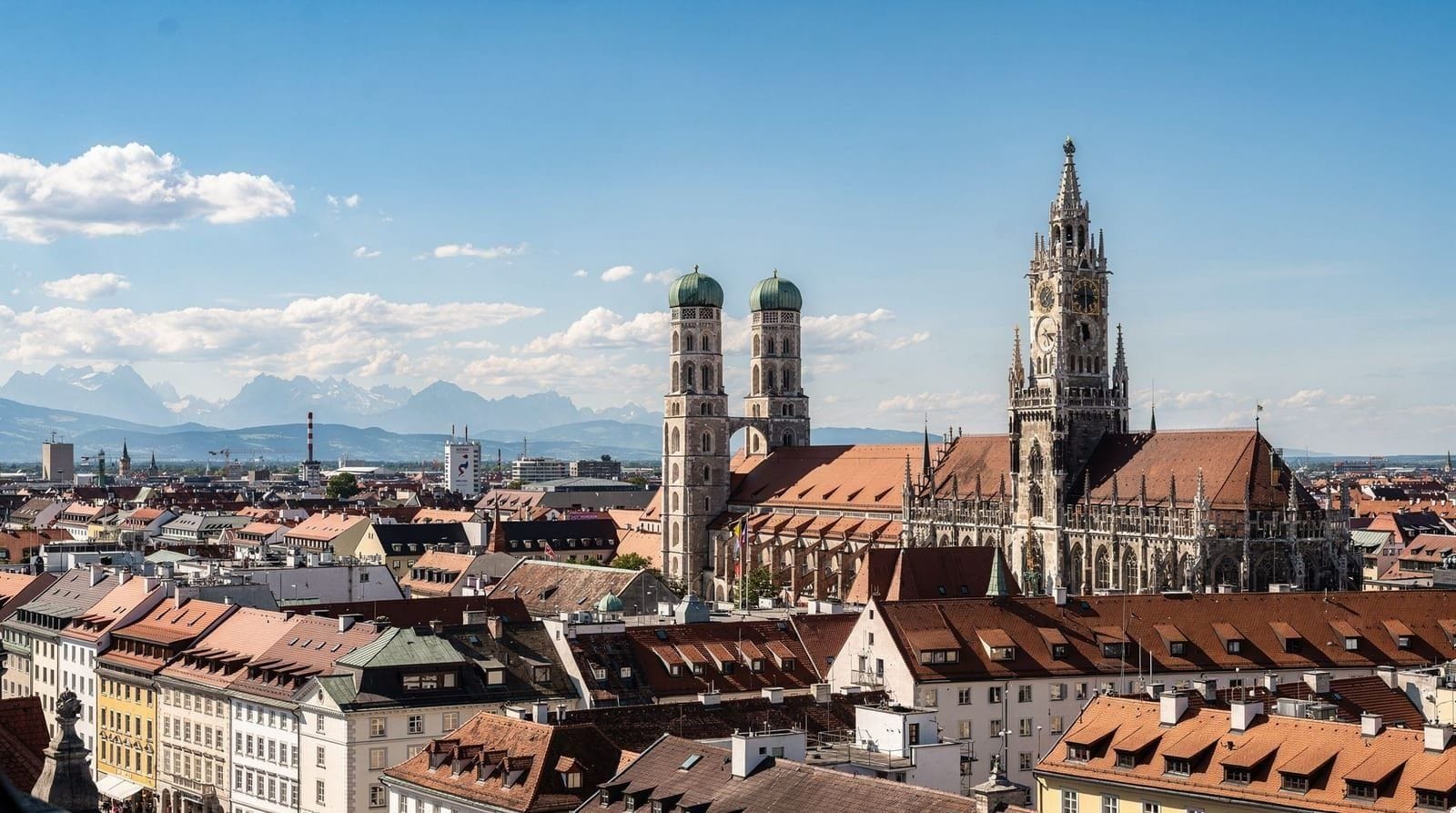
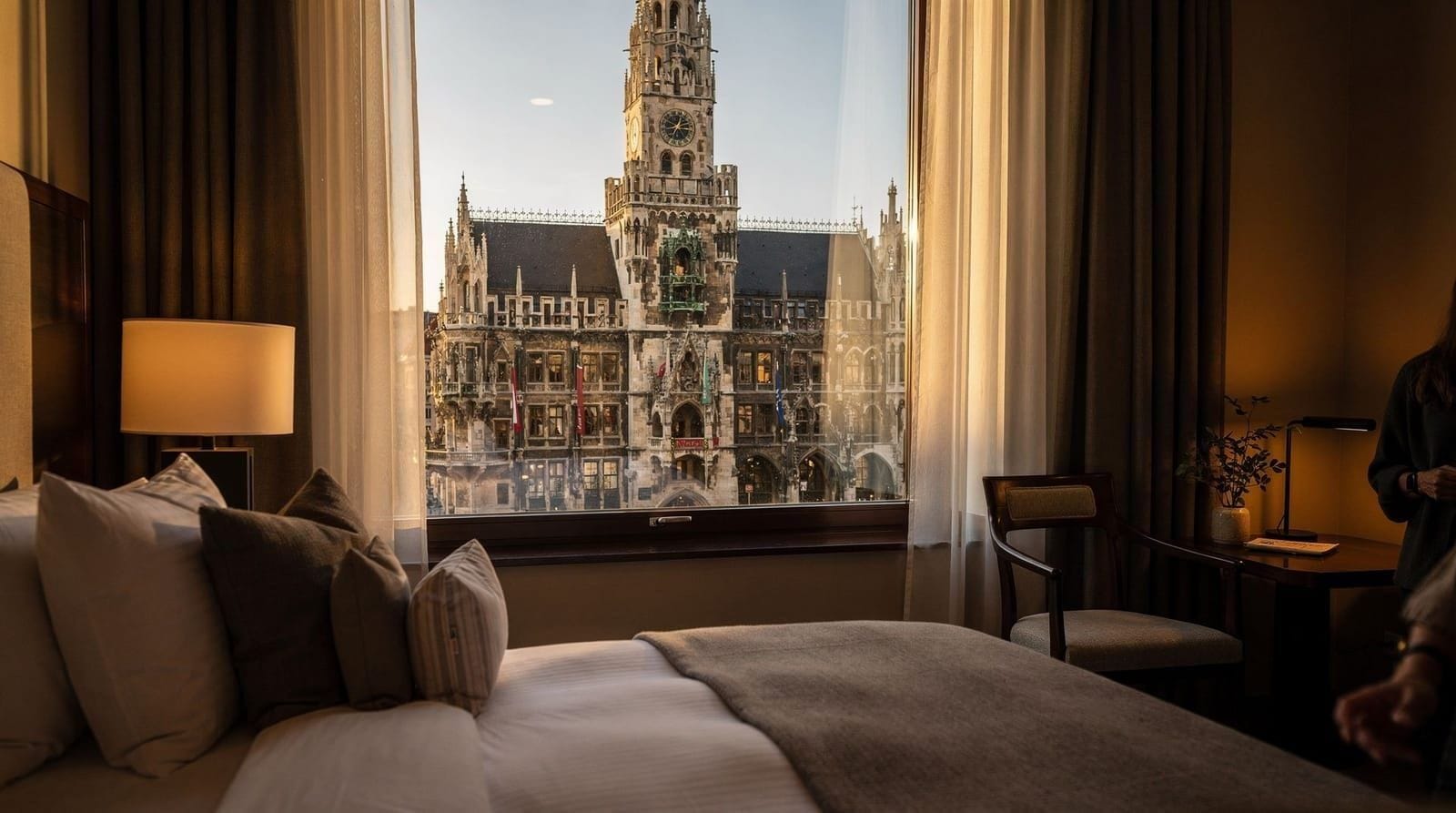
Marienplatz and the Neues Rathaus: Watch the Glockenspiel at 11am or noon (free, 12 minutes), climb the Neues Rathaus tower for Altstadt rooftop views (€4, 30 minutes), and orient yourself around the Mariensäule. This is where Munich starts for every first-time visitor and where the city’s historical layers become readable. The full Marienplatz guide covers the details.
Frauenkirche: Walk five minutes west from Marienplatz to Munich’s cathedral. The interior is free and takes 20–30 minutes. The twin towers define Munich’s skyline — their 99-metre height has kept modern buildings low since a 1619 regulation. The Devil’s Footstep at the nave entrance is worth finding.
Viktualienmarkt: Two minutes south of Marienplatz, Munich’s daily food market is active Monday to Saturday 8am–8pm. Buy a Weisswurst and Obatzda from the stalls; have a beer in the central beer garden (rotating Munich breweries, €11–13/litre in 2026). This is the most genuinely local experience in the immediate Altstadt area.
Hofbräuhaus: Five minutes east of Marienplatz. Touristy but authentic — the 1,000-seat hall has been serving Munich’s Helles beer since 1897. Worth seeing once; arrive before noon or after 9pm on weekdays for a less overwhelming experience.
Munich Residenz: The Wittelsbach royal palace, immediately north of Marienplatz on Residenzstrasse. 130 rooms over ten courtyards, 9am–6pm, €9 for the museum. Allow 2–3 hours. If you only have one afternoon for a single interior attraction, this is the one. Guided Old Town walking tour — the best way to cover the Altstadt in a morning
For a 3–4 day visit: adding depth and a day trip
With three or four days, you can add the museum district (Maxvorstadt), the English Garden, one day trip and a genuine neighbourhood evening.
Day 2 — Maxvorstadt museums: The Alte Pinakothek (one of the world’s great Old Masters collections), the Pinakothek der Moderne (modern and contemporary art, outstanding design collection) and Museum Brandhorst (Cy Twombly, Warhol) are all within 10 minutes of each other on Barer Strasse. Sunday admission at all three is €1 per museum — the best museum value in Germany. A full Kunstareal day covers two to three museums.
English Garden: Accessible from the Maxvorstadt/Schwabing border and worth several hours. The Chinesischer Turm beer garden (7,000 seats), the Kleinhesseloher See lake, and the Eisbach surfing wave at the southern entrance are the highlights. The garden is free, covers 3.7 square kilometres and is usable as a running route, cycling circuit or afternoon beer garden destination. See the English Garden guide for the full picture.
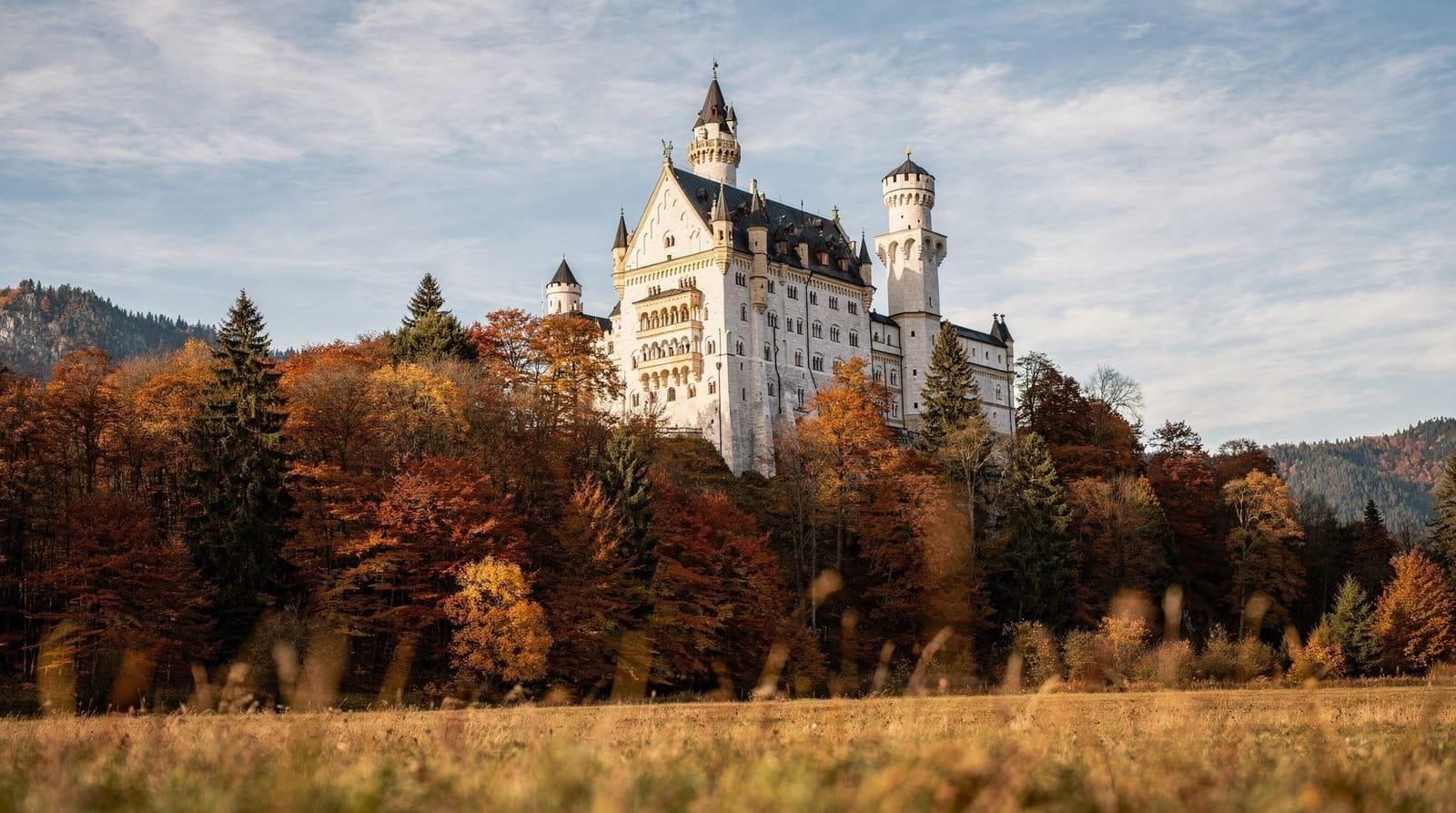
Day trip — Neuschwanstein Castle: The most-visited day trip from Munich. The castle (built 1869–1892 for Ludwig II) is 2 hours by public transport from Munich Hauptbahnhof. Tickets must be pre-booked — the castle sells out months in advance for peak summer dates. Allow a full day: travel (2 hours each way) plus the castle tour (35 minutes), Marienbrücke viewpoint (30 minutes) and the village of Schwangau. See the Munich to Neuschwanstein day trip guide for logistics and booking advice.
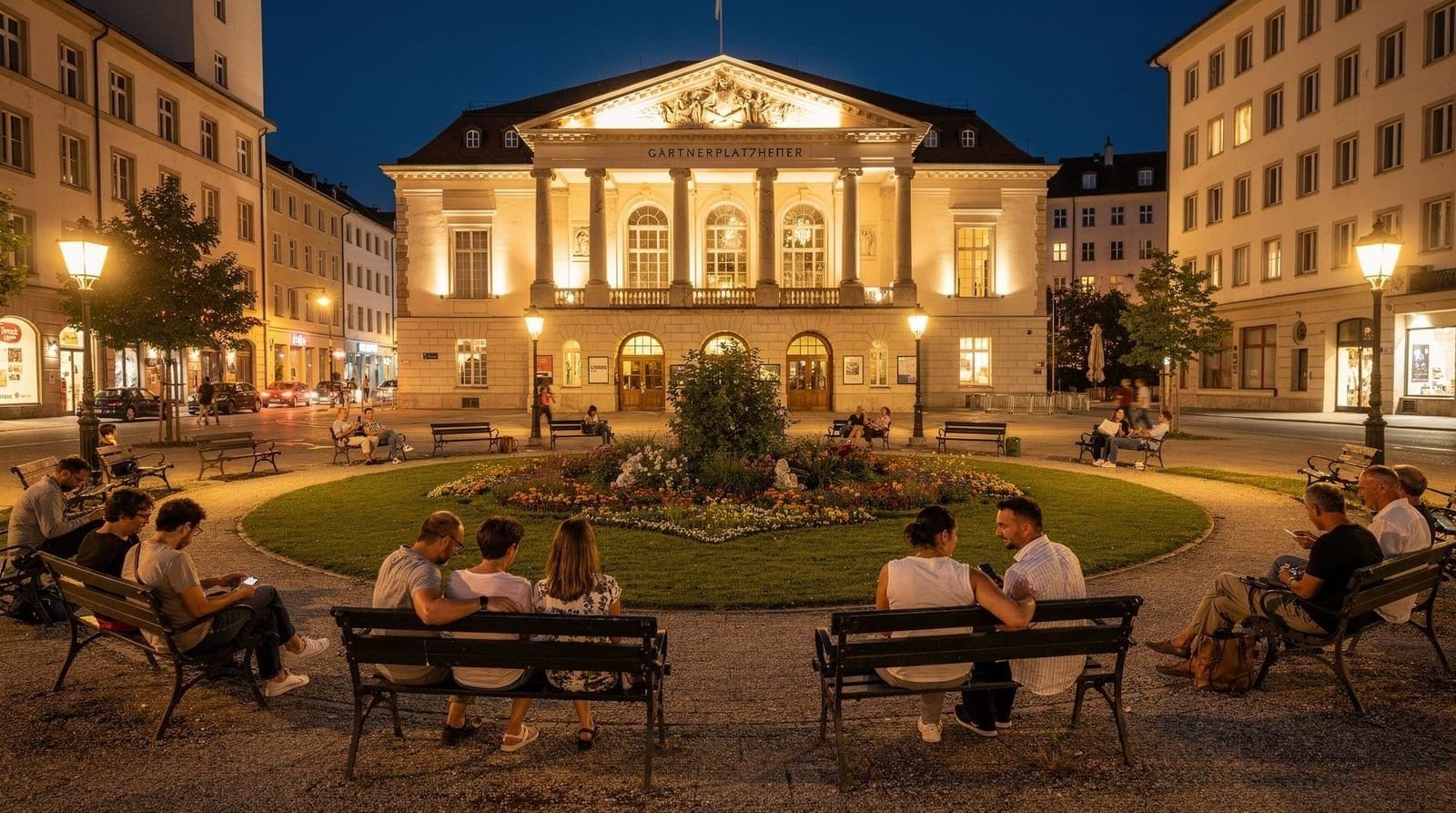
Evening in the Glockenbachviertel: The neighbourhood immediately south of the Altstadt has Munich’s best independent restaurant and bar scene. Gärtnerplatz square is the social centre on warm evenings. For dinner, the side streets off Gärtnerplatz (Klenzestrasse, Reichenbachstrasse, Fraunhoferstrasse) have mid-range independent restaurants at €15–25 for a main. See the Glockenbachviertel guide for specific recommendations.
For a 5–7 day visit: day trips and deeper exploration
A week in Munich allows you to cover the major museums, make 2–3 day trips, explore the city’s less-visited districts and have time for the things that do not fit neatly into a schedule.
Essential day trips from Munich:
Dachau Concentration Camp Memorial: 30 minutes from Munich Hauptbahnhof by S-Bahn. Dachau was the first Nazi concentration camp (1933) and served as a model for subsequent camps. The memorial site preserves the original camp layout with extensive documentation. Admission is free but sobering and requires several hours. This is not an optional add-on for the historically curious — it is a significant part of understanding Munich and Bavaria’s 20th-century history. See the Dachau memorial guide for what to expect and how to prepare.
Nymphenburg Palace: 30 minutes from central Munich by tram. The Wittelsbach summer residence — a long baroque palace with an enormous park (200 hectares), canal, and several garden pavilions. More relaxed than the Residenz; the park alone justifies the visit. See the Nymphenburg Palace guide.
Salzburg (Austria): 1.5 hours from Munich by direct train. Salzburg is compact, extraordinarily well-preserved (UNESCO World Heritage old town) and can be covered in a day: Hohensalzburg fortress, the old town, Mozart’s birthplace and the Mirabell gardens. See the Munich to Salzburg day trip guide.
Zugspitze — Germany’s highest peak: 1.5 hours from Munich by train to Garmisch-Partenkirchen, then cable car or cog railway to the 2,962-metre summit. On clear days, views extend across four countries. See the Zugspitze day trip guide.
Additional Munich districts worth exploring with extra time:
- Au-Haidhausen: Wiener Platz local market (Saturdays), Wirtshaus in der Au (best dumplings in Munich), Hofbräukeller (historic beer hall, less touristy than Hofbräuhaus), Isar river beaches. Au-Haidhausen guide.
- Schwabing: Leopoldstrasse cafés, Münchner Freiheit square, side streets of the former bohemian district, English Garden north access. Schwabing guide.
- Olympiapark: The 1972 Olympic complex — architecturally significant tent-structure stadium, Olympic Tower observation deck (€13.50), BMW Welt and BMW Museum adjacent. Olympiapark guide.
By traveller type: where to focus
First-time visitors: Altstadt core (Marienplatz, Frauenkirche, Residenz, Hofbräuhaus, Viktualienmarkt) + English Garden + one day trip (Neuschwanstein or Dachau). A guided walking tour on arrival day is the most efficient way to cover the Altstadt and get oriented.
History and culture visitors: The Third Reich sites — Nazi Documentation Centre, Feldherrnhalle, Beer Hall Putsch sites, Dachau — form a coherent half-day circuit accessible on foot and by S-Bahn. The Residenz covers the Wittelsbach royal history. The Deutsches Museum covers 1,000 years of scientific and technological history. See the Munich Third Reich tour guide and Munich WWII history guide.
Art and museum visitors: Two full days in the Kunstareal (Maxvorstadt) covers the Alte Pinakothek, Pinakothek der Moderne, Museum Brandhorst and Lenbachhaus. The Haus der Kunst on Prinzregentenstrasse (contemporary exhibitions) and the Städtische Galerie im Lenbachhaus round out the offering. Sunday €1 admission is worth structuring a day around.
Beer and Bavarian food visitors: The Viktualienmarkt (daily market), Hofbräuhaus (beer hall experience), best beer gardens in the English Garden and beyond, and the Munich food tour guide for organised tasting walks. The Augustinerkeller in Neuhausen and the Hirschgarten beer garden provide experiences away from the tourist core.
Families with children: The Deutsches Museum (enormous science museum with hands-on sections) is the best single destination. The English Garden has playgrounds and open space. The Hellabrunn Zoo is Munich’s zoo (south of the Isar, Thalkirchen). LEGOLAND Germany is a day trip (90 minutes by train). See the Munich with kids guide for full logistics.
Outdoor and active visitors: The English Garden for running, cycling and swimming in the Eisbach. The Isar river for cycling south toward Wolfratshausen (30+ kilometres of riverside cycling path). Day trips to Garmisch-Partenkirchen for hiking in the Bavarian Alps or the Zugspitze cable car. The Munich bike tours guide covers cycling options in the city.
What to skip if time is limited
Kaufingerstrasse pedestrian zone shopping: The main pedestrian zone between Marienplatz and Karlsplatz is Munich’s main retail street and is lined with international chains. It is worth walking once to orient yourself but has nothing unique to Munich. Shopping here is less interesting and generally more expensive than in local neighbourhood shops in Schwabing or the Glockenbachviertel.
The Toy Museum at the Altes Rathaus: A small private collection of antique toys in the Old Town Hall building on Marienplatz. €4 entry, 30 minutes maximum, and not a significant collection. Skip unless you have young children with specific interest.
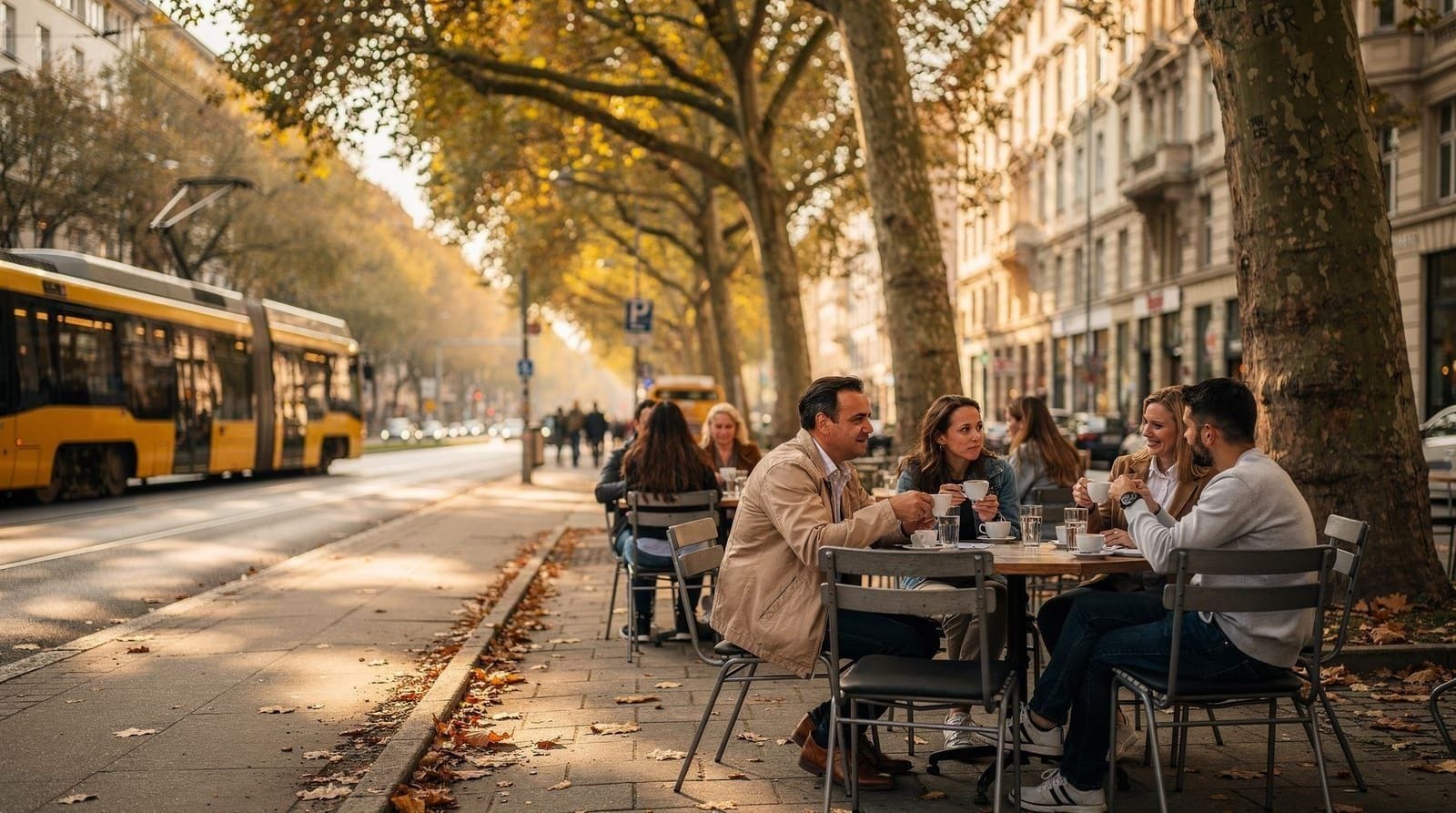
Restaurant chains on Marienplatz: Several cafés and restaurants around Marienplatz charge a significant premium for the location. Coffee on Marienplatz costs €4–5.50; the same coffee two minutes away costs €3–4. The food quality at tourist-zone restaurants does not justify the markup. Walk one or two blocks in any direction from the main square for better value.
The Hofbräuhaus at peak times: The Hofbräuhaus is worth seeing, but visiting at noon on a summer Saturday — when it operates at maximum capacity — is an overwhelming experience. Visit at non-peak times: weekday morning (for the Weisswurst breakfast before 11am) or late evening.
Getting around between Munich’s tourist areas
The MVV (Munich Metropolitan Transport Authority) system connects all the areas described here efficiently:
- U-Bahn (Metro): U3/U6 cover the Altstadt–Schwabing axis. U2 serves Maxvorstadt (Königsplatz). U1/U2 serve the Glockenbachviertel (Sendlinger Tor, Fraunhoferstrasse).
- S-Bahn: The S-Bahn ring connects Munich to day-trip destinations (Dachau, Füssen/Neuschwanstein, Salzburg direction). Marienplatz is the central S-Bahn interchange.
- Trams: Tram 17 serves Nymphenburg. Tram 27 runs through Maxvorstadt.
- Walk: The inner-ring neighbourhoods (Altstadt–Glockenbach–Maxvorstadt) are mutually walkable in 15–25 minutes.
A day ticket (Tageskarte) for the MVV inner zone (zone M + 1) costs €9.20 in 2026 and covers unlimited travel on all public transport. The Munich City and Museum Pass also includes public transport — see the Munich museums pass guide for current pricing.
Munich’s areas compared at a glance
| Area | Best for | Distance from Marienplatz |
|---|---|---|
| Altstadt | First-time sightseeing, essentials | Centre |
| Maxvorstadt | Museums, art | 10–15 min walk/U-Bahn |
| Glockenbachviertel | Independent dining, nightlife | 15–20 min walk |
| Schwabing | Cafés, English Garden access | 15–20 min U-Bahn |
| Au-Haidhausen | Local character, quieter beer halls | 15–20 min walk/tram |
| Olympiapark | Architecture, views, BMW Welt | 20–25 min U-Bahn |
Where to stay relative to these areas
Choosing where to sleep affects how much time you spend commuting between the areas above. The where to stay in Munich guide breaks down neighbourhoods by budget and visit type — as a rule, the Altstadt itself is the most convenient but priciest base, while Schwabing and the area around the Hauptbahnhof offer better value with only a short U-Bahn ride into the centre. For deciding how many days to allocate across these areas in the first place, the how many days in Munich guide gives a practical framework by trip length.
Evenings: where the areas differ most
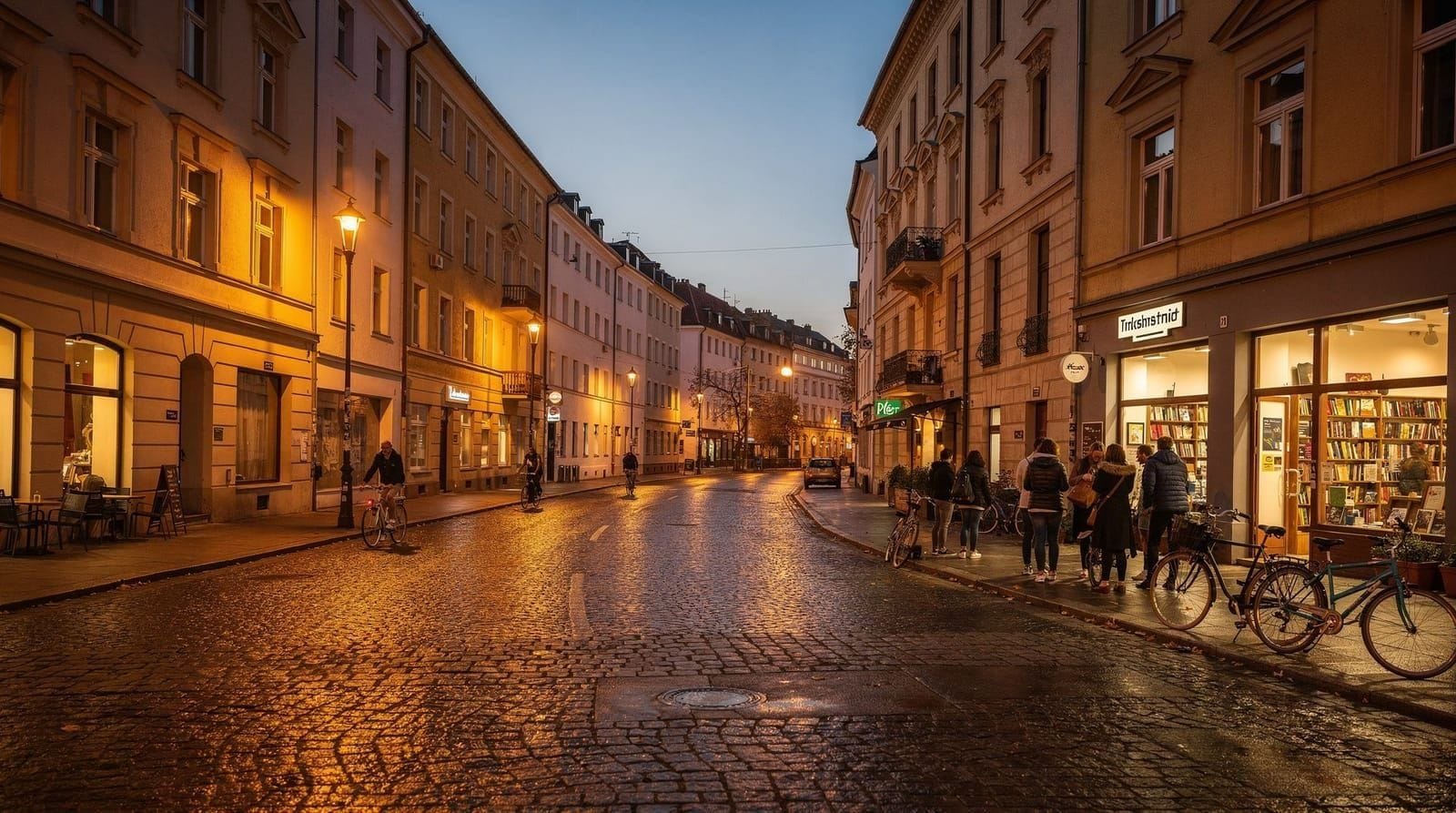
The gap between neighbourhoods is most obvious after dark. The Altstadt empties out earlier than visitors expect once the beer halls close their kitchens, while the Glockenbachviertel and parts of Schwabing keep a genuine evening scene going. The Munich nightlife guide covers this in more depth, and if you’re looking for a drink with a view rather than a crowded bar, the Munich rooftop bars guide lists options mostly clustered around the centre and Maxvorstadt.
Frequently asked questions about Munich’s best tourist areas
Is it worth seeing Munich without a car?
Entirely. Munich has some of Germany’s best urban public transport and the most-visited attractions are either in the walkable Altstadt or connected by U-Bahn and S-Bahn. Even day trips to Neuschwanstein and Dachau are straightforward by public transport. A car is useful only for exploring rural Bavaria beyond the train lines. The Bayern-Ticket guide covers train-based day trip options.
What is Munich’s single best free attraction?
The English Garden — a 3.7 square kilometre park larger than Central Park, free to enter, with beer gardens (you pay for what you drink), cycling paths, the Eisbach surfing wave and several lakes. The Marienplatz Glockenspiel is also free to watch. The Altstadt churches (Frauenkirche, Michaelskirche, Peterskirche, Asamkirche) are all free entry.
What area of Munich has the best views?
From highest to most accessible: Olympic Tower (291 metres, €13.50, best citywide panorama); Neues Rathaus tower on Marienplatz (85 metres, €4, best Altstadt view); Alte Peterskirche tower (92 metres, €4, good Altstadt views from the south); the roof terrace at the Pinakothek der Moderne (limited opening, no charge). See the Munich viewpoints guide for the full list.
How do I avoid the most crowded tourist spots in Munich?
The Glockenspiel crowds at Marienplatz at noon can be avoided by going at 11am instead. The Residenz is busiest 11am–2pm on summer days; early morning (9am opening) is quieter. Neuschwanstein is at its most crowded in July and August — early entry tickets (first tour of the day, 9am) are significantly less crowded. The Hofbräuhaus at noon on a weekend is at peak chaos; come before 11am or after 9pm on weekdays.
What is Munich like compared to other German cities for tourists?
Munich differs from Berlin (less edgy, more expensive, more culturally conservative), from Hamburg (less maritime, more Bavarian, better weather), and from Frankfurt (less financial, more historical depth, better sightseeing). Munich is arguably Germany’s most liveable tourist city — compact museum district, functional city transport, excellent day-trip options, and a genuine food and beer culture that is not just for tourists. The honest difficulty is cost: Munich is consistently among Germany’s most expensive cities.
Which area should families with children base themselves in?
The Altstadt or Maxvorstadt both work well for families, given proximity to the Deutsches Museum, English Garden and easy U-Bahn access to the Hellabrunn Zoo. The Munich family day trips guide covers excursions that work well as a base-and-branch-out strategy from either area.
Is it worth staying in more than one area during a longer trip?
For trips of five days or more, yes — splitting your stay between the Altstadt (for the first couple of days) and Schwabing or the Glockenbachviertel (for a more local feel afterward) gives a genuinely different perspective on the city without adding meaningful transport time, since everything remains within a 20-minute U-Bahn ride.
Top experiences
Bookable activities with verified prices and instant confirmation on GetYourGuide.