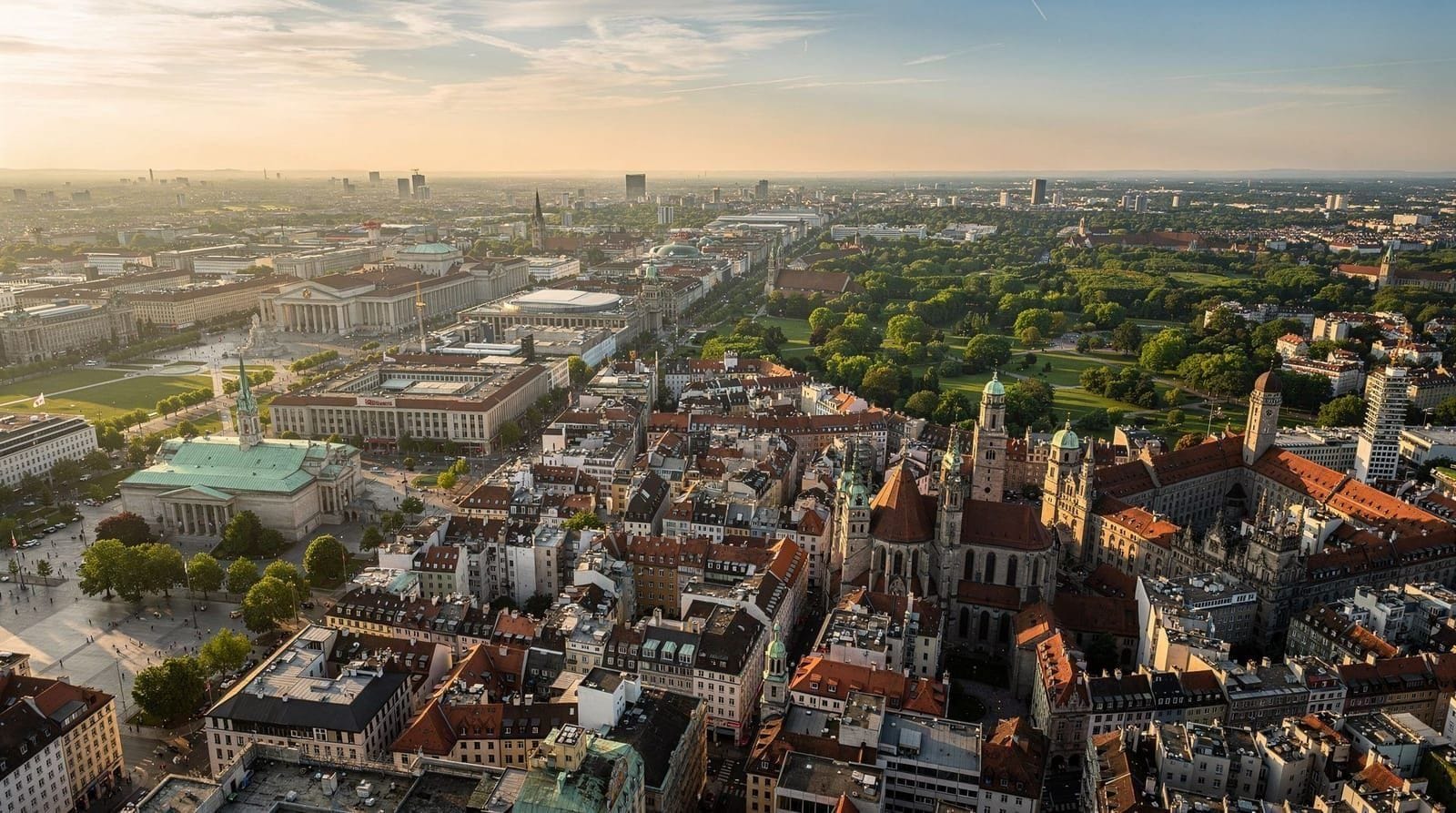
Where to stay in Munich: best areas and hotels by traveller type
Munich: City Pass with 45+ top attractions and public transport
What is the best area to stay in Munich?
For first-time visitors wanting central access: stay near the Altstadt (Marienplatz area) or Maxvorstadt for museums. For independent travellers wanting local atmosphere with good transport: Schwabing or Glockenbachviertel. For best value combined with easy centre access: Au-Haidhausen. The Hauptbahnhof area is convenient but dull and does not recommend itself for experience. Oktoberfest visitors should book anywhere in central Munich months in advance.
Munich rewards picking the right base more than most European capitals. The tourist core is compact enough that almost any central neighbourhood puts you within reach of the sights, but each area delivers a genuinely different trip — from the postcard convenience of the Altstadt to the local bar culture of Glockenbachviertel and the value of Au-Haidhausen. This guide breaks down seven areas with real hotel names, 2026 price bands and an honest read on what each one is actually like to stay in.
| Best all-round base | Altstadt or Maxvorstadt — walking distance to the main sights |
| Best value | Au-Haidhausen |
| Best local atmosphere | Schwabing or Glockenbachviertel |
| Typical price band | around €80–320/night outside Oktoberfest |
| Oktoberfest booking window | 6–12 months ahead for central Munich |
How to choose where to stay in Munich
Munich is a large city with a compact tourist core and good public transport connections throughout. The practical consequence is that staying in any of the central neighbourhoods (within the S-Bahn ring or close to it) gives you functional access to the main attractions. The differences between areas are primarily about experience quality, neighbourhood character and price — not transit convenience.
The questions to answer for yourself before choosing:
How important is it to be within walking distance of the main sights? If you want to walk to the Marienplatz and Hofbräuhaus from your hotel, stay in the Altstadt or Maxvorstadt. If you are comfortable with a 10–15 minute U-Bahn ride, most Munich neighbourhoods work.
Do you want tourist infrastructure or local character? The Altstadt and Hauptbahnhof areas are optimised for visitors. Schwabing, Glockenbachviertel and Au-Haidhausen have more local character.
What is your budget? The Altstadt and Schwabing tend to be more expensive. The Glockenbachviertel and Au-Haidhausen offer better value at similar quality levels.
Are you visiting during Oktoberfest? If so, book immediately regardless of where you stay — the entire city’s accommodation stock sells out.
Area 1: Altstadt and around Marienplatz
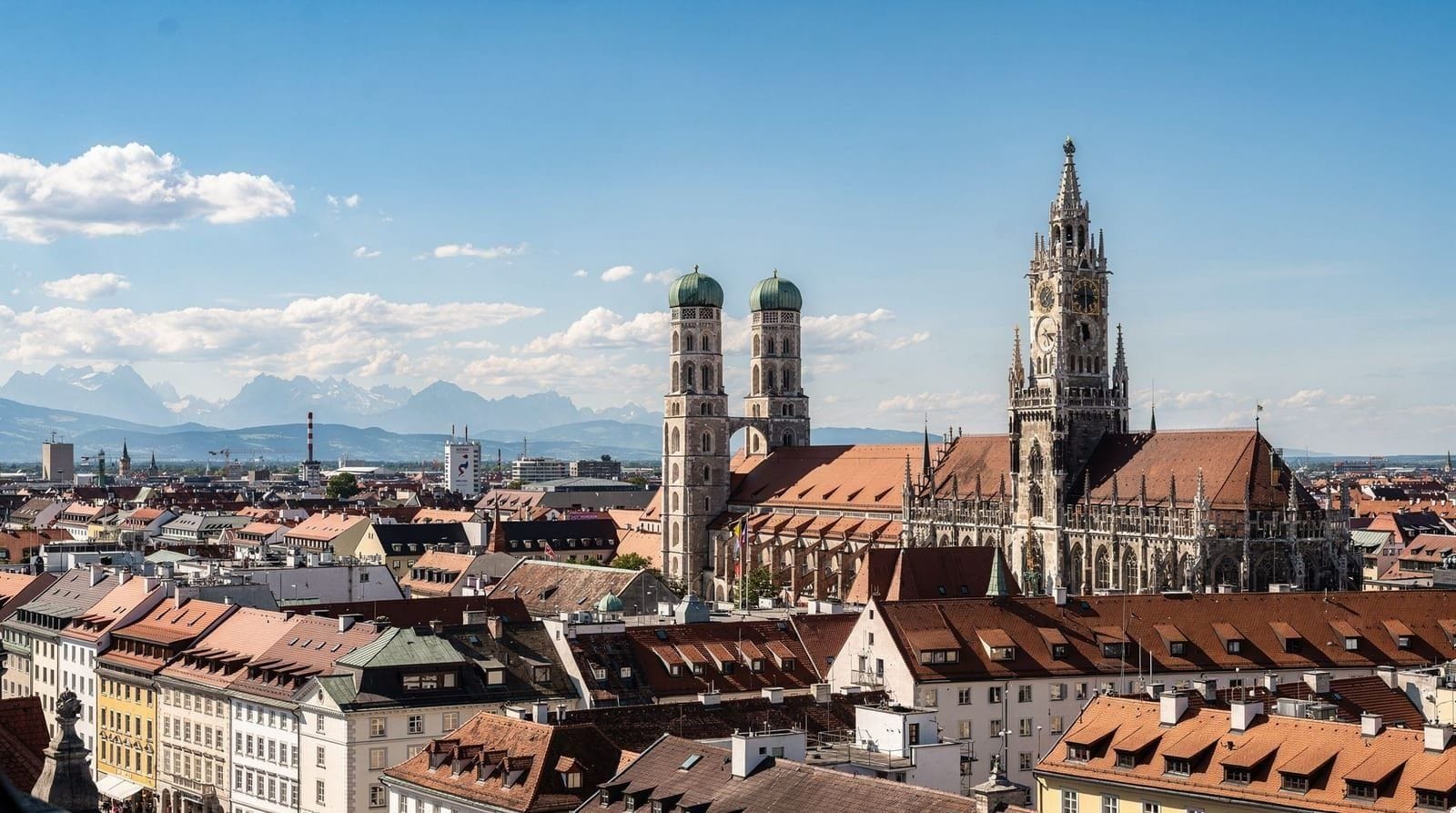
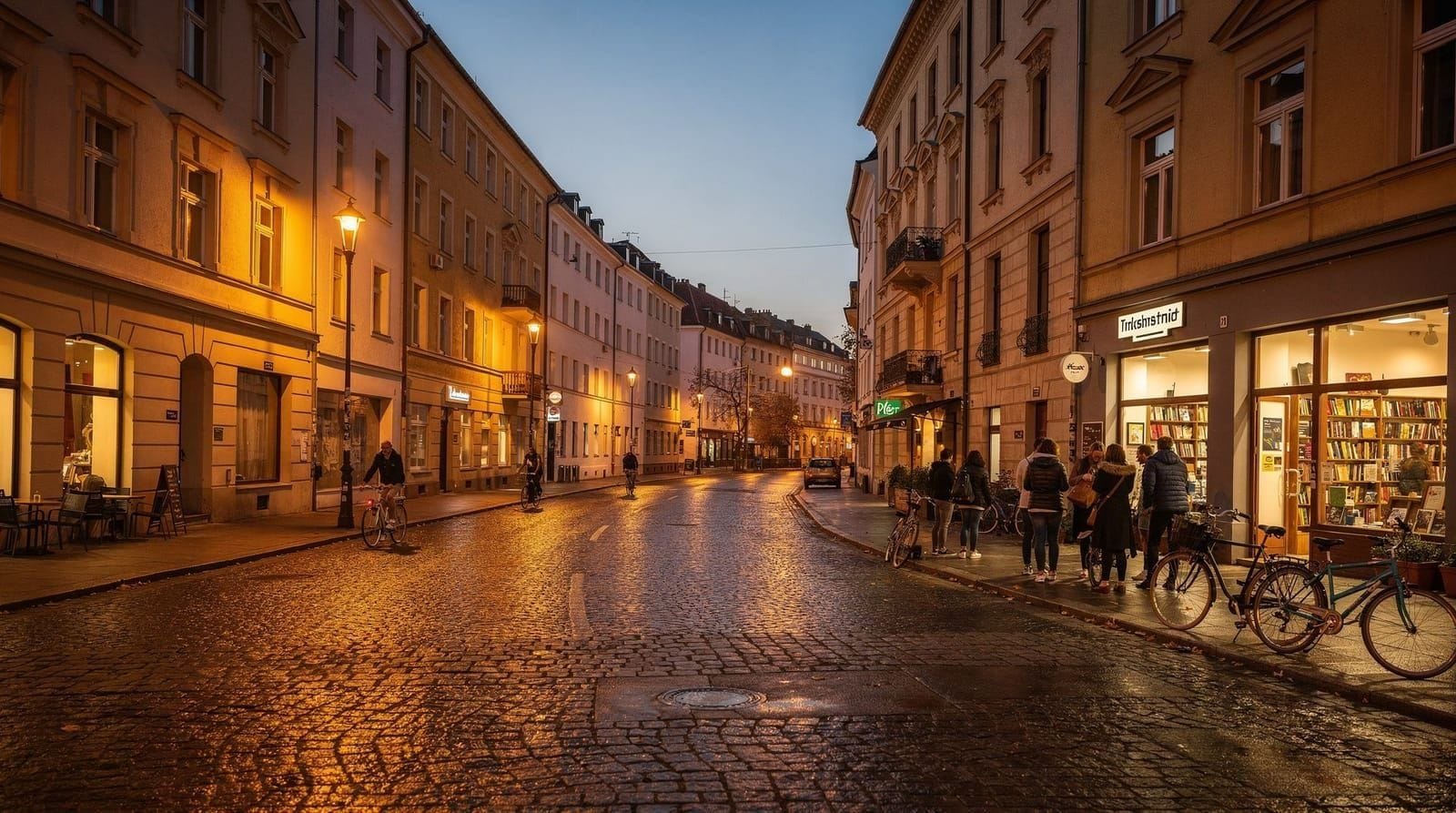
Character: Tourist core, historic buildings, Glockenspiel distance, pedestrianised centre.
Best for: First-time visitors, families wanting walking-distance access to all main sights, short (1–2 night) stays.
Limitations: The most expensive area for equivalent accommodation. Can feel overwhelming with tourist density in summer. Not where Munich residents go for evening dining. The Munich Altstadt guide covers the neighbourhood’s sights and streets in more depth.
Hotels to know (2026 prices approximate):
- Hotel Cortiina (Ledererstrasse 8): Design boutique hotel 200 metres from Marienplatz. 75 rooms, minimalist interiors, excellent location. €280–430/night. One of the best boutique options in the Altstadt.
- Platzl Hotel (Sparkassenstrasse 10): Near the Hofbräuhaus, family-run, good service, rooftop bar with Altstadt views. 167 rooms. €140–230/night. Strong mid-range choice.
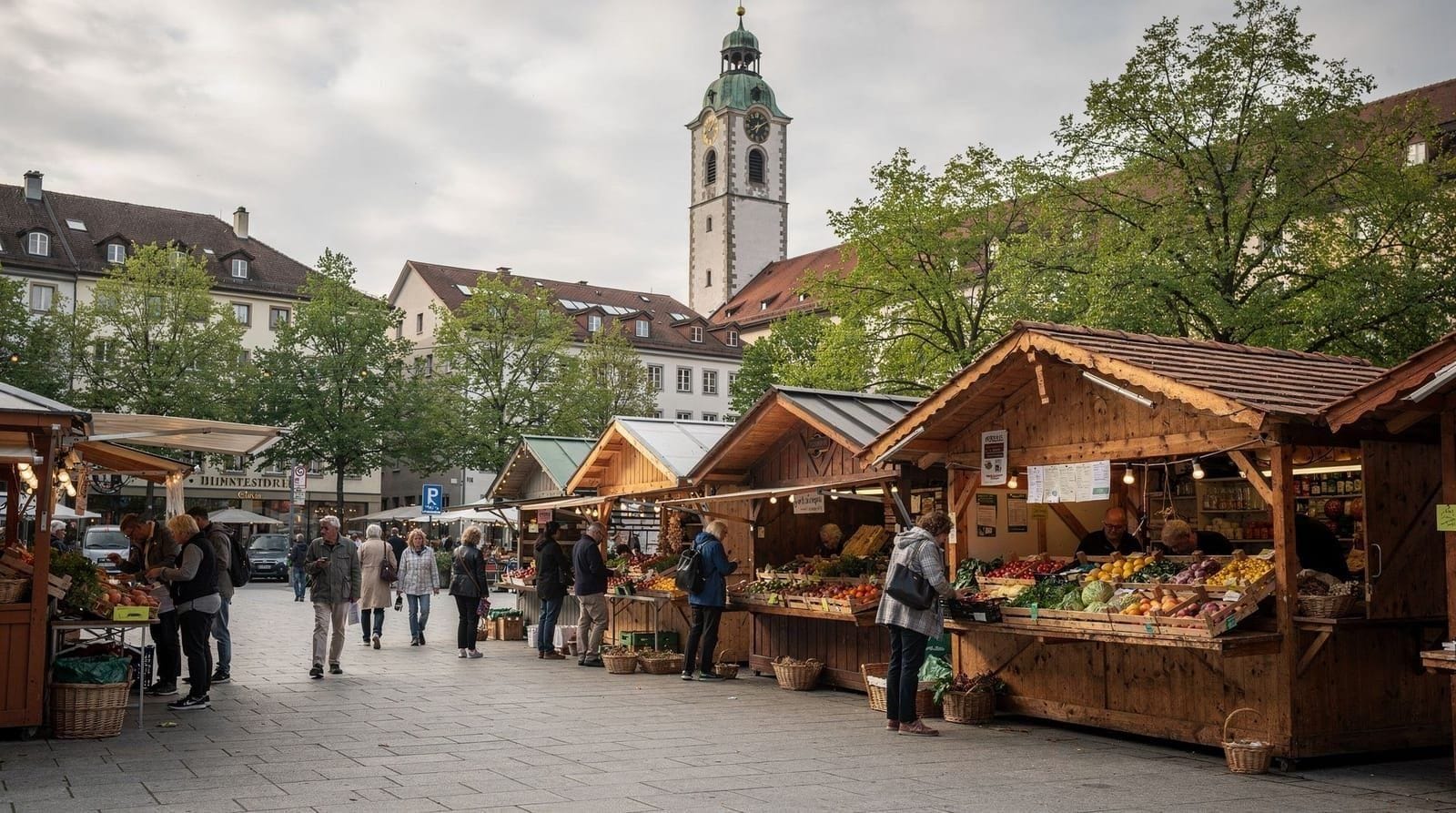
- Hotel am Viktualienmarkt (Zerwirkgewölbe, Heiliggeiststrasse 4): Small hotel directly above the Viktualienmarkt. 25 rooms. €120–200/night. The location justifies the price for market access.
- Mandarin Oriental Munich (Neuturmstrasse 1): Luxury 5-star, 73 rooms, rooftop terrace with Altstadt views, pool, spa. €450–900/night. The best luxury option in the immediate Altstadt area.
- Bayerischer Hof (Promenadeplatz 2–6): Munich’s grande dame hotel, 337 rooms, multiple restaurants, spa, garden rooftop. €380–900/night.
Area 2: Hauptbahnhof (central station area)
Character: Transit hub, budget hotel concentration, red-light district proximity.
Best for: Budget travellers prioritising price over experience, transit connections if you are doing many day trips.
Limitations: The Bahnhofsviertel has the highest concentration of street prostitution and visible drug use in Munich. Not dangerous, but not pleasant for an evening walk. The hotels are competitively priced for a reason.
Hotels to know:
- Motel One Hauptbahnhof North/South (Arnulfstrasse): Reliable budget-design chain, consistently good for the price. €75–120/night.
- Hotel Excelsior (Schützenstrasse): Well-located mid-range near the station without being in the worst block. €90–150/night.
- Ibis München City (Dachauer Strasse): The city’s standard budget option. Functional. €60–95/night.
- The Flushing Meadows (Fraunhoferstrasse — technically Glockenbachviertel but close): Design-forward boutique hotel that represents significantly better value per night than its price suggests. €150–230/night.
Area 3: Maxvorstadt (museum quarter)
Character: Academic, museum-adjacent, student cafés, Kunstareal walking distance.
Best for: Art and museum-focused visitors, visitors on repeat trips who want to concentrate in the museum district.
Limitations: Fewer hotel options than central areas; the neighbourhood is primarily residential and academic rather than oriented toward visitors.
Hotels to know:
- Hotel am Siegestor (Akademiestrasse): On the boundary between Maxvorstadt and Schwabing, near the Pinakotheken. 20 rooms, guesthouse character. €90–150/night.
- Hotel Markt am Inn (at the Maxvorstadt/Schwabing border): Independent guesthouse style. Good for museum visitors. €85–140/night.
- For more options, the area around Türkenstrasse and Amalienstrasse has several small guesthouses serving the university population.
The Maxvorstadt guide has the full detail on the Pinakotheken, the Kunstareal museum cluster and the district’s cafés.
Area 4: Schwabing
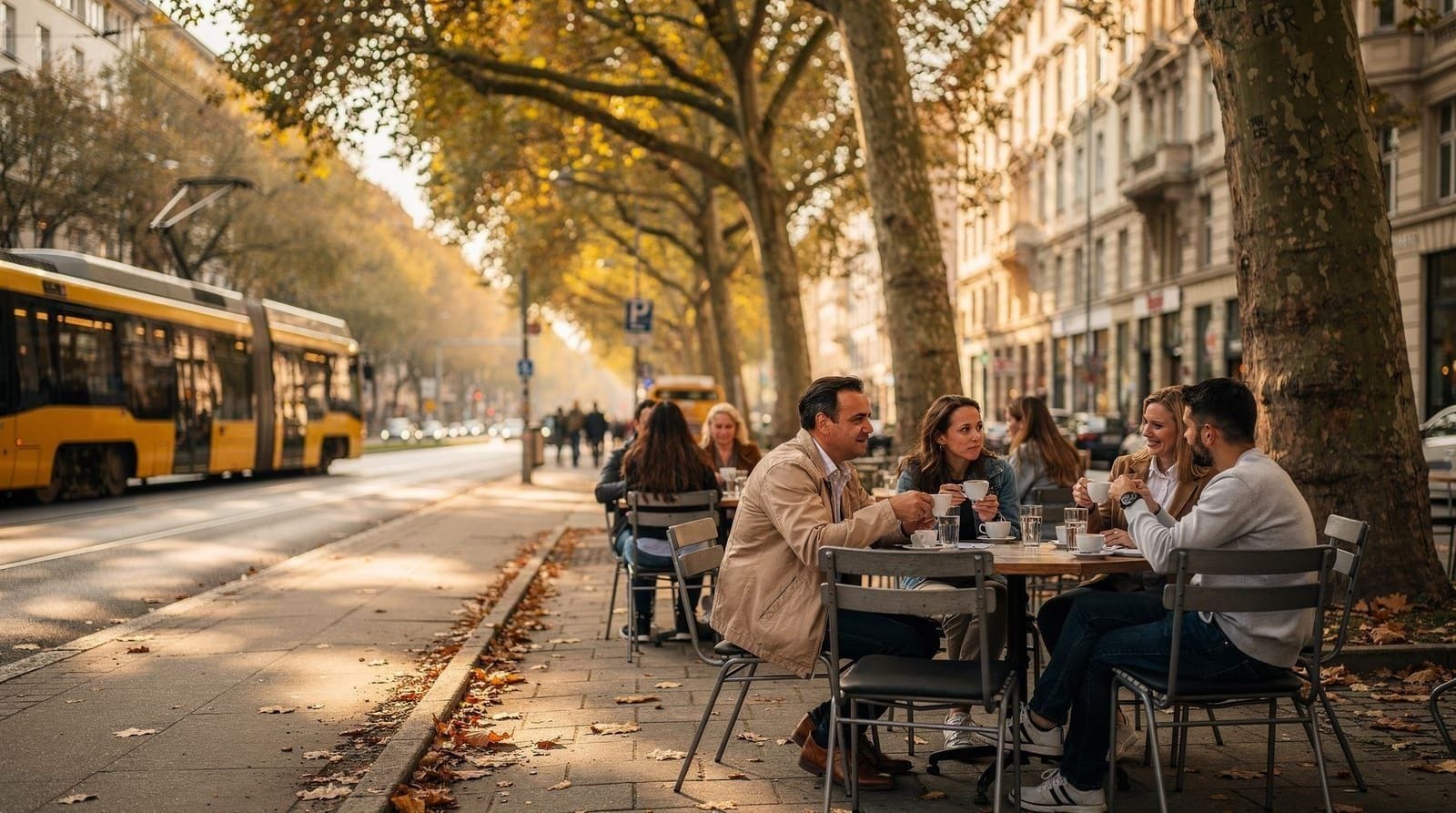
Character: Tree-lined boulevards, English Garden access, upscale residential, café culture.
Best for: Independent travellers wanting English Garden proximity, visitors making a repeat trip to Munich who want a neighbourhood experience, longer stays (5+ nights).
Limitations: More expensive than comparable options in Au-Haidhausen or Glockenbachviertel. Further from the main Altstadt sights (10 minute U-Bahn rather than walking distance).
Hotels to know:
- Hotel Hauser (Schellingstrasse): Comfortable mid-range hotel on the Schwabing/Maxvorstadt boundary. Good for both museum and Schwabing access. €110–170/night.
- Innside by Meliá Munich (Domagkstrasse): Design hotel in the northern Schwabing creative district. Modern, good facilities. €130–200/night.
- Cosmopolitan Hotel Munich (Hohenzollernstrasse): Boutique hotel in central Schwabing. 71 rooms, well-reviewed service. €140–210/night.
- For English Garden proximity, the Biederstein area (northern Schwabing, Feilitzschstrasse) has independent guesthouses that offer the best English Garden walking distance at reasonable prices.
See the Schwabing neighbourhood guide for cafés, the English Garden entrances and how the district feels day to day.
Area 5: Glockenbachviertel
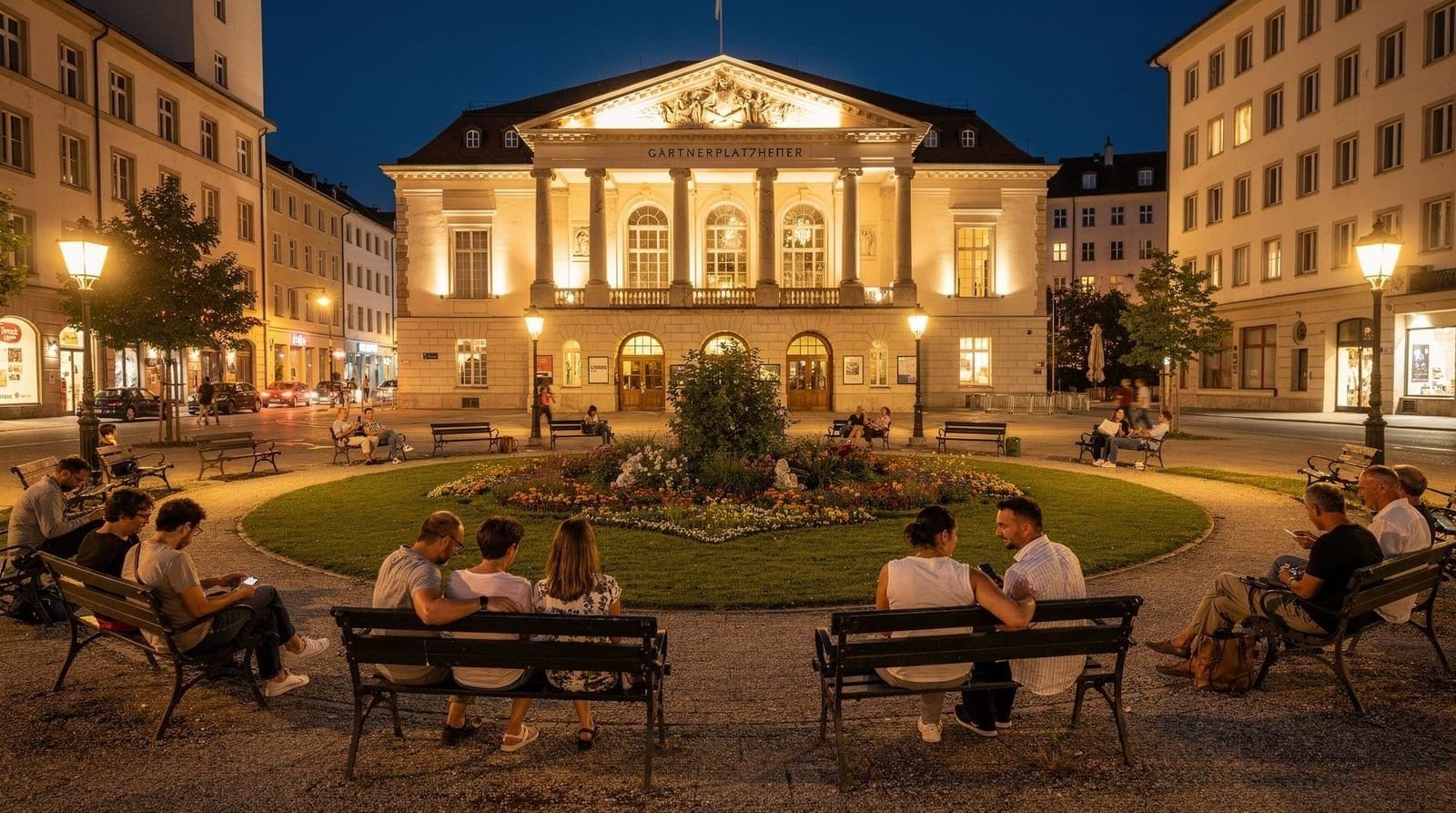
Character: LGBTQ+ neighbourhood, independent bars and restaurants, Gärtnerplatz, central location.
Best for: Visitors who want local evening atmosphere within walking distance of the Altstadt, LGBTQ+ travellers, visitors interested in independent dining and nightlife.
Limitations: Noisy at night near the bar streets (not ideal for early-to-bed travellers). Fewer traditional hotel options — better served by boutique and independent accommodation.
Hotels to know:
- Hotel Olympic (Hans-Sachs-Strasse 4): The neighbourhood’s best-known hotel — 37 rooms, design-forward, central location on the main social street. Good service. €100–180/night.
- Deutsche Eiche (Reichenbachstrasse 13): Historic LGBTQ+ hotel with sauna complex. 26 rooms. Part hotel, part institution. €100–170/night.
- The Flushing Meadows (Fraunhoferstrasse 76): Design boutique hotel in a repurposed former factory. 10 rooms, rooftop, gallery exhibitions. €150–230/night.
The Glockenbachviertel guide covers the bars, independent shops and Gärtnerplatz scene that make the neighbourhood worth the noise trade-off.
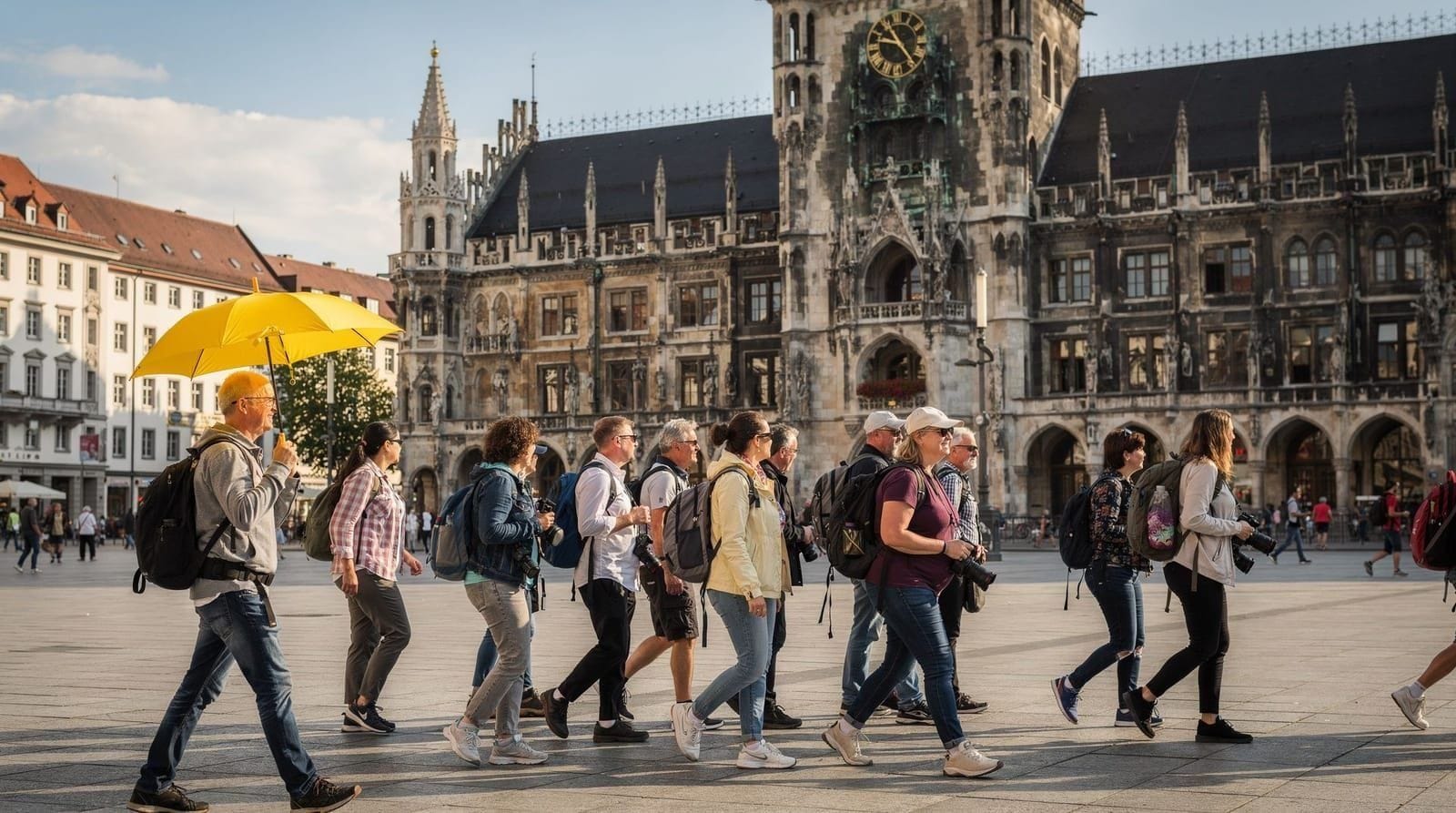
Munich Old Town walking tour — explore the Altstadt from your hotelArea 6: Au-Haidhausen
Character: Local residential, Isar river access, best-value neighbourhood for central Munich, French Quarter.
Best for: Value-seeking travellers who still want local character, visitors interested in the Deutsches Museum or Gasteig, independent travellers on longer stays.
Limitations: Slightly further from the tourist core than Glockenbachviertel (15–20 minute walk vs 10–15). Less tourist infrastructure — you need to actively find good restaurants and cafés rather than stumbling into them.
Hotels to know:
- Munich Hilton (Rosenheimerstrasse 15): Large business hotel at the western Au-Haidhausen edge (Gasteig). 484 rooms, beer garden, good facilities. €140–250/night. Not boutique but reliable.
- Hotel Vitalis (Robert-Koch-Strasse): Quiet residential location in Au proper. Family-run character. €85–130/night.
- Several apartment-hotel options on Airbnb and Booking.com in Au-Haidhausen offer better value than equivalent hotels, particularly for stays of 3+ nights.
The Au-Haidhausen guide goes into the Deutsches Museum, the Isar riverside path and the French Quarter’s restaurant scene.
Area 7: Near the Olympiapark (Schwabing-West and Neuhausen)
Character: Residential, good for Olympiapark events, BMW Welt/BMW Museum visitors, quiet.
Best for: Visitors attending concerts or events at the Olympiastadion, BMW Welt visitors, those wanting a quieter base with easy transit.
Limitations: Less interesting as a neighbourhood. Requires U-Bahn for the Altstadt (15–20 minutes on U3).
Hotels to know:
- Hotel Laimer Hof (Laimer Strasse, Rotkreuzplatz): Charming family-run hotel in the Neuhausen neighbourhood. 23 rooms, garden, genuinely good service. €90–160/night. One of Munich’s most consistently well-reviewed independent hotels.
- Courtyard by Marriott Munich Garching: Out at the Garching U6 terminus. Business-oriented, reasonable for TU Munich visitors, not recommended for city tourism.
Neighbourhood comparison at a glance
| Area | Best for | Price band | Distance to Altstadt |
|---|---|---|---|
| Altstadt | First-timers, short stays | Highest | Walking distance |
| Hauptbahnhof | Budget, transit connections | Low | 10–15 min walk |
| Maxvorstadt | Museums, repeat visitors | Mid | 10–15 min U-Bahn |
| Schwabing | English Garden, longer stays | Mid–high | ~10 min U-Bahn |
| Glockenbachviertel | Local nightlife, LGBTQ+ travellers | Mid | 10–15 min walk |
| Au-Haidhausen | Value, local character | Mid | 15–20 min walk |
| Olympiapark area | Events, BMW Welt, quiet | Low–mid | 15–20 min U-Bahn |
This is a starting point, not a substitute for reading the area sections above — the trade-offs (noise, tourist density, walkability) vary more than the price bands alone suggest. For the wider public-transport picture that makes most of these areas equally workable, see the Munich public transport guide.
Oktoberfest accommodation: the full picture
If your primary purpose is Oktoberfest, accommodation strategy requires different logic:
Book 6–12 months in advance. Seriously. By 4 months before the festival (typically mid-May for a September/October event), central Munich options at any reasonable price have largely sold out. The practice of booking multiple hotels and cancelling at the last minute is common and contributes to the shortage.
Where to stay for Oktoberfest: Any central Munich location works — the U4/U5 to Theresienwiese runs efficiently and the journey from Hauptbahnhof or Marienplatz takes 8–12 minutes. Staying near the Theresienwiese itself offers no practical advantage but commands a price premium of 30–50%.
Realistic 2026 Oktoberfest prices: Budget hotels in the Hauptbahnhof area: €200–400/night. Mid-range: €350–600/night. Luxury: €700–1,500/night and above. These are not typos — they are what the market charges during Oktoberfest.
Alternatives to Munich accommodation during Oktoberfest: Consider staying in Augsburg, Freising, Dachau or Ingolstadt with train or S-Bahn connections to Munich. Travel time from Augsburg (30 minutes by train) and Freising (30 minutes by S-Bahn) gives you real accommodation at non-Oktoberfest prices.
The Oktoberfest guide covers the full logistics of the festival, and the best time to visit Munich guide helps weigh Oktoberfest dates against quieter, cheaper months.
Munich hotel quality: what to expect at each price level
Understanding what your money buys in Munich is useful because the city’s general cost level inflates expectations.
Under €80/night: Hostel dorms, very basic private rooms in older guesthouses. Shared bathrooms common. Not a reflection of Munich’s overall quality — budget accommodation exists but the city’s labour and real estate costs mean that €80 buys less than in Berlin or Leipzig.
€80–130/night: Ibis-style chain hotels, small family-run guesthouses (Pension), some boutique budget properties. Private bathroom standard at this level. Location can vary significantly — some properties at this price point are excellent value in good locations; others are in the Bahnhofsviertel with a corresponding neighbourhood trade-off.
€130–200/night: Solid mid-range. Independent boutique hotels, good-quality chain hotels (Marriott Courtyard, Crowne Plaza), well-maintained older properties. At this price, location quality is generally reliable. The Platzl Hotel, Hotel am Viktualienmarkt and Hotel Olympic all fall in this band and represent genuine value for Munich.
€200–320/night: Upper mid-range. Design hotels, better-located independents, category-2 luxury chains. At this level, service quality becomes consistently good, rooms are spacious and well-equipped, and breakfast quality is generally high.
€320+/night: True luxury. The Bayerischer Hof, Mandarin Oriental, Vier Jahreszeiten Kempinski. Full concierge service, spa facilities, restaurants with Michelin recognition. At €400–600/night, you are paying for an experience layer, not merely for a room.
Munich accommodation platforms: what works where
Booking.com and Hotels.com: Reliable for the full range from budget to luxury. Best for chain hotels and established independents. Price guarantees sometimes useful but verify directly with the hotel for complex bookings (Oktoberfest, groups).
Airbnb: Good inventory in residential neighbourhoods (Schwabing, Au-Haidhausen, Glockenbachviertel). Variable quality — read recent reviews carefully. Useful for 4+ night stays where the kitchen access justifies the self-catering format.
Direct booking: For boutique and independent hotels, direct booking sometimes offers better rates or room upgrades. The Bayerischer Hof and Mandarin Oriental maintain their own best-rate guarantees. Always check the hotel website after finding a property on an OTA.
Last-minute apps (HotelTonight, Secret Escapes): Work in Munich outside of peak periods (Oktoberfest, summer high season, Christmas markets). During peak demand, last-minute availability collapses. Not reliable as a strategy for the main tourist periods.
Practical booking checklist
Always check:
- Cancellation policy: Munich has a range from free cancellation to non-refundable. Always book refundable if you have any uncertainty in your dates.
- Breakfast inclusion: Many Munich hotels charge separately for breakfast (€15–25/person). At the price levels of Munich’s mid-range hotels, the breakfast price is often better spent at a local bakery.
- Parking: If driving, confirm parking is available and get the overnight rate. Munich parking garages typically charge €25–40/night. Hotels with included parking in the centre are genuinely rare.
- Quiet room requests: Munich’s inner city is urban and can be noisy at night. A courtyard-facing room in a hotel on a busy street (Leopoldstrasse, Maximilianstrasse) is substantially quieter than a street-facing one.
- City tax: Munich levies a 5% tourist tax (Kurtaxe/City Tax) on accommodation. Some booking platforms include this in the displayed price; others add it at checkout. Confirm which applies.
Matching the area to your trip type
First trip, 2–3 nights, want to see the highlights on foot: Altstadt or Maxvorstadt. You will pay a premium, but not having to think about transport for a short stay is worth it. Pair this with the how many days in Munich guide to check your itinerary fits a short base.
Repeat visitor or 5+ nights, want a real neighbourhood: Schwabing or Au-Haidhausen. Both give you daily life beyond the tourist core, with the U-Bahn making the Altstadt a non-issue. The Munich trip planning guide has a broader framework for structuring longer stays.
Tight budget: The Hauptbahnhof area or an Au-Haidhausen apartment rental. The Munich budget guide covers where accommodation savings make sense versus where they cost you convenience.
Travelling with kids: The Altstadt for walkability, or Au-Haidhausen for space and quiet evenings — avoid the Hauptbahnhof area and the noisier Glockenbachviertel bar streets.
Landing late or leaving early: Factor the airport transfer into your area choice. The Munich airport to city guide covers the S-Bahn S1/S8 timing from each part of the centre.
Frequently asked questions about where to stay in Munich
Is the Hauptbahnhof area safe to stay in?
It is safe in the sense that hotel guests are not at risk. The Bahnhofsviertel has visible street prostitution and drug-related activity, concentrated primarily on a few blocks west and north of the station. Normal hotel areas on the south and east sides of the Hauptbahnhof are fine. If this environment is uncomfortable or you are travelling with children, it is worth spending slightly more to stay in a different area.
Can I easily walk everywhere if I stay in the Altstadt?
From a Marienplatz-area hotel, the main Altstadt sights are within walking distance: Frauenkirche, Residenz, Viktualienmarkt, Hofbräuhaus. For the English Garden, the Pinakotheken, the Olympiapark and Nymphenburg Palace, you will need public transport regardless of where you stay. Munich is a large city — no single hotel location makes every sight walkable.
What is Munich’s cheapest area to stay without sacrificing safety or experience?
Au-Haidhausen and the eastern Glockenbachviertel offer the best combination of fair prices, local character and safety. The Hauptbahnhof area is cheaper but the neighbourhood experience is poor. The Maxvorstadt has moderate prices with good access to museums and Schwabing.
Are there good apartment rentals in Munich for longer stays?
Yes. Platforms like Airbnb and booking.com have apartment inventory across Munich, with the best concentration in the residential neighbourhoods (Schwabing, Au-Haidhausen, Glockenbachviertel). For stays of 4+ nights, an apartment often provides better value than a hotel at equivalent price points — particularly for the kitchen access. During Oktoberfest, apartment prices rise in parallel with hotels.
Should I stay near the airport for an early departure?
If your flight departs before 7am and you need to reach Munich Airport, staying near the Erdinger Moos (near the airport) makes sense. The S-Bahn S1 from Marienplatz to Munich Airport takes approximately 40 minutes. From a Maxvorstadt or Schwabing hotel, the total journey to the airport gate is 60–75 minutes. Factor this against the value of the city-centre experience.
Is it worth paying more to stay right on Marienplatz?
Only for very short stays (1–2 nights) where you want to walk out the door straight into the Altstadt. Beyond that, the premium buys convenience rather than a materially better experience — a Maxvorstadt or Glockenbachviertel hotel is 10–15 minutes away by foot or U-Bahn and typically 20–30% cheaper for a comparable room. Families and first-timers benefit most from paying for the location; independent travellers on longer stays usually don’t need to.
Which area is quietest for a good night’s sleep?
Au-Haidhausen and the residential parts of Schwabing (away from Leopoldstrasse) are the quietest central options. Avoid street-facing rooms on Glockenbachviertel’s bar streets and anywhere directly on Leopoldstrasse or near the Hauptbahnhof’s northern exits. Requesting a courtyard-facing room at booking, as noted in the checklist above, solves most noise issues even in busier areas.
Top experiences
Bookable activities with verified prices and instant confirmation on GetYourGuide.