Glockenbachviertel guide: Munich's LGBTQ+ neighbourhood, bars and Gärtnerplatz
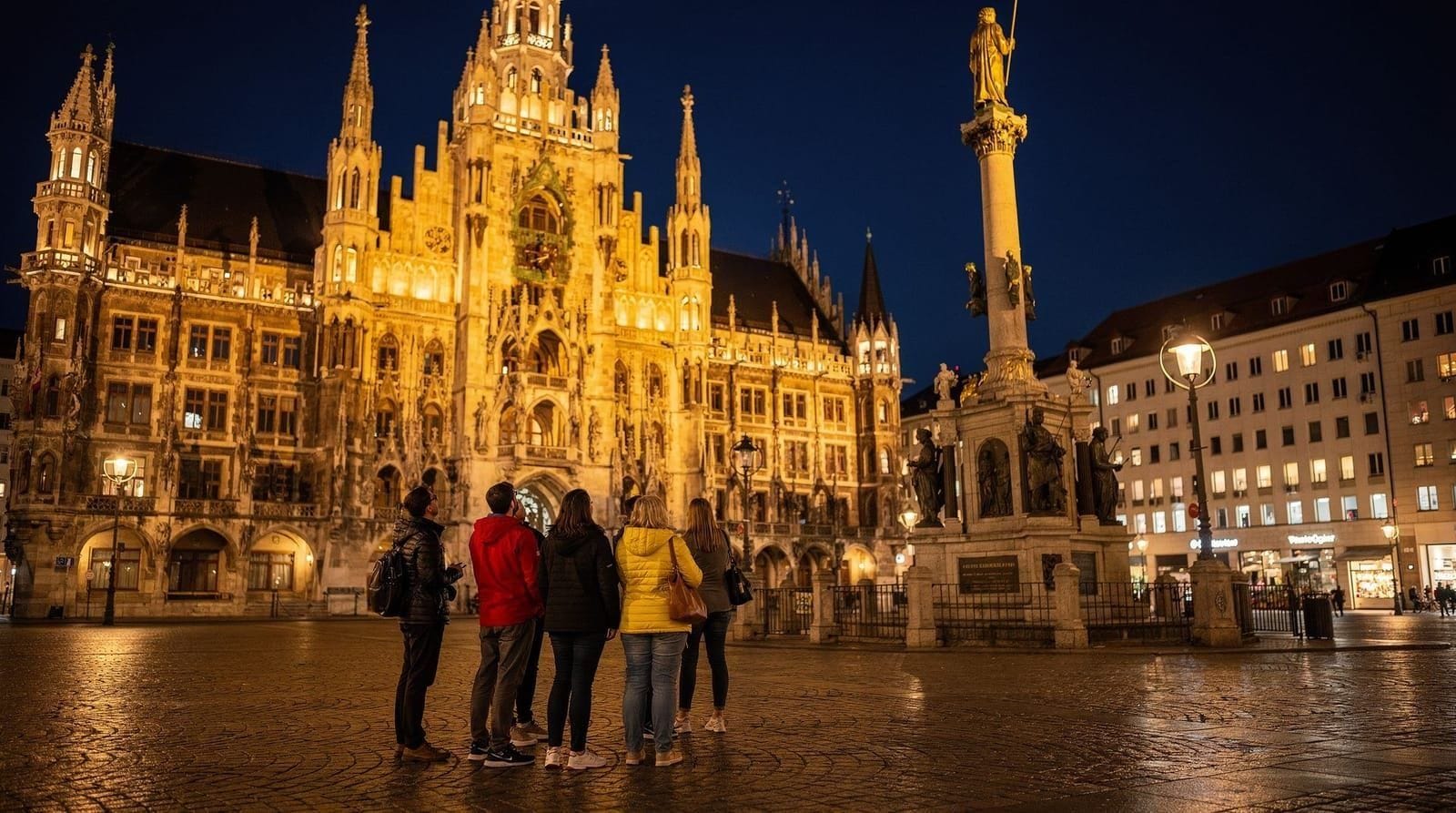
Munich: night watchman walking tour
What is the Glockenbachviertel and what is it known for?
The Glockenbachviertel is Munich's most socially progressive neighbourhood and the centre of the city's LGBTQ+ scene, immediately south of the Altstadt. It is known for independent bars and restaurants around Gärtnerplatz, the Müllerstrasse canal strip (Isar-side bars), and a diverse, young-adult population that creates the most animated local nightlife in Munich outside the tourist core. It is also Munich's most centrally located 'local' neighbourhood.
What the Glockenbachviertel actually is
The Glockenbachviertel is the neighbourhood where Munich is most likely to surprise a visitor who arrives expecting a conservative, beer-hall city. This is the part of Munich where independent bookshops sit next to LGBTQ+ bars, where street food carts operate alongside Michelin-tracked restaurants, where Gärtnerplatz functions as an informal open-air social space on summer evenings — no commercial infrastructure, just Munich residents sitting on the steps with their own drinks.
The neighbourhood’s name comes from the Glockenbach, a now-channelled stream that historically ran through the area. Its main identifying feature today is Gärtnerplatz — a circular 19th-century square that sits at the centre of the neighbourhood — and the streets radiating from it toward the Isar and south toward the Theresienwiese.
The Glockenbachviertel is Munich’s historically progressive neighbourhood. The LGBTQ+ scene concentrated here from the 1970s and 1980s, when the surrounding streets offered relatively affordable rents and an alternative social culture. The area has since been thoroughly gentrified — rents are now high — but the social character has been preserved more than in comparable European cities. The community voted to stay when they could afford to, rather than being entirely displaced.
| Where | South of Sendlinger Tor, 10–15 min walk from Marienplatz |
| Cost | Free to explore; meals around €10–120 depending on venue |
| Time needed | Half-day for daytime, full evening for nightlife |
| Getting there | U-Bahn Sendlinger Tor (U1/U2/U3/U6) or Fraunhoferstrasse (U1/U2) |
| Best time | Summer evenings for the Gärtnerplatz outdoor scene |
Getting oriented: location and geography
The Glockenbachviertel is defined by:
- North boundary: Sendlinger Strasse / Sendlinger Tor (the medieval city gate, southern edge of the Altstadt)
- East boundary: The Isar / Isar canal streets (Müllerstrasse running south)
- South boundary: Imprecise, blending into the Ludwigsvorstadt district toward the Oktoberfest grounds
- West boundary: Roughly Lindwurmstrasse, which separates it from the Isarvorstadt
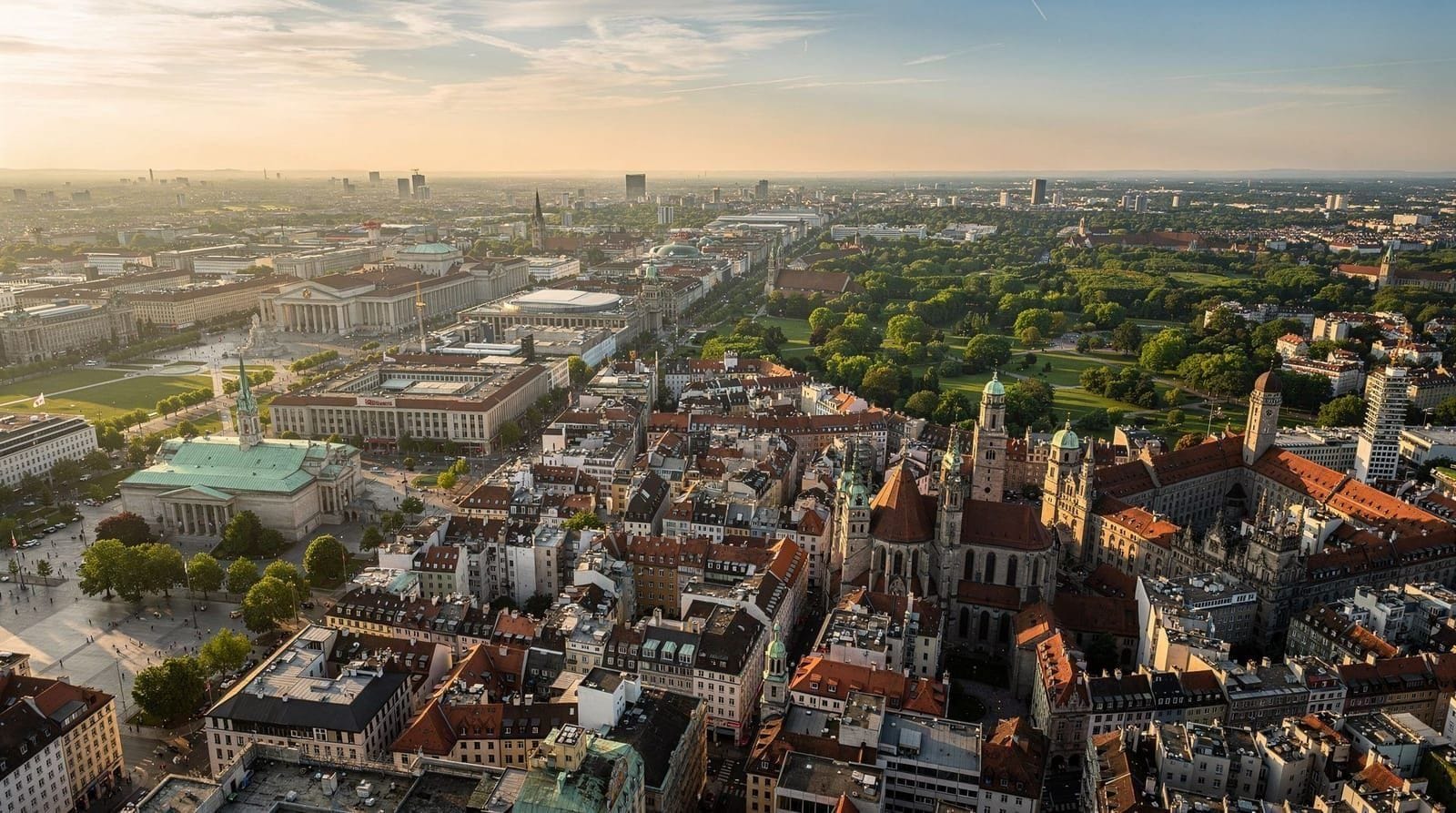
The heart of the neighbourhood is within 10–15 minutes’ walk of Marienplatz. This central location is one of its defining advantages: you can be at the Gärtnerplatz bar scene within 15 minutes of the Glockenspiel, which is unusual for a neighbourhood with a genuine local character.
U-Bahn: Sendlinger Tor station (U1, U2, U3, U6) is on the northern edge of the neighbourhood — a central Munich interchange. Fraunhoferstrasse station (U1, U2) is within the neighbourhood. The U-Bahn coverage is excellent.
Gärtnerplatz: the neighbourhood’s living room
Gärtnerplatz is the physical and social centre of the Glockenbachviertel. It is a circular Victorian-style square built in the 1860s as part of the expansion of Munich south of the Altstadt walls. The buildings surrounding the square are handsome 19th-century residential blocks; the Gärtnerplatz Theatre at the north edge is a 1,000-seat venue that opened in 1865 and specialises in opera, operetta and musical theatre.
The square has an outdoor gathering culture that is largely unique in Munich. In warm months, from late afternoon through the evening, people sit on the steps and the grass at the square’s centre, bringing their own drinks and food from the surrounding shops. There are no paid-entry areas, no bouncers, no commercial management of the space. The square just fills up, organically, as an outdoor social venue. On a warm Friday evening in summer, Gärtnerplatz has several hundred people sitting outside in an atmosphere that is closer to a piazza culture than to a northern European beer garden.
The Gärtnerplatz Theatre hosts opera, operetta and musical theatre productions. It is less formal than the Nationaltheater (where the Bavarian State Opera performs) and tickets are generally more accessible — €15–60 for most productions depending on seat and production. Check the programme on gartenplatztheater.de.
The LGBTQ+ scene: what’s here
The Glockenbachviertel is Munich’s LGBTQ+ district, historically concentrated around Hans-Sachs-Strasse and Müllerstrasse. The scene is not exclusively gay — the neighbourhood is mixed in character — but it has the city’s highest concentration of LGBTQ+-oriented bars, restaurants and cultural spaces.
Long-running venues:
- Deutsche Eiche (Reichenbachstrasse 13): A Munich institution — a historic hotel (with a sauna complex), restaurant and bar that has been a gay meeting point since the 1970s. The restaurant serves traditional Bavarian food and is genuinely good. The bar occupies the front section and has an inclusive, relaxed atmosphere. Rainer Werner Fassbinder, the German filmmaker, was a regular here.
- Club Moritz (Hans-Sachs-Strasse 2): Cocktail bar and restaurant at the corner of Hans-Sachs-Strasse and Frauenhoferstrasse. Good cocktails, a mixed gay/straight clientele, excellent for evening drinks.
- Nil (Hans-Sachs-Strasse 2): Long-standing gay bar on the main strip, relaxed atmosphere.
- Morizz (Klenzestrasse): Neighbourhood bar with a strong local clientele.
The Hans-Sachs-Strasse and Müllerstrasse strip has additional bars and venues that change over time. Evenings during weekends are busy from approximately 9pm onward; the character shifts from restaurant-focused to bar-focused around midnight. Munich night watchman walking tour — evening old town history
Independent restaurants: the Glockenbach scene
The neighbourhood’s restaurant scene is among the most interesting in Munich for independent dining. The combination of relatively affordable rents (by Munich standards), a discerning local customer base and proximity to the city centre has supported a diverse range of independent restaurants.
Worth booking:
- Mural (Fraunhoferstrasse 17): One of Munich’s best modern German restaurants — tasting menus at €85–120, à la carte also available. Uses local Bavarian produce with contemporary technique. Strong wine list.
- Wirtshaus Spektakel (Buttermelcherstrasse): A genuine neighbourhood Wirtshaus (pub-restaurant) with solid Bavarian food, local beers and a loyal regular clientele. Significantly less expensive than Mural and reliably good.
- Café am Beethovenplatz (Goethestrasse): Classic Viennese-style café with live piano music some evenings, known for its breakfast and afternoon café culture.
For a casual meal: The streets around Gärtnerplatz (Klenzestrasse, Pestalozzistrasse, Corneliusstrasse) have Italian, Vietnamese, Korean, Turkish and Greek options at €10–18 for a main course. The neighbourhood also has one of Munich’s better concentrations of vegetarian and vegan restaurants — consistent with its progressive social character. See the Munich vegetarian and vegan guide for specific recommendations.
The Isar canal streets: Müllerstrasse
Running south from Sendlinger Tor, Müllerstrasse follows the course of the Auer Mühlbach (a canal that once powered several mills). The canal itself is now largely underground, but the street follows its route and has a slightly different character from the surrounding blocks — wider, with some open canal sections visible through gratings.
The Müllersches Volksbad (at the Isar end of Müllerstrasse) is a historic public bathhouse built in Art Nouveau style in 1901, still operating as a public swimming pool and thermal bath. The interior — tiled arches, ornate ironwork, a large pool hall — is one of Munich’s architectural gems. Admission: €5.50 for the swimming hall, €17 for the thermal bath section. Open daily. It is genuinely worth visiting even if you do not swim.
The Wittelsbacher Brunnen fountain on Müllerstrasse is a monumental 1895 Art Nouveau fountain by Adolf von Hildebrand — one of Munich’s finest public sculptures.
The cultural geography: bookshops and independent shops
The Glockenbachviertel has an unusually high density of independent bookshops for a neighbourhood of its size. The streets around Gärtnerplatz and on Reichenbachstrasse have several specialist booksellers — art books, foreign-language books, LGBTQ+ literature. This reflects the neighbourhood’s literary and intellectual character.
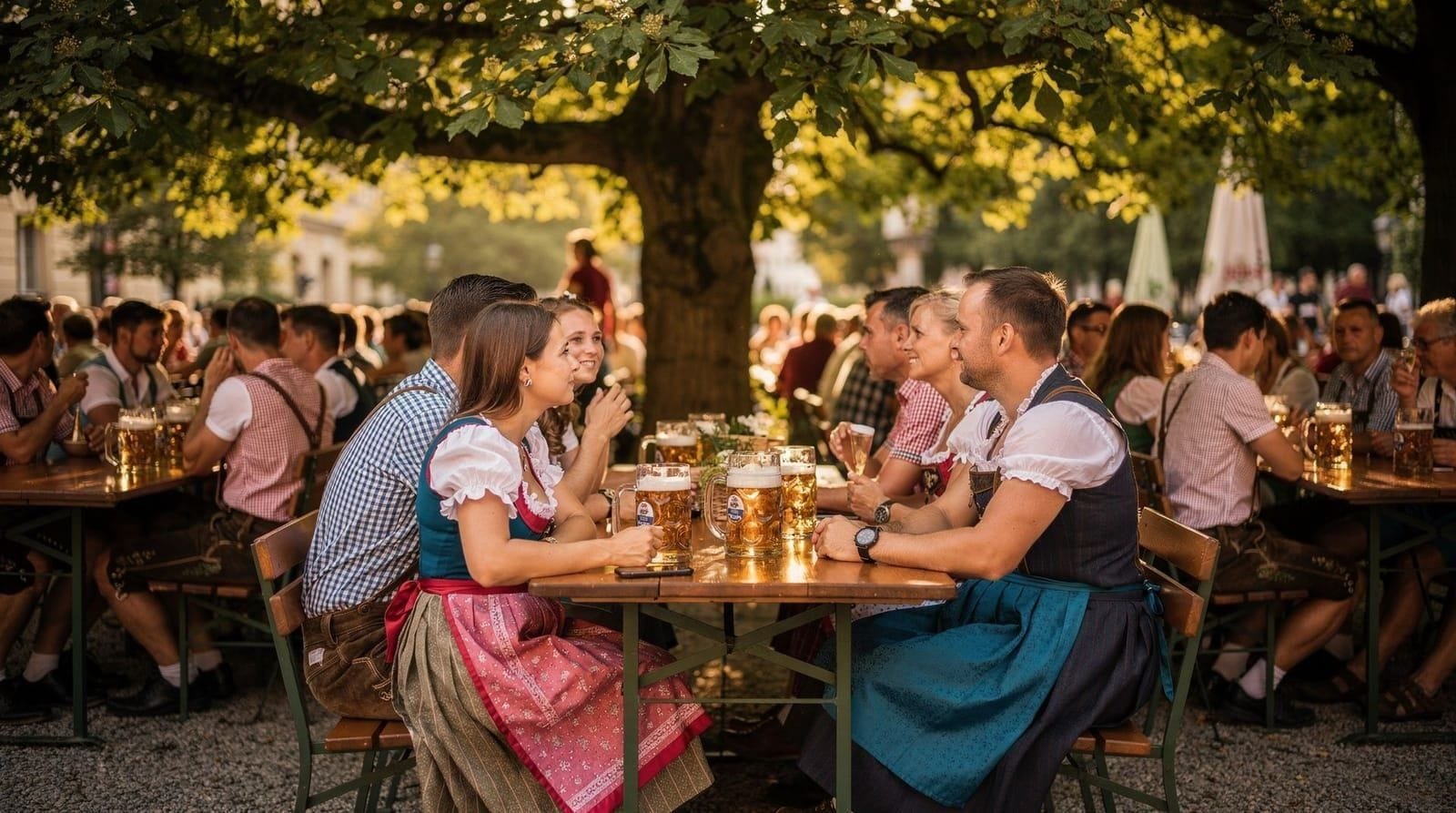
The streets also have independent clothing boutiques, design shops and vintage stores that serve the local population. The Glockenbachviertel has consistently supported independent retail even as other Munich districts have been colonised by chains — possibly because the neighbourhood’s population actively chooses to support local businesses. Munich food and beer walking tour — Bavarian specialities with a local guide
Where to stay in the Glockenbachviertel
Budget (under €80/night): The neighbourhood has limited budget hotel options. Nearby Hauptbahnhof area (10–15 minute walk) has the city’s best budget hotel and hostel concentration.
Mid-range (€100–170/night): Several boutique and design-oriented guesthouses in the neighbourhood. The Hotel Olympic (Hans-Sachs-Strasse 4) is one of the best-located options — central to the neighbourhood, comfortable and well-reviewed.
Upper mid-range (€170–260/night): The Deutsche Eiche hotel (Reichenbachstrasse) is the obvious choice for staying within the LGBTQ+-oriented culture of the neighbourhood. A historic building with 26 rooms and a sauna complex.
The neighbourhood’s central location means that premium accommodation competes with Altstadt and Maxvorstadt hotels for a similar price point. The advantage is the local character of the neighbourhood; the disadvantage is a slightly longer walk to some major sights.
For full area-by-area accommodation comparison, see the where to stay in Munich guide.
Nightlife: what to expect and when
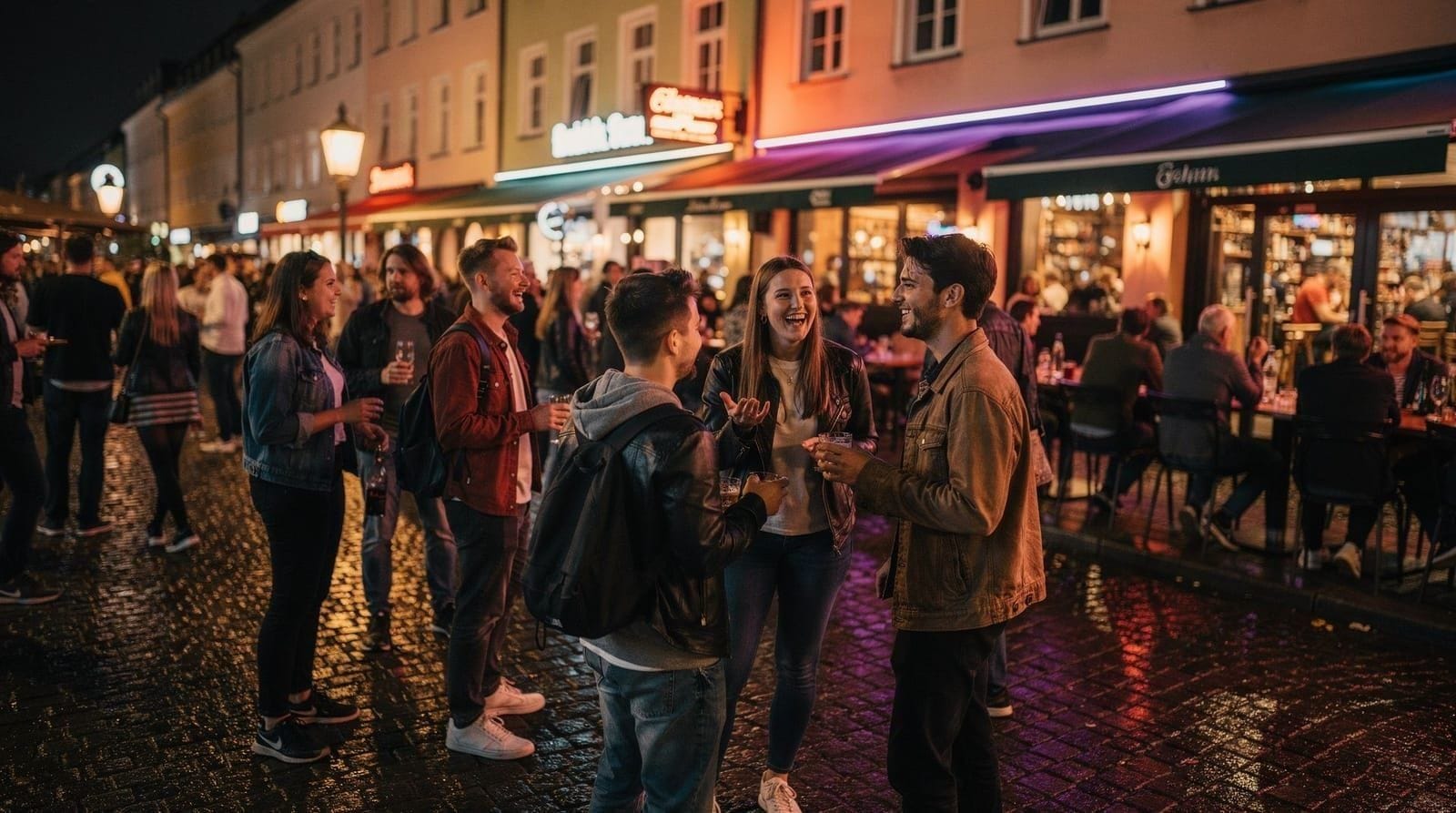
The Glockenbachviertel’s nightlife follows a different rhythm from the Altstadt beer halls. Rather than a single large destination (like the Hofbräuhaus), the neighbourhood has dozens of small bars, restaurant-bars and late-opening venues concentrated on a few streets.
The pattern:
- Dinner at restaurants from 7–8pm
- Bars open from 8pm, busy from 10pm
- Many venues open until 2–3am on weekends
- A small number of genuine clubs at the southern edge of the neighbourhood stay open later
The clientele is mixed — local residents, city visitors, students, LGBTQ+ community — and the atmosphere is notably less tourist-dominated than the Marienplatz area even at its busiest.
For a comprehensive overview of Munich’s nightlife by district, see the Munich nightlife guide.
Glockenbachviertel versus Au-Haidhausen versus Schwabing
Visitors choosing a base often weigh the Glockenbachviertel against Munich’s other “local” neighbourhoods. Here’s how they compare on the factors that matter most.
| Glockenbachviertel | Au-Haidhausen | Schwabing | |
|---|---|---|---|
| Distance from Marienplatz | 10–15 min walk | 20 min walk / U-Bahn | 25 min walk / U-Bahn |
| Nightlife | Most animated, LGBTQ+ scene | Quiet, local beer gardens | Café culture, some bars |
| Best for | Nightlife, independent dining | Families, riverside walks | Students, cafés, English Garden access |
| Accommodation price | Similar to Altstadt | Slightly cheaper | Mid-range |
For the full breakdown of the Au-Haidhausen option, see the Au-Haidhausen guide, and for Schwabing, the Schwabing neighbourhood guide.
A half-day walking route through the neighbourhood
Start at Sendlinger Tor and walk south on Fraunhoferstrasse, stopping at the independent bookshops along the way. Reach Gärtnerplatz for a coffee or lunch, then continue east on Klenzestrasse or Corneliusstrasse toward Müllerstrasse for the Müllersches Volksbad and the Wittelsbacher Brunnen. Loop back via Reichenbachstrasse past the Deutsche Eiche. This route takes about 2 hours at a relaxed pace and covers the neighbourhood’s daytime highlights before it shifts into its evening character. For dinner, Munich’s best restaurants guide covers options across the city including several in this neighbourhood.
Frequently asked questions about the Glockenbachviertel
Is the Glockenbachviertel walkable from Marienplatz?
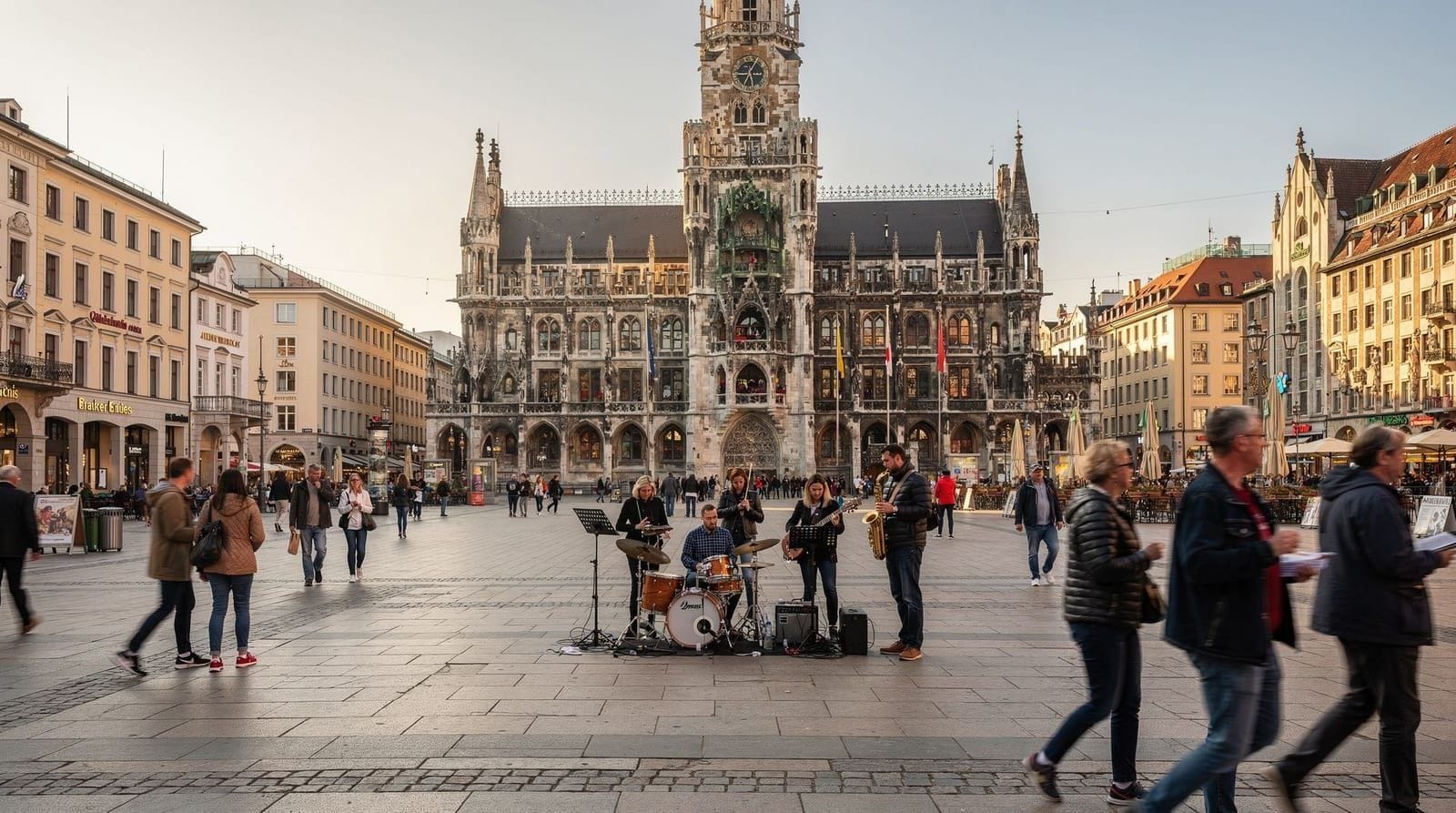
Yes. Sendlinger Tor (north edge of the neighbourhood) is a 10-minute walk south from Marienplatz via Sendlinger Strasse. Gärtnerplatz itself is 15 minutes. This makes the Glockenbachviertel the closest genuinely local neighbourhood to the tourist centre — you can walk from the Glockenspiel to the Gärtnerplatz square in under 15 minutes.
What is the best time of year to experience the Glockenbachviertel?
Summer is best for the outdoor Gärtnerplatz culture — the square is at its most animated in June, July and August when warm evenings allow extended outdoor sitting. The CSD (pride) weekend in late July is a significant event, with street parties and the neighbourhood at its most celebratory. The neighbourhood functions year-round but summer is peak social season.
Are there any daytime attractions in the Glockenbachviertel?
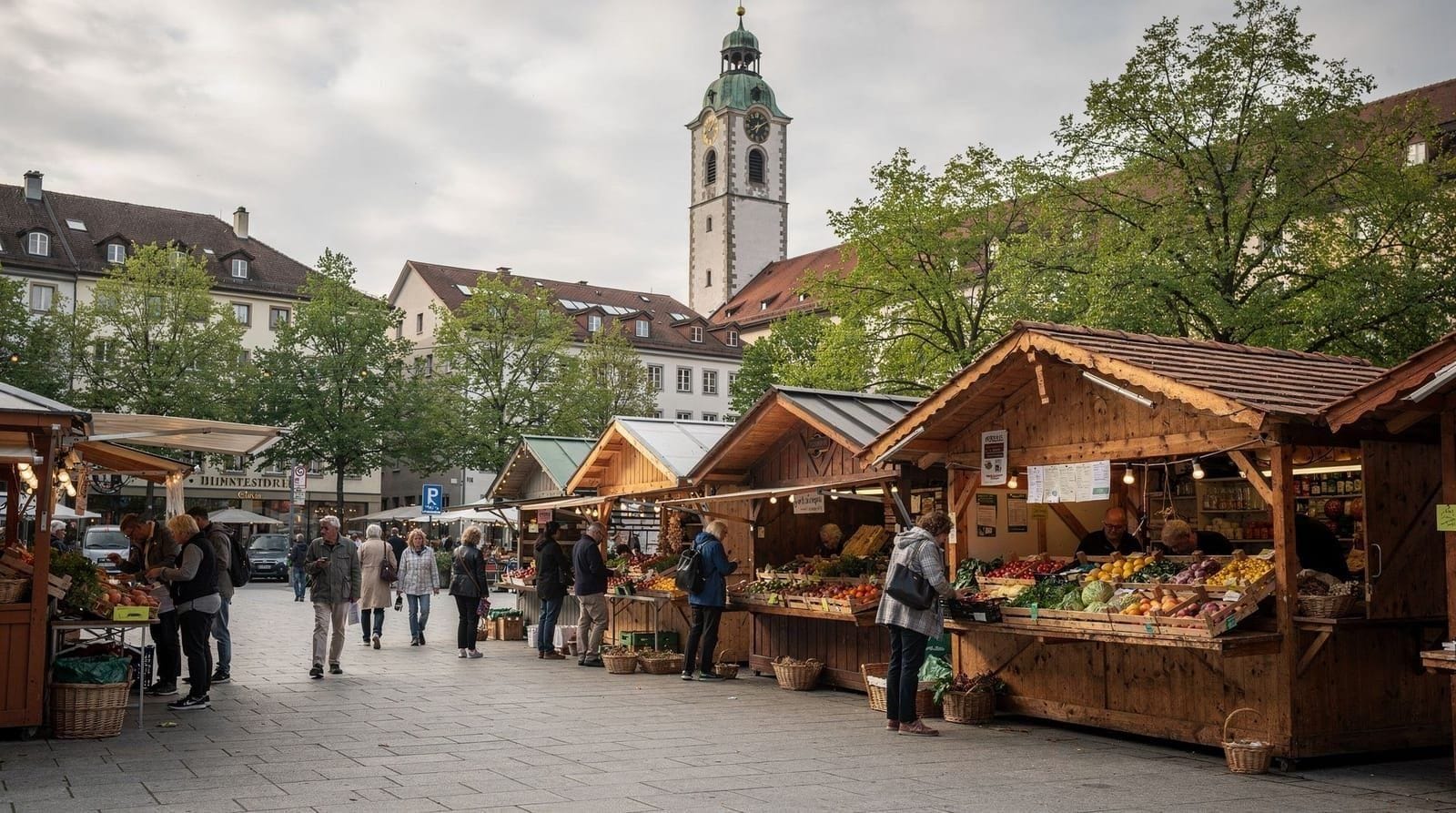
The Müllersches Volksbad (historic Art Nouveau bathhouse) is the main daytime attraction. The independent bookshops and boutiques are worth exploring. Café culture is strong throughout the day. The neighbourhood is primarily an evening and nightlife destination; daytime it functions as a residential area with good café and lunch options. The nearby Viktualienmarkt (10-minute walk north) is the best daytime draw in the area.
What is the Christopher Street Day Munich like?
CSD Munich is one of Germany’s largest pride events, typically drawing 400,000–600,000 participants over the parade weekend. The parade starts near Marienplatz, routes through the city centre and finishes near the Theresienwiese, passing close to the Glockenbachviertel. The neighbourhood has street parties, bar events and outdoor gatherings throughout the weekend. Accommodation for CSD weekend books out months in advance.
How does the Glockenbachviertel compare to the Au-Haidhausen for staying?
Both are good independent-travel neighbourhood choices. The Glockenbachviertel is more central (10 minutes from Marienplatz vs 20 minutes for Au-Haidhausen), has more nightlife and is more animated in the evenings. Au-Haidhausen is quieter, more family-oriented, has the Isar river access and the Deutsches Museum nearby, and tends to be slightly cheaper for accommodation. See the Au-Haidhausen guide for the full comparison.
Is the Gärtnerplatz Theatre worth visiting?
The Gärtnerplatz Theatre is Munich’s most accessible opera and operetta venue — tickets are less expensive and the productions are generally less formal than at the Nationaltheater or Cuvilliés Theatre. Opera productions in German with good acoustic quality; operetta (Lehár, Strauss) is a particular strength. For an evening out that includes both the neighbourhood atmosphere and a cultural event, combining dinner at a Gärtnerplatz restaurant with a theatre performance works well. See the Munich opera and classical music guide for the full picture.
Is the Glockenbachviertel a good base for a first-time visitor to Munich?
Yes, if you value local atmosphere and nightlife over being immediately next to the major sights. It’s close enough to the Altstadt to walk everywhere important, while offering a genuinely different, less touristy evening experience than staying directly on Marienplatz.
What’s the best way to combine the Glockenbachviertel with a guided experience?
An evening walking tour that starts in the Altstadt and finishes near the neighbourhood works well, letting you transition naturally from the historic centre to the local nightlife. Munich night watchman English-language evening tour
Top experiences
Bookable activities with verified prices and instant confirmation on GetYourGuide.