Munich nightlife guide
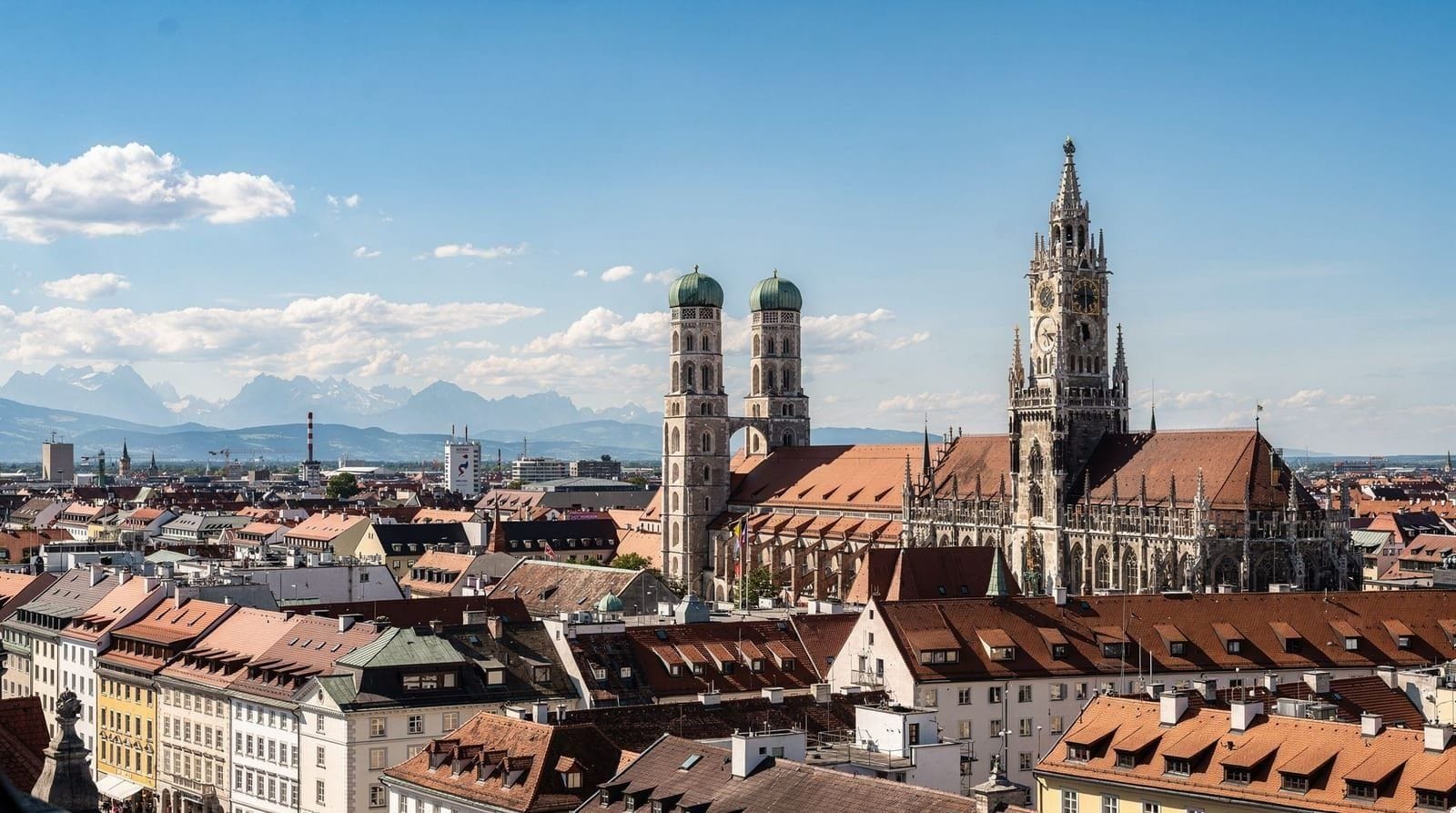
Munich: old town walking tour
What is Munich's nightlife like?
Munich has a lively but unpretentious nightlife scene. The Glockenbachviertel and Gärtnerplatz area host most cocktail bars and neighbourhood pubs. The Werksviertel-Mitte and Kultfabrik complex on the east side (near Ostbahnhof) is the main club district. Beer gardens stay open until 22:30 or midnight depending on the venue. Trams and U-Bahn run through the night on weekends, making transport easy.
The honest picture of Munich after dark
Munich’s reputation as a daytime cultural city — Pinakothek, Residenz, Viktualienmarkt — can give the impression that it shuts down at 20:00. That impression is wrong, but the city’s nightlife does have a character distinct from Berlin or Amsterdam: it is local-first, neighbourhood-anchored, and not especially focused on spectacle. If you know where to look, the options are excellent.
This guide covers the city’s main nightlife districts, the best bars, the club scene, beer garden evenings, and practical information for navigating Munich after dark.
| Where | Glockenbachviertel (bars), Werksviertel-Mitte/Kultfabrik (clubs) |
| Cost | free entry to most bars; clubs around €10–25; beer around €5–6 |
| Time needed | most venues get going from 22:00–23:00 |
| Getting there | U1/U3/U6 Sendlinger Tor for Glockenbach; S-Bahn Ostbahnhof for clubs |
| Best time | summer for beer gardens; year-round for bars and clubs |
Comparing Munich’s nightlife districts
| District | Vibe | Best for | Getting there |
|---|---|---|---|
| Glockenbachviertel | Independent, social, LGBTQ+-friendly | Bars, a relaxed local evening | U1/U2/U3/U6 Sendlinger Tor |
| Schwabing | Upscale, older crowd | Wine bars, jazz | U3/U6 Münchner Freiheit |
| Werksviertel-Mitte / Kultfabrik | High-energy, electronic music | Clubbing, late nights | S-Bahn Ostbahnhof |
| Altstadt (Platzl) | Loud, tourist-oriented | Beer hall nights, first-timers | U3/U6 Marienplatz |
| Maximilianstraße | Upscale, hotel bars | Post-opera drinks, cocktails | U4/U5 Lehel or U3/U6 Marienplatz |
Glockenbachviertel and Gärtnerplatz: the social core
The Glockenbachviertel, bounded roughly by Müllerstraße to the north, Sendlinger-Tor-Platz to the west, and the Isar to the east, is the most densely sociable neighbourhood in Munich. It has a significant LGBTQ+ presence, a high concentration of independent bars and restaurants, and a street life — particularly around Gärtnerplatz — that fills out on warm evenings.
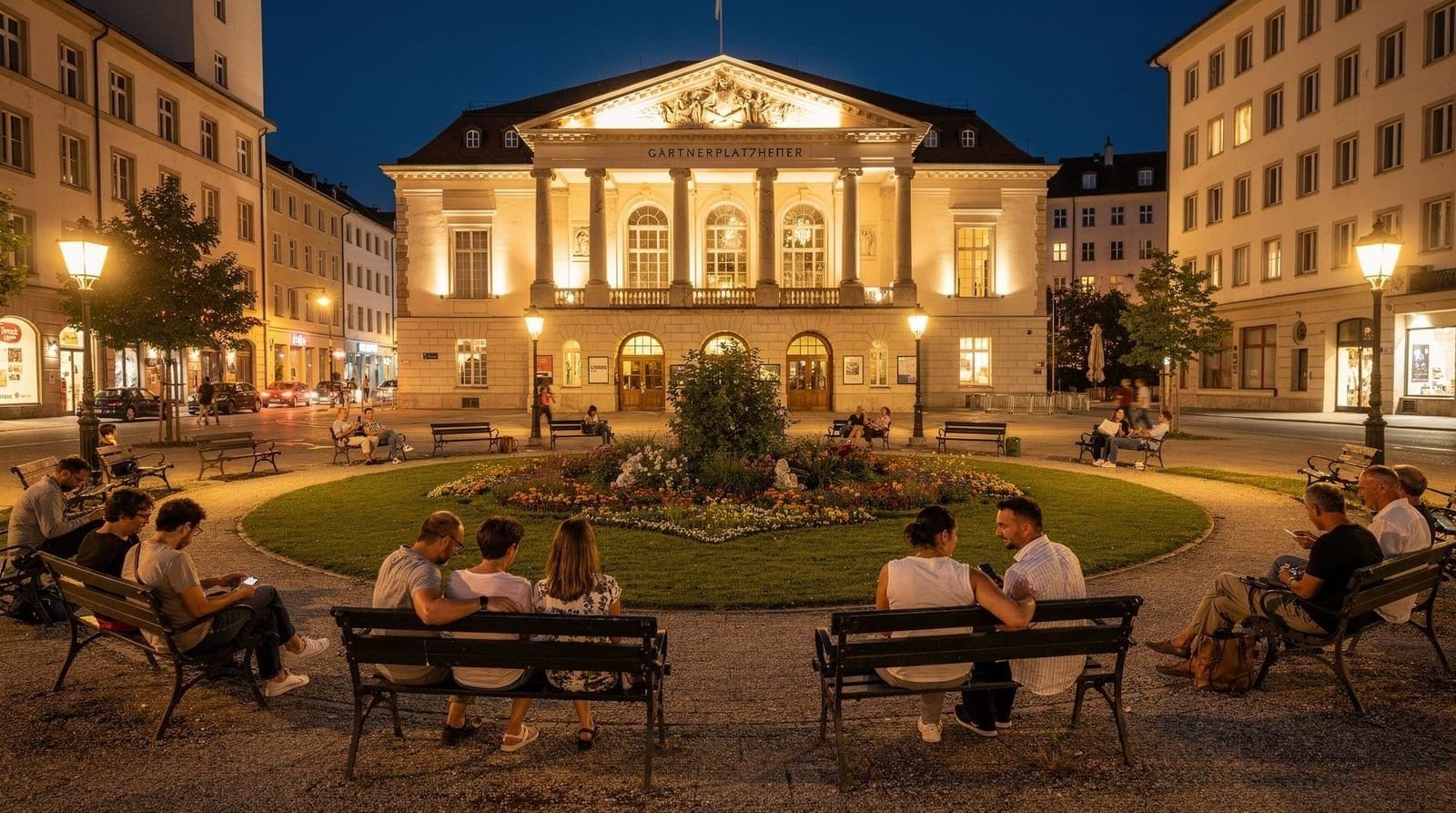
Gärtnerplatz itself is a circular square ringed with restaurants and bars. On summer evenings, people gather in the square with takeaway drinks from nearby shops — it is an unofficial pre-drink ritual and a good place to absorb the neighbourhood’s atmosphere. The Staatstheater am Gärtnerplatz is also here if you want to combine opera with your evening.
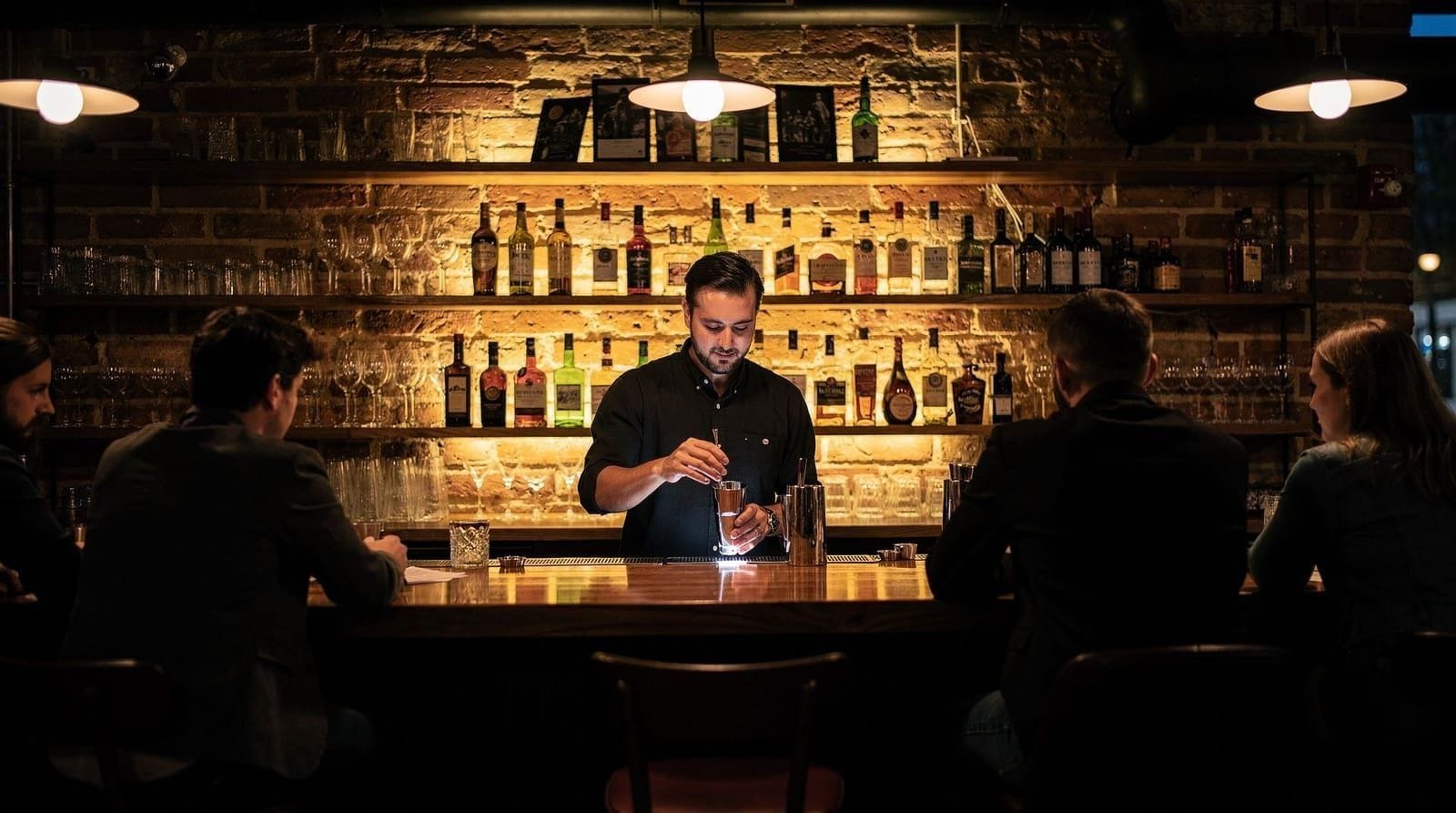
For bars, the streets radiating from Gärtnerplatz — Klenzestraße, Buttermelcherstraße, Reichenbachstraße — offer the best density. Most venues here are comfortable, independent, and priced reasonably. You will find everything from natural wine bars to well-worn corner Kneipen (traditional pubs).
The Glockenbachviertel guide covers the neighbourhood in more detail, including daytime cafés and restaurants. For evening purposes, the area around Reichenbachstraße is the practical starting point.
Schwabing: the old bohemian district
Schwabing, north of the city centre and adjacent to the English Garden, was once Munich’s artistic and intellectual hub. That bohemian character has diluted over decades of gentrification, but the neighbourhood still offers a good variety of evening options, particularly for a slightly older crowd looking for wine bars and jazz over techno.
Leopoldstraße is the main boulevard — it can feel touristy, particularly near the university end — but the streets to the east and west, around Hohenzollernstraße and Türkenstraße, have more interesting and authentic venues. The area around Münchener Freiheit is the liveliest northern node of Schwabing’s nightlife.
The Schwabing neighborhood guide has more on the district’s character.
Werksviertel-Mitte and Kultfabrik: the club district
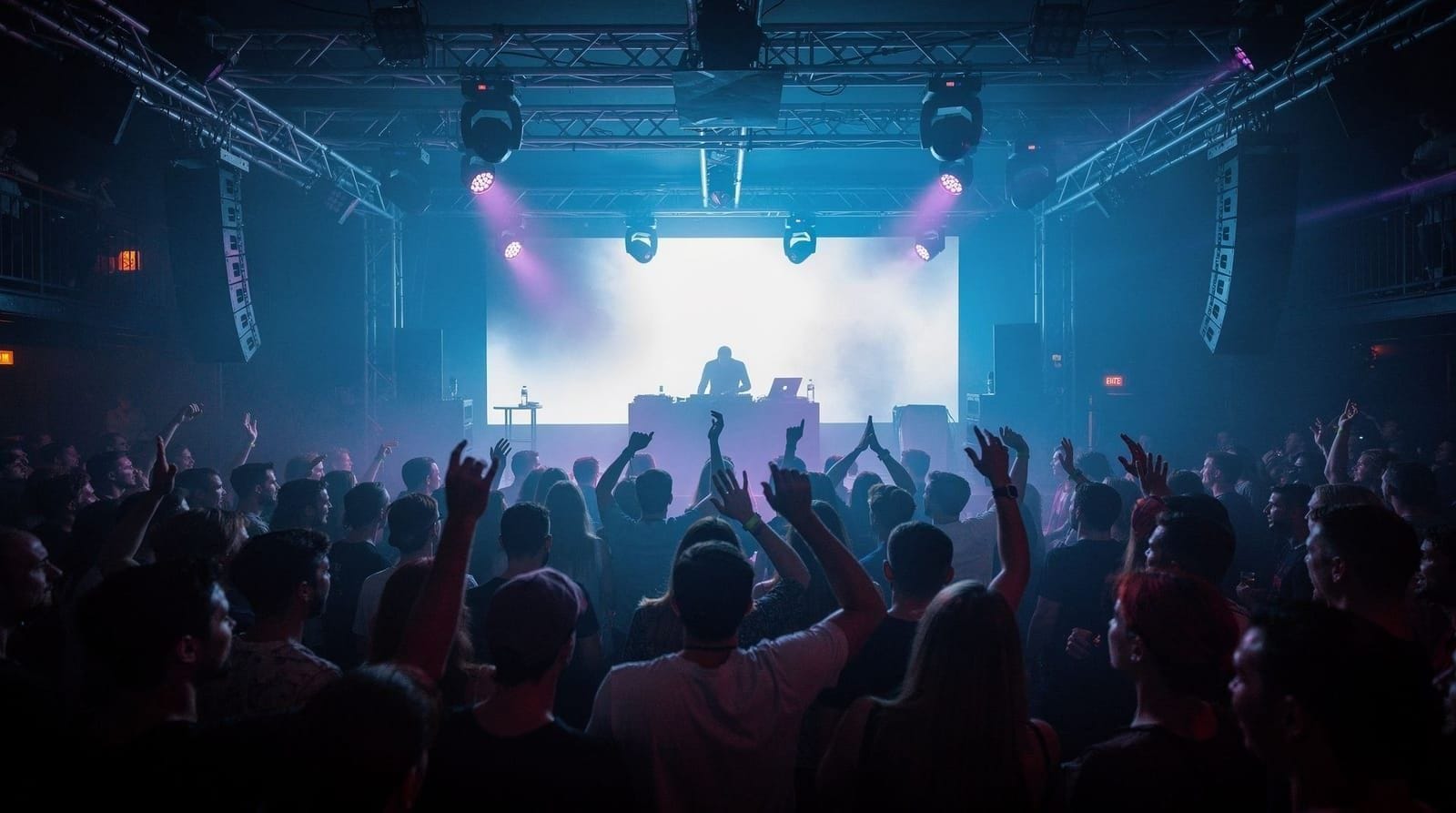
The most significant concentration of electronic music venues and clubs sits in the area around Ostbahnhof — specifically in Werksviertel-Mitte and the adjacent Kultfabrik complex.
Werksviertel-Mitte is a former industrial site (the Otto-Versand logistics complex) that has been redeveloped into a mixed-use creative quarter with offices, restaurants, a concert hall (Tonhalle München is planned to relocate here), and clubs. The open-air spaces here are particularly popular in summer.
Kultfabrik is an older cluster of club venues between Grafinger Straße and the railway tracks. It is more commercially oriented than Werksviertel’s newer additions, with multiple themed venues running simultaneously. The overall quality is variable — treat it as a high-energy, late-night option rather than a curated music experience.
Blitz (inside the Werksviertel complex) is the most critically respected techno club in Munich. It has a serious sound system, a no-phone policy on the dance floor, and books internationally known DJs alongside local residents. Queue early or expect a long wait after midnight.
Harry Klein is another respected venue with a long history in Munich’s club scene. It moved to its current Sonnenstraße location some years ago and has retained a loyal following for its focus on house and techno with stronger art direction than most Munich venues.
Both Blitz and Harry Klein are selective at the door. Going early (before midnight) significantly improves your chances. Dressing to look like a regular clubber rather than a tourist also helps. There is no guaranteed formula.
P1: the upscale alternative
P1 occupies an unusual position in Munich’s nightlife. Located on Prinzregentenstraße beside the Haus der Kunst (the former Nazi art exhibition hall, now a contemporary art museum), it has been the city’s highest-profile club for decades. It attracts a wealthier, more fashion-conscious crowd, has a stricter door policy, and plays chart-oriented house rather than underground techno.
Entry can run €20–25 and the bar prices reflect the positioning. It is not the choice for serious music, but if you want to observe a slice of Munich’s more aspirational social scene — or simply want to experience the city’s most famous club at least once — it serves that purpose. Located near the Maximilianstraße area, it is easy to combine with an earlier dinner in that part of the city.
Beer gardens in the evening
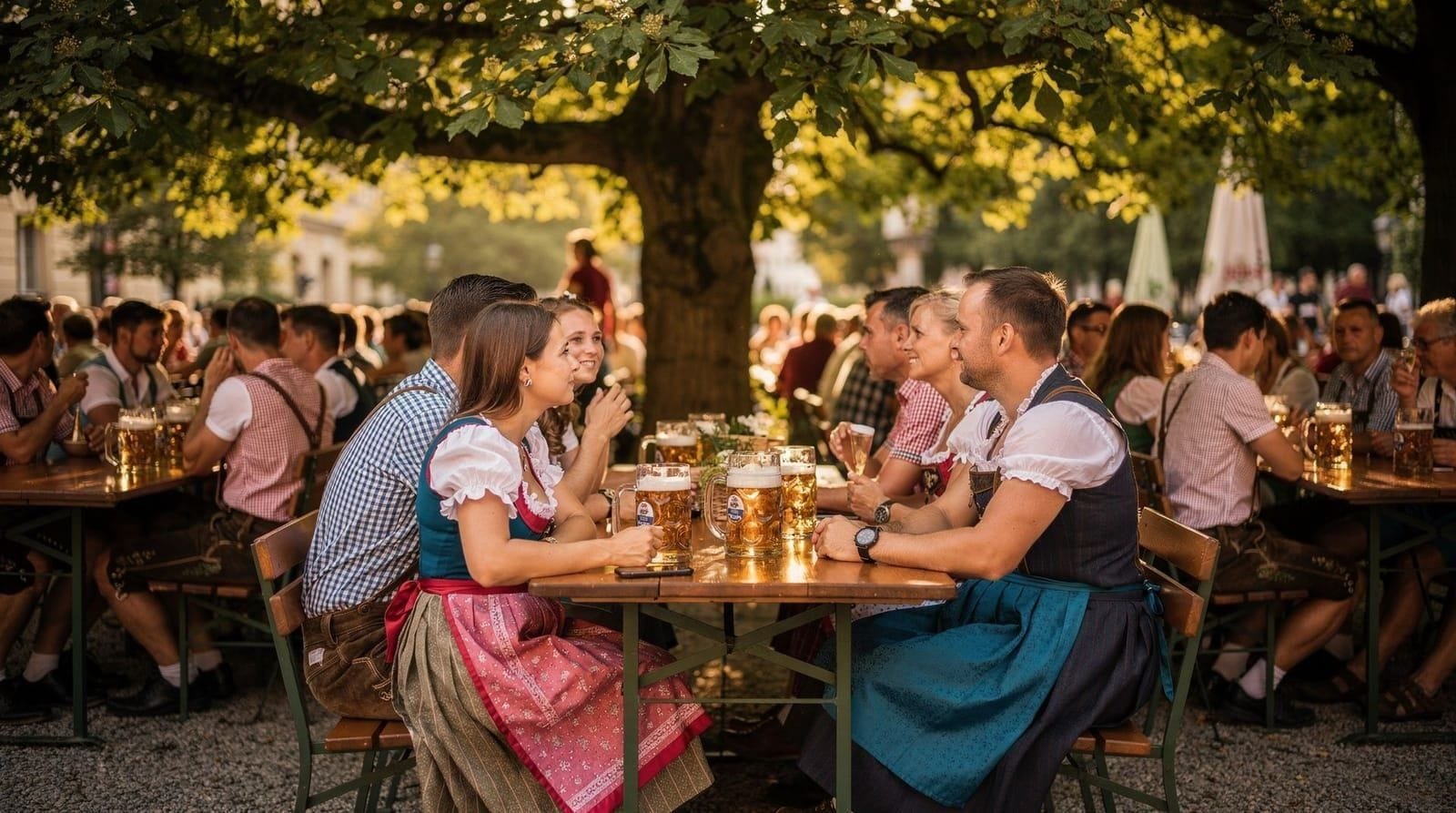
Munich’s beer garden culture does not entirely stop at sunset, though noise ordinances mean closing times are typically 22:30 and sometimes earlier. The main options for an evening in a beer garden:
Englischer Garten — Chinesischer Turm: The tower beer garden is the most atmospheric evening option in the English Garden, particularly in summer. Arrive early (before 20:00) if you want a table, as it fills quickly. The English Garden guide covers the full park.
Augustiner-Keller (Arnulfstraße 52): One of the city’s most beloved beer gardens, set under old chestnut trees near the Hauptbahnhof. It draws a broad local crowd and has a genuine, unforced atmosphere. Closes at 22:30.
Hofbräukeller (Innere Wiener Straße, Haidhausen): The beer garden attached to the original Hofbräu brewery in the Au-Haidhausen neighbourhood. Less tourist-oriented than the famous Hofbräuhaus on Platzl, and a good choice for a more local experience.
Viktualienmarkt beer garden: The small beer garden at the centre of the Viktualienmarkt is an excellent early-evening option before moving on elsewhere. See the Viktualienmarkt shopping guide for the market context.
The best beer gardens in Munich guide has comprehensive coverage of all the main options.
The Altstadt (old town) at night
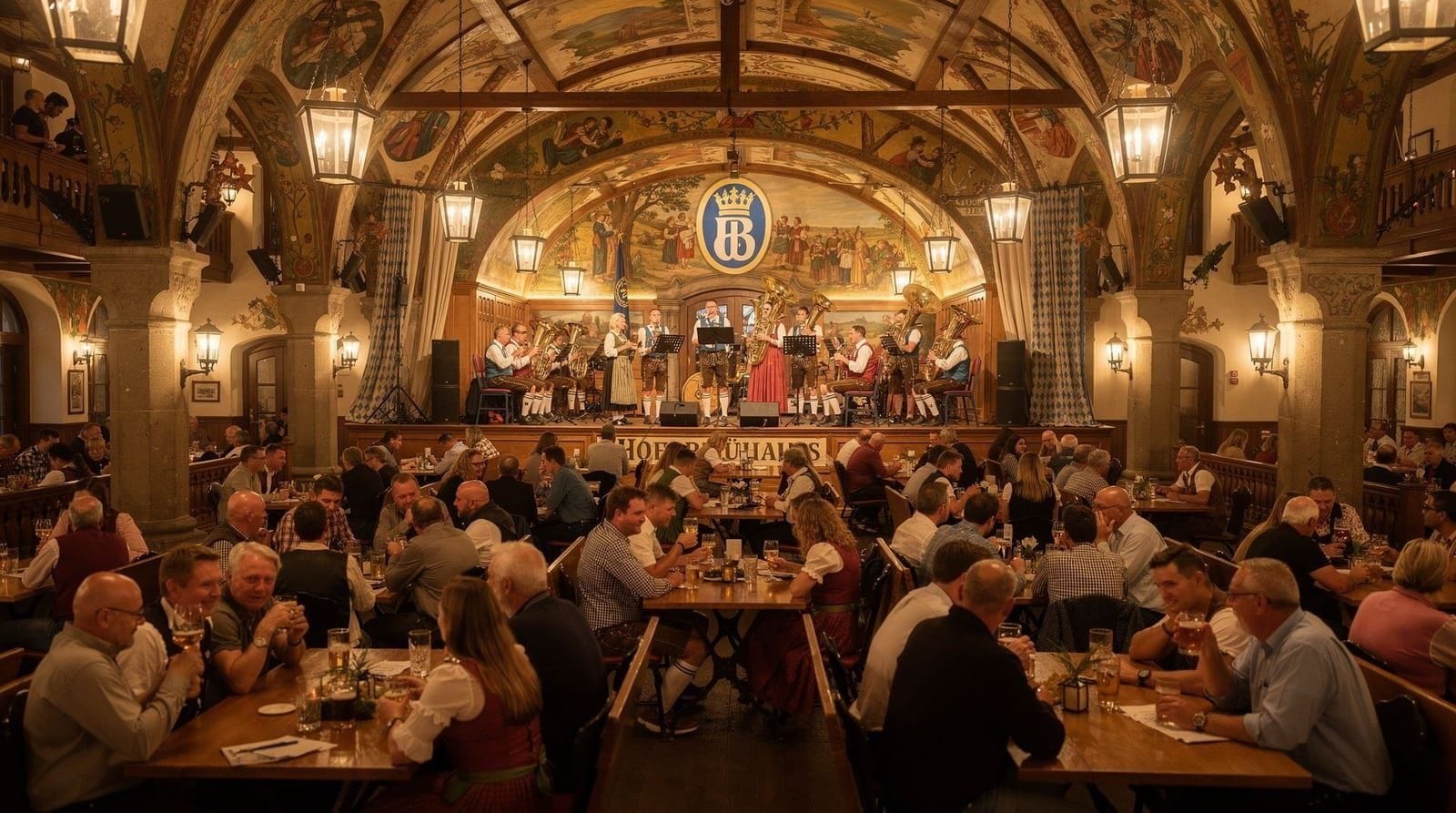
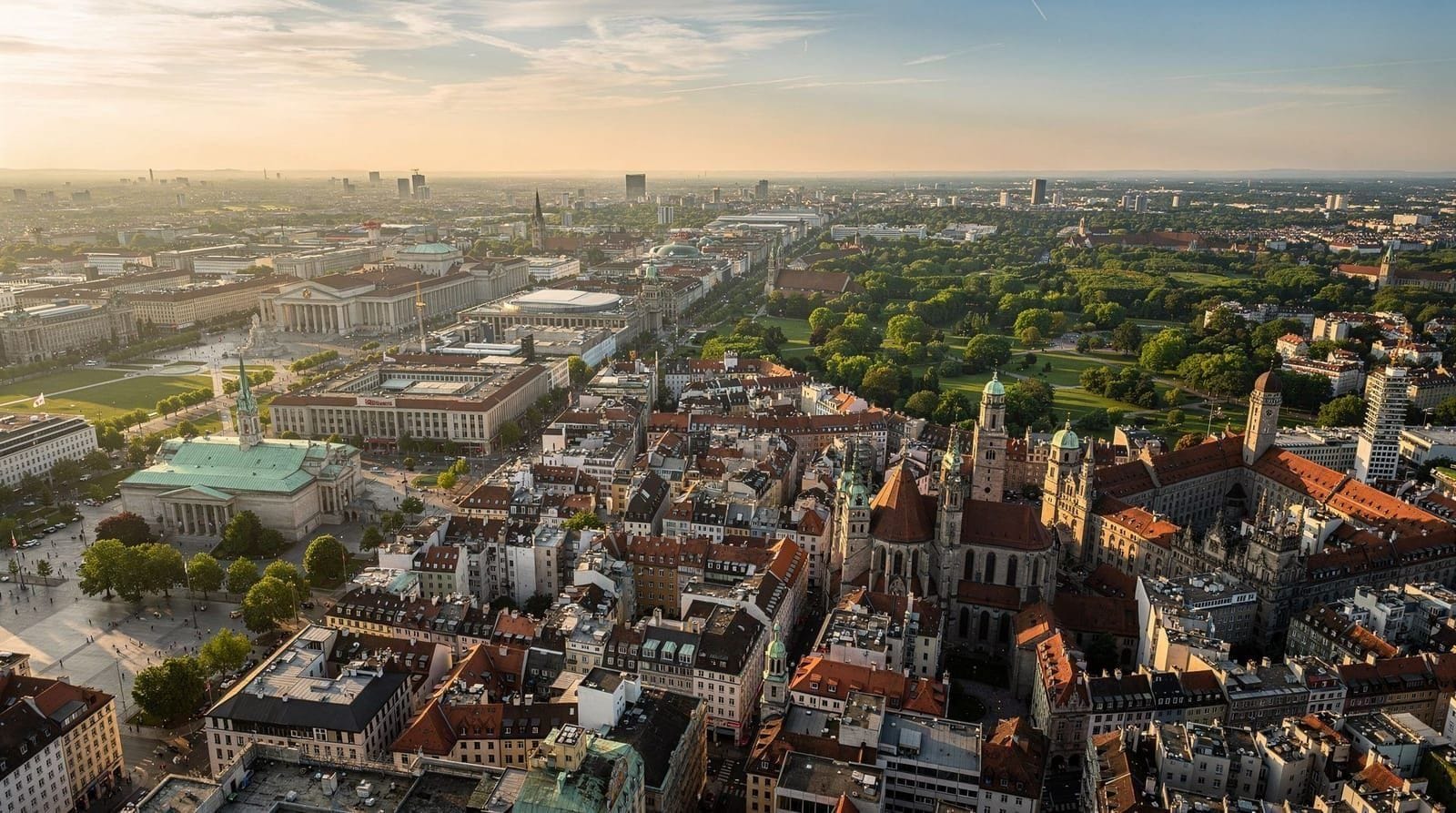
Munich’s old town is not primarily a nightlife district — it is more restaurant-focused in the evenings — but Platzl and the streets near the Hofbräuhaus produce a specific atmosphere: loud, tourist-oriented, and centred on litre steins rather than cocktails. It is worth experiencing once if you have not been to a large beer hall. The Hofbräuhaus itself stays open until midnight.
The Kaufingerstraße and Neuhauser Straße pedestrian zone is nearly deserted at night, as most shops close at 20:00. The more interesting evening areas in the centre are around Tal and the quieter streets of the southern Altstadt.
A guided evening tour of Munich’s old town can be a useful way to understand the city’s layout before striking out independently into the neighbourhood bars.
A food-and-beer walking tour earlier in the evening is another good way to combine dinner with orientation before heading out on your own: Munich food and beer walking tour
Getting around Munich at night
Munich’s public transport runs continuously through Friday and Saturday nights on the U-Bahn and S-Bahn (every 20 minutes). On Sunday through Thursday nights, the Nachtbus network operates instead, with some routes running every 30–40 minutes. The MVV app gives real-time departures.
Key late-night transport hubs:
- Marienplatz: Central U-Bahn interchange (U3/U6 and U4/U5).
- Ostbahnhof: S-Bahn hub serving Werksviertel and Kultfabrik, connects directly to the main city centre lines.
- Sendlinger Tor: U1/U2/U3/U6 interchange, useful for Glockenbachviertel.
The Munich public transport guide covers the full network.
Altstadt and Maximilianstraße at night
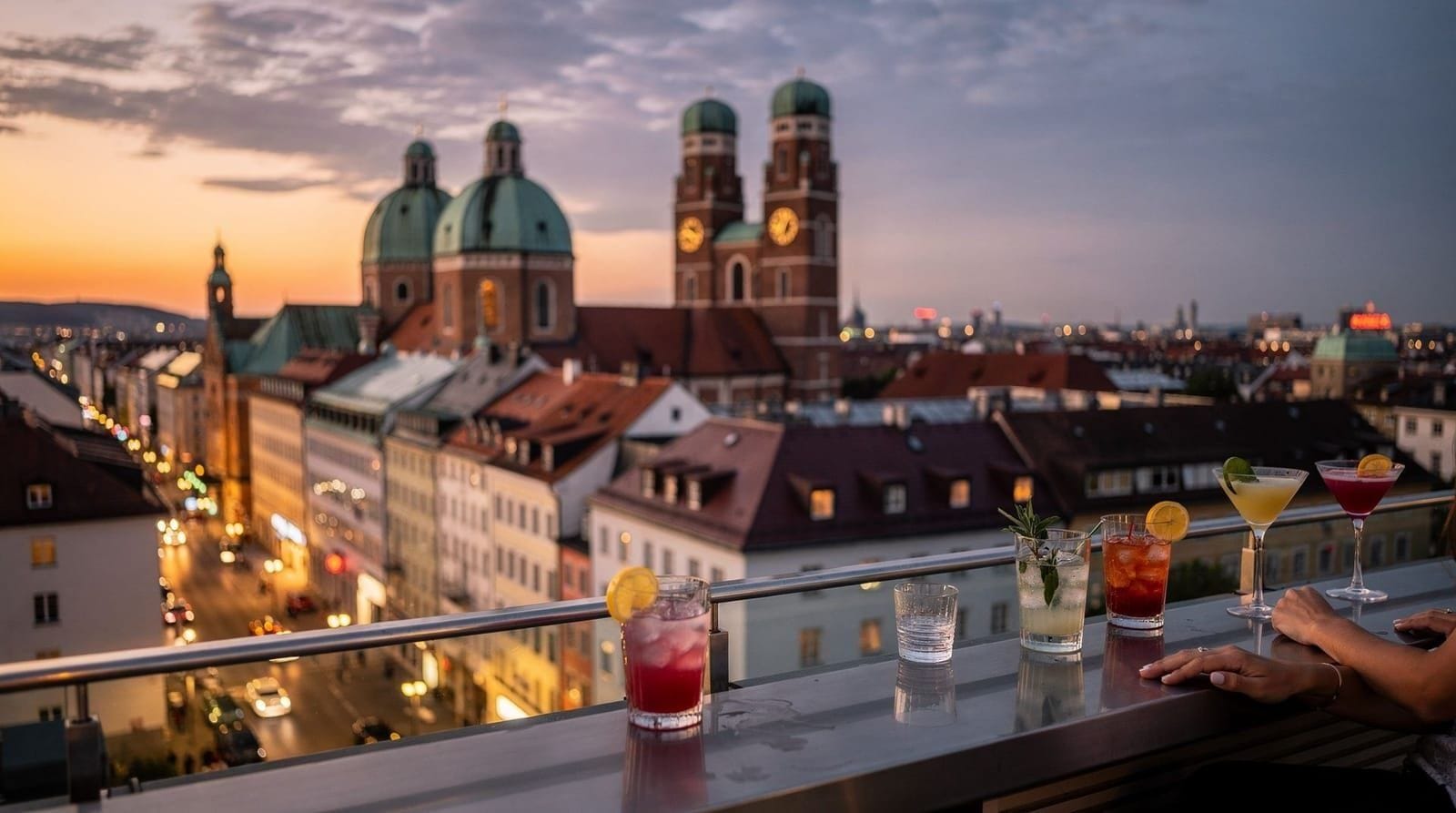
Munich’s luxury boulevard, Maximilianstraße, has a small but genuine after-dark scene beyond the shopping hours. Several hotel bars along the street (Mandarin Oriental, Hotel Vier Jahreszeiten Kempinski) operate as evening destinations in their own right — high prices, excellent cocktails, a clientele that skews toward business travellers and wealthy locals. These are not neighbourhood bars; they are professional settings for expensive drinks. Worth knowing about if you are in that part of the city after a show at the Nationaltheater or the opera.
The Nationaltheater on Max-Joseph-Platz stages the Bayerische Staatsoper — one of Europe’s leading opera companies — whose performances end around 22:30 or 23:00 and generate a post-theatre crowd for the hotel bars and restaurants of the Altstadt. If you are attending a performance, the bars around Odeonsplatz and on Brienner Straße are the natural post-show territory.
Seasonal variations: Oktoberfest and summer
Two seasons materially change Munich’s nightlife:
Oktoberfest (late September to early October): The tent-drinking culture of the Wiesn dominates. The festival runs from 10:00 daily and the tents close at 22:30 (23:30 at weekends). After tent closing, a significant proportion of the 6 million annual visitors spill into the city’s bars and transport system. The Glockenbachviertel sees elevated traffic, but the general atmosphere shifts toward boisterous rather than sophisticated. Regular club nights at venues like Blitz and Harry Klein are often lower quality during this period as the booking focus shifts to accommodate the tourist wave. For your first Oktoberfest, the experience is complete in the tents — the city’s regular nightlife can be experienced on a different visit. The Oktoberfest guide covers the festival in full.
Summer (June–August): The best season for Munich nightlife, primarily because outdoor drinking is central to the city’s culture and the evenings are long and warm. Beer garden season is at its peak, Gärtnerplatz fills with people sitting outside, and several open-air events supplement the regular club and bar programme. The Olympiapark (including the summer Tollwood festival in June/July) provides large open-air concert options.
Practical notes for 2026
- Noise: Munich enforces noise ordinances seriously. Beer gardens and outdoor venues lose the right to amplified music after 22:00 in most residential areas.
- Smoking: Germany’s indoor smoking ban is comprehensive in Bavaria. Most clubs have a designated smoking area — often a small outdoor terrace. Some older venues have partially exempt status.
- Payment: Cash is still preferred at many traditional bars and smaller venues. Larger clubs typically take cards, but carry €50 in cash as backup.
- Language: English is understood at virtually all bars and clubs in Munich. You do not need German to navigate the nightlife scene.
- Age limits: All bars and clubs in Germany require guests to be 18+. ID checks at the door of clubs are routine. Carry your passport or a government-issued photo ID.
For a broader overview of where to spend your time in the city, the Munich neighborhoods overview places the nightlife districts in geographic context.
Building a nightlife-focused evening by traveller type
First-timers wanting one classic night out: a beer hall dinner in the Altstadt around Platzl, then a walk south to Glockenbachviertel for a couple of independent bars, is the most balanced introduction — traditional and local in one evening. The Munich beer halls guide covers the Altstadt half of this plan.
Visitors prioritising clubbing: base your evening around Ostbahnhof from the start — dinner in Haidhausen or Werksviertel-Mitte itself, then queue for Blitz or Harry Klein before midnight rather than after, when waits stretch longest.
LGBTQ+ travellers: Glockenbachviertel is the clear anchor for the evening, with enough density of venues along Klenzestraße and Reichenbachstraße to spend an entire night without moving districts.
Couples wanting a quieter, upscale evening: Maximilianstraße’s hotel bars or a Bayerische Staatsoper performance followed by drinks near Odeonsplatz suit a calmer, dressier night out better than the club districts.
Frequently asked questions about Munich nightlife
What is the best neighbourhood for nightlife in Munich?
The Glockenbachviertel and Gärtnerplatz area offer the densest concentration of bars and the most consistent local atmosphere. For clubs, the Werksviertel-Mitte and Kultfabrik area near Ostbahnhof is the main destination.
Do Munich clubs allow entry after midnight?
Yes, but popular venues like Blitz and Harry Klein often have queues that extend well beyond midnight on weekends. Arriving before midnight significantly improves your chances of entry without a long wait.
Is Munich nightlife LGBTQ+ friendly?
The Glockenbachviertel is well established as the city’s LGBTQ+ social hub, with a high concentration of gay and mixed bars. Munich has a generally tolerant urban culture, and most mainstream venues in the city are welcoming.
How does Munich nightlife compare to Berlin?
Munich’s club scene is smaller and more conservative than Berlin’s. The underground electronic music scene exists but is modest compared to Berghain-era Berlin. Munich compensates with superior beer garden culture, a more relaxed social atmosphere, and an arguably more enjoyable city to experience while impaired.
Can I visit multiple neighbourhoods in one evening?
Yes. The Glockenbachviertel is easily walkable from Marienplatz (15 minutes), and the U-Bahn connects the centre to Ostbahnhof in about 8 minutes. A standard Munich evening might involve dinner in the Altstadt, drinks in Glockenbach, and a club in Werksviertel.
What are the best months for Munich nightlife?
Summer months (June–August) are the best for combining outdoor beer garden evenings with later bar visits. Oktoberfest season (late September) brings a different energy — the city is crowded and the focus is on tent drinking rather than neighbourhood nightlife.
Are there good live music venues in Munich?
Yes. The Muffatwerk (Zellstraße, near the Isar) hosts mid-size live acts in a converted industrial building with a beer garden. The Olympiahalle and Olympiapark handle large concerts. Strom on Lindwurmstraße is a respected small venue for alternative and indie acts.
Is it safe to walk around Munich at night?
Generally yes — Munich is one of Germany’s safest large cities, and the main nightlife districts (Glockenbachviertel, Schwabing, the Altstadt) have no meaningful safety concerns for a normal evening out. The area around the Hauptbahnhof (Bahnhofsviertel) is the one part of central Munich with more visible street-level issues at night; it is not dangerous but has a rougher edge than the neighbourhoods covered in this guide.
Do I need reservations for popular bars in Munich?
Rarely for standard bars, but some cocktail bars in Glockenbachviertel and hotel bars on Maximilianstraße take reservations for weekend evenings and it is worth booking ahead if you have a specific venue in mind. Beer gardens and Kneipen operate on a walk-in basis.
Top experiences
Bookable activities with verified prices and instant confirmation on GetYourGuide.