Best bars in Munich 2026
Munich: guided food walking tour with beer tasting
Where are the best bars in Munich?
The Glockenbachviertel and Gärtnerplatz area have the highest density of good bars — independent cocktail bars, natural wine spots, and neighbourhood pubs. Schwabing is better for a slightly older crowd and quieter evenings. The Altstadt near Marienplatz has beer halls but few interesting bars. Cocktails average €12–15; a beer in a bar costs €5–7 for 0.5 litres.
| Best area | Glockenbachviertel, around Gärtnerplatz |
| Cocktail price | Around €12–15 |
| Beer price | Around €5–7 for 0.5 litres |
| Getting there | U1/U2 Fraunhoferstrasse or Sendlinger Tor |
| Best time | From around 22:00 on weekends |
Where Munich’s bar culture actually lives
Munich’s drinking culture is often reduced to beer halls and Oktoberfest tents in tourist coverage. That version of the city is real — but it is one layer. Beneath it sits a genuine cocktail bar scene, a growing natural wine culture, and a dense network of neighbourhood Kneipen that are among the most comfortable and unpretentious places to drink in Germany.
This guide focuses on bars where you can have a conversation, a quality drink, and an evening that does not feel like a package tour. Beer gardens are covered separately in the best beer gardens in Munich guide.
Glockenbachviertel: the best area for bars
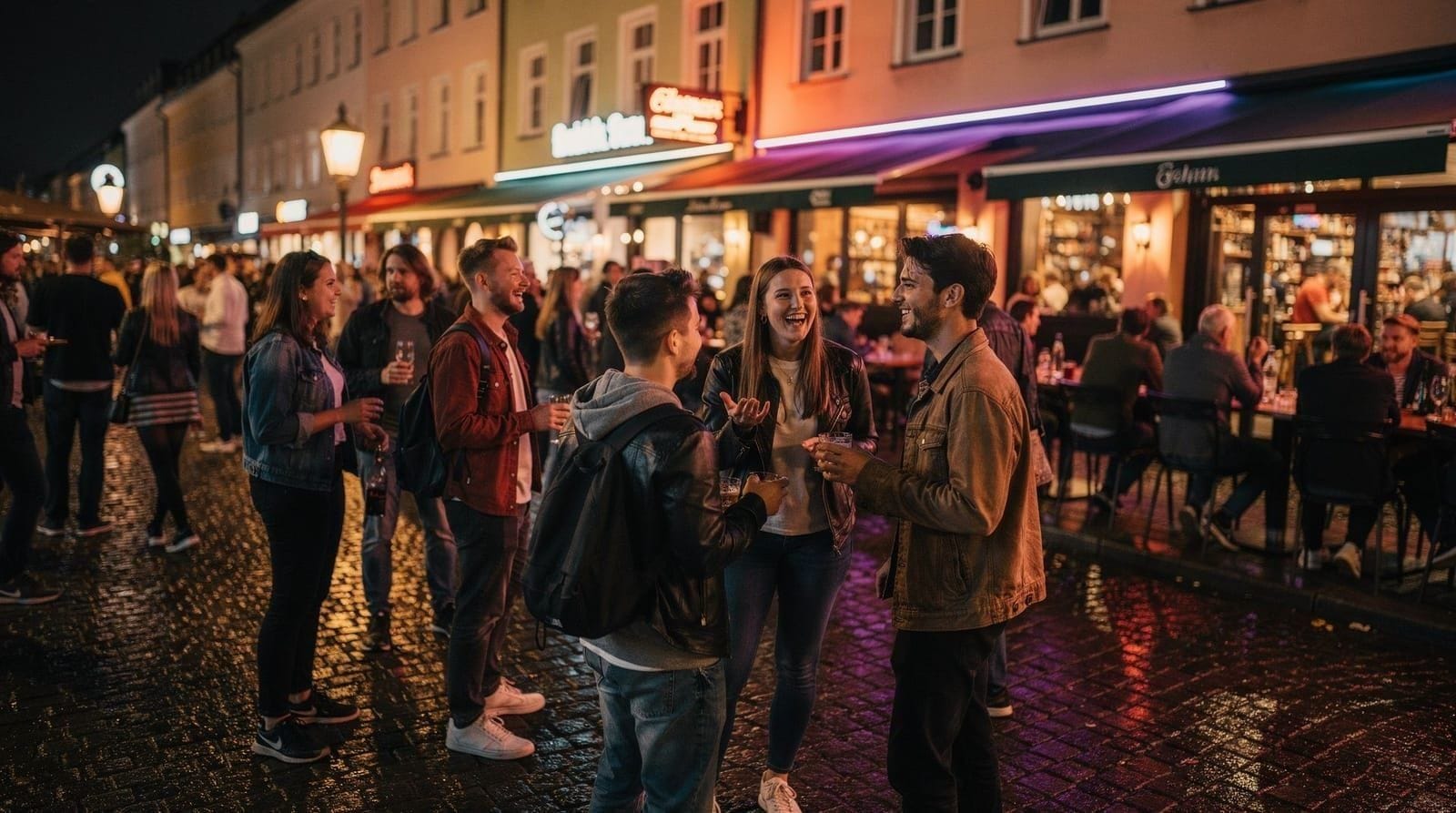
The Glockenbachviertel is the highest-density bar neighbourhood in Munich, and the most consistent in quality. The area runs south of Sendlinger Tor, centred on Reichenbachstraße, Buttermelcherstraße, and the streets around Gärtnerplatz. It has a mixed crowd — students, young professionals, the LGBTQ+ community — and an atmosphere that manages to be both lively and relaxed.
The streets to walk are Klenzestraße, Reichenbachstraße, and Fraunhoferstraße. You can walk the whole area in 20 minutes, so it rewards exploration rather than a fixed itinerary. Most bars open around 18:00 and the area reaches peak activity around 22:00–23:00 on weekends.
What makes the neighbourhood work is its independence: nearly every bar is owner-operated, not a chain, and the range — from serious cocktail bars to a corner pub where you drink Augustiner from the bottle — is broad enough to suit different moods.
The Glockenbachviertel guide covers the neighbourhood comprehensively, including daytime options.
Schwabing and Maxvorstadt: wine bars and quieter evenings
Schwabing, to the north of the city centre, and the adjacent university district of Maxvorstadt offer a different evening character: quieter bars, wine-focused venues, and a generally slightly older crowd. Türkenstraße and the streets around the Pinakothek museums (closed in the evenings, but the area stays lively) are the main zones.
This is a better area if you want to have a long dinner and then a few drinks without the pressure of a loud bar environment. Several wine bars here focus on German and Austrian producers, including some natural wine specialists that have opened in the last few years.
The Maxvorstadt guide and Schwabing neighborhood guide give more detail on both districts.
Au-Haidhausen: the underrated east-side alternative
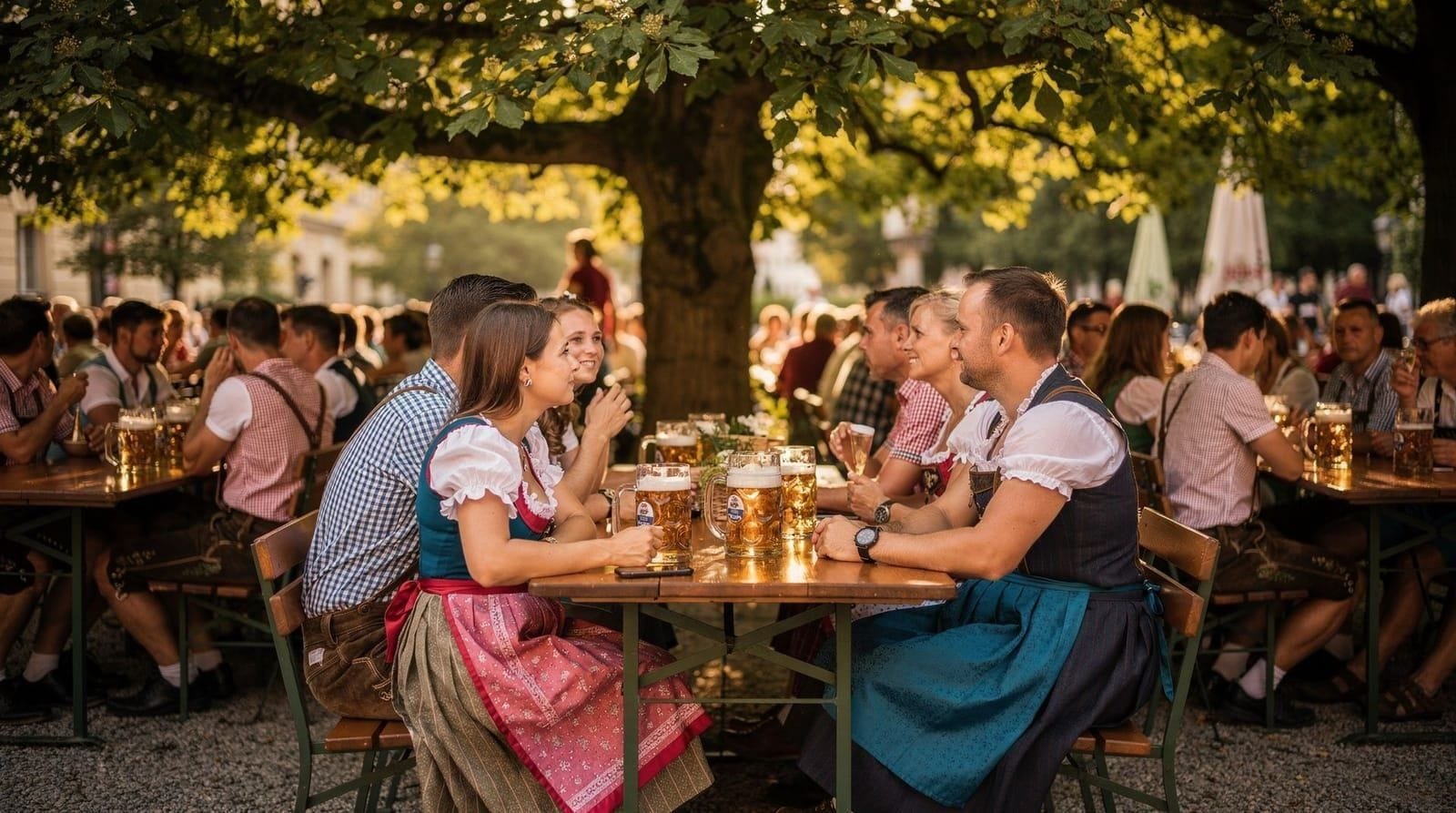
The Au-Haidhausen neighbourhood, east of the Isar, is less immediately obvious than Glockenbach but has a loyal local following. The area around Innere Wiener Straße and the Haidhauser Markt has several good neighbourhood bars, and the Hofbräukeller beer garden nearby is one of the better evening beer garden options.
Haidhausen is where many Münchners who have outgrown the Glockenbachviertel end up — slightly quieter, slightly more residential, with bars that open earlier and run later without the weekend crowd pressure. The Au-Haidhausen guide covers the neighbourhood.
The Altstadt: what to expect (and avoid)
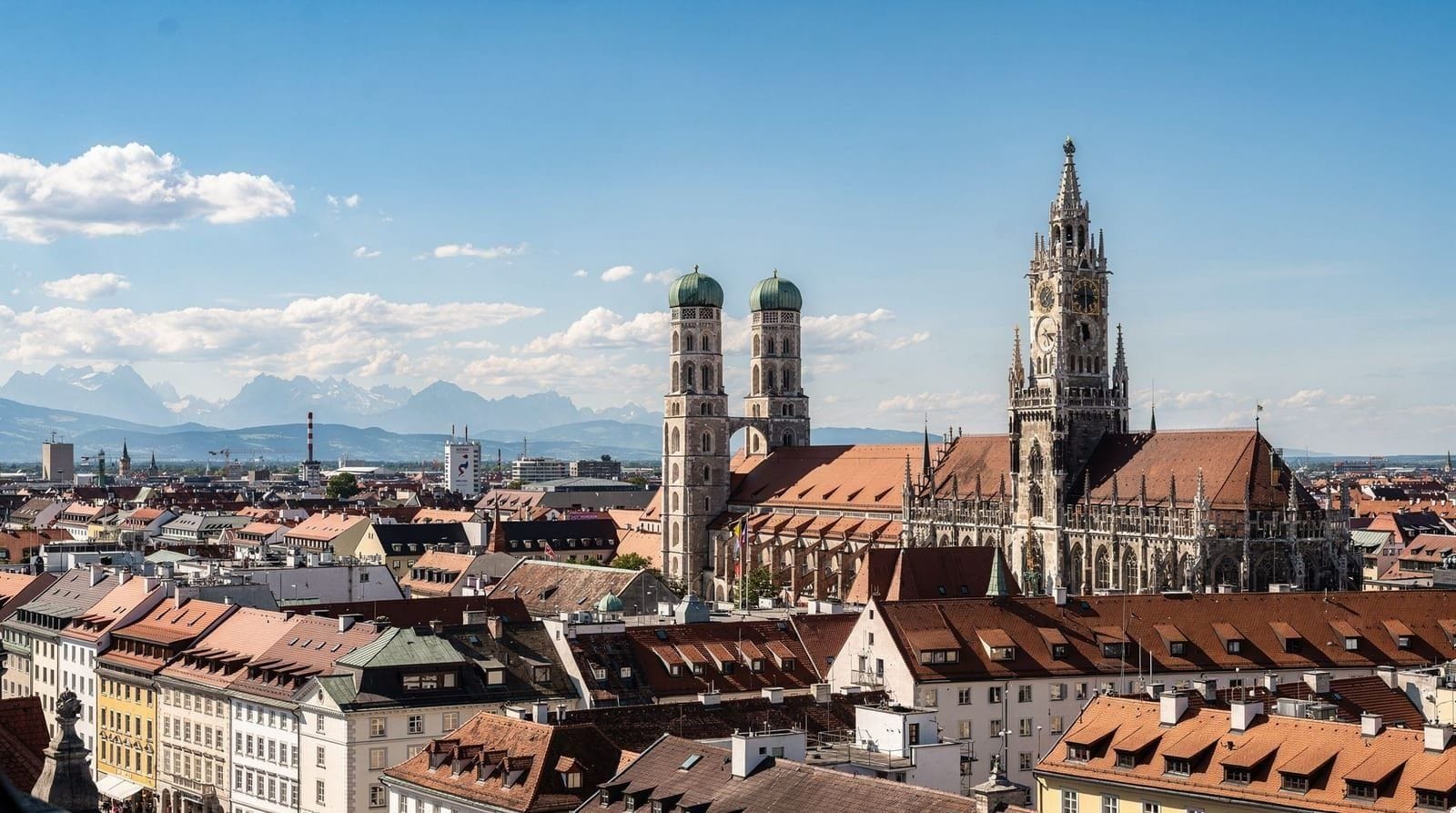
The bars closest to Marienplatz and the main tourist sights are, predictably, the least interesting for drinking. The Hofbräuhaus (Am Platzl 9) is a legitimate Munich experience and worth a visit on its own terms — the crowd is international, the beer is competent, and the atmosphere is genuinely unique — but it is not a bar you return to for quality alone.
The streets of the Altstadt south of Marienplatz, around Tal and the smaller alleys, have a few decent wine bars and traditional pubs that see fewer tourists. These are worth exploring on an evening walk.
A guided food and beer walking tour is a practical way to navigate several bar and food stops in the Altstadt and Glockenbachviertel area under local guidance — particularly useful on a first visit when you want to understand which streets repay further exploration.
Beer versus cocktails: price reality
A 0.5-litre glass of draught Augustiner or Paulaner at a regular bar costs around €5–7 in 2026. A Masskrug (1 litre) at a beer garden runs €10–12. Cocktails at a serious cocktail bar are €12–15. Wine by the glass starts around €7–9 at a basic bar and goes to €14–18 at a wine-focused venue.
Prices in the Altstadt and near the main tourist sights run about 20% higher than in the Glockenbachviertel for equivalent drinks. The hotel bars on Maximilianstraße are the most expensive in the city — €18–22 for a cocktail is not unusual — and quality does not always justify the premium.
Traditional Kneipen: the neighbourhood pub
The Munich Kneipe is a specific format: a small, often decades-old bar, no food or bar snacks beyond crisps, Augustiner or Löwenbräu on tap, and a mixed local clientele that runs from students to retirees. These places are among the most authentically Bavarian drinking experiences in the city, and they are not designed to be discovered by tourists — which is precisely what makes them good.
You find them on residential streets rather than main roads. They typically do not have websites or active social media. Walking the residential streets of Schwabing, Maxvorstadt, and Haidhausen in the early evening is the most reliable method for finding one. If you see a frosted-glass window with a Augustiner sign and a few older men at the bar, you are in the right place.
What to expect inside a genuine Kneipe: a bartender who knows most customers by name, prices that are 10–20% lower than the area’s cocktail bars, and an atmosphere that varies between comfortable silence and vigorous conversation depending on the night. You order in German if possible (Prost, nicht Cheers), pay cash, and do not expect a cocktail menu. If the bar has a jukebox, it will play German pop from the 1980s and 1990s.
These are not places that make “best bar” lists. They are the spaces where Munich residents actually spend their evenings, and experiencing one is more revealing about the city’s actual character than a visit to any bar designed with visitors in mind.
What to drink: Munich’s bar staples
A brief guide to what you will encounter on bar menus throughout Munich:
Augustiner Helles: The default draught beer in most Munich bars that take their beer seriously. A clear, malt-forward lager brewed in Munich since 1328 (in its current form). The Edelstoff version (also from Augustiner) is a slightly stronger export-style lager. Both are excellent.
Weißbier (Hefeweizen): The wheat beer that Bayern is famous for. Paulaner and Erdinger are the largest commercial producers; Schneider Weisse is the quality benchmark. Usually ordered as a 0.5-litre glass. The pour — a slow pour down the angled glass — is worth watching.
Radler: A 50/50 mix of lager and lemonade (Zitronenlimonade), sold at about 2.5% ABV. Common in summer and a sensible choice if you want to pace yourself through a long evening. Not looked down upon — it is a legitimate Bavarian drink.
Augustiner Dunkel: The dark lager variant from Augustiner. Uncommon on draft but worth seeking out. Maltier and richer than the Helles without the sweetness of a Bock.
The Augustiner vs Hofbräu guide covers Munich’s main breweries in detail.
A bar crawl itinerary
A practical evening structure in Munich:
- Start at Augustiner-Keller beer garden (Arnulfstraße 52, near Hauptbahnhof) — open-air, chestnut trees, lager from wooden barrels. Arrive by 20:00.
- U-Bahn to Sendlinger Tor — walk into the Glockenbachviertel.
- First bar on Reichenbachstraße or Klenzestraße — explore on foot.
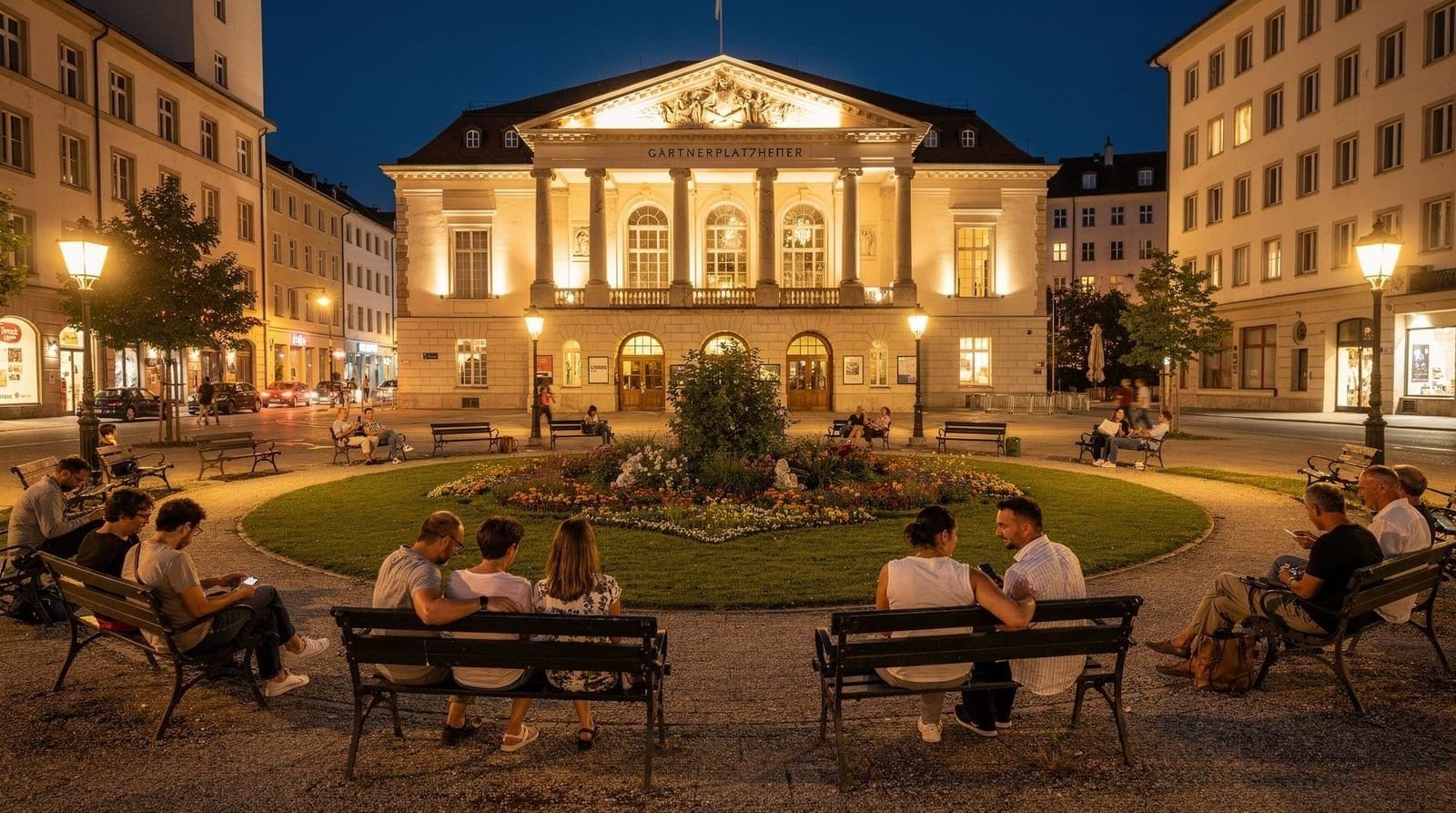
- Gärtnerplatz — late evening drinks if the square is active (best in summer).
- Optional: walk north to the Altstadt for a final drink near Marienplatz before transport home.
The U-Bahn runs through the night on Fridays and Saturdays, so transport back to your hotel is straightforward at any hour. The Munich public transport guide covers night services.
Wine bars: a growing category
Munich’s natural wine scene has grown significantly since 2020. Several wine bars in the Glockenbachviertel and Maxvorstadt focus on small producers from Germany, Austria, and the wider natural wine world. These tend to be quieter than cocktail bars, with more focused menus and staff who can talk through the list. The Munich wine bars guide covers specific venues.
Hotel bars worth knowing about
Munich’s luxury hotel bar scene is small but genuinely good. Three options worth noting:
Hotel Vier Jahreszeiten Kempinski (Maximilianstraße 17): The Jahreszeiten Bar is a classic hotel bar — dark wood, excellent cocktails, a calm atmosphere that makes it suitable for a conversation you actually want to have. Expensive (€16–22 per cocktail) but not pretentious.
Mandarin Oriental (Neuturmstraße 1): The bar at this Altstadt luxury hotel has a focused cocktail programme and a terrace overlooking the Maximilianstraße area. Open to non-guests.
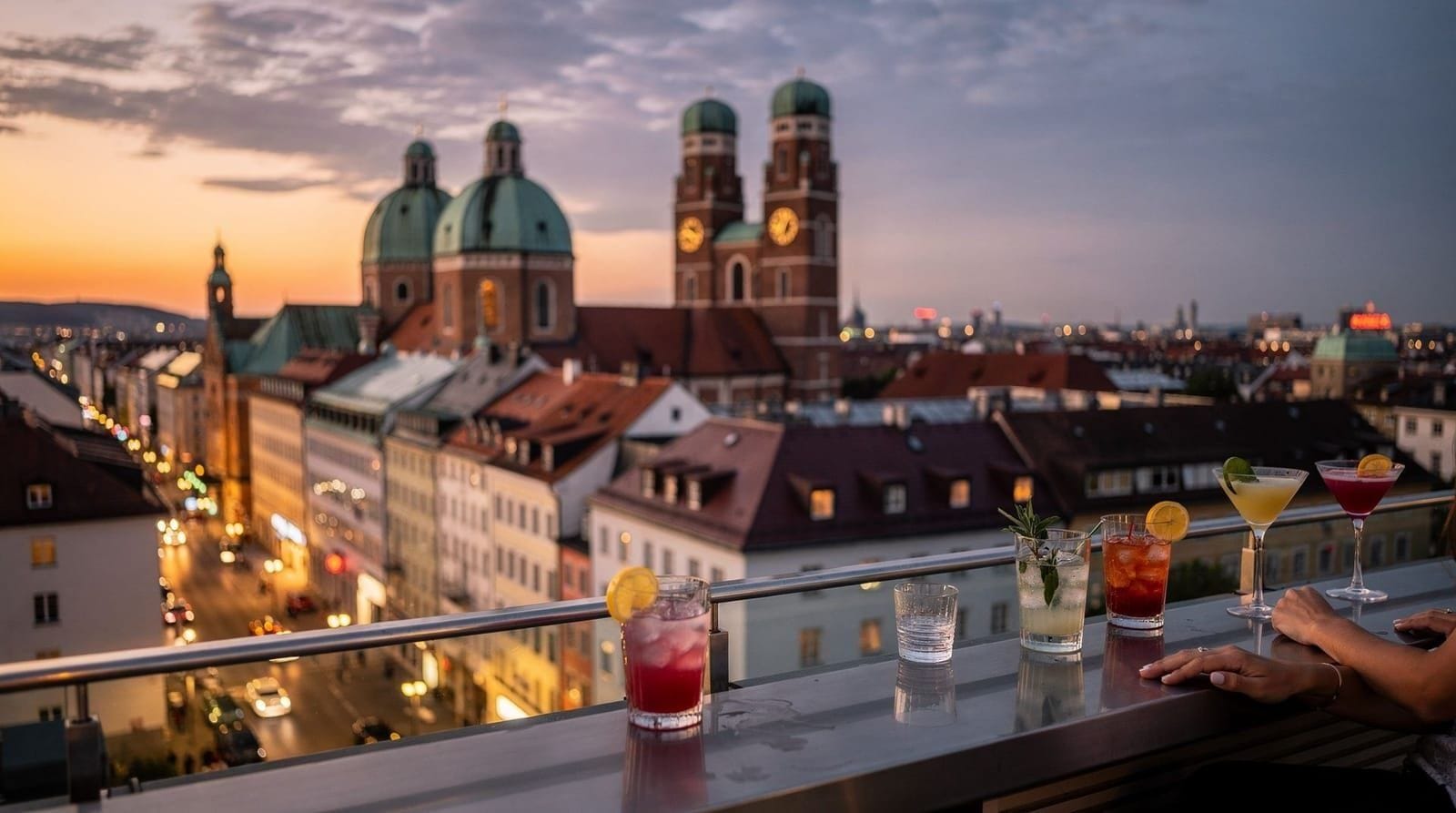
Bayerischer Hof (Promenadeplatz 2–6): The Blue Spa bar associated with this hotel’s rooftop is the most central and most elevated option — see the Munich rooftop bars guide for detail. The ground-floor bar is also excellent if you want to avoid the rooftop premium.
These hotel bars are useful if you want a reliable, English-speaking environment with professional bartenders and consistently high-quality drinks. They are not where you find Munich’s character, but they solve the problem of needing a decent cocktail in a reliable setting.
The Hofbräuhaus: experience it once
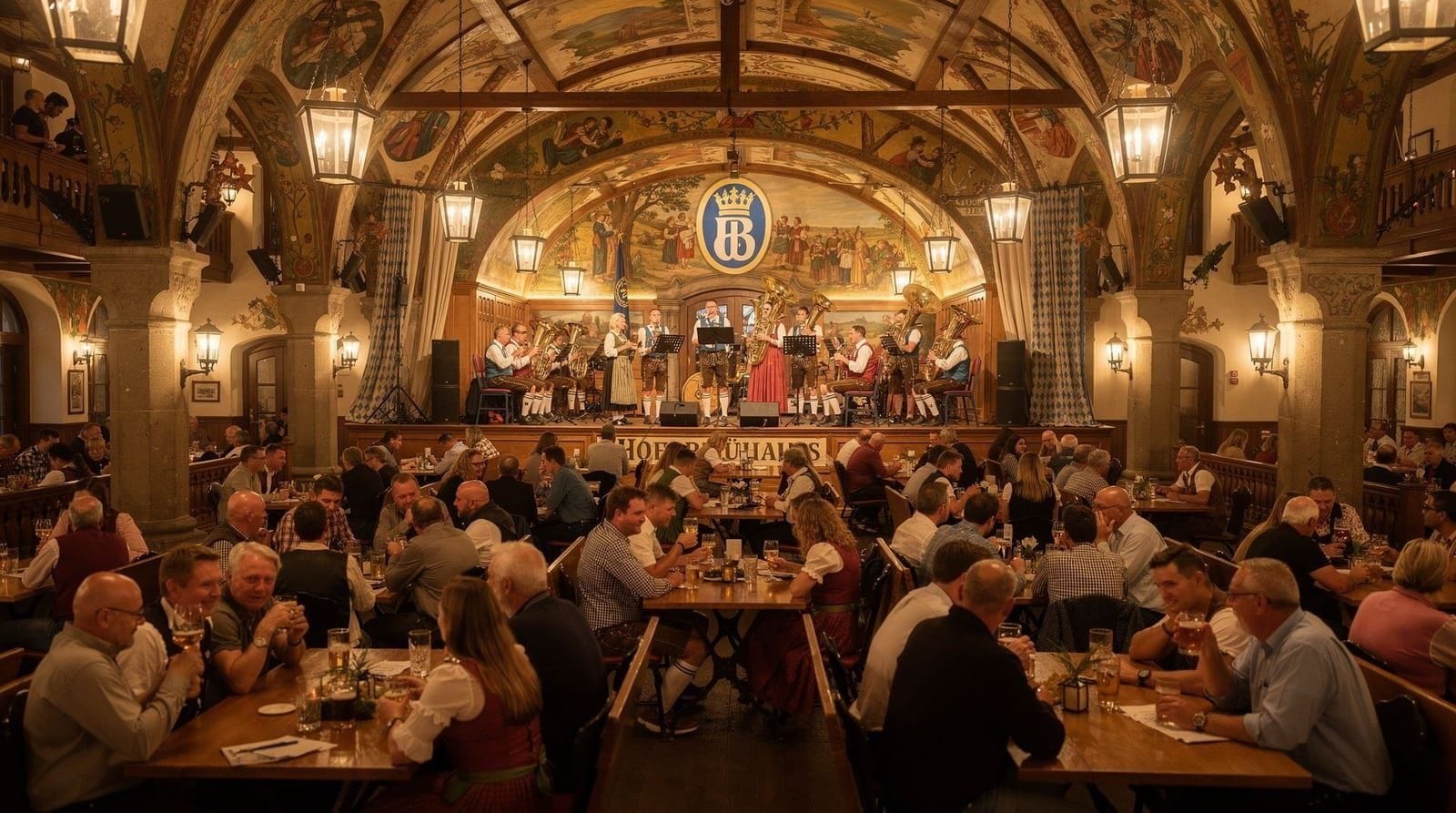
The Hofbräuhaus on Am Platzl is not a bar by any meaningful definition — it is a large beer hall, a tourist institution, and a Munich rite of passage. It seats 1,300 people in the main hall and serves Hofbräu beer in litre steins to a crowd that is overwhelmingly international. The oompah band plays several times per evening.
You should go once. The scale, the noise, and the sheer spectacle of 1,300 people drinking simultaneously is an experience with no equivalent elsewhere in the world. You should not go expecting to discover authentic Munich drinking culture — that is not what this is. Go in, have a Masskrug, listen to the band play Prosit, and leave having experienced one of the world’s most unusual bar environments.
The Hofbräuhaus guide covers the history and practical details of the venue in full.
Practical notes
- Cash: Many smaller bars and Kneipen are cash-only or prefer cash. Carry €40–60 for an evening.
- Reservations: Most bars do not take reservations. Showing up is the norm. The Hofbräuhaus and larger beer halls sometimes allow table reservations for groups.
- Smoking: Outdoors smoking areas exist at most bars. Indoor smoking is banned throughout Bavaria.
- Language: English is universally spoken at bars and clubs in central Munich.
- Tipping: Standard practice is to round up when paying. Tell the bartender the total you want to pay (e.g. if the bill is €9.50, you say “10 Euro”) rather than leaving change on the bar.
For the full nightlife picture — clubs, beer gardens, and evening context — see the Munich nightlife guide.
Bar areas compared
| Area | Vibe | Best for |
|---|---|---|
| Glockenbachviertel | Lively, dense, independent | Bar hopping, meeting people |
| Schwabing / Maxvorstadt | Quieter, wine-focused | Long dinners, calmer evenings |
| Au-Haidhausen | Local, residential | Neighbourhood pubs, less crowded |
| Altstadt | Touristy, beer-hall dominated | The Hofbräuhaus once, little else |
If bars aren’t quite what you’re after
Munich’s evening options extend beyond bars proper. The Munich clubs guide covers the city’s dance-focused venues if you want to keep the night going past the bar-closing hours, and the Munich cafés guide is the daytime counterpart if you’d rather start the evening with coffee before transitioning to drinks. For a food-forward evening instead, the Munich food tour guide and the best restaurants in Munich guide both cover dinner options that pair naturally with a Glockenbachviertel bar crawl afterward.
Frequently asked questions about bars in Munich
What neighbourhood has the most bars per square metre in Munich?
The Glockenbachviertel, centred on Reichenbachstraße and the streets around Gärtnerplatz, has the highest concentration of independent bars in the city. A 10-minute walk in any direction from Gärtnerplatz will yield a dozen or more drinking options.
Are there any hidden bar or speakeasy-style venues in Munich?
A few cocktail bars in the Glockenbach and Haidhausen areas operate without signage or with minimalist exteriors. They are not strictly secret but depend on word of mouth. Asking staff at a venue you like for their personal recommendations is the best way to find them.
Is it easy to meet locals in Munich bars?
Yes, especially in neighbourhood bars and Kneipen, where mixed local crowds are the norm. Tourist-oriented areas near Marienplatz and the Hofbräuhaus are less reliable for meeting locals. The Gärtnerplatz area in summer is particularly sociable.
What beers should I try in Munich bars?
Augustiner Helles is the benchmark lager — widely considered the best in Munich. Paulaner Weißbier (Weizen) is the standard wheat beer. For something more local, Ayinger and Andechs (from the Andechs monastery) appear on some bar menus. The Augustiner vs Hofbräu guide covers the city’s major breweries.
Can I drink outside in Munich?
Yes. German law permits public drinking, and sitting outside bars and on squares with your drink is normal. Gärtnerplatz in summer is a gathering point for exactly this. Note that open-air beer gardens have their own tables and you are expected to sit there rather than wander with your beer.
What are the best bars near the main train station?
The area immediately around the Hauptbahnhof is not Munich’s most interesting for bars, but the Augustiner-Keller beer garden is a 5-minute walk (Arnulfstraße direction). The Glockenbachviertel is a 15-minute walk south via Bayerstraße.
Is one neighbourhood enough for a full night out, or should I move between areas?
The Glockenbachviertel alone is dense enough for a full evening — you can move between several bars on foot without needing transport. Combining it with the Altstadt only really makes sense if you want a Hofbräuhaus stop early in the evening before heading south to Glockenbach later.
Do Munich bars get busy on weeknights, or is it mostly a weekend scene?
The Glockenbachviertel has a genuine weeknight crowd, especially Thursday, though weekends are noticeably busier. Schwabing and Au-Haidhausen skew even more toward a relaxed weeknight pace, which suits travellers who prefer not fighting weekend crowds.
Top experiences
Bookable activities with verified prices and instant confirmation on GetYourGuide.