Munich vegetarian and vegan guide
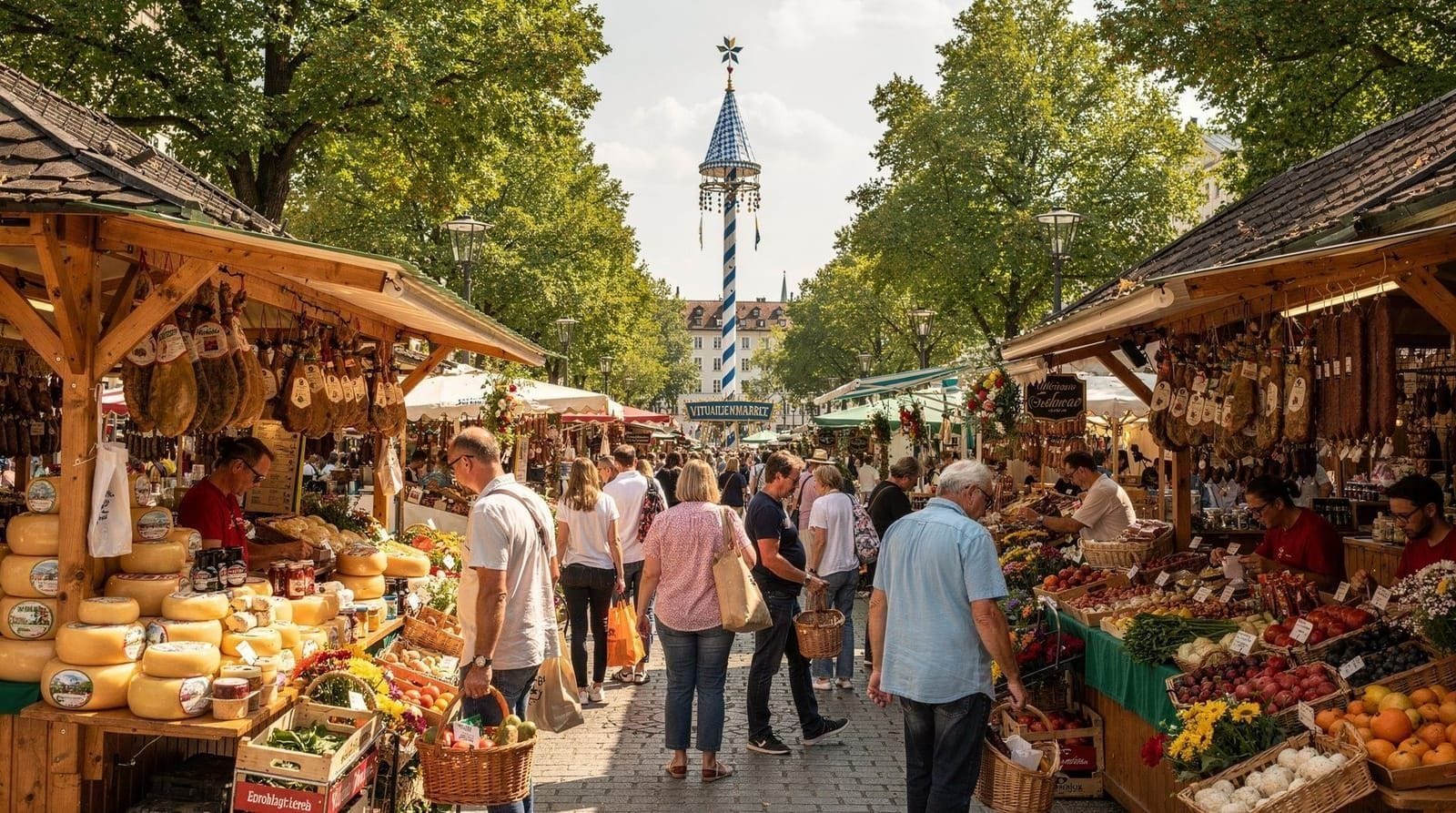
Munich: Viktualienmarkt vegetarian guided food tour
Is Munich good for vegetarians and vegans?
Better than the reputation suggests. Munich has a strong natural food culture, a large university population, and a notable organic food movement (Germany's largest organic supermarket chain, Basic Bio, originated in Munich). Dedicated vegan and vegetarian restaurants are well established across Maxvorstadt, Glockenbachviertel, and Schwabing.
Munich’s plant-based food scene: beyond the stereotype
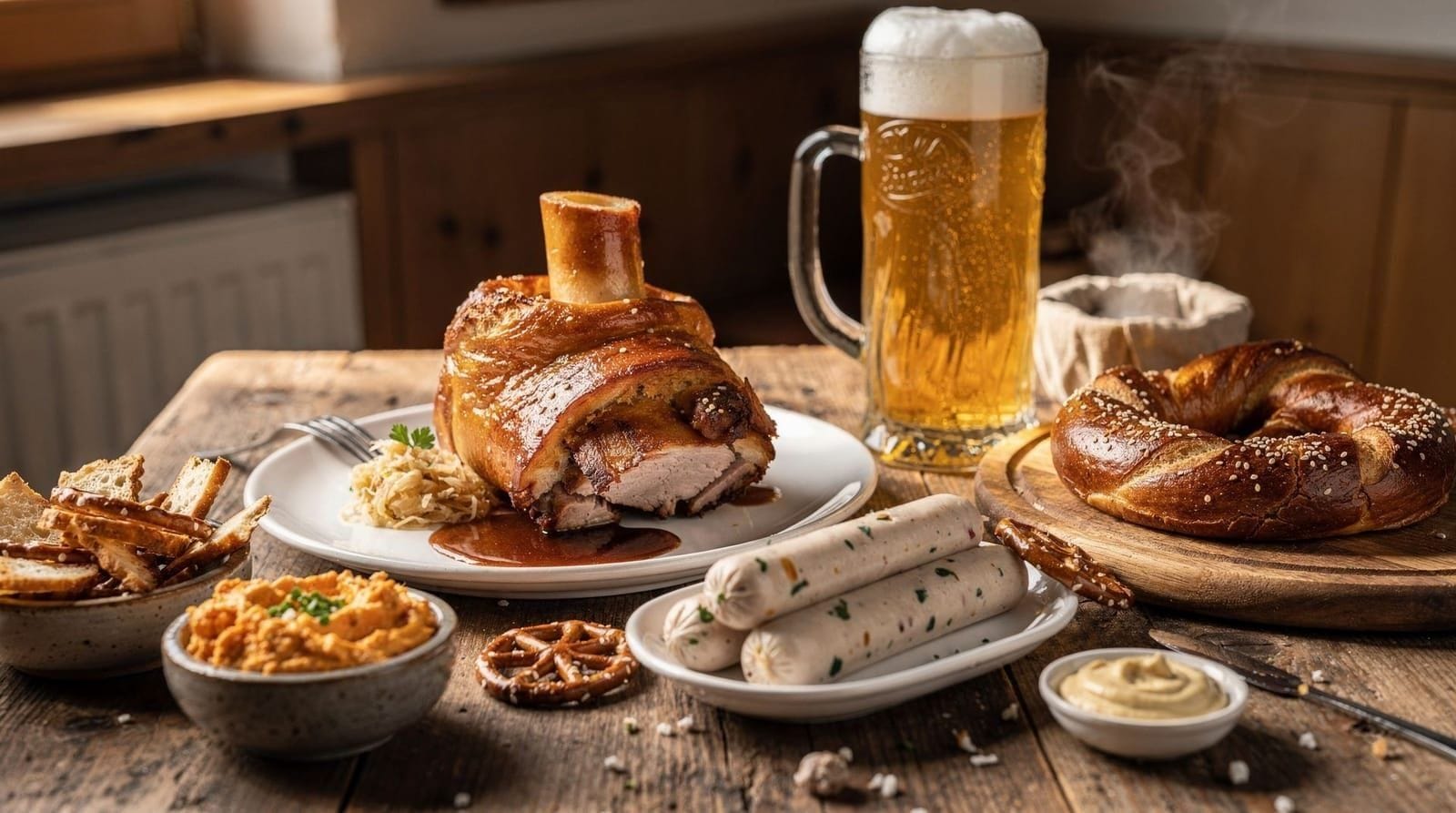
Munich’s international image is dominated by beer halls, Schweinshaxe, and Weisswurst — none of which are helpful for vegetarians or vegans. The reality on the ground is more nuanced. Germany has one of Europe’s strongest vegetarian and organic food movements, and Munich specifically is home to several pioneers of natural food retail, a large student and young professional population that drives plant-based demand, and a climate that supports long growing seasons for Bavarian vegetables, dairy, and grain.
This guide covers traditional Bavarian dishes that happen to be meat-free, dedicated vegetarian and vegan restaurants by neighbourhood, beer garden options, and practical language help for navigating menus and ordering correctly.
| Best neighbourhoods | Maxvorstadt (vegetarian), Glockenbachviertel (vegan) |
| Safest traditional dish | Käsespätzle (ask about the stock in soups) |
| Vegan pretzel | Yes — always vegan by default |
| Beer hall difficulty | Moderate — ask about Schmalz and stock |
| Key phrase | ”Enthält es Fleischbrühe?” (Does it contain meat stock?) |
Traditional Bavarian dishes that are vegetarian or vegan
Before looking at dedicated restaurants, it helps to know which traditional dishes are already plant-based — because several Bavarian classics are naturally vegetarian and you can eat them anywhere:
Vegetarian Bavarian staples
Käsespätzle (cheese Spätzle) is the most satisfying and widely available vegetarian Bavarian dish. Soft egg pasta tossed with melted mountain cheese and fried onions — it is a substantial main course available at beer halls, market stalls, and neighbourhood restaurants. Cost: €9–13 at a restaurant, €6–8 at a market stall.
Obatzda is a cheese spread made from ripened Camembert, butter, cream cheese, onion, caraway, and paprika. Served on dark bread or pretzels with radishes. Entirely vegetarian. Available at most beer gardens and markets for €4–7 a plate.
Laugenbrezel (lye pretzel) is vegan — just flour, water, salt, and lye solution. The standard Munich pretzel from any bakery is one of the world’s better vegan snacks. Buy from Rischart, Josef Bäckerei, or Hofpfisterei for €1.20–1.50.
Brezn-Suppe (pretzel soup) — old pretzels dissolved into a broth and sometimes cream, typically vegetarian. Found at traditional Bavarian coffee houses in autumn and winter.
Zwetschgendatschi (Bavarian plum tart) — a flat, yeasted pastry base with halved Italian prune plums and a streusel topping. Vegan in the standard version (butter is used in some streusel but can be omitted). Available from August through October in coffee houses and bakeries.
Radieschen mit Brot (radishes with bread) — the simplest Bavarian snack: a bunch of fresh radishes, sliced and salted until they weep, served with dark bread and butter. Beer garden staple, entirely plant-based without butter.
The caveat about Bavarian stocks and animal products
Traditional Bavarian cooking uses meat stocks (Fleischbrühe) in sauces, soups, and sometimes in the liquid for braised cabbage (Sauerkraut). Ask specifically: “Ist die Brühe vegetarisch?” (Is the stock vegetarian?). Many kitchens also use Schmalz (lard) as a cooking fat and a bread spread — ask for Butter instead.
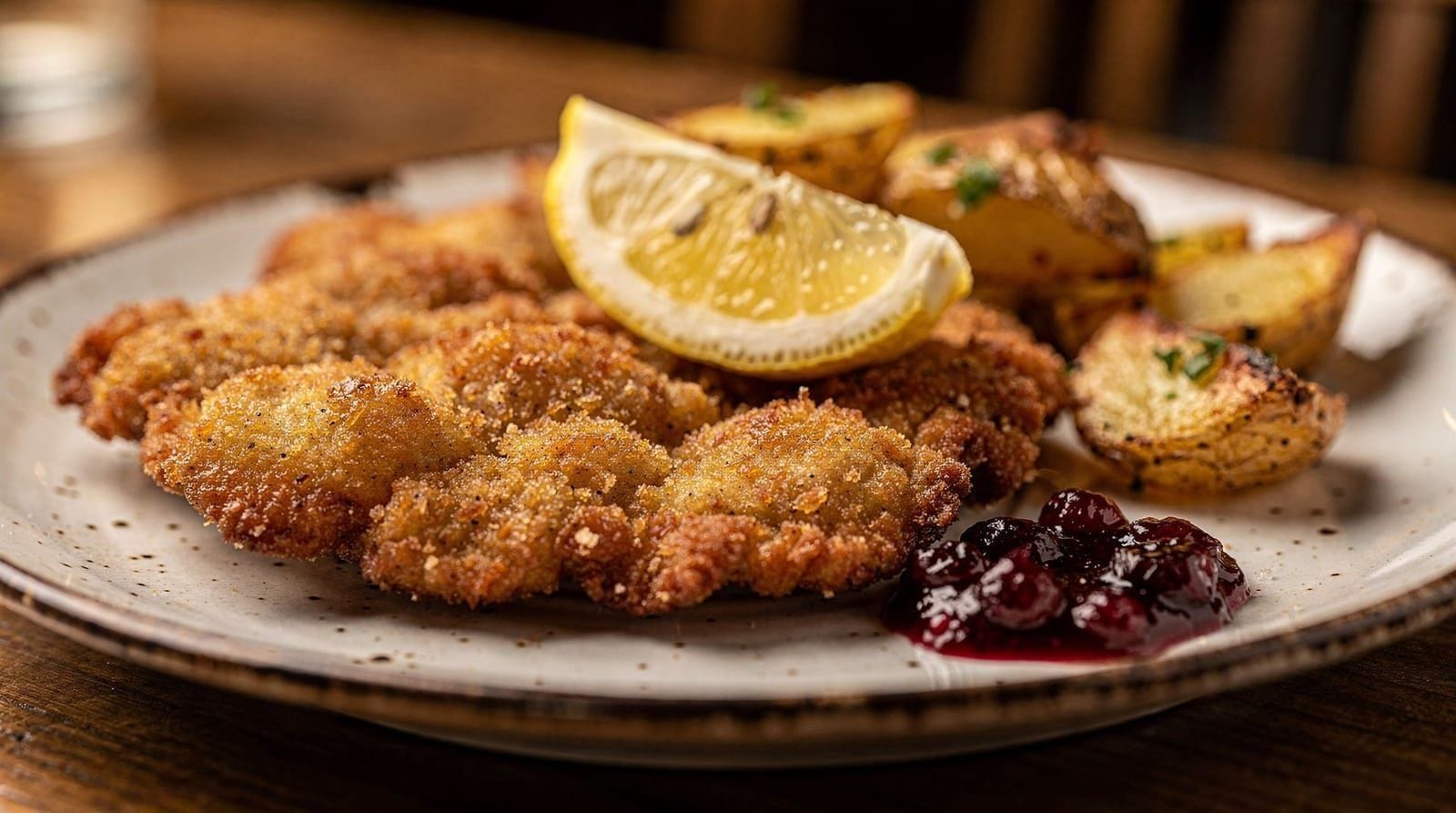
Weisswurst, Leberknödelsuppe, Gulaschsuppe, and virtually all sausage dishes are meat-based. The assumption that a soup must be vegetarian because it contains vegetables is wrong in a traditional Bavarian kitchen.
Dedicated vegetarian and vegan restaurants by neighbourhood
Maxvorstadt — university district, highest concentration
Maxvorstadt is Munich’s student and art district — home to three Pinakothek museums, the Ludwig-Maximilians-Universität, and a dense concentration of cafes, bookshops, and food venues that cater to a young, environmentally conscious demographic.
Leibspeise (Türkenstrasse) is an established vegetarian restaurant with a daily-changing menu built around seasonal produce. No meat, some fish and dairy options, strong vegan daily specials. Mains run €12–17. The lunch set (starter + main) is around €13–16 and represents excellent value.
Sattler (near Königsplatz) is a plant-based restaurant with a creative menu that goes well beyond salads and grain bowls — cooked dishes with complex spicing and genuine technique. Fully vegan with a handful of non-dairy desserts.
Café Jasmin (Steinheilstrasse) — a classic Munich bohemian café with strong vegetarian options and the best reading-and-working atmosphere in the area. Not exclusively vegetarian but the menu is about 50% meat-free.
Glockenbachviertel — the scene’s creative centre
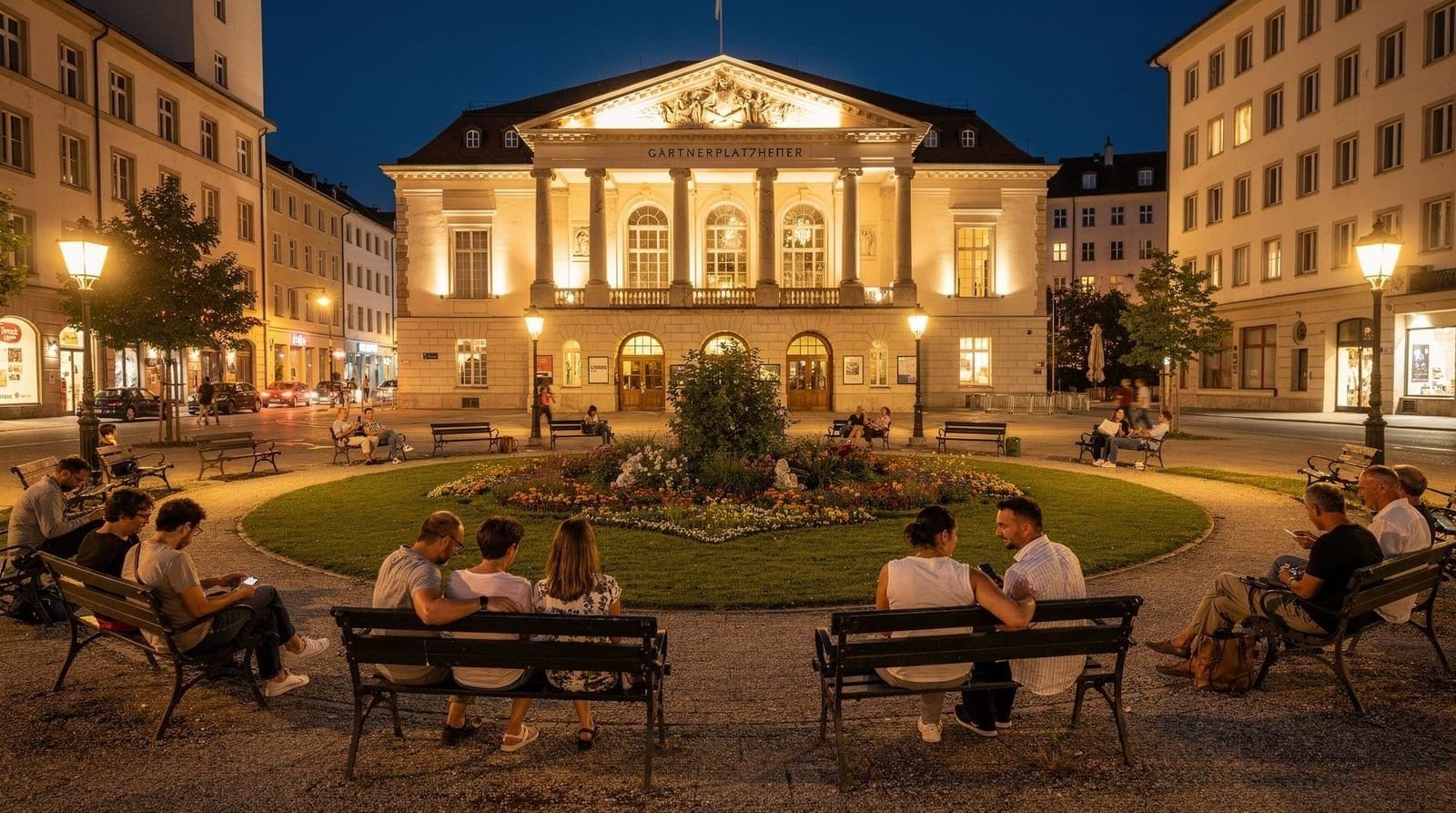
Glockenbachviertel is Munich’s most creative neighbourhood — a mix of LGBTQ+ bars, independent boutiques, wine bars, and a significant cohort of plant-based restaurants. Gärtnerplatz is the hub; Reichenbachstrasse and Müllerstrasse are the main eating streets.
Bodhi (Thalkirchner Strasse) is a fully vegan restaurant with a pan-Asian menu — noodle soups, dumplings, rice bowls, and desserts. Popular for lunch and dinner. Mains €11–16. Crowded on Friday and Saturday evenings; book ahead.
Valentin (Corneliusstrasse) — a neighbourhood café with an entirely plant-based kitchen and strong coffee. Breakfast and brunch focus; closes mid-afternoon. Brunch plates €12–15.
Green Canteen (Pariser Strasse area) — a casual, counter-service vegan lunch spot with rotating daily specials at €8–12. Queue-based ordering, no reservations. Best for weekday lunch; closes 15:00.
Schwabing — traditional with vegan surprises
Schwabing has fewer dedicated vegan restaurants than the Glockenbachviertel but a strong culture of Biokost (organic food) shops and cafes.
Tian (Frauenstrasse — note: the Munich location is in the city centre near Frauenkirche) is the Austrian-origin vegetarian fine dining group’s Munich outpost. One Michelin star. The tasting menu is fully vegetarian (dairy and eggs used in some dishes; full vegan menu available on request). A tasting menu costs €90–130. The most sophisticated vegetarian fine dining in Munich.
Café Ignaz (Georgenstrasse, Schwabing) is a long-established organic vegetarian café with a daily changing buffet and à la carte menu. Open since 1989, it predates Munich’s contemporary vegan food scene and remains one of the most reliably good vegetarian restaurants in the city. Buffet pricing is by weight; a full plate runs €9–14. Closed Monday evenings.
Haidhausen — neighbourhood eating
Au-Haidhausen has a less flashy but increasingly solid vegetarian scene.
Max Pett (Pettenkoferstrasse — note: this is actually in Maxvorstadt, near Bavariaring) is a large vegetarian restaurant with an extensive menu covering Bavarian adaptations (meat-free Obatzda, Käsespätzle, Dampfnudeln) and international dishes. One of the better executions of vegetarian “comfort food” in Munich.
Beer gardens for vegetarians
Munich’s famous beer gardens are more vegetarian-accessible than their reputation suggests. Most offer:
- Brotzeit-Brettl (bread platter): Dark bread, pretzels, radishes, Obatzda, pickles, and hard cheese. Entirely vegetarian. €7–12.
- Käsespätzle: Available at most beer garden kitchens as a main course.
- Salads: Simple green salads and Wurstsalat (sausage salad — not vegetarian) are standard; the green salad is usually made without meat but ask about the dressing (sometimes contains bacon fat).
- Corn on the cob: Available grilled at many beer gardens in summer as a vegan snack.
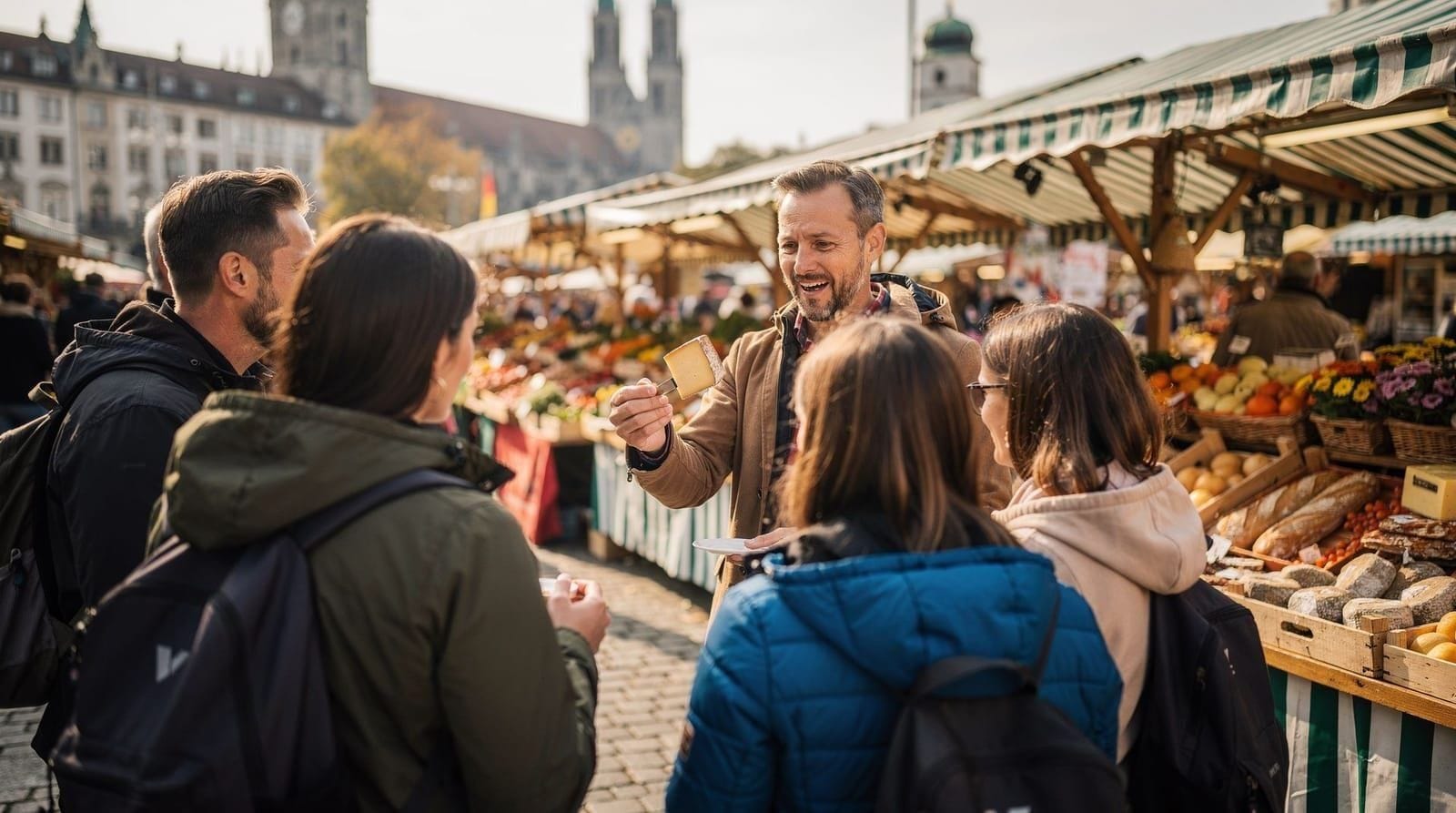
The best beer gardens for vegetarians are those with separate vegetarian sections on the menu or with a full Brotzeit kitchen. The Chinesischer Turm beer garden in the English Garden has one of the most accessible menus; the Viktualienmarkt beer garden is excellent for a meat-free Brotzeit. A dedicated vegetarian food tour of the Viktualienmarkt is the most efficient way to identify the best plant-based stalls and understand which traditional Bavarian dishes work without meat.
Shopping for plant-based food in Munich
Basic Bio — the organic supermarket chain founded in Munich in 1997, now with multiple city locations. The flagship is near the university in Maxvorstadt. Extensive plant-based products, local organic produce, bulk food section.
Alnatura — German organic supermarket chain with strong plant-based selection. Location on Rosenheimer Strasse in Haidhausen and near the Marienplatz area.
denn’s Biomarkt — another organic chain with reliable vegan sections and a strong refrigerated plant-based dairy alternative range.
Viktualienmarkt cheese and bread stalls — several stalls carry high-quality organic cheese (for vegetarians) and the bakery stalls sell organic sourdough bread. The market has no single dedicated vegan vendor but the combination of produce, bread, and cheese makes it workable.
Organic food and sustainability in Munich
Munich has one of Germany’s strongest Öko (organic) food cultures. Several districts — Maxvorstadt, Schwabing, Haidhausen — have organic cafés, zero-waste shops, and farm-to-table restaurants within walking distance of most visitor accommodation.
The München Biotopia fair (annual autumn event) is Germany’s largest regional organic food market, held at the Olympiapark and featuring over 200 producers from Bavaria and neighbouring regions. If your visit coincides (typically November), it is worth a half-day.
Several Munich restaurants — including some without a specific “vegan” label — source predominantly from organic Bavarian farms and are very plant-friendly in practice. The Werneckhof (Schwabing), Broeding, and several Maxvorstadt neighbourhood restaurants describe their supply chains publicly and accommodate plant-based requests without difficulty.
Useful German vocabulary for plant-based eaters
| German | English |
|---|---|
| Vegetarisch | Vegetarian |
| Vegan | Vegan |
| Ohne Fleisch | Without meat |
| Ohne Fisch | Without fish |
| Enthält Fleischbrühe? | Does it contain meat stock? |
| Schmalz | Lard (sometimes used as bread spread — ask for Butter instead) |
| Speck | Bacon/cured pork |
| Gelatine | Gelatin (in some desserts) |
| Ei/Eier | Egg(s) |
| Milchprodukte | Dairy products |
| Enthält es Milch? | Does it contain milk? |
Posting “Ich bin Veganer/Veganerin” (I am vegan, male/female) clearly at the start of an ordering conversation avoids confusion in traditional Bavarian kitchens where “vegetarisch” may still mean “without the main meat but with stock.” A food tour of Munich’s old town includes vegetarian-friendly tasting stops and provides context on which traditional dishes work without modification.
Munich Christmas markets for vegetarians
Munich’s Christmas markets are among the most vegetarian-accessible outdoor food events in the city. Several typical Christmas market foods are plant-based:
- Gebrannte Mandeln (candied almonds) — vegan
- Maronen (roasted chestnuts) — vegan
- Lebkuchen (gingerbread) — typically vegan or vegetarian
- Glühwein (mulled wine) — vegan
- Dampfnudeln (steamed dumplings, dessert version) — vegetarian
- Waffeln (waffles) — vegetarian (but usually made with egg and butter)
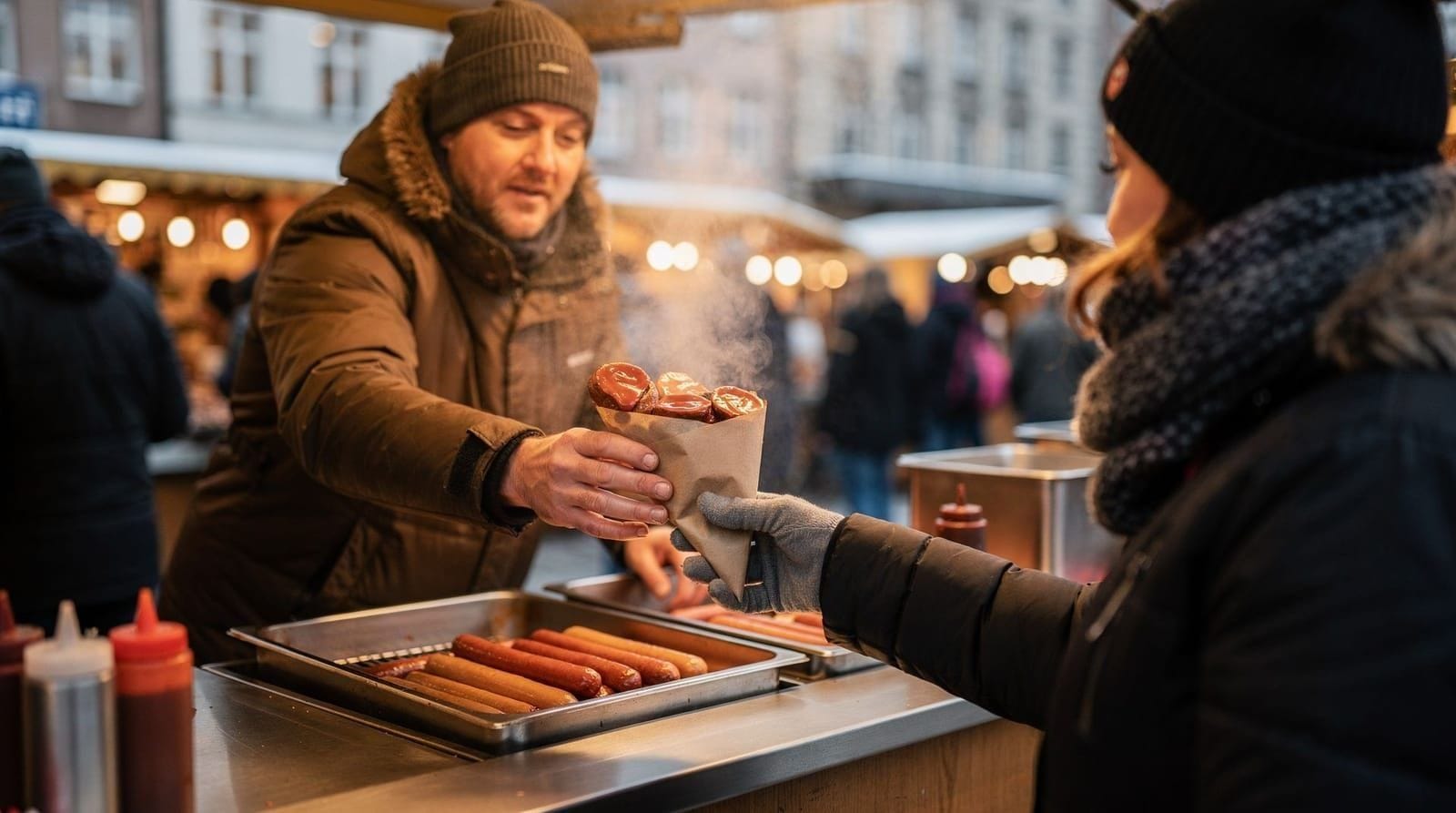
The main meat items — Bratwurst, Schweinsbraten in a roll — are avoidable. The Christmas market food guide covers the full range of foods available at Munich’s winter markets.
Vegan breakfast and brunch spots
Munich’s brunch culture is strong, and several venues cater specifically to plant-based eaters at the meal that traditional Bavarian food handles worst.
Valentin in Glockenbachviertel (also listed above) does an entirely plant-based weekend brunch — expect tofu scramble, house-made oat yoghurt, and sourdough from a local organic bakery. Arrive before 11:00 on weekends or expect a wait.
Ludwig Fresh (Maxvorstadt, near the university) is a juice-and-bowl café with a strong vegan breakfast menu — smoothie bowls, avocado toast on organic sourdough, and cold-pressed juices. Good for a quick, healthy start before a museum morning.
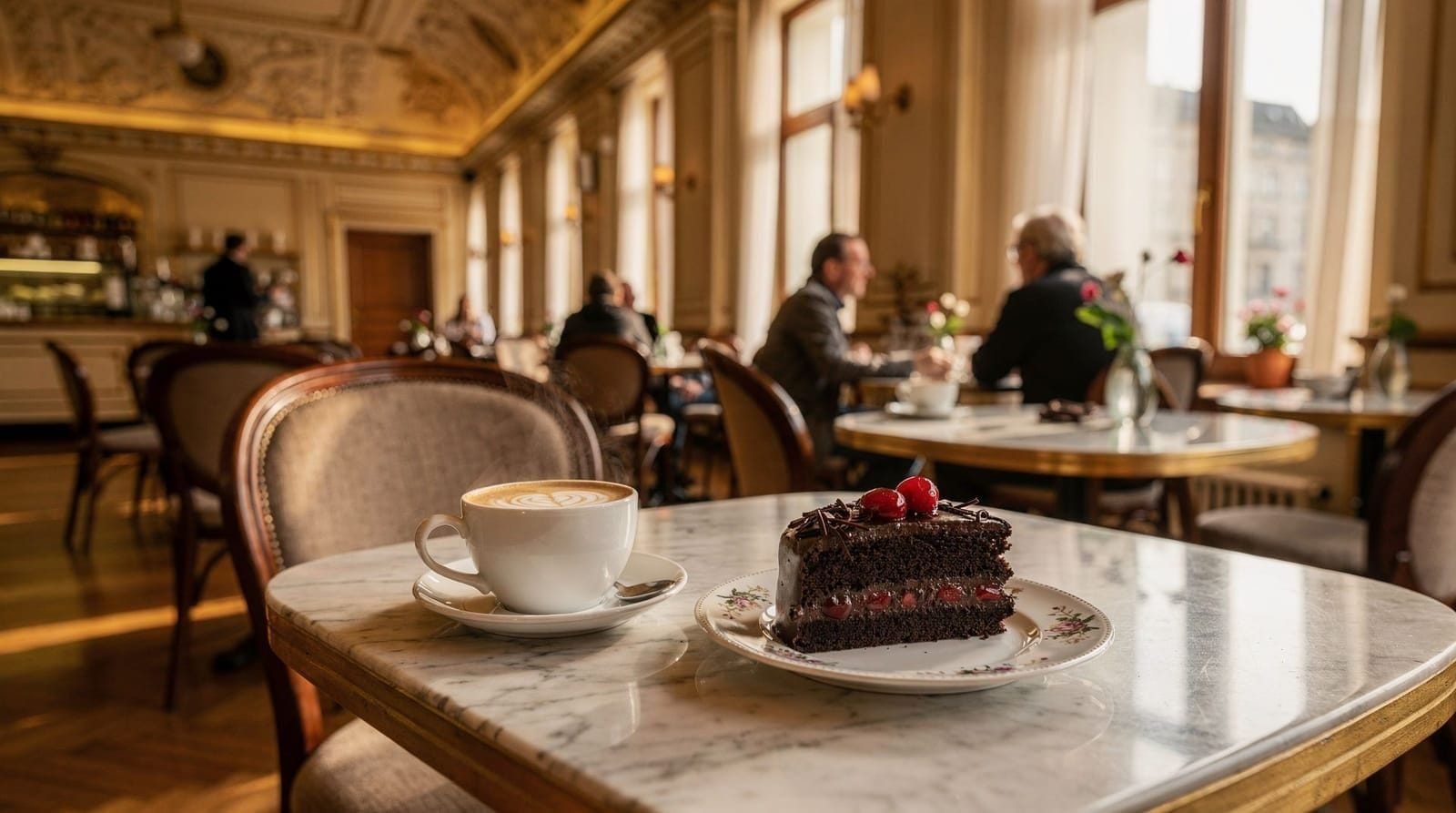
Most independent Munich cafés, even non-vegan ones, now carry oat milk as standard for coffee — asking for “Hafermilch” rarely causes confusion, unlike five years ago.
Hotel breakfast buffets vary widely: mid-range and boutique hotels in Maxvorstadt and Schwabing increasingly offer plant-based spreads and dairy-free milk on request, while smaller family-run guesthouses may need advance notice. If breakfast quality matters to your trip, mention dietary requirements when booking rather than assuming the buffet will cover it.
Allergies and cross-contamination
Restaurant staff in dedicated vegetarian and vegan venues are generally well versed in allergy questions, but traditional Bavarian kitchens are less consistent. If you have a nut, gluten, or severe dairy allergy rather than a dietary preference, say so explicitly and separately from “vegan” or “vegetarian” — the two concepts are handled differently by kitchen staff, and a vegan dish is not automatically allergen-free (many use nut-based dairy substitutes). Cross-contamination controls in casual beer-garden kitchens are minimal, so anyone with a serious allergy should stick to dedicated vegan restaurants where kitchens are built around avoiding animal products from the start.
Day trip: vegetarian eating outside Munich
Augsburg has a strong organic food scene and several vegetarian restaurants accessible by S-Bahn (approximately 35 minutes). Worth knowing if you are spending a day in the Augsburg area.
Andechs monastery (Andechs) operates a beer garden where the full Bavarian Brotzeit menu is available — the vegetarian cheese and bread options here are excellent, served with views over the Ammersee. The monastery also sells its own dairy products.
For a full planning overview of how food connects with your itinerary, the Munich trip planning guide covers accommodation, transport, and how to structure days that include both food-focused and sightseeing activities.
Prices at a glance for plant-based eating in Munich (2026)
| Option | Price range |
|---|---|
| Pretzel (any bakery) | €1.20–1.50 |
| Obatzda + Brezn at beer garden | €4.50–6.50 |
| Käsespätzle (restaurant main) | €9–13 |
| Vegetarian set lunch (Maxvorstadt area) | €12–16 |
| Dedicated vegan restaurant (main course) | €11–17 |
| Tian vegetarian tasting menu (fine dining) | €90–130 |
| Organic supermarket ready meal | €4–8 |
Frequently asked questions about Munich vegetarian and vegan eating
Is it easy to eat vegan in Munich?
Easier than five years ago. Dedicated vegan restaurants are established in several neighbourhoods. Mainstream supermarkets carry strong plant-based ranges. The difficulty remains in traditional Bavarian restaurants where the kitchen has little experience with vegan requests and where animal products appear in sauces and cooking fats without being obvious. Stick to dedicated vegan venues or cafes that clearly identify plant-based options.
Are Munich beer halls suitable for vegans?
With difficulty. The classic beer hall food — pretzels, salad, Käsespätzle — can work if you ask carefully about dairy in the Spätzle and lard in the bread. Most beer halls do not have a dedicated vegan section and the kitchen staff may not understand the strict vegan definition. The Munich beer halls guide covers what to expect in each main venue.
Is Sauerkraut vegan?
Traditional Sauerkraut is simply fermented cabbage — vegan. However, restaurant Sauerkraut is frequently cooked with Speck (bacon) or simmered in meat stock. Ask “Ist das Sauerkraut vegan?” before ordering.
Where can I find vegan Weisswurst?
Several specialist organic butchers and artisan food producers in Munich make a plant-based Weisswurst substitute from seitan or tofu. Basic Bio and Alnatura carry these. Some vegetarian restaurants (Max Pett, Café Ignaz) serve their own versions. They are not identical to the original but capture some of the herbed flavour profile.
Does the Oktoberfest have vegetarian options?
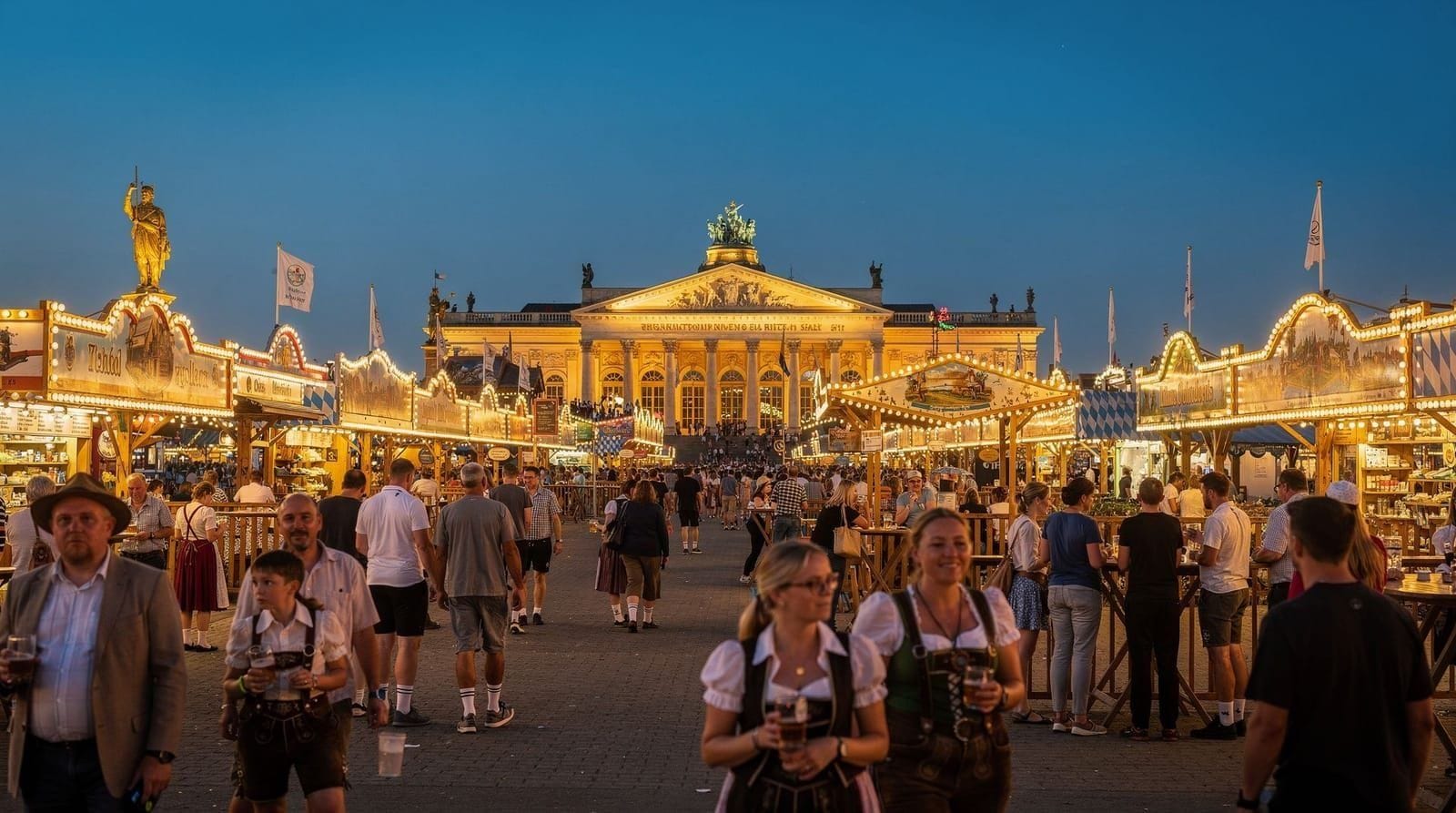
Yes, with effort. The Oktoberfest food scene is dominated by roast chicken, pork knuckle, and sausage, but the markets around the edges of the Theresienwiese have vendors selling roasted chestnuts, corn, and Lebkuchen. Inside the tents, Käsespätzle and pretzel are usually available. A dedicated vegetarian cannot eat richly at Oktoberfest, but they will not starve.
What is the best neighbourhood for plant-based restaurant density?
Maxvorstadt for dedicated vegetarian restaurants (Leibspeise, Café Ignaz nearby, several organic cafes). Glockenbachviertel for vegan restaurants with a contemporary flavour (Bodhi, Valentin, Green Canteen). Both are walkable from each other and from the city centre.
Is oat or soy milk widely available for coffee in Munich?
Yes, and this has changed noticeably in recent years. Most independent cafés carry oat milk as a default option, often at no extra charge, and many now stock soy or almond milk too. Chain coffee shops and hotel breakfast buffets are generally reliable as well; the exception is very traditional Bavarian coffee houses, where it is worth asking before ordering.
Can I get a vegan meal at a traditional Bavarian restaurant without much hassle?
Usually, if you ask specifically rather than trusting the “vegetarian” section alone. Dishes built around vegetables, mushrooms, or a plain green salad (minus bacon-fat dressing) are the safest bets, and staff at restaurants used to tourists are generally accommodating when asked directly about stock and Schmalz. It will not be a highlight meal, but it will be edible — for a genuinely good vegan meal, head to a dedicated restaurant instead.
Top experiences
Bookable activities with verified prices and instant confirmation on GetYourGuide.