
Is Munich worth visiting? An honest assessment for 2026
Munich: old town walking tour
Is Munich worth visiting?
Yes, for most travelers — Munich is one of Europe's most livable, well-organized, and genuinely beautiful cities. The beer halls, Bavarian food, world-class museums, proximity to the Alps and castles make it excellent for 3-4 days. It's less edgy or counter-cultural than Berlin, pricier than Prague or Budapest, and more compact than Vienna. Who it's not for: budget backpackers, nightlife seekers, or those wanting a 'gritty authentic' urban experience.
| Best for | food & beer culture, day trips, families, first-time Germany visitors |
| Not ideal for | budget backpackers, nightlife-first travelers |
| Minimum stay | 3 days for the city, 5+ with day trips |
| Cost level | high — Germany’s most expensive city, roughly double Prague or Budapest |
| Best season | May, June, or September for weather and manageable crowds |
What Munich actually is (and what it’s not)
Munich — München in German — is the capital of Bavaria and Germany’s third-largest city, home to roughly 1.5 million people. Year after year it appears in the top five of Mercer’s Quality of Living index alongside cities like Zurich and Vienna. That ranking reflects something real: Munich is wealthy, clean, exceptionally well-organized, and surrounded by some of the most dramatic natural scenery accessible from any major European city. The Alps are 90 minutes away. Neuschwanstein Castle is two hours. Salzburg is two hours. The city itself has a genuine historic core, world-class museums, and a beer culture that is singular in the world.
What Munich is not is equally important to state upfront. It is not a cheap destination. It is not a cutting-edge counter-cultural city. It does not have Berlin’s nightlife, Prague’s affordability, or Venice’s sheer visual drama. It is not an underrated hidden gem — roughly 17 million overnight visitors a year see to that. And it can feel, especially in July and August, like the entire tourist infrastructure of Bavaria has been funnelled into about 12 city blocks around Marienplatz.
Managing expectations is the entire point of this guide. Munich is excellent — but excellent at specific things, for specific kinds of travelers. Read on to find out honestly whether you’re one of them.
The honest case for visiting Munich
Let’s start with the strongest arguments, stated plainly.
The beer hall culture is genuinely unique
Munich’s beer hall tradition is not a theme park recreation dressed up for tourists. The Hofbräuhaus opened in 1589. Augustiner-Bräu has brewed continuously since 1328, making it the oldest brewery still operating in Munich. The concept of communal long-bench seating, liter-sized ceramic steins, oompah bands, and pretzels as large as your head exists nowhere else in quite this form — and it exists in Munich as a living institution that locals actually use, not just as something put on for visitors. On a summer Tuesday evening, the Augustiner beer garden will be full of Munich residents after work. That authenticity matters.
Our full guide to Munich’s beer halls covers which venues are worth your time and which to skip.
The day-trip potential is exceptional
No other major European city has a day-trip catchment area quite like Munich’s. Within two to three hours by public transport or car, you can reach: Neuschwanstein Castle (the fairy-tale castle that inspired Disney), Salzburg (Mozart’s birthplace), Berchtesgaden and the Eagle’s Nest, the Zugspitze (Germany’s highest peak), and Dachau Memorial Site. This means Munich functions brilliantly as a hub rather than just a destination. See our guide to the best day trips from Munich for logistics and honest rankings.
The Altstadt is compact and walkable
From Marienplatz to the Viktualienmarkt to the Residenz to Odeonsplatz is a walk of perhaps 15 to 20 minutes at a gentle pace. The old town survived World War II damage better than many German cities — significant parts were rebuilt in their original Baroque style in the decades after the war, which means the historic core feels coherent and genuinely old rather than reconstructed-old. The Marienplatz at the centre of it all is one of the more satisfying main squares in Germany.
For the full history beneath the streets, our Munich old town history guide goes deeper.
The museums are genuinely world-class
The Deutsches Museum is the world’s largest science and technology museum, with roughly 73,000 exhibits across multiple buildings. You could spend two full days there and not see everything. The Alte Pinakothek holds one of Europe’s finest collections of Old Masters — Rubens, Rembrandt, Dürer — in a 19th-century building that is itself worth seeing. The Munich Residenz contains 130 rooms of Wittelsbach royal history and a treasury that competes with anything in Europe. The Pinakothek der Moderne covers modern and contemporary art, design, and architecture across four collections under one roof.
Munich’s museum offering is simply at a higher level than most European cities of comparable size. If culture and history are your primary motivators, Munich delivers.
Safety and ease for first-time visitors
Munich consistently ranks as one of Europe’s safest major cities. The public transport network — the MVV — is reliable, well-signed in English, and covers everything a tourist needs. English is widely spoken in hotels, restaurants, and tourist attractions. Navigation without a car is not just possible but genuinely easy. For first-time solo travelers, families with children, or anyone who finds chaotic cities stressful, Munich’s predictability is a genuine asset rather than a sign of blandness.
The honest case against Munich (for some travelers)
Now for the parts that get left out of most travel articles.
It is expensive
Munich is the most expensive city in Germany and consistently among the top ten most expensive in Europe. Budget hostel beds start around 35 to 50 euros per night; mid-range hotels in central areas run 120 to 180 euros for a decent double. A sit-down restaurant meal for two with drinks will typically cost 50 to 80 euros. Even buying groceries at Aldi or Lidl runs noticeably higher than the German national average.
Compared to Prague, Budapest, Krakow, or most Eastern European destinations, you will spend two to three times as much for equivalent experiences. If you are travelling on a tight budget, Munich is manageable but requires real discipline — camping, supermarket lunches, free museums on Sundays — in a way that more affordable cities simply do not.
The nightlife is conservative by German standards
Munich has clubs, bars, and live music venues. What it does not have is anything resembling the Berlin nightlife scene. Most venues close between 3 and 4am. The club scene is relatively mainstream. There are no Munich equivalents of the legendary Berlin clubs that attract international DJs and have multi-day raves. If you are visiting Germany primarily for its club culture, Berlin and Hamburg are in a different category. Munich after midnight on a Wednesday is a quiet city.
Beer hall culture may not excite everyone
The honest truth: if you do not drink alcohol, or are simply not interested in beer culture, Munich loses a significant portion of its headline attraction. The city’s identity is so deeply intertwined with beer — the halls, the gardens, the festivals, the Oktoberfest that dominates September and early October — that non-drinkers can feel like they are perpetually on the margins of the main event. The food culture around beer halls is excellent (see our guide to the best Bavarian food), but the social experience of sitting in a beer garden is genuinely diminished if everyone else is on their second liter and you are on your second Spezi.
The tourist center can feel overwhelming in high season
The area immediately around Marienplatz in July and August, and during the Oktoberfest period in late September and early October, is extremely crowded and becomes almost entirely oriented toward tourism. Locals have largely moved their daily lives to neighborhoods like Haidhausen, Schwabing, Maxvorstadt, and Neuhausen. Finding Munich that feels genuinely lived-in rather than curated for visitors requires some effort and willingness to walk or take the U-Bahn away from the center.
This is not unique to Munich — it applies to virtually every major European tourist city — but it is worth naming honestly.
The weather does not always cooperate
Bavaria gets genuine Alpine weather patterns. Summer can deliver beautiful warm days at 28 to 30 degrees Celsius, but it can also produce sudden violent thunderstorms that arrive without much warning and drench everything in 20 minutes. October through March is grey, cold, often wet, and short on daylight — pleasant for Christmas markets and cozy beer hall evenings but not for the sun-drenched terrace photos. The “picture-postcard Bavaria with blue skies and flower-box windowsills” look is most reliably found in May, June, and September. Check our best time to visit guide before booking.
Munich vs Berlin: the honest comparison
This is the most common question in Munich trip planning forums, and the honest answer is that it is the wrong question — they are different cities serving different travel profiles.
Munich wins on: cleanliness and organization, public transport reliability, day-trip options (Alps, castles, Salzburg), Bavarian food and beer hall culture, the English Garden (360 hectares of urban parkland, surpassing New York’s Central Park in size), a compact historic centre that feels genuinely old, and consistently excellent safety.
Berlin wins on: nightlife depth and variety, counter-cultural edge, art and music scenes, budget accommodation and eating, ethnic and cultural diversity, and history density for 20th-century history. The Berlin Wall, the Holocaust Memorial, the contrast between former East and West — for those interested in that specific period, Berlin offers something that no other city on earth can match.
Who should choose Munich: families, first-time Germany visitors, travelers whose interests centre on food, beer, baroque architecture and history, anyone wanting Alpine access or serious day-trip options.
Who should choose Berlin: nightlife seekers, budget travelers, people interested in contemporary art and music, those whose primary historical interest is the 20th century rather than the medieval and baroque periods.
The honest verdict: Munich and Berlin are both excellent cities. They serve fundamentally different travel profiles. Do not let anyone tell you one is “better” in the abstract — the relevant question is which one is better for you specifically.
Our detailed Munich vs Berlin comparison goes deeper on specific itinerary questions.
Munich vs Vienna: which should you choose?
Vienna comes up frequently as an alternative because both cities are expensive, historically rich, and Central European. The honest split: Munich wins on beer hall culture, Alpine day trips, and Oktoberfest. Vienna wins on imperial architectural scale, classical music (State Opera, Vienna Philharmonic), UNESCO-listed coffee house culture, and Habsburg history depth — the Kunsthistorisches Museum alone rivals the Alte Pinakothek. Vienna (1.9M residents) is slightly larger and more cosmopolitan; Munich (1.5M) is more compact. If forced to choose for one visit, Vienna edges it on cultural depth; Munich edges it on natural surroundings and gemütlich atmosphere. Ideally, visit both.
Munich vs Berlin vs Vienna at a glance
If you are weighing Munich against the other obvious German-speaking city options, this is the shorthand version of the longer comparisons above.
| Munich | Berlin | Vienna | |
|---|---|---|---|
| Strongest for | beer culture, day trips, Alps access | nightlife, contemporary art, 20th-century history | imperial architecture, classical music, coffee houses |
| Cost level | high | moderate | high |
| Best for first-timers | Yes — compact and legible | Rewards return visits more | Yes, but denser sightseeing |
| Day-trip potential | Exceptional (Alps, castles, Salzburg) | Limited (Potsdam mainly) | Good (Salzburg, Bratislava) |
| Nightlife | Conservative | Best in the region | Moderate |
What three days in Munich actually looks like
Most guides will tell you what you “should” do. Here is an honest account of what three days in Munich actually tends to feel like.
Day one centers on the Altstadt: Marienplatz and the Glockenspiel (watch it once, take the photo, move on — it is less impressive than billed), the Viktualienmarkt for lunch and food browsing, the Residenz treasury, and an evening in a beer hall. Most travelers finish day one feeling genuinely satisfied — Munich delivers its central experiences quickly and well. If you want a guided orientation to fit this all in coherently, the Munich old town walking tour is the most efficient way to start. 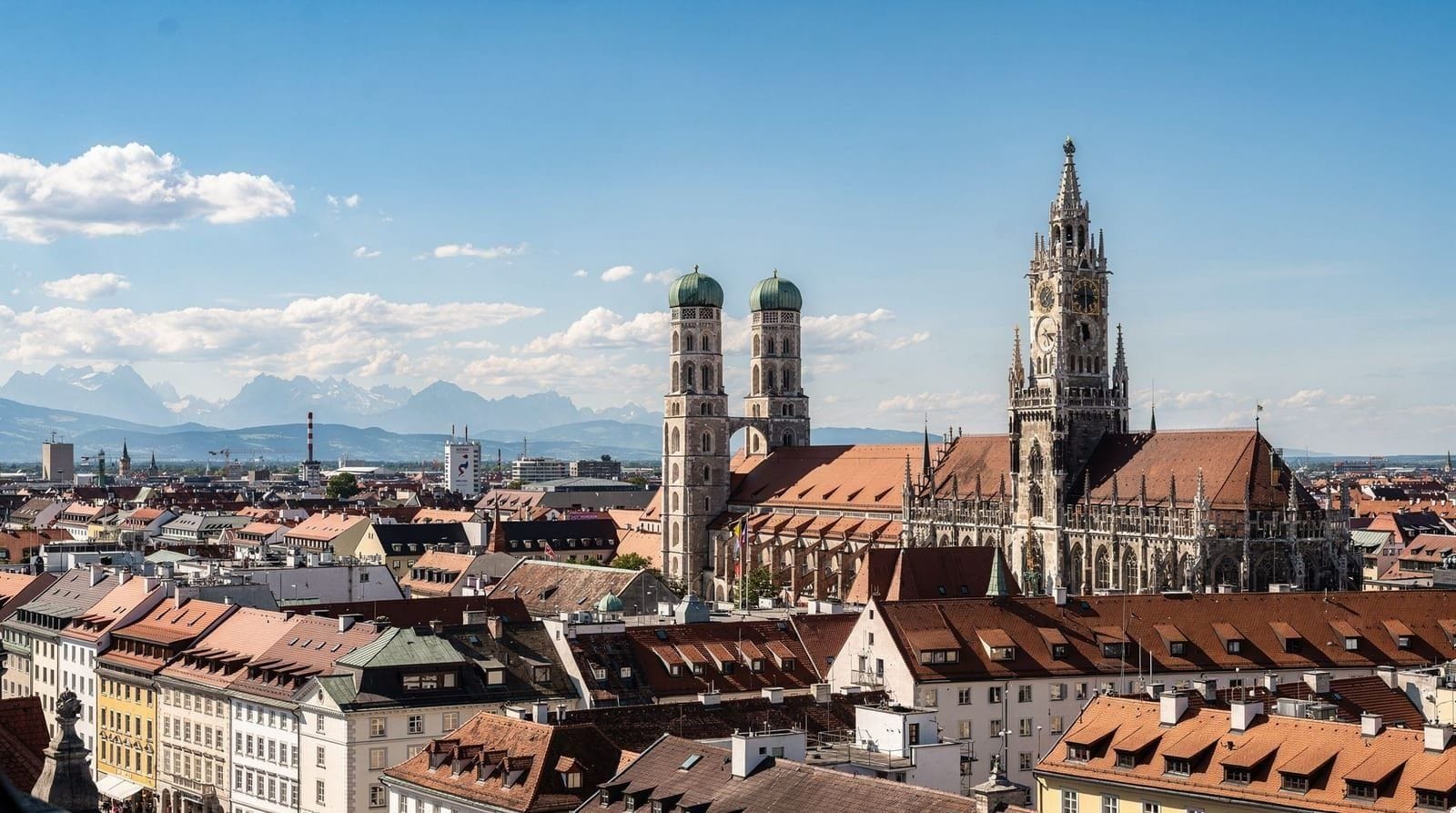 old town walking tourCheck availability
Day two is where Munich’s depth becomes clear. You can spend half a day in the Deutsches Museum and still not see everything (it is enormous — plan more time than you think). Alternatively, a morning at Dachau Memorial followed by an afternoon at Nymphenburg Palace covers both the darkest and grandest chapters of Munich’s past in a single day. The English Garden is best on a sunny afternoon — grab a beer at the Chinesischer Turm beer garden and watch surfers on the standing wave at the Eisbach.
Day three works best as a day trip. Neuschwanstein Castle is the obvious choice and it delivers — though the castle interior is somewhat anti-climactic compared to the exteriors and surrounding landscape. Salzburg is equally good and offers a complete different city experience. Both are two hours by public transport. Return in the evening for a final beer garden dinner.
After three days, the vast majority of travelers feel they have experienced Munich thoroughly. A fourth day adds the Pinakothek museums, more of the English Garden, or a second day trip. Beyond five days in Munich alone, most visitors start running out of must-see priorities — the city is superb but not inexhaustible as a sole destination.
For structured plans, our Munich 3-day itinerary and first-time visitor 3-day guide offer detailed day-by-day logistics.
The Viktualienmarkt food tour is one of the best ways to understand Munich’s food culture and get oriented in the center simultaneously — it combines market history, Bavarian food tasting, and a genuine feel for the neighborhood that most walking tours miss.  Viktualienmarkt and Altstadt food tourCheck availability
Who Munich is genuinely right for
Some specific traveler profiles where Munich works exceptionally well:
First-time Germany visitors. Munich is the easiest entry point to Germany: manageable size, very high English proficiency in tourist areas, iconic and legible experiences. Berlin rewards return visitors more than first-timers in some respects. Munich does not.
Families with children. The English Garden, the Hellabrunn Zoo (one of the best in Germany), the Deutsches Museum with its interactive sections for children, the general safety and cleanliness, and the excellent transport infrastructure make Munich among the most family-friendly major European cities.
History and WWII travelers. This is perhaps counterintuitive given Munich’s cheerful beer-garden image, but the city is historically essential for understanding the rise of the Nazi party — it began here, at the Hofbräuhaus and in the streets of the Altstadt. Dachau is 30 minutes away by S-Bahn. Our Munich WWII history guide covers this in detail. For those whose travel is partly motivated by a desire to understand 20th-century European history, Munich is an important stop.
Alpine and outdoor travelers. Munich as a base for Alps access is genuinely excellent. Whether you are interested in hiking, skiing (winter), cycling, or simply standing at altitude and looking at views, the proximity of the Alps to a city with first-rate hotels, restaurants, and transport makes Munich unusually convenient.
Food travelers. Bavarian food — Schweinshaxe (pork knuckle), Weisswurst with sweet mustard, Obatzda cheese spread, Käsespätzle, Dampfnudel — is distinctive, hearty, and good in a way that does not get enough credit in wider European food conversation. Munich also has a serious restaurant scene beyond the tourist-facing menus. Our best Bavarian food guide covers both.
Luxury travelers. Munich has some of Germany’s finest five-star hotels — the Bayerischer Hof, the Vier Jahreszeiten Kempinski, the Mandarin Oriental — and a luxury retail district along Maximilianstrasse that competes with any European shopping street.
Who might want to reconsider
Budget travelers can do Munich but it takes real effort and discipline. Expect to spend significantly more than you would in comparable Eastern European cities for equivalent accommodation and food quality.
Anti-tourist-crowd visitors in summer will find the city center genuinely challenging in July and August. The crowds around Marienplatz in peak season are as dense as anywhere in Europe. Consider visiting in May, June, or September instead.
Those seeking multicultural street life. Munich is less ethnically and culturally diverse than Frankfurt, Hamburg, Berlin, or London. If the energy of a multicultural urban environment is part of what you seek from city travel, Munich’s relative homogeneity may feel limiting.
Nightlife-first travelers. Berlin, Amsterdam, Ibiza, and Barcelona are in a different category. Munich is a pleasant city to have a drink in — it is not a destination you choose for club culture.
If you want free options to explore before committing to paid tours, our Munich free walking tours guide covers the best tip-based and genuinely free orientation walks available.
The practical honest verdict
Munich earns its reputation as one of Europe’s best city destinations. Not because it is perfect for everyone — it is not — but because it delivers reliably and at a high level on multiple fronts simultaneously: culture, food, transport, safety, and access to extraordinary surroundings that no other major city can match in quite the same way.
The city rewards travelers who research and plan. It does not particularly reward those who arrive expecting a cheap, spontaneous, gritty, or effortlessly “authentic” experience. Know what you are going in for, plan one or two day trips, spend at least one evening in a genuine beer hall (not just the Hofbräuhaus, which is worth seeing but not the best food), and you will almost certainly leave thinking Munich delivered.
For a taste of everything — Altstadt, local neighborhoods, Bavarian food, and a guide who can answer questions about what you’re seeing — the full-day private tour is the highest-value single investment you can make on a first visit. 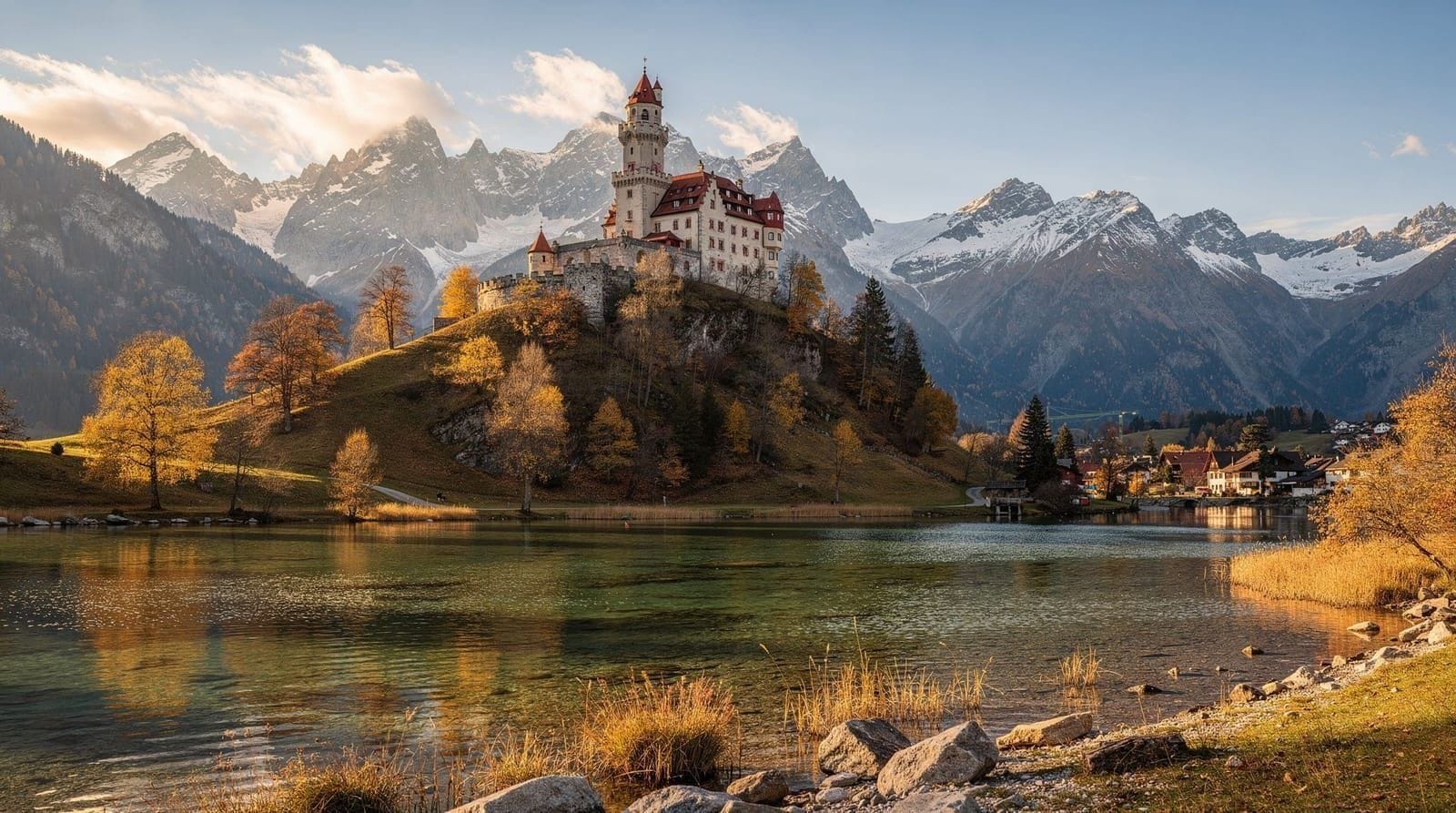 best of Munich 1-day private tour with tickets and transportCheck availability
Recommended minimum: 3 days in the city, one day trip (Neuschwanstein or Salzburg), one genuine beer garden or beer hall evening. For the full picture of what Munich can offer, see our complete Munich destination guide and our 48-hour Munich guide if your time is tight.
Frequently asked questions about visiting Munich
How many days do you need in Munich?
Three days is the practical minimum for a satisfying first visit — enough time to cover the Altstadt, one major museum, one day trip, and at least one proper beer hall evening. Four days is the sweet spot for most travelers: it allows two days in the city and two day trips, or a more relaxed pace with less rushed museum visits. Beyond five days in Munich alone starts to feel stretched unless you have specific interests (all three Pinakothek museums, multiple Alpine excursions, serious WWII history sites). For a structured approach, our Munich 3-day itinerary gives realistic day-by-day planning.
Is Munich expensive compared to other European cities?
Yes, significantly. Munich is the most expensive city in Germany and consistently among Europe’s top ten most expensive destinations. Budget around 100 to 120 euros per day per person for a mid-range experience — mid-range hostel or budget hotel, two sit-down meals, public transport, and one paid attraction. Luxury travelers will find their money well spent; budget travelers will need to be strategic (Sunday free museum admission, supermarket lunches, a transit day pass). Compared to Prague or Budapest, expect to spend roughly double for equivalent accommodation and food.
Is Munich worth visiting if you don’t drink beer?
Honestly, it is a fair question and the honest answer is: yes, but you will need to look past the headline attraction. The museums, the day trips, the Altstadt architecture, the food culture, the English Garden, the proximity to the Alps — none of these require alcohol. But the social glue of Munich’s public life, especially evenings, is centered on beer gardens and beer halls in a way that can feel exclusionary if you are not participating. Non-drinkers can have an excellent trip; just go in knowing that the dominant evening activity will involve other people drinking large quantities of beer around you.
What is the best time of year to visit Munich?
May, June, and September are the sweet spots: warm enough for beer gardens and outdoor sightseeing, before the July-August peak crowds, with reliable enough weather for day trips to the Alps and castles. October (specifically Oktoberfest, late September to early October) is festive but extremely crowded and expensive — book months in advance if that is your target. November through March offers quiet museums and Christmas markets (November-December are excellent for the markets) but cold, grey weather. July and August are perfectly viable — just expect high tourist density and high hotel prices. Our best time to visit guide has full month-by-month breakdown.
Is Munich better than Berlin for a first visit to Germany?
For most first-time visitors to Germany, Munich is the easier and more immediately satisfying choice. The city is more compact and legible, the iconic experiences (beer halls, Marienplatz, day trips) are highly accessible, and the Bavarian culture feels distinct and memorable. Berlin rewards return visitors enormously and is extraordinary for 20th-century history, nightlife, and contemporary culture — but its sprawling geography and more complex character can be harder to get into quickly on a short first trip. If your interests are heavily oriented toward WWII and Cold War history, or nightlife, Berlin is the better first stop. For most other profiles, Munich.
Is Munich safe for solo travelers?
Very. Munich consistently ranks among Europe’s safest major cities by crime statistics, and solo travelers — including solo female travelers — report feeling safe walking at night, using public transport late, and navigating the city independently. Practical sensible precautions apply as in any large city (watch your bag in crowds, be alert around train stations at night), but Munich does not have significant areas that require avoiding, and the tourist infrastructure is so well-organized that navigating it alone is genuinely easy. The free walking tours are also a good way to meet other travelers early in your trip.
Is Munich worth visiting if you’re only doing one German city?
Yes, for most first-time visitors — Munich covers beer culture, Alpine day trips, and classic Bavarian architecture in a single legible package that is hard to match elsewhere in Germany. If your primary interest is 20th-century history or nightlife specifically, Berlin may serve you better as the sole stop. For food, day trips, and an easy introduction to German travel, Munich is the stronger single-city choice.
How does Munich compare to Prague or Budapest for value?
Munich loses on pure value — expect to pay roughly double for comparable accommodation and meals. What you get in exchange is significantly higher organization, cleanliness, safety, and — crucially — direct access to the Alps and Bavarian castles that neither Prague nor Budapest can offer. If budget is the deciding factor, choose Prague or Budapest; if experience quality and day-trip access matter more, Munich justifies the premium.
Top experiences
Bookable activities with verified prices and instant confirmation on GetYourGuide.