48 hours in Munich — a practical two-day itinerary
Before you arrive: what 48 hours can and cannot cover
Two days in Munich is enough time to understand the city’s character, eat well, and visit its best free spaces. It is not enough time to also do a day trip to Neuschwanstein or Salzburg. Make that call early: if the castles or Austria are the priority, restructure this itinerary and dedicate one of your two days to a day trip. If Munich itself is the priority, stick to the plan below.
This itinerary is designed for first-time visitors staying two nights in the city center, using public transport, and without a rental car.
| Where to base yourself | Altstadt, Ludwigsvorstadt-Isarvorstadt, or Schwabing — all walkable or one metro stop from Marienplatz |
| Cost for two days | Around 90–130 EUR/person for food, transport and one museum, excluding accommodation |
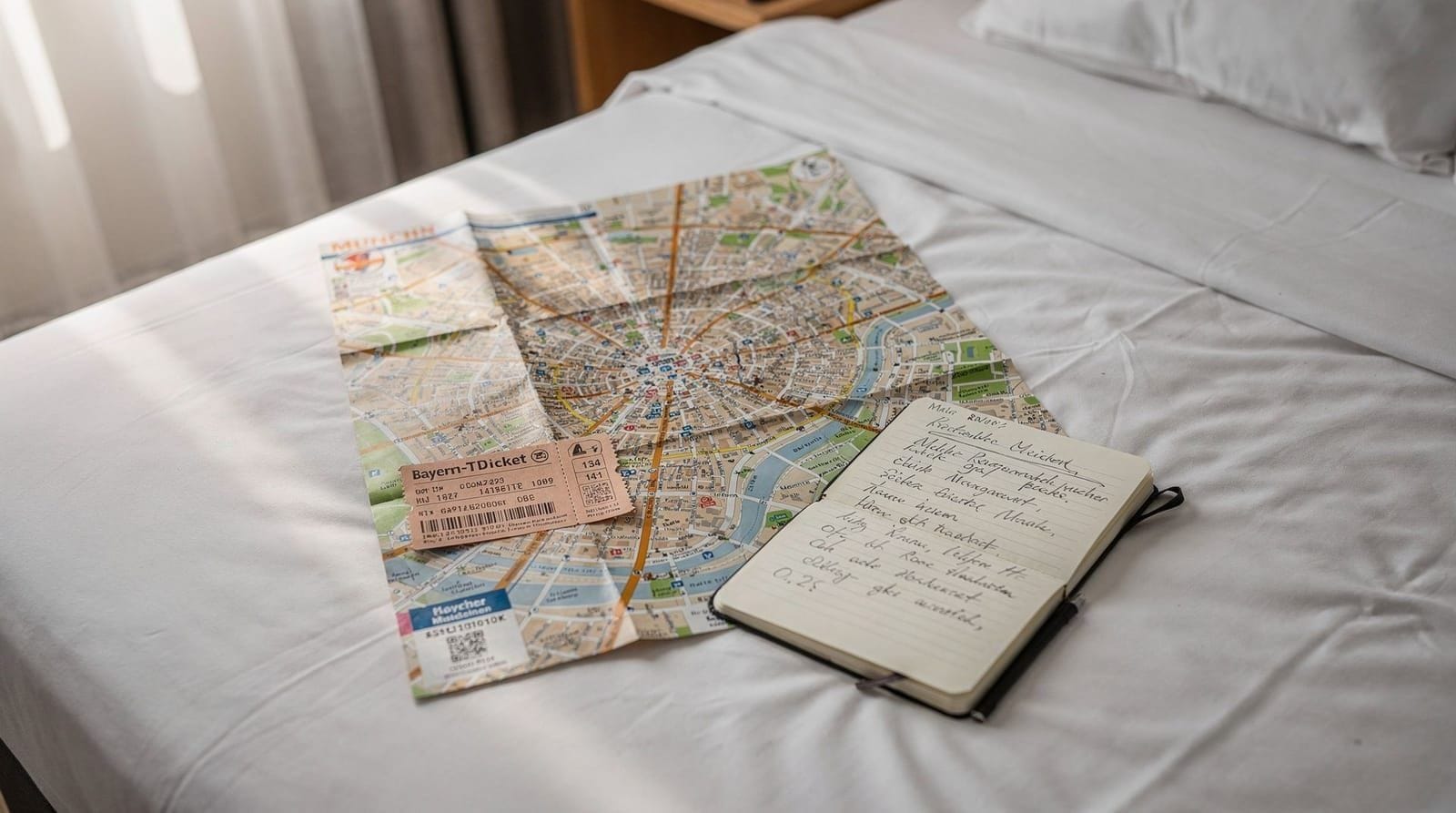
| Getting around | Zone M Tageskarte, around 9.20 EUR/day, covers U-Bahn/S-Bahn/tram/bus |
| Best time to try this plan | May, June or September for fewer crowds and better weather |
Day 1: Altstadt, history, and a beer garden evening
Morning: Marienplatz and the Old Town core
Start at Marienplatz by 9:00. The Glockenspiel plays at 11:00, but there’s plenty to do before then. The Rathaus (New Town Hall) facade is impressive — if you want to go up the tower elevator for the city view, tickets cost 7.50 EUR and the queue is shorter in the morning than mid-afternoon. The Frauenkirche is a five-minute walk west; entry is free and the twin-towered cathedral is Munich’s most recognizable silhouette.
From there, walk south to the Viktualienmarkt. This is where Munich shops for food. Have breakfast here rather than at your hotel — a coffee and Butterbrezel at one of the market stalls runs about 3.50–4.50 EUR.
Mid-morning: the Residenz
The Munich Residenz is one of the largest palace complexes in Europe and most visitors walk past it without going in. Entrance to the Residenzmuseum (the main state rooms and apartments) costs 9 EUR or 1 EUR on Sundays. Allow at least 90 minutes — the 130 rooms are genuinely impressive and the Treasury contains the Wittelsbach royal collection. Our Residenz guide goes into detail on what not to miss.
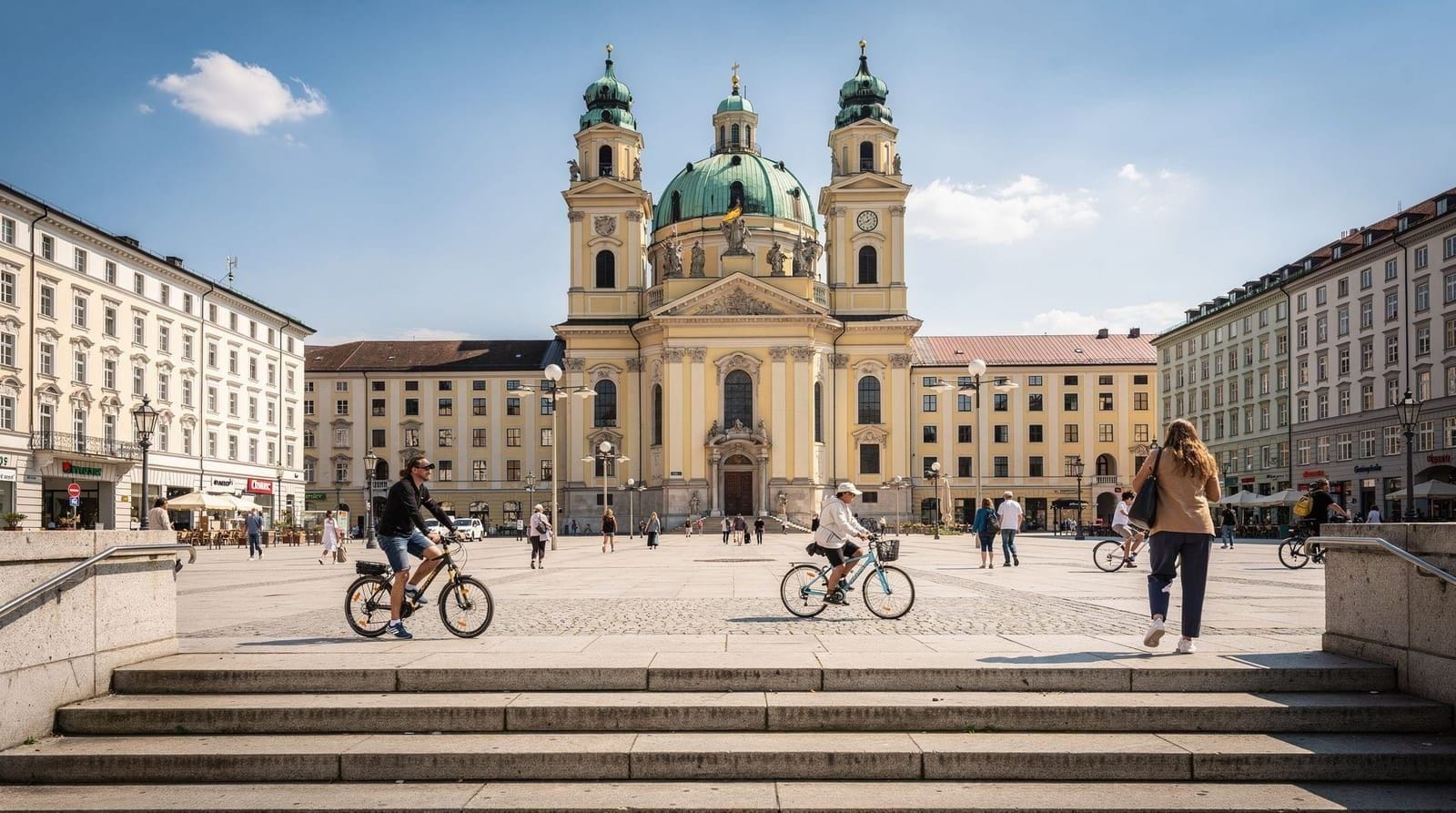
The Residenz is on Odeonsplatz, about 800m north of Marienplatz. From the square, you can also see the Feldherrnhalle loggia and the Theatinerkirche (free entry).
Lunch: eat in the Altstadt without overpaying
Avoid the sit-down restaurants immediately on Marienplatz. Instead, duck down Sendlinger Straße to the Sendlinger Tor area or grab something from the Viktualiemarkt stalls. The Asam Schlössl beer cellar on Thalkirchner Straße offers good Bavarian lunches, or try the market option if you want to eat standing up for around 6–8 EUR total.
Afternoon: English Garden
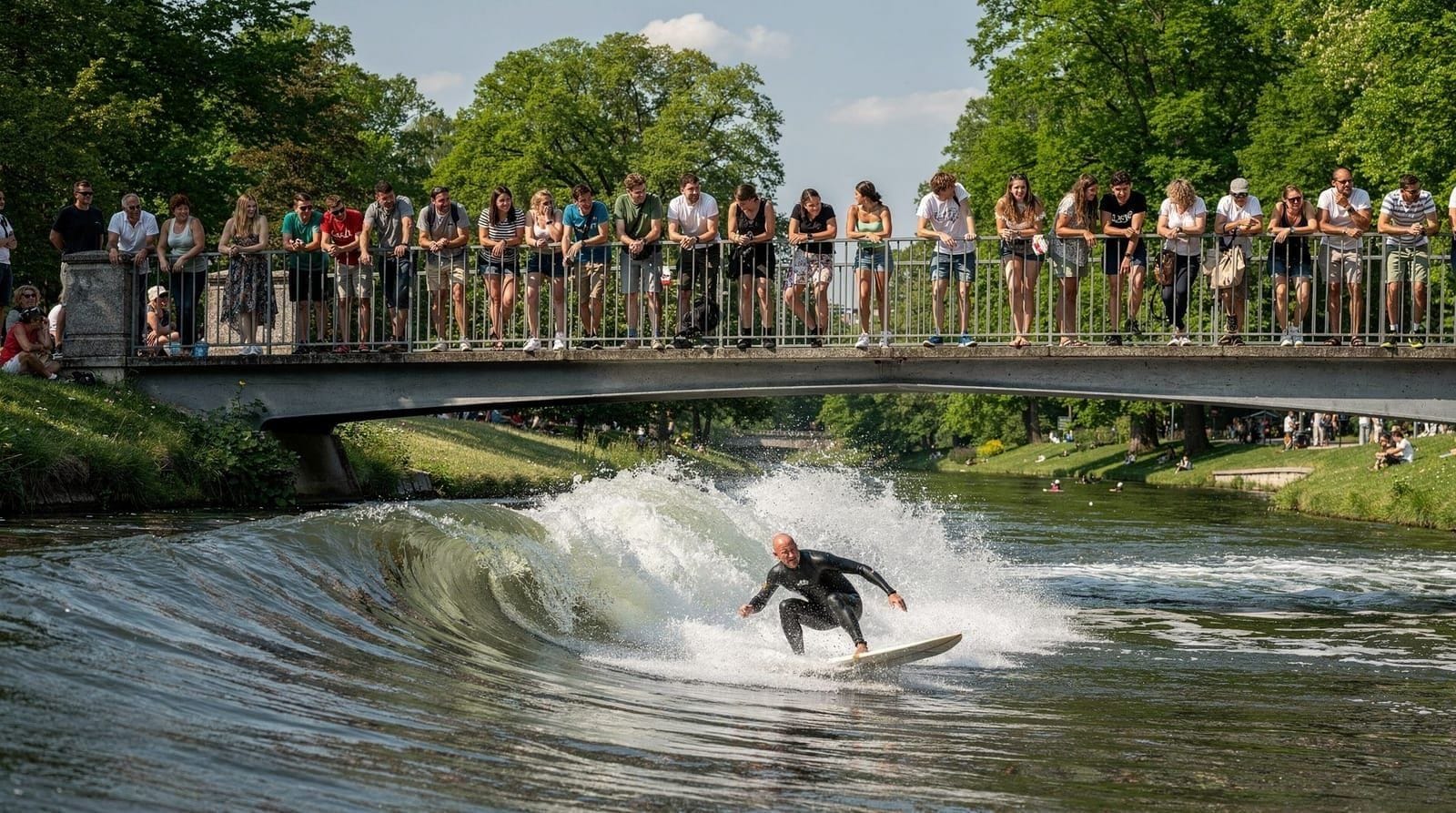
Take U4/U5 from Odeonsplatz one stop to Lehel, or walk 15 minutes northeast from the Residenz. The English Garden is where Munich locals go on weekday afternoons and weekend mornings. In summer, watch the surfers at the Eisbach channel near the Prinzregentenstraße bridge — a small but impressive wave that runs year-round.
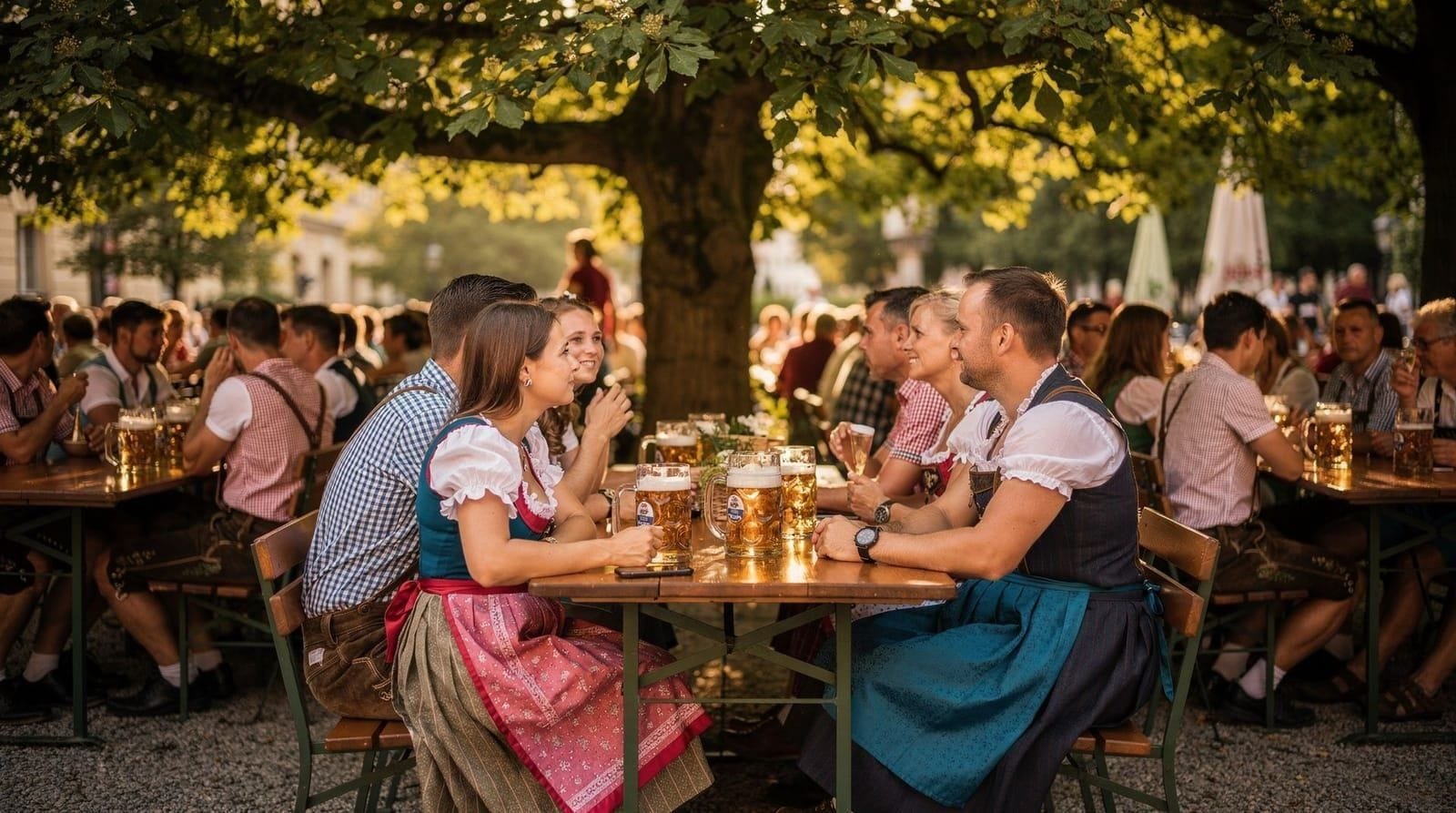
Walk north through the park to the Japanese Tea House (free exterior viewing), then up to the Chinese Tower (Chinesischer Turm) beer garden for your first Maß of the trip. At around 5.80 EUR per liter, it’s one of the more affordable beer gardens in the city and has good Steckerlfisch (grilled fish on a stick) if you’re hungry. Read our best beer gardens guide for alternatives.
Evening: dinner and the Altstadt at night
Make your way back to the Altstadt for dinner. Augustiner am Dom on Frauenplatz does proper Bavarian food — Schweinshaxe, Weisswurst, Brezn — in a high-ceilinged hall that isn’t overwhelmingly touristy. Budget 22–30 EUR per person with drinks.
After dinner, walk through the Marienplatz area at dusk. The lights on the Rathaus facade are worth seeing, and the streets around the Gärtnerplatz neighbourhood (a 10-minute walk south) have a good evening atmosphere without the stag-party density of the Hofbräuhaus area.
Two days at a glance
If you’d rather see the shape of the plan before reading the detail, here’s the day-by-day summary:
| Time block | Day 1 | Day 2 |
|---|---|---|
| Morning | Marienplatz, Frauenkirche, Viktualienmarkt | Nymphenburg Palace and grounds |
| Midday | Residenz, lunch in the Altstadt | Lunch in Maxvorstadt |
| Afternoon | English Garden, Eisbach surfers, beer garden | Pinakothek museums or Olympiapark or BMW Welt |
| Evening | Bavarian dinner, Gärtnerplatz atmosphere | Karlsplatz shopping walk, Augustiner Keller |
For a longer version of this same logic stretched over an extra day, see our 3-day Munich itinerary.
Where to stay for these two days
You don’t need a specific neighbourhood pick to make this itinerary work — you need proximity to the U-Bahn/S-Bahn network. The Altstadt itself is convenient but pricier and noisier at night. Ludwigsvorstadt-Isarvorstadt, just south of the Hauptbahnhof, tends to offer better value while staying a 10–15 minute walk or one tram from Marienplatz. Schwabing, north of the English Garden, suits people who want a quieter base with easy access to Day 1’s afternoon plan. Full breakdown in our where to stay in Munich guide.
If it rains on one of your two days
Munich gets rain year-round, and a wet 48 hours doesn’t have to mean a wasted one. The Residenz, the Pinakothek museums, and BMW Welt from this itinerary are all indoor options you can simply reorder to cover the wet day. If both days turn wet, our dedicated rainy day in Munich guide has a fuller backup list, including the Deutsches Museum and covered market halls.
Day 2: Nymphenburg, Maxvorstadt museums, and a farewell beer
Morning: Nymphenburg Palace
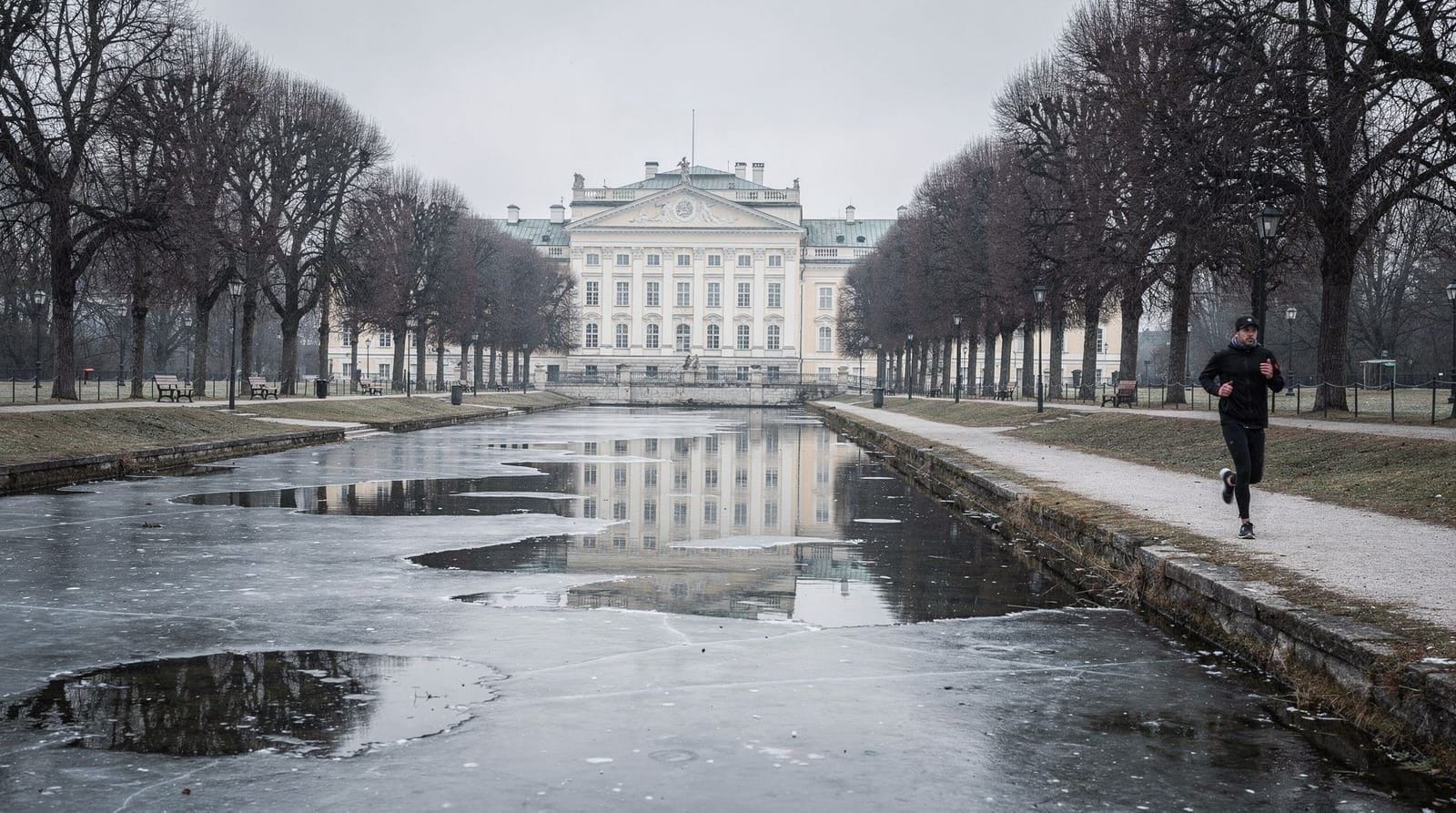
Tram 17 from the Hauptbahnhof (central station) takes you directly to Nymphenburg Palace in about 20 minutes. The Nymphenburg Palace is Bavaria’s summer royal residence — Baroque exterior, ornate state rooms, and a large surrounding park. Admission to the palace buildings costs 12 EUR or 1 EUR on Sundays. The grounds are free and worth exploring even if you skip the interior.
The palace complex includes the Carriage Museum (Marstallmuseum), which houses the royal carriages used by Ludwig II — an interesting side story. Allow 2–3 hours for the whole site. Book a guided Nymphenburg Palace tour
Lunch: Maxvorstadt and the museum quarter
Tram or walk east toward Maxvorstadt. This is Munich’s museum and university quarter, with a dense concentration of galleries and significantly more affordable lunch options than the Altstadt. The streets around Theresienstraße and Gabelsbergerstraße have multiple cheap lunch spots — Lebanese falafel places, student canteens, and Bavarian lunch specials in the 9–12 EUR range.
Afternoon: one museum or the Olympiapark
Make a choice based on your interests:
Option A — Pinakothek museums: The Alte Pinakothek (European painting from the 14th–18th centuries), Neue Pinakothek (19th century), and Pinakothek der Moderne (20th–21st century) are all within a five-minute walk of each other. Our Pinakothek guide ranks what’s worth visiting. On Sundays, all three cost 1 EUR each.
Option B — Olympiapark: The 1972 Olympic Park is 20 minutes west by U3. The distinctive tent-like roof structure is architecturally significant, and there’s a TV tower (Olympiaturm) observation deck for 11 EUR. The park itself is free and has a good view of the BMW building next door. Read our Olympiapark guide.
Option C — BMW Welt: Next to the Olympiapark, BMW Welt is Munich’s flashiest free attraction. It’s essentially a brand showroom, but an impressive one. No tickets required — walk in and look around. If you want to combine it with the BMW Museum next door (10 EUR admission), allow 3 hours.
Late afternoon: Karlsplatz and the shopping streets
If you have time before dinner, the walk down Kaufingerstraße and Neuhauser Straße from Karlsplatz (Stachus) to Marienplatz is Munich’s main pedestrian shopping street. The Munich shopping guide covers the better options beyond the chains, including the department store Ludwig Beck on Marienplatz for Bavarian speciality gifts.
Final evening: Augustiner Keller or Hirschgarten
For your last evening, skip the tourist belt and go where Munich goes. The Augustiner Keller at Arnulfstraße 52 (10-minute walk from Hauptbahnhof) is a proper Bavarian beer garden with food, reasonable prices (Maß around 5.20 EUR), and mostly local clientele on weekday evenings. The Hirschgarten in Nymphenburg is larger but worth the tram ride. Munich old town food tour with tastings and beer
Practical logistics
Getting around
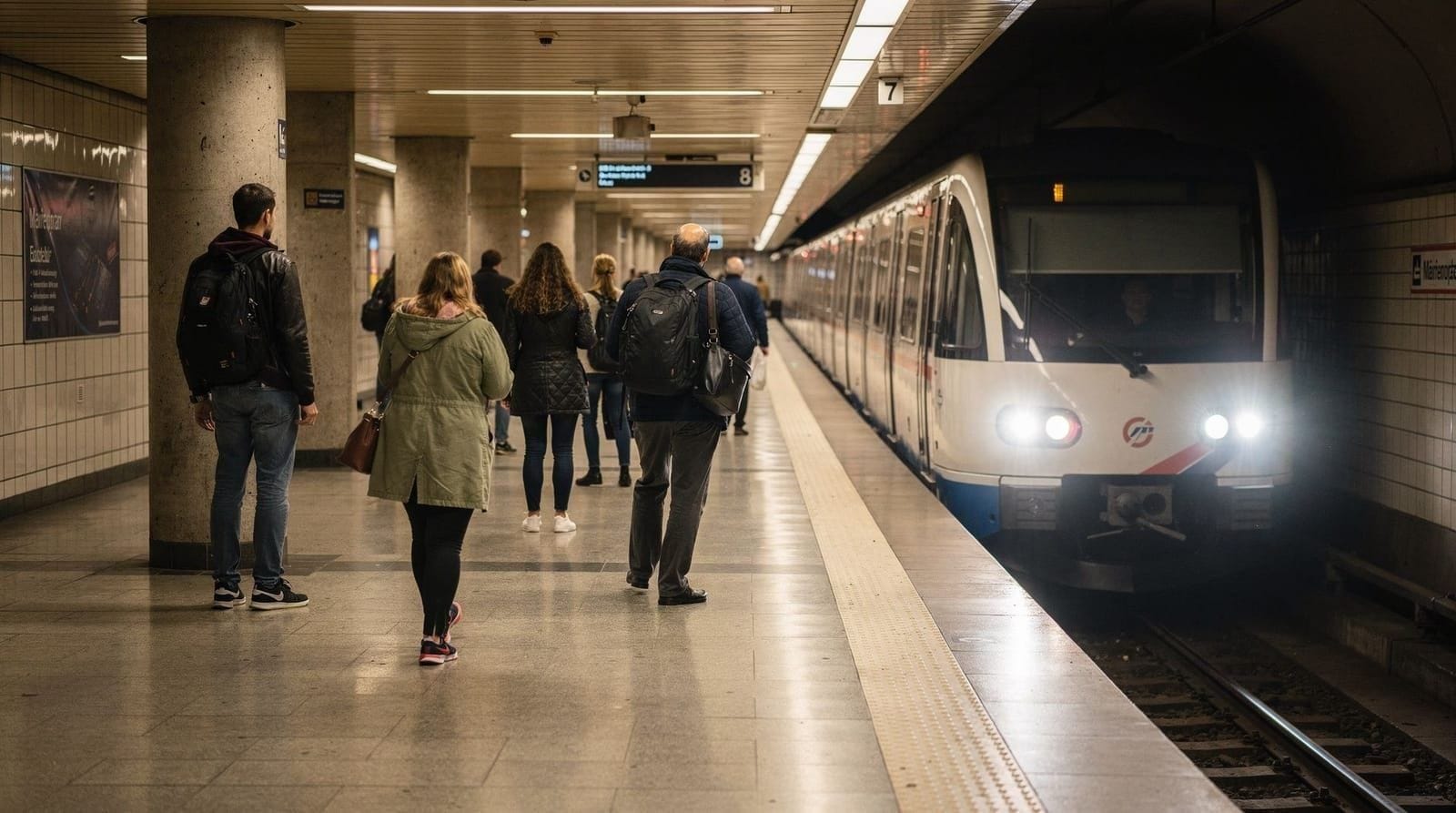
Buy a Tageskarte (day ticket) for the inner city zones (Zone M) each day — 9.20 EUR. It covers all U-Bahn, S-Bahn, tram, and bus. The city center is walkable enough that you’ll mainly use it for longer legs like Nymphenburg. See our public transport guide for route details.
What to skip in 48 hours
- Dachau: The Dachau Memorial Site is important but sobering and takes a half-day minimum. With only 48 hours in Munich, a day trip doesn’t leave room for the city itself.
- Day trips to castles: Neuschwanstein is 2 hours each way. It’s worth it with more time but eats 48 hours whole.
- Hofbräuhaus: Fine to look at from outside, but expensive beer and very tourist-dense. The Augustiner alternatives serve better beer at lower prices.
- A rental car: Central Munich is walkable and well served by transit; a car adds parking cost and stress for no benefit within the city itself.
- Two museum visits in one day: One of the Pinakothek trio plus a walk is plenty. Trying to add Deutsches Museum on top of Day 2 usually means rushing both.
Getting between these points is straightforward on foot and transit; our getting around Munich guide covers ticket types and apps if you want more detail than the Tageskarte note above, and the Munich packing guide helps you plan for the city’s changeable weather.
When to go
May, June, and September are the sweet spots — good weather, fewer crowds than July–August, and accommodation prices below the summer peak. If you’re considering Oktoberfest (late September), book accommodation many months in advance. Our Munich travel tips cover seasonal considerations in full.
Frequently asked questions about 48 hours in Munich
Is two days enough for Munich?
It’s enough to see the main sights and get a real feel for the city. You won’t exhaust it, but you’ll leave knowing whether you want to come back. Read our how many days in Munich guide for a more detailed breakdown.
Should I do a day trip to Neuschwanstein with 48 hours?
Only if you’re willing to sacrifice most of your second day. Neuschwanstein is roughly 2 hours from Munich by train, tickets need to be booked in advance, and the round trip takes a full day. With exactly 48 hours, doing both Munich and Neuschwanstein justice isn’t realistic.
What’s the best area to stay for 48 hours?
Anywhere within the inner ring (Zone M), walking distance or one metro stop from Marienplatz. The Schwabing, Maxvorstadt, and Ludwigsvorstadt-Isarvorstadt areas all put you close to everything. Avoid booking far out just to save 10 EUR — you’ll spend it on extra transit.
Is there a discount for multiple Munich museums?
Yes — the Tageskarte for museums (Tagesticket) covers multiple state museums on Sundays for 1 EUR each. A Munich CityTourCard also bundles transport and museum discounts; see our museums pass guide for whether it pays off for your specific itinerary.
Can I do this itinerary in the rain?
Yes, with reordering. Move the Residenz, a Pinakothek museum, and BMW Welt to the wettest day, and save the English Garden and Nymphenburg grounds for drier weather. See the rainy day in Munich guide for a longer backup list.
Is 48 hours enough to also see Dachau or Neuschwanstein?
Not comfortably. Both are half-day-minimum trips outside the city, and squeezing either into this two-day plan means cutting a large chunk of the Altstadt or Nymphenburg sections above. If either site matters to you, add a third day rather than compress this itinerary.