Munich travel tips: practical advice for first-time visitors in 2026
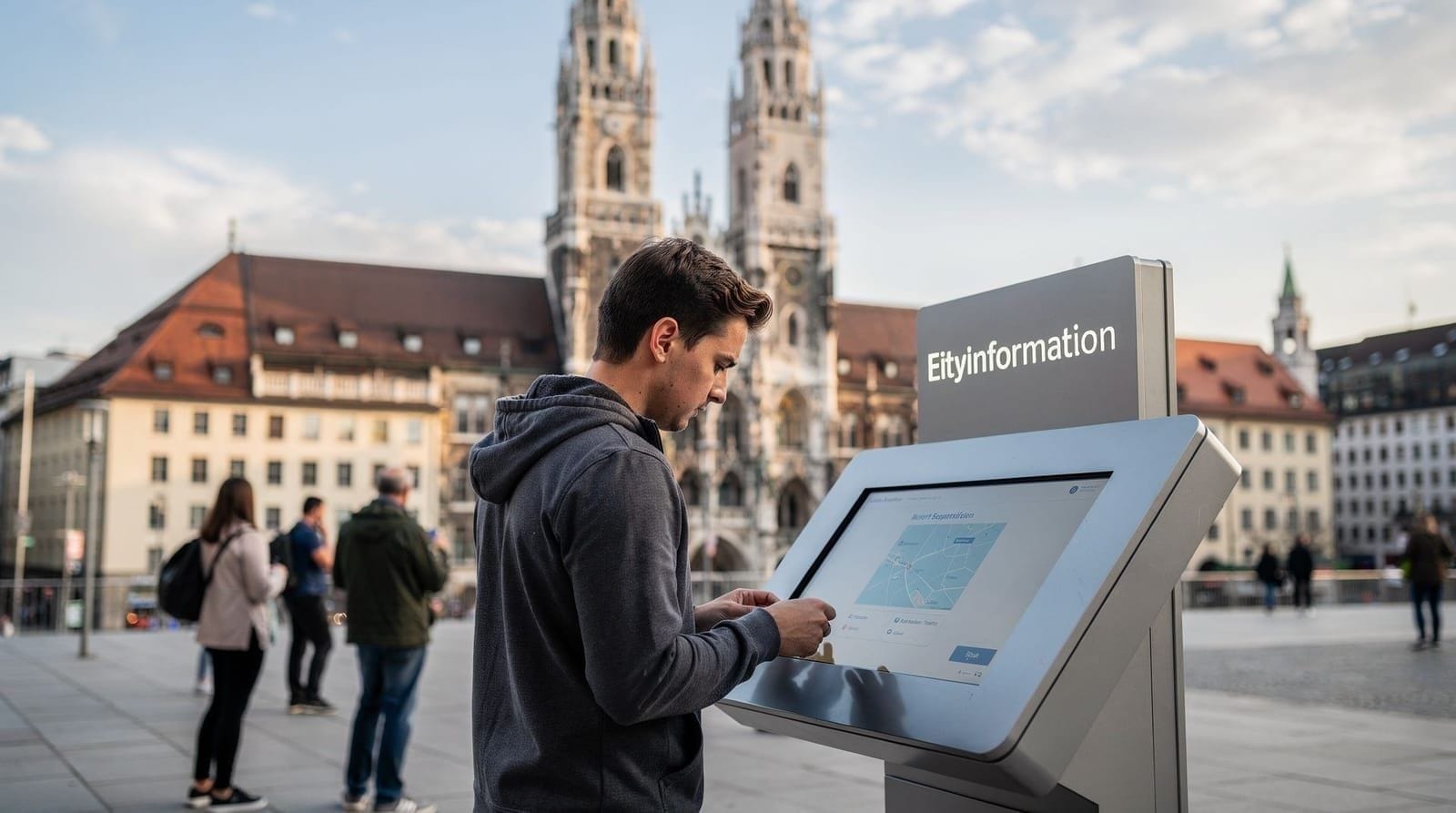
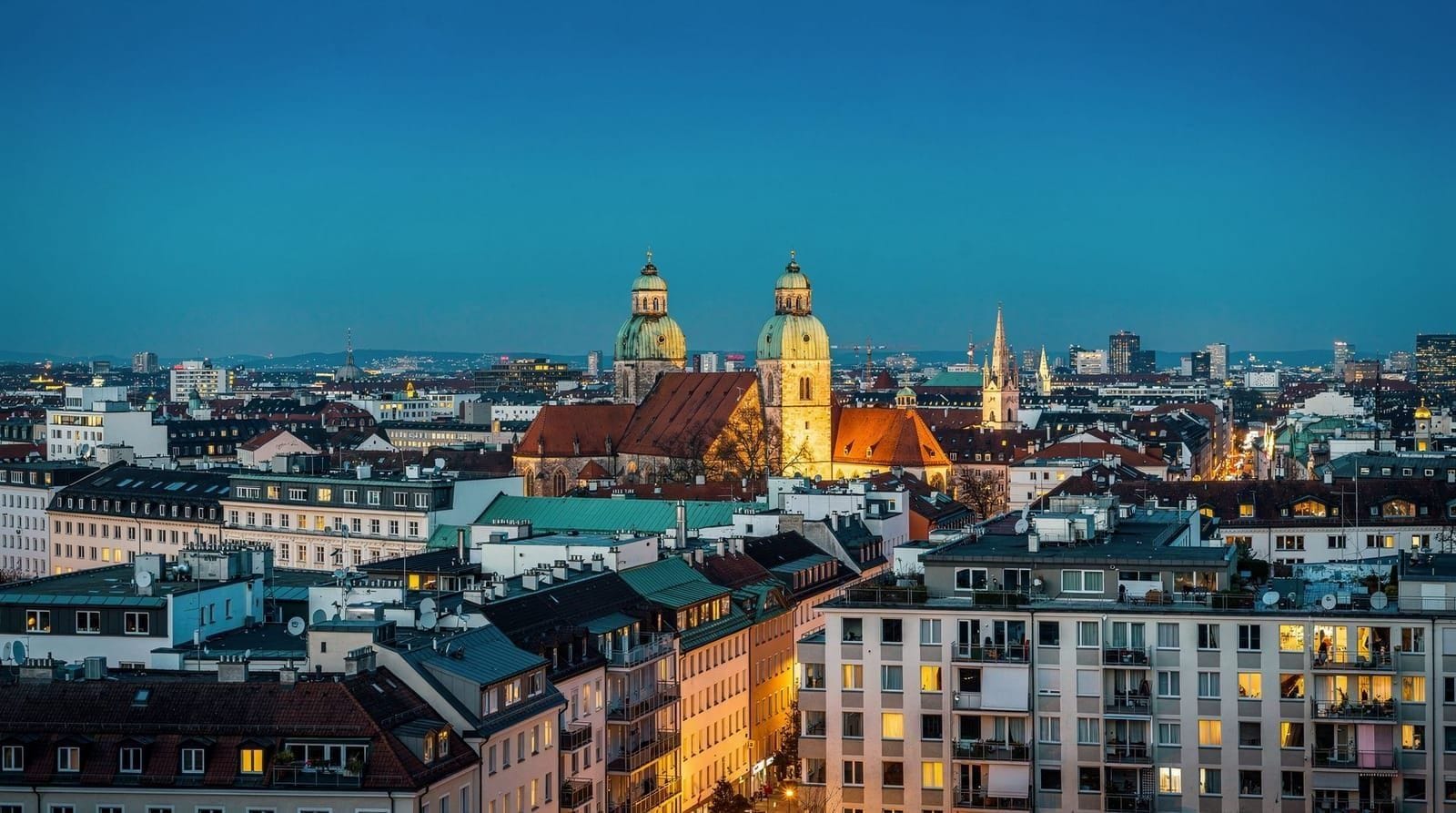
Munich: old town walking tour
What do I need to know before visiting Munich for the first time?
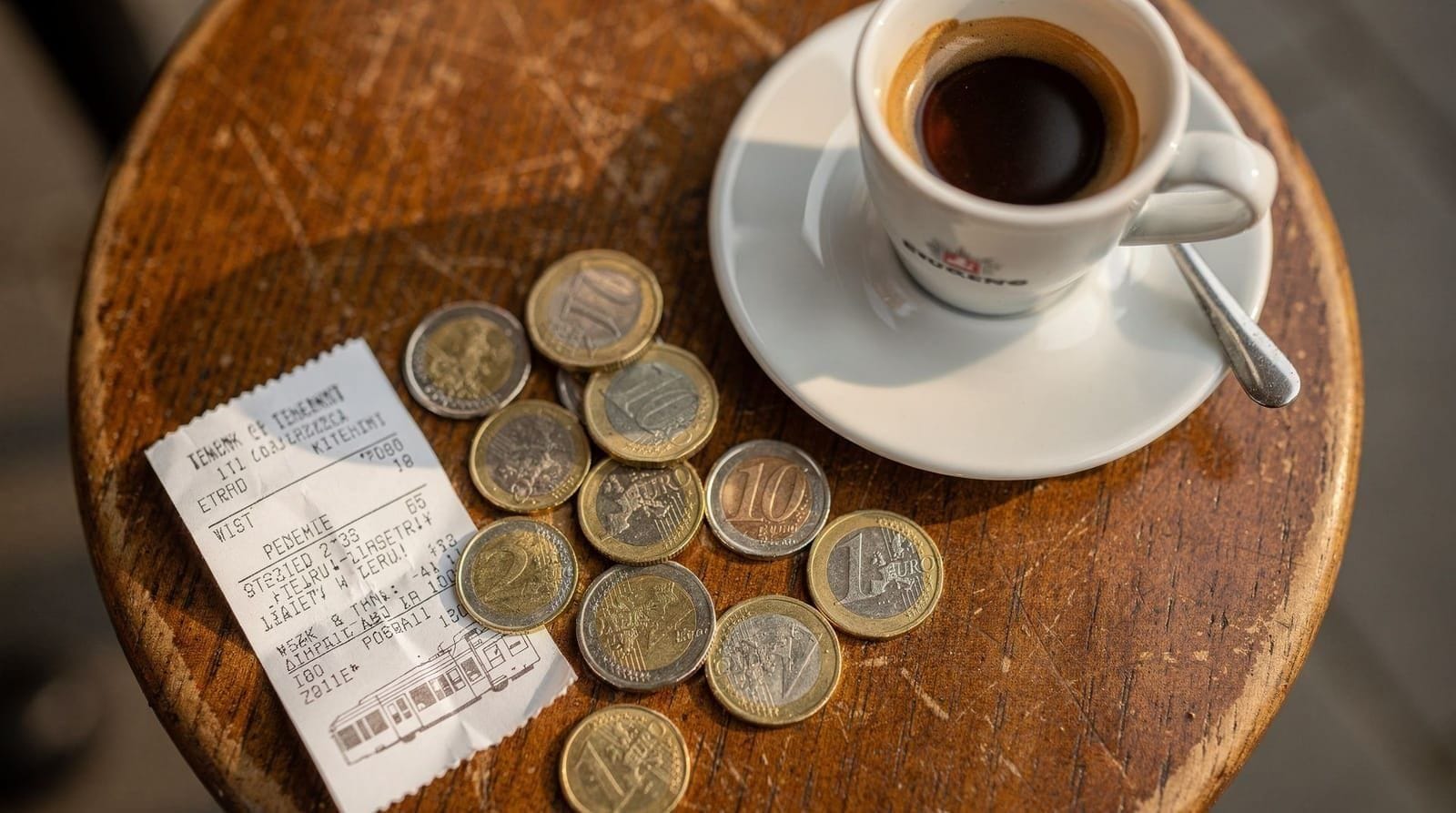
Carry cash — many restaurants and markets are cash-only or cash-preferred. Shops and supermarkets close on Sundays; plan grocery shopping for Saturday. Tip 5–10% by rounding up the bill to a convenient number. Munich tap water is excellent Alpine quality. The Bayern-Ticket gives you unlimited regional rail across Bavaria for €29.
The practical details that determine whether a Munich trip goes smoothly are usually the ones travel blogs underexplain: cash culture, Sunday closures, how tipping actually works, the bottle deposit system. This guide covers the things that genuinely matter for first-time visitors to Munich.
| Cash needed | Yes — many beer halls, markets and bakeries are cash-preferred |
| Sundays | Supermarkets and most shops closed; museums and beer gardens open |
| Tipping | Round up 5–10%, tell the server the total verbally |
| Transit fine | €60 for riding without a validated ticket |
| Emergency number | 112 (fire/medical), 110 (police) |
Money and payment
The cash reality
Munich’s cash culture is one of the first things that surprises visitors from card-heavy countries. It is not a stereotype — it is real. Many traditional restaurants display “Barzahlung bevorzugt” (cash preferred) signs. Beer garden food stalls and Viktualienmarkt vendors are frequently cash-only. Bakeries and small cafés often prefer cash even when they technically have a card reader.
Practical approach:
- Withdraw at least €100–150 at the start of your trip at a bank ATM (Geldautomat). Major banks — Deutsche Bank, Commerzbank, Sparkasse — have widespread ATM networks with lower fees than standalone machines. Avoid airport ATMs and standalone machines in tourist areas, which charge high conversion fees.
- Keep €20–50 in smaller bills (€10s and €20s) accessible daily for cafés, bakeries, and market stalls
- Cards work reliably at supermarkets (Rewe, Aldi, Lidl), hotel payment, pharmacies, and larger restaurants
Tipping
Munich’s tipping system is different from the US or UK:
- Not a percentage calculation: Germans round up to a convenient number rather than calculating 15–20%
- Communicated verbally: Tell the server the total you want them to charge as you hand over cash. “Stimmt so” means “keep the change” (for small amounts)
- Typical rates: 5–10% on restaurant bills, rounded to a convenient figure
- Beer gardens (table service): Round up by €1–2 per round
- Beer gardens (self-service counter): No tip expected or given
- Taxis: Round up to the nearest Euro or two
- Hotels: Bellhop/porter €1–2 per bag, housekeeping not customary
The Pfand deposit system
Every time you buy a plastic bottle or can of drink at a German supermarket, you pay a deposit:
- Most plastic bottles and cans (PET): €0.25
- Glass beer bottles (some): €0.08 or €0.25
Keep receipts or look for the “Mehrwegpfand” label. Return bottles to any supermarket’s Pfandautomat machine — feed bottles in one by one, collect a voucher. The voucher can be used toward any purchase in that supermarket or exchanged for cash at the checkout.
This matters practically: over a week, returning your bottles saves €4–10. It is also culturally important — littering bottles is considered genuinely antisocial in Munich.
What a day actually costs
Daily spending in Munich varies enormously depending on how you eat and move around. Rough per-person figures, excluding accommodation:
| Budget level | Food | Transport | Extras | Daily total (approx.) |
|---|---|---|---|---|
| Frugal | Bakery lunch, supermarket snacks | Single tickets or walking | Free sights only | around €25–35 |
| Mid-range | One sit-down meal, café stops | Day ticket or Deutschlandticket day | One museum/tour | around €55–80 |
| Comfortable | Restaurant meals, beer hall dinner | Taxis occasionally | Guided tours, castle day trip | around €100+ |
The full Munich budget guide breaks this down further, and the money-saving tips blog post has specific tricks for stretching a Munich budget without missing the highlights.
Transport
The MVV network
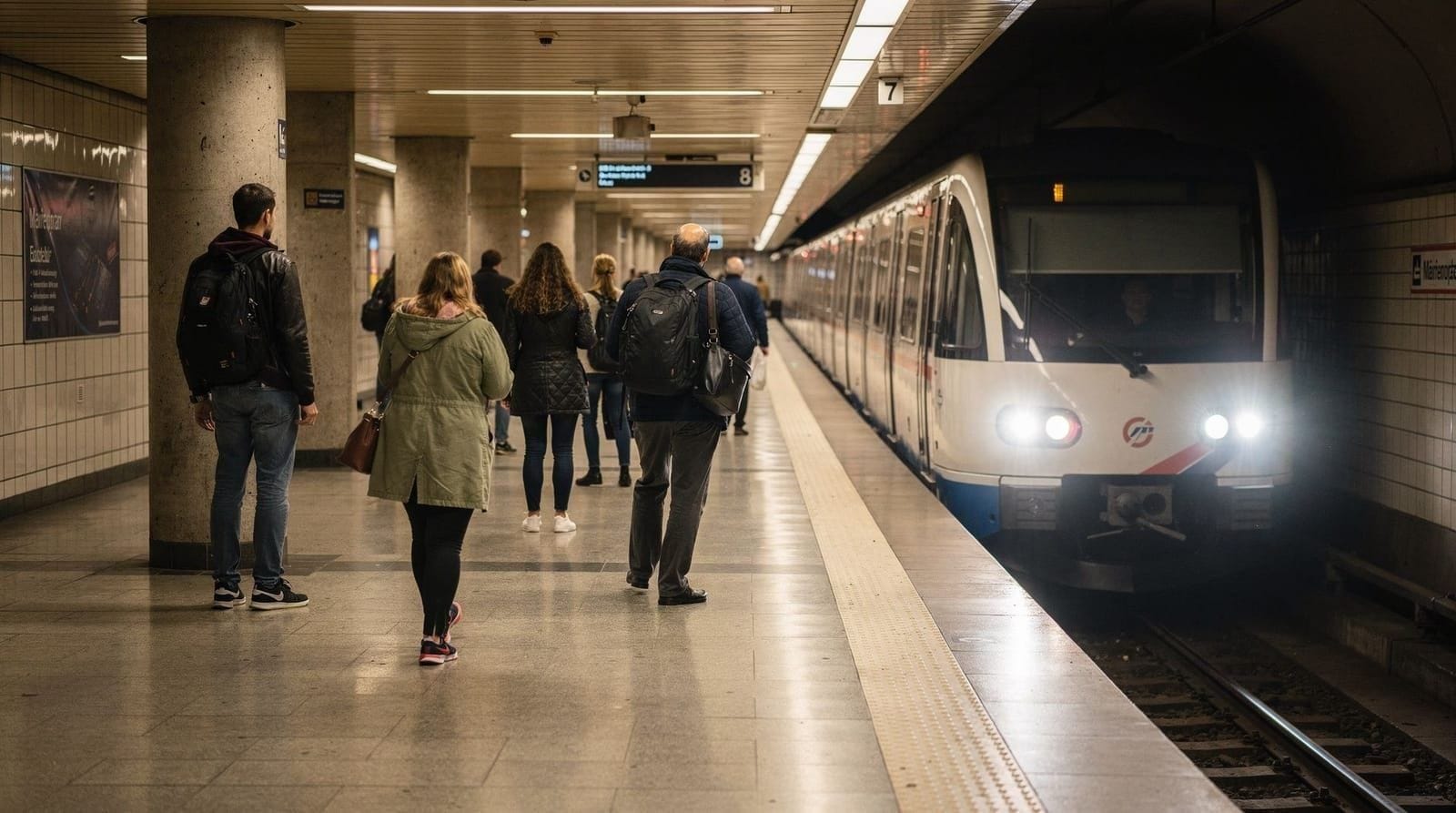
Munich’s public transport (Münchner Verkehrsgesellschaft) is reliable, clean, and punctual by European standards. The key lines:
- U-Bahn (U1–U8): Underground, connecting the city centre to outer districts
- S-Bahn (S1–S8): Surface rail, covering city and surrounding suburbs including the airport (S1/S8 to Marienplatz, about 40 minutes, €13.60 single)
- Trams: Inner-city routes not covered by U-Bahn
- Buses: Fill the gaps; key routes 100 and 101 along the museum mile
Ticket buying: At automated machines in all stations (available in English). Validate (stamp) tickets before boarding — Munich uses an honour system (Vertrauenssystem) but inspectors (Kontrolleure) are frequent, particularly on the U-Bahn. The fine for riding without a valid ticket (Schwarzfahren) is €60.
For the Bayern-Ticket and regional rail, buy at any MVV machine or DB (Deutsche Bahn) app before 09:00 on weekday travel days (the ticket is valid from 09:00 weekdays, all day weekends).
Getting around on foot
The Altstadt (old town) is extremely walkable. Marienplatz to the Residenz is a 3-minute walk. Marienplatz to the Viktualienmarkt is 5 minutes. Marienplatz to the edge of the English Garden is about 20 minutes on foot.
The main things that are not walking distance from the Altstadt:
- Nymphenburg Palace (3 km west — take tram 17 or 51)
- Olympic Park (3.5 km northwest — take U3 to Olympiazentrum)
- Allianz Arena (14 km north — take U6 to Fröttmaning)
- BMW Welt/Museum (near Olympic Park — U3 Olympiazentrum)
Cycling in Munich
Munich has an excellent cycling infrastructure. Bike rental is available from multiple providers near the Hauptbahnhof and across the city (DB Rad, MVG Rad). The English Garden has dedicated cycling paths. The Munich bike tours guide covers organised bike tour options.
The Deutschlandticket and other passes
The Deutschlandticket is a nationwide German public transport subscription (monthly, around €58) that also covers MVV zones within Munich, but it is aimed at residents rather than short-stay visitors since it only starts from the 1st of the month. For a multi-day city stay, single tickets, a day pass, or the Bayern-Ticket for regional day trips are the more sensible options — work out which combination suits your itinerary using the getting around Munich guide.
Useful apps before you land
Download the DB Navigator app for regional and long-distance trains, and the MVGo app for city tickets and real-time U-Bahn/S-Bahn departures — both work in English. Google Maps handles walking and transit routing reliably within the city. Offline maps are worth downloading before day trips to the Alps, where signal can be patchy in valleys.
Cultural norms
Sunday rhythm
Sunday in Munich operates at a different pace from the rest of the week:
- Closed: All supermarkets and grocery stores. Most clothing and general retail. DIY stores. Most shopping centres.
- Open: Bakeries (often mornings only). Restaurants and beer halls. Beer gardens (weather permitting). Museums and attractions. Pharmacies (emergency rotation — look for “Apothekenbereitschaftsdienst” signs). Petrol station shops (limited groceries).
Practical consequence: If you need groceries, toiletries from a drugstore (dm, Rossmann), or anything from a supermarket, do it on Saturday. Sunday is the day for museums, beer gardens, and restaurants — not shopping.
Bavarian greetings
Bavaria has its own greeting tradition distinct from the rest of Germany:
- “Grüß Gott” (literally “God greet you”) is the standard Bavarian hello, used in shops, restaurants, and with strangers. Safer than “Hallo” in more traditional contexts.
- “Servus” is informal — used between people who know each other. Do not use it with shopkeepers you have just met.
- “Auf Wiedersehen” is the standard formal goodbye; “Tschüss” is informal; “Pfiati” is Bavarian dialect for goodbye.
In beer halls and beer gardens, raising your glass and saying “Prost” before the first sip is mandatory. Making eye contact with everyone at the table when saying Prost is considered respectful.
Beer hall etiquette
The Munich beer hall etiquette guide covers this in detail. Key points:
- At large communal tables (Stammtisch or general tables), it is normal to sit with strangers — ask “Ist hier noch frei?” (Is this seat free?)
- Do not move or rearrange tables and chairs without asking
- At the Hofbräuhaus, expect a tourist-majority crowd and service oriented to high turnover
- At Augustiner Keller or the Chinesischer Turm beer garden, the crowd is more local and the service more relaxed
Practical logistics
Health and pharmacy
Pharmacies (Apotheke) are widespread in Munich. For common travel ailments (motion sickness, minor pain, cold remedies), German pharmacies carry equivalents of most familiar products. Prescription medications require a local German prescription (Rezept) for most drugs; bring sufficient supply from home plus a copy of your prescription in case.
Munich has excellent hospitals (Klinikum rechts der Isar, Ludwig-Maximilians-Universität Klinikum). Emergency number across Germany is 112 (fire and medical), 110 (police).
Electricity and adapters
Germany uses 230V, 50Hz power with Type F (Schuko) two-round-pin sockets. UK and US visitors need adapters. Most modern electronics (phones, laptops, cameras) accept 100–240V automatically — check your charger specifications.
Connectivity
German mobile networks are reliable throughout Munich and in the Alps on hiking trails and cable cars. EU SIM cards work in Germany under EU roaming rules. Non-EU travellers should check international roaming plans or buy a local prepaid SIM — Aldi Talk and Rewe Mobile offer cheap no-contract SIMs available in supermarkets.
Free WiFi is available in most cafés, hotels, and Munich public transit stations. The MVG (transit authority) provides free WiFi on some U-Bahn trains.
Language in practice
English is spoken in hotels, tourist restaurants, museums, and by most younger people in service industries. In traditional old-school Bavarian restaurants and in rural Bavaria on day trips, some German helps. The following phrases are practically useful:
- “Ich möchte bezahlen, bitte” — I would like to pay, please
- “Haben Sie eine Speisekarte auf Englisch?” — Do you have a menu in English?
- “Einen Maß/Halbe, bitte” — One litre/half-litre, please
- “Das Trinkgeld ist inklusive” — The tip is included (said when paying)
- “Wo ist die nächste U-Bahn-Station?” — Where is the nearest U-Bahn station?
Public holidays and quiet days
Bavaria observes several regional public holidays beyond the national German ones, including Epiphany (6 January), Corpus Christi (a Thursday in late May or June), Assumption Day (15 August) and All Saints’ Day (1 November). On these dates, shops and many services close as they would on a Sunday, while museums and beer gardens generally stay open. If your trip falls near one of these dates, plan grocery and pharmacy errands the day before, exactly as you would for a Sunday.
Weather and what to expect by season
Munich’s weather shifts quickly, and it affects planning more than first-timers expect. Summers (June–August) are warm with regular afternoon thunderstorms — bring a light rain layer even on sunny-looking mornings. Winters (December–February) are cold, often with snow, and beer gardens close or shrink to indoor sections. Spring and autumn are unpredictable and layering is the safest approach year-round. For Alpine day trips (Zugspitze, Neuschwanstein, Berchtesgaden), mountain weather can differ sharply from the city even on the same day, so check a mountain-specific forecast before committing to a summit trip.
Guided orientation for first-timers
For visitors who want an efficient first-day orientation that covers the Altstadt, explains Munich’s history, and points out things that guidebooks miss: Munich old town walking tour — a solid overview on arrival day
Frequently asked questions about Munich practical tips
Do I need to book Munich restaurants in advance?
For traditional Bavarian restaurants at popular dinner times, reservations are helpful but not essential from Monday through Thursday. On Friday and Saturday evenings, reserving a table at well-regarded restaurants is recommended. At the Hofbräuhaus, walk-in is almost always possible. At the top Michelin-recommended restaurants, book weeks ahead.
What are the pharmacy hours in Munich?
Standard pharmacy hours are Monday to Friday 09:00–18:30, Saturday 09:00–14:00. After-hours emergency pharmacy coverage is shared on rotation — a sign at any closed pharmacy will direct you to the nearest open one, or use the online Apothekennotdienst finder.
Is it safe to drink beer garden tap water?
Beer gardens typically do not offer tap water at outdoor counters. If you ask inside the restaurant section, tap water is generally provided (often at a small charge). Bottled water at beer gardens costs €3–5 for a half-litre — bringing your own (from your hotel room tap or a reusable bottle) is the better approach for budget travellers.
What is the etiquette for queuing in Munich?
Germans queue and take queuing seriously. Join any existing queue rather than approaching service counters directly. At bakeries and delis, take a ticket number from the dispenser if available. Cutting in line is genuinely considered rude and will be pointed out.
Is smoking common in Munich?
Smoking is prohibited indoors in all restaurants, bars, and public transport. Outdoor beer garden areas vary — traditional beer gardens typically have designated smoking sections in the outer areas. Smoking at restaurant tables on outdoor terraces is more common than in the UK or Scandinavia. E-cigarettes and vaping fall under similar restrictions in indoor spaces.
Is the Deutschlandticket worth buying for a short Munich trip?
Usually not. It only starts from the 1st of a calendar month and is priced for monthly use, so a visit of a few days rarely breaks even. Single tickets, a day pass, or the Bayern-Ticket for regional day trips are almost always cheaper for short stays — see the Bayern-Ticket guide for the regional option.
What is the biggest first-timer mistake in Munich?
Underestimating how much cash you need. Visitors who plan to rely on cards get caught out at beer gardens, market stalls, and older Bavarian restaurants. Withdraw cash early at a bank ATM and keep small bills on hand for daily spending — see the money and payment section above for specifics.