Munich shopping guide 2026
Munich: walking tour through old town and Viktualienmarkt
Where should I shop in Munich?
Munich has three distinct shopping tiers. The Kaufingerstraße/Neuhauser Straße pedestrian zone handles mainstream retail (H&M, Zara, Mango). Maximilianstraße is the luxury corridor (Gucci, Prada, Louis Vuitton). Fünf Höfe is the most architecturally interesting mid-to-high-end mall in the Altstadt. For food and local character, Viktualienmarkt beats all of them.
Munich as a shopping destination
Munich is a wealthy city with corresponding shopping infrastructure. It is not primarily a shopping destination for international visitors the way London or Milan are, but it offers a complete range from high-street to luxury, and for visitors interested in regional Bavarian products — from Lederhosen to Nymphenburg porcelain — it is the best city in Germany.
This guide is organised by area and shopping tier, with honest assessments of what is worth your time and what can be skipped.
| Where | Kaufingerstraße, Maximilianstraße, Fünf Höfe |
| Cost tier | High-street to luxury |
| Hours | Mon–Sat 10:00–20:00, closed Sundays |
| Getting there | U-Bahn to Marienplatz or Karlsplatz |
| Best for gifts | Viktualienmarkt food products |
The pedestrian zone: Neuhauser Straße and Kaufingerstraße
The pedestrian shopping zone running from Karlsplatz (Stachus) in the west to Marienplatz in the east — roughly 900 metres — is the commercial heart of Munich’s retail. On a Saturday it is extremely busy. The shops are almost entirely chains.
What you will find: H&M, Zara, Mango, C&A, Primark (at the Karlsplatz end), Galeria (the surviving German department store chain, formerly Kaufhof), Hugendubel (large bookshop), Douglas (cosmetics), and all the standard European high-street names.
What this is for: If you need something practical — a replacement item of clothing, mainstream cosmetics, a mainstream book — this street delivers efficiently. If you are looking for something distinctive, interesting, or specifically Bavarian, there is nothing on this stretch to justify the time.
The exception: Sport Scheck at the eastern end is a serious sporting goods retailer that stocks good hiking, skiing, and outdoor equipment — useful if you are planning day trips to the Alps. The Garmisch hiking guide and Bavarian Alps cable cars guide are relevant if you need to gear up.
Maximilianstraße: the luxury corridor
Running: East from Marienplatz, crossing Odeonsplatz area, continuing to the Maximilianeum Anchor stores: Gucci, Prada, Louis Vuitton, Chanel, Hermès, Bottega Veneta, Burberry, Rolex, IWC
Maximilianstraße is one of Germany’s most significant luxury shopping streets and forms part of a European luxury retail tier below Bond Street and Avenue Montaigne but alongside the likes of Bahnhofstraße in Zurich. The architecture — a planned, uniform 19th-century boulevard built under Maximilian II — gives it a coherence that most luxury streets lack.
The practical point for visitors: prices for major luxury brands are set at European retail prices, which for non-EU visitors (or those arriving from markets with higher import duties) may be meaningfully lower than at home. VAT refund at the airport is available for purchases over €50.01.
German luxury brands have strong representation here alongside the international houses. Escada, founded in Munich, has a presence. Ludwig Beck — a Munich institution — occupies a major department store on Marienplatz and focuses on fashion, cosmetics, and design alongside its central building. It is the best department store in the city.
Fünf Höfe: the most architecturally interesting shopping
Location: Theatinerstraße, between Odeonsplatz and Marienplatz Design: Converted historic building complex by Herzog & de Meuron (inner courtyard) and Günter Behnisch
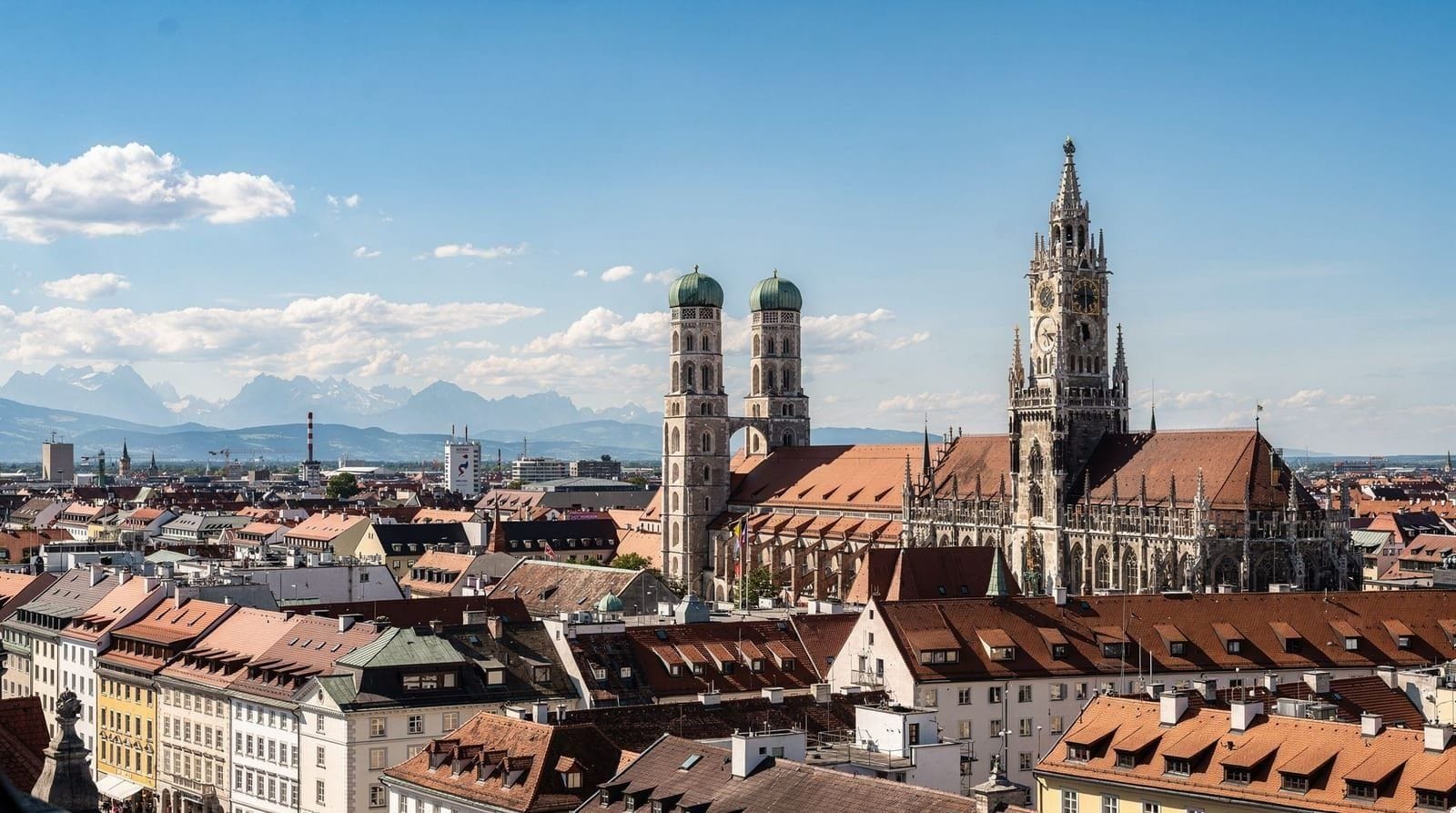
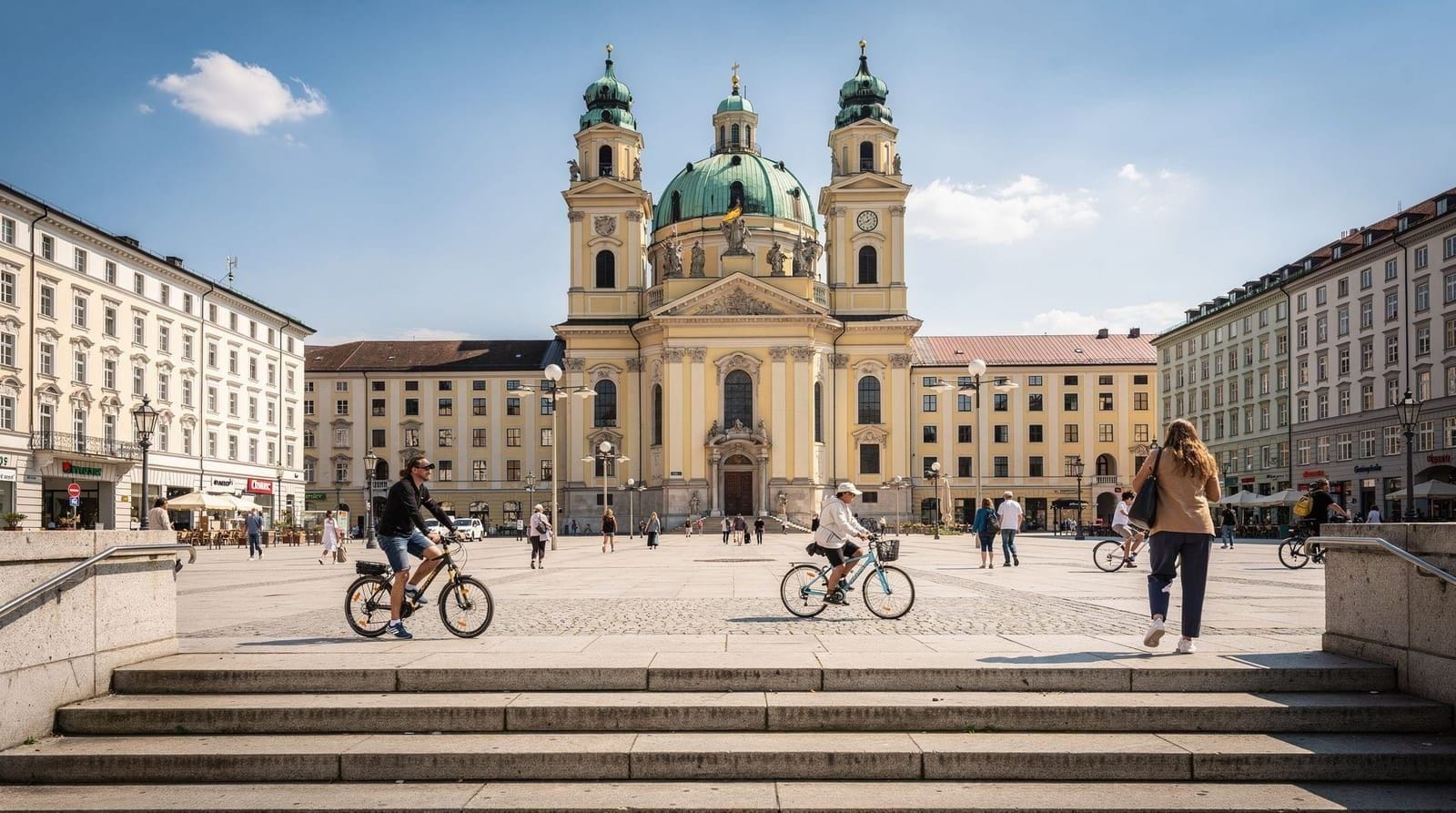
Fünf Höfe (Five Courts) is the most pleasurable shopping environment in central Munich. Five interconnected historic courtyards — accessible from Theatinerstraße and several side streets — have been converted into a shopping centre that manages to feel like a place worth being in, not just shopping in.
The tenants run from mid-range to high-end: Zara sits alongside Swarovski, specialist food shops, and a number of boutiques. The art installations in the courtyards — changed periodically — and the overall quality of the renovation make it worth walking through even if you are not buying anything.
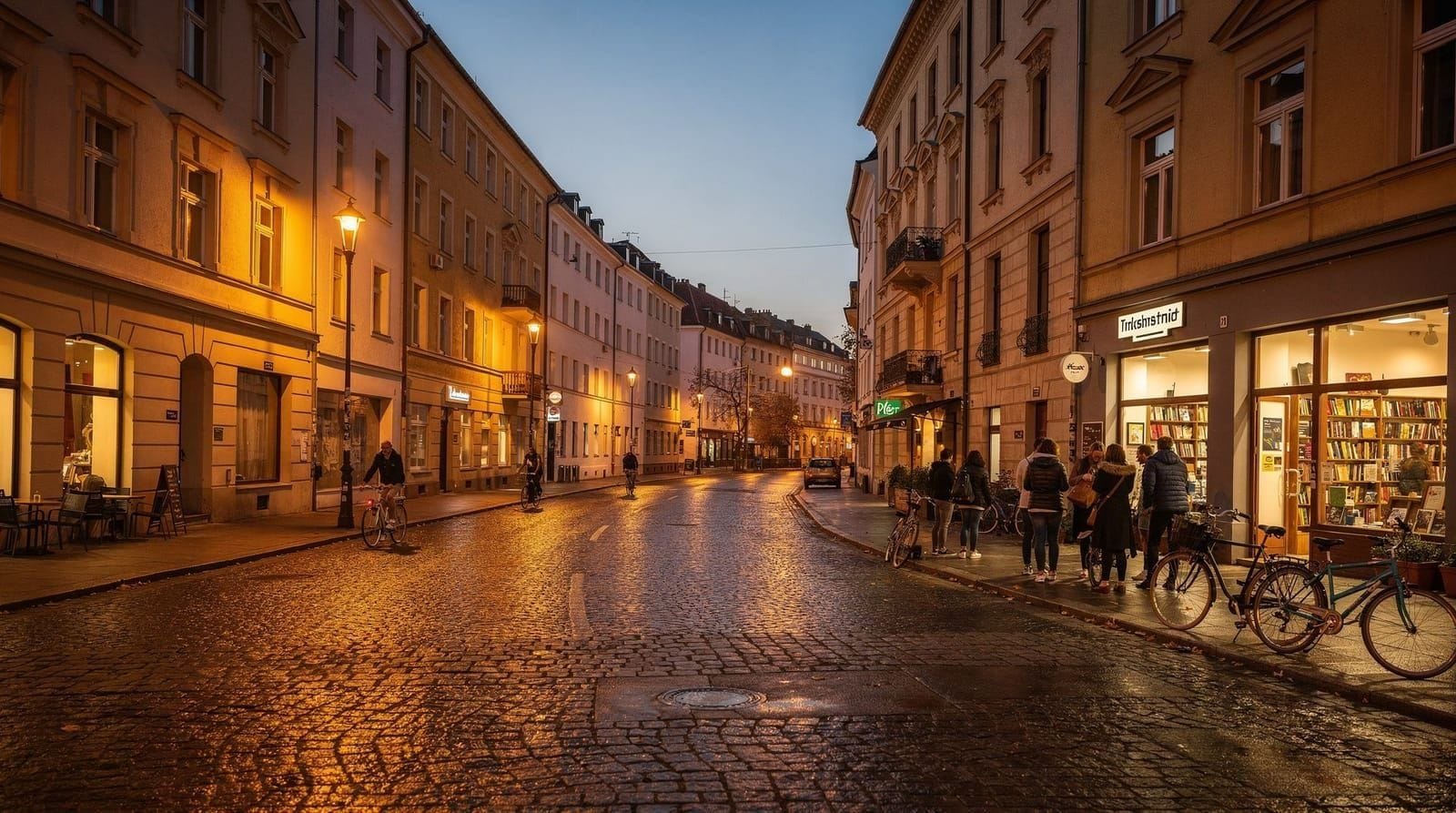
Adjacent to the complex on Theatinerstraße is the Theatiner Buchhandlung, one of Munich’s best independent bookshops with a strong English-language section — a genuine rarity in the pedestrian zone area.
Sendlinger Straße and the southern Altstadt
Sendlinger Straße, running south from Marienplatz past the Asamkirche to Sendlinger Tor, is underrated as a shopping street. It has a better mix of independent and mid-range shops than the main pedestrian zone, less pedestrian traffic, and a more manageable atmosphere.
Specific recommendations along this street and the cross-streets: several good independent opticians, Munich’s most reliable watch repair shops, and a cluster of interior design stores. For Bavarian craft products — ceramics, wooden goods, traditional textiles — the specialist shops on Sendlinger Straße and the adjacent Rindermarkt are better value than the souvenir shops near Marienplatz.
Schwabing and Leopoldstraße: independent boutiques
Schwabing, running north from the Altstadt along Leopoldstraße and the surrounding streets, has Munich’s best concentration of independent clothing boutiques and concept stores. The area around Hohenzollernstraße and Schellingstraße particularly rewards exploration.
The character of shopping in Schwabing is different from the centre: smaller shops, owner-operated, with an emphasis on independent labels, vintage clothing, and design objects. Prices are generally mid-range. Münchner Freiheit (the square at the north end of Schwabing) has a covered market on Saturdays.
The Schwabing neighborhood guide covers the area more broadly.
Glockenbachviertel: the boutique district
The Glockenbachviertel has Munich’s best density of clothing boutiques, design shops, and concept stores aimed at a younger, fashion-conscious market. The streets around Klenzestraße, Reichenbachstraße, and Müllerstraße have independent labels, vintage clothing, and lifestyle shops that do not appear elsewhere in Munich.
This is the area to explore if you want something that does not exist in your home city. The character is similar to the Marais in Paris or Shoreditch in London — creative, independent, occasionally precious. The Glockenbachviertel guide covers the area in full.
Viktualienmarkt: food shopping
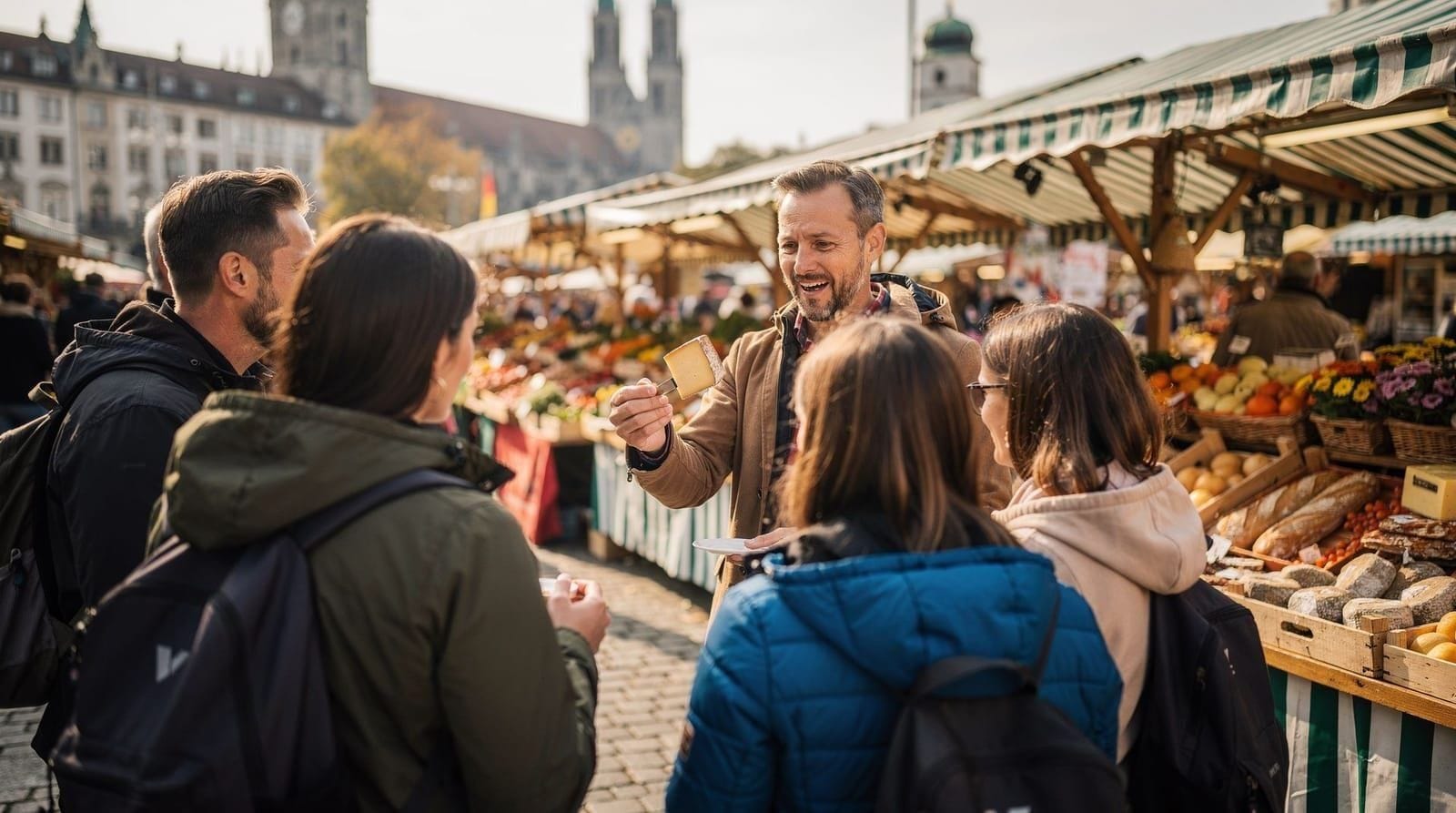
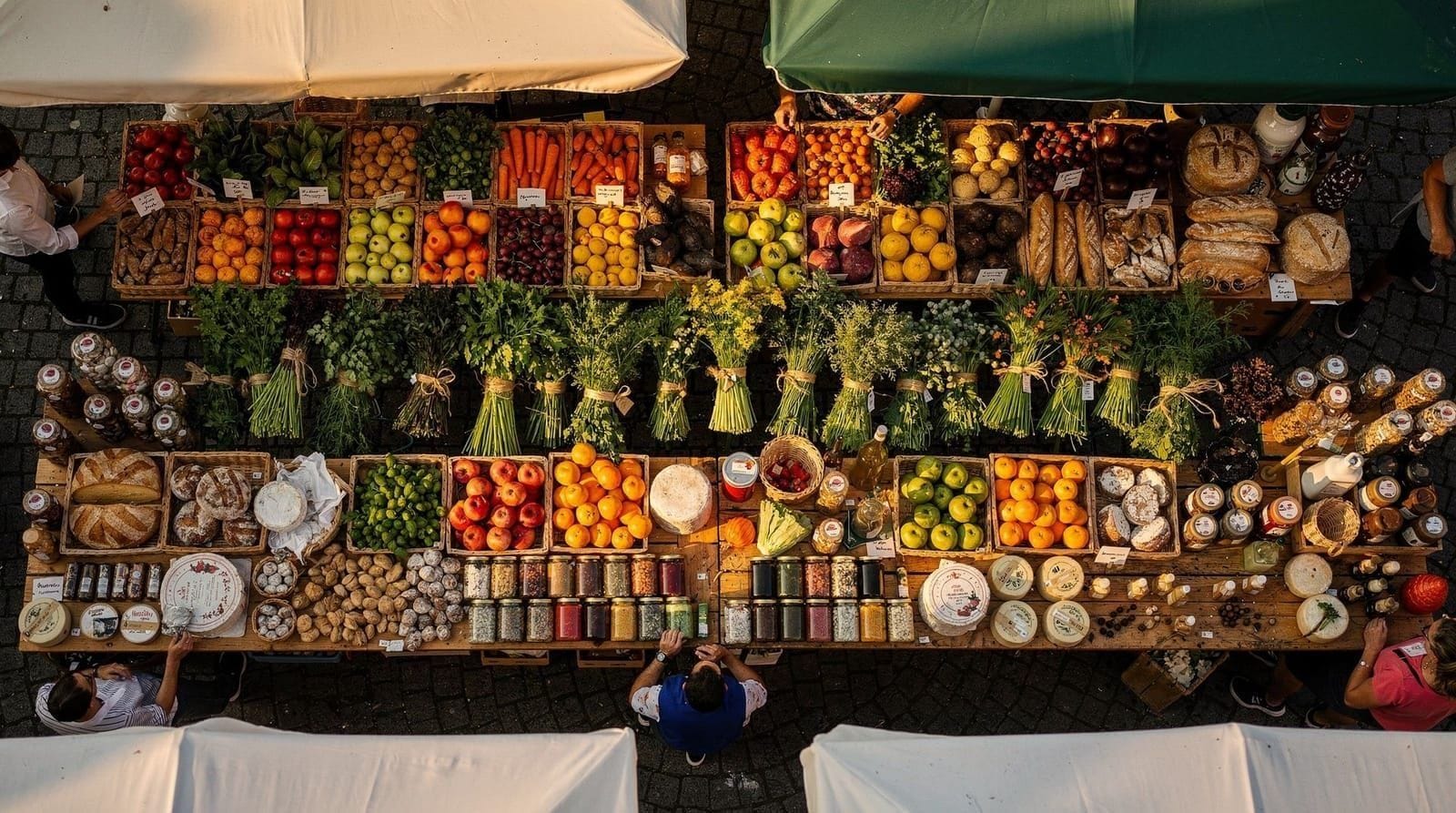
The Viktualienmarkt is primarily a market for food, but it functions as one of Munich’s best sources for Bavarian-specific products: regional honeys, artisanal cheeses, smoked fish and meats, seasonal fruit and vegetables, dried herbs, and specialty preserves. For edible gifts and takeaway Bavarian products, it is the best option in the city.
See the dedicated Viktualienmarkt shopping guide for comprehensive coverage.
A guided walking tour of the old town and Viktualienmarkt is useful for first-time visitors who want to understand the layout of Munich’s shopping areas before exploring independently.
What to buy in Munich
Worth buying:
- Bavarian food products from Viktualienmarkt (honey, Lebkuchen, regional cheese)
- Nymphenburg porcelain (factory outlet at the palace; studio pieces are the real value)
- Handmade Lederhosen from a proper tailor (not department store versions — see the souvenirs guide for specifics)
- German sportswear and outdoor equipment (Adidas and Puma are both cheaper in Germany than most export markets)
- Books from Hugendubel or the Theatiner Buchhandlung (German-language titles not available elsewhere)
Overpriced tourist purchases to avoid:
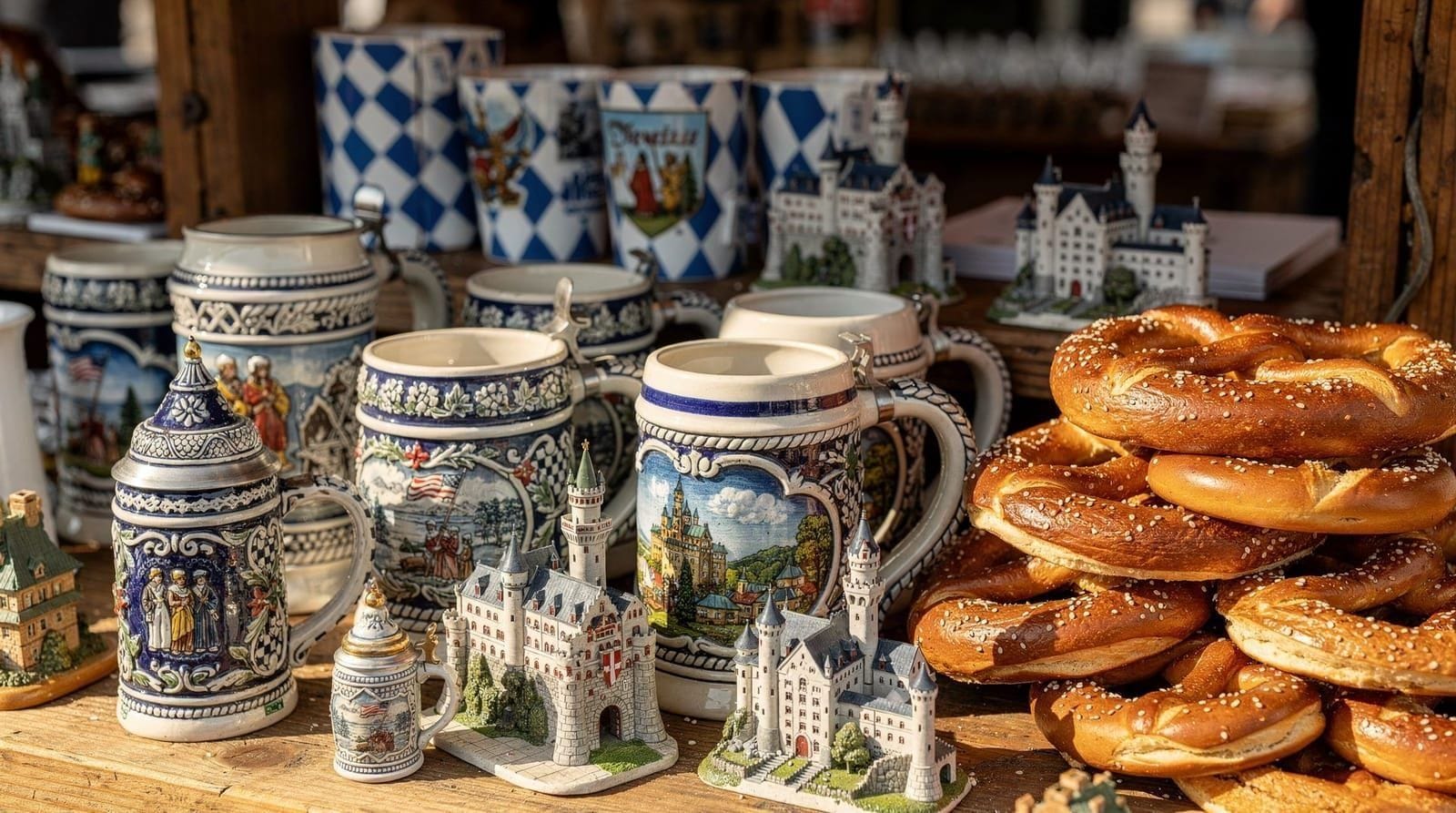
- Hofbräuhaus beer steins sold at premium near Marienplatz tourist shops (identical items are available at half the price in the Kaufhof basement)
- Generic “Bavaria” souvenirs made in China (almost everything sold on the tourist streets near the Marienplatz is manufactured in Asia)
- Lederhosen from tourist souvenir shops (not real Bavarian craft; poor quality)
The best souvenirs Munich guide addresses the souvenir question comprehensively.
Trachten: traditional Bavarian clothing
Munich is one of the few cities in Europe where traditional regional clothing — Trachten — is genuinely worn by residents in everyday contexts. At Oktoberfest, at formal occasions, and increasingly in normal social settings, you will see Bavarian men in Lederhosen and women in Dirndl who are wearing these as their real clothes, not as costumes.
For visitors interested in purchasing Trachten, this is significant: the market for authentic Trachten is served by specialist shops that cater to an actual local demand, not just tourist interest. This means quality and variety that you will not find in markets where Trachten is purely a souvenir purchase.
Where to buy:
- Angermaier Trachten (Kaufingerstraße 24 and Schönfeldstraße): Munich’s largest and most established Trachten retailer, with both off-the-shelf and made-to-measure options.
- Wallach (Residenzstraße 3): Another long-established Trachten specialist, slightly higher in price but known for quality.
- Loden-Frey (Maffeistraße, near Odeonsplatz): Specialises in Bavarian Loden cloth (traditional boiled wool) clothing including coats, jackets, and accessories — not just festival wear but genuine cold-weather Alpine clothing.
Price reality: A quality ready-to-wear Dirndl (bodice, blouse, apron, skirt) costs €180–400 at a reputable shop. Quality Lederhosen (leather shorts) run €200–500 for ready-to-wear, more for made-to-measure. These are not impulse purchases; they are investments in clothing that lasts decades if maintained properly. The cheap versions in tourist souvenir shops near Marienplatz (€50–80) are not the same product.
See the best souvenirs Munich guide for broader context on Trachten as a souvenir purchase.
Books and music: specific recommendations
Hugendubel (Marienplatz 22, and Kaufingerstraße): Munich’s main independent-style bookshop chain. Extensive English-language section on the upper floors. The Munich travel and history section has books not easily found outside Germany — illustrated histories of the city, architecture books, and regional writing.
Theatiner Buchhandlung (Theatinerstraße, near Fünf Höfe): A smaller independent with genuine personality and a better curation of German literature and art books than Hugendubel’s commercial range.
For music: Munich’s independent record shops are concentrated in the Schwabing area and around the university district. Optimal Records and several smaller shops on Türkenstraße and the adjacent streets carry new and used vinyl with a focus on jazz, electronic, and alternative.
If you are combining a bookshop stop with sightseeing, both Hugendubel’s Marienplatz branch and the Theatiner Buchhandlung sit directly on Route 1 of our self-guided walk, so neither requires a special detour.
Practical shopping information for 2026
- Opening hours: Monday–Saturday 10:00–20:00. Nothing opens on Sundays (except the airport and train station shops).
- VAT refund: Non-EU visitors can claim VAT refund on purchases over €50.01. Ask for the refund form at point of purchase and present goods and form at the airport. The VAT rate in Germany is 19% on most goods (7% on books and food). The effective refund after handling fees is approximately 12–14%.
- Credit cards: Accepted everywhere in malls and chain stores. Independent shops sometimes prefer cash — carry €50–100 for smaller purchases.
- English: Universally spoken in retail in central Munich.
- Luggage storage: The Hauptbahnhof has luggage lockers (around €5–10 per half-day) if you need to deposit shopping before catching a train.
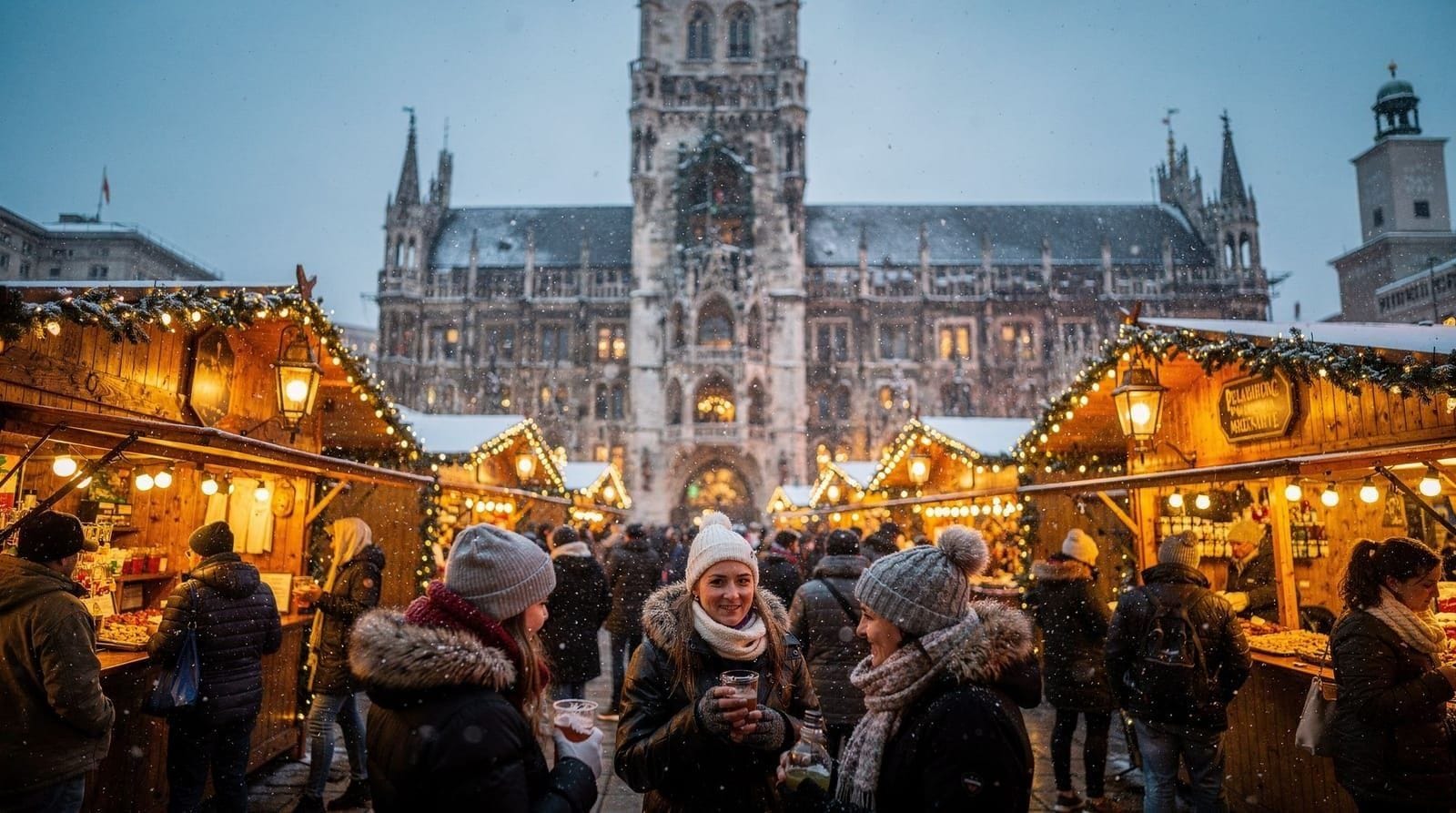
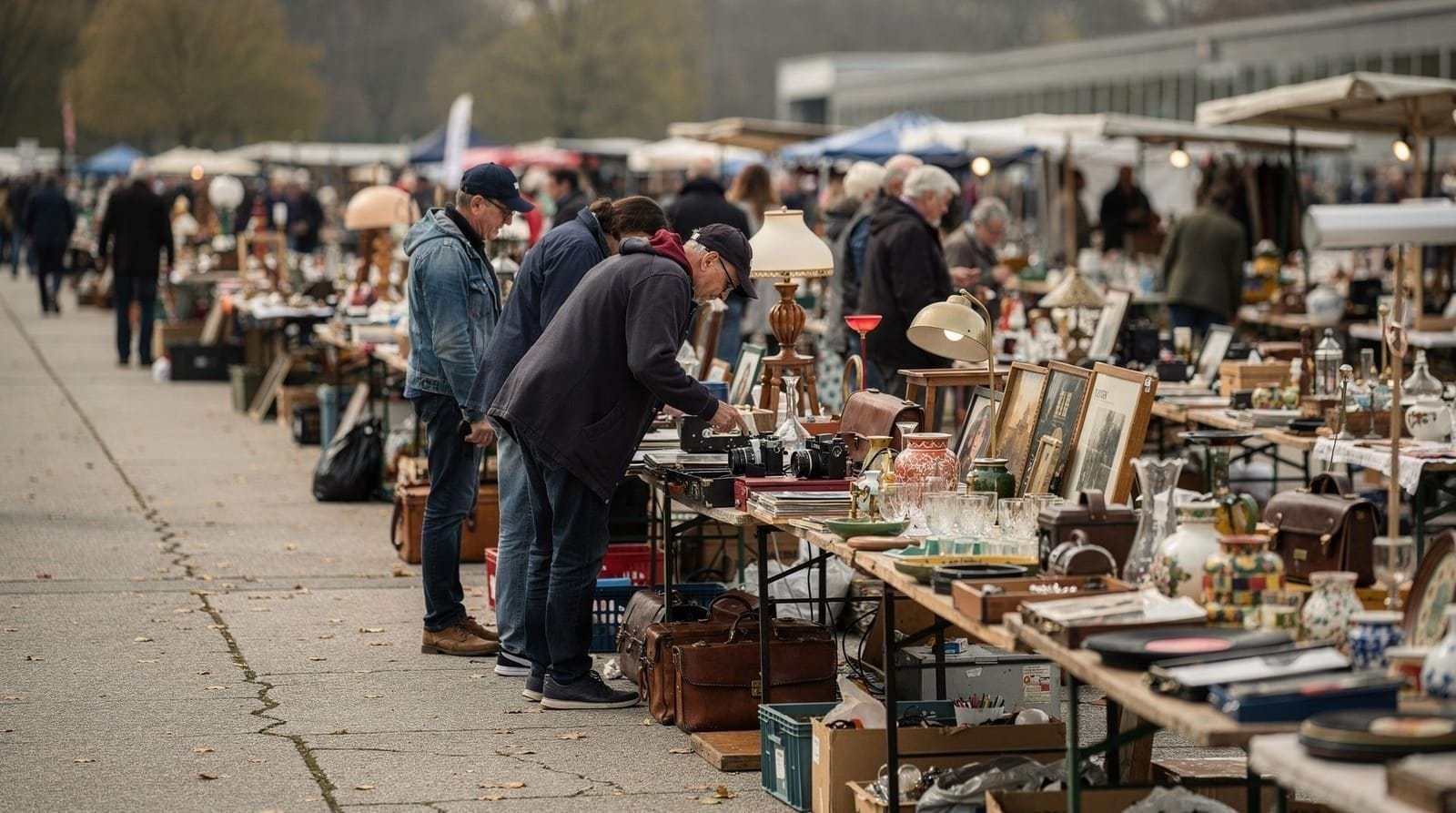
For seasonal market shopping — Christmas markets and flea markets — see the dedicated guides: Munich Christmas markets and Munich flea markets.
Which shopping area suits your trip
| Area | Best for | Price tier |
|---|---|---|
| Kaufingerstraße/Neuhauser Straße | Practical replacements, mainstream chains | Budget-mid |
| Maximilianstraße | Luxury brands, VAT refund shopping | High-luxury |
| Fünf Höfe | Architecture plus mid-to-high retail | Mid-high |
| Sendlinger Straße | Independent shops, Bavarian crafts | Mid |
| Schwabing/Leopoldstraße | Independent boutiques, vintage | Mid |
| Glockenbachviertel | Concept stores, design labels | Mid-high |
| Viktualienmarkt | Food gifts, regional products | Budget-mid |
A realistic shopping half-day
If you only have a few hours, do not try to cover every district above. A workable route: start at Fünf Höfe for the architecture and mid-range boutiques, walk south to Maximilianstraße for a look at the luxury storefronts even if you are not buying, then finish at Viktualienmarkt for edible souvenirs. This covers the three most distinct shopping experiences in under three hours without the repetitive chain-store stretch of Kaufingerstraße, which is worth skipping entirely unless you specifically need something practical.
Frequently asked questions about shopping in Munich
Is Munich good for designer shopping?
Yes. Maximilianstraße has a complete representation of the major luxury houses. For non-EU visitors, prices are lower than at home in most cases due to VAT rates and the VAT refund system.
Are there any department stores in Munich?
Galeria (formerly Kaufhof) on the main pedestrian zone is the main surviving department store chain. Ludwig Beck at Marienplatz is better quality and more distinctive — it focuses on fashion, beauty, and design. The Galeria basement has a reasonable food hall with some Bavarian products.
What souvenirs should I avoid buying in Munich?
Most items sold in the souvenir shops near Marienplatz — plastic beer steins, “I Love Munich” merchandise, machine-made dirndls — are manufactured in Asia and sold at a premium. The best souvenirs Munich guide details what is actually made in Bavaria.
Is there a late-night shopping option in Munich?
No. Shops in Bavaria close at 20:00 on weekdays and Saturdays and do not open on Sundays. If you need something outside those hours, pharmacies (Apotheken) have a rotation system for late-night access.
How far is the main shopping area from Munich Hauptbahnhof?
The Kaufingerstraße pedestrian zone starts at Karlsplatz (Stachus), a 7-minute walk east from the Hauptbahnhof, or a 2-minute ride on the U4/U5. Marienplatz is at the far end of the pedestrian zone, 10 minutes from the station.
Where can I buy authentic Nymphenburg porcelain?
The factory outlet at Nymphenburg Palace itself sells both current production and studio pieces at a range of price points; it is the most reliable source for genuine, hand-decorated porcelain rather than reproductions sold elsewhere. Combine it with a visit to the palace grounds — see the Nymphenburg Palace guide for practical details.
Is shopping on Sunday possible anywhere in Munich?
Almost nowhere. Bavarian retail law keeps shops closed on Sundays with very few exceptions, mainly Hauptbahnhof and airport shops geared towards travellers. Plan any significant shopping for Monday–Saturday, and use a closed Sunday for museums, palaces or the English Garden instead.
Top experiences
Bookable activities with verified prices and instant confirmation on GetYourGuide.