Best souvenirs to buy in Munich 2026
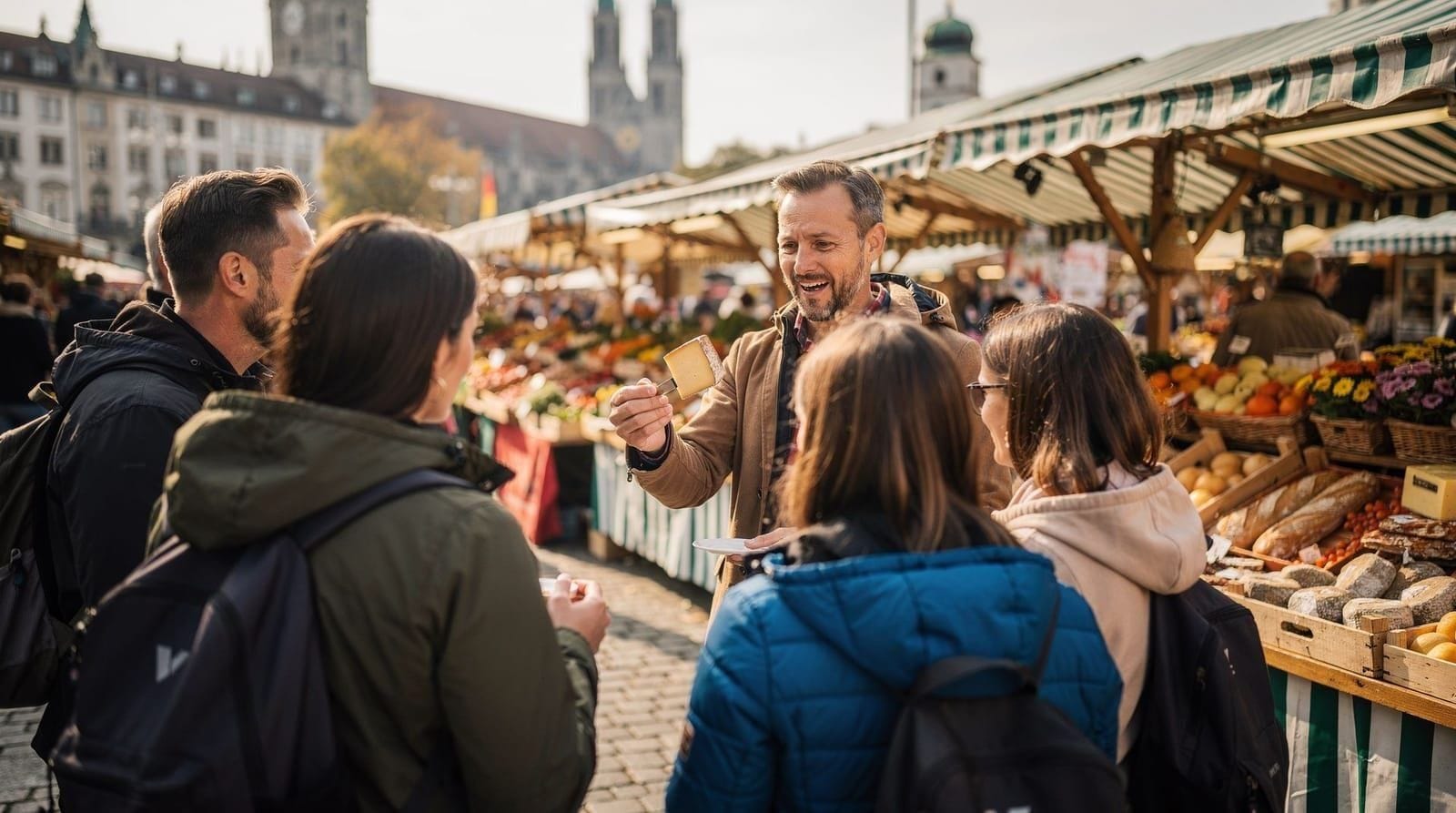
Munich: Viktualienmarkt gourmet food tour
What are the best souvenirs to buy in Munich?
The best Munich souvenirs are genuinely Bavarian products — Nymphenburg porcelain from the palace factory outlet, Lebkuchen from quality bakers, handmade Lederhosen from a specialist tailor, Bavarian honey from Viktualienmarkt, and quality beer steins from established retailers rather than tourist shops. Most items sold near Marienplatz are manufactured in Asia. Price is not a reliable quality indicator near tourist sites.
The honest guide to Munich souvenirs
Munich generates more tourist-facing souvenir commerce than almost any German city outside Berlin. The area around Marienplatz, the Hofbräuhaus, and the main pedestrian zone is densely packed with shops selling merchandise that ranges from genuinely good to expensive junk that has no meaningful connection to Bavaria.
This guide is built on a simple principle: a worthwhile souvenir is something made in Bavaria, produced by people who do the thing well, and that you will still value in ten years. Everything else is packaging.
| Where | Viktualienmarkt, Schloss Nymphenburg outlet, specialist Trachten shops, flea markets |
| Cost | €4 (spice mix) to €500+ (porcelain, Lederhosen) |
| Time needed | 1–2 hours dedicated shopping, longer if combined with the market |
| Best time | Weekday mornings for Viktualienmarkt (quieter, closed Sunday) |
| Payment | Cards widely accepted; cash preferred at flea markets |
Nymphenburg porcelain — the premium souvenir
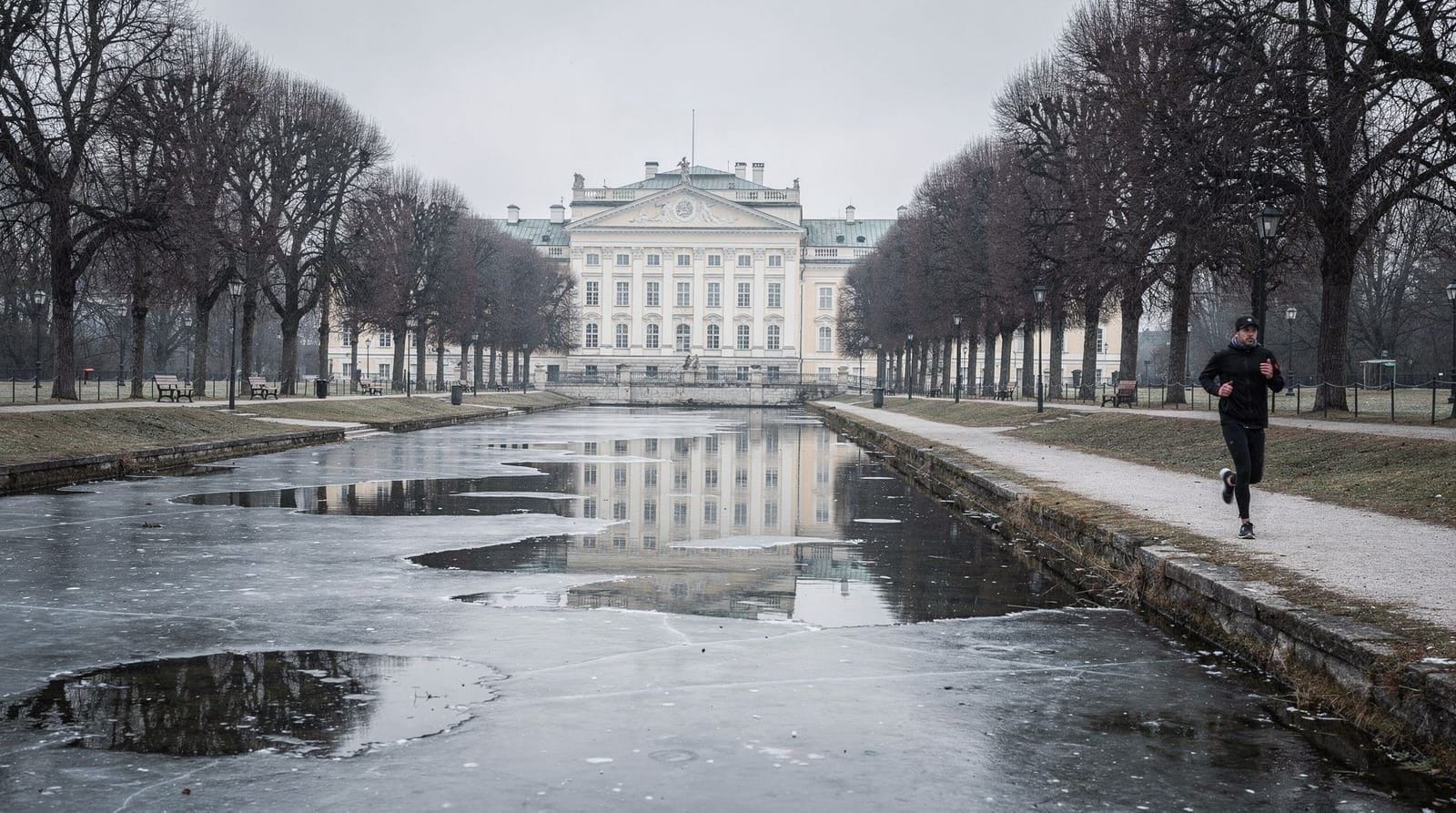
Nymphenburg Porzellan is the most distinguished souvenir you can bring from Munich. Founded in 1747 under Elector Maximilian III Joseph to compete with Meissen, the manufactory occupies part of the Schloss Nymphenburg palace complex to the west of the city and remains one of Europe’s finest porcelain producers.
What makes Nymphenburg distinctive: it is still hand-painted, still made in the original location, and still maintains the quality standards of the 18th-century court manufactory. The figurines, dinnerware, and decorative pieces produced here are not “souvenir porcelain” — they are legitimate art objects.
Where to buy:
- Factory outlet at Schloss Nymphenburg (Nordflügel / North Wing of the palace): The most complete selection and the best prices, including factory seconds (Fabrikseconda) that are visually nearly perfect but classified below the perfect standard. Seconds are often 30–50% cheaper than firsts.
- Nymphenburg retail shops: Odeonsplatz and Brienner Straße locations in central Munich carry a curated selection.
Prices: Miniature figurines from €80–150. Full-size decorative pieces €200–500+. Dinnerware sets are a significant investment. The factory outlet is the only place to find seconds at reduced prices.
Practical note: The palace and factory outlet are accessible by tram (Tram 17 from the centre to Schloss Nymphenburg) or a 25-minute walk west from the Hauptbahnhof. The Nymphenburg palace guide covers the full palace visit — combining shopping with a tour of the grounds makes for a complete half-day.
Lebkuchen — the best edible souvenir
Lebkuchen — the spiced, honey-based gingerbread of Bavaria — is the most legitimate edible souvenir from Munich. Unlike most food-based souvenirs that are variations on generic commercial products with regional branding, good Lebkuchen is genuinely distinctive: the combination of spices (anise, cardamom, coriander, cloves) and local honey creates a flavour that does not have an exact equivalent elsewhere.
What to buy:
- Nuremberg-style Lebkuchen (the best variety): circular, darker, honey-based, sold as oblaten (wafer-bottom) Lebkuchen. The Viktualienmarkt has specialist stalls.
- Lebkuchen hearts (Lebkuchenherzen): decorated with icing, sold on a cord to wear or hang. These are the signature Christmas market and Oktoberfest version. They are more ornamental than functional as eating Lebkuchen, but the decorated versions are genuine Bavarian artisan work when bought from quality makers.
- Lebkuchen spice mix (Lebkuchengewürz): a small jar of the spice blend for home baking. Available at Viktualienmarkt stalls and good food shops. Inexpensive, lightweight, and genuinely hard to find outside Germany.
Where to buy: Viktualienmarkt stalls (the specialist bakers, not the packaged versions), Christmas market stalls from baker-vendors (not generic sweet stalls), and the Dallmayr delicatessen on Dienerstraße.
What to avoid: The mass-produced Lebkuchen tins sold in tourist souvenir shops and supermarkets — these are commercial factory products with minimal spice complexity and no connection to Bavarian craft baking.
A guided food tour of the Viktualienmarkt will introduce you to the quality stalls and help you distinguish genuine artisan Lebkuchen from commercial versions.
Bavarian honey — underrated and excellent
Bavarian honey is one of the best-value genuine souvenirs in Munich and is chronically underappreciated. The combination of alpine meadow flora, forest plants, and a long honey-making tradition produces honeys with flavour profiles unavailable in export markets.
Types to look for:
- Waldhonig (forest honey): dark, resinous, complex. Made from honeydew collected by bees from fir trees in the Bavarian forests. No floral equivalent internationally.
- Almtrift or Almblütenhonig (alpine meadow flower honey): lighter, floral, distinctly alpine. The best versions come from high-altitude Bavarian apiaries.
- Lindenhonig (linden/lime tree honey): mild, fragrant, the standard German summer honey.
Where to buy: The specialist honey stall at the southern end of the Viktualienmarkt (see the Viktualienmarkt shopping guide for stall locations) carries multiple single-origin Bavarian honeys. The label should name the specific Bavarian region or beekeeper.
Prices: €8–15 for 250g depending on type. A set of three different varieties (250g each) makes an excellent composed gift for around €25–40.
Authentic Lederhosen — the lifetime investment
Lederhosen are the single most authentically Bavarian item you can purchase in Munich, but the market is bifurcated between worthless tourist merchandise and genuinely excellent craft products.
What authentic Lederhosen are: Hand-sewn leather shorts (or knee-length Kniebundhosen) made from deer, goat, or elk leather by a specialist Trachten tailor. They are stiff when new, soften with wear, and last decades with proper care. They are a legitimate piece of Bavarian traditional clothing worn by men at Oktoberfest, in the Alps, and at formal Bavarian occasions.
What tourist shop Lederhosen are: Machine-cut synthetic or split-leather shorts, manufactured in Asia or Eastern Europe, sold at €40–150 in tourist souvenir shops. These do not soften with wear, do not age gracefully, and are not worn by Bavarians.
Where to buy authentic Lederhosen:
- Angermaier Trachten (Kaufingerstraße 24 and other locations): The largest Trachten specialist in Munich, with made-to-measure options and a wide selection of ready-to-wear pieces. Quality is high.
- Moser Trachten and other specialist Trachten shops: Multiple options in the Altstadt and beyond. Look for shops where the staff wear Tracht themselves — it is a reasonable indicator of seriousness.
- Flea markets (for vintage pieces): Authentic vintage Lederhosen appear occasionally at the Olympiapark Flohmarkt. These are worn in, which means they are already softened — sometimes a better buy than new. See the Munich flea markets guide.
Prices: Ready-to-wear authentic Lederhosen from a Trachten shop run €200–400. Made-to-measure is €400–800+. This is a significant purchase — treat it as such, and do not buy Lederhosen from a shop that also sells I Love Munich magnets.
Beer steins — choose carefully
Beer steins (Bierkrüge) are the most requested Munich souvenir and the category most dominated by overpriced tourist merchandise. The situation is straightforward: the vast majority of decorated ceramic steins sold near Marienplatz and in tourist souvenir shops are mass-produced in factories, not in Bavaria, and are sold at a significant tourist premium.
Worthwhile beer steins:
- Hofbräuhaus official stein: The Hofbräuhaus sells branded steins in its shop at the brewery. These are genuine Munich-associated items, even if commercially produced. The 1-litre version costs around €30–35. This is a tourist purchase but a legitimate one.
- Brewery-branded ceramics from Augsburg or Creußen workshops: A small number of shops sell hand-painted steins from traditional Bavarian and Franconian ceramics workshops. These are genuinely beautiful objects. Prices start at €60–80 for a simple hand-painted piece.
- Vintage steins from flea markets: Genuine antique steins from the 1920s–1960s appear at the Olympiapark and Theresienwiese Flohmarkts. These are the real article and often cost €15–40 — comparable to or less than the tourist shop equivalents.
What to avoid: The generic steins at “Munich Souvenirs” or similar tourist shops near Marienplatz selling at €20–60. These are manufactured in Asia, have no connection to Bavarian craft tradition, and will be available at identical prices on Amazon.
Bavarian beer to take home
Bottled beer from small Bavarian breweries not widely exported is a legitimate souvenir for serious beer drinkers. The most notable:
- Andechs Doppelbock Dunkel: A deep, malty, dark double bock from the Andechs monastery brewery southwest of Munich. Available at the Viktualienmarkt and specialist beer shops. The monastery is also a day trip possibility — see the best day trips from Munich guide.
- Ayinger: A family brewery in Aying (a village southeast of Munich) making excellent lagers and seasonal beers. Distinctly Bavarian in character and not widely distributed internationally.
- Augustiner in 0.5L returnable glass bottles (Mehrwegflasche): The distinctive returnable-bottle version of Munich’s most beloved lager. You cannot take the bottle out of Germany (it is a deposit bottle), but you can take the beer in opened bottles that have been emptied — a moot point. Canned Augustiner is available for travel.
Practical note: Liquid restrictions on flights mean this category is mostly relevant for travellers going by train or car to their next destination, or for those checking baggage. EU flights allow checked liquids without restriction. International flights to non-EU destinations need to check customs import rules for alcohol.
What to avoid entirely
Generic “Munich” or “Bavaria” merchandise: Keyrings, fridge magnets, mugs, T-shirts, and branded merchandise sold near Marienplatz, the Hofbräuhaus, and the main tourist sights. These items have no connection to Bavarian craft or production and are available at lower prices online.
Oktoberfest merchandise sold outside Oktoberfest season: The branded merchandise (hats, pins, programme booklets) sold at the fair itself during the September festival has a legitimate collectible character. The generic “Oktoberfest” merchandise sold year-round in tourist shops is commercial filler.
Cheap Dirndl from tourist shops: Like Lederhosen, a genuine Dirndl is a significant purchase requiring proper fitting and quality fabric. The €50–100 versions sold in tourist shops are costumes, not traditional clothing.
Budget souvenir options that are actually good
If budget is a constraint, these are the best-value genuine Munich souvenirs:
- Lebkuchengewürz (spice mix): €4–8 for a small jar. Genuinely Bavarian, lightweight, distinctive flavour.
- Small jar of Waldhonig from Viktualienmarkt: €8–12 for 250g. Genuinely regional.
- Quality illustrated postcard from the Hugendubel bookshop or the Stadtmuseum gift shop: €1.50–4. Munich photography of genuine quality.
- A single Andechs Doppelbock Dunkel bottle: €3–5 at the Viktualienmarkt. A genuinely distinctive beer.
- Old illustrated postcard from a flea market: €2–5 for something with genuine historical character.
For food-based souvenir buying and the best stalls, the Viktualienmarkt shopping guide has specific vendor recommendations. For Christmas-specific souvenirs (Advent decorations, nutcrackers), see the Munich Christmas markets guide.
Shopping the Viktualienmarkt for souvenirs: a practical route
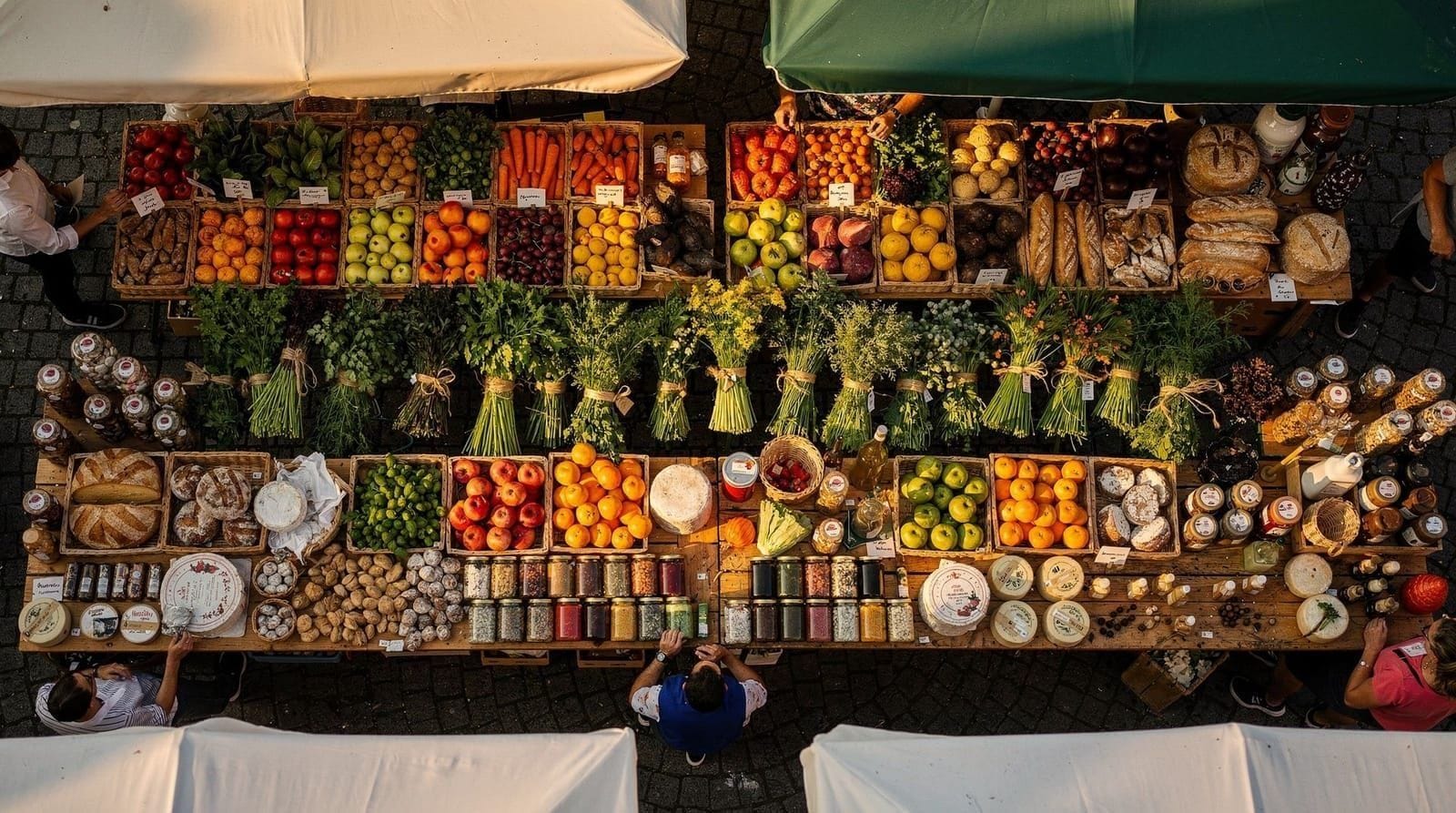
The Viktualienmarkt is the single best souvenir stop in Munich because it concentrates honey, Lebkuchen, spice mixes and regional specialty foods from genuine producers in one walkable space. A guided visit is a shortcut to the good stalls without trial and error. Munich old town walking tour combined with Viktualienmarkt
A sensible order for a self-guided souvenir pass through the market: start at the honey stall at the southern end, move to the specialist Lebkuchen bakers near the centre, and finish at the deli counters for cheeses and cured meats if you are travelling within the EU. Mornings (from opening until around 11am) are quieter than midday, and the market is closed on Sundays — plan around that if a Sunday arrival is your only option. The Viktualienmarkt shopping guide has the full stall-by-stall breakdown.
Souvenir value comparison: genuine article vs tourist-shop version
| Item | Genuine (Bavarian-made) | Tourist-shop version | Price gap |
|---|---|---|---|
| Beer stein | Hand-painted, €60–80+ | Mass-produced, €20–60 | Similar price, very different quality |
| Lederhosen | Hand-sewn leather, €200–400+ | Synthetic, €40–150 | Genuine costs more but lasts decades |
| Porcelain figurine | Nymphenburg hand-painted, €80–150 | Generic ceramic, €10–30 | Not comparable products despite similar shelf placement |
| Lebkuchen | Artisan baker, Viktualienmarkt stalls | Supermarket tin | Similar price, real flavour difference |
| Beer stein (vintage) | Flea market, 1920s–1960s, €15–40 | New tourist-shop, €20–60 | Vintage is often cheaper and more authentic |
Shipping souvenirs home
For bulky or fragile items — Nymphenburg porcelain, beer steins, framed prints — most specialist shops (including the Nymphenburg factory outlet) offer international shipping with insured packaging, at an additional cost that is usually worth it for genuinely fragile pieces. Trachten shops selling Lederhosen and Dirndl can generally ship made-to-measure orders once fitting is complete, useful if you are ordering shortly before departure. Keep receipts for anything above your home country’s duty-free import allowance.
Frequently asked questions about Munich souvenirs
Is Nymphenburg porcelain worth the price?
Yes, if you are buying it as an object you will actually use or display rather than as a token tourist purchase. It is a genuine art product from one of Europe’s oldest porcelain manufacturers, and the price reflects that. The factory seconds at the palace outlet represent the best value if you want to own a piece without spending full price.
Where can I find handmade wooden Christmas decorations in Munich?
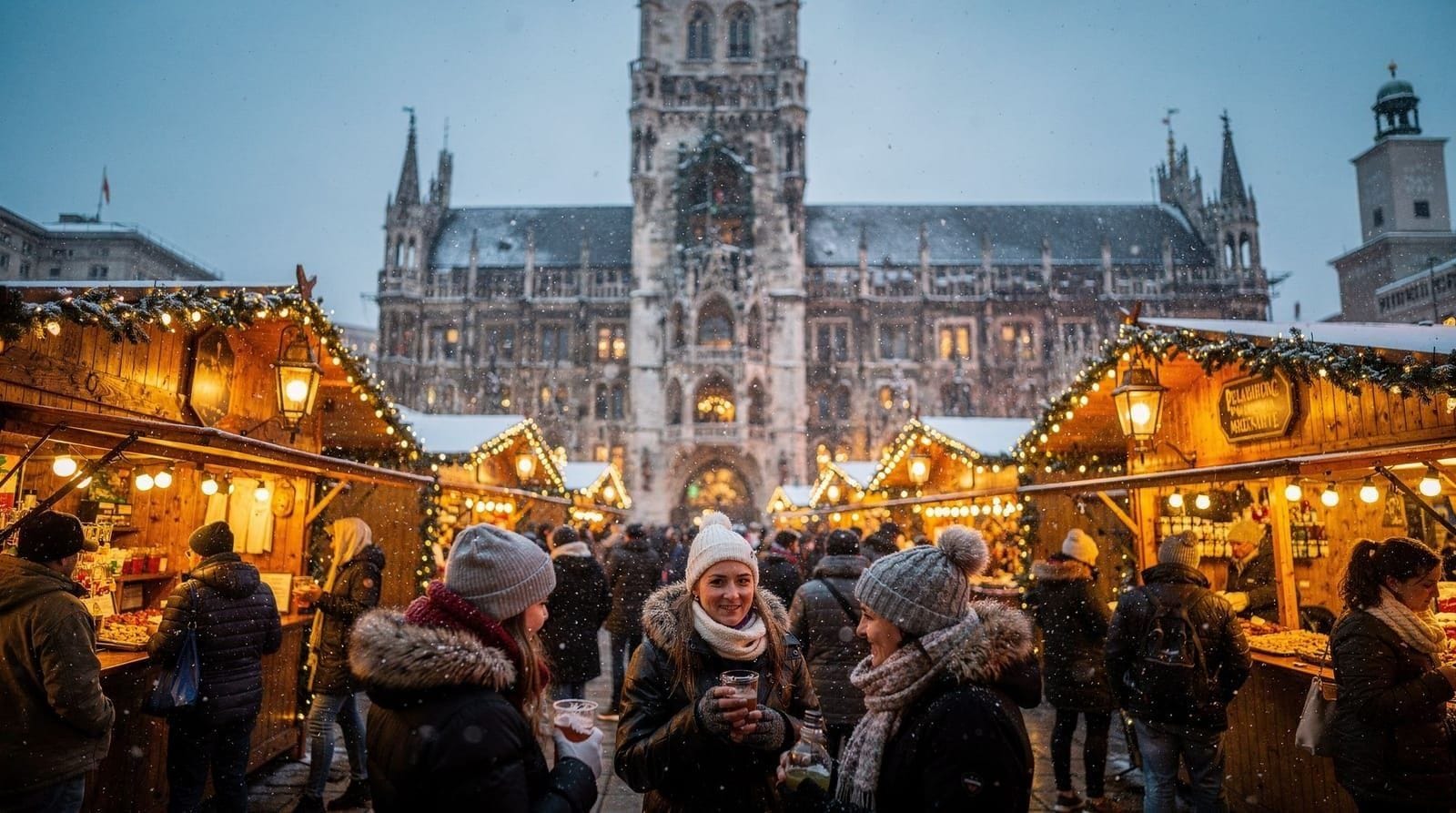
The Tollwood Winter Festival at Olympiapark (during the Christmas season) has the best selection of genuine artisan wooden decorations. The Marienplatz Christkindlmarkt also has quality stalls, but you need to distinguish between handmade pieces and mass-produced imports. The Munich Christmas markets guide advises on how to identify the genuine article.
What is a Schuhplattler record and where do I buy one?
Schuhplattler is the traditional Bavarian folk dance performed at festivals and Oktoberfest. Vinyl records of traditional Bavarian music (Volksmusik) — including Schuhplattler — appear at the Olympiapark flea market and at specialist music shops in Munich. Hugendubel bookshop occasionally carries a small selection of Bavarian music CDs. This is a genuinely distinctive souvenir for music collectors.
Are Munich souvenir prices negotiable?
In tourist souvenir shops, no — prices are fixed. At flea markets, negotiation is expected. At the Viktualienmarkt food stalls, prices are set. At specialist Trachten shops and artisan retailers, negotiation is not typical but asking about discounts on high-value items (Lederhosen, porcelain) occasionally works, particularly if you are buying multiple pieces.
What Bavarian food products travel best for international flights?
Sealed and packaged dry goods travel well: Lebkuchen, Lebkuchen spice mix, honey in sealed jars, dried meats in vacuum-sealed packaging, and packaged hard cheeses. Fresh produce, unpacked meats, and liquid dairy products have restrictions. Check your destination country’s customs regulations for food imports before packing.
Top experiences
Bookable activities with verified prices and instant confirmation on GetYourGuide.