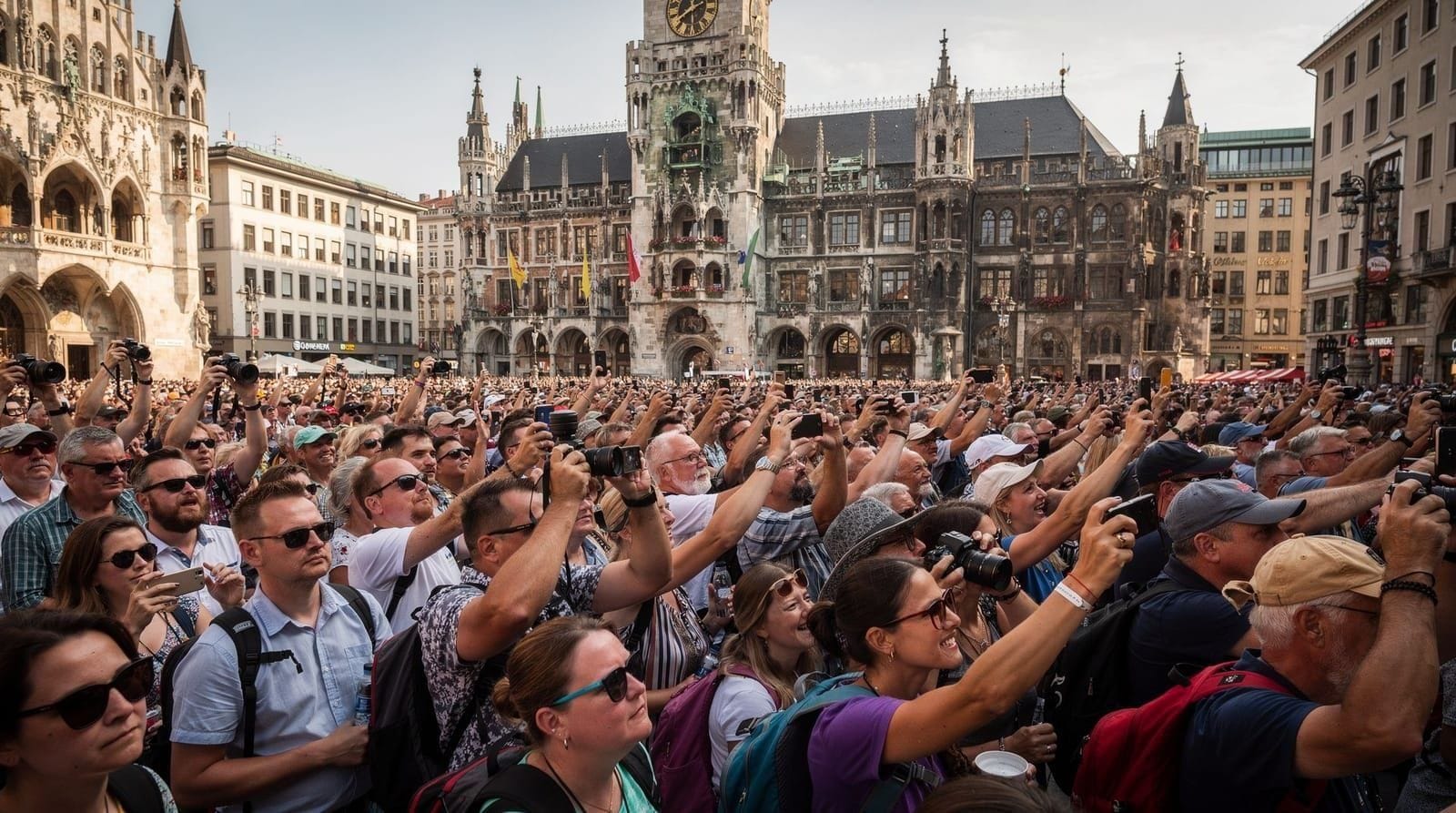
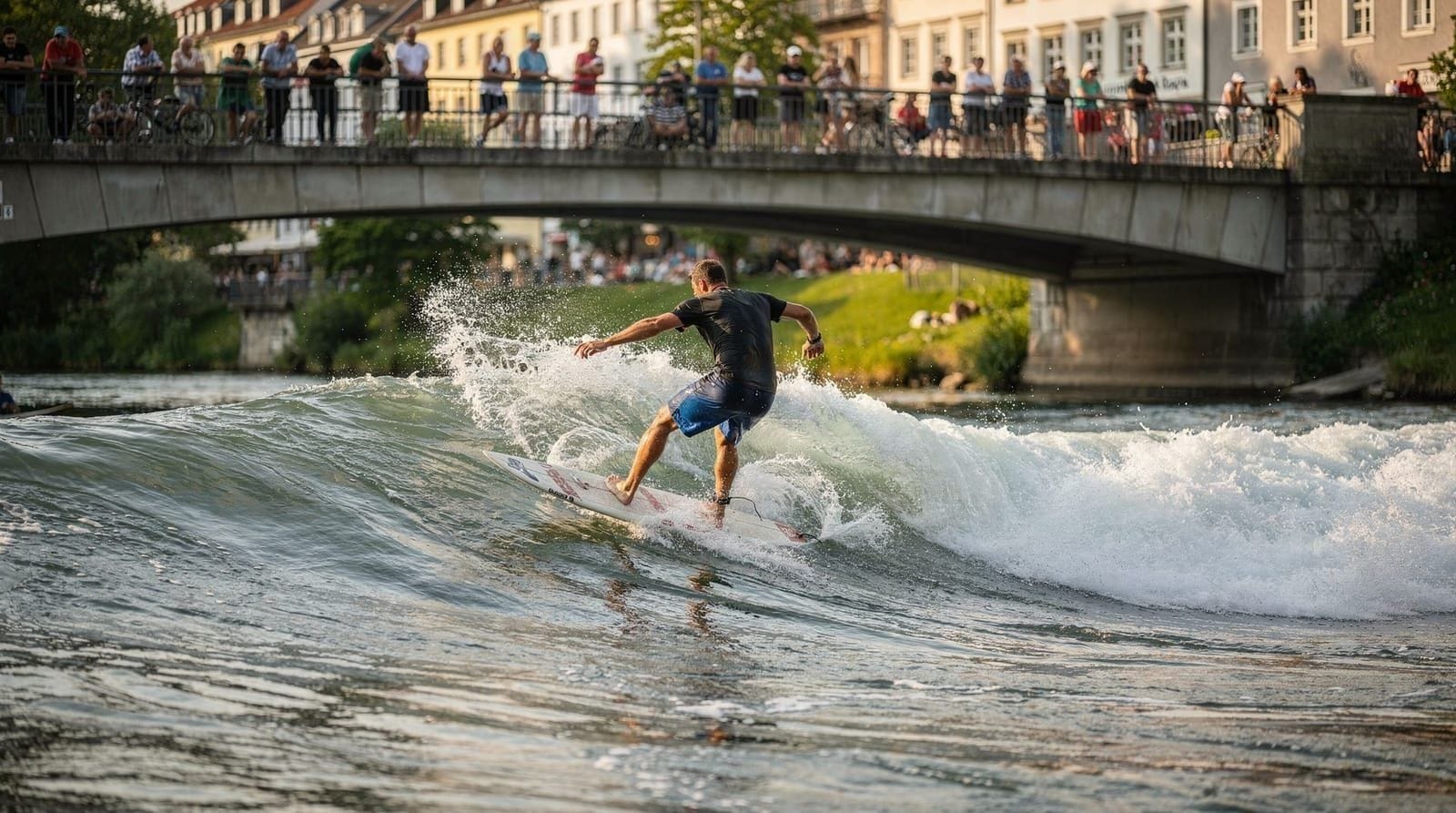
Munich vs Berlin: which German city should you visit first?
Two cities, one question you actually have to answer
If you have limited time in Germany, the Munich vs. Berlin question is a real one. These are not interchangeable cities with minor variations in architecture and beer strength. They are genuinely different places with different cultures, different histories, different economies, and different reasons to visit. The answer to “which one first” depends entirely on what you want from a city.
This is not a competition with a winner. It is an honest breakdown of where each city is better, so you can make an actual decision.
| Munich | Berlin | |
|---|---|---|
| Best for | Beer culture, Alpine day trips, tradition | 20th-century history, nightlife, budget |
| Daily budget (mid-range) | around €120–180/day | around €80–130/day |
| Time needed | 3–4 days | 4–5 days |
| Main airport | Munich Airport (MUC), around 45 min to centre by S-Bahn | Berlin Brandenburg (BER), around 30 min to centre |
| Train between them | ICE, around 4 hours, €50–90+ | ICE, around 4 hours, €50–90+ |
Cost: Munich is significantly more expensive
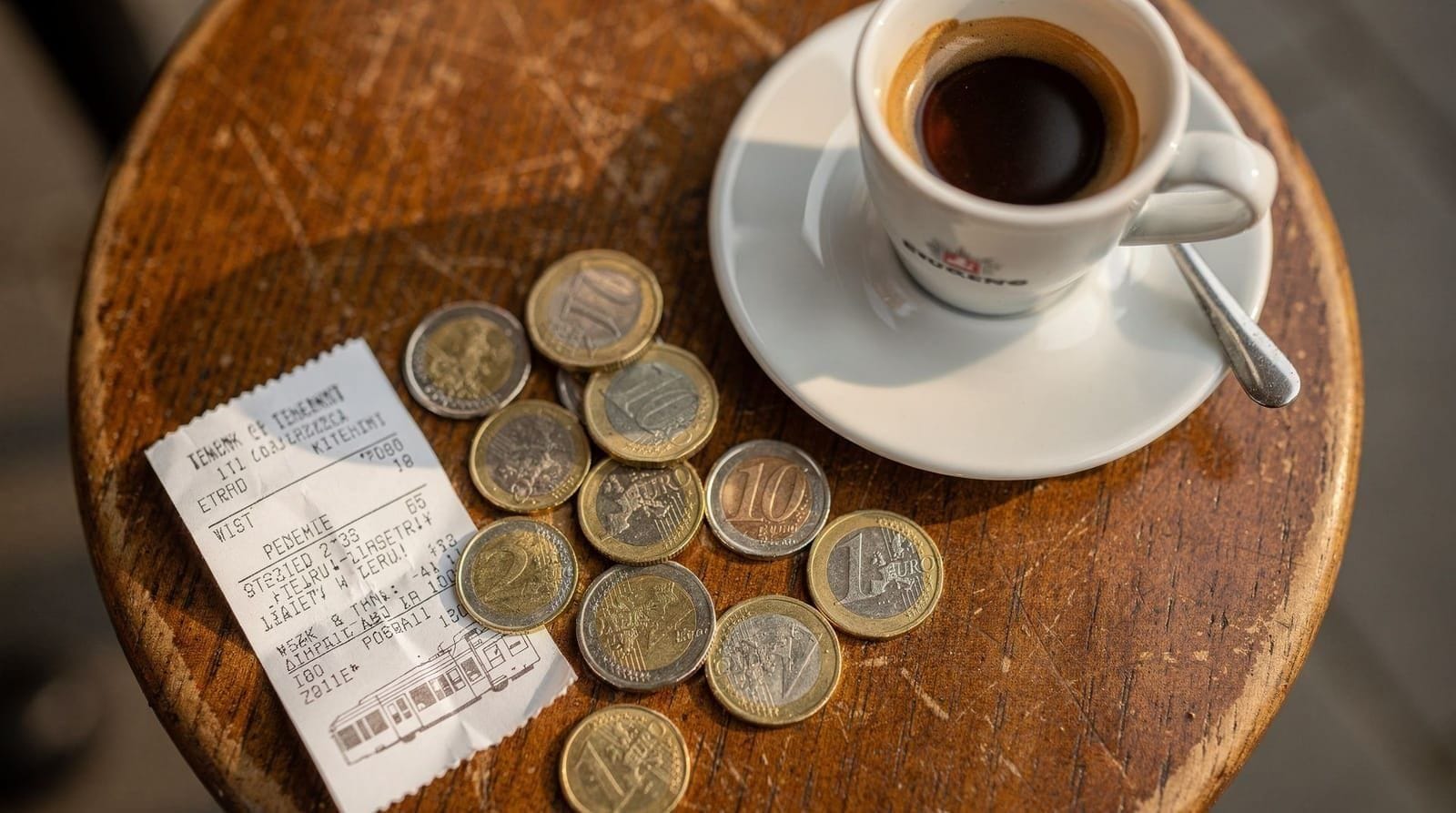
Munich is one of the most expensive cities in Germany. Berlin is not. This is a meaningful difference for anyone on a real travel budget.
Hotels: A decent three-star central hotel in Munich averages €180–250 per night. The equivalent in Berlin runs €100–160. During Oktoberfest in Munich, prices triple. Berlin has no equivalent event that distorts prices at this scale.
Food: A sit-down Bavarian lunch with a beer in Munich costs €25–35 per person. An equivalent meal at a Berlin restaurant or Imbiss (fast food counter) runs €12–20. Berlin’s street food culture (döner, currywurst, shawarma) means you can eat well for €5–8.
Beer: Munich Biergarten Mass: €11–13. Beer at a Berlin bar: €3.50–6.
Museums: Munich has more free museum options on Sundays (Pinakotheken are €1 on Sundays). Berlin has permanent collections at many museums that are genuinely free, including the Holocaust Memorial, the East Side Gallery, and the Berlin Wall Memorial. The Museumsinsel (Museum Island) in Berlin is not free (around €12–19 per museum) but the breadth is extraordinary.
Verdict: Berlin is 25–40% cheaper for the same quality of experience. If budget is a constraint, Berlin gives more for less. For a fuller breakdown of what a Munich trip actually costs, see the Munich budget guide.
Weather: Munich’s Alpine proximity cuts both ways
Munich sits close to the Alps, which means genuinely cold, often snowy winters (December–February averages hover around freezing) and warm, occasionally thundery summers. The Föhn wind can push temperatures up unexpectedly even in shoulder season, and the Alpine backdrop is at its most photogenic after a fresh snowfall or on a clear post-storm day. Berlin’s climate is flatter and more continental — colder average winter lows but less snow, and drier summers overall. Neither city has a truly bad season for sightseeing, but Munich’s day-trip appeal (see below) is weather-dependent in a way Berlin’s is not: a socked-in Zugspitze or a rainy Neuschwanstein day trip is a real risk. For month-by-month specifics, the best time to visit Munich guide breaks down what to expect.
History: both are major, very different
Munich’s history is primarily medieval-to-19th-century in the visitor-facing layer: the Wittelsbach royal dynasty, the construction of Neuschwanstein, the beer culture of the 18th and 19th century. Its 20th-century history includes the Beer Hall Putsch of 1923 (where Hitler’s failed coup began), the development of Nazi ideology in the city (Munich was a focal point), and the 1972 Olympic Games and the terrorist attack that overshadowed them.
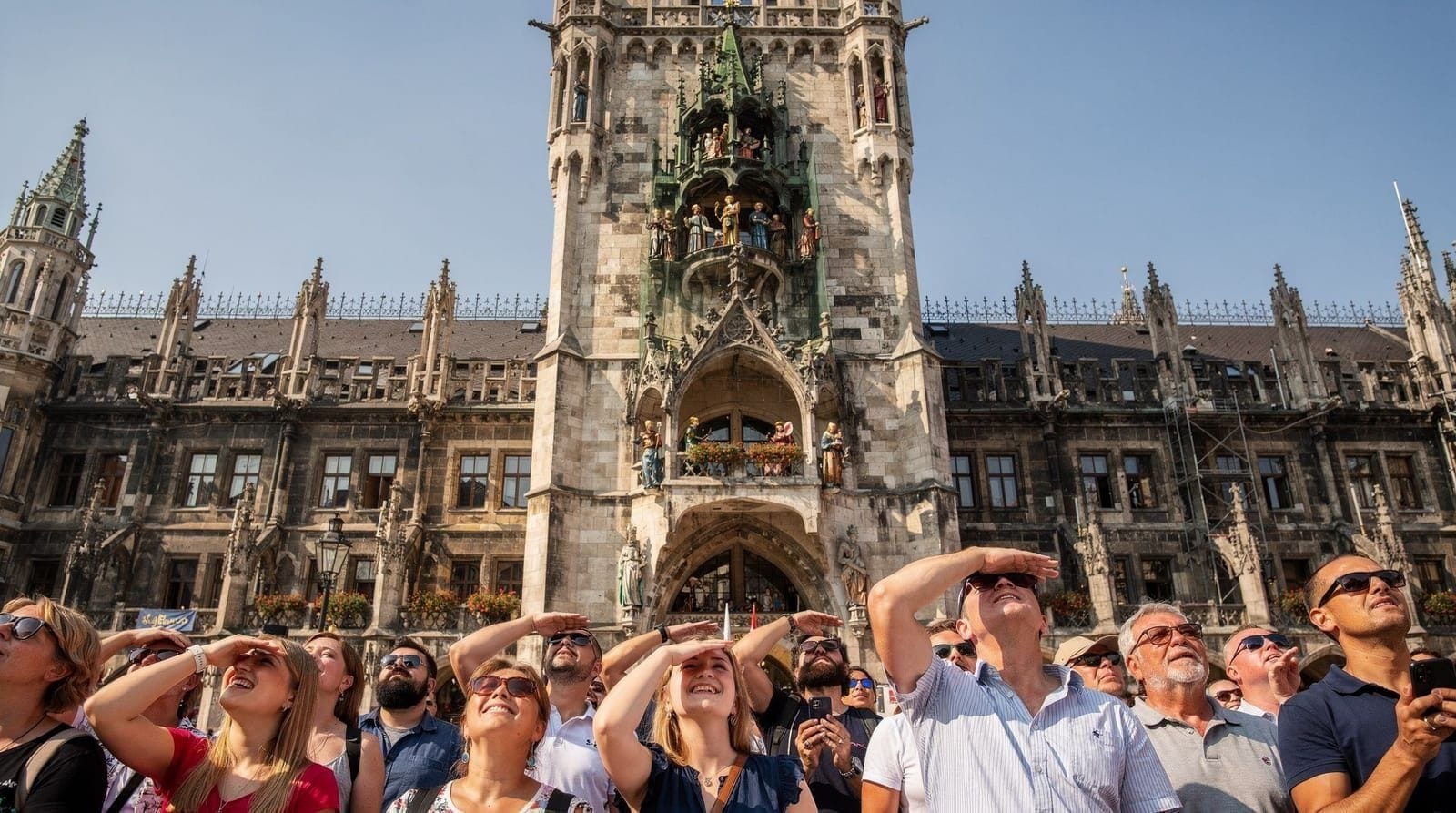
Munich’s historic architecture in the old town survived reasonably well because of post-war rebuilding of genuine historic structures. The Residenz, Frauenkirche, and much of Marienplatz are either original or carefully reconstructed.
Berlin’s 20th-century history is inescapable and central to the experience. The Wall, the division of the city, the Holocaust, the Stasi, reunification — these are not background context but the primary reason many visitors come. The documentation is extraordinary and the city has invested heavily in memorials, museums, and public installations.
Berlin’s pre-war architecture is largely gone, replaced with reconstruction, Soviet-era buildings, and contemporary architecture. The aesthetic is different: industrial, layered, uncompleted.
Verdict: If your primary interest is German history of any era, Berlin has more depth and more physical evidence. Munich’s history is richer in the medieval-to-19th-century register and in the Bavarian-specific cultural tradition.
Food culture: Munich has more regional identity, Berlin has more variety
Munich’s food culture is genuinely Bavarian — Weisswürste (white veal sausages, eaten before noon with sweet mustard and a pretzel), Brezn, Leberkäse (a baked meatloaf served in a roll), Hendl, and the beer garden as the primary social venue. These are not tourist reconstructions. Bavarians eat this way.
Explore: Best Bavarian food in Munich and Bavarian dishes to try in Munich
Berlin’s food culture is more international and more varied. The city has a significant Turkish community (largest outside Turkey), a strong Vietnamese food scene, Middle Eastern restaurants, and a serious natural wine and fine dining scene that Munich cannot match in diversity. Berlin’s Michelin-starred count has grown significantly; it now has several three-star restaurants.
The street food comparison: Berlin’s döner is worth the trip alone. The currywurst (sausage in curry-spiced ketchup) at Curry 36 or Konnopke’s Imbiss is a Berlin cultural institution on a par with Munich’s beer hall tradition. These are apples and oranges but both are genuinely good.
Verdict: Munich for depth of regional identity; Berlin for breadth of international variety.
Beer: Munich wins, but it’s not a fair fight
This should not require explanation, but for completeness: Munich’s brewing heritage is 600+ years old, includes six major breweries whose entire identity is linked to the city, and produces some of the best Helles, Dunkles, and Weissbier in the world. The beer garden tradition — sitting under chestnut trees with 5,000 strangers — is one of the best social spaces in Europe.
Berlin has craft beer bars and a developing scene, but the German capital is not historically a beer city. If drinking excellent beer in historic venues matters, Munich is the answer. Munich beer hall and garden walking tour
Nightlife: Berlin wins comprehensively
Munich’s nightlife is good but closes relatively early by European capital standards. The city has a 4am closing time for clubs; many bars close at 1–2am. The Glockenbachviertel neighbourhood has a lively bar scene and a significant LGBTQ+ presence.
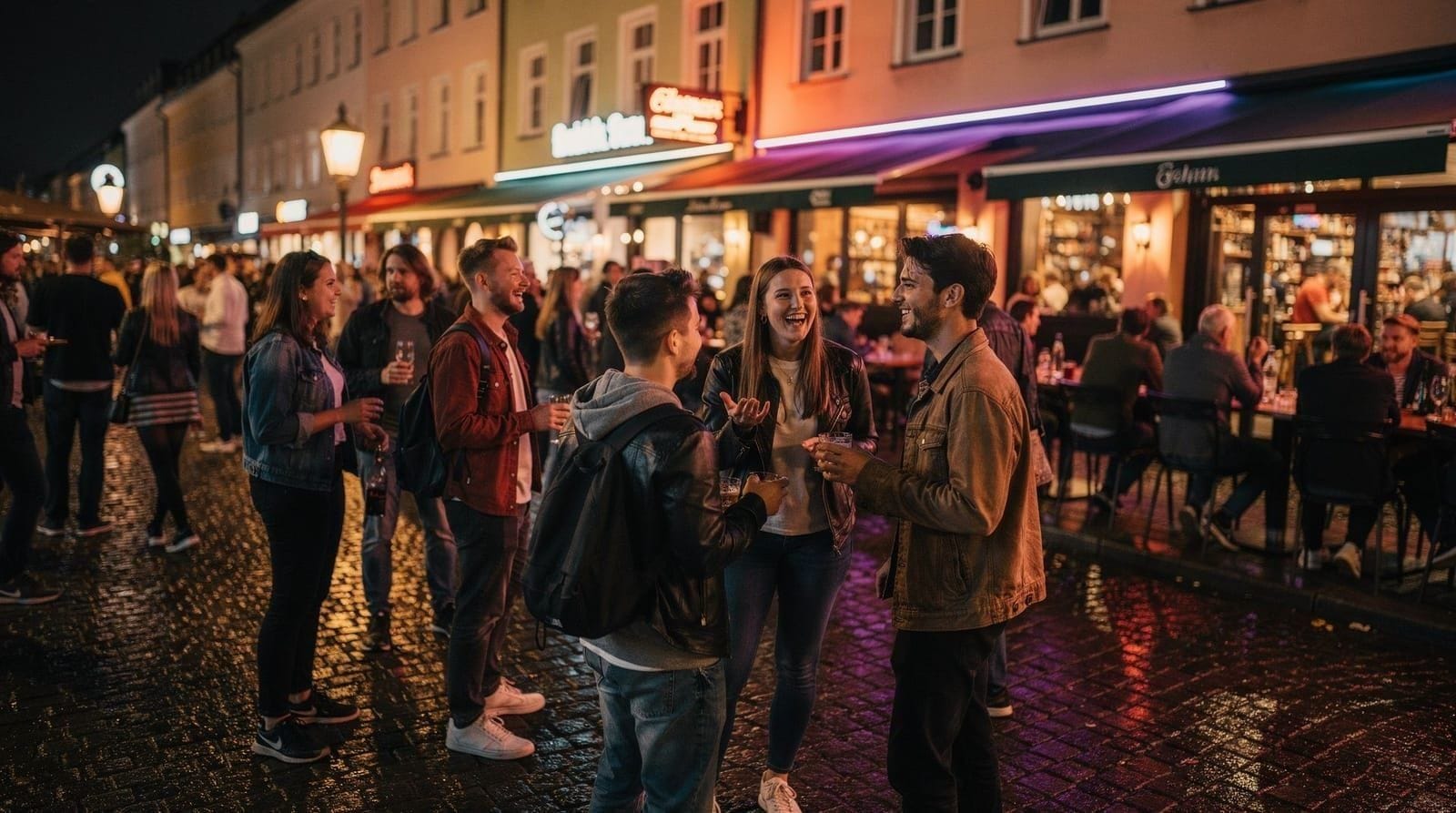
Berlin’s nightlife is legendary and genuinely exceptional. Berghain (when it is open) is considered one of the best clubs in the world. The city has clubs that operate continuously over weekends (starting Saturday night and closing Monday morning). The variety of venues — from techno bunkers to jazz bars to outdoor festival spaces — is without parallel in Germany and arguably in Europe.
Munich is a city that goes to bed. Berlin does not. If nights out are central to your trip, this is not a close comparison. For where to spend a Munich evening, see the Munich nightlife guide.
Families and solo travellers
Munich is the easier city for families with young kids: the Altstadt is compact and walkable, playgrounds and parks (including the English Garden) are plentiful, public transport is simple to navigate with a stroller, and the pace is calmer than a European capital. Berlin works well for families too, but its size means more transit time between sights, and some of the essential history sites (concentration camp memorials, the Holocaust Memorial) require age-appropriate framing for younger children. See the Munich with kids guide for specifics. Solo travellers tend to find Berlin’s hostel and nightlife culture easier to plug into socially; Munich is very safe for solo visitors but more oriented around groups (beer halls, beer gardens) than solo-friendly late-night venues.
Day trips: Munich wins dramatically
Munich’s day-trip geography is exceptional. Within 2 hours by train or car:
- Neuschwanstein and Hohenschwangau castles (2 hours by train)
- Zugspitze — Germany’s highest mountain (1h40m by train and cogwheel railway)
- Salzburg, Austria (2 hours by train)
- Berchtesgaden and the Eagles’ Nest (2h30m by train)
- Chiemsee with Herrenchiemsee island palace (1h by train)
- Nuremberg (1h by ICE)
- Dachau (25 minutes by S-Bahn)
These are not minor attractions — they are major European destinations in their own right. Munich functions as a high-quality base camp for a significant chunk of central Europe.
Berlin’s day trips exist — Potsdam and Sanssouci Palace are excellent (40 minutes by S-Bahn), Sachsenhausen Memorial is 35 minutes away, and the Baltic coast at Rügen is reachable by train — but the range and quality of what’s within an hour does not compare to Munich’s Alpine and castle surroundings.
Verdict: Munich as a day-trip base is among the best in Europe. Berlin is a city where the day trips are secondary to the city itself.
See: Best day trips from Munich
Ease of navigation: both are excellent, Munich is smaller
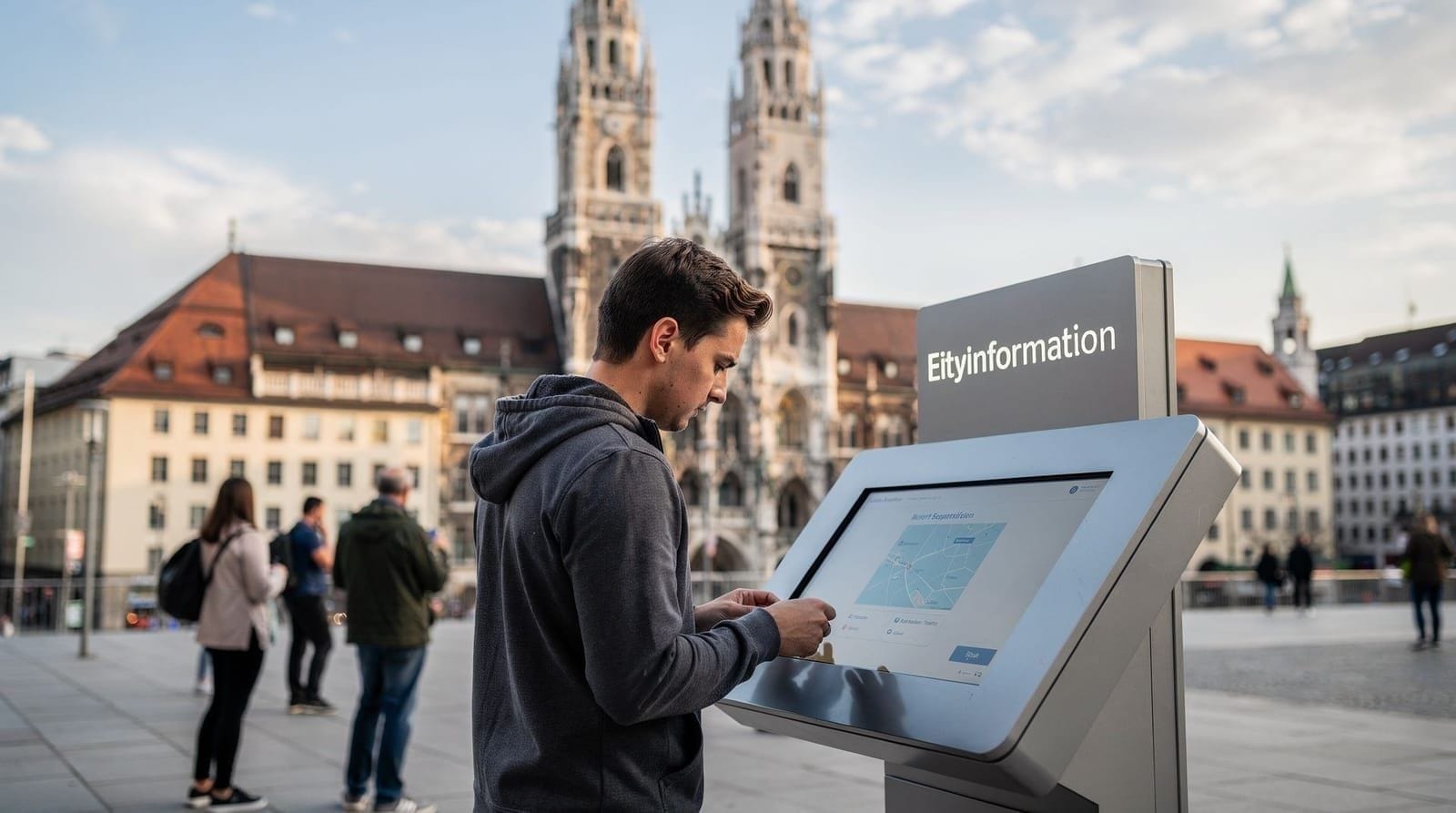
Munich’s public transport (U-Bahn, S-Bahn, trams) is clean, punctual, and fully bilingual. The central area is compact — you can walk from Marienplatz to the Deutsches Museum in 20 minutes, to Nymphenburg in 45 minutes. For first-time visitors, Munich is easy to navigate.
Berlin is significantly larger and more spread out. The U-Bahn and S-Bahn network is comprehensive but covering the city requires more travel time. Getting from Prenzlauer Berg to Schöneberg takes 30–45 minutes. The scale is part of the experience but can feel exhausting on a short visit.
Verdict: Munich is easier for a short trip. Berlin rewards time spent there, but a 3-day visit to Berlin covers less ground proportionally than a 3-day Munich visit.
Category-by-category scorecard
| Category | Winner | Why |
|---|---|---|
| Cost | Berlin | 25–40% cheaper across hotels, food and drink |
| History | Berlin | more depth on 20th-century history and physical evidence |
| Food culture | Split | Munich for regional depth, Berlin for international variety |
| Beer | Munich | 600+ years of brewing heritage, unmatched beer garden culture |
| Nightlife | Berlin | legendary club scene, later closing times |
| Day trips | Munich | Alps, castles and Salzburg all within 2 hours |
| Navigation | Munich | smaller, easier to cover on a short visit |
| Families | Munich | compact, calmer, easy with a stroller |
Still unsure whether Munich itself is worth the detour on a first Germany trip? The is Munich worth visiting guide and how many days in Munich guide both go deeper on that specific question, and the Munich tourist traps guide is worth a read before you book anything in either city.
Which should you visit first?
Visit Munich first if:
- You want beer culture, traditional food, and Alpine scenery
- Day trips to castles, mountains, and historic cities matter to you
- You have 3–4 days and want a manageable, concentrated experience
- Oktoberfest is a priority
- You prefer cities with a strong regional cultural identity
Visit Berlin first if:
- 20th-century history — the Wall, the Holocaust, Cold War division — is a primary interest
- You want diverse international food and nightlife
- Budget is a significant consideration
- You have 4–5 days and want urban depth over day-trip breadth
- Contemporary culture, art, and music scenes matter more than traditional heritage
The real honest answer: both cities are worth visiting and offer very different things. If you can only do one, identify which of the above lists has more items that match your travel priorities, then book accordingly. Munich old town walking tour — see the highlights in 2 hours
A note on combining Munich and Berlin in one trip
Munich and Berlin are 600km apart. The ICE train takes approximately 4 hours and costs €50–90+ depending on advance booking. A combined Munich-Berlin trip works well for visits of 8+ days. For shorter trips, the travel time between cities eats into your experience.
One common itinerary: fly into Munich, spend 4 days including a day trip to Neuschwanstein or Salzburg, take the ICE to Berlin, spend 3–4 days, fly home from Berlin. Both cities have international airports with good European connections.
For Munich planning: Munich trip planning guide