Munich first-time 3-day itinerary: the essential highlights
Munich: old town walking tour
What to know before your first visit to Munich
Munich is a large city (1.5 million people) that consistently behaves like a well-organised smaller city. Public transport is reliable and comprehensive, the centre is compact and walkable, and almost every major sight is within 30 minutes of Marienplatz. This 3-day itinerary is calibrated for a first visit: it covers the essential highlights without trying to do everything, and it leaves room to breathe rather than racing between checkboxes.
Key orientation: Munich’s historic centre (Altstadt) is surrounded by the Altstadtring ring road. Marienplatz is the central point. The English Garden is northeast. Nymphenburg Palace is west. The main train station (Hauptbahnhof) is west of the centre, a 10-minute walk from Marienplatz.
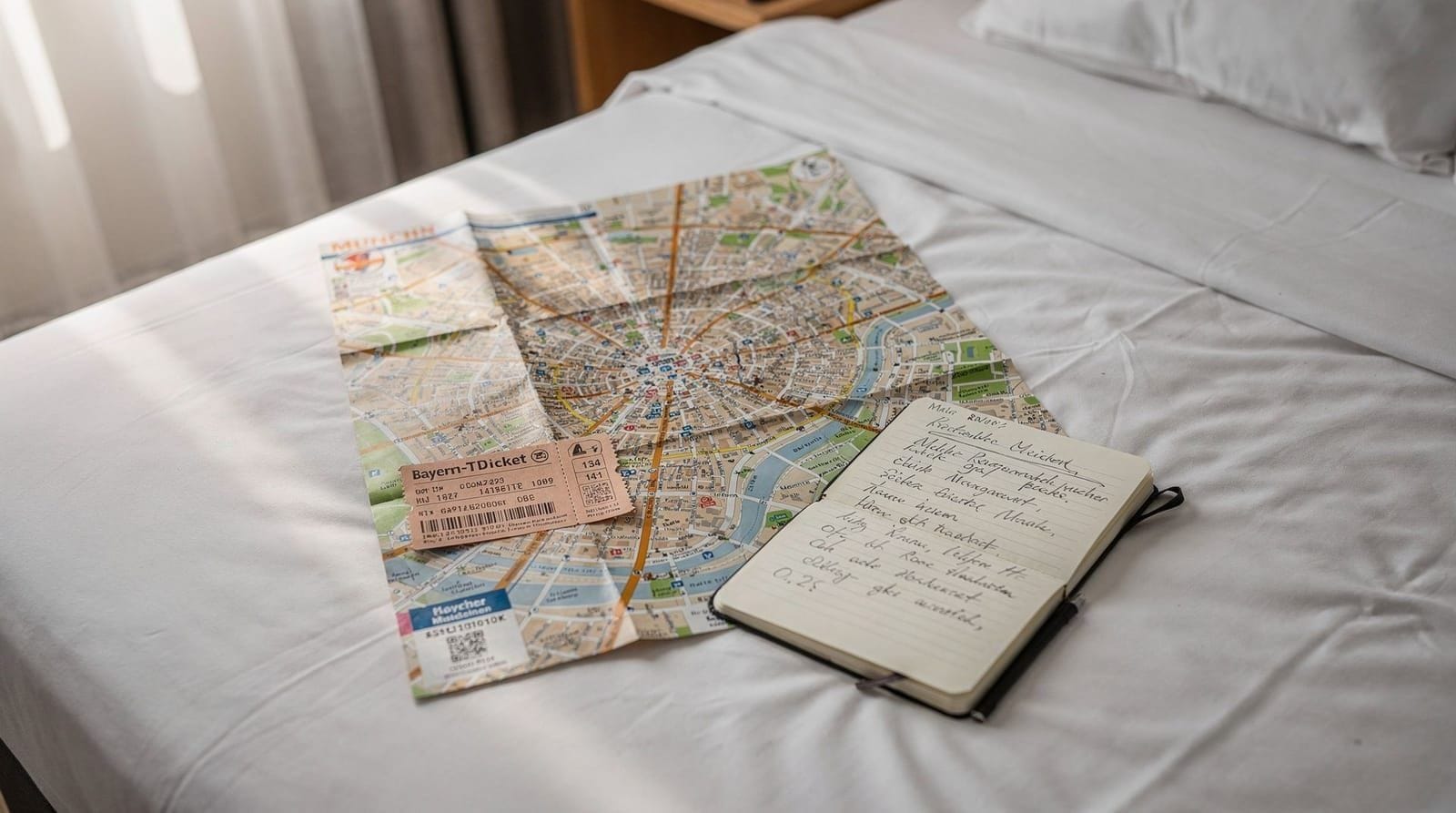
Transport: The MVV network (U-Bahn, S-Bahn, tram, bus) covers the city comprehensively. A 24-hour Tageskarte costs €9.60 (inner zone M) and covers unlimited trips from first use. The Bayern-Ticket (€29, valid from 09:00 on weekdays) covers the entire regional Bavaria network and is worth buying on day 3 if you do the Neuschwanstein trip.
Accommodation: Budget options (hostels, 2-star hotels) run €55–80/night. Mid-range (3-star, private room) €90–140. Luxury 4-star: €180–280. The areas near Hauptbahnhof, Schwabing, and Maxvorstadt offer the best price-to-location balance. Avoid the most expensive Altstadt hotels — you pay primarily for proximity that a 10-minute U-Bahn ride makes irrelevant.
| Where | Altstadt/Marienplatz, English Garden, Nymphenburg, Neuschwanstein day trip |
| Cost | Around €480–680/person excluding flights (mid-range) |
| Time needed | 3 full days |
| Getting there | MUC Airport–city: 40–45 min S1/S8; Munich–Füssen: around 1h50 by regional train |
| Best time | April–May or September–October for milder weather and thinner crowds |
Day 1: old town and beer hall immersion
Morning: Marienplatz and the Frauenkirche
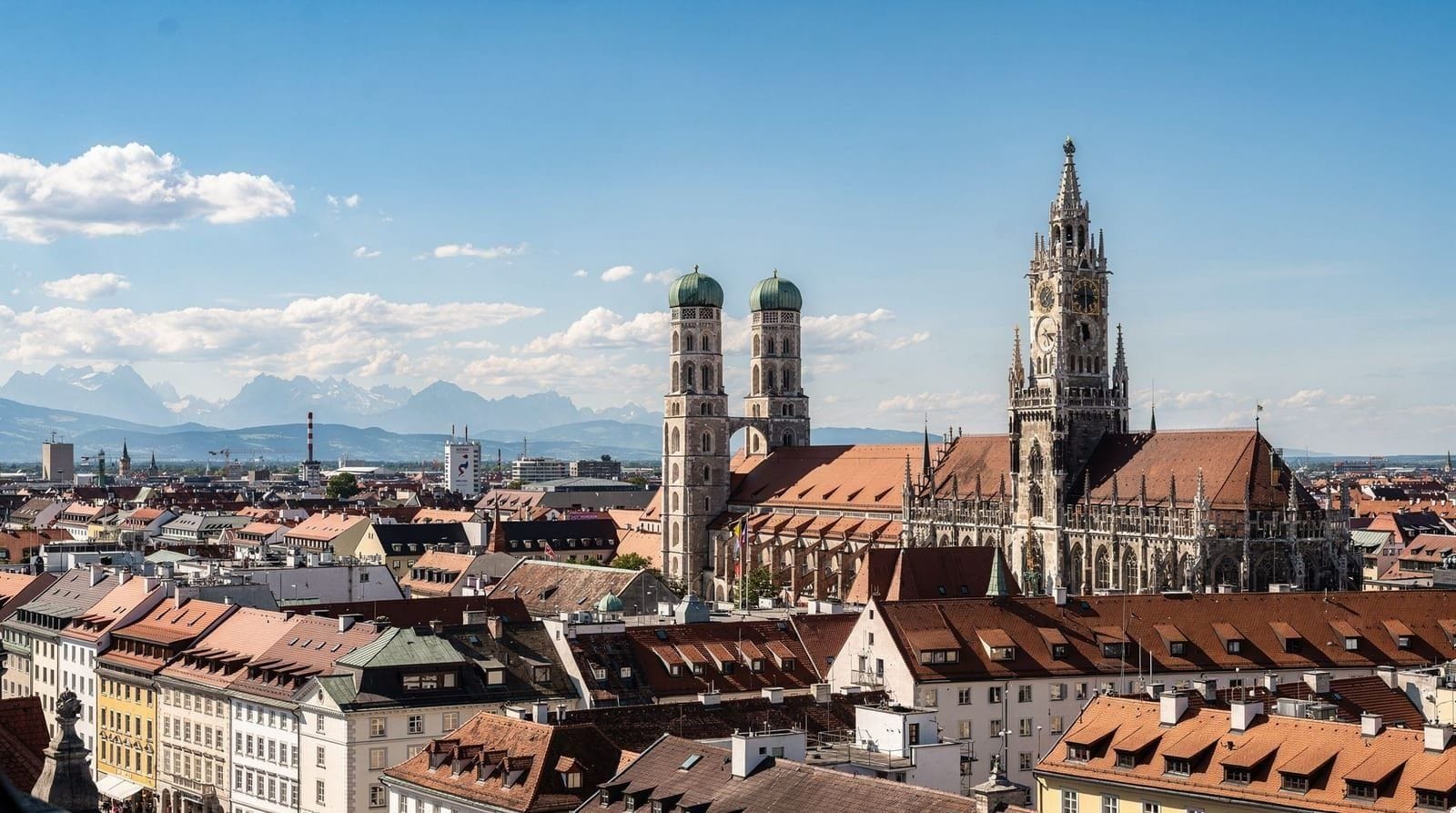
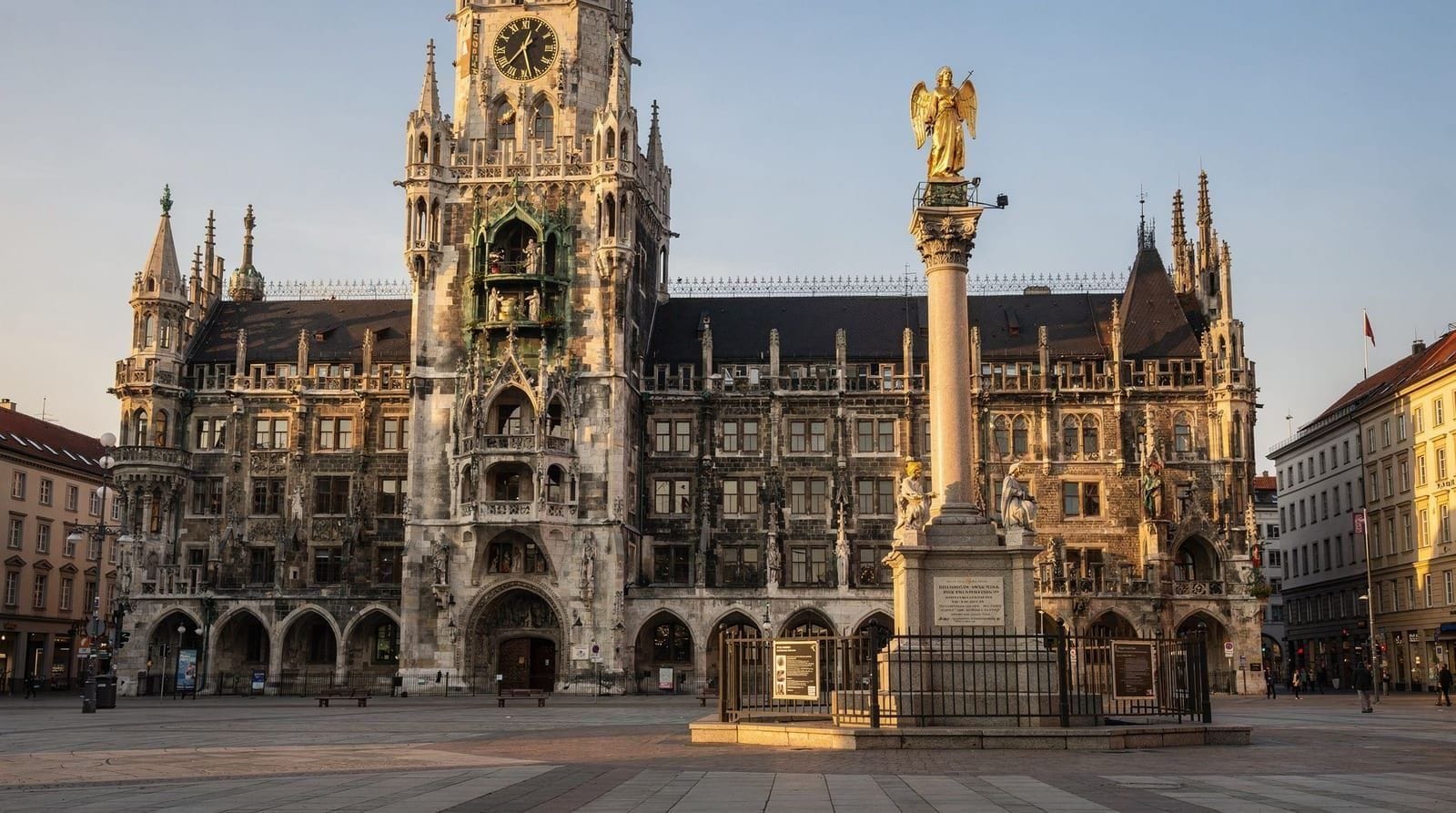
Start at Marienplatz at 09:30. The square is Munich’s centre in every sense — historical, commercial, and geographical. The Neues Rathaus (New Town Hall) fills the north side; its facade is a 19th-century Neo-Gothic statement piece. The Glockenspiel runs at 11:00 and 12:00.
Walk through the Kaufingerstrasse pedestrian zone to the Frauenkirche — Munich’s twin-towered late-Gothic cathedral. The towers are visible from across the city and serve as orientation points. The church is free to enter (open daily 07:30–20:30). The interior is soberingly plain compared to the baroque churches in the city, which was the original late-Gothic design intention.
Walk south down Weinstrasse to the Asamkirche at Sendlinger Strasse 32. This small private church (free entry) was built by the Asam brothers in 1733–1746 and represents the extreme end of Bavarian baroque decoration — every surface painted, stuccoed, or gilded. It takes 15 minutes and is worth every one of them. Our Asam Church guide has the background.
Midday: Viktualienmarkt lunch
Backtrack northeast to the Viktualienmarkt. The market runs Monday–Saturday until approximately 18:00. For lunch, the simplest approach is a Leberkässemmel (meat loaf sandwich) from one of the butcher’s counters for around €4, or a sit-down Bavarian lunch at one of the market restaurants (Wirtschaft im Stadtpark at the edge of the market, mains €12–16). The beer garden in the centre of the market sells half-litre Mass for €10.
Afternoon: Munich Residenz and the Hofgarten
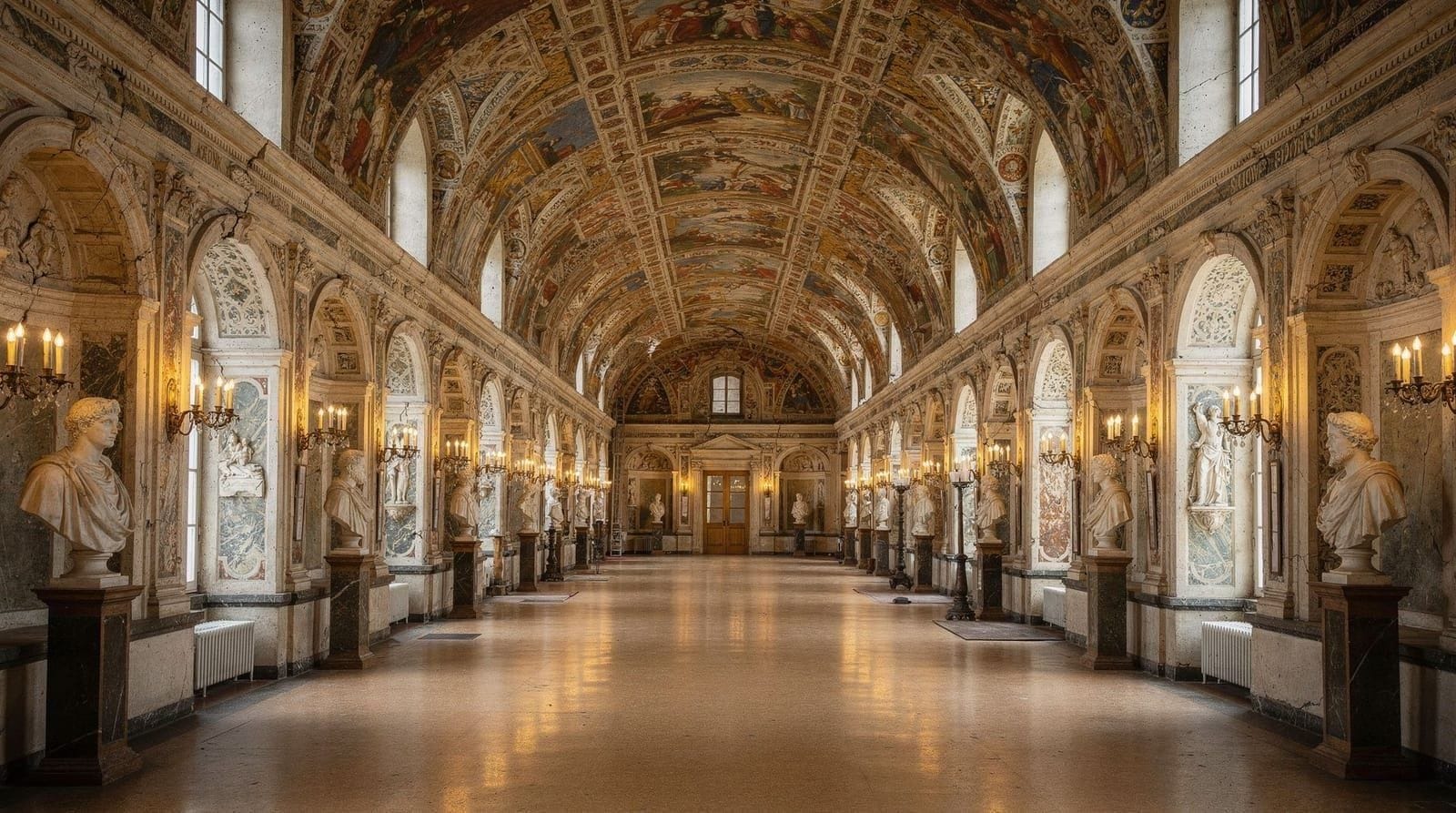
Walk 5 minutes north from Marienplatz to the Residenz. The combined ticket for the Residenzmuseum and Treasury (Schatzkammer) costs €11 in 2026. The Residenz is the most important palace in southern Germany and is seriously undervisited relative to Neuschwanstein — the Treasury’s medieval gold work and the Antiquarium’s Renaissance hall are world-class. Allow 2 hours.
After the Residenz, walk through the Hofgarten — the formal Renaissance garden behind the palace (free). The Galerie im Lenbachhaus is nearby in Maxvorstadt, though save this for a rainy day.
Evening: Hofbräuhaus or Augustiner
Two options, genuinely different experiences:
Hofbräuhaus (Am Platzl 9): The most famous beer hall in the world. Undeniably touristy, also undeniably historic — it has operated since 1607. A litre of Hofbräu original (Masskrug) costs €13.50 in 2026. The food is reliable Bavarian: Schweinshaxe (pork knuckle, €18), Obatzda with pretzel (€9). The brass band plays from 17:00 Monday to Saturday. Worth one visit.
Augustiner Bräustuben (Landsberger Strasse 19): Further from the centre but where Munich residents eat. Less decorative, quieter, better food-to-price ratio. Augustiner Lagerbier on tap from wooden barrels is the best beer in Munich by many local estimates. Mains €12–16. Join a Munich old town walking tour to see the highlights with a local guide
Day 2: English Garden, museums and Nymphenburg
Morning: English Garden and Olympiapark
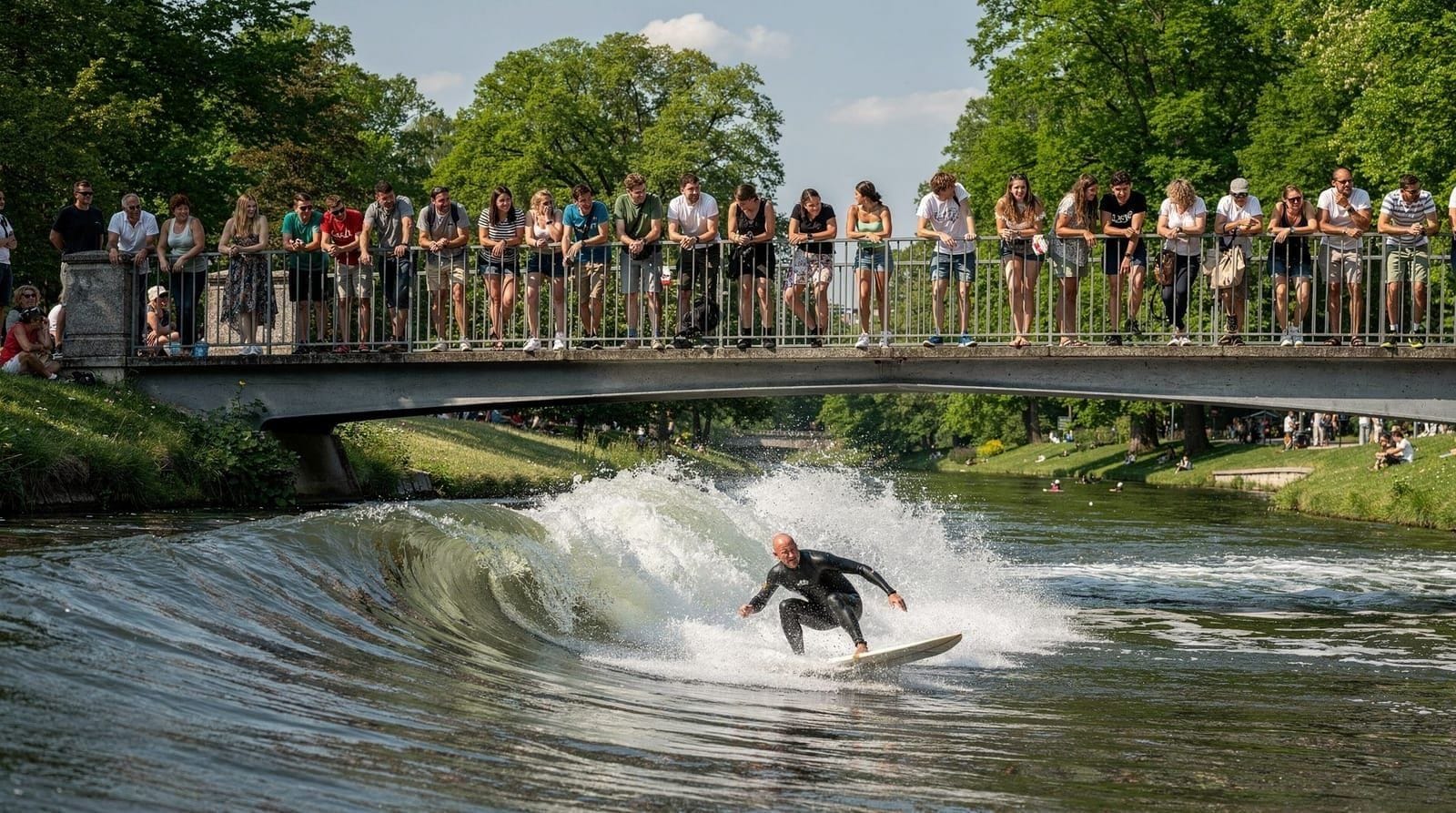
Take the U4 or U5 to Lehel and walk into the English Garden from the Prinzregentenstrasse entrance. The Eisbachwelle (standing river wave) is 100 metres from this entrance — surfers ride it year-round, which is genuinely unusual to witness in the middle of a European capital city.
Walk north along the Eisbach stream through the garden to the Monopteros — a Greek-style circular temple on a hill, with views across the garden and back toward the city centre. The Japanisches Teehaus (Japanese Tea House) on the Kleinhesseloher See lake is accessible in good weather.
The Chinesischer Turm beer garden (Chinese Tower, open from 11:00 in good weather) is the most popular outdoor drinking spot in Munich. It seats 7,000 people and operates on a self-service system: buy a ticket at a counter, get a pretzel and beer, find a table. A half-litre Augustiner here costs €10.50.
Midday: museum quarter choice
The Pinakotheken in Maxvorstadt (15 minutes west of the English Garden by tram) house three distinct collections:
- Alte Pinakothek: Old Masters (Dürer, Cranach, Rubens, Rembrandt, Raphael). Entry €7 (€1 on Sundays).
- Neue Pinakothek: 19th century (Van Gogh, Klimt, Monet, Courbet). Entry €7 (€1 on Sundays).
- Pinakothek der Moderne: 20th and 21st century (Picasso, Warhol, Beuys, design, architecture, graphics). Entry €10.
Sunday (€1 admission) is a good day to visit the Alte or Neue Pinakothek but expect crowds. Our Pinakothek museums guide covers which suits your taste.
If museums are not your priority, the BMW Welt showroom at Olympiapark is free to enter and impressive architecturally — the double-cone structure houses the most extravagant car showroom in the world. The BMW Museum next door costs €10.
Afternoon: Nymphenburg Palace
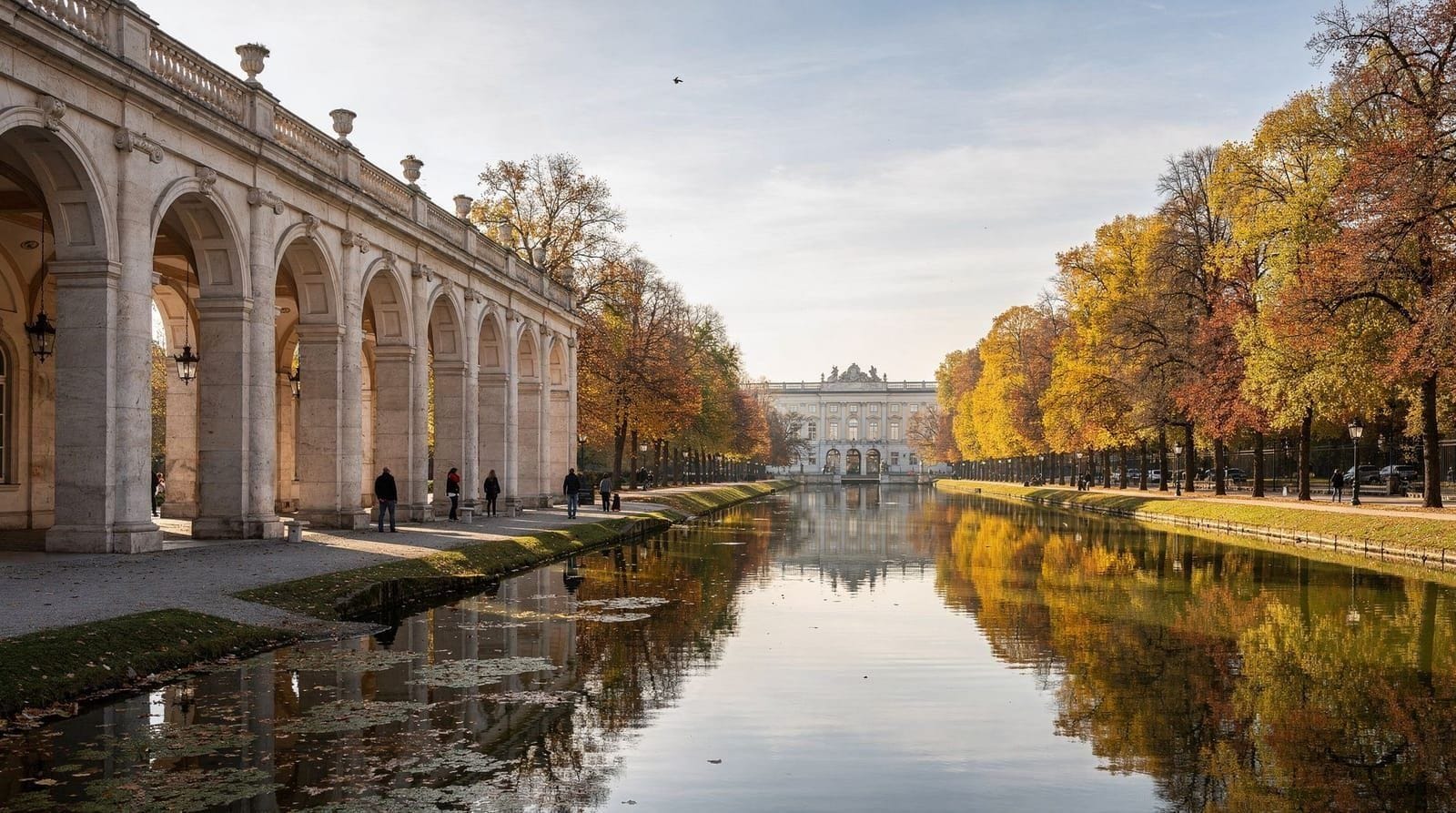
Take the U1 tram (or bus 12 from the city centre) to Nymphenburg Palace. The combination ticket (palace + Marstall with carriages + Amalienburg hunting lodge in the park) costs €18 in 2026. The palace itself needs 45–60 minutes; the Carriage Museum another 45 minutes. The Schlosspark grounds are free and very pleasant for an afternoon walk — 200 hectares, ornamental canals, swans.
The Gallery of Beauties (Schönheitsgalerie) on the ground floor of the south wing displays King Ludwig I’s commissioned portraits of the 36 most beautiful women in Bavaria (1827–1850). It is a genuinely eccentric historical document.
Evening: dinner in Schwabing
Schwabing, north of the English Garden, is Munich’s bohemian neighbourhood and has a range of mid-price restaurants on Leopoldstrasse and the side streets. Tantris restaurant on Johann-Fichte-Strasse 7 is Munich’s most famous fine dining (€120+ tasting menu). For a normal budget, try the restaurants around Giselastrasse (U3/U6 Giselastrasse station) for Italian, Thai, or contemporary German cuisine in the €15–25 range. Book a fast-track Nymphenburg Palace and Carriage Museum guided tour
Day 3: Neuschwanstein day trip
Getting there
Buy the Bayern-Ticket (€29 for one adult, €6 per additional adult) at the DB app, ticket machine, or desk at Hauptbahnhof. Take the S8 or S1 from the Hauptbahnhof side to the main tracks, then the RE regional train to Füssen (1 hour 50 minutes, changing at Augsburg or Buchloe depending on the service). Trains from Munich to Füssen run approximately hourly.
From Füssen station, bus 73 runs to the Hohenschwangau castle car park and ticket centre (10 minutes, €2.30 each way).
Neuschwanstein tickets (2026): €15 per adult, under 18 free. Book online at www.hohenschwangau.de at least 2 days in advance in summer. The timed entry system assigns you a 30-minute entry window; aim for 11:00–12:00 to arrive comfortably after the 9:00 rush.
Morning: arrive early, walk to Marienbrücke
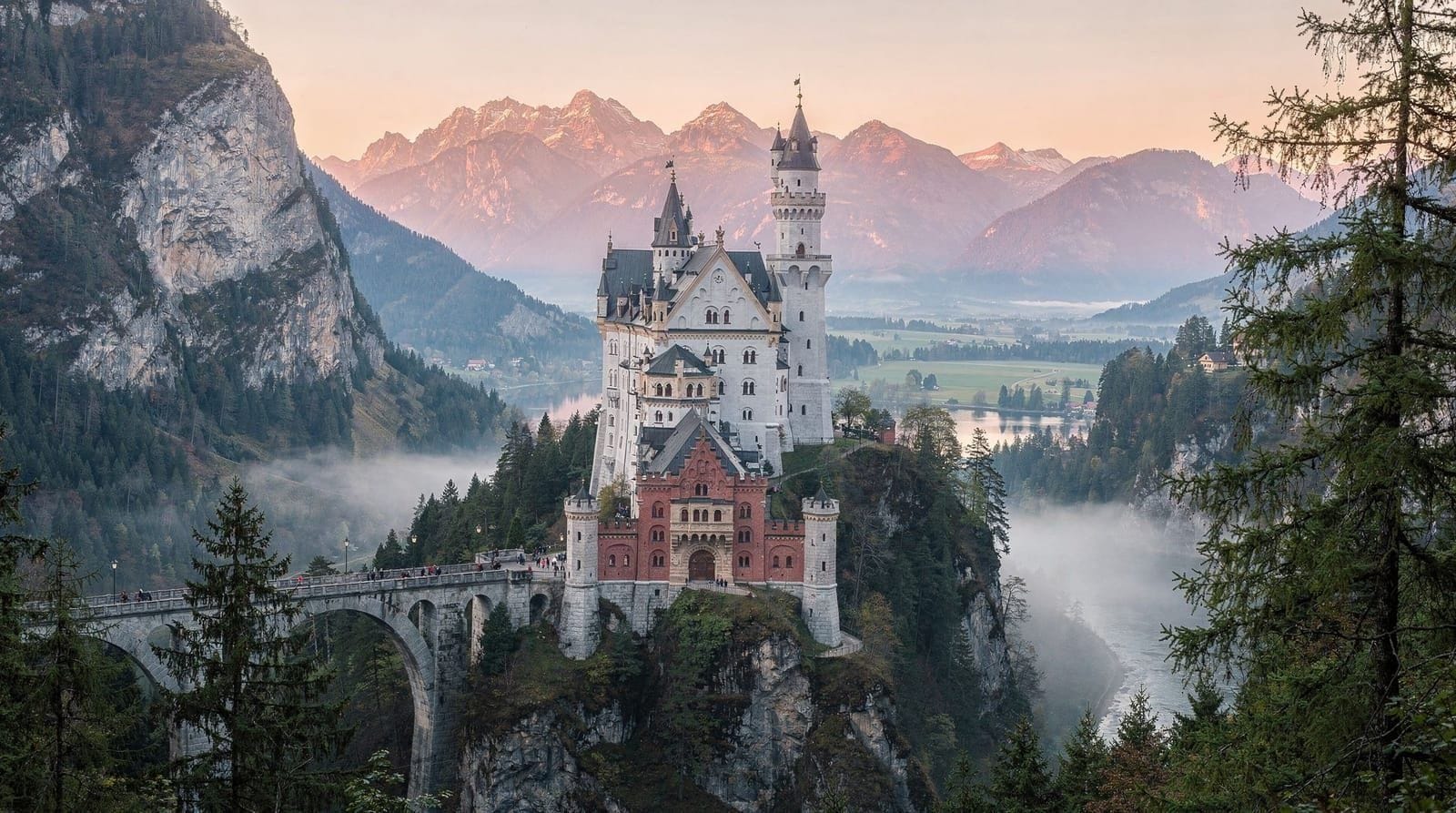
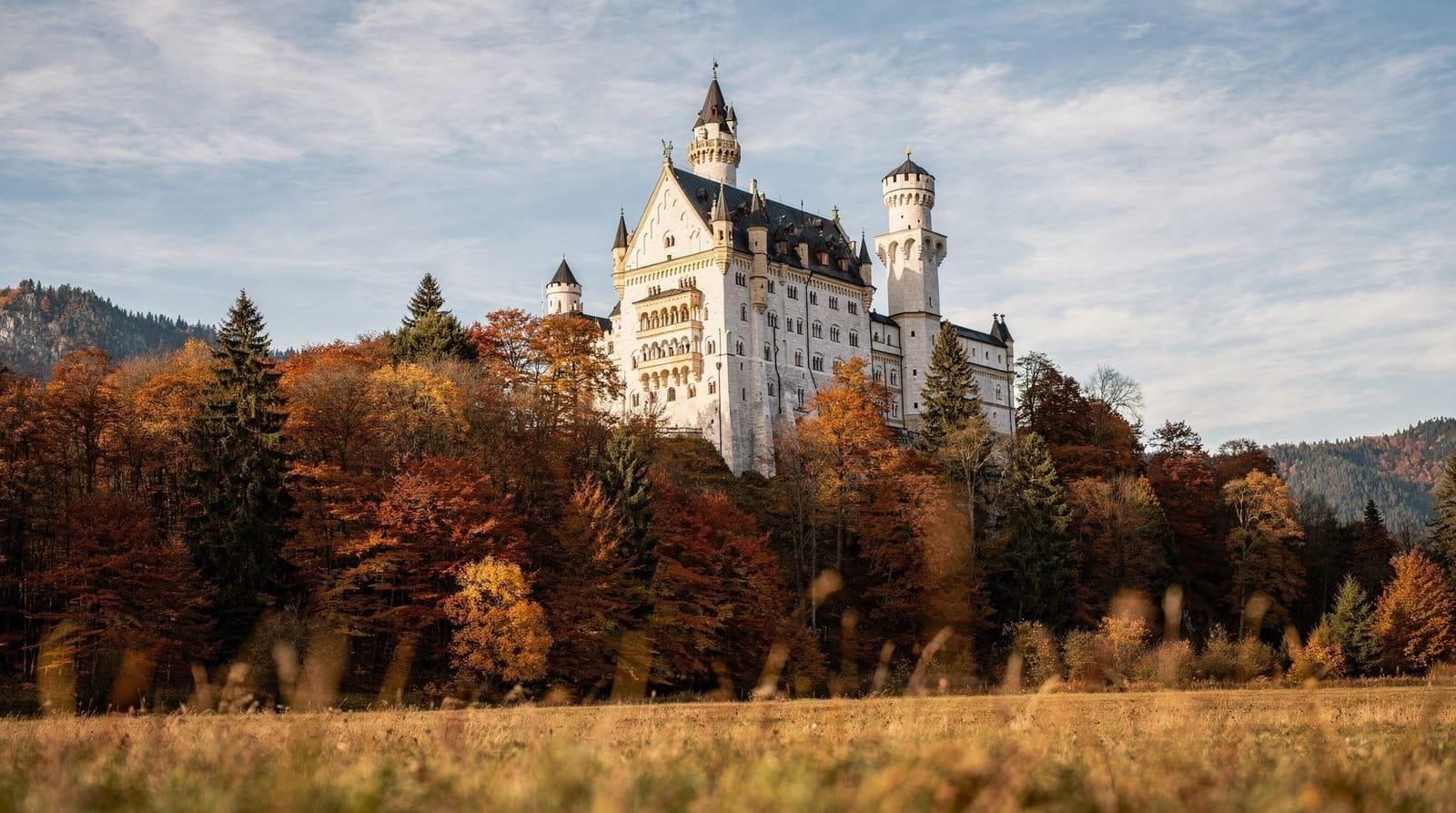
Arrive at the ticket centre by 10:00. After checking in your timed ticket at the castle gate, walk the additional 10 minutes to the Marienbrücke suspension bridge, which crosses a gorge 92 metres above the Pöllat waterfall and gives the iconic straight-on view of the castle’s north facade. The bridge gets very crowded from 11:00 onwards. Go immediately when you arrive.
The guided tour inside Neuschwanstein lasts 35 minutes. Photography inside is not permitted. The Throne Room (where Ludwig planned but never completed a ceremony hall), the Singer’s Hall (inspired by Tannhäuser), and the King’s bedroom give the clearest sense of Ludwig II’s aesthetic obsession.
Midday: Hohenschwangau and the Alpsee
After Neuschwanstein, walk down to Hohenschwangau Castle (€20, separate ticket). This castle is where Ludwig grew up — the interiors are original furnishings and wall paintings from the 1830s–1860s. More intimate than Neuschwanstein. If time is limited, skip Hohenschwangau and spend the afternoon at the Alpsee lake, which is free, swimmable in summer, and very beautiful.
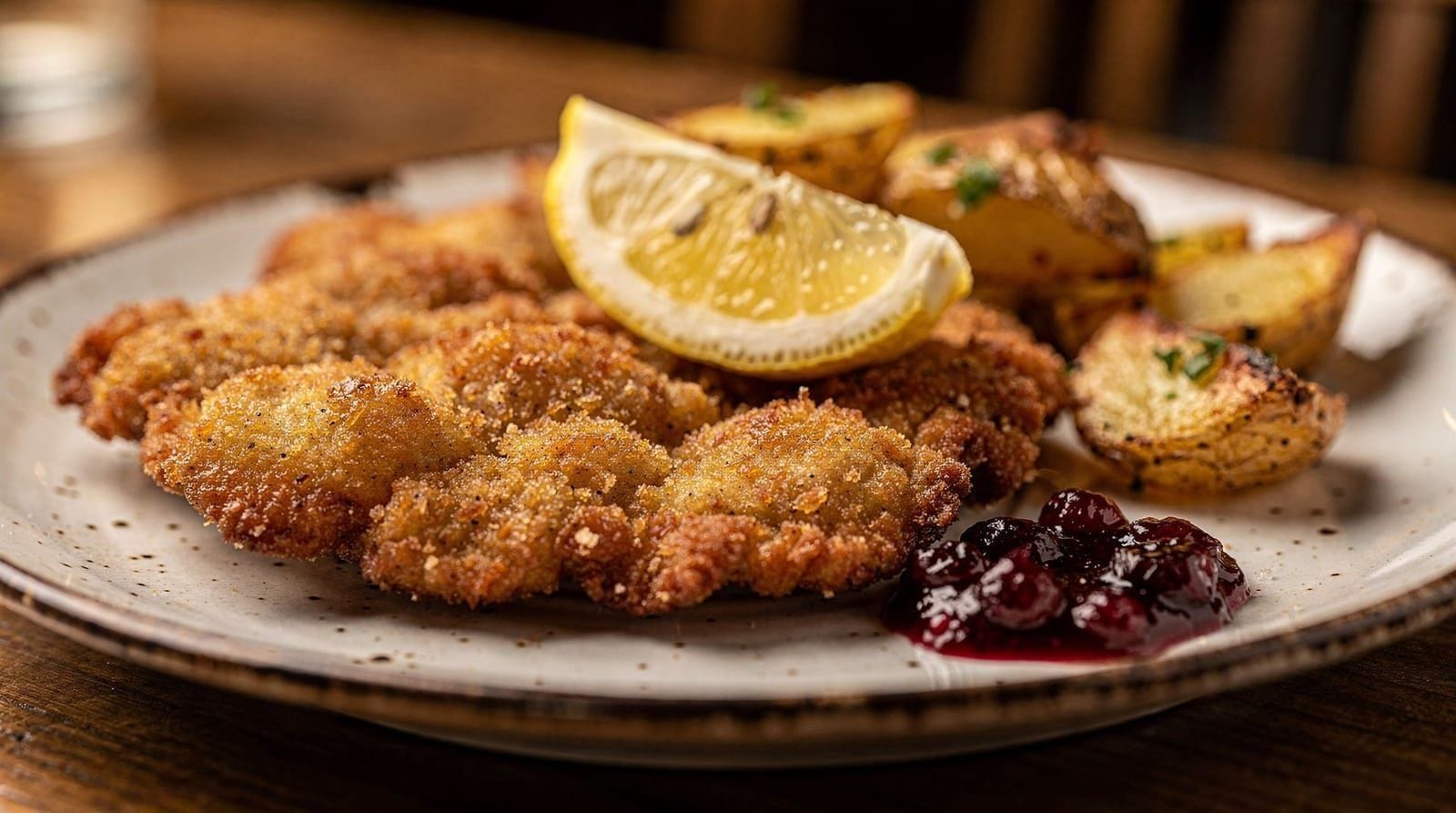
Lunch: the restaurant at the Müller Hotel near the lake (Alpseegasse 16) is overpriced. Better to bring a picnic from Munich, or eat at the Schlossrestaurant on the way out (Schnitzel around €16).
Afternoon: return to Munich
Take bus 73 back to Füssen, then the regional RE train to Munich. With a 15:00 departure from Füssen, you arrive back in Munich around 17:00. This leaves a final evening for shopping (Ludwig Beck department store on Marienplatz, or Schwabing boutiques) or one more beer garden session.
For a deeper dive into the castle visit, see our Neuschwanstein Castle guide and our Neuschwanstein tickets guide. Join a full-day tour from Munich to Neuschwanstein and Linderhof by guided van
What makes Munich different from other German cities
First-time visitors who have been to Berlin or Hamburg often arrive expecting a similar atmosphere and find Munich surprisingly different. A few distinctions worth knowing:
Beer culture is central, not peripheral. Munich has 1.5 million residents and over 100 beer gardens. The Biergarten is not a tourist attraction — it is where people have lunch, meet after work, and spend Sunday afternoons. Unlike Berlin bar culture (nightclubs, late nights), Munich beer culture is outdoors, family-inclusive, and peaks between 12:00 and 20:00.
The city is extraordinarily wealthy. Munich consistently ranks among the highest-cost-of-living cities in Germany. The reason is the concentration of companies (BMW, Siemens, MAN, Allianz, Munich Re) and the high salaries that follow. This affects restaurant prices, hotel rates, and the general polish of the infrastructure.
Bavaria is not quite Germany. The Free State of Bavaria (Freistaat Bayern) has its own political party (the CSU, which has never merged with the national CDU), its own dialect (Bayerisch, distinct enough that some phrases are incomprehensible to northern Germans), its own food culture, and a persistent sense of regional identity. Do not assume Munich is representative of Germany in the same way that Paris represents France — it is very much its own place.
The Alps are visible. On clear days (most common in winter and spring) you can see the Alps from Munich’s rooftops and elevated viewpoints. The Olympiaturm (Olympic Tower, entry €11) gives the best view — 90 km to the south, the entire Alpine chain is visible. This proximity explains why Munich has developed as both a city and an outdoors base.
Day 1 evening: the honest beer hall comparison
The two main contenders for a first-night Munich dinner are so often cited that they deserve a direct comparison:
Hofbräuhaus (Am Platzl 9) is genuinely historic (1589) and the most famous beer hall in the world. The tourist density is high but not exclusive — Munich residents do eat here, just less often than tourists imagine. The beer (Hofbräu Original Helles) is the brewery’s standard product. The brass band plays live music from 17:00. Expect €35–45 per person for dinner, a Mass, and service.
Augustiner Bräustuben (Landsberger Strasse 19) requires a 20-minute walk or tram from the Altstadt. The beer is served directly from wooden barrels (the only major Munich venue doing this) and is noticeably fresher in taste. The room is large and the clientele more local. Dinner costs €25–35 per person. No live music most evenings, which some people prefer.
The verdict: both are worth visiting on a 3-day trip. Hofbräuhaus on the first evening (convenient, iconic, sets the Munich tone). Augustiner at some point if you are interested in what Munich residents actually drink.
Weisses Bräuhaus (Tal 7) as a third option: This is the home of Schneider Weisse Hefeweizen and the best place in Munich to eat Weisswurst (white veal sausage, served before noon traditionally but available all day here). Smaller and less dominated by tourists than Hofbräuhaus. Excellent if you want a lighter alternative to heavy Bavarian food.
Budget summary for 3 days
| Category | Per person estimate (2026) |
|---|---|
| Accommodation (3 nights, mid-range) | €270–420 |
| Transport (daily MVV pass x3 + Bayern-Ticket) | €48 |
| Residenz+Treasury entry | €11 |
| Pinakothek (Sunday discount) | €1–10 |
| Nymphenburg combo ticket | €18 |
| Neuschwanstein entry | €15 |
| Beer halls (2 evenings, 1 Mass + food each) | €55–70 |
| Meals (lunch x3) | €45–60 |
| Viktualienmarkt snacks | €20–30 |
| Total (excluding flights) | €483–682 |
For a budget version: stay in a hostel (€25–40/night), eat from market stalls, skip the Neue Pinakothek, and limit to one beer hall evening. Budget €280–380 per person is realistic.
For a full overview of planning, see our Munich trip planning guide and how many days in Munich guide.
Extending to four or five days
If you can stretch this itinerary, the most natural additions are a Salzburg day trip (about 1h40 by train, see the Munich to Salzburg day trip guide) or Dachau Memorial (about 30 minutes by S-Bahn, best done in a half-day; see the Dachau memorial guide). Families or history-focused travellers often prioritise Dachau on day 4 given its significance, while couples or first-time visitors to Austria lean toward Salzburg for its Old Town and Mozart connections. Either works as a full or half day slotted in after day 3, and neither requires reshuffling the core three-day plan above. Our best day trips from Munich guide covers the full range of options if neither fits your interests.
Day-by-day summary at a glance
| Day | Focus | Evening |
|---|---|---|
| 1 | Marienplatz, Asamkirche, Residenz | Hofbräuhaus or Augustiner Bräustuben |
| 2 | English Garden, museum quarter, Nymphenburg | Dinner in Schwabing |
| 3 | Neuschwanstein and Hohenschwangau day trip | Free evening back in Munich |
If you only have two days
Drop the Neuschwanstein day trip and keep the Munich city core: day 1 as written, then merge day 2’s English Garden morning with an afternoon at either Nymphenburg or the Pinakotheken rather than both. This gives a realistic two-day Munich taste without the long train day. If Neuschwanstein is non-negotiable, cut Nymphenburg instead — the castle’s grandeur outweighs the palace for most first-time visitors, and our best castles near Munich guide lists faster alternatives if you have half a day rather than a full one.
Getting around Munich on foot vs transport
Central Munich rewards walking more than most German cities its size. Marienplatz to the Residenz is 5 minutes, to the Viktualienmarkt 3 minutes, to the Hofbräuhaus 8 minutes — the Altstadt core is genuinely compact. Save transport for the longer hops: English Garden to Nymphenburg (tram + U-Bahn, about 30 minutes), or the Hauptbahnhof to anywhere central (10–15 minute walk or one tram stop). The Munich public transport guide covers ticket types, and the getting around Munich guide has a fuller breakdown of walking versus transit for each district.
Rainy-day adjustments
Munich gets rain year-round, and this itinerary has enough indoor flexibility to absorb a wet day without losing much. If day 1 turns wet, the Residenz and Asamkirche both work indoors, and the Viktualienmarkt has covered stalls. If day 2 turns wet, prioritise the Pinakotheken over the English Garden and Nymphenburg park, saving the outdoor sections for a drier moment later in the trip — the palace interior itself is unaffected by weather. Day 3’s Neuschwanstein trip is the least flexible: the Marienbrücke view and the walk up are outdoors regardless, so check the forecast the night before and consider swapping days 2 and 3 if heavy rain is expected specifically on your planned castle day. See our rainy day Munich guide for a longer list of indoor options.
Frequently asked questions about this itinerary
Is 3 days enough for a first visit to Munich?
Three days covers the essential Altstadt, one castle (Neuschwanstein), one palace (Nymphenburg), the English Garden, and a museum. You will not see everything — there is no Dachau, no BMW Museum deep dive, no day trip to Berchtesgaden or Salzburg. For a first visit, 3 days gives a genuine sense of Munich. If you have 4 or 5 days, you can add Salzburg or the Alps.
What is the best way to get from Munich airport to the city?
The S1 and S8 from Munich Airport (MUC) take 40–45 minutes to the Hauptbahnhof. Single fare is €13.60 (zone M+5 rings). Alternatively, the Bayern-Ticket covers airport travel if you purchase it before departure. The Lufthansa Express Bus (€10.50) is useful if you are staying near the bus stop.
Should I book Munich attractions in advance?
Neuschwanstein tickets are essential to book ahead in summer. The Residenz and Nymphenburg do not require advance booking. The Deutsches Museum and Pinakotheken are walk-in. Hofbräuhaus does not take reservations for general seating. If you want a reserved Oktoberfest tent table, those require booking months ahead.
What beer should I order in Munich?
Helles (lager) is the Munich standard. Weissbier (wheat beer) is the local alternative, served in tall half-litre or full-litre glasses. Dunkles (dark lager) is less common but worth trying. The major Munich breweries are Augustiner (local favourite), Hofbräu (tourist famous), Paulaner, Hacker-Pschorr, Spaten, and Löwenbräu.
Do I need to speak German in Munich?
English is widely spoken in hotels, tourist attractions, and restaurants in central Munich. Outside the tourist centre — at Viktualienmarkt vendors, neighbourhood restaurants, or transit offices — some German is useful. Basic phrases (Guten Morgen, Danke, Bitte, Entschuldigung) are always appreciated.
What is the most common tourist mistake in Munich?
Spending too much time at Hofbräuhaus and Marienplatz and not enough time in quieter parts of the city — the museum quarter in Maxvorstadt, the Englischer Garten’s northern sections, Schwabing, or the Isar riverbank. Munich’s best experiences are often away from the most famous addresses.
Can I fit Dachau into this itinerary?
Not comfortably within the core three days without cutting something else, since it needs a half-day on its own. It slots in most naturally as a day 4 addition, reached in about 30 minutes by S-Bahn from central Munich. See our Dachau memorial guide and Dachau visiting tips for planning a respectful, well-paced visit.
Is Munich expensive?
Compared to London, Paris, or Amsterdam: Munich is roughly equivalent. Beer and food are slightly cheaper at local venues. Hotels in central Munich run expensive. Transport is very affordable by major city standards. Overall, a mid-range 3-day trip costs €500–700 per person excluding flights. See our Munich budget guide for a detailed breakdown.
Top experiences
Bookable activities with verified prices and instant confirmation on GetYourGuide.