Munich in 1 day: the essential itinerary
Munich: old town walking tour
What to do with one day in Munich
One day is tight, but Munich rewards focused planning. The historic Altstadt is compact enough to cover on foot, and the city’s beer hall culture, world-class museums, and English Garden are all within easy reach. This itinerary prioritises walkability: you won’t need public transport until the afternoon. Budget roughly 80-110 EUR per person for entry fees, a proper Bavarian lunch, and one dinner at a beer hall.
| Where | Altstadt (Marienplatz), English Garden, Nymphenburg |
| Cost | around 80-110 EUR/person (entries, lunch, dinner) |
| Time needed | one full day, 07:30/08:00 start recommended |
| Getting there | walkable core; Tram 17 or Bus 51 for Nymphenburg |
| Best time | year-round; summer for beer gardens and the Eisbach surfers |
Morning: Marienplatz, Frauenkirche, and Viktualienmarkt
08:00 — Start at Marienplatz
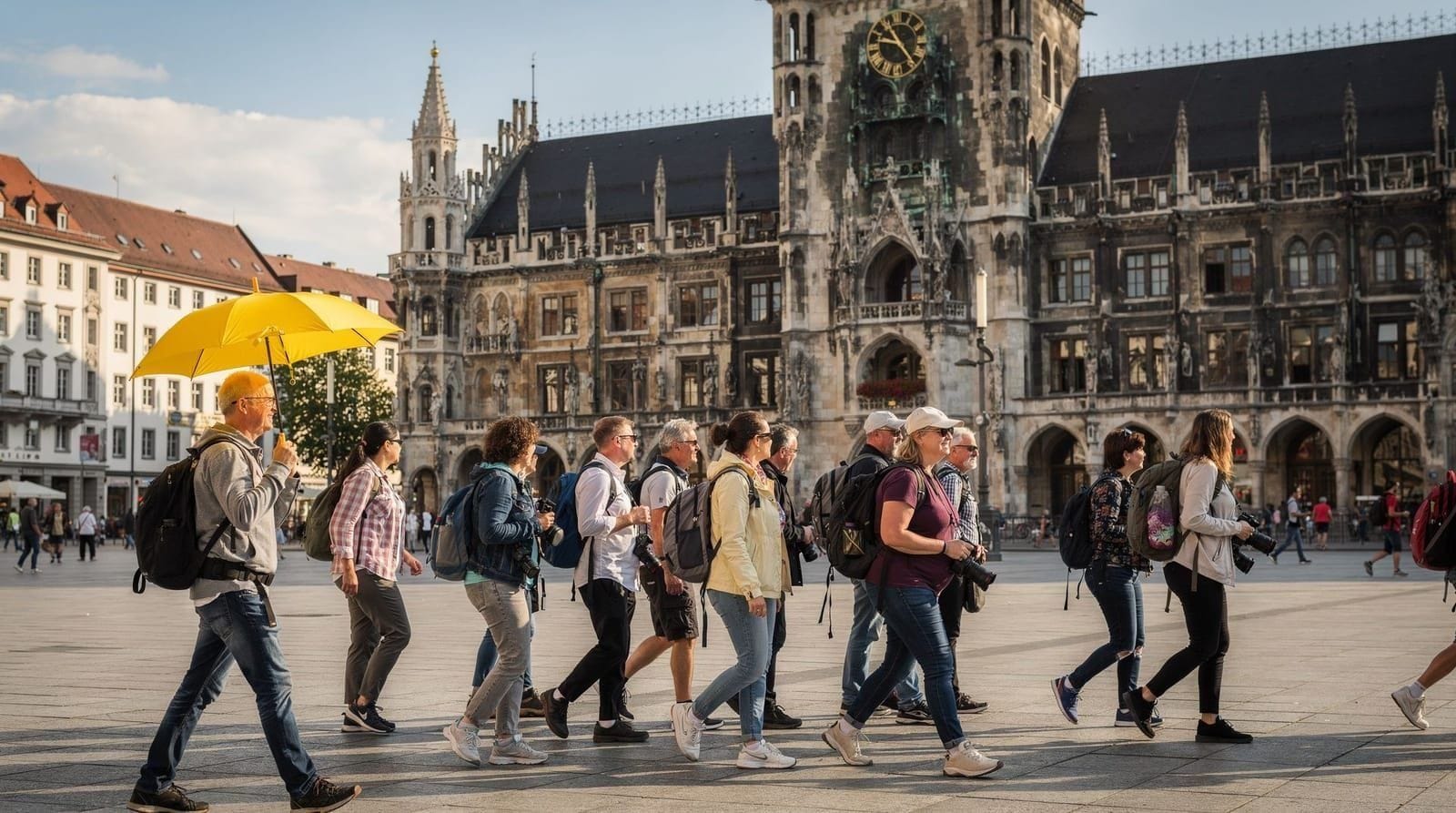
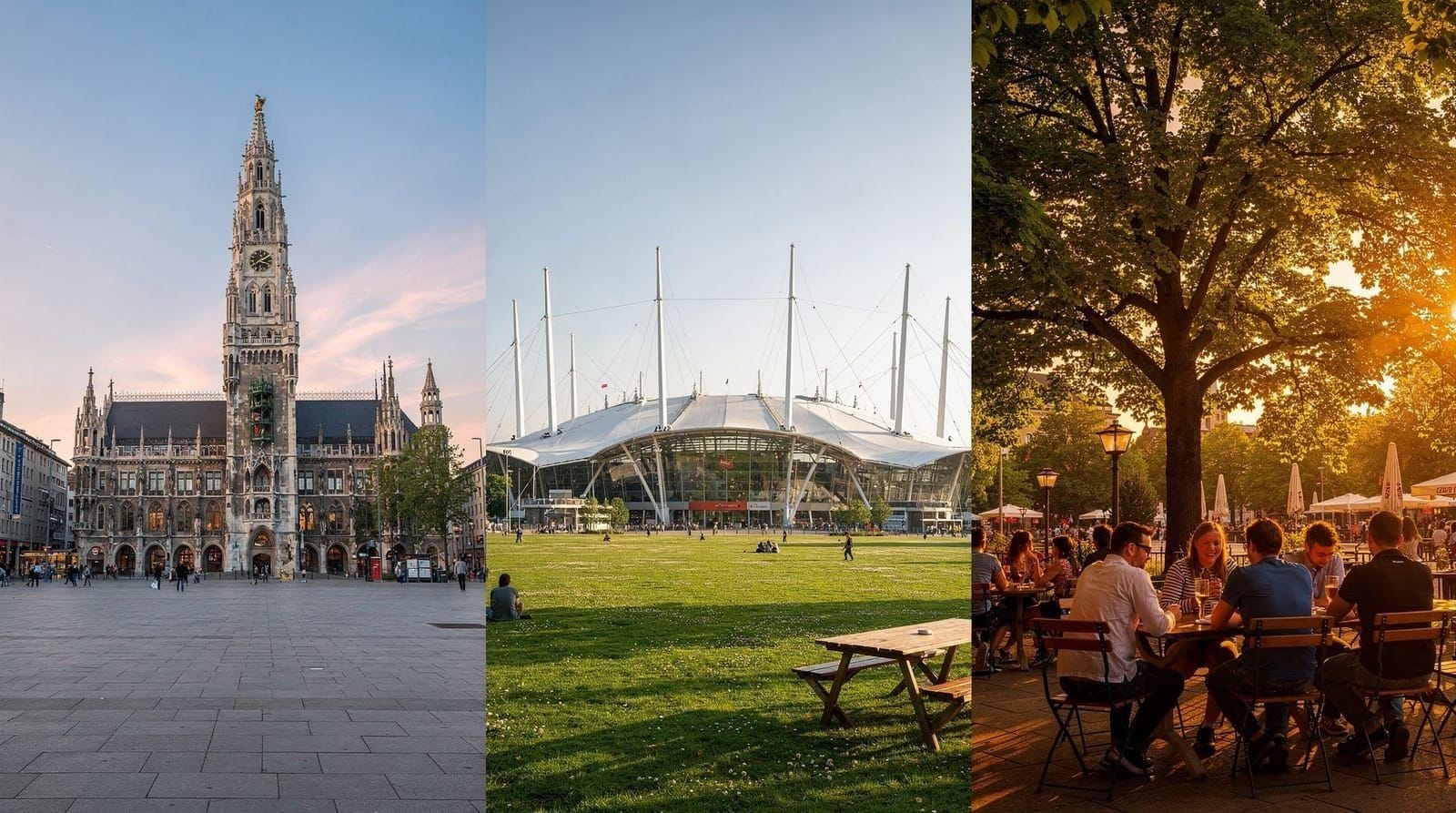
Arrive early to beat the tour groups. Marienplatz is Munich’s beating heart — the golden Mariensäule column at the centre dates to 1638. The Neues Rathaus (New Town Hall) facade is best appreciated before the crowds arrive. At 11:00 and 12:00 the Glockenspiel carillon plays a 10-minute performance re-enacting a 16th-century jousting tournament; if you time your arrival right, you can watch from the square without jostling.
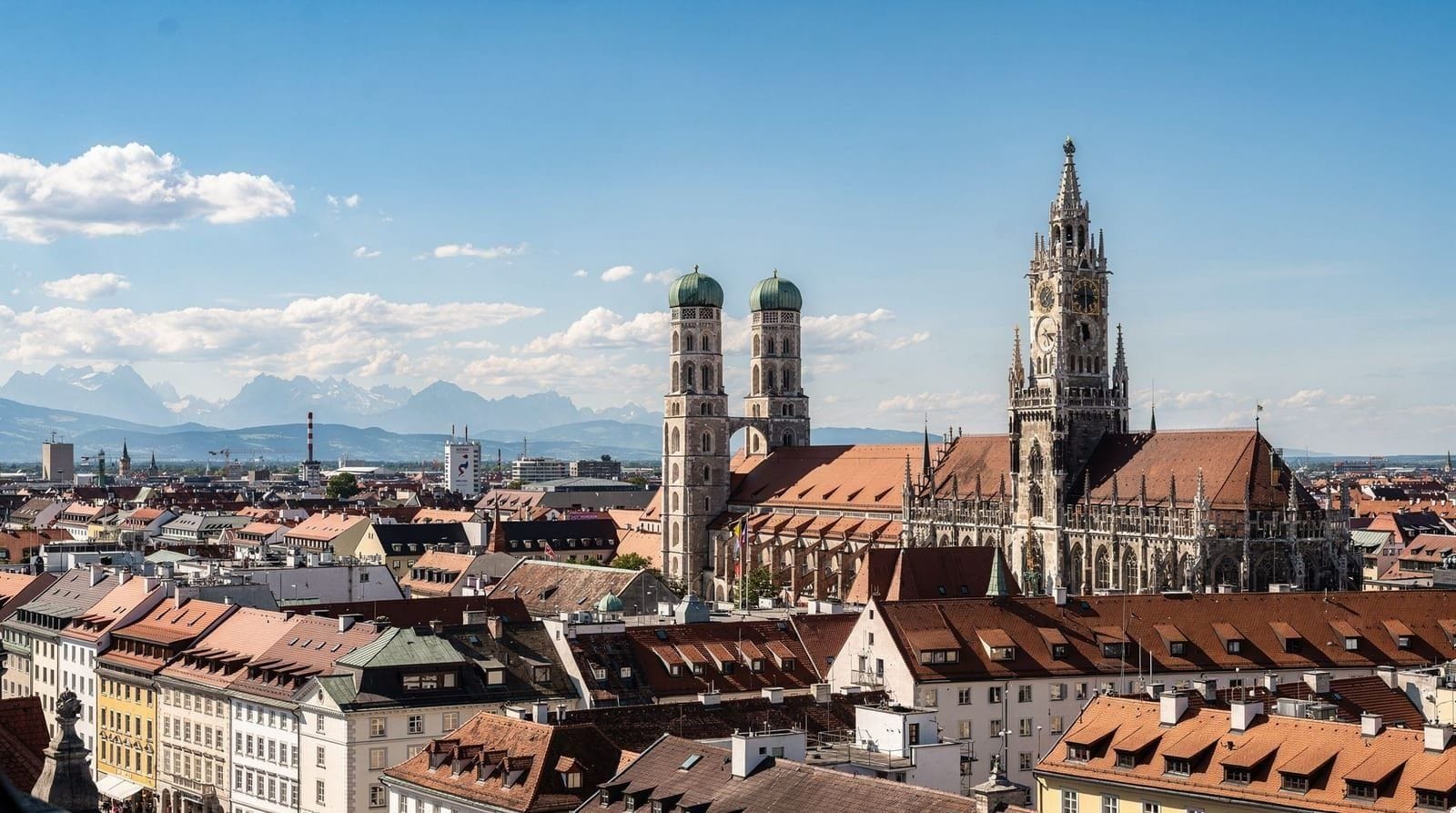
Walk 3 minutes south to the Frauenkirche (Cathedral of Our Lady). Entry is free. The twin onion-domed towers are Munich’s skyline anchor — the city has a building height restriction of 100 metres specifically to preserve the view. Inside, look for the Teufelstritt (Devil’s Footprint), a single black mark near the entrance tied to a local legend about the cathedral’s construction.
09:00 — Viktualienmarkt
Five minutes on foot from Marienplatz. Munich’s daily food market has operated on this site since 1807 and is the best place in Bavaria for a proper breakfast. Stop at one of the butcher stalls for a Weisswurst (the traditional Munich white sausage, eaten before noon only, with sweet mustard and a pretzel). Pair with a Radler (beer cut with lemon soda) if you’re comfortable drinking before noon — Bavarian tradition fully endorses it. Budget: 8-12 EUR per person.
The Viktualienmarkt also has a pleasant beer garden in the centre, open from around 09:00 in good weather. Worth a walk-through even if you don’t eat, as the produce stalls include specialists in Bavarian cheeses, game sausages, and Lebkuchen (gingerbread) year-round.
10:00 — Altstadt walking loop
From the market, walk north on Kaufingerstrasse toward Asam Church (Sendlinger Strasse, free entry), a Baroque masterpiece from 1746 crammed with gilt and fresco. Then continue to the Residenz Palace — if you have the Munich City Pass, the treasure chamber and state rooms are included.
If you don’t have a pass, the Residenz courtyard is free to enter. Residenz Palace skip-the-line tours are available if you want a guided context: Residenz Palace and Hofgarten guided tour
Midday: English Garden and a proper Bavarian lunch
11:30 — Walk to the English Garden
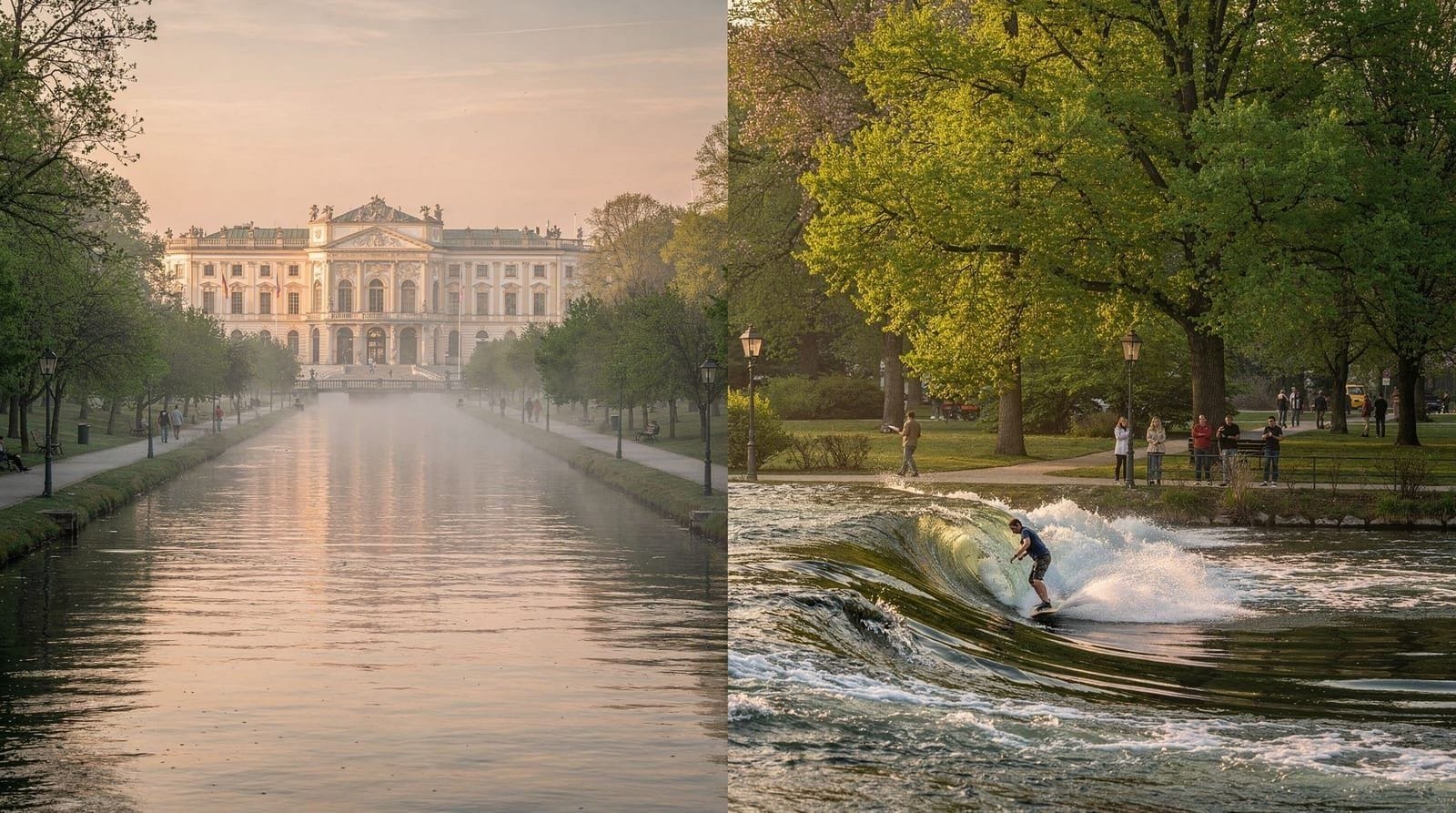
Munich’s Englischer Garten is larger than Central Park in New York (3.7 km long) and arguably the world’s best urban park. From the Residenz, it’s a 15-minute walk northeast. Enter near the Haus der Kunst and head immediately to the Eisbach surfers: a standing wave created by the Eisbach stream where local surfers ride year-round, including in winter. This is a genuinely remarkable sight in the middle of a European city and costs nothing.
12:30 — Lunch: Chinesischer Turm beer garden
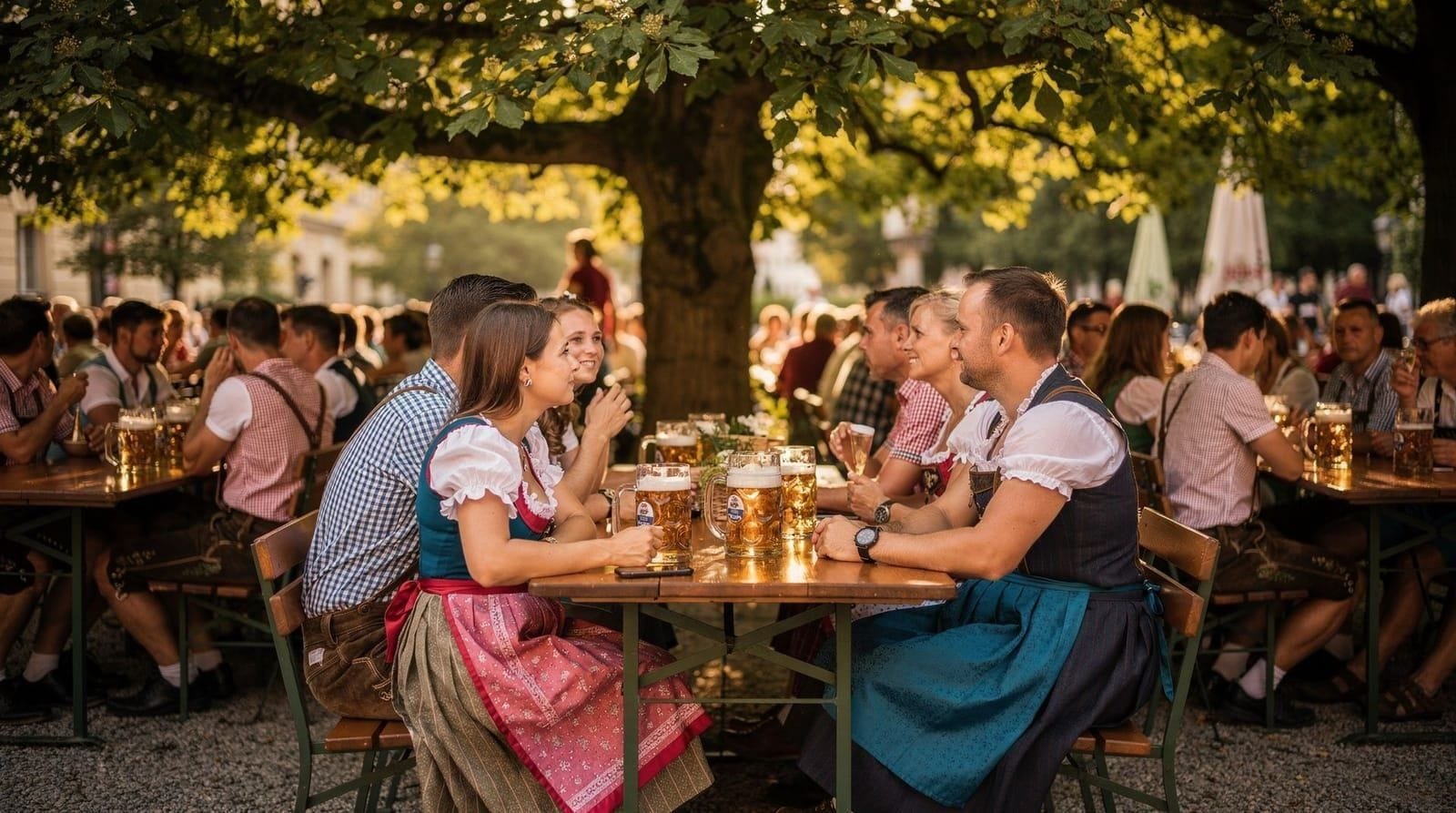
The Chinese Tower beer garden (Chinesischer Turm, U-Bahn: Chinesischer Turm) is Munich’s second-largest, holding 7,000 people. Self-service stands sell Hendl (roasted chicken, 11 EUR), Schäufele (pork shoulder, 14 EUR), and half-litre or one-litre Masskrugs of local beer. Bring your own food if you want to save money — the beer garden operates on a bring-your-own-food policy at unpicnic tables. A mass of Augustiner lager costs 9.50 EUR (2026 prices). This is not a tourist trap: it’s where Munich residents eat lunch on summer days.
For a sit-down alternative, the Augustiner Keller on Arnulfstrasse is the oldest beer hall still run by its original brewery and significantly less crowded than the Hofbräuhaus.
Afternoon: Nymphenburg Palace or BMW Welt
14:00 — Nymphenburg Palace (recommended)
Take Tram 17 from Karlsplatz or Bus 51 from the Hauptbahnhof (main station). Journey: 20 minutes. Nymphenburg Palace (Schloss Nymphenburg) is the summer residence of the Wittelsbach dynasty and set in formal French gardens that stretch 8 km end to end. Entry to the palace proper costs 9 EUR adults, 8 EUR students (2026). The Marstallmuseum (carriage museum) and the porcelain collection are included.
The Nymphenburg Palace gallery contains King Ludwig I’s famous “Gallery of Beauties” — 36 portraits of Munich women he found beautiful, including the notorious Lola Montez. Allow 90 minutes for the palace interior and a circuit of the canal gardens.
Alternatively: BMW Welt and Museum
If you prefer car culture over royal palaces, the BMW Welt (showroom/experience centre, free) and BMW Museum (10 EUR, 2026) are 30 minutes from the city centre by U-Bahn 3 to Olympiazentrum. The adjacent Olympiapark from the 1972 Games offers a tower view (19 EUR) and the unusual Olympic Stadium roof walk. See the BMW Welt and Museum guide for what’s worth your time.
Evening: Hofbräuhaus or Augustiner
17:30 — Return to Altstadt
Walk or take public transport back to the city centre. Munich’s Altstadt lights up at dusk, particularly Marienplatz with the illuminated Rathaus facade.
18:00 — Pre-dinner drinks: Augustiner am Platzl
The Augustiner am Platzl (just off Marienplatz) is quieter and more local than the Hofbräuhaus 50 metres away. Helles lager on tap, 6.40 EUR per half-litre (2026). Good bar snacks — Obatzda (Camembert spread with paprika) and a pretzel is 7 EUR.
19:30 — Dinner at the Hofbräuhaus
The Hofbräuhaus is unavoidably touristy but still serves genuinely good Bavarian food in a genuinely historic building (1589). Schweinshaxe (pork knuckle, 24 EUR), Bratwurst (14 EUR), and Kaiserschmarrn for dessert (12 EUR). Reserve a table online if visiting between May and October — walk-in waits at peak times can exceed 45 minutes. A guided beer hall tour is worth considering: Hofbräuhaus guided evening tour with beer
For a food-focused alternative combining market tastings with a beer hall stop, the food and beer walking tour covers more ground: Munich food and beer walking tour
Practical information
Getting around: Munich’s U-Bahn and S-Bahn network is excellent. A single day ticket (Tageskarte) costs 9 EUR for Zone M (city centre), valid until 06:00 the following morning. Buy from blue MVV machines in any U-Bahn station.
Munich City Pass: Covers 45 attractions including Nymphenburg, the Residenz, Deutsches Museum, and public transport. 1-day pass costs 49 EUR (2026). Worth it if you plan to do 3+ paid entries. Munich City Pass — 45 attractions included
Pocket money guide (2026, per person):
- Weisswurst breakfast: 10-13 EUR
- Lunch at beer garden: 20-30 EUR
- Nymphenburg Palace entry: 9 EUR
- Dinner at Hofbräuhaus: 30-40 EUR
- Total: 70-90 EUR plus transport
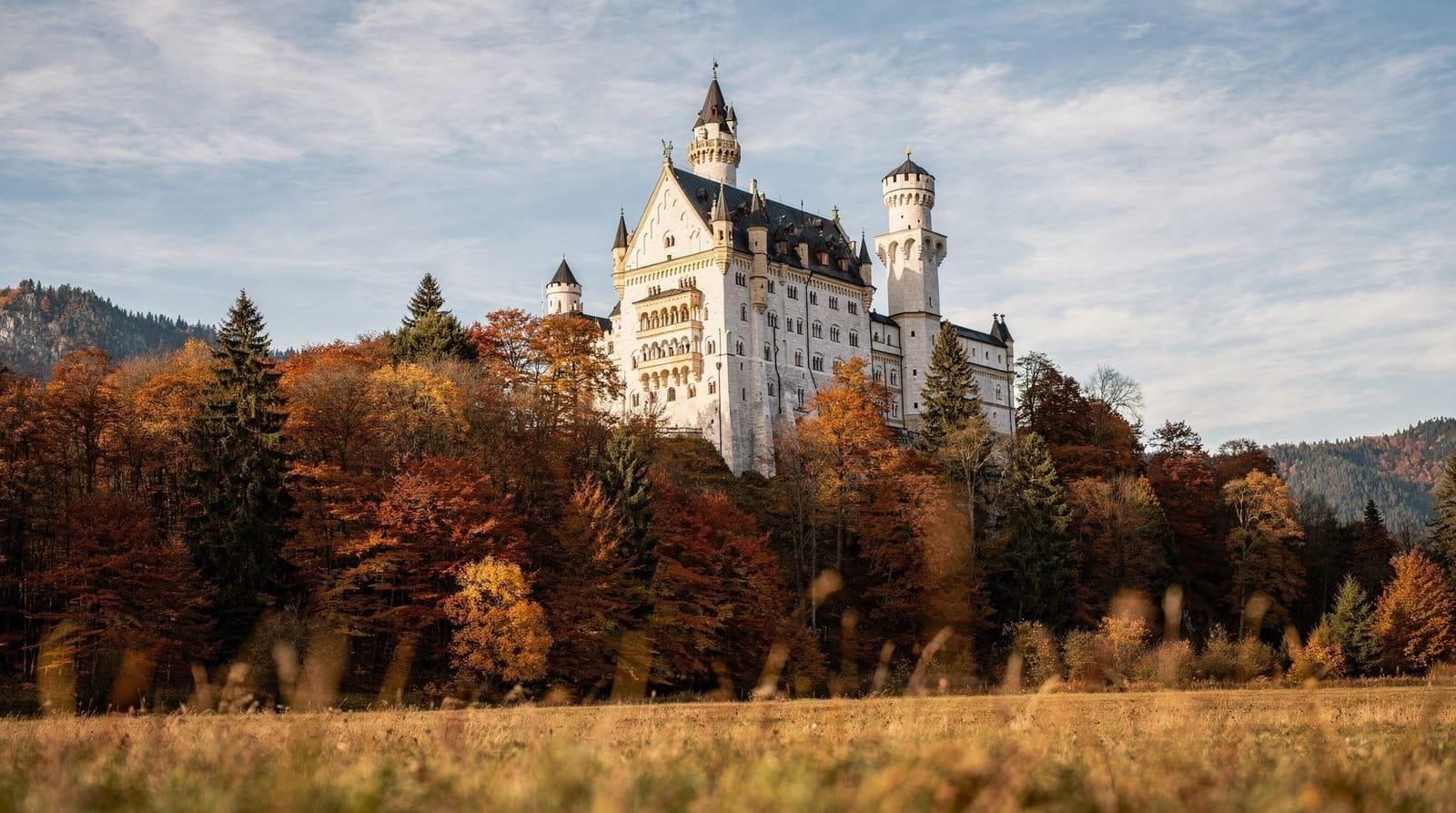
What to skip on 1 day: The Deutsches Museum (needs a full day minimum), day trips to Neuschwanstein (3 hours each way), and Dachau (emotionally heavy — better with more time). Save those for a longer trip.
Tips for getting more out of one day
Start as early as possible: Munich’s main attractions open at 08:00-09:00, and the difference between an 08:00 and 10:00 start is enormous in terms of crowd levels. Marienplatz at 08:00 is peaceful; at 10:30 it is dense with tour groups.
Walking distances are manageable: The core of this itinerary covers approximately 7-9 km on foot. Munich’s Altstadt is laid out logically — Marienplatz is at the centre, with Viktualienmarkt five minutes south, the Residenz five minutes north, and the Frauenkirche three minutes west. You cannot get seriously lost in this area.
Beer hall booking reality check: The Hofbräuhaus does not take same-day reservations for individual tables — they accept group bookings only or walk-in seating. In practice, walk-in seats are almost always available at the bar level and in the beer garden. The indoor hall with reserved tables fills up on Friday and Saturday evenings, but individual travellers can almost always find a shared table. Sharing tables (Gemeinschaftstische) is entirely normal and expected in Munich beer halls.
Oktoberfest timing: If your one-day visit falls during Oktoberfest (usually the last two weeks of September into early October), the Theresienwiese fairground southwest of the Hauptbahnhof is the dominant attraction and changes the character of the city entirely. See the Oktoberfest guide for what to expect. Hofbräuhaus tent reservations during Oktoberfest are booked months in advance — but the grounds themselves are free to enter and wander.
Museums for a half-day visit: If it rains in the morning, the Deutsches Museum is the best single-destination museum for a time-pressed visit — pick one or two sections (aviation hall, or the instruments and planetarium wing) rather than attempting to cover the whole building. Entry 16 EUR (2026). Alternatively, the Lenbachhaus (Kandinsky, Blue Rider movement) takes 90 minutes and is excellent even for non-art specialists. Entry 15 EUR.
Transport on a single day: The MVV day ticket (Tageskarte) covers all public transport in Zone M for 9 EUR. If you only need the Tram 17 for Nymphenburg and return, a 3-strip ticket (Streifenkarte, legacy product) is 7 EUR for two journeys. However, the day ticket is better value if you make any additional journeys. Buy at MVV machines in blue at any S-Bahn or U-Bahn station — machines have an English-language option.
Eating budget tiers:
- Budget traveller (35-50 EUR/day on food): Weisswurst from the market, self-service at the beer garden, Brotzeit plate for dinner (Obatzda, pretzel, radishes — around 10-12 EUR at most beer halls).
- Mid-range (60-90 EUR/day): Sit-down lunch with a beer, a museum snack, and a full Bavarian dinner at the Hofbräuhaus or Augustiner.
- No limits: Vinaigrette at Cafe Luitpold for lunch, Tantris DNA for dinner — Munich has a serious fine-dining scene that punches well above a city of its size.
What Munich’s neighbourhoods actually look like
For a single-day visitor, it’s worth knowing that Munich’s Altstadt (inner city) is only one district of a sprawling, varied city of 1.5 million. The compact tourist circuit covers less than 20% of the places where Munich residents actually spend their time.
Maxvorstadt (northwest of the Altstadt): The university and museum quarter. Wide 19th-century Gründerzeit boulevards, bookshops, independent cafes, and the three Pinakothek galleries. The neoclassical Königsplatz was built by Ludwig I as a German version of the Athenian Acropolis; its two museums are worthwhile. This is a pleasant area to walk through even if you don’t enter any museums.
Schwabing (north of the English Garden): Munich’s traditional bohemian neighbourhood, now largely gentrified but still pleasant. Leopoldstrasse is Munich’s answer to the Champs-Elysées — long, straight, busy with cafes and cyclists. The Münchener Freiheit plaza is the neighbourhood centre and lively on weekend afternoons. The area around Nikolaistrasse has good independent restaurants.
Haidhausen / Au (east of the Isar): The Isar river runs through Munich and the eastern bank has a different, quieter character than the city centre. The Haidhausen neighbourhood is known for its Wiener Platz (a small pedestrian square with morning market) and independent wine bars. The Isar itself is wide and clean enough for summer swimming at the Flaucher area downstream.
Glockenbachviertel (south of the Altstadt): Munich’s historically alternative neighbourhood, smaller and more residential than Berlin’s equivalents. A concentration of LGBTQ+ bars, independent design shops, and good restaurants.
For a visitor spending only one day, this context is useful for understanding that the Altstadt/beer hall circuit is a specific (and genuine) layer of Munich — not the whole city. If you return for a longer visit, each of these neighbourhoods rewards an afternoon.
Honest assessment: what one day actually achieves
One day in Munich is enough to get a strong first impression and taste the city’s most distinctive experiences — a proper beer hall, the English Garden, and the historic architecture around Marienplatz. It is not enough to understand the city’s depth, its relationship with the Alps and Bavarian countryside, or the cultural institutions (Deutsches Museum, the full Residenz, the Pinakothek collection) that make Munich a city worth 5-7 days.
Temper the instinct to over-schedule. One satisfying beer garden lunch, a 90-minute palace visit, and a genuine evening in a beer hall with time to sit and talk is a better use of one day than a rushed sprint through 10 check-boxes. Munich rewards slowing down.
If you’re passing through Munich with only one day on your way to Neuschwanstein, Salzburg, or the Alps — the 2-day Munich itinerary with the rest of Bavaria is a much more satisfying base plan. Even adding 24 hours changes the experience significantly.
Nymphenburg or BMW Welt: choosing your afternoon
This itinerary recommends Nymphenburg as the default afternoon stop, but the choice genuinely depends on what you value. Neither is objectively “better” — they serve different interests.
| Nymphenburg Palace | BMW Welt and Museum | |
|---|---|---|
| Best for | royal history, gardens, architecture | car culture, families, modern design |
| Cost (2026) | 9 EUR palace entry | free showroom, 10 EUR museum |
| Time needed | 90 minutes | 60-90 minutes |
| Getting there | Tram 17 or Bus 51, 20 minutes | U-Bahn 3 to Olympiazentrum |
| Combine with | canal garden walk, porcelain museum | Olympiapark tower, Olympic Stadium |
If you’re travelling with children who have limited patience for palace interiors, BMW Welt’s interactive displays and the adjacent Olympiapark generally hold attention better. See the BMW Welt and Museum guide and the Nymphenburg Palace guide for the full detail on each before deciding.
If one day turns out not to be enough
Most first-time visitors underestimate how much of Munich a single day leaves untouched. If your plans have any flexibility, even a half-day extra changes what’s realistic — the how many days in Munich guide breaks down what each additional day actually buys you, and the Munich itinerary ideas guide compares the full range of pacing options, from this 1-day sprint to a full week. For a middle-ground option that still fits a long weekend, the Munich in 2 days itinerary adds Dachau Memorial or a proper museum afternoon without requiring you to give up a full week. If castles are the priority rather than more city time, the 3-day Munich castles itinerary folds in Neuschwanstein without abandoning the Altstadt basics covered here.
For getting oriented on public transport beyond the single Tram 17 ride this itinerary requires, the getting around Munich guide is worth a five-minute read before you land — Munich’s U-Bahn and S-Bahn system is intuitive but unfamiliar systems always cost first-time visitors a few extra minutes.
Rainy-day contingency for a one-day visit
Munich’s weather is genuinely unpredictable, and a single day gives you no flexibility to simply wait out a wet morning. If rain sets in during the Marienplatz-to-Viktualienmarkt walk, the plan barely changes — both are short outdoor stretches between covered options. The bigger risk is the English Garden and Nymphenburg gardens, which lose most of their appeal in a downpour. In that case, swap the English Garden lunch for a sit-down meal in the Altstadt, and replace the Nymphenburg garden walk with the interior-only visit (still worthwhile, just shorter) or pivot entirely to an indoor afternoon at the Deutsches Museum or the Residenz state rooms, both fully covered. See the rainy day Munich guide for a fuller list of wet-weather options if the forecast looks genuinely bad before you commit to this itinerary.
Frequently asked questions about this itinerary
Is one day in Munich enough?
One day covers the essentials — Marienplatz, a beer hall, English Garden, and one major attraction. You won’t see Neuschwanstein, Dachau, or the full museum district in a single day. If possible, even two days makes a significant difference. See the 2-day Munich itinerary for a fuller picture.
Which beer hall should I go to on my first visit?
The Hofbräuhaus is the most famous and genuinely worth experiencing once, despite the crowds. If you want a less touristy evening, Augustiner am Platzl, Augustiner Keller (Arnulfstrasse), or Löwenbräukeller are all respected alternatives used by local Munichoises.
Do I need to book Nymphenburg Palace in advance?
Outside of peak summer (July-August) and Oktoberfest, walk-in tickets are usually available. In peak season, booking online (15-20 minutes ahead on the official Bayern site) avoids occasional queues at the ticket desk.
How do I get from Munich Airport to the city centre?
S-Bahn lines S1 and S8 run every 10 minutes from both terminals to Munich Hauptbahnhof. Journey time: 40-45 minutes. Cost: 13.60 EUR with a valid zone-extending ticket, or covered by the Airport-City Day Ticket (17.50 EUR, 2026). The Munich airport to city guide has full details.
Is the Glockenspiel worth waiting for?
The Glockenspiel performance (11:00, 12:00, and 17:00 in summer) is a Munich institution and takes 10 minutes. It’s worth seeing once, but the figures are small and the music tinny — temper expectations. Being in the square at 11:00 during your market visit is efficient timing.
What should I wear for a beer hall dinner?
Munich beer halls have no dress code. Smart casual is fine. Lederhosen and Dirndl are welcomed but never expected from visitors outside Oktoberfest season.
Can I walk everywhere on this itinerary?
The morning section (Marienplatz, Frauenkirche, Viktualienmarkt, Altstadt, English Garden) is entirely walkable. Nymphenburg requires Tram 17 or Bus 51 (25 minutes). Return to Altstadt for dinner is the same route in reverse.
Top experiences
Bookable activities with verified prices and instant confirmation on GetYourGuide.