Munich in summer — beer gardens, lakes, long days and what to do
Munich: bike tour with beer garden break
When is the best time to visit Munich in summer?
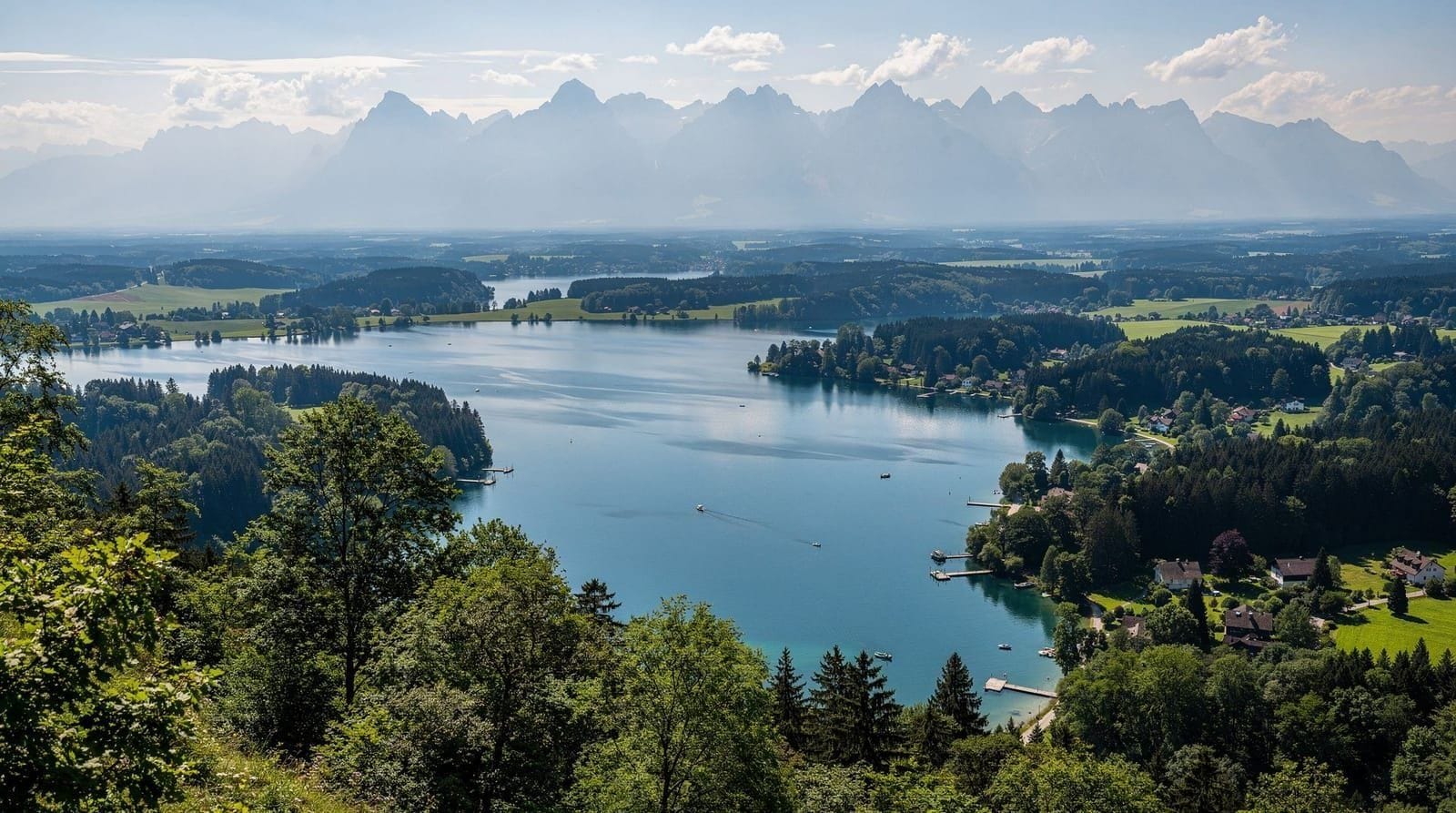
June and early September offer the best combination of warm weather, long days, and manageable crowds. July and August are peak season — beer gardens are at their best but accommodation is expensive and popular sites are crowded. The English Garden, Isar riverbanks, and surrounding Bavarian lakes all reward a summer visit. Starnberger See is 30 minutes by S-Bahn; Tegernsee is 45 minutes.
Summer in Munich: why locals consider it the city’s finest season
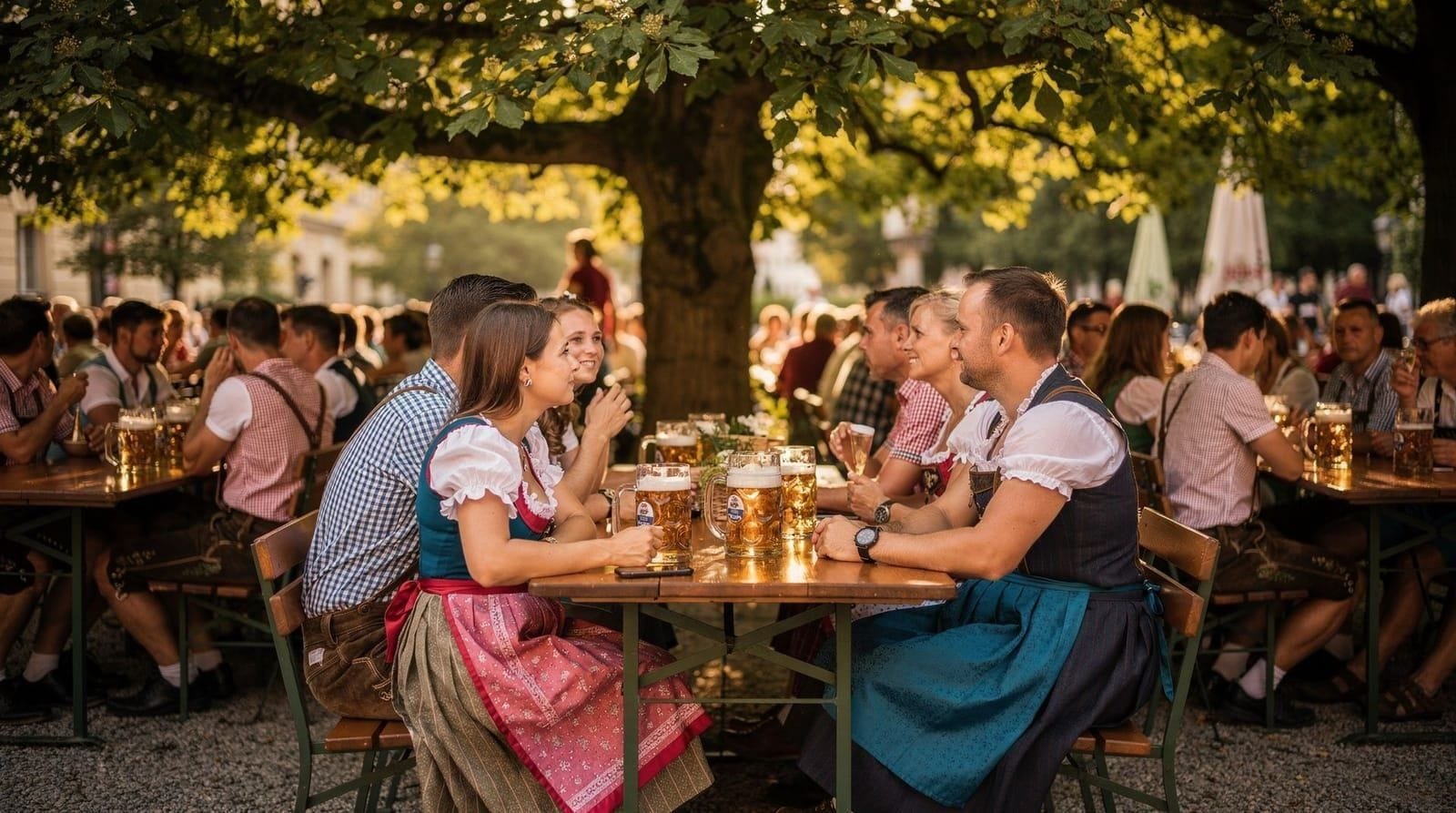
From late May through September, Munich undergoes a transformation that residents wait for all winter. The beer gardens fill up by noon on any warm day — not with tourists, but with office workers, families, students, and elderly Bavarians who have been coming to the same table under the same chestnut tree for decades. The Isar river turns into a long, warm social space where people sunbathe on gravel banks and float downstream on inflatable rafts. The Alps are a visible backdrop to the south, sharp against blue sky. And the long evenings — sunset after 9pm in June and July — stretch a summer day into something that feels genuinely luxurious.
This guide covers the essential summer experiences in Munich and the surrounding region: beer gardens, lakes, day trips, outdoor culture, and practical logistics.
| Best months | June and early September |
| Weather | Warm, 20–28°C, occasional afternoon storms |
| Beer garden Maß | Around €9.50–12 |
| Sunset | After 9pm in June–July |
| Book ahead | Neuschwanstein tickets, central accommodation |
Month-by-month: what summer actually looks like
| Month | Weather | Crowds | Highlights |
|---|---|---|---|
| June | Warm, long days, occasional rain | Moderate | Beer gardens open fully, Tollwood begins |
| July | Hottest, driest | Peak | Best lake swimming, longest evenings |
| August | Hot, some thunderstorms | Peak | Beer gardens at their fullest, book castles early |
| September (early) | Still warm, cooling evenings | High, rising toward Oktoberfest | Last lake swims, harvest asparagus gone, apple season begins |
Beer gardens: Munich’s defining summer institution
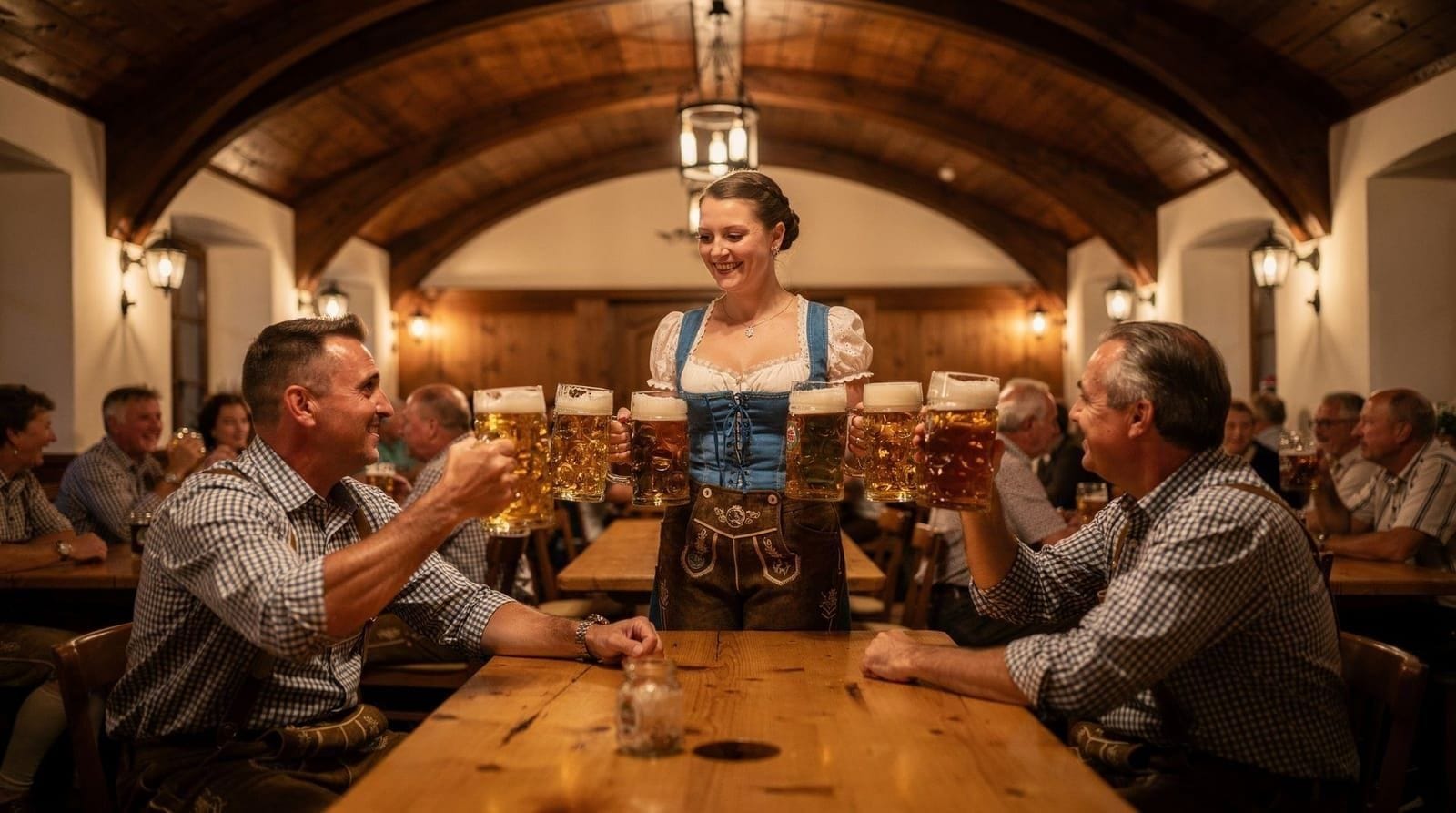
Munich has around 100 beer gardens across the city and suburbs. The best are old, vast, shaded by ancient chestnut trees, and serve beer from wooden barrels. The Bavarian legal right to bring your own food (as long as you purchase drinks from the garden) dates to 1812 and still applies at all traditional self-service (Selbstbedienung) sections.
Augustiner-Keller on Arnulfstraße 52 is the locals’ choice. Around 5,000 seats under old chestnuts, Augustiner beer from the barrel (a Maß costs approximately €9.50–10.50 in 2026), and a genuinely mixed crowd. Getting there: U1 Stiglmaierplatz or a 10-minute walk from Hauptbahnhof. The kitchen serves solid Bavarian food — Hendl, Steckerlfisch, Obatzda — but you can also bring your own provisions.
Hirschgarten in Nymphenburg is Munich’s largest beer garden — 8,000 seats, a deer enclosure that children love, and slightly cheaper Maß prices than the city-centre gardens. It draws families and the western-Munich crowd. Getting there: U2 Rotkreuzplatz then tram 12.
Chinesischer Turm in the English Garden is the most famous — a five-storey wooden pagoda with a brass band playing on summer weekends, extremely good atmosphere, but noticeably more tourists than the others. A Maß runs €10.50–11.50. Go on a weekday afternoon for the most pleasant experience.
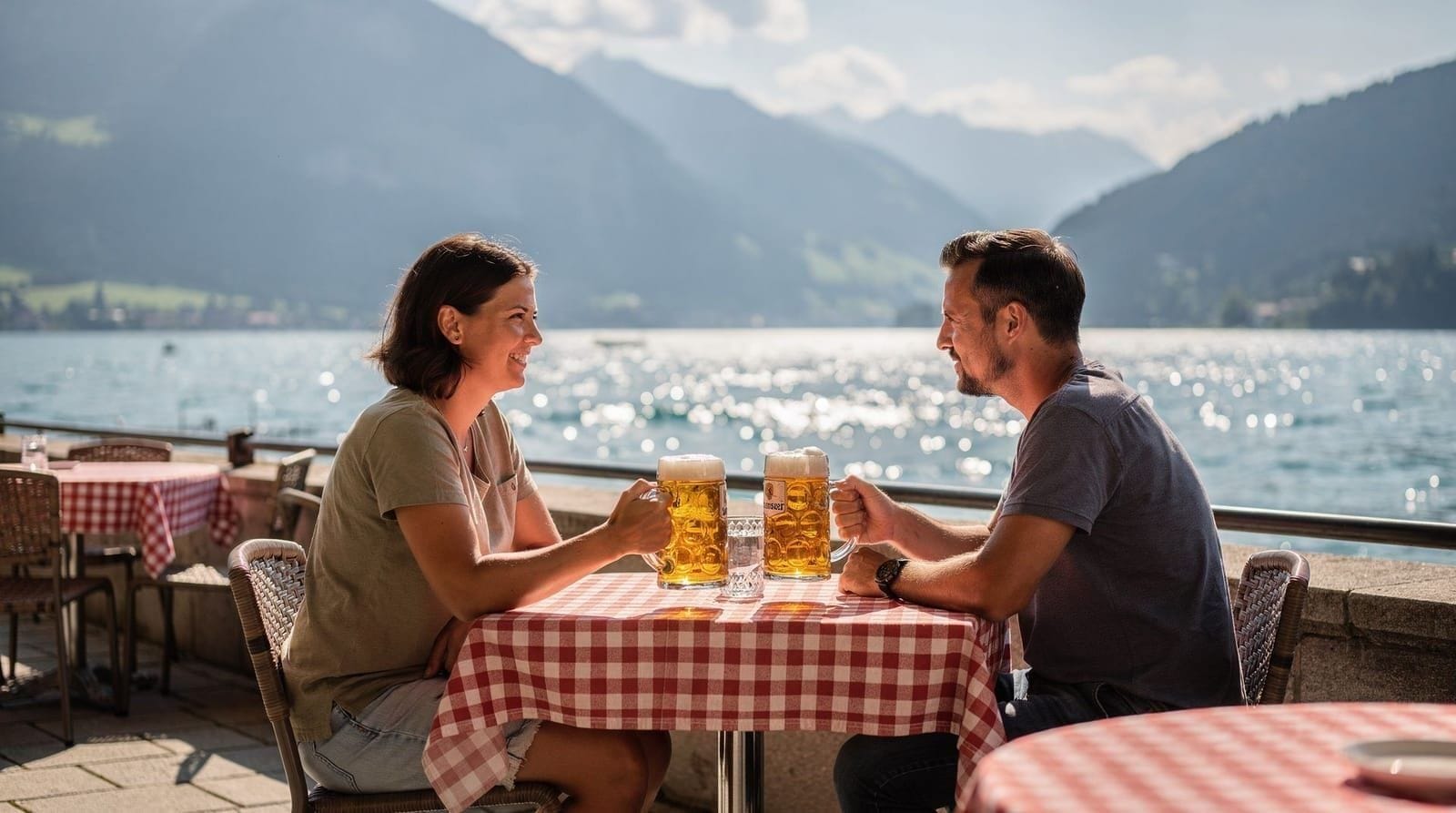
Seehaus im Englischen Garten next to the Kleinhesseloher See lake is the most scenic option — a lakeside setting with paddle boats on the water and a gorgeous view. It is also the most expensive at around €11.50–12 per Maß in the restaurant section. Worth it once.
For a full ranking and practical details on each garden, see the best beer gardens in Munich guide.
A Munich bike tour with a beer garden stop combines two summer essentials efficiently — the guide takes you through the English Garden and city to one of the major gardens, and the rental is included.
The English Garden: Munich’s outdoor living room
The Englischer Garten is 3.7km long and 1.5km wide — larger than Central Park or Hyde Park. In summer it becomes Munich’s primary outdoor space and is best understood as a place where the entire city spends its leisure time simultaneously.
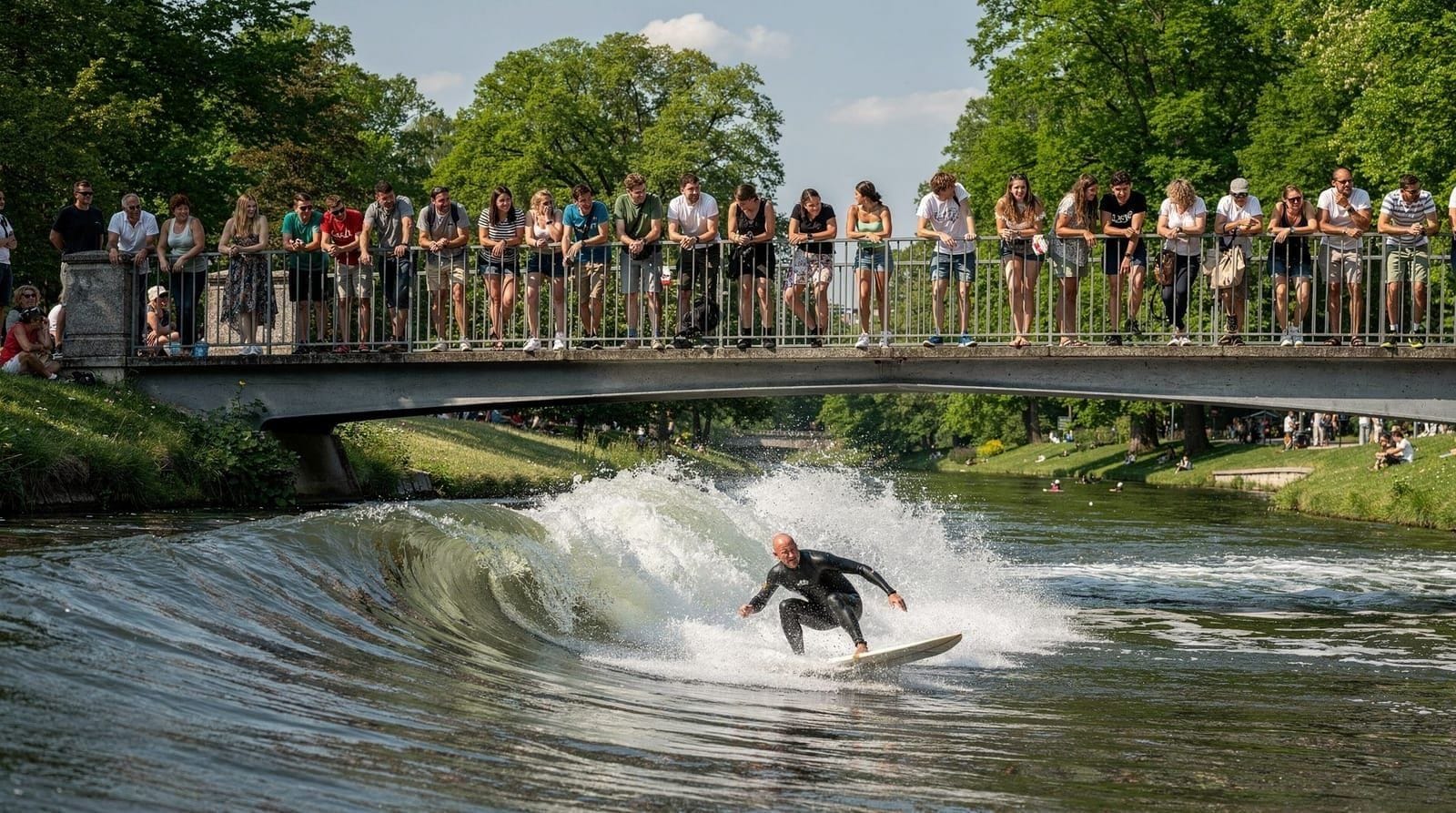
Eisbach surfing happens at the stone bridge between Prinzregentenstraße and the Haus der Kunst. A standing wave created by water flowing through a channel produces one of the world’s only urban river surf spots. Surfers queue — sometimes 20–30 deep — for short turns. Watching is free and entirely absorbing.
Kleinhesseloher See at the north end of the garden is a small lake with paddle boat rental (around €8–10 for 30 minutes). The boats are old and slightly leaky but the lake is beautiful on a clear afternoon. The surrounding meadow is an unofficial sunbathing spot that fills up on any warm weekend.
Monopteros hill gives the best view of Munich’s skyline over the rooftop of the trees — worth a 10-minute walk for a photo. The small Greek temple at the top was built in 1838 and is much photographed.
The garden is free to enter and fully open at all hours. Getting there: U3/U6 Münchner Freiheit (north section), U4/U5 Lehel (south section near the Eisbach). Bicycles are allowed on paths away from the main pedestrian areas.
For more detail on the English Garden’s specific sections and how to navigate it, see the English Garden guide and the English Garden nature guide.
Tollwood Sommerfestival: Munich’s alternative summer event
Tollwood runs its summer festival in Olympiapark each year in June and July for approximately three weeks. The format is consistent: an open-air marketplace with food stalls representing a dozen cuisines, craft vendors, a small animals and activities section, and separate ticketed concert and theatre stages.
The food is genuinely good — better and more varied than standard German festival food. Expect Ethiopian injera, Thai noodles, Bavarian organic produce, wood-fired pizza, and international street food alongside excellent Glühwein substitutes like cold punch cocktails. Entry to the market grounds is free; you pay for food and drink at each stall. Prices are mid-range rather than cheap — budget €15–25 for a full meal and a couple of drinks.
The concert programme mixes world music, jazz, electronic, and spoken word acts. Major international artists book the larger stage; smaller stages have free or low-cost performances throughout the day. Check the Tollwood website for 2026 specific dates and lineups — they typically open for tickets in spring.
Getting there: U3 Olympiazentrum, a 5-minute walk to the park entrance.
Lake day trips: the easy summer escape from Munich
The Bayern-Ticket makes lake day trips inexpensive and straightforward. From €29 for up to 5 people on a single day, it covers all regional trains and city public transport.
Starnberger See is 30 minutes south of Munich on the S6. The lake is 21km long and used by sailing clubs, swimmers, and cyclists. Berg village on the eastern shore is accessible by ferry and has a memorial to King Ludwig II who drowned here in 1886. Starnberg town itself has cafes, a waterfront walk, and swimming spots. Water temperature reaches 22°C in July.
Tegernsee is 45 minutes by BOB train from Munich Hauptbahnhof. The Tegernseebahn from Holzkirchen runs to Tegernsee village. The lake is encircled by mountains and has a more Alpine character than Starnberger See. The monastery brewery in Tegernsee village has one of Bavaria’s most scenic beer gardens, directly on the lake. Day visitors can swim from the public Strandbad Tegernsee (entry around €5). For more detail see the Tegernsee day trip guide.
Ammersee is 45 minutes west on the S8. Quieter than Starnberger See, with a long cycle path around the lake and boat trips. Herrsching at the southern end is the most attractive village. The Andechs monastery brewery sits on a hill 7km from Herrsching — reachable on foot, by bike, or by bus — and has one of Bavaria’s finest beer gardens with a panoramic view. See the Munich lakes guide for a full comparison.
Castle and Alpine day trips in summer
Summer is the peak season for Bavarian castle and alpine day trips, which means planning ahead matters.
Neuschwanstein Castle requires timed entry tickets booked in advance from the official Schlösserverwaltung website. In July and August, same-day tickets frequently sell out before 9am. Book at least 2–3 weeks ahead. The castle tour lasts 35 minutes inside; allow a full day to include the Marienbrücke bridge view and the walk up. See the Munich to Neuschwanstein day trip guide for logistics.
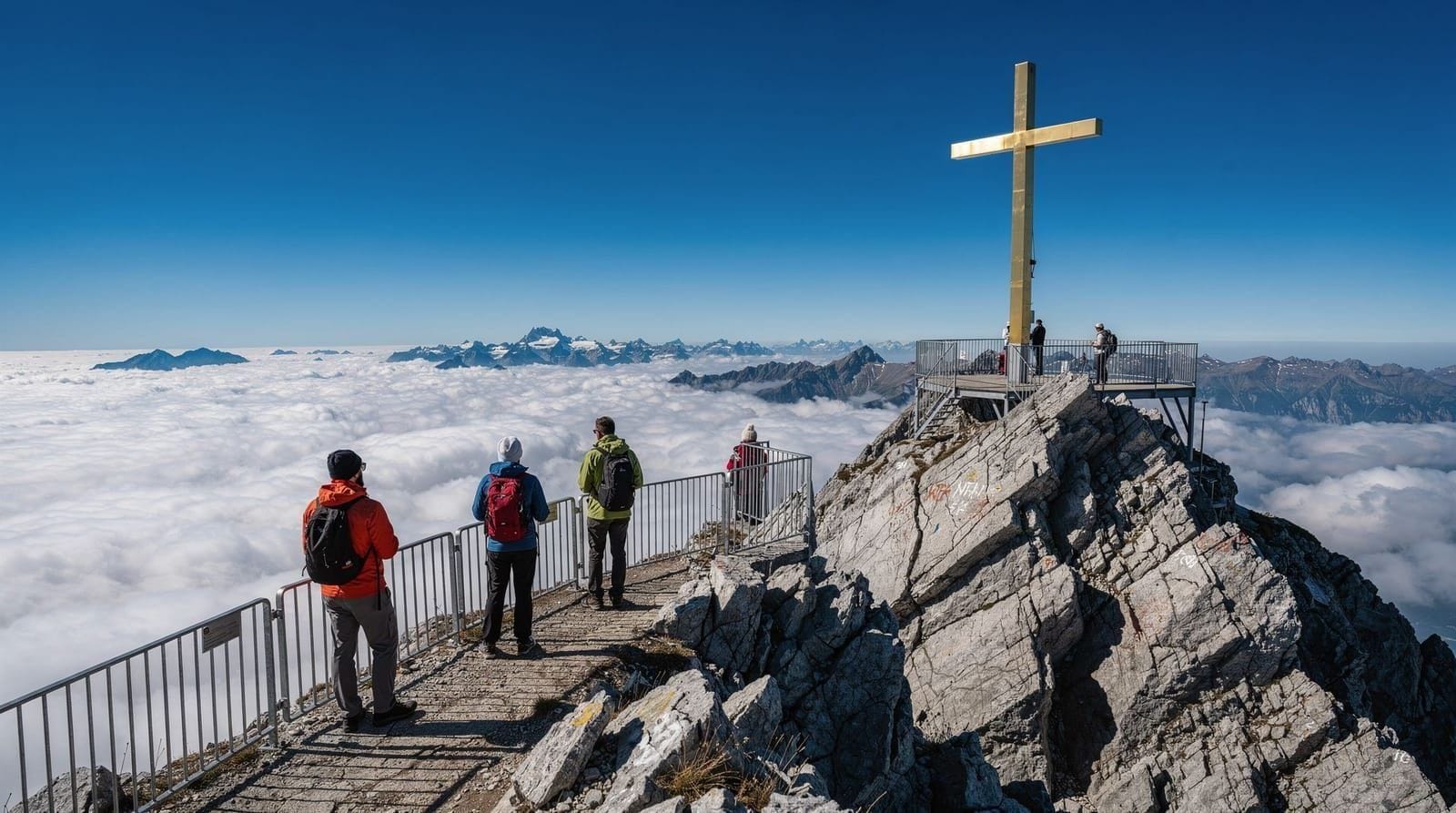
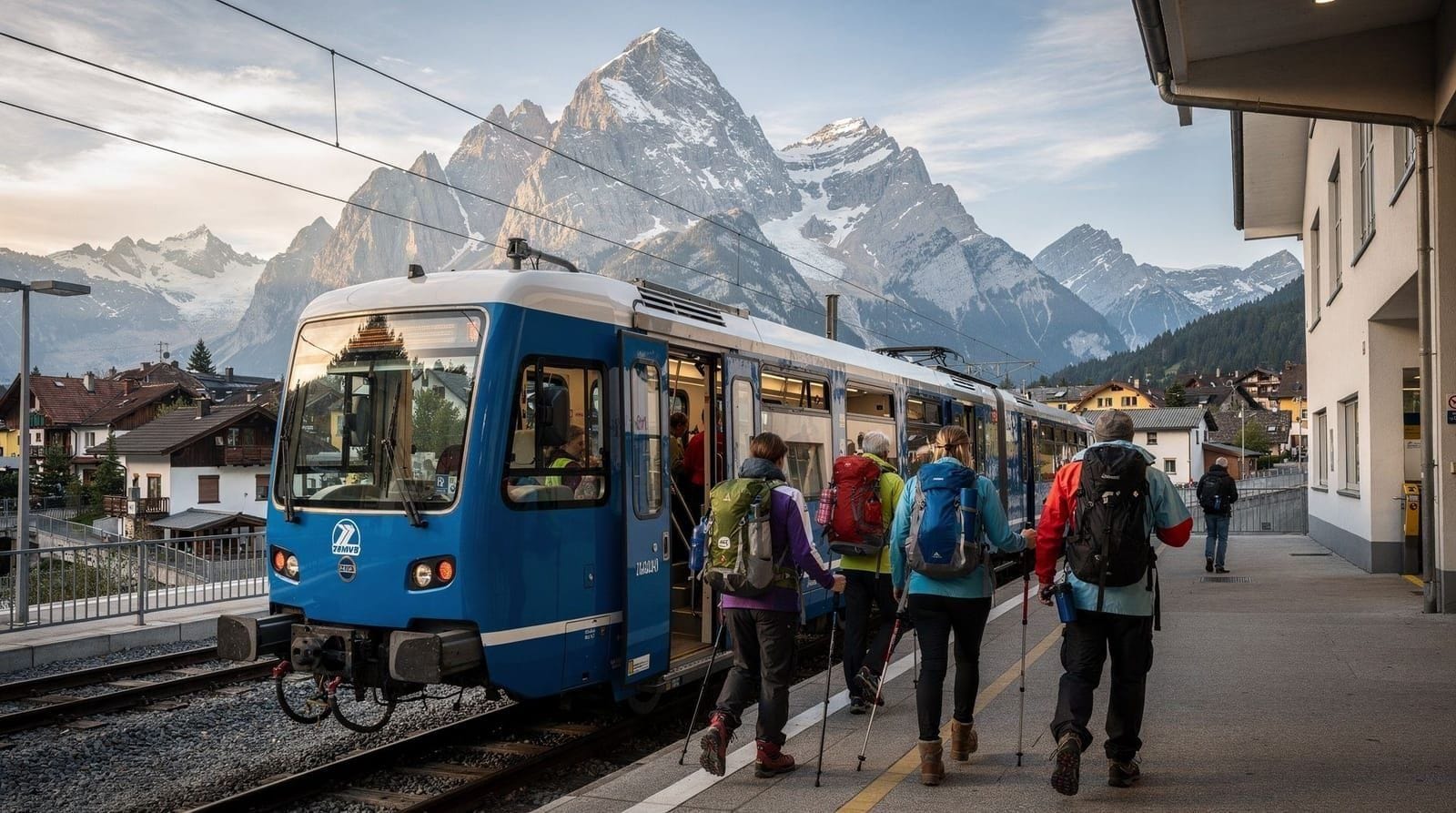
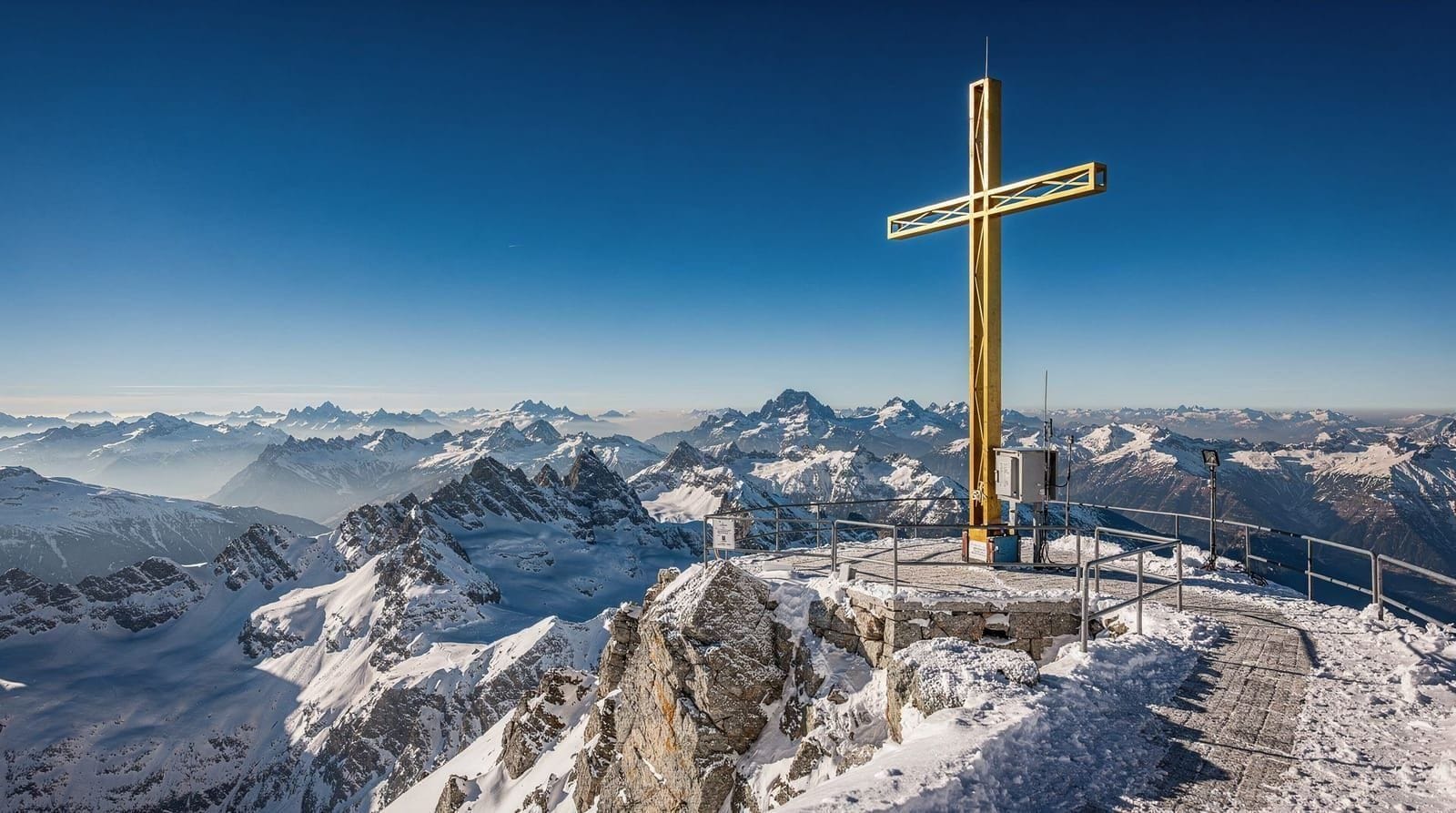
Zugspitze summit at 2,962m is accessible by cogwheel train from Garmisch (journey time approximately 1 hour 20 minutes from the valley) or by cable car from Eibsee. The summit temperature is around 10–12°C even in summer — bring a warm layer. A round trip including cogwheel train and cable car costs approximately €69 in 2026. See the Zugspitze day trip guide for full details.
Garmisch-Partenkirchen for hiking rather than skiing — the Partnach Gorge (Partnachklamm) is a spectacular 700m gorge walk, and the surrounding trails range from flat valley walks to serious mountain hikes. See the Garmisch hiking guide and Partnach Gorge guide.
A guided day trip covering Neuschwanstein and Linderhof solves the booking logistics and includes transport, which is genuinely useful in peak summer when the public bus and train connections to Neuschwanstein are crowded.
Cycling in summer — Munich’s other great outdoor activity
Munich’s flat terrain and extensive cycle-lane network make summer the best season to explore the city by bike rather than U-Bahn. The Isar riverside path runs continuously from the southern suburbs through the city centre to the northern edge, making a genuinely scenic long ride possible without leaving dedicated cycling infrastructure.
City routes. The English Garden has dedicated cycling paths separate from the main pedestrian areas — a full loop of the northern and southern sections is roughly 12 km. The Isar cycle path from Thalkirchen (Flaucher) north to the Deutsches Museum is a pleasant 8 km stretch with river views throughout.
Rental options. MVG Rad, the city’s bike-share scheme, has stations throughout the centre and costs around €1 per 30 minutes with a free first 30 minutes for MVV pass holders. Dedicated rental shops near the Hauptbahnhof and in Schwabing offer full-day hire from €15–20, better value for a half-day or full-day outing. See the Munich bike rental guide for specific shop recommendations.
Combining cycling with a beer garden. Several of the best summer afternoons in Munich combine a ride with a beer garden stop — Hirschgarten and the Nymphenburg canal path, or the Isar path down to the Flaucher gravel banks, both work well as a 90-minute ride each way with a long beer garden break in between.
Practical summer logistics
Accommodation: July and August are the most expensive months. Book at least 8–10 weeks ahead for anything central. The area around Hauptbahnhof has dense hotel options at varying prices; Schwabing and Maxvorstadt are quieter alternatives within easy U-Bahn reach of the sights.
Transport: The Bayern-Ticket is essential for day trips. Within Munich, the IsarCard or CityTicket covers U-Bahn, S-Bahn, trams, and buses for a day (around €9 single, €18–22 for a day ticket). Cycling is excellent — Munich has an extensive network of dedicated lanes and the English Garden is partially cycle-accessible. See the Munich bike rental guide for where to hire.
Beer garden practicalities: The self-service section (Selbstbedienung) at traditional gardens allows you to bring your own food — look for the area without table service. Order beer (and soft drinks) from the garden. You will need cash at some gardens; card acceptance has improved but is not universal. A Maß is exactly one litre — one is plenty for most visitors before eating.
Heatwave preparedness: When temperatures exceed 30°C (not rare in July and August), seek shade during the 1–4pm block. The Deutsches Museum, the Pinakotheks, and the BMW Museum are all air-conditioned. The underground U-Bahn stations are cool. The beer gardens under chestnut trees are genuinely cooler than the street.
Oktoberfest overlap: Oktoberfest 2026 begins Saturday 19 September and ends Sunday 4 October. If your summer trip extends into mid-to-late September, be aware that the week before Oktoberfest sees accommodation prices spike and the city grows busier than its summer peak. See the Munich autumn and Oktoberfest season guide for specific Oktoberfest planning.
Frequently asked questions about Munich in summer
What is the best month to visit Munich in summer?
June is generally the sweet spot — warm, long days, beer gardens fully open, no autumn crowds, and accommodation prices not yet at peak-August levels. September is excellent for the same reasons plus the benefit of Oktoberfest if that is of interest.
Can you swim in the Isar river in Munich?
Yes, at designated spots. Flaucher near Thalkirchen (take the U3 to Thalkirchen, then a short walk) is the most popular official swimming area on the Isar. The current is strong and the water is cold even in July — around 15–18°C — but locals swim there regularly. Children should be supervised carefully. There are gravel banks for sunbathing and a small restaurant at Flaucher.
Is Munich expensive in summer?
Mid-range to expensive. Hotel rooms average €120–180 per night in July and August in the centre. Beer garden Maß is €9.50–11.50 depending on the garden. A sit-down restaurant main course runs €14–25. The major savings levers are the Munich museums pass, the Bayern-Ticket for day trips, and self-service beer garden sections where you bring your own food. See the Munich budget guide for a full breakdown.
Are the major attractions open in summer?
Yes, all of them. Neuschwanstein, Nymphenburg Palace, the Pinakotheks, Deutsches Museum, BMW Welt, Hellabrunn Zoo — all operate normal or extended summer hours. The key constraint is that Neuschwanstein requires pre-booked timed entry tickets, which sell out in July and August.
How do I get to the beer gardens from the city centre?
Augustiner-Keller: 10-minute walk from Hauptbahnhof or U1 Stiglmaierplatz. Hirschgarten: U2 Rotkreuzplatz then tram 12. Chinesischer Turm and Seehaus: U3/U6 Münchner Freiheit or walk through the English Garden from Lehel. Viktualienmarkt beer garden: 5-minute walk from Marienplatz.
What is the Tollwood Sommerfestival?
Tollwood is Munich’s largest open-air cultural festival, held in Olympiapark for three weeks in June–July. The food market section is free to enter and features excellent international street food. Separate concert and theatre events have ticketed stages. It is a distinctly Munich alternative to the more traditional beer hall and tourist-circuit attractions.
Can I see the Alps from Munich in summer?
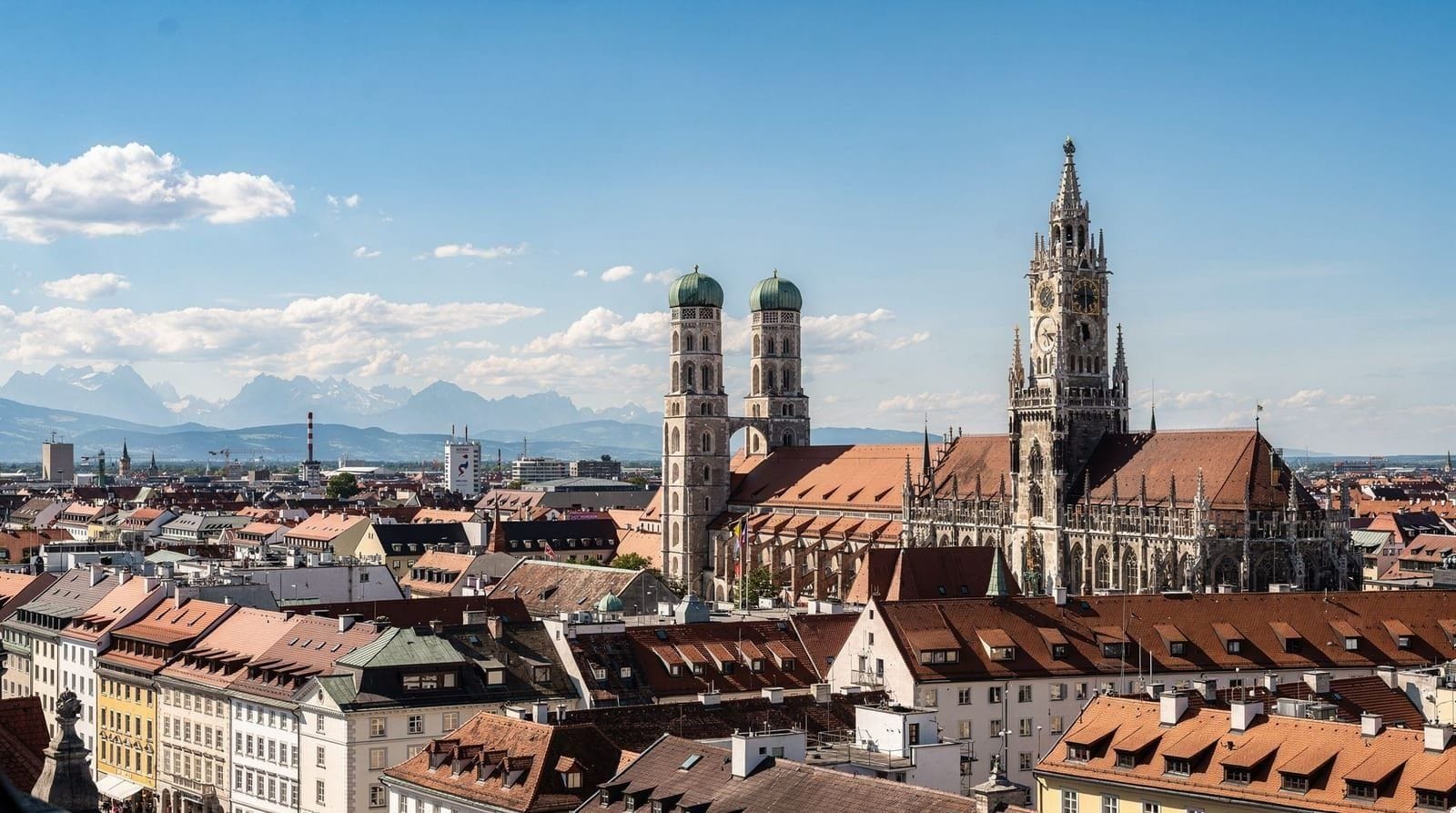
On clear days yes — particularly in the morning before afternoon heat haze builds. The English Garden, Olympiaberg hill, and the upper terrace of the Deutsches Museum all offer views south towards the Alps on days with good visibility. The Zugspitze at 2,962m is identifiable on the clearest days.
Is Munich in summer good for cycling?
Yes — the city’s flat terrain, extensive dedicated cycle lanes and long daylight hours make summer the best season for exploring by bike. The Isar riverside path and the English Garden’s cycling routes are the standout options, and bike hire is inexpensive via MVG Rad or dedicated rental shops. See the Munich bike tours guide for guided options.
What should I pack for a Munich summer trip?
Light layers for warm days, a light rain jacket for the occasional afternoon thunderstorm (common in July and August), comfortable walking shoes for cobbled old-town streets, a swimsuit if you plan to visit the Isar or a lake, and sunscreen — Bavarian summer sun is stronger than the moderate latitude suggests, especially at altitude on Alpine day trips.
Top experiences
Bookable activities with verified prices and instant confirmation on GetYourGuide.