Munich bike rental guide — prices, stations and routes for 2026
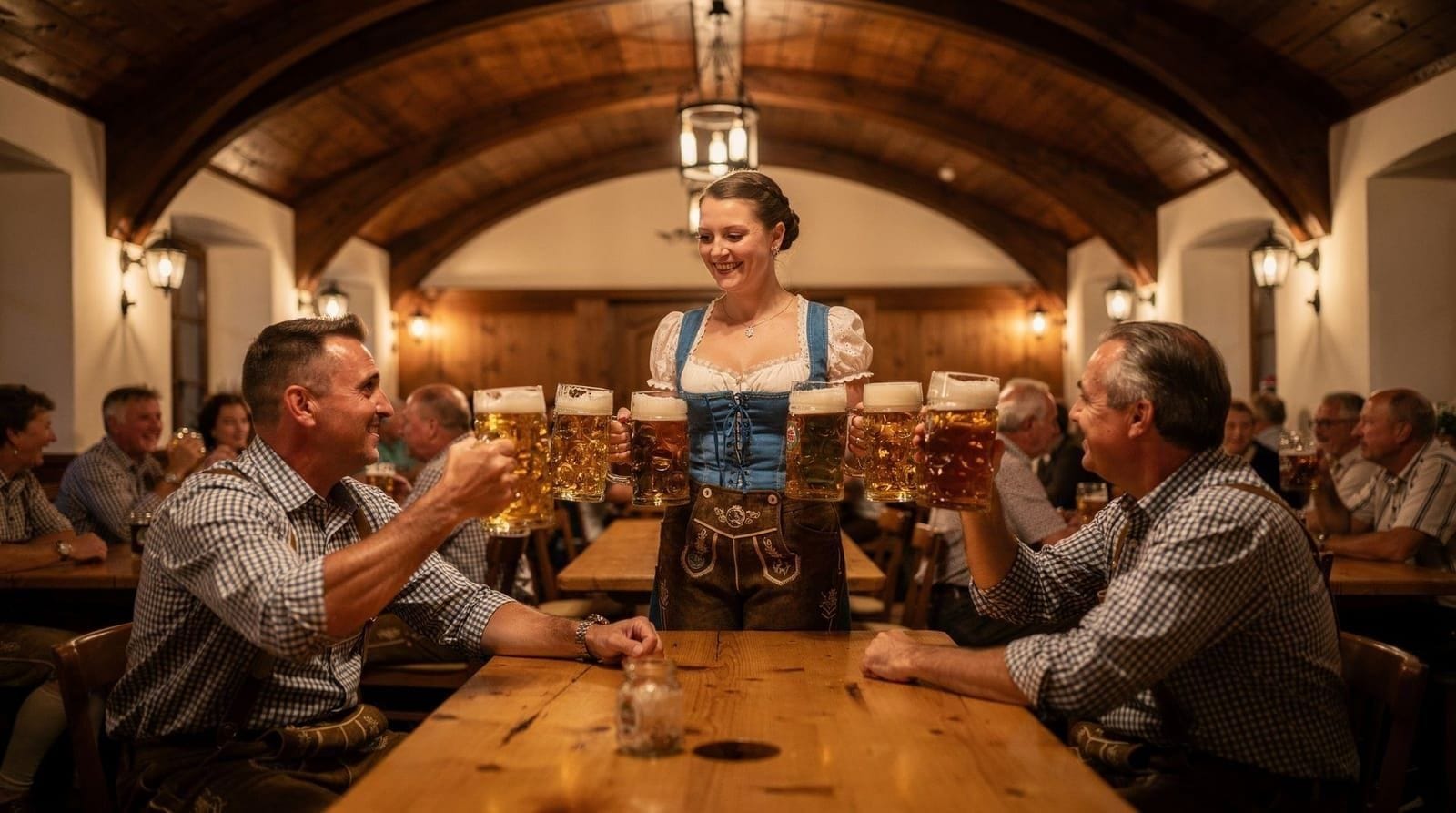
Munich: bike tour with beer garden break
What is the easiest way to rent a bike in Munich?
MVG Rad is the city's official dockless bike-share scheme — download the MVG Rad app, register a payment method, and unlock bikes at around 200 stations across Munich. Rides cost €1 to unlock plus €0.15 per minute or €15 for a day pass. For longer rentals or a wider bike selection, independent shops near Hauptbahnhof offer daily rates from €10–20.
| Easiest option | MVG Rad app, around 200 stations |
| Cost (short ride) | Around €1 unlock + €0.15/min |
| Cost (full day) | Around €15 day pass, or €10–20 at a shop |
| Getting bikes | Inner ring and residential districts |
| Best time | April–October for comfortable riding |
Munich and cycling: a practical relationship
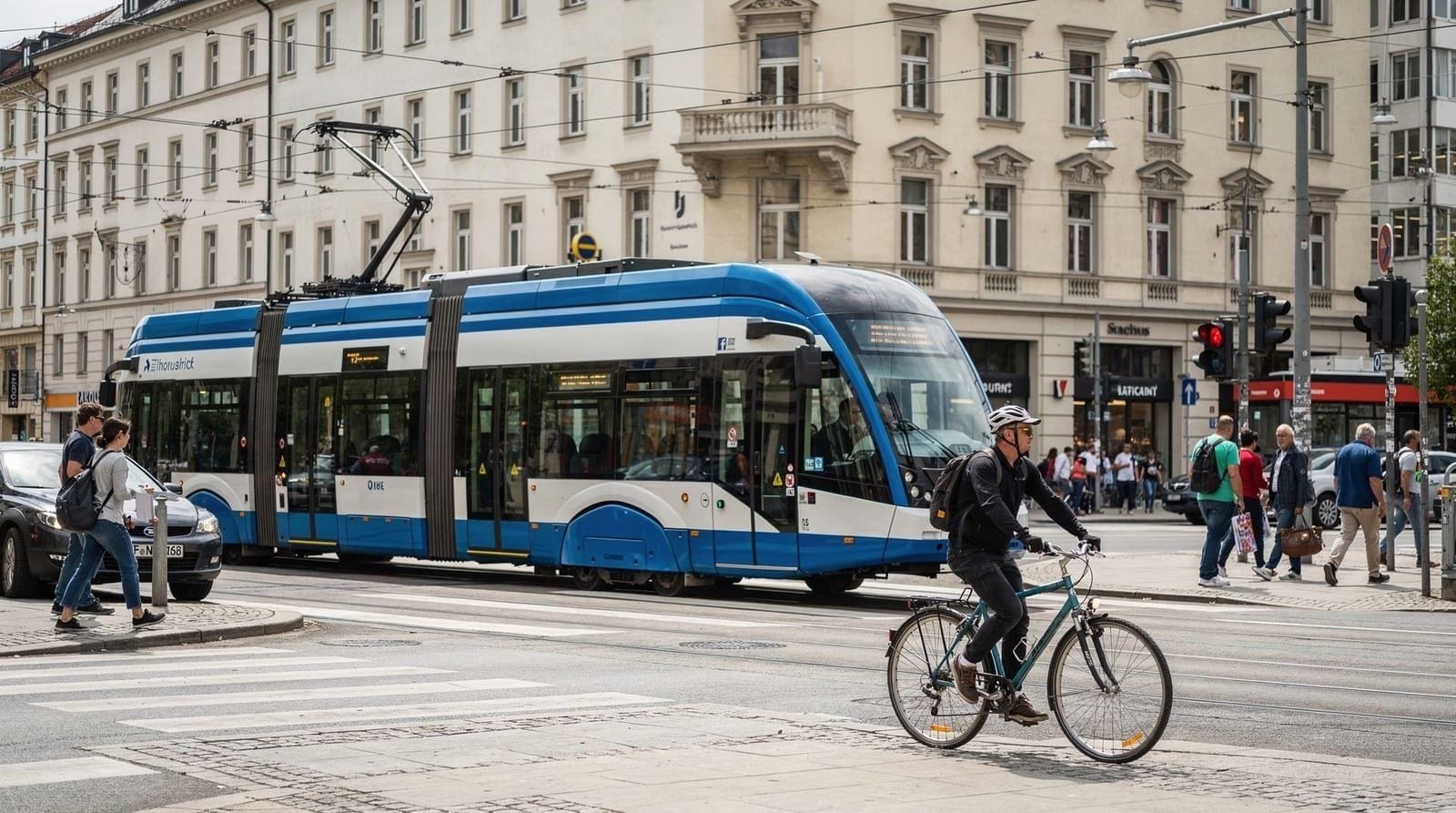
Munich is the most cycling-friendly of Germany’s largest cities, with infrastructure to match. Around 800,000 residents cycle regularly — cycling’s modal share for daily trips sits above 18%, which puts it in the same category as Amsterdam and Copenhagen on a per-capita basis. This matters for visiting cyclists because the infrastructure — bike lanes, parking, signage — was built to serve daily commuters, not just tourists. As a result, riding feels natural rather than adventurous.
For a visitor, the cycle network is most useful for three purposes: exploring the Englischer Garten efficiently, connecting between neighbourhoods that are slightly too far to walk comfortably (Schwabing to Nymphenburg, for instance), and taking the classic beer garden circuit through the park with a local operator who knows the route.
This guide covers every rental option available in 2026, with honest pricing and assessments of what each format is best suited for.
MVG Rad — the city’s official bike-share system
MVG Rad is operated by the Munich city transport authority (Munchner Verkehrsgesellschaft) and is the most widely distributed rental option in the city. As of 2026, the fleet includes over 3,000 bikes deployed across approximately 200 docking stations, most concentrated in the inner ring and surrounding residential districts.
How to use MVG Rad
- Download the MVG Rad app (iOS and Android, available in English).
- Register with a payment method (credit or debit card required; Apple Pay and Google Pay accepted).
- Open the app to see available bikes on the map. Tap a bike to unlock it via Bluetooth.
- Ride. The app tracks time and locks the bike when you park it at any valid MVG Rad station.
Bikes can theoretically be parked anywhere on public ground (not blocking pavements or pedestrian paths), but ending a ride at an official docking station avoids an extra free-float parking fee of €1.
MVG Rad pricing (2026)
| Option | Cost |
|---|---|
| Unlock fee | €1.00 |
| Per-minute rate | €0.15 |
| Day pass (unlimited 1h rides) | €15.00 |
| Monthly subscription | €21.00 |
For tourist use, the day pass at €15 is the best value if you plan more than 2 hours of cycling. The pay-as-you-go rate hits €15 at 93 minutes of riding time (including the unlock fee), so for anything beyond 1.5 hours, the day pass is cheaper.
MVG Rad bike quality
The bikes are standard 3-gear city bikes in good condition — adequate for the flat Munich terrain. They are heavier than modern lightweight bikes, which matters less on Munich’s flat streets than it would on hills. The fleet does not currently include e-bikes; for electric-assist, see the independent rental shops below.
Donkey Republic
Donkey Republic is a European bike-share operator with a Munich presence, deploying GPS-tracked bikes at fixed docking stations, primarily in the inner districts. The app interface is slightly more polished than MVG Rad and the bikes are of similar quality.
Donkey Republic pricing (2026 estimates)
| Option | Cost |
|---|---|
| Per hour | €3.50 |
| Half-day (4 hours) | €10–12 |
| Full day | €14–18 |
Donkey Republic is most useful when MVG Rad availability is low (weekend afternoons in summer, when demand peaks), or if you find the MVG Rad app less intuitive. Station coverage slightly overlaps with MVG Rad but is thinner in outer districts.
Independent rental shops
For full-day or multi-day rentals, for e-bike access, or for higher-quality bikes than the dock-based schemes provide, independent rental shops are the better option. Several are clustered near Hauptbahnhof (within 10 minutes walk of central Munich) and near Marienplatz.
Radius Tours and Bike Rental
Located near Hauptbahnhof (Arnulfstrasse side), Radius is one of the longest-established and most reliably reviewed rental operations in Munich. They operate bike rental alongside their guided tour business, which means the bike fleet is well-maintained.
- Standard city bikes: €14–18 per day
- E-bikes: €29–35 per day
- Tandems: available on request
Mike’s Bike Tours
Mike’s Bike Tours is primarily a guided tour operator but also rents bikes independently. Located near Marienplatz.
- City bikes: €12–16 per day
- E-bikes: €25–32 per day
Useful practical notes on shops
- Bring a form of ID (passport or driving licence) and a credit card for deposit.
- Deposits typically run €50–100 depending on bike value.
- Helmets are available at most shops (not legally required for adults in Germany, but recommended).
- Book e-bikes in advance for July–August visits — they are typically the first to be reserved by 10am.
Guided bike tours: the best way to use two wheels for the first time
If you have not cycled in Munich before and want to see the city efficiently without worrying about route-finding, a guided bike tour is worth considering. The operator handles navigation, the pace is relaxed, and the guide provides commentary at stops. The English Garden and beer garden circuit tour is the standout option: Munich: bike tour with beer garden break
For a combined Segway/bike option that covers more ground and allows switching between formats, this tour provides flexibility: Munich: Segway or bike tour with English Garden and Palace
Guided tours depart from central locations and include bike hire in the price, so they are also the most logistically simple way to cycle on a first day in Munich.
Where to cycle and where not to
Best cycling areas
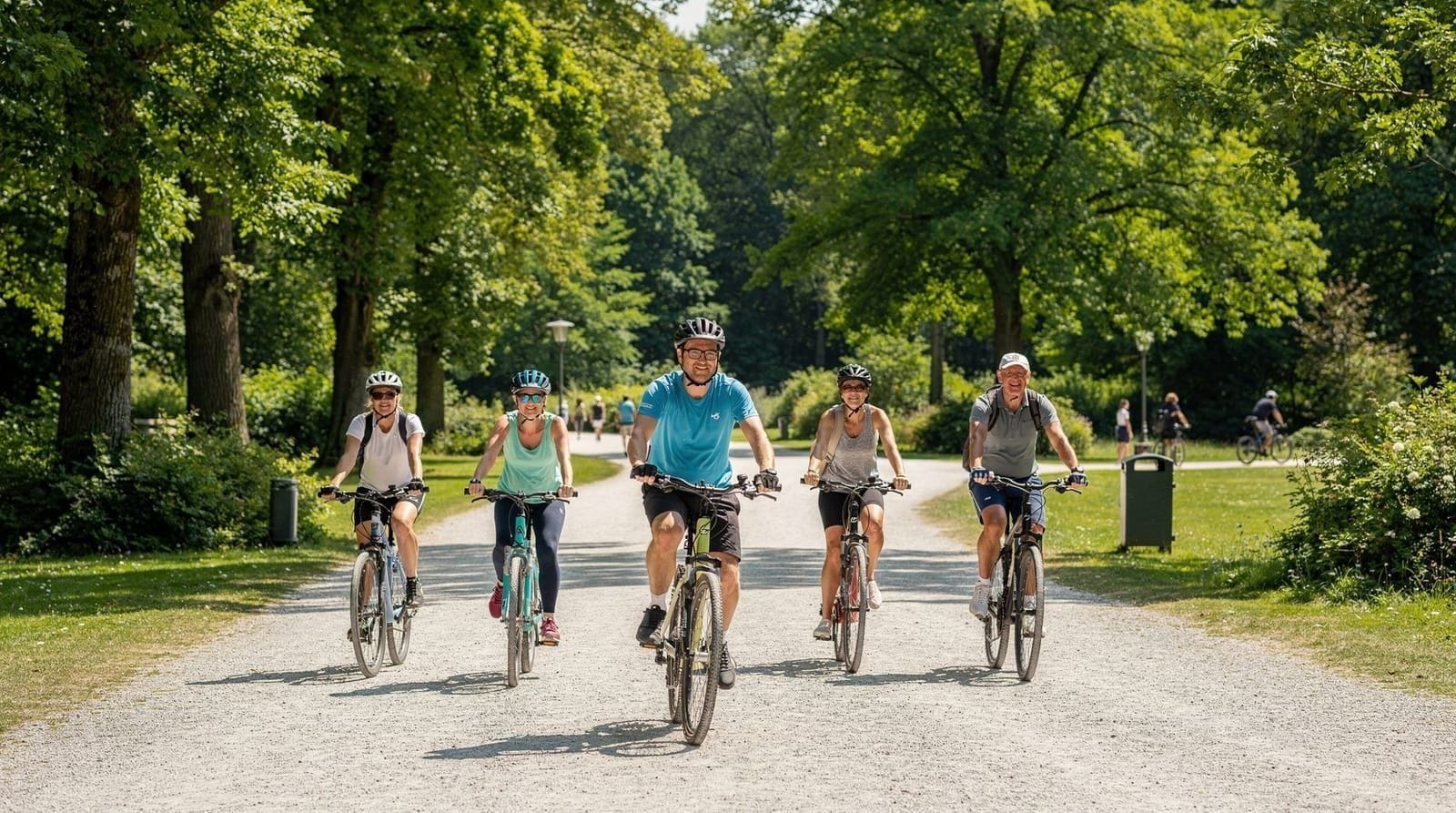
Englischer Garten: The park has excellent dedicated bike paths, and cycling here is genuinely pleasant. The main north-south route through the park runs from Prinzregentenstrasse in the south to Freimann in the north — around 8 km if ridden end-to-end. Most cyclists stick to the southern half, making a loop around Chinesischer Turm.
Isar riverbanks: The paths along the Isar south of the Altstadt are well-maintained and largely car-free. The southern stretch through Thalkirchen towards Wolfratshausen is a popular weekend cycling route for residents.
Nymphenburg Canal: The canal running east from Nymphenburg Palace towards the city centre has a parallel cycle path — a pleasant 4 km ride with palace views at one end.
Residential streets (Schwabing, Maxvorstadt, Haidhausen): These are all well-equipped with bike lanes and light traffic. Cycling between neighbourhoods is significantly faster than walking and generally straightforward.
Areas to avoid or approach carefully
Main pedestrian zones: Kaufingerstrasse, Neuhauser Strasse, and Marienplatz itself are prohibited for cyclists. Walk your bike through these areas.
Busy roads without bike lanes: Sonnenstrasse and parts of the inner ring road are technically legal to cycle but are fast and unpleasant. Use parallel streets.
Viktualienmarkt: The market area is pedestrianised. Dismount before entering.
Rules and safety
German cycling law applies in Munich:
- Cyclists must use designated bike lanes where they exist (not optional).
- Helmets are not legally required for adults but are recommended.
- Lights front and rear are mandatory from dusk to dawn and in poor visibility. Rental bikes include lights; check they are functional before leaving the rental point.
- Maximum blood alcohol limit for cyclists is 1.6 promille (higher than for drivers, but still relevant — impaired cycling is an offence).
- Using a mobile phone while cycling is prohibited and carries a €55 fine.
- Cycling on pavements is illegal except where explicitly marked with a bike symbol.
Getting a bike ticket for the U-Bahn
If you want to combine cycling with transit — cycle one way and take the U-Bahn back, or cycle to a train for a day trip — you need a bike ticket in addition to your standard travel card.
The Fahrrad-Tagesticket (bike day ticket) costs approximately €3.20 for a single day within the inner ring (Zone M). You can buy it at any MVV ticket machine. Bikes are allowed on U-Bahn and S-Bahn trains outside peak hours: before 6am, 9am–4pm, and after 6pm on weekdays, and all day on weekends and public holidays.
The Bayern Ticket guide covers train travel across Bavaria and includes information on combining bike tickets for day-trip cycling routes.
Connecting cycling with Munich sightseeing
Cycling is particularly efficient for connecting the Altstadt to the Englischer Garten (10–15 minutes by bike from Marienplatz) and from the city centre to Nymphenburg Palace (20–25 minutes). Both connections are longer on foot and slightly awkward by public transport.
For a full overview of how cycling fits within Munich’s transport options, the getting around Munich guide compares walking, cycling, U-Bahn, and bus for different trip scenarios. For visitors arriving at the airport and deciding whether to hire a bike for the whole trip, the Munich airport to city guide covers connection options.
Rental options compared
| Option | Best for | Typical daily cost |
|---|---|---|
| MVG Rad | Short, spontaneous rides | Around €15 (day pass) |
| Donkey Republic | Backup when MVG Rad is scarce | Around €14–18 |
| Radius / Mike’s Bikes | Full day, e-bikes, families | €14–35 depending on bike type |
| Guided bike tour | First-timers, no route planning | Included in tour price |
If you’d rather not navigate alone
Renting independently gives the most flexibility, but a guided option removes the need to plan a route from scratch. The Munich bike tours guide covers the standard English Garden and beer garden circuit in detail, including what a typical 3-hour tour includes and how it compares to self-guided cycling on cost and ground covered. For visitors who want a walking-paced alternative on the same routes, the Munich self-guided walk and Munich walking tours pages cover comparable ground on foot.
Combining cycling with a night out or dinner
Cycling by day pairs naturally with an evening spent elsewhere in the city — U-Bahn and S-Bahn accept bikes outside peak hours if you want to combine a ride with transit rather than cycling back. The getting around Munich guide explains how bikes, trains and buses fit together for a full day that starts on two wheels and ends at a beer garden or restaurant in a different neighbourhood.
Frequently asked questions about Munich bike rental
Is it safe to cycle in Munich?
Munich is safe for cycling by European city standards. Serious accidents are rare. The main risks are from car doors opening unexpectedly on streets with on-street parking (cycle at sufficient distance from parked cars) and from inattentive pedestrians stepping into bike lanes. Cycling in the Englischer Garten is essentially risk-free on dedicated paths.
Do I need a lock for a rental bike?
MVG Rad and Donkey Republic bikes lock electronically via the app when parked — no external lock needed. For shop rentals, a cable or U-lock is usually included or available to hire (€1–2 extra per day). In Munich, bike theft is relatively low compared to other European capitals, but locking is still standard practice for any bike left unattended.
Can I rent a child’s bike or a child seat?
Radius Tours and Mike’s Bike Tours both offer child bike hire and can fit child seats to adult bikes. Book in advance for children’s equipment, especially in summer. MVG Rad and Donkey Republic do not provide children’s bikes.
What happens if an MVG Rad bike breaks down mid-ride?
End the ride in the app (you stop being charged) and report the bike as damaged. The app has a direct reporting function. Restart with a different available bike. MVG Rad’s customer service is reachable via the app’s contact function.
Can I cycle from central Munich to the airport?
Technically yes — it is approximately 38 km north to Munich Airport (MUC) and the route follows largely traffic-free paths. This is a genuine option for experienced cyclists with sufficient time (2.5–3 hours one-way). Most visitors use S-Bahn. For day-trip cycling beyond Munich, the day trips by train from Munich guide covers options that combine cycling with rail.
Are e-bikes available at MVG Rad stations?
No. As of 2026, MVG Rad’s fleet consists of standard pedal bikes only. For electric-assist bikes, use one of the independent rental shops or check the Donkey Republic app, which has added a limited number of e-bikes at select Munich stations.
What cycling routes work best for day trips from Munich?
For day trips by bike, the Isar Valley route heading south from Munich follows the river into the Bavarian Alps foothills — flat for the first 20 km to Wolfratshausen, manageable for a confident day tripper on a standard city bike. The route north to Dachau (16 km) follows a combination of bike lanes and quiet suburban roads and is one of the more emotionally significant cycling routes near the city. For anything beyond 25 km, rental shop bikes are more comfortable than MVG Rad heavy city bikes; ask shops specifically about their touring bike options.
Cycling culture and etiquette in Munich
Understanding how Munich cyclists behave helps visitors fit in and stay safe. A few points that differ from some other countries:
Bike lanes are not optional. Where a bike lane exists alongside a road, cyclists are legally required to use it — riding on the road instead is not permitted if a lane is present. This is the reverse of the “choice” model in some countries.
Bells are mandatory and used. German law requires a working bell on all bikes. More importantly, Munich cyclists use bells actively to signal when passing pedestrians who have wandered into bike lanes. Ring your bell; do not swerve silently around people.
Red lights apply to cyclists. Running red lights on bikes carries fines of €10 (without consequences for others) to €100 (if someone is endangered). Munich police enforce this more actively than many visitors expect.
Overtaking direction: Cyclists overtake on the left, the same as vehicles. Passing on the right — common practice in some countries — is not expected and can cause collisions on busy bike lanes.
Locking: Even with the relatively low theft rate in Munich, always lock properly. Standard practice is to lock the frame and rear wheel to an immovable object. Locking only to the front wheel (or to another bike) is considered insufficient; a thief can simply lift the bike away.
For comparison with the e-scooter alternative for city navigation, the Munich e-scooter guide covers Tier, Lime, and Bolt pricing and rules. The two modes complement each other — bikes for longer trips and dedicated routes; scooters for short gap-filling between fixed locations.
Is it cheaper to rent for a whole trip or day-by-day?
For trips of three days or more with heavy daily use, an independent shop’s multi-day rate usually beats stacking individual MVG Rad day passes. For occasional use — a morning ride here, an evening ride there — MVG Rad’s pay-as-you-go pricing works out cheaper since you’re not paying for days you don’t cycle.
Can I combine a rental bike with a day trip outside Munich?
Yes, but plan carefully. Rental shop bikes generally cannot leave the city (check terms), and MVG Rad/Donkey Republic are Munich-only services. For day trips involving cycling, most visitors bring or hire a bike locally at the destination rather than transporting a Munich rental — the day trips by train from Munich guide covers destinations where this is straightforward.
Top experiences
Bookable activities with verified prices and instant confirmation on GetYourGuide.