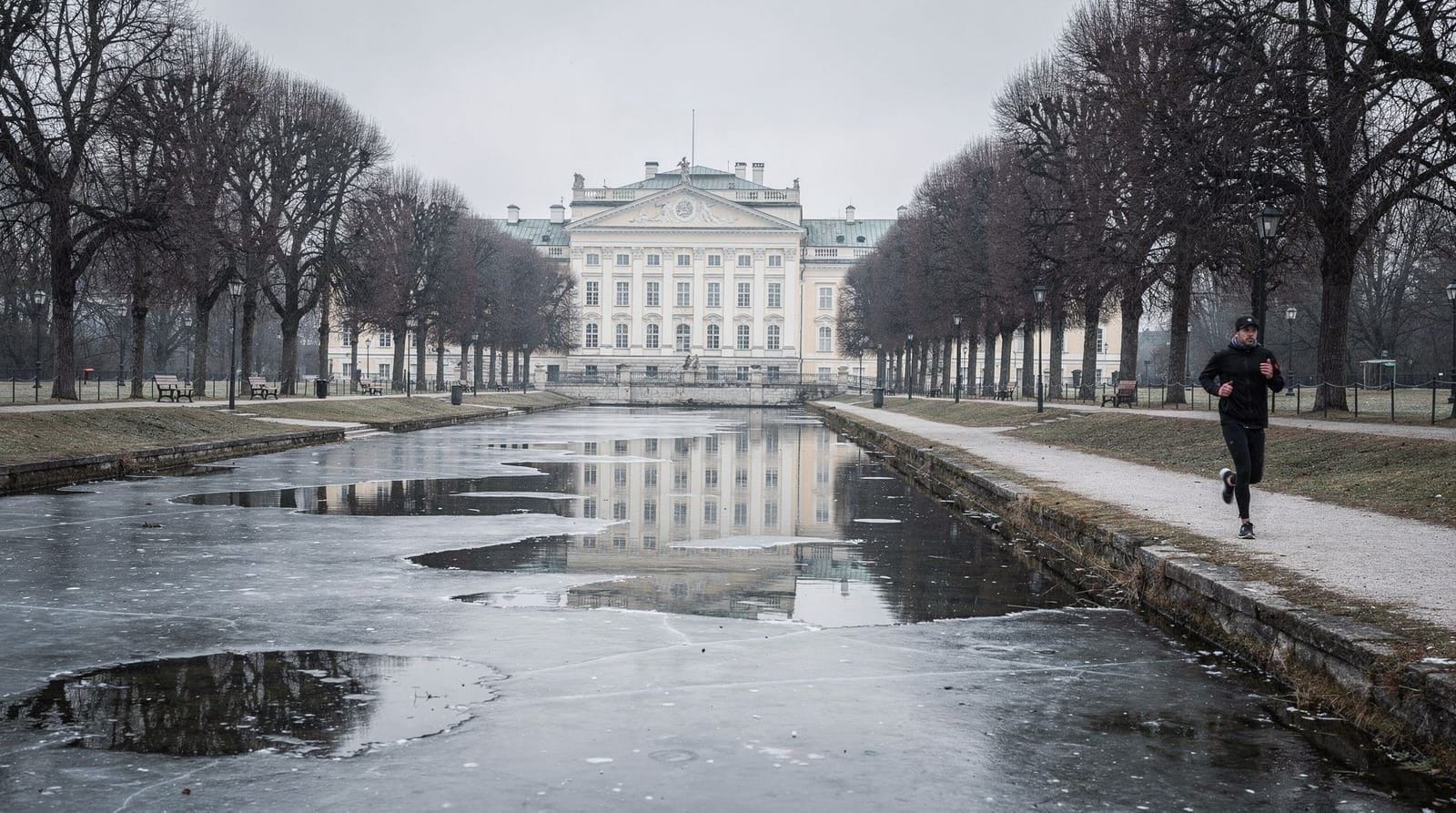
Rainy day Munich — what to do when the weather turns
Munich’s weather and why rain is common
Munich’s location at the foot of the Alps means its weather is variable and sometimes dramatic. Summer afternoons regularly bring thunderstorms — the Föhn wind effect that blows warm, humid air off the Alps creates fast-developing cloud systems that can turn a clear morning into a downpour by 14:00. Spring and autumn are wetter and cooler. Even in peak summer (July–August), you should expect at least 3–4 rainy days in a typical two-week period.
This is not a disaster. Munich’s indoor offerings are among the best of any city its size in Germany, and several of the best museums in the country happen to be here. A rainy day in Munich can be one of the most productive days of your trip if you’ve thought about it in advance.
The mistake is arriving with no indoor plan and discovering at 10:00 on a wet Tuesday that the Deutsches Museum queue is 45 minutes long because everyone had the same idea.
| Where | Maxvorstadt museum quarter, Altstadt, Residenz, indoor markets |
| Cost | around €7–15/museum, €1 on Sundays at state museums |
| Time needed | half a day per major museum, or a mix of shorter stops |
| Getting there | U-Bahn/S-Bahn (fully covered, run on schedule regardless of weather) |
| Best fallback | Sunday for €1 admissions, though queues run longer |
The best museums for a full rainy day
Deutsches Museum
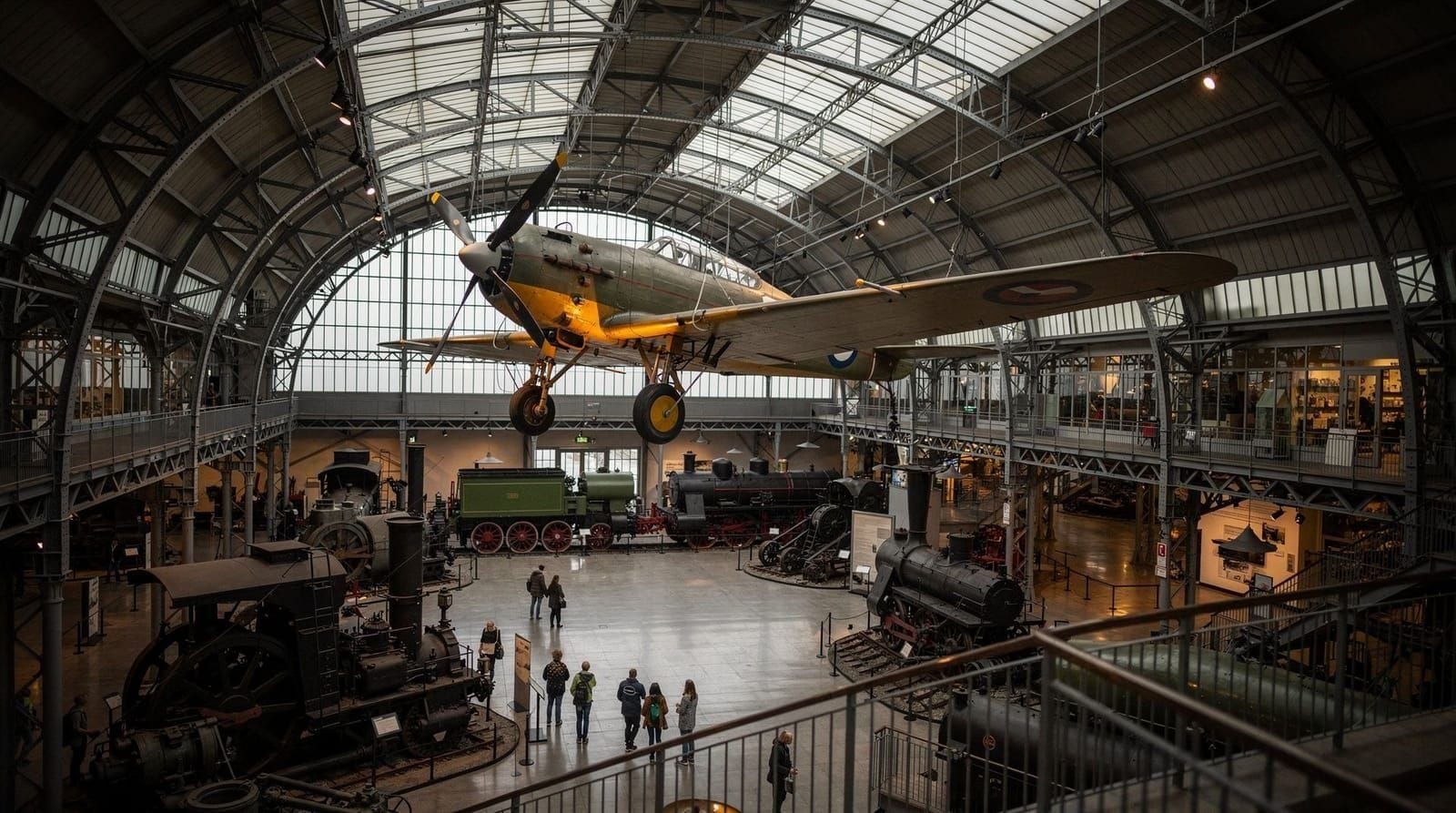
The Deutsches Museum on the Museumsinsel (Museum Island) in the Isar River is the largest science and technology museum in the world by floor space — approximately 73,000 square meters across multiple floors and dozens of rooms. You cannot see it all in a day. Don’t try.
The most impressive sections include:
- Mining (Bergbau): An underground mine simulation with genuine original shafts — unusual and atmospheric, particularly interesting with children old enough to manage stairs in dim lighting.
- Maritime engineering: Full-scale ship models and navigation history
- Aeronautics hall: Aircraft from early gliders to WWII-era planes and postwar jets
- Physics and chemistry: High-voltage demonstrations run at scheduled times (check the daily programme at the entrance)
- Kinderwelt: The children’s section for ages 3–8, with interactive science experiments
Admission: 15 EUR per adult; 1 EUR on Sundays. Children under 6 free. Allow 4–6 hours for a serious visit. Our Deutsches Museum guide covers the must-sees in detail.
The Pinakothek museums
Three major art museums cluster within a 10-minute walk of each other in Maxvorstadt:
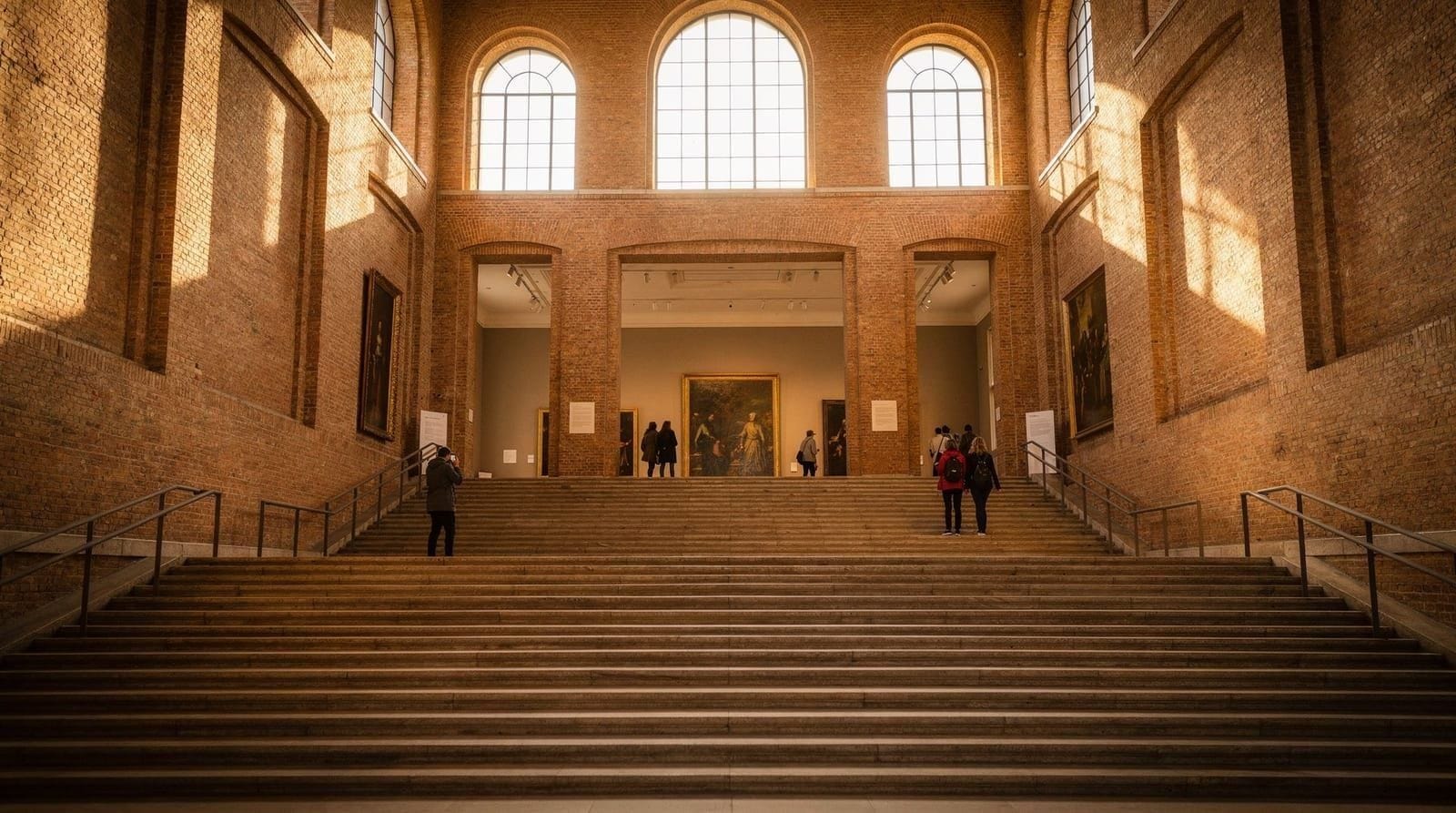
Alte Pinakothek (Old Masters, 14th–18th centuries): One of the oldest art galleries in the world and one of the finest collections of European painting in existence. The collection includes Dürer, Rubens, Raphael, Rembrandt, and Bruegel. Admission 7 EUR (1 EUR on Sundays).
Neue Pinakothek (19th century): Currently closed for renovation — verify the reopening date before planning. Some works on display at the Pinakothek der Moderne in the interim.
Pinakothek der Moderne (20th–21st century): Design, graphics, architecture, and modern art in an excellent building. Admission 10 EUR (1 EUR on Sundays).
If you’re going on a Sunday, 1 EUR per museum makes visiting all three reasonable. Our Pinakothek guide covers which floors to prioritize. Alte Pinakothek — skip the line and guided tour
Munich Residenz
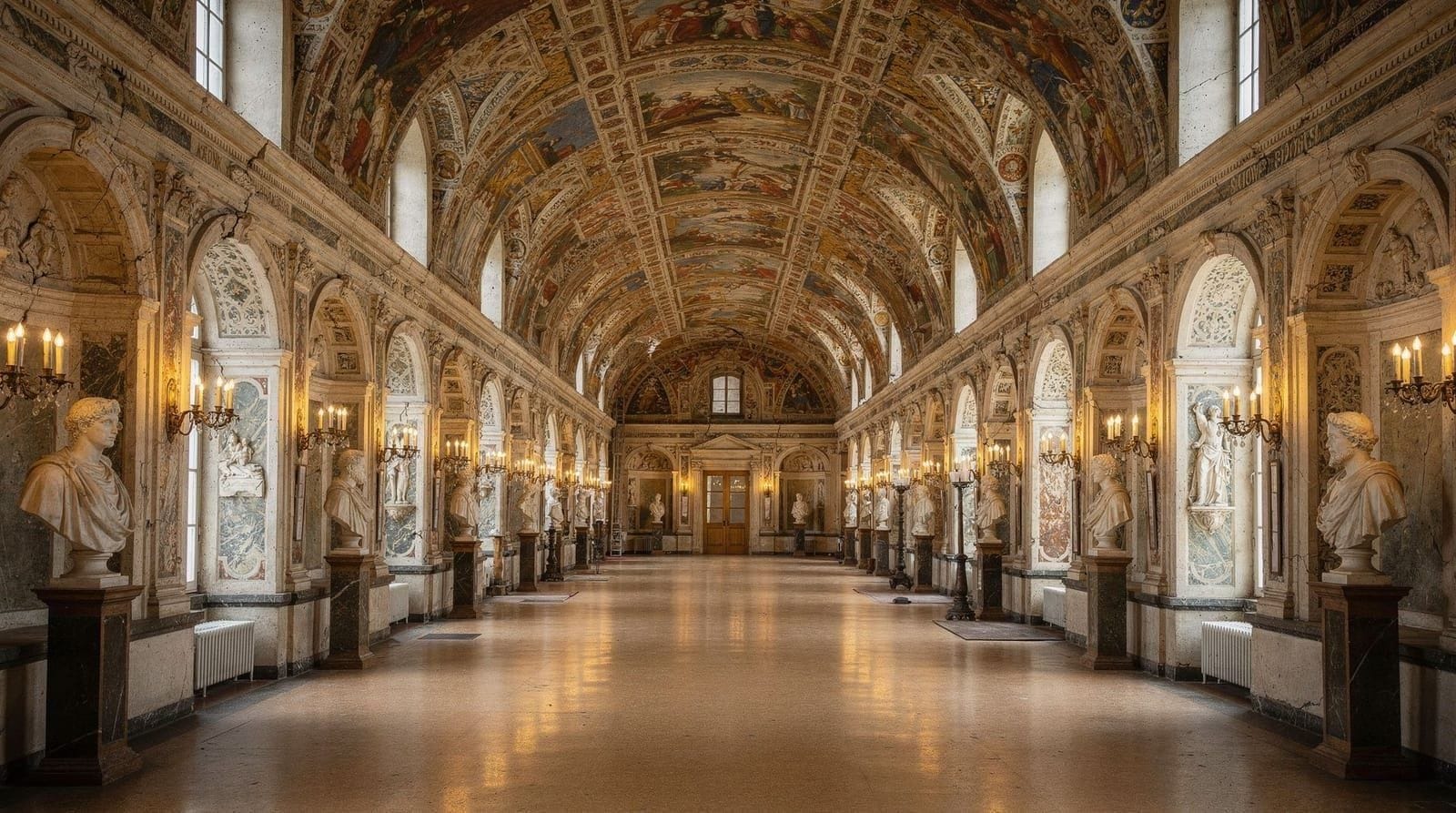
The Residenz is one of Europe’s largest palace complexes and it’s entirely indoors — a perfect rainy-day anchor. The Residenzmuseum covers 130 rooms of Wittelsbach royal apartments across multiple centuries of decoration (Renaissance through Neoclassicism). The Schatzkammer (Treasury) is a separate ticket but contains the most valuable artifacts in the collection.
Admission to the Residenzmuseum: 9 EUR. Treasury: 9 EUR. Combined: 14 EUR. All 1 EUR on Sundays. Allow 2–3 hours for the main museum alone.
The Munich Residenz guide covers the route and highlights. The Residenz is at Odeonsplatz and combines well with a coffee stop at the elegant Café Luitpold nearby.
BMW Museum
The BMW Museum in Milbertshofen (U3 to Olympiazentrum) is a genuine museum, not just a showroom — though the adjacent BMW Welt (free) blurs the line. The museum covers the history of BMW’s vehicle production from the 1920s through to current models, with good industrial design exhibits and some genuinely impressive vintage motorcycles and cars.
Admission: 10 EUR. Allow 2–3 hours. Our BMW Welt and Museum guide goes into detail on which sections are worth your time.
Rainy-day options ranked
| Option | Cost | Time needed | Best for |
|---|---|---|---|
| Deutsches Museum | around €15 (€1 Sun) | 4–6 hours | a full-day anchor, science/tech interest |
| Pinakothek museums (all three) | around €5–6 on Sunday | 3–5 hours | art lovers, flexible half or full day |
| Munich Residenz | around €14 combined | 2–3 hours | royal history, central location |
| Beer hall (Augustiner am Dom, etc.) | around €15–20/meal | 1–2 hours | a relaxed break, not a full-day plan |
| Schrannenhalle / Viktualienmarkt covered stalls | free to browse | 1 hour | a short stop between other plans |
| BMW Museum | around €10 | 2–3 hours | car/design interest, combine with BMW Welt |
Beer halls for a rainy afternoon
Rain is actually a reasonable justification for settling into a Munich beer hall for a couple of hours mid-afternoon. The big beer halls — unlike beer gardens — are indoors and operable regardless of weather.
The genuine options (not just tourist)
Augustiner am Dom (Frauenplatz 2): Augustiner beer, Bavarian food, and a mix of tourists and Munich business people at lunch. One of the better beer halls for an authentic experience without full Hofbräuhaus intensity.
Löwenbräukeller (Stiglmaierplatz): Large traditional beer hall and garden (the beer garden part closed in rain). The interior is impressive and the clientele is less tourist-heavy than Hofbräuhaus. Augustiner and Löwenbräu on tap.
Augustiner Stammhaus (Neuhauser Straße 27): The official Augustiner brewery pub in the pedestrian zone. Beer directly from the brewery, reasonable food, central location. Good for 1–2 hours on a rainy afternoon without committing to a full dinner.
Hofbräuhaus: Munich’s most famous beer hall and genuinely enjoyable for a single visit if you accept it for what it is — a massive tourist attraction. On a rainy day it will be packed. Beer at 13–15 EUR per Maß. Our honest assessment is in our Hofbräuhaus guide. Munich beer halls and breweries guided tour (3 hours)
Indoor markets and shopping
Viktualienmarkt with roof coverage
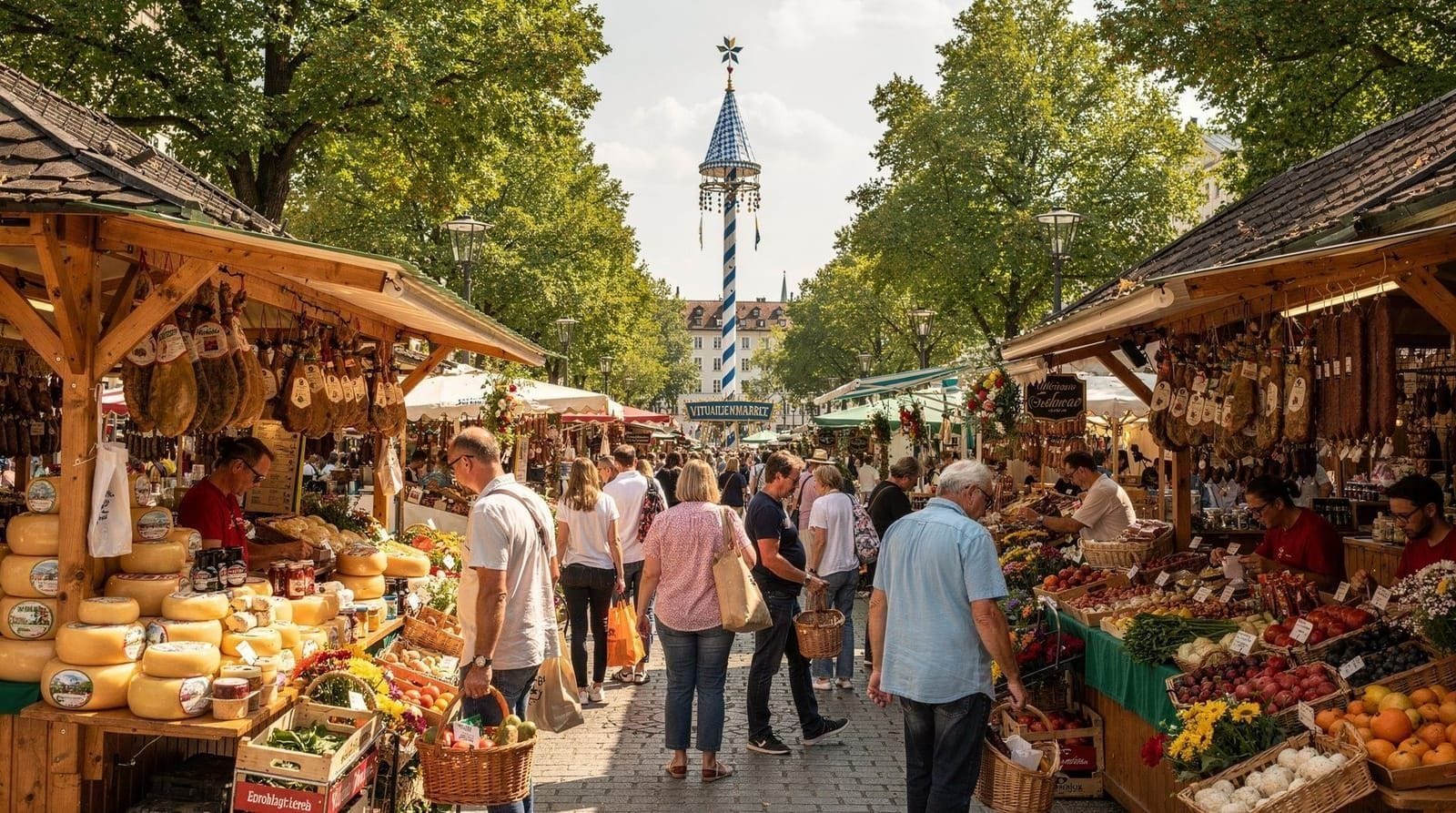
Parts of the Viktualienmarkt have permanent roof structures over the stalls — not fully covered, but enough to browse cheese, sausages, and Bavarian specialties in light rain. The market closes around 18:00 Monday–Saturday and is closed Sundays.
The indoor market halls
The Schrannenhalle, adjacent to the Viktualienmarkt, is a fully enclosed market hall — historic iron-and-glass architecture originally from 1853 (rebuilt after WWII) — with food stalls, a bakery, and a deli section. Perfect for browsing and buying provisions in the rain.
Kaufingerstraße and Neuhauser Straße
The pedestrian shopping zone linking Karlsplatz (Stachus) to Marienplatz is entirely walkable in light rain. Department stores (Kaufhof, Ludwig Beck), chain stores, and the Fünf Höfe covered shopping passage between Maximilianstraße and Theatinerstraße provide good rain coverage.
The Nymphenburg Palace interior — a planned rainy day option
Most people visit Nymphenburg Palace for the exterior and grounds. On a rainy day, the interior becomes a real option. The state rooms are elaborate Baroque and Rococo decoration, the Carriage Museum (Marstallmuseum) houses the Wittelsbachs’ royal carriages, and the Gallery of Beauties (Schönheitengalerie) — a collection of portraits commissioned by Ludwig I — is one of the more unusual royal collection rooms in Germany.
Combined admission: 12 EUR. Allow 2–3 hours for the full interior. Tram 17 from the Hauptbahnhof runs directly there.
Practical rainy-day logistics
What to bring
Munich rain tends to arrive fast and leave fast, particularly in summer. A compact umbrella or rain jacket is more useful than a full waterproof system. The city’s covered arcades (the Fünf Höfe, the Hofstatt, and the passages around Maximilianstraße) allow you to wait out showers without getting soaked.
Museum queues on rainy days
Popular museums — particularly the Deutsches Museum and the Residenz — fill up fast when rain starts. Arrive when they open (09:00 for most) or book online in advance if tickets are available. Sunday admissions for 1 EUR at state museums are excellent value but generate significant queues on rainy Sundays.
Transport
If you’re moving between museums in rain, the U-Bahn and S-Bahn are fully enclosed and run on schedule regardless of weather. The Munich public transport guide covers routing between major sights.
Options for families with kids on a rainy day
Rainy days with children require a different shortlist. The Deutsches Museum’s Kinderwelt section, Sea Life, and the Legoland Discovery Centre (at the Olympia Einkaufszentrum) are the main child-focused indoor options. Our dedicated rainy day Munich with kids guide covers these in detail with practical information for parents.
Frequently asked questions about rainy days in Munich
How often does it rain in Munich?
Munich averages around 14–16 rainy days per month in summer — meaning roughly every 2 days you can expect some precipitation. Most summer rain comes as afternoon thunderstorms that pass within 1–2 hours rather than all-day grey drizzle.
Are the Munich Christmas markets open in rain?
Yes. The Christmas markets operate regardless of rain (and they often look more atmospheric in light rain or snow). The markets run late November through Christmas Eve. Our Munich Christmas guide covers the main markets and what to expect.
Is the Deutsches Museum worth a full day?
Yes, if you have specific scientific interests. With selective planning (choosing 4–6 sections rather than trying to see everything), a full day is excellent value. Without a plan, it’s overwhelming and fatiguing.
Can I visit Neuschwanstein on a rainy day?
Technically yes — the castle interior tour runs regardless of weather, and many visitors find overcast conditions actually enhance the castle’s atmosphere. The Marienbrücke viewpoint becomes slippery and the mountain road can be foggy. The walk from the village is the same regardless. Our Neuschwanstein Castle guide covers the experience in different weather conditions.
What’s the cheapest option for a rainy day in Munich?
Go on a Sunday. Most state museums (Alte Pinakothek, Neue Pinakothek when open, Deutsches Museum, Residenz, Pinakothek der Moderne) drop to 1 EUR admission. For 5–6 EUR you can cover three major institutions. This is one of the best value museum days in Germany.
Does rain affect Munich’s day trips too?
Yes, more than the city itself. Lake day trips (Starnberger See, Chiemsee) and mountain day trips (Zugspitze, Garmisch hiking) lose most of their appeal in heavy rain or low cloud, since the view is the point. If the forecast looks poor, swap an outdoor day trip for a city museum day and save the mountains for a clearer forecast — the best time to visit Munich guide has the seasonal rain patterns in more detail.