Munich in spring — Frühlingsfest, Starkbierfest, blossoms and fewer crowds
Munich: brewery tour at Paulaner Bräuhaus with beer tasting and snacks
When is spring in Munich and what is happening?
Munich spring runs March through May. Key events include Starkbierfest in March (strong dark Bock beer at Paulaner on Nockherberg), Frühlingsfest (the "little Oktoberfest") on Theresienwiese in late April and early May, and the gradual opening of beer gardens from late April onwards. Cherry blossoms peak in early-to-mid April in the English Garden and Nymphenburg Palace grounds. Crowds are significantly lower than summer or Oktoberfest season.
Why spring is Munich’s most underrated season for visitors
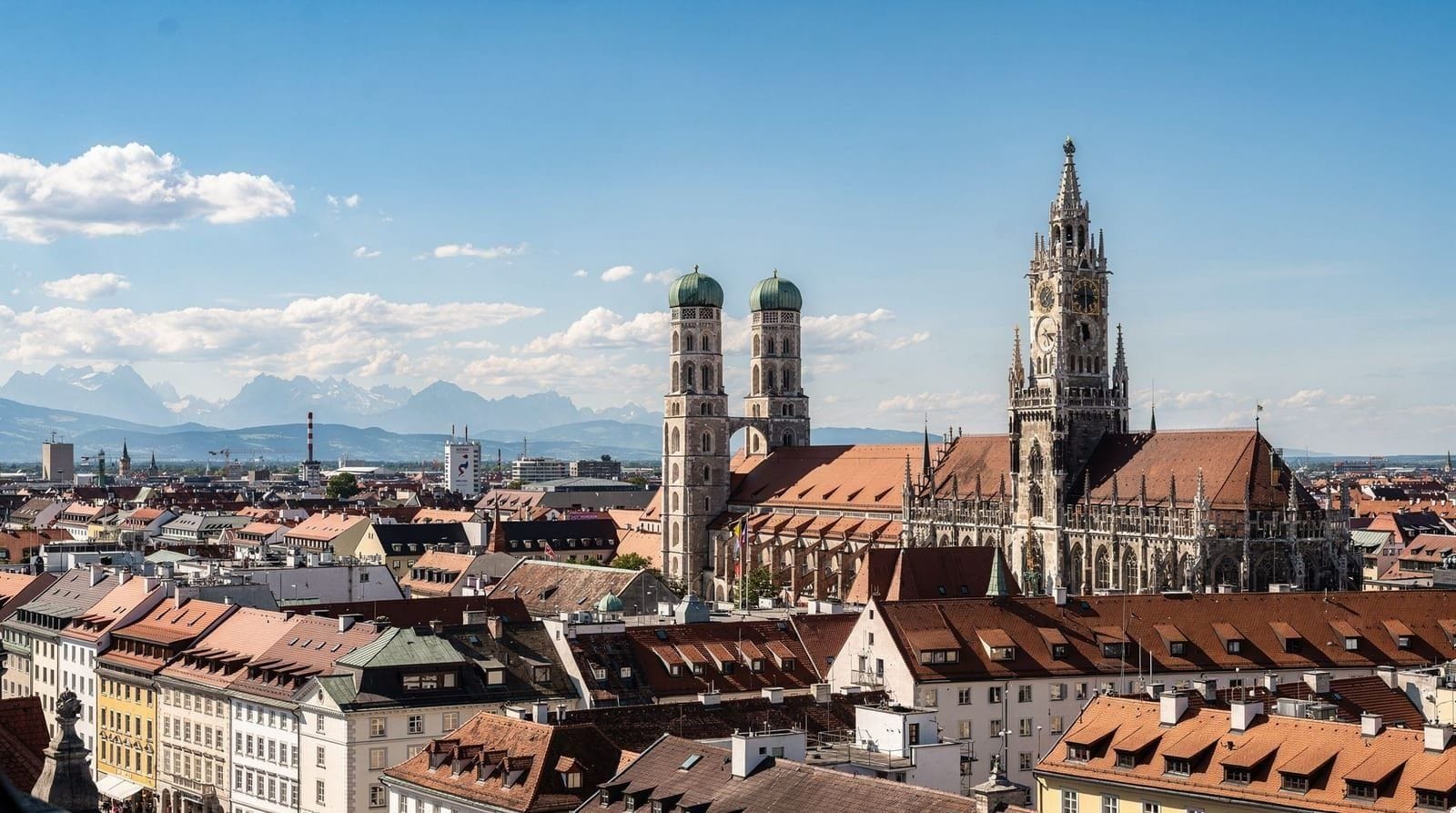
Munich in spring occupies a gap in the travel calendar that most visitors overlook. The Christmas market crowds have dispersed, Oktoberfest is months away, and summer accommodation prices have not yet hit their peak. What you get instead is a city in the process of waking up — beer gardens opening one by one from late April, the English Garden filling with the first picnic blankets of the year, the Alps still snow-capped but increasingly accessible for hiking, and two major beer festivals that most international visitors have never heard of.
This guide covers spring from March through May: the Starkbierfest strong-beer season, the Frühlingsfest festival, the city’s best spots for blossoms and park life, and practical advice on getting the most from a less-crowded version of Munich.
| Season | March–May |
| Key events | Starkbierfest (Mar), Frühlingsfest (Apr–May) |
| Blossom peak | Early-to-mid April |
| Crowds | Notably lower than summer |
| Weather | 5–10°C March, 15–22°C May |
Month-by-month at a glance
| Month | Weather | Highlight | Crowd level |
|---|---|---|---|
| March | Cold, 5–10°C | Starkbierfest | Low |
| April | Transitional, 8–20°C | Blossoms, beer gardens reopen | Low-moderate |
| May | Mild, 15–22°C | Frühlingsfest, Maibock | Moderate |
Starkbierfest: Munich’s forgotten beer festival
Most people know Oktoberfest. Far fewer know about Starkbierfest — the strong dark beer festival that has been held on Munich’s Nockherberg hill every spring since 1751.
What it is: Starkbier (strong beer, also called Doppelbock) is a category of beer with alcohol content above 7% by volume. Historically brewed by Paulaner monks in the 17th century as a “liquid bread” substitute for food during Lent fasting, it is dark, malty, full-bodied, and deceptively warming. Every Munich brewery releases a Starkbier in late winter; the season runs roughly from Ash Wednesday (mid-February) through mid-March.
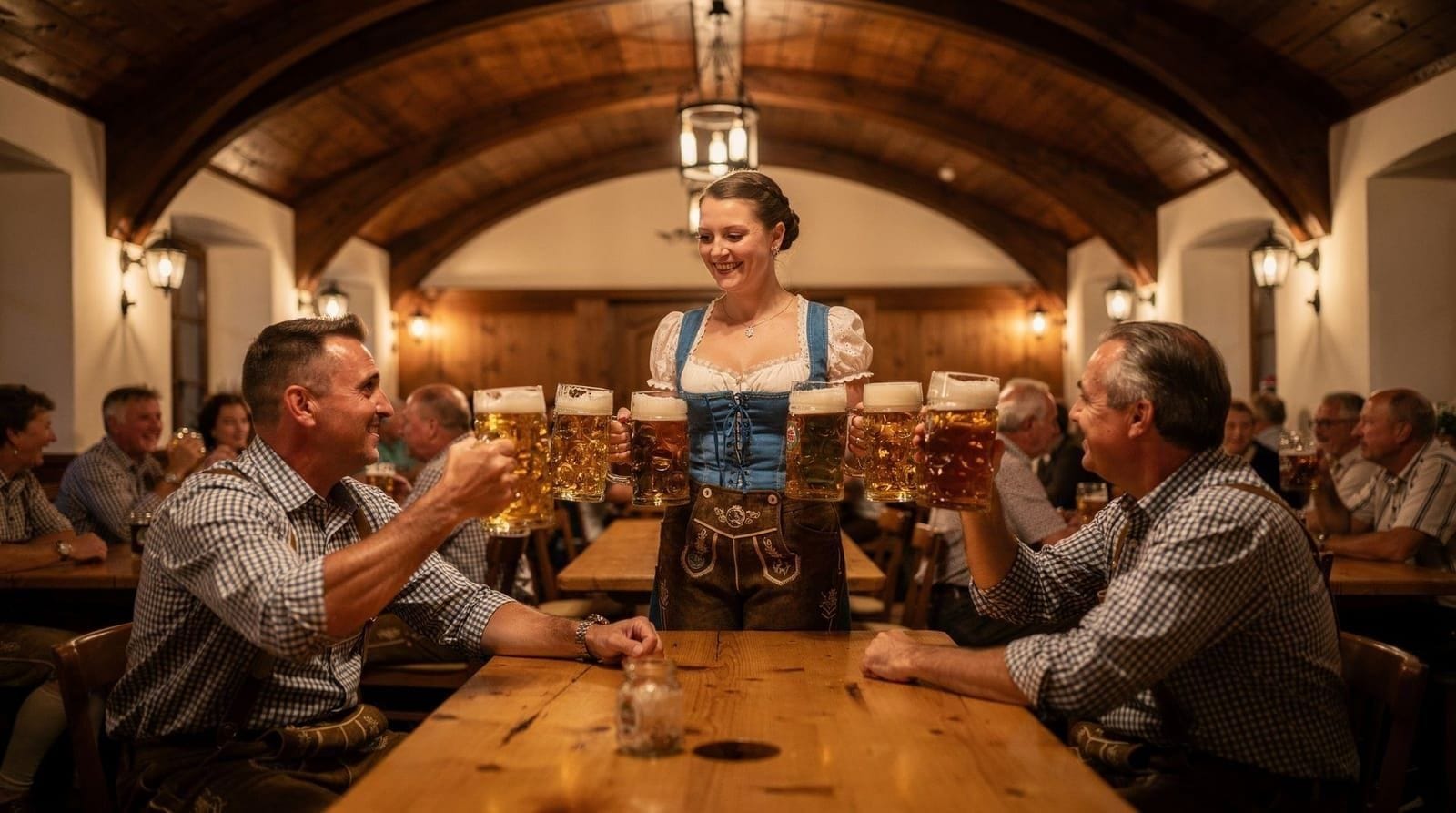
The Nockherberg festival: Paulaner’s brewery on Nockherberg hosts the official season-opening festival. In 2026 this begins around 6–7 March with a televised political satire show (Starkbierfestival at the Paulaner Keller) that Munich residents take seriously as an annual tradition — local politicians are roasted on stage in front of a live audience. The festival tent and beer garden operate in the weeks following. Paulaner’s Salvator Doppelbock (7.9%) is the star; Augustiner’s Maximator (7.5%), Löwenbräu’s Triumphator (7.2%), and Hofbräu’s Delicator (7.5%) are the other major versions.
Getting there: U1/U2 Sendlinger Tor, then bus 52 to Nockherberg, or a 20-minute walk from the city centre through the Glockenbachviertel.
The Starkbierfest guide has specific dates, tasting notes for each brewery’s Starkbier, and advice on the Nockherberg political show booking.
A tour of the Paulaner Bräuhaus with beer tasting gives you context for the history and production of the Salvator — useful whether you visit during Starkbierfest or not.
Frühlingsfest: the friendlier Oktoberfest
The Frühlingsfest (Spring Festival) takes place on Theresienwiese — the same ground as Oktoberfest — but the atmosphere is entirely different.
In 2026: Approximately 18 April to 10 May (exact dates will be confirmed by Munich city authorities in early 2026 — check munichr.de). The festival runs daily from roughly 10am to 11:30pm.
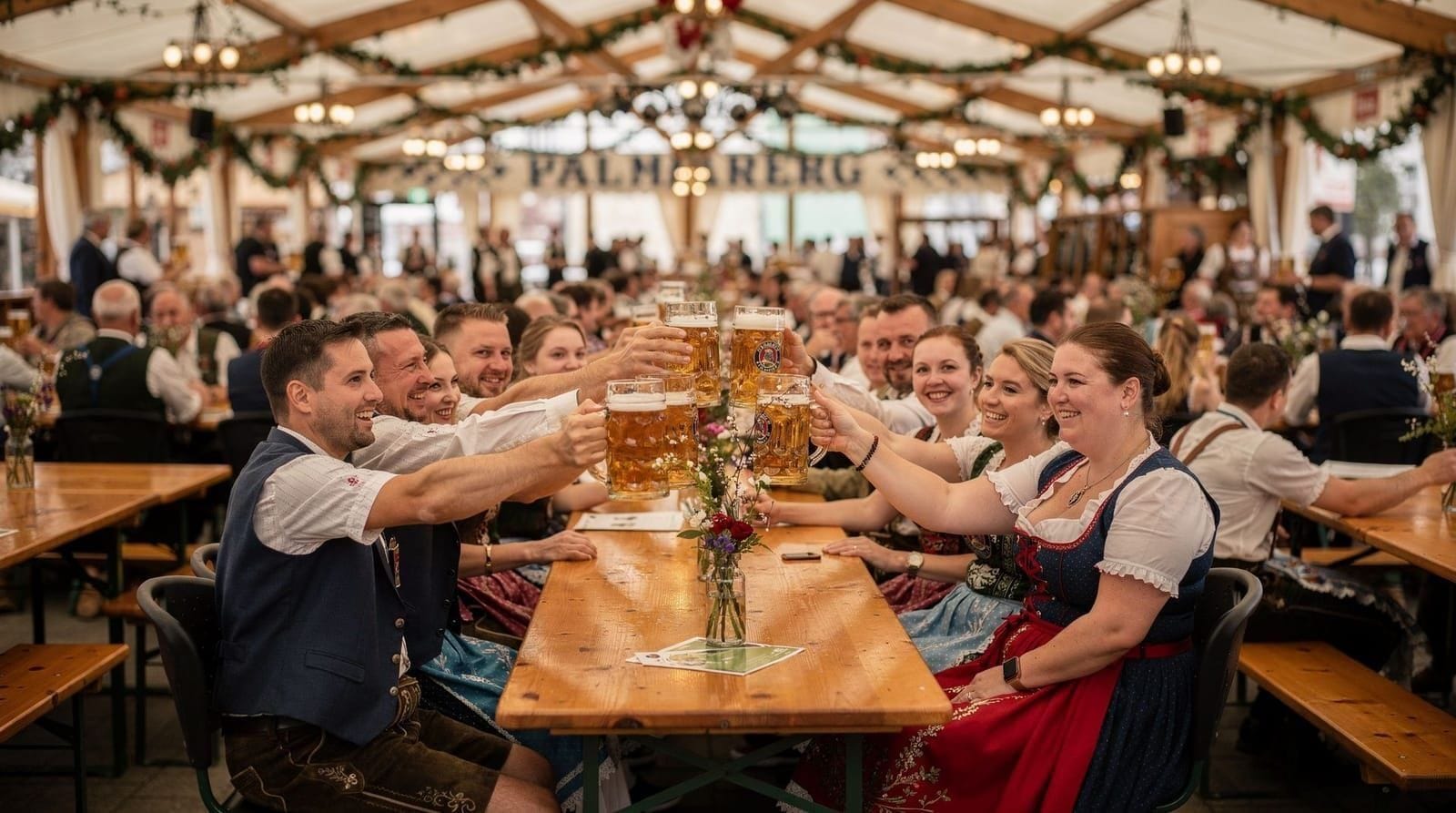
Format: Two main beer tents (Hippodrom and Festhalle Tradition), fairground rides, food stalls, and a smaller-scale Bavaria-Statue backdrop identical to Oktoberfest. A Maß in the tents costs approximately €13–14 in 2026, slightly less than Oktoberfest prices. The tents have similar reservation systems to Oktoberfest — the Hippodrom fills up on weekend evenings and reservations are worth making in advance through the official tent websites.
Why it’s better for some visitors: The crowd is 80–90% German and Bavarian rather than the heavily international mix of Oktoberfest. The lines for rides are shorter, the tents are easier to enter without pre-booked tables on weekday evenings, and the whole event has a neighbourhood-fair quality rather than a global spectacle quality. If you want the big-tent beer experience without the chaos, Frühlingsfest is genuinely the better option.
Getting there: U4/U5 Theresienwiese or Schwanthalerhöhe, 5-minute walk to the grounds.
Cherry blossoms and spring walks
Munich is not Japan, but the city has a serious spring blossom season that peaks in early-to-mid April and is largely ignored by international visitors.
Botanischer Garten (Botanical Garden): The best single location in Munich for spring flowers. Adjacent to Nymphenburg Palace and accessible on a combined ticket (around €5 entry), the garden has magnolias, Japanese cherries, rhododendrons, and tulips all peaking within the same two-week window in April. The greenhouse section (Gewächshäuser) has tropical plants open year-round. Getting there: U1 Romanplatz or tram 17 Botanischer Garten.
English Garden: Cherry trees line the main paths near the Monopteros hill, and the park generally awakens in April — the combination of tree blossoms, the first sunbathers of the year, and the newly re-opened Chinesischer Turm beer garden makes the English Garden a reliable April afternoon destination. See the English Garden guide for suggested walking routes.
Nymphenburg Palace grounds: The canal and formal gardens at Nymphenburg have ornamental cherry and magnolia plantings that bloom in April. The Palace exterior is impressive regardless of season, but April adds a layer of colour that summer’s full greenery actually obscures. See the Nymphenburg Palace guide.
Isar riverbanks: The walking and cycling paths along the Isar south of the city centre are lined with spring wildflowers from April. The section between Wittelsbacherbrücke and Flaucher is particularly good for an evening walk in late April.
Olympiapark’s hillsides: Less famous for blossoms than Nymphenburg or the Botanischer Garten, but the grassy hills of Olympiapark turn a vivid green in April and are a good option if you want space for a picnic without the crowds of the English Garden’s more popular meadows.
Beer gardens in spring: the opening season
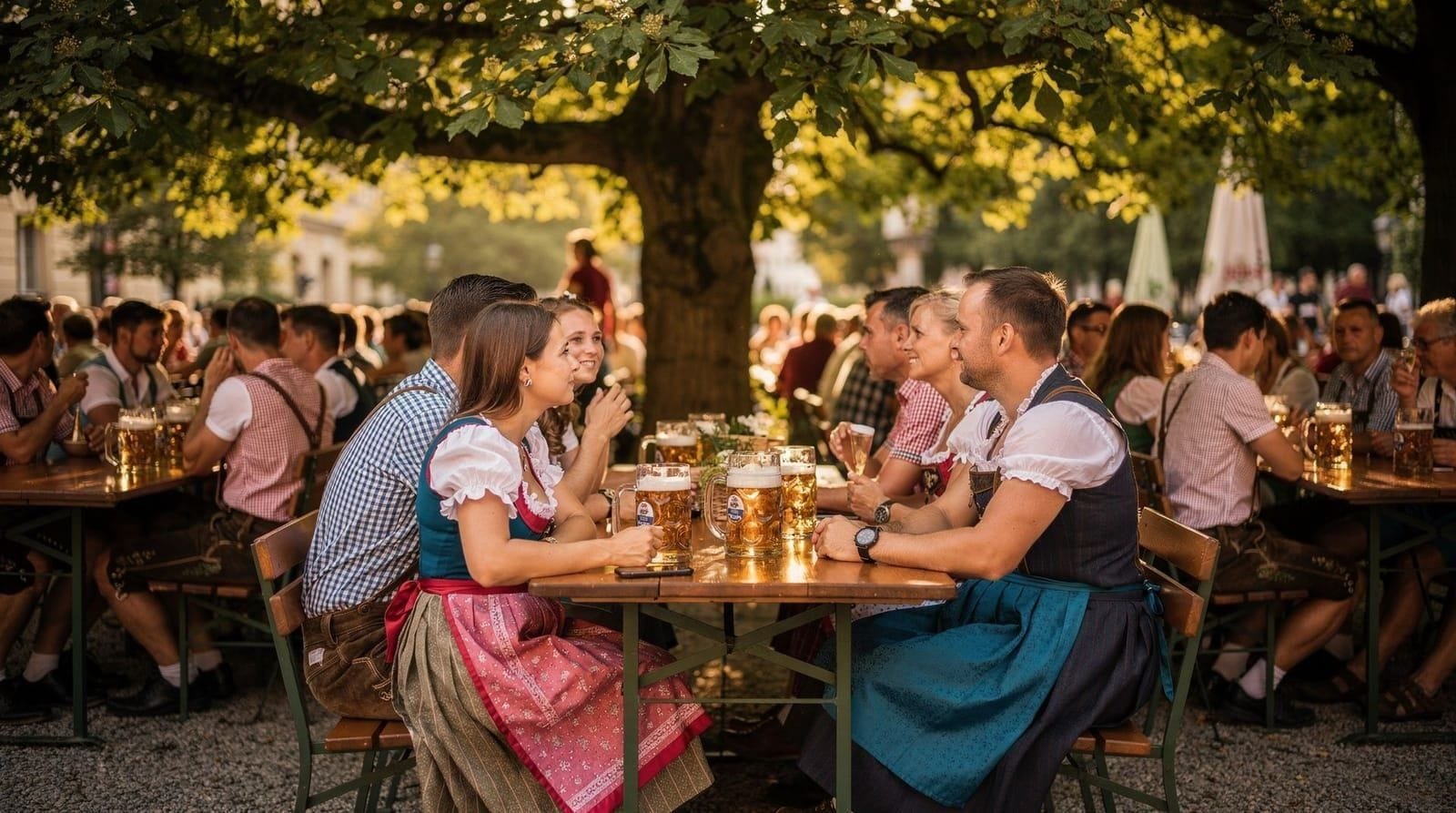
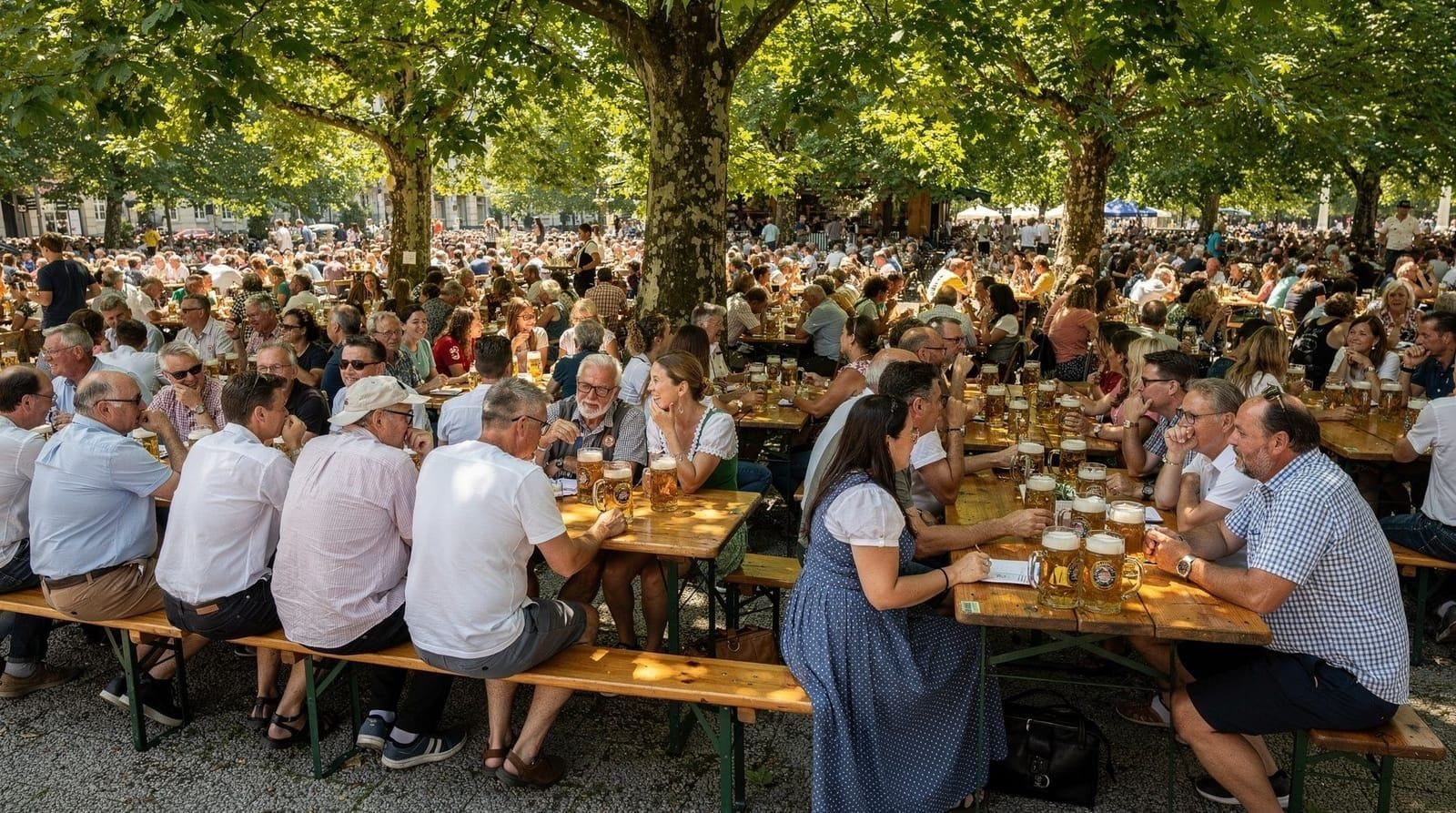
The return of beer garden season is a cultural event in Munich. Locals track warm-weather forecasts in late April and respond en masse the first time temperatures hit a reliable 12–14°C. For visitors, this means the following:
When beer gardens open in 2026: Expect the first openings around mid-to-late April. The larger gardens — Augustiner-Keller, Hirschgarten, Chinesischer Turm — typically open first. Smaller neighbourhood gardens follow. Check the same-day forecast and the garden’s own social media; most post their opening decisions by 9am on the day.
Spring pricing: Beer garden Maß prices in spring are the same as summer — approximately €9.50–11.50 depending on the garden. The difference is that the atmosphere is notably more relaxed in April and May than in the peak July–August weeks when every garden is at capacity.
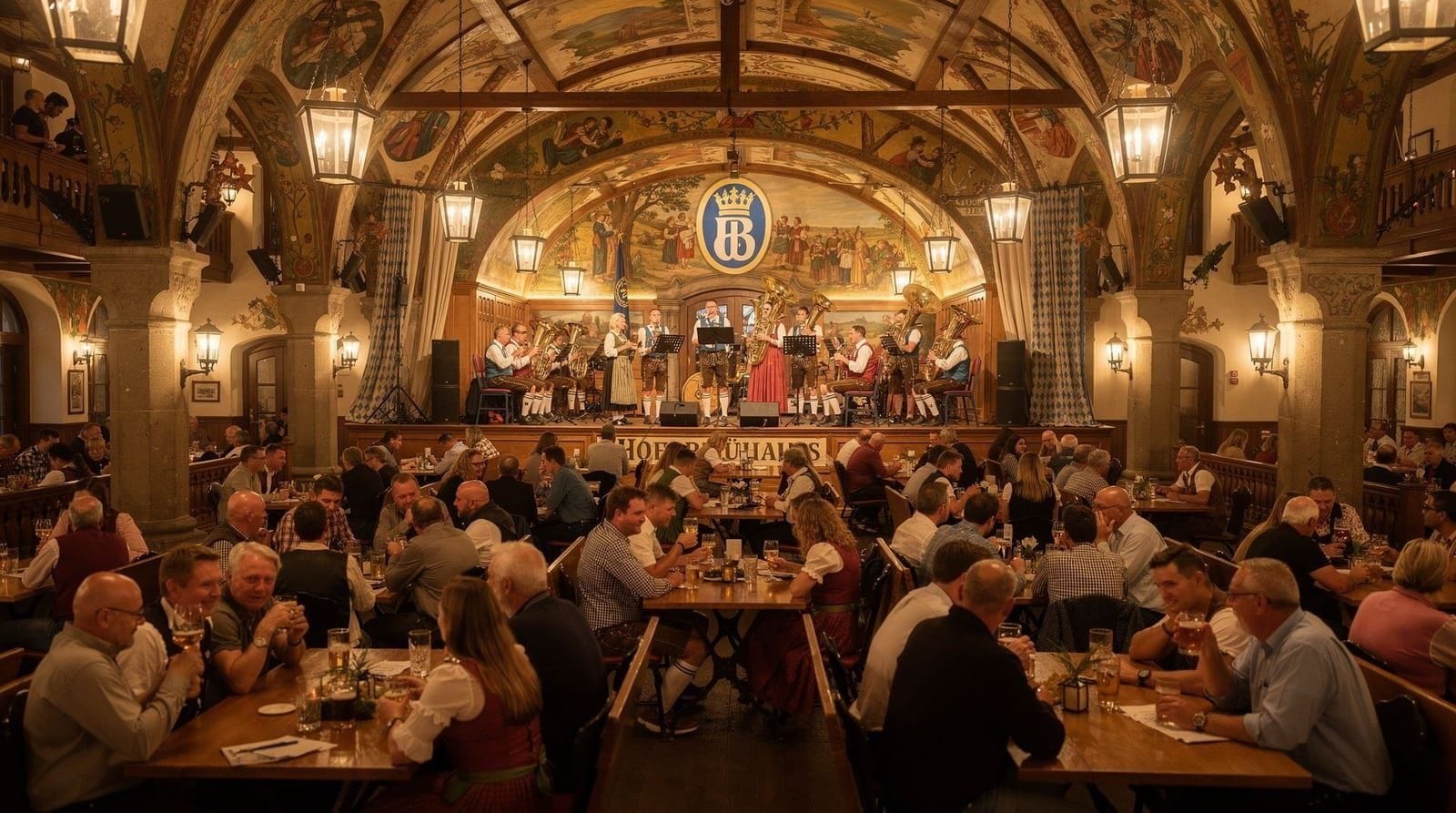
What to drink in spring: Bavaria’s spring beer calendar has its own logic. Starkbier dominates March. Märzenbier (March beer, amber lager, 5.5–6%) is technically brewed in March for later consumption but available in spring. By May, the lighter Helles and Pils that characterise summer are back. The Maibock (May Bock) is a seasonal strong lager released by most breweries in late April or early May — lighter in colour than Starkbier but still 6.5–7% and worth seeking out. Hofbräuhaus releases their Maibock in the first week of May.
A Bavarian beer walking tour with samples provides a structured introduction to the spring beer landscape — useful if you want to understand the difference between a Märzen, a Maibock, and the year-round Helles rather than just drinking them.
Museums and the Long Night
Spring is an excellent time for Munich’s museums. The crowds from summer and Christmas are gone, the queues at Neuschwanstein and Deutsches Museum are shorter, and many institutions run special spring programming.
Lange Nacht der Museen (Long Night of the Museums): This annual event — typically in April or early May — gives entry to approximately 90 museums and cultural institutions in Munich on a single evening ticket for around €18. Museums stay open until 2am; shuttle buses run between venues. It is one of Munich’s genuinely excellent cultural events and rarely discovered by international visitors. Check the Lange Nacht website for 2026 date, expected in January 2026.
Residenz in spring: The Munich Residenz and its treasury are open year-round but see significantly fewer visitors in April than in July. The Hofgarten adjacent to the Residenz has spring plantings that look their best in April and May.
Spring in the Alps: the transition season
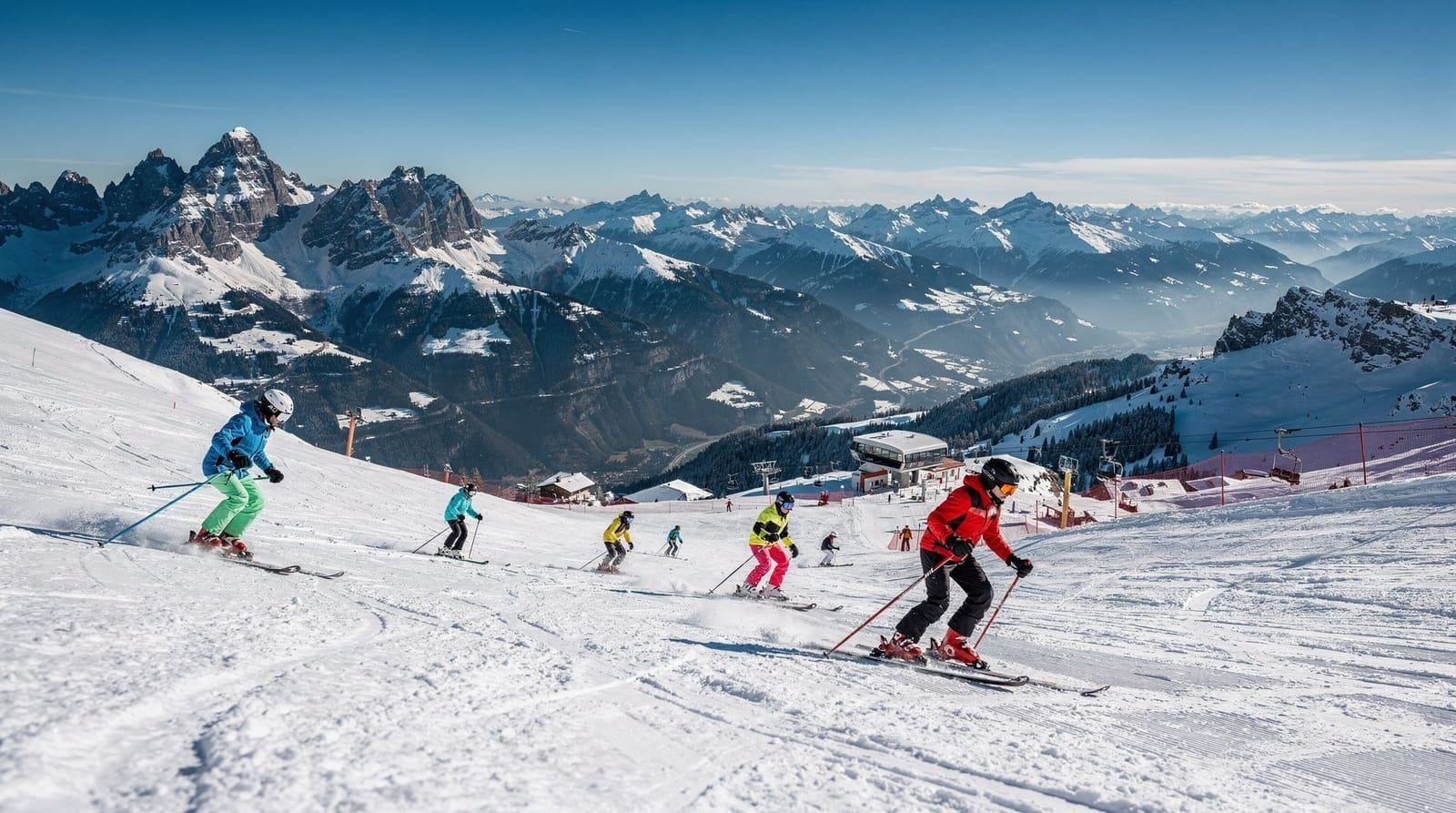
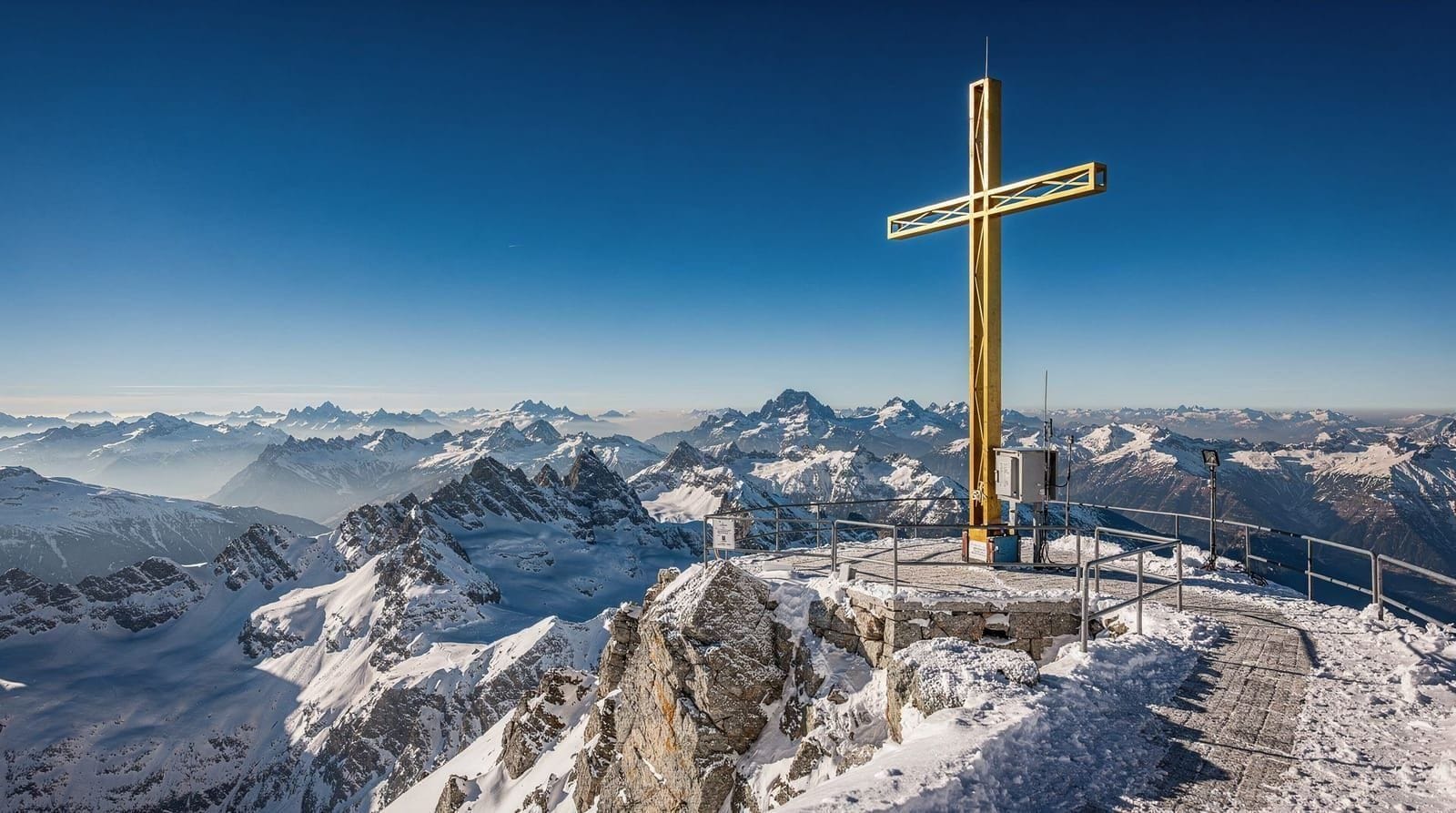
Skiing until April: The Zugspitze glacier ski area (Germany’s highest at 2,720m) runs through April and sometimes into May. Spring skiing conditions vary — the lower slopes of Garmisch Classic close by late March, but the Zugspitze summit area has reliable spring snow. A day lift pass for Zugspitze costs approximately €55–65 in 2026, less than peak winter season rates at comparable resorts. See the Zugspitze day trip guide for how to get there.
Hiking season begins: Lower-altitude trails in the Bavarian Alps become hikeable from late April. The Partnach Gorge near Garmisch is accessible from spring once the ice has cleared — early April can still have ice formations in the gorge that are actually spectacular in their own right. See the Garmisch hiking guide.
Neuschwanstein in spring: Late April and May are the best time to visit Neuschwanstein without high-season crowds. Book timed entry tickets in advance on schlösserverwaltung.de (typically required even in spring), but availability is much better than July–August. The approach paths through Hohenschwangau village are green with new growth; the forest tracks to Marienbrücke bridge are at their most pleasant. See the Munich to Neuschwanstein day trip guide.
Practical spring logistics
Weather: March is cold and often rainy or snowy — temperatures 5–10°C. April is transitional — expect anything from 8°C and wet to 20°C and sunny within the same week. May is reliably pleasant — 15–22°C, though thunderstorms are possible. Pack waterproofs and layers throughout spring.
Accommodation prices: March is cheap. April is mid-range. May begins rising towards summer rates. The week of Frühlingsfest (late April to early May) sees a modest price increase in central hotels compared to surrounding weeks. Book ahead for Frühlingsfest weekends — not with the urgency of Oktoberfest, but a month ahead is sensible.
Transport: Bayern-Ticket works exactly as in summer for day trips. The S-Bahn and U-Bahn run normal schedules throughout spring. See the Munich public transport guide for ticket types if you have not used the MVV before.
Comparing spring to Munich’s other seasons
Spring’s main competitor for “best time to visit” is autumn, and the honest comparison depends on what you want. Spring gives you blossoms, Starkbierfest and the anticipation of beer garden season; autumn gives you Oktoberfest itself and better odds of clear Alpine views. If crowds are your main concern, spring wins outright — it is quieter than both summer and the Oktoberfest weeks. See our best time to visit Munich guide for the fuller year-round comparison, and Munich in summer for what changes once beer garden season is in full swing.
For budget-conscious travellers specifically, March and early April are Munich’s cheapest months for accommodation outside deep winter — the Munich budget guide has the fuller cost breakdown.
Frequently asked questions about Munich in spring
Is Frühlingsfest better than Oktoberfest for first-time visitors?
For many visitors, yes. The crowd is more local, the tents are easier to enter, the lines at rides are shorter, and the overall chaos level is significantly lower. The beer is the same, the setting is the same Theresienwiese, and the food is nearly identical. If you want the big-tent experience without the Instagram-crowd intensity of Oktoberfest, Frühlingsfest is the genuine alternative.
When exactly is Starkbierfest 2026?
Starkbierfest at Paulaner Nockherberg 2026 opens approximately 6–7 March. The broader Starkbier season (when all Munich breweries serve their Doppelbock) runs from mid-February through mid-March. The exact Nockherberg opening date is announced by Paulaner in early 2026 — check paulaner.com for confirmation.
What’s the Maibock and where can I find it?
Maibock is a pale or golden strong lager released by Munich breweries in late April or the first week of May. Alcohol content typically runs 6.5–7.2%. Hofbräuhaus traditionally taps its Maibock on 1 May; other breweries follow within days. Beer hall beer gardens around early May are the best places to find it poured fresh. It is lighter and more drinkable than the winter Starkbier but significantly stronger than the year-round Helles.
Are there crowds at Munich attractions in spring?
Significantly fewer than summer. At Neuschwanstein, spring visitors can often get same-week ticket reservations that would be impossible in July. At Deutsches Museum and the Pinakotheks, walk-in entry is typically feasible on weekday mornings. The English Garden and Nymphenburg are busy on sunny weekends but not unmanageably so.
When do Munich beer gardens open in 2026?
The first openings typically happen in mid-to-late April when sustained warm weather (above 10°C daytime) arrives. Augustiner-Keller, Hirschgarten, and the Chinesischer Turm are among the first to open each year. Check same-day before visiting — spring beer garden opening decisions are weather-dependent.
Is it warm enough in Munich in spring to enjoy outdoor activities?
March is genuinely cold — treat it like late winter. April is transitional — warm enough for outdoor walking on sunny days, cold enough for rain and the occasional frost overnight. May is reliably warm (15–20°C) and the best spring month for outdoor Munich. Beer garden season is in full swing by May and the city feels actively summer-like on clear days.
Should I visit Munich in spring or wait for Oktoberfest?
If a big beer-tent atmosphere is the main goal but you want to avoid Oktoberfest’s crowds and prices, Frühlingsfest in late April/early May genuinely delivers a comparable experience with far less chaos. If Oktoberfest itself — the specific event, not just a beer festival — is the point of your trip, nothing in spring substitutes for it, and you should plan for autumn instead.
Is Neuschwanstein easier to visit in spring than summer?
Yes, noticeably. Same-week ticket availability is realistic in April and May, which is rarely true in July and August. Book ahead regardless, but the pressure is much lower than peak season — see the Munich to Neuschwanstein day trip guide for booking specifics.
Top experiences
Bookable activities with verified prices and instant confirmation on GetYourGuide.