Munich beer and food tour review 2026 — is it worth booking?
Munich: beer and food tour with dinner and Oktoberfest Museum
What Munich’s beer and food tours actually deliver
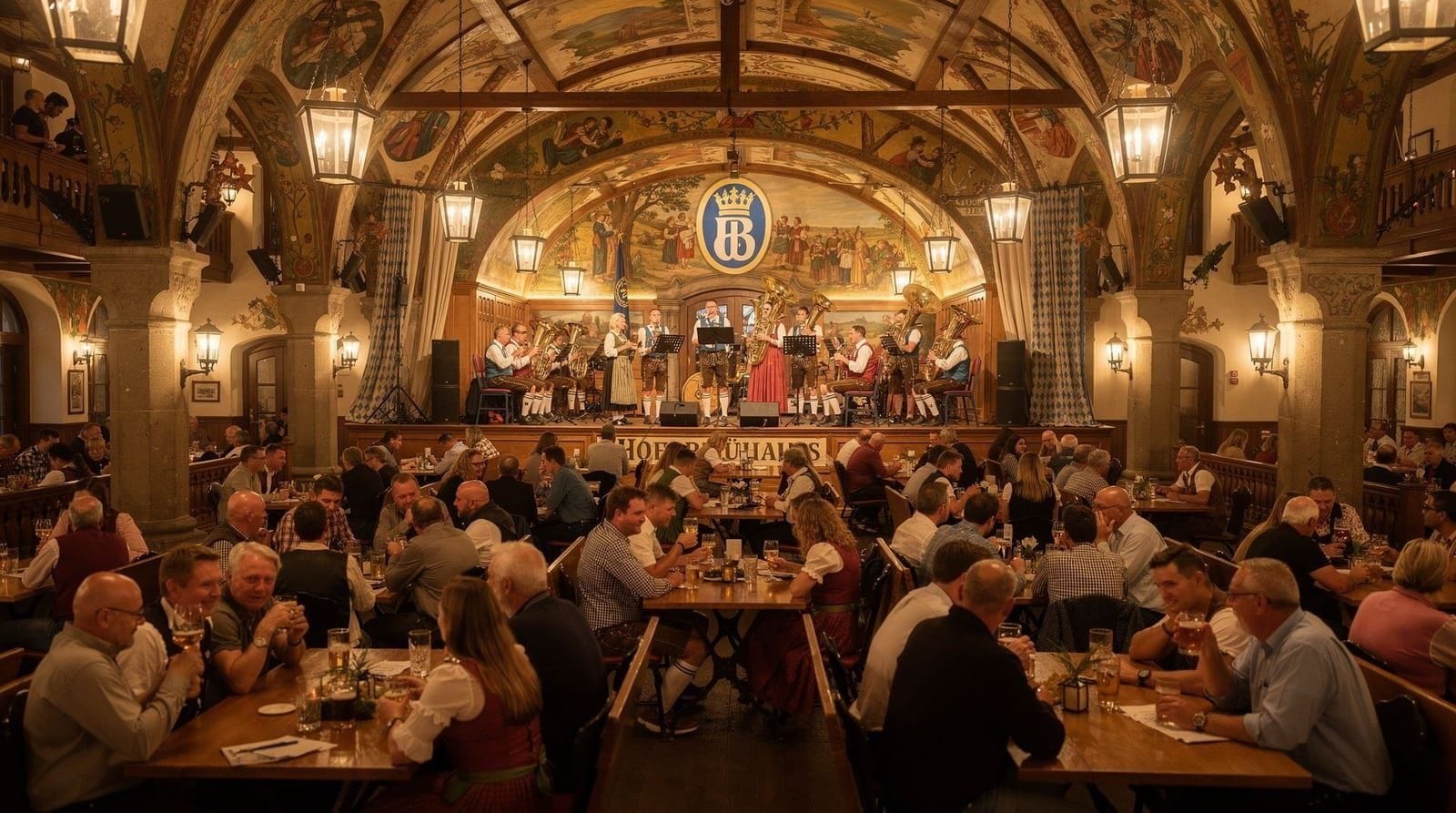
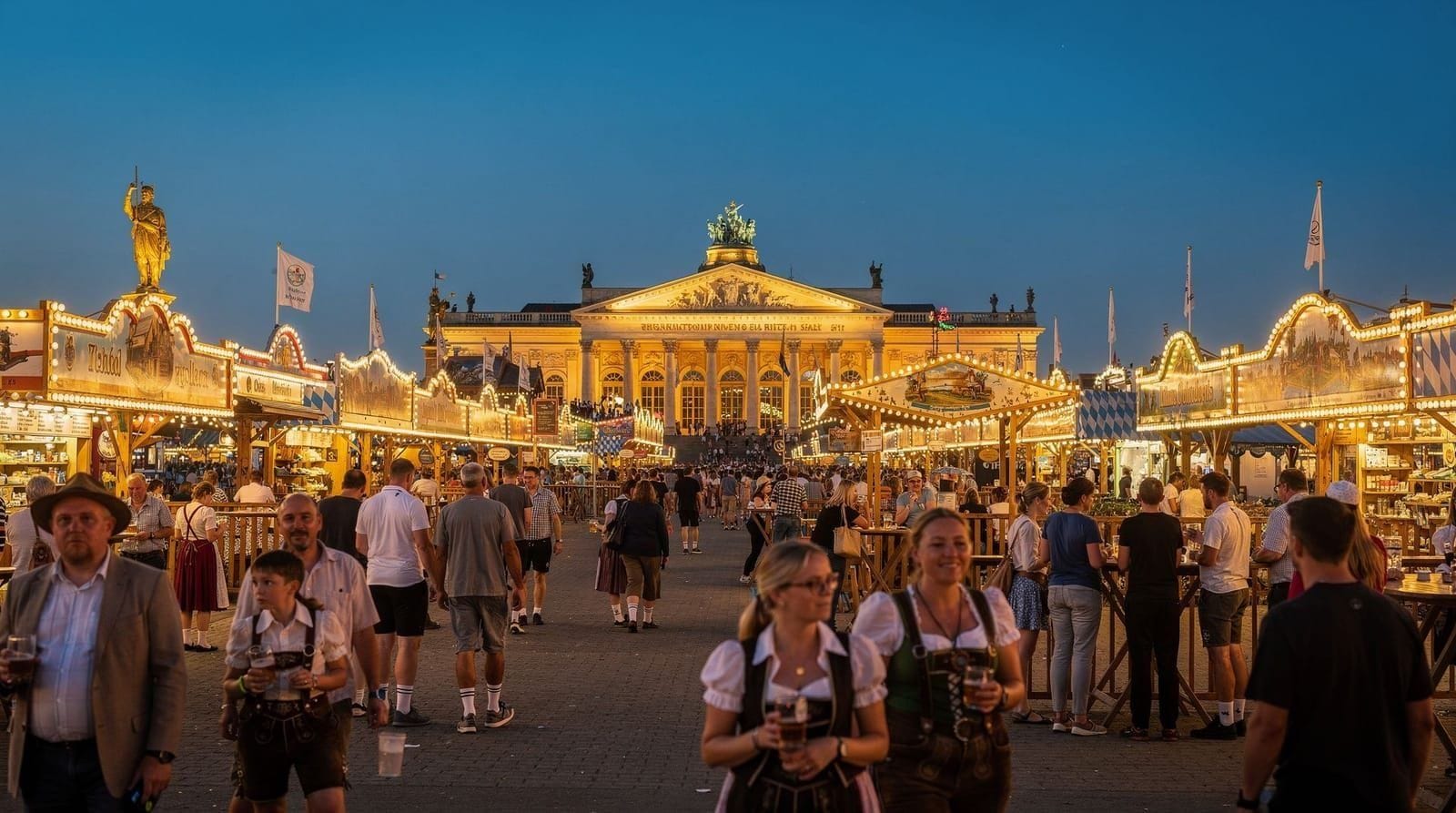
Munich’s beer hall culture is one of the most distinctive in the world, and it is also more nuanced than the tourist brochures suggest. The Hofbräuhaus on Am Platzl is famous, frequently photographed, and tends to draw a loud international crowd that has little in common with the local regulars you will find at Augustiner-Keller or Weisses Bräuhaus. A good beer and food tour helps you navigate this distinction — taking you into the halls that matter, explaining what you are eating and drinking, and giving you the context to appreciate why Munich’s beer culture is more than a marketing exercise.
The core product is a guided evening walking tour, usually of 3 to 4 hours, visiting two to four beer halls or taverns with food and beer samples at each stop. The guide handles the ordering, explains the history and differences between Bavarian beer styles (Helles, Weizenbier, Dunkles, Märzen, Bock), and contextualises the social and political role of beer halls in Munich’s history — including, on the better tours, the connection to the Beer Hall Putsch and the Nazi period.
| Where | Starts near Marienplatz, moves between 2–4 beer halls |
| Cost | Around €55–90 per person |
| Time needed | 3–4 hours, evening |
| Getting there | Central meeting point, walkable between stops |
| Best time | Tuesday–Thursday for a calmer atmosphere; book 5–7 days ahead in summer |
What to expect on the tour
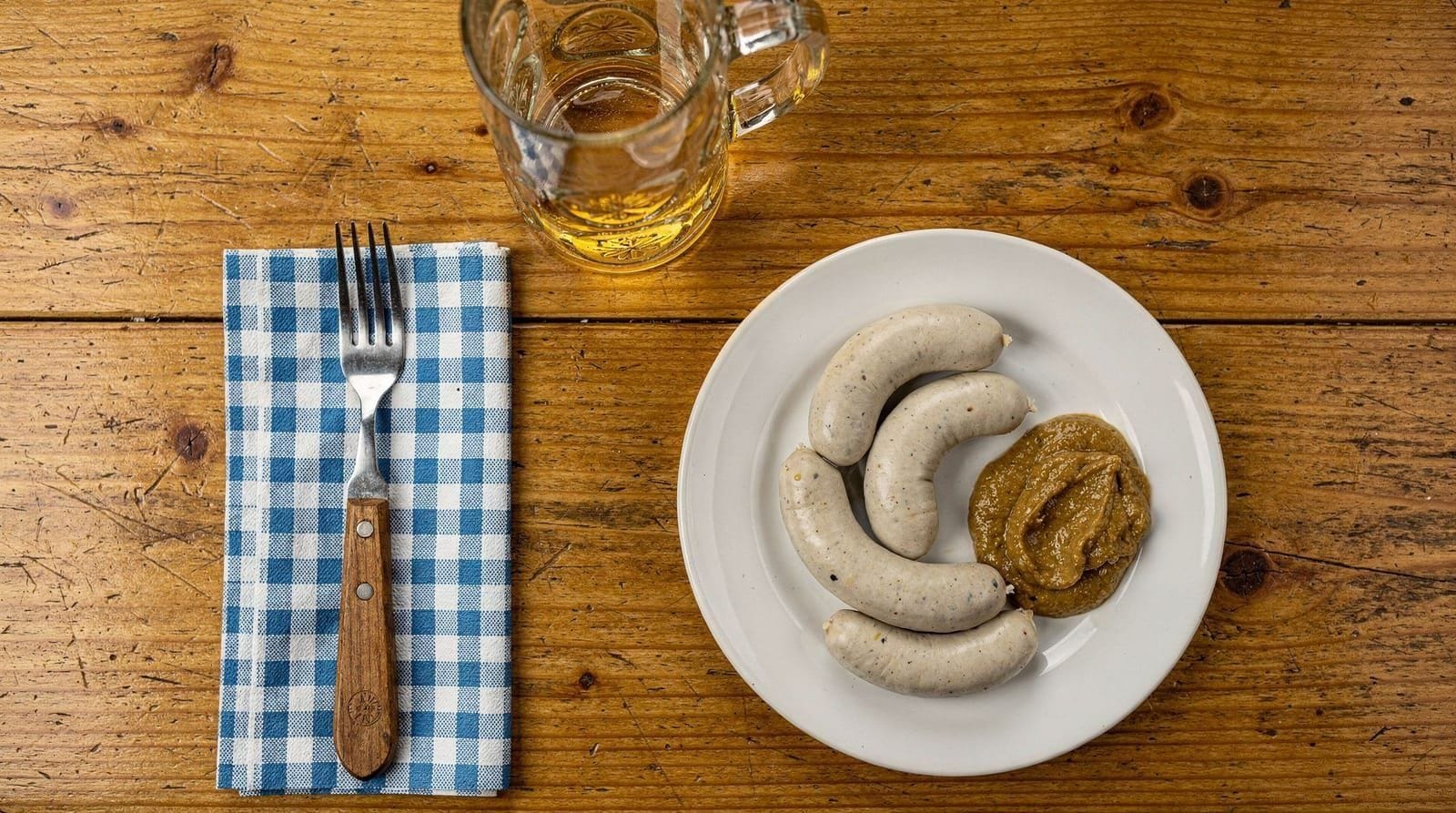
Most evening tours begin at a meeting point near Marienplatz between 18:00 and 19:00. The first stop is typically an introduction to Bavarian snacks: obatzda with pretzels, possibly a Weisswurst with sweet mustard, and the first beer of the evening. Guides explain the strict Bavarian purity law (Reinheitsgebot) of 1516, which mandated that beer could only be brewed with water, hops, and barley — a law that Munich’s breweries still follow.
Subsequent stops move between venues, with each offering a different beer style or food pairing. Better tours include at least one less-obvious venue — a neighbourhood tavern or a lesser-known hall that locals actually use — rather than sequencing through the three most photographed tourist spots.
Some tours end the evening at the Oktoberfest Museum on Tal Strasse, a small but informative collection documenting the history of Oktoberfest from its origins as a royal horse race in 1810 to the current 6-million-visitor annual event. Entry is included in the tour price on tours that list the museum as a feature. Book Munich beer and food tour with dinner and Oktoberfest Museum
Beer tour vs self-guided beer hall visit: honest comparison
You can visit Munich’s beer halls entirely independently and spend less money doing so. A Mass (1-litre stein) of beer at the Hofbräuhaus costs around €11–14 in 2026. A plate of Leberkäse with potato salad runs €10–15. An evening for two with two rounds of beer and dinner at the Hofbräuhaus comes to roughly €60–80.
A guided beer tour costs €55–90 per person, depending on operator and inclusions. For that price, you receive smaller quantities of beer but multiple styles, curated food pairings, and a guide’s explanation of what you are tasting and why.
The case for the guided tour comes down to one question: do you want to understand what you are experiencing, or do you just want to drink in an atmospheric hall? For visitors with a genuine interest in food and drink culture, the guided context adds real value. For visitors whose priority is simply sitting in the Hofbräuhaus for a few hours with a Masskrug, the DIY version is cheaper and arguably more authentic.
If you want to do both — one evening with a tour, one evening independently — our Munich beer halls guide covers how to navigate the major halls and what each offers in terms of atmosphere, noise level, and menu. The Hofbräuhaus guide covers the famous original in detail including tips for avoiding the worst tourist bottlenecks.
| Guided tour | DIY beer hall evening | |
|---|---|---|
| Cost (2 people) | Around €110–180 total | Around €60–80 total |
| What you get | Multiple styles, curated food, guide commentary | One venue, larger quantities, no context |
| Best for | First evening, food-and-drink-curious visitors | Repeat visitors, budget-conscious, know what they want |
| Flexibility | Fixed pace, group-set schedule | Linger as long as you like |
Food-focused alternatives
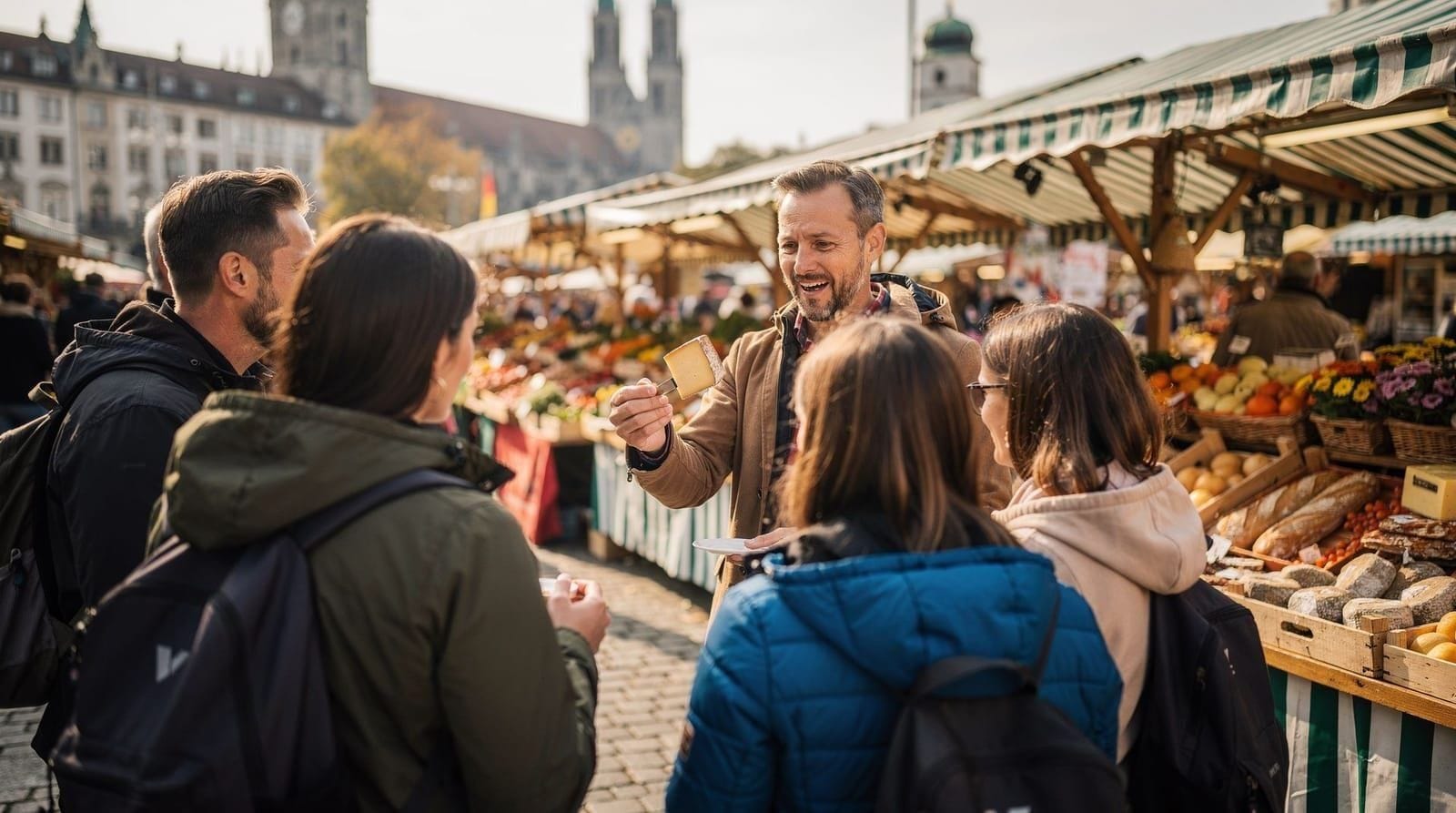
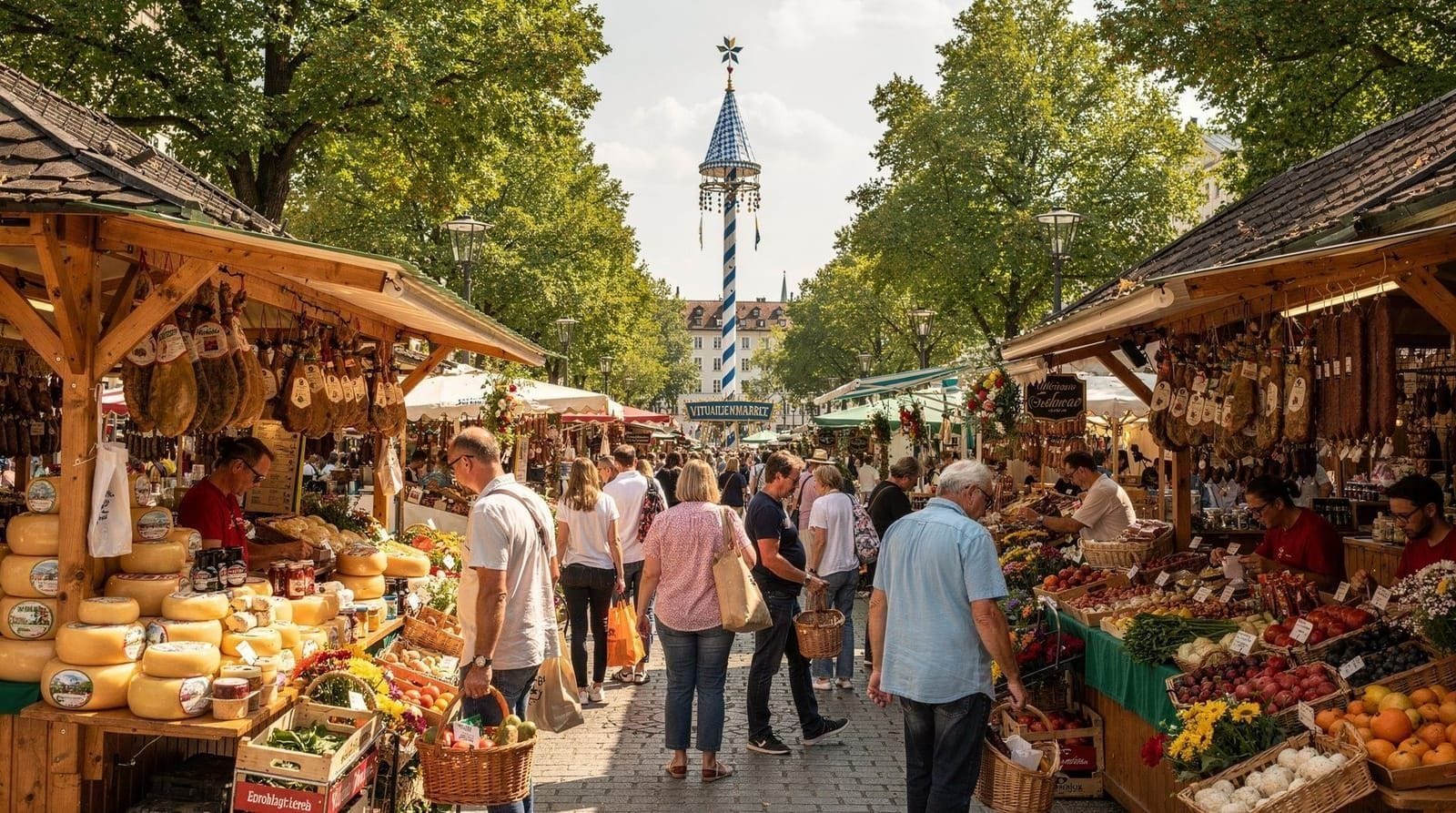
If food is your primary interest rather than beer, the Viktualienmarkt food tours offer a better product. These daytime tours visit Munich’s famous open-air market and surrounding food vendors, covering Bavarian regional specialties in more depth. See our Viktualienmarkt food guide and Munich food tour guide for options.
The Bavarian food and market tour with a 3-course meal is particularly good for visitors who want to understand regional food culture rather than beer culture — the tour covers the market vendors, explains regional produce and seasonal dishes, and ends with a full Bavarian meal at a traditional restaurant. Book Munich Bavarian beer walking tour with samples and food
Beer hall etiquette — what the tour teaches you
This is one of the underrated benefits of going on a guided tour rather than walking in independently. Munich’s beer halls have cultural norms that are not always obvious to visitors.
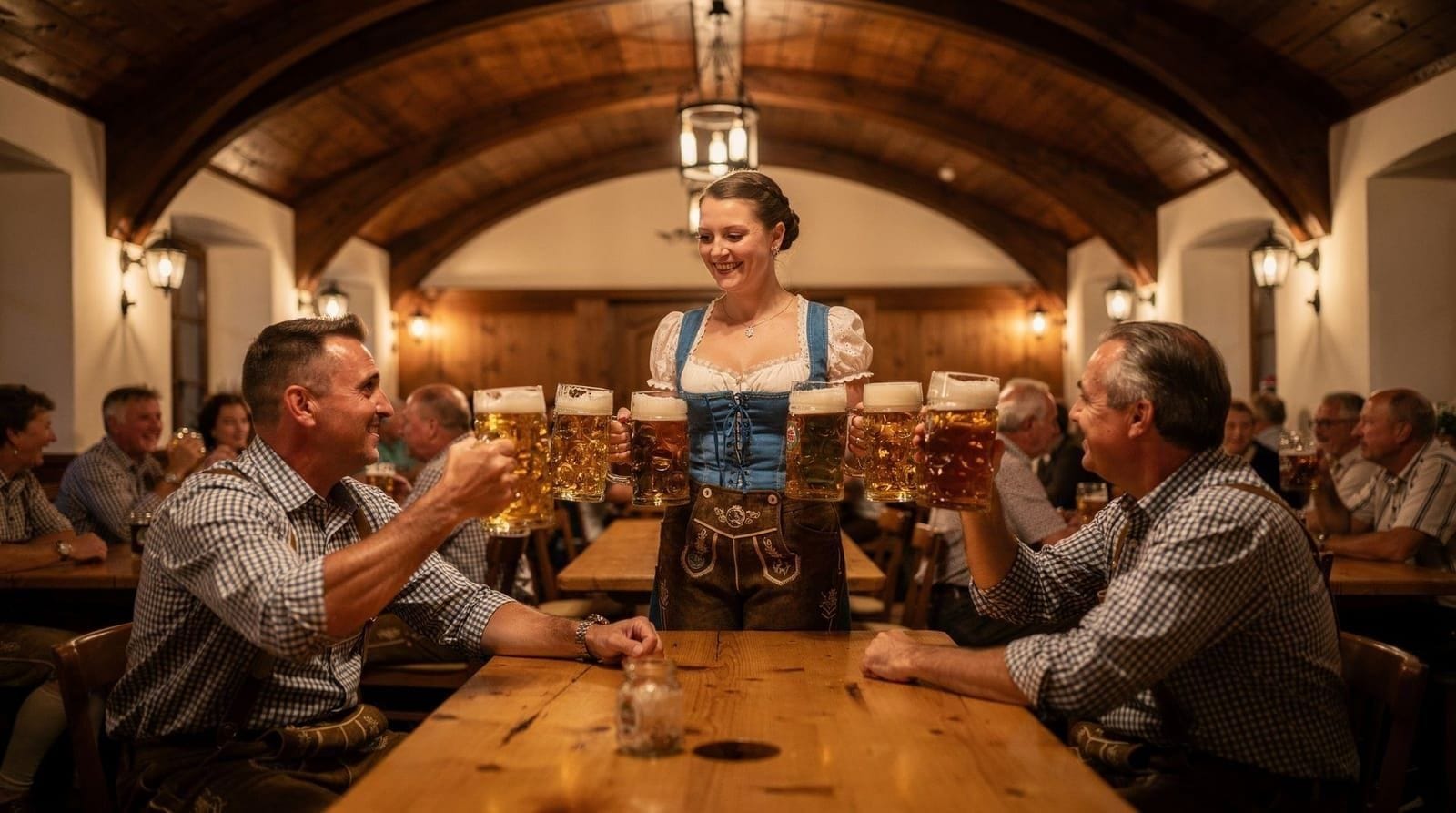
You seat yourself at most halls — there is no host who assigns tables. Reserving a table is generally not possible except for large groups at specific halls. At communal benches, it is perfectly acceptable and expected to sit next to strangers and strike up conversation; this is in fact the original social function of a beer hall.
Ordering is done from wandering service staff rather than at a bar. At the busiest halls (particularly the Hofbräuhaus), service staff can be slow during peak hours — patience is part of the experience. Tapping your empty glass on the table to attract attention is acceptable. Shouting across the hall is not.
Saying “Prost” before drinking and making eye contact while clinking glasses is important — Munich locals will tell you that failing to make eye contact during a toast brings seven years of bad luck in love. Our Munich beer hall etiquette guide covers these norms in full detail.
Dietary considerations
Traditional Bavarian beer hall food is meat-heavy — Weisswurst, Leberkäse, and pork knuckle dominate most tour menus. Vegetarian options exist (obatzda, pretzels, cheese spätzle) but are secondary at most stops, so vegetarian or vegan travellers should message the operator before booking to confirm what alternatives are actually available at each venue. Our Munich vegetarian and vegan guide is a useful reference if beer hall food isn’t going to work for your diet and you’d rather plan meals independently around the tour.
Booking tips
Small-group tours (8–12 people maximum) are significantly better than large-group departures. The guide can manage questions, pace to the group’s interest, and ensure everyone gets adequate time at each venue. Check the maximum group size before booking.
Evening tours on Friday and Saturday are the most atmospheric but also the busiest — halls are noisier and more crowded. Tuesday through Thursday tours visit the same venues in a calmer atmosphere.
During Oktoberfest (mid-September to first weekend in October), beer hall tours must navigate the logistics of a city where every table in major venues is pre-reserved for tent reservations. Guides on reputable tours know which venues remain accessible during the festival.
Honest pros and cons
Pros:
- Introduces you to multiple beer styles, venues, and Bavarian food with expert commentary
- Navigates you past the purely tourist-oriented experiences toward more authentic venues
- Groups are social and the shared tasting format is more convivial than eating alone
- Good value if you were planning to visit the Oktoberfest Museum separately (usually €4 entry)
- Removes the anxiety of navigating large and sometimes overwhelming beer halls independently
Cons:
- More expensive per unit of beer than ordering a Masskrug independently
- Tour format means you cannot linger at a venue you love; the pace is set by the group
- Some operators run oversized groups that defeat the purpose of a curated experience
- Quality of food portions varies — check reviews to confirm the tour is genuinely filling rather than taster-only
After the tour: independent exploration
The beer tour is an excellent first evening in Munich. After that, you have the knowledge to explore independently. The city’s best independent beer halls include Augustiner-Keller on Arnulfstrasse (a vast outdoor beer garden that seats 5,000 in summer), the Weisses Bräuhaus on Tal for traditional Bavarian dishes, and the Paulaner am Nockherberg for a less tourist-heavy atmosphere.
For a complete guide to Bavarian food and what to eat during your stay, see Bavarian dishes to try in Munich and Best restaurants in Munich.
More resources: Munich brewery tours · Beer Hall Putsch history · Oktoberfest guide
Frequently asked questions about Munich beer and food tours
What is included in a Munich beer and food tour?
Most tours include 3 to 6 beer tastings, a selection of Bavarian snacks or a full meal, guided entry into 2 to 4 beer halls or venues, and commentary on Munich brewing history and beer culture. Some tours include the Oktoberfest Museum. Meal volume and beer quantity vary significantly by operator.
How long do Munich beer and food tours last?
Most tours run 3 to 4 hours in the evening, typically ending around 21:00 to 22:00.
Are Munich beer tours suitable for people who do not drink beer?
Some operators offer non-alcoholic options (Radler or alcohol-free wheat beer) and most venues have soft drinks. However, if beer is not your thing, a Viktualienmarkt food tour is likely a better fit.
How much alcohol is served on a beer tour?
Typically 3 to 6 small pours of around 0.2–0.3 litres each, plus any beer included with a dinner portion. This is a tasting experience, not a pub crawl.
Do I need to book in advance?
Yes. Small-group tours book up quickly, especially Friday and Saturday evenings in summer and during Oktoberfest. Book at least five to seven days ahead for peak season.
What is obatzda?
Obatzda is a Bavarian cheese spread made from aged Camembert or Brie mixed with butter, cream cheese, paprika, and onion — served at virtually every beer hall in Munich.
Which beer halls are typically visited?
Most tours include the Hofbräuhaus, Augustiner am Platzl, or Augustiner-Bräustuben. Higher-quality tours add a smaller, less touristy venue alongside the famous halls. The Paulaner Bräuhaus and the Weisses Bräuhaus are also commonly featured.
Is a beer tour worth it if I’m doing Oktoberfest too?
During Oktoberfest (mid-September to the first weekend in October) most beer halls run different logistics, since tables are pre-reserved for tent bookings — a reputable operator will know which venues remain accessible. Outside the festival, a beer hall tour and an Oktoberfest tent visit are complementary rather than redundant, since the tent experience is quite different from a beer hall evening.
What if I don’t drink alcohol at all?
Most venues serve non-alcoholic wheat beer or Radler, and the guide’s food and history commentary still applies. That said, if beer isn’t the draw for you, a Viktualienmarkt food tour built around Bavarian food rather than beer styles is likely the better fit.