Best restaurants in Munich — honest guide across all budgets
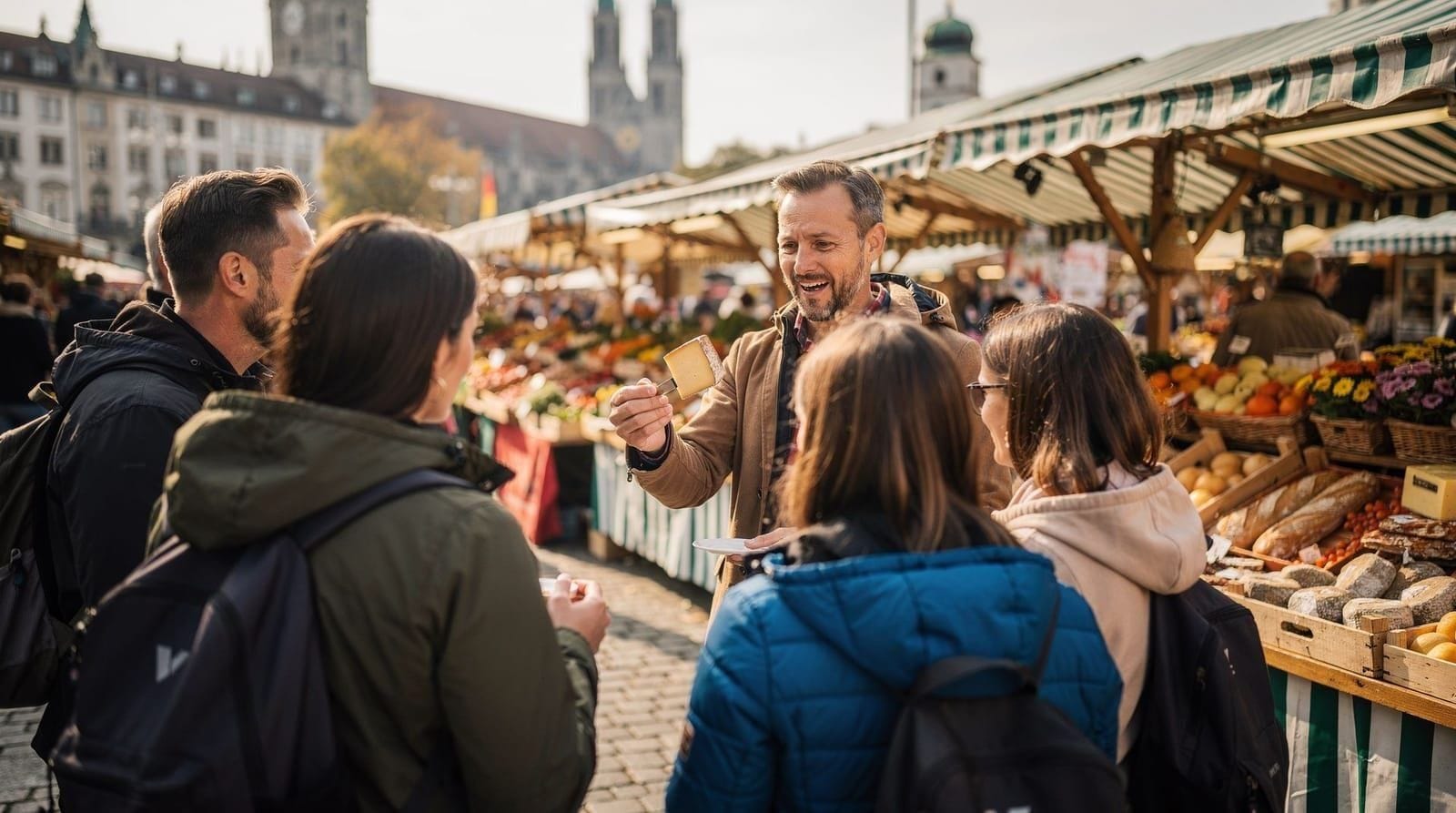
Munich: traditional food tour with full meal and drinks
What are the best restaurants in Munich for traditional Bavarian food?
For traditional Bavarian food: Wirtshaus in der Au (Haidhausen, mid-range, excellent Dampfnudeln and Schweinshaxe), Zum Dürnbräu (old town, historic, fair prices), and Haxnbauer (old town, specialist pork roasting). For a genuine experience without tourist pricing, Wirtshaus in der Au and Zum Dürnbräu are the strongest choices.
Eating well in Munich — the honest context
Munich is not a city that makes restaurant decisions easy. The tourist infrastructure around Marienplatz and the beer hall circuit can create the impression that Bavarian food means loud tables, large portions, and indistinguishable traditional menus — and there are plenty of restaurants that fit that description. But beneath that layer, Munich has a serious and sophisticated food scene with some of Germany’s best fine dining, a strong independent restaurant culture in the city’s residential neighbourhoods, and a small group of traditional Wirtshäuser that genuinely represent Bavarian cooking at its best.
This guide is organised by category and price, with honest assessments rather than promotional summaries.
| Where | Old town, Au-Haidhausen, Glockenbach, Maxvorstadt, Schwabing |
| Cost | €25–35 traditional Wirtshaus to €95–295 tasting menus |
| Time needed | 1.5–2 hours sit-down, longer for tasting menus |
| Booking | 2–5 days ahead for popular spots; weeks for Michelin-starred |
| Best time | 6pm–9pm for dinner; before 11am for Weisswurst |
Traditional Bavarian Wirtshäuser — the honest ranking
Wirtshaus in der Au — the best traditional restaurant in Munich
Address: Lilienstraße 51, 81669 Munich (Au-Haidhausen, east of the Isar) Price: Main courses €16-24. Full meal with beer ~€30-38 per person. Reservations: Essential for weekend evenings — book 3-5 days ahead. Nearest transport: Tram 18 to Am Gasteig, or a 20-minute walk across the Isar from Marienplatz.
The Wirtshaus in der Au is the restaurant that Munich residents mention when asked where to send visitors who want to eat traditional Bavarian food properly, without tourist pricing or theatrics.
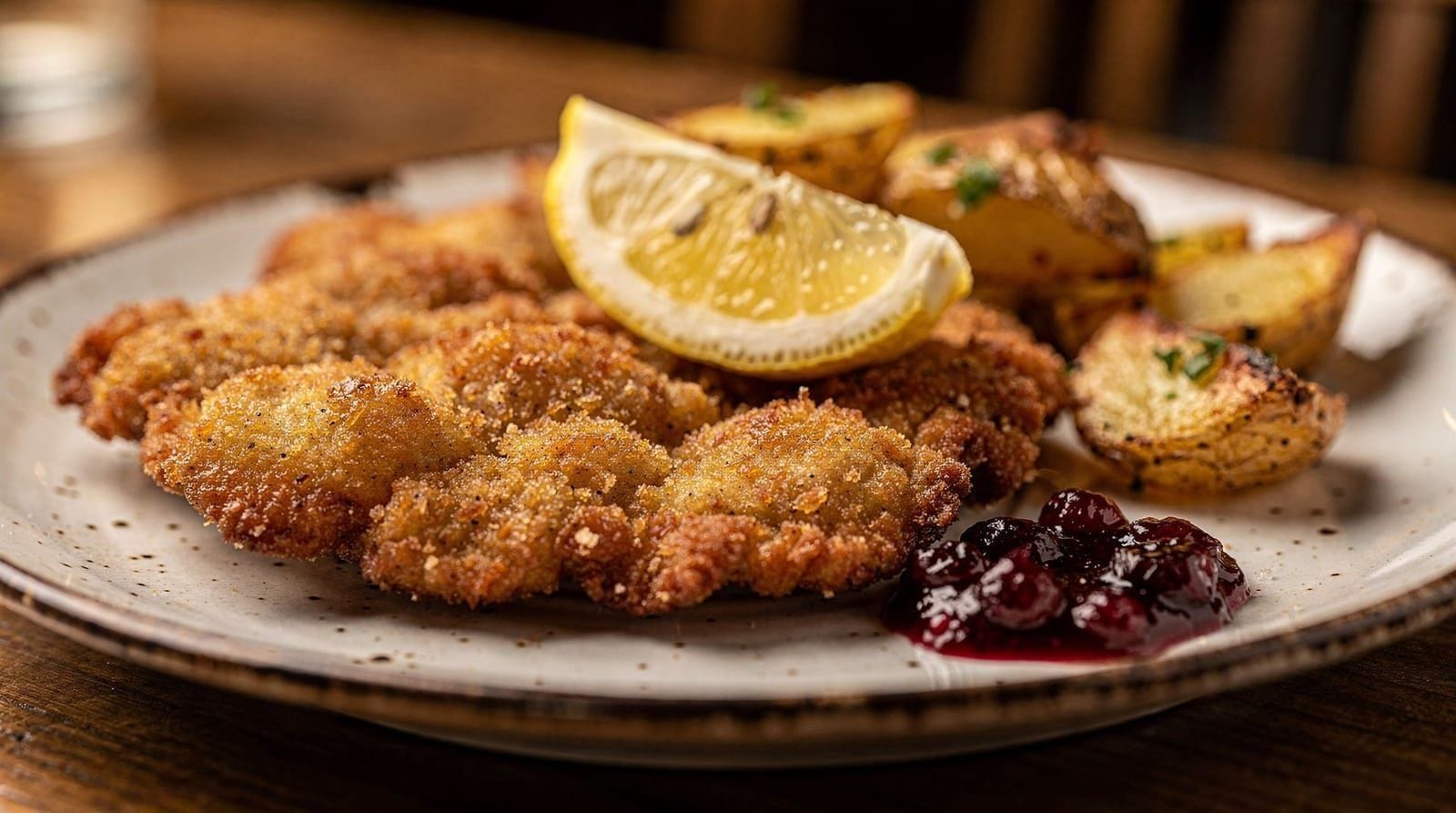
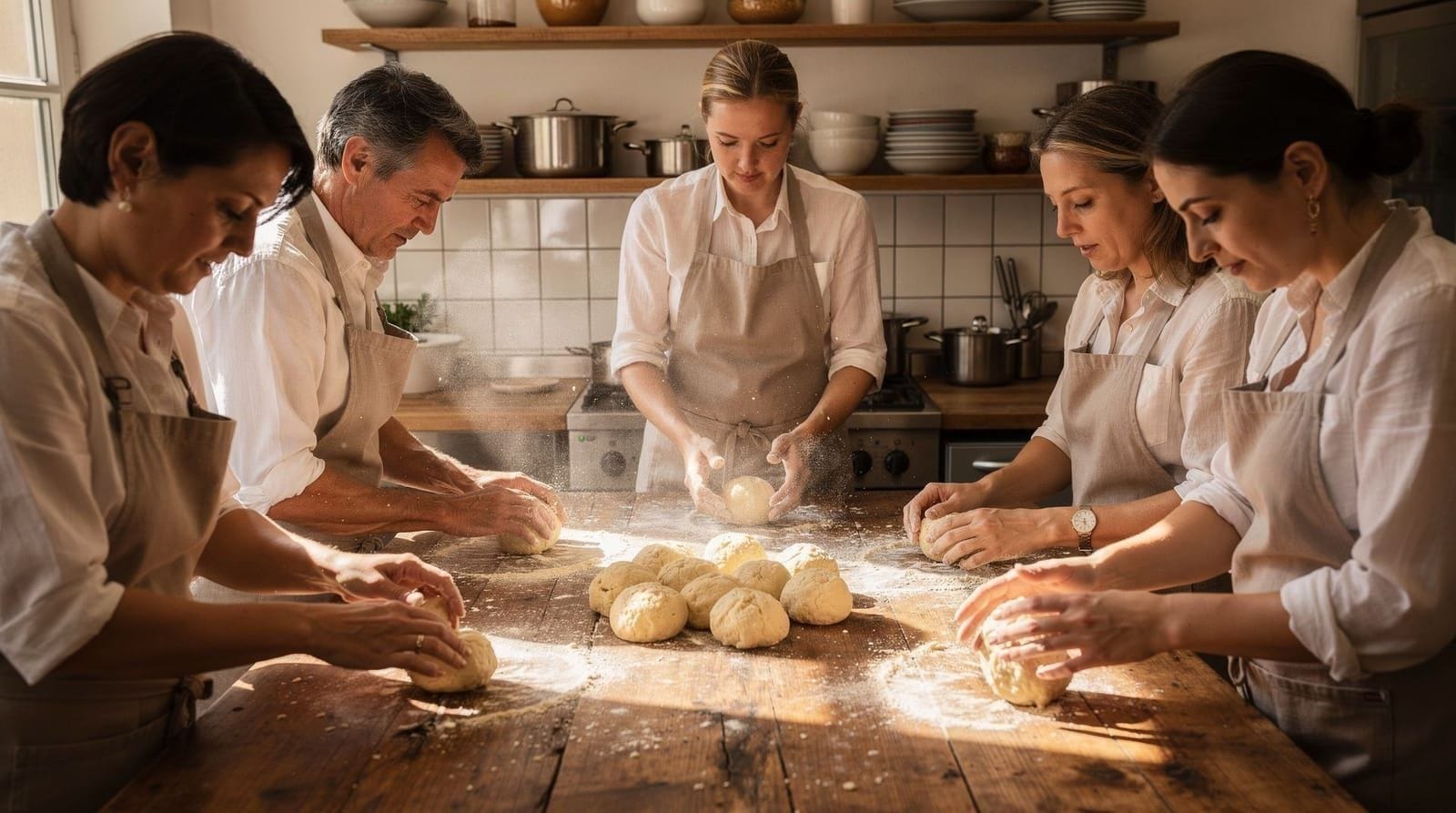
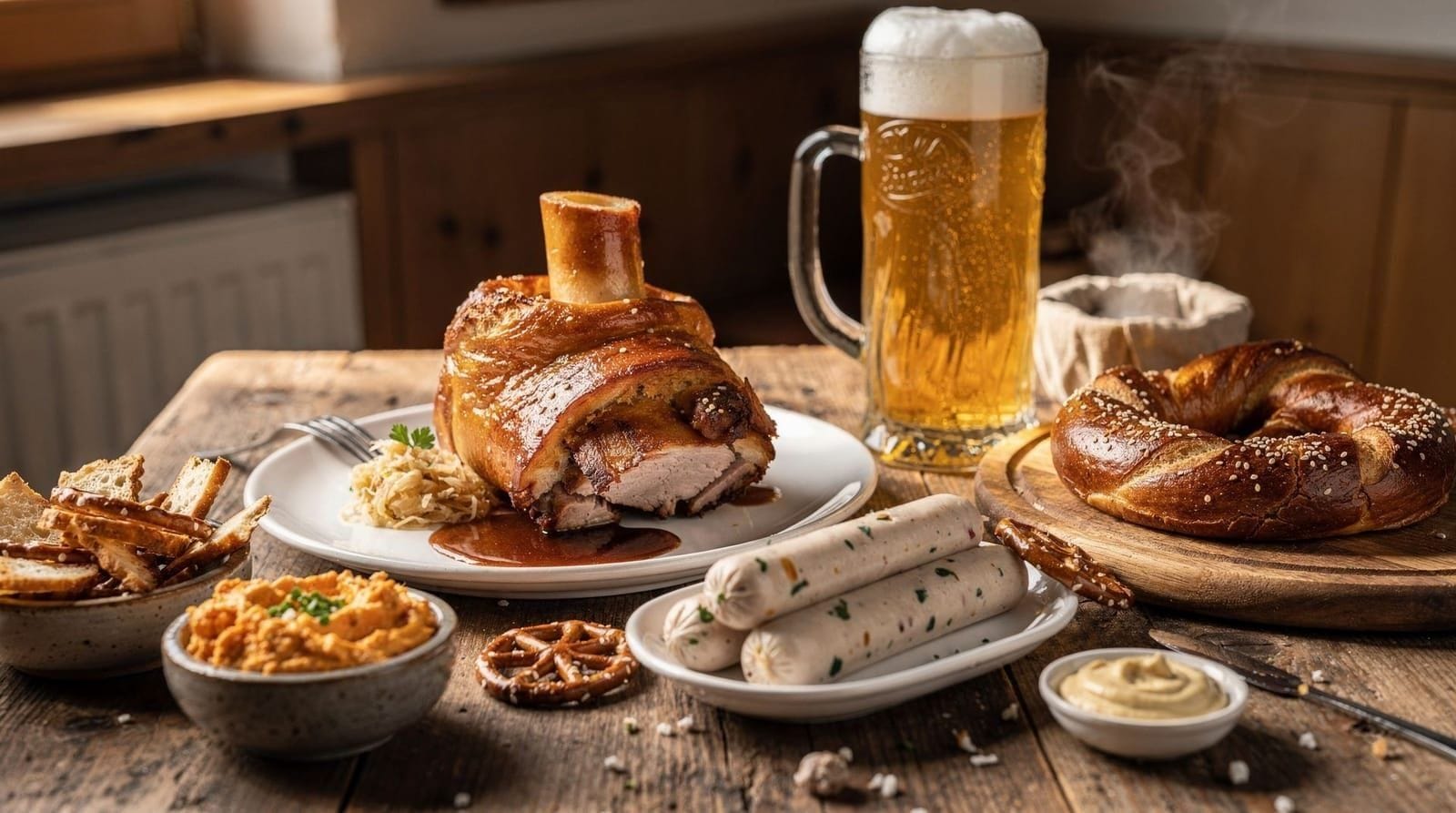
The setting is a 19th-century Wirtshaus building in the Au district — wood-panelled walls, long communal tables, low-key service. The cooking is more careful than most traditional restaurants: the Dampfnudeln (steamed yeast dumplings with vanilla sauce) are made to order and arrive genuinely impressive; the Schweinshaxe has properly crackled skin; the Leberknödelsuppe (liver dumpling soup) is the dish Munich cooks use as a benchmark for kitchen quality. The Kaiserschmarrn for dessert is among the best in the city.
The slight inconvenience of the Haidhausen location keeps tourist volume manageable. Walk or take the tram — the neighbourhood itself is worth visiting and the Au-Haidhausen guide covers what else is in the area.
Order: Leberknödelsuppe as starter, Schweinshaxe or seasonal game as main, Dampfnudeln for dessert. Book for the weekend.
Zum Dürnbräu — historic old town Wirtshaus
Address: Tal 21, 80331 Munich (old town, near Isartor) Price: Main courses €14-21. Full meal with beer ~€25-32 per person. Reservations: Recommended for evenings.
Zum Dürnbräu occupies one of the oldest continuously operating restaurant buildings in Munich — the current structure dates from the 15th century, and records of food service at the site go further back. The interior reflects that age: low vaulted ceilings, narrow rooms, and a sense of having been here long enough to stop trying to impress anyone.
The food is honest Bavarian cooking without pretension or tourist-menu simplification. Weißwurst in the morning, Schweinshaxe and Sauerbraten in the evening, Obatzda as a starter, Kaiserschmarrn for dessert. Prices are fair for the old town location.
Being inside the Altstadt makes Zum Dürnbräu more accessible than Wirtshaus in der Au but also more tourist-facing — it appears in enough guidebooks that the evening clientele mixes Munich regulars with visitors. The quality has remained consistent despite this.
Weißes Bräuhaus — the Weißwurst institution
Address: Tal 7, 80331 Munich (near Isartor, old town) Price: Main courses €14-20. Weißwurst breakfast ~€12.
The Weißes Bräuhaus is one of the Schneider Weisse brewery’s flagship locations, and it serves what many Munich residents consider the definitive Weißwurst — made in-house, served before noon, with sweet mustard and a fresh Brezn. The Schneider Weisse Weizenbier on tap here is the natural accompaniment.
Beyond the morning Weißwurst window, Weißes Bräuhaus is a solid traditional Wirtshaus. The Helles Leberknödelsuppe, the Tellerfleisch (boiled beef with horseradish), and the Apfelstrudel for dessert are all reliably prepared. The atmosphere is genuinely old-Munich — worn wood, regular clientele, and service that assumes you know what you want.
Haxnbauer am Marienplatz — specialist pork roasting
Address: Münzstraße 2, 80331 Munich (just off Marienplatz) Price: Main courses €19-28. Reservations: Strongly recommended for evenings.
Haxnbauer does one thing exceptionally well: roasted pork. The open rotisserie visible from the dining room — long spits of Schweinshaxe rotating in front of a wood-fired oven — is both theatre and evidence of the kitchen’s primary commitment. If you eat Schweinshaxe anywhere in Munich, Haxnbauer is the specialist choice.
The location is prime tourist territory (directly off Marienplatz) and prices reflect the address. But the food quality is not tourist-menu quality — the Schweinshaxe here is taken seriously, the skin is genuinely crackled, and the kitchen manages volume without sacrificing execution. The Sauerkraut and potato dumplings that accompany it are well-made.
The Munich food tour guide covers how to structure a full day around the old town eating circuit that includes Haxnbauer alongside market visits and café stops.
Beer hall restaurants — best for eating
The city’s beer halls (Hofbräuhaus, Augustiner am Dom, Löwenbräukeller, Paulaner) are primarily drinking establishments that also serve food, not restaurants that also serve beer. Understanding that distinction calibrates expectations.
Augustiner-Keller Gaststätte (Arnulfstraße 52): The indoor restaurant attached to Munich’s best beer garden is the beer hall option most likely to satisfy food expectations. The cooking is careful, the Augustiner beer is excellent, and the atmosphere has authentic Munich character that Hofbräuhaus has lost to tourist volume. A full dinner costs €25-35 per person including beer.
Paulaner am Nockherberg (Hochstraße 77, Au): The Paulaner brewery’s flagship restaurant sits on the hill above the Isar in the Au district, with a large beer hall, a garden terrace, and views across the city. The cooking is above-average beer hall food — the Paulaner spit-roasted chicken and Sauerbraten are both good.
For the Hofbräuhaus: visit it, have a Maß, eat a pretzel. Don’t plan a meal there if you have other options.
Mid-range modern restaurants
Munich’s mid-range restaurant scene has improved significantly over the past decade. The best options are in the residential neighbourhoods rather than the tourist zone:
Mural (Maria-Theresia-Straße 2, Bogenhausen): Contemporary European cooking with strong seasonal focus and a Michelin star. The lunch set menu (€38-45 for two courses) represents excellent value for fine dining in Munich. Evening tasting menus run €95-130. Book well in advance.
Brenner Operngrill (Maximilianstraße 15): Modern brasserie in a gorgeous vaulted space near the National Theatre. The cooking spans Austrian, Italian, and Mediterranean influences with strong attention to sourcing. Particularly good for grilled fish and wood-fired dishes. Main courses €24-36.
Geisels Werneckhof (Werneckstraße 11, Schwabing): One-Michelin-star restaurant in Schwabing with a Japanese-influenced approach to Bavarian ingredients. The technique is precise, the ingredients are exceptional quality, and the tasting menu format works well. Expensive but worth it for a special dinner: tasting menus €95-140.
Fine dining in Munich — the Michelin tier
Munich is one of Germany’s most Michelin-starred cities. The top tier:
Atelier (Bayerischer Hof hotel, Promenadeplatz 2): Three Michelin stars. Chef Jan Hartwig trained with Robuchon and brings a rigorous, product-focused approach to a modern European framework. The seven-course tasting menu runs €260-295 per person, wine pairing extra. Booking required months in advance.
Tantris DNA (Johann-Fichte-Straße 7, Schwabing): Three Michelin stars. The Tantris restaurant was one of Germany’s most legendary dining establishments for 50 years; Tantris DNA is its current incarnation under Virginie Protat. The cooking is ambitious and product-led, with strong French influence. Tasting menus €220-280 per person.
Tian München (Frauenplatz 1, old town): One Michelin star, vegetarian. Chef Christian Hümbs produces some of the most technically accomplished vegetarian cooking in Germany from a kitchen that takes plant-based cuisine as seriously as any meat-focused restaurant. The tasting menu at €95-120 represents excellent value for the quality.
International restaurants worth knowing
Munich’s international restaurant scene is less celebrated than its Bavarian food culture but includes some of Germany’s best:
Tohoku (Theresienstraße 46, Maxvorstadt): Arguably Munich’s best Japanese restaurant, serving kaiseki-influenced multi-course meals from a tiny kitchen. Small, quiet, requires reservation. Main courses €25-45.
Da Capo (Giselastraße 8, Schwabing): Reliable, long-established Italian in Schwabing — the kind of neighbourhood Italian that has stayed good without becoming fashionable. The pasta is made in-house. Main courses €16-24.
Marais Soir (Klenzestraße 43, Glockenbach): French brasserie in the Glockenbach district, popular with Munich’s food-conscious neighbourhood crowd. The wine list is particularly good. The Glockenbachviertel guide covers the neighbourhood context.
Finding the right restaurant for your situation
For a first-time Munich dinner with a group: Wirtshaus in der Au or Augustiner-Keller Gaststätte. For Weißwurst breakfast: Weißes Bräuhaus before 11am. For a special occasion: Atelier with a reservation months ahead or Tian München with a week’s notice. For quick and good near Marienplatz on a weeknight: Zum Dürnbräu.
The traditional food tour with full meal structures an introduction to Munich’s Wirtshaus dining culture with a guided sit-down meal included — useful if you want to understand the dishes before ordering alone in a restaurant.
For a premium food experience combining market visits with Bavarian specialties in a structured format, the Munich premium sightseeing with Bavarian delicacies covers the culinary highlights alongside the main sights.
What to expect: practical notes for 2026
Reservations: Book any popular restaurant 2-5 days ahead in summer. Michelin-starred restaurants require weeks to months.
Payment: Most Munich restaurants now accept Mastercard and Visa. Some smaller Wirtshäuser remain cash-only — check before arriving.
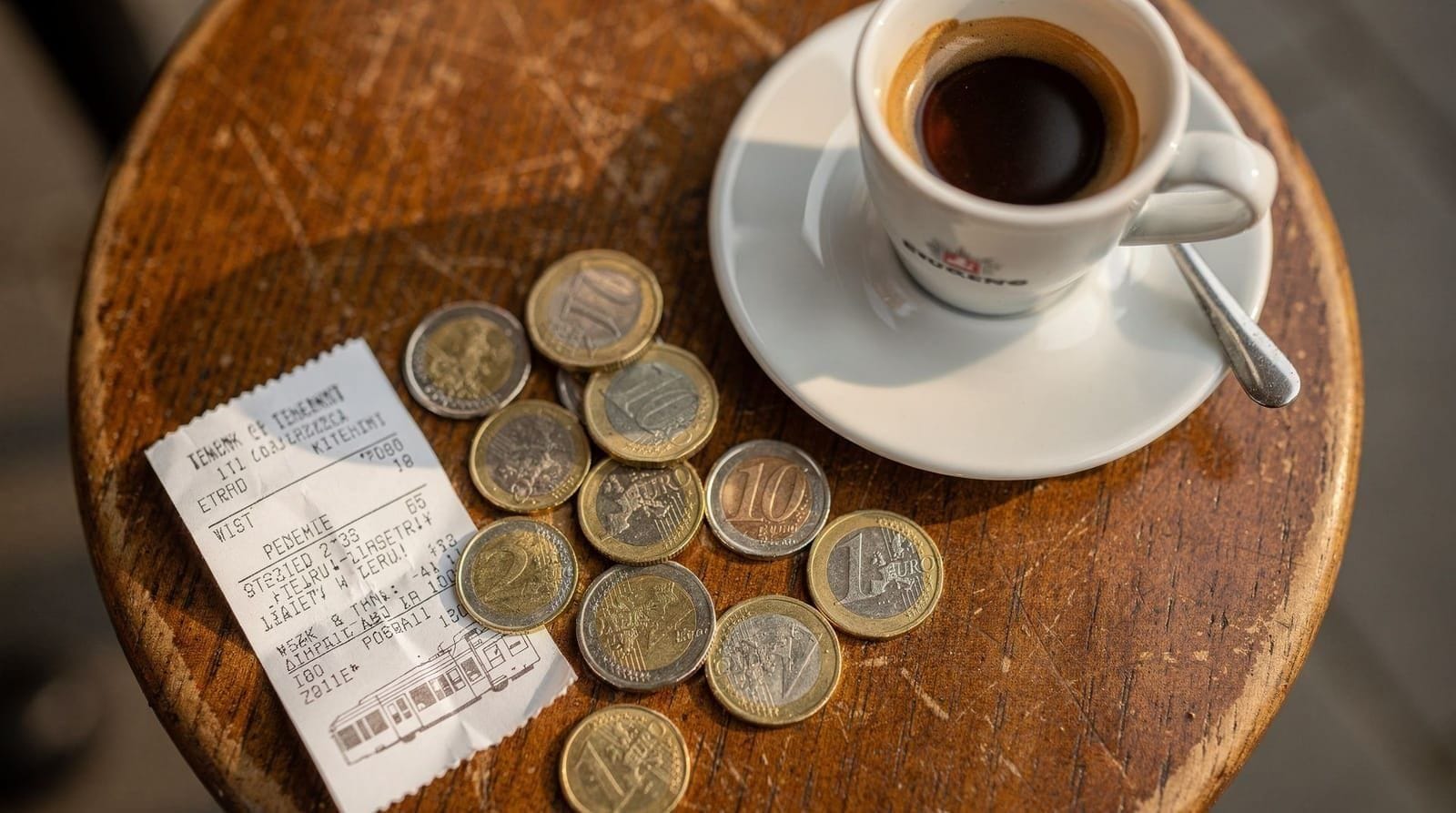
Service charge: Not automatically added to bills. Tip 5-10% at the table by rounding up.
Dress code: Traditional Wirtshäuser have no dress code. Beer halls welcome anything. Fine dining restaurants (Atelier, Tantris DNA) expect smart attire.
Language: English menus are standard at most restaurants in tourist areas. At neighbourhood Wirtshäuser, the menu may be German only — most staff speak enough English to explain dishes.
The Munich budget guide has a complete breakdown of food and drink costs across categories for full trip planning.
Seasonal restaurant highlights in Munich
Munich’s restaurant scene changes significantly across the year, and planning around seasonal specialties produces better meals than ordering from the standard menu:
Spring asparagus season (late April to mid-June): White Spargel from the Schrobenhausen region near Munich defines spring menus across every level of restaurant. Traditional Wirtshäuser serve it boiled with hollandaise, ham, and new potatoes. Modern restaurants prepare it in more elaborate ways. The quality is genuinely exceptional — Schrobenhausen white asparagus has a creaminess and mildness that the green variety does not replicate. If you’re in Munich in May, asparagus should appear in most of your restaurant meals.
Game season (September-November): Autumn menus across Munich fill with Wildgerichte (game dishes) — venison (Hirsch), wild boar (Wildschwein), roe deer (Reh), and pheasant (Fasan). Traditional Wirtshäuser serve game alongside red cabbage and Knödel; upmarket restaurants prepare it in more technically complex ways. Game season in Munich is one of the best times to eat in the city’s traditional restaurants.
Oktoberfest season (late September-early October): The festival’s food culture extends beyond the tents. Restaurant specials during Oktoberfest typically include Märzen on tap, Oktoberfest-edition Hendl roasting, and the specific atmosphere of a city where 6 million people are attempting to eat and drink Bavarian food simultaneously. Reservations are essential everywhere during this period.
Christmas market season (late November-December): Restaurant business in Munich slows slightly during the Christmas market period as visitors move to market stalls and outdoor eating. The restaurants that stay busy are the traditional Wirtshäuser that adapt their menus to winter dishes — hearty roasts, game, and the warming soups that Munich winters require. Reservations are less difficult during this period than in summer.
Reservations — the practical guide for 2026
The Munich restaurant reservation system has some quirks that differ from other European cities:
Platform coverage: Most Munich restaurants can be booked via OpenTable, Resy, or the restaurant’s own website. The better Wirtshäuser often only take phone bookings — this is worth knowing before you arrive and find a full restaurant with no online availability. Call directly, in German or English, 2-3 days ahead.
Walk-in reality: Munich restaurants are more walk-in tolerant than their reservation systems suggest. Arriving at 6pm on a weeknight at most Wirtshäuser and beer halls produces a table without reservation. Arriving at 8pm on a Friday without booking produces a wait or a refusal.
Outdoor table availability: In summer, outdoor terrace tables at popular restaurants fill faster than indoor seats and are almost never reservable — these are first-come, first-served. Arrive early for the terrace at Brenner Operngrill, Augustiner-Keller, or any restaurant with a garden space.
Cancellation culture: Munich restaurants have moved toward stricter cancellation policies, particularly at higher price points. Michelin-starred restaurants typically hold a credit card and charge for late cancellations or no-shows — treat these reservations as binding.
Munich restaurant districts — where to find what
Understanding which part of Munich has which type of restaurant helps with choosing where to stay and how to plan:
Altstadt-Innenstadt (old town): The highest density of tourist-facing restaurants alongside some genuine institutions (Zum Dürnbräu, Weißes Bräuhaus, Haxnbauer). Walk 5-10 minutes from Marienplatz in any direction to reach better value.
Au-Haidhausen (east, across the Isar): The best neighbourhood for traditional Bavarian cooking at fair prices. Wirtshaus in der Au is the flagship. The Au-Haidhausen guide covers the area.
Maxvorstadt (museum quarter): International and modern European restaurants, good lunch culture, and the concentration of specialty coffee shops. Students from Ludwig Maximilian University keep prices at mid-range.
Glockenbach (south of centre): Munich’s most independent-minded food neighbourhood. Natural wine bars, modern European bistros, and an evolving scene that moves faster than the traditional centre. The Glockenbachviertel guide covers the area.
Schwabing (north): Grand apartments, established upmarket restaurants, and the best concentration of long-running Italian and international restaurants. Geisels Werneckhof, the Tantris area, and Da Capo are all here.
Bavarian food and beer — how they work together
In Munich, restaurant meals and beer are not separate questions. Traditional Bavarian restaurant menus assume beer as the natural drink accompaniment — the same way French restaurant menus assume wine. The Munich beer hall etiquette guide covers the ordering conventions for beer in traditional settings.
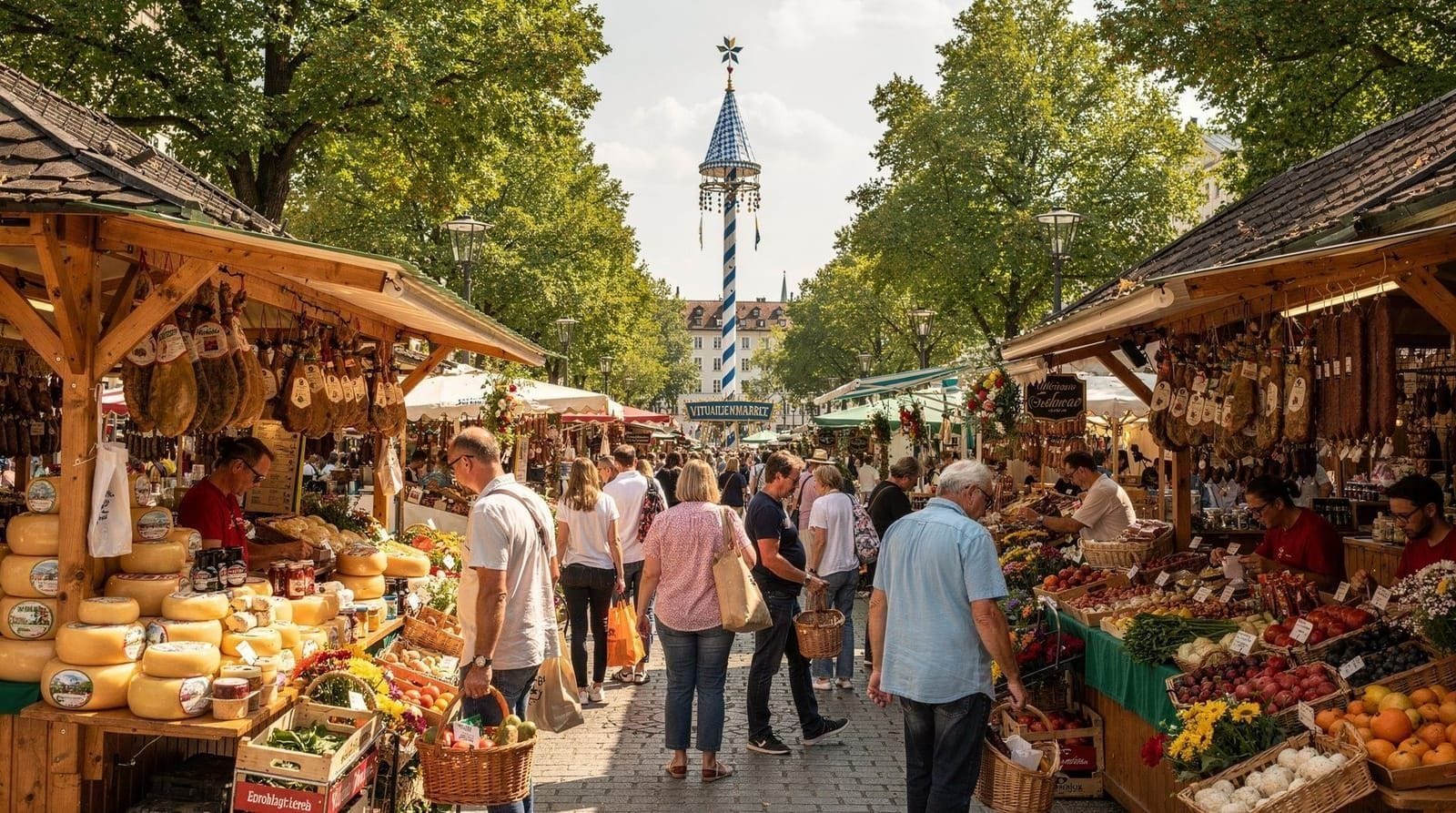
For a deeper understanding of what you’re eating before you sit down to order, the best Bavarian food guide explains each dish, its origins, and what to look for in a well-prepared version. The Viktualienmarkt food guide covers the market as a daytime alternative to sit-down restaurants.
Vegetarian and vegan dining in Munich
Munich’s traditional cuisine is meat-heavy, but the city’s vegetarian and vegan scene has grown considerably. Tian München (see above) is the standout for a serious sit-down vegetarian meal. Beyond fine dining, Maxvorstadt and Glockenbach both have a good density of vegetarian and vegan cafés and bistros — students from the nearby university keep the category active and reasonably priced. Traditional Wirtshäuser increasingly carry at least one vegetarian main (usually a Kasspatzn or Obatzda-based plate), though vegan options remain limited outside dedicated restaurants. The Munich vegetarian and vegan guide has a fuller list of dedicated restaurants across the city.
Budget eating: where residents actually eat on a weeknight
Not every good Munich meal needs a reservation or a Michelin star. For an honest, inexpensive dinner:
- Viktualienmarkt food stalls during opening hours (closed Sunday) — the market itself doubles as a casual eating destination with beer garden seating. The Viktualienmarkt food guide covers the best stalls.
- Neighbourhood Imbiss and Döner shops in Maxvorstadt and Schwabing — not Bavarian, but genuinely good and priced at €6–10 for a filling meal.
- Weekday lunch menus (Mittagsmenü) at mid-range restaurants including Brenner and many Schwabing Italians — a fixed two-course lunch often costs half of the evening price for similar cooking.
- Bakery lunch — a Leberkassemmel (meatloaf in a bread roll) from any traditional Bäckerei costs €3–5 and is a genuine Munich institution, not a compromise.
Frequently asked questions about Munich restaurants
Is it rude to ask for a doggy bag in Munich?
Asking for a doggy bag (“zum Mitnehmen” or “können Sie das einpacken?”) is increasingly accepted in Munich, particularly at modern restaurants. At traditional Wirtshäuser it is less common but not offensive. The cultural norm is shifting toward acceptance.
Are Munich restaurants open on public holidays?
Major Wirtshäuser and beer halls typically remain open on German public holidays — Bavaria has more than most German states, including Corpus Christi and All Saints Day. Fine dining restaurants may close or reduce hours on public holidays. Always check before booking.
What is the tipping culture in Munich restaurants?
Munich follows a round-up model — if the bill is €23.50, you might say “25, please” when paying, leaving the change as a tip. The typical addition is 5-10% at a restaurant with table service. Cash tips are preferred in traditional Wirtshäuser.
Can I walk into Hofbräuhaus without a reservation?
Yes. The Hofbräuhaus does not require reservations for the main hall or the street-level Schwemme. The challenge is not booking but finding a table at peak hours — arrive before 6pm or after 9pm on busy evenings.
What time do Munich restaurants serve dinner?
Munich restaurants typically begin dinner service at 6pm or 6:30pm. Kitchen closing is usually 10pm or 10:30pm at traditional Wirtshäuser, later at modern restaurants. Plan to arrive between 7pm and 9pm for the best experience.
Are Munich restaurants good for solo diners?
Yes. Traditional Wirtshäuser and beer halls have communal table seating (Stammtisch culture) that makes solo dining comfortable — you share a table with whoever is there, which is normal and expected. Solo diners at modern restaurants are accommodated without issue. The beer hall format is particularly comfortable for solo visitors.
Which area of Munich has the best restaurant density?
The best concentration of independent, quality restaurants is in the Glockenbach (Glockenbach-Isarvorstadt), Maxvorstadt (around Schellingstraße), and Au-Haidhausen (around Lilienstraße). The old town has more options but more tourist-facing ones. The Munich neighbourhoods overview guide covers the dining character of each area.
Top experiences
Bookable activities with verified prices and instant confirmation on GetYourGuide.