Munich in winter: what's actually worth doing (and what isn't)
The honest case for Munich in winter
Munich is a genuinely good winter destination for specific reasons, and a poor choice for others. The tourist industry will tell you it’s wonderful year-round. The honest answer is more nuanced.
| Where | Munich city centre, Maxvorstadt museum quarter, Garmisch for skiing |
| Cost | hotel rates around 40–50% below summer, ski day pass €45–65 |
| Time needed | 3–4 days for the city, add a day for skiing |
| Getting around | S-Bahn/U-Bahn run normally; regional trains to Garmisch, occasional Alpine weather delays |
| Best window | late Nov–Dec 24 for markets, Jan–Feb for skiing and quiet museums |
What works in winter: The museum quarter (Pinakotheken, Deutsches Museum, Residenz) is at its least crowded and most relaxed. Christmas markets in late November and December are genuine and enjoyable. Prices for accommodation drop significantly — sometimes 40–50% below summer rates. Day trips to Neuschwanstein have shorter castle queues. Access to Alpine skiing from Munich is genuine and straightforward.
What doesn’t work: Beer gardens are closed or operating minimally. The English Garden loses much of its appeal. Day trips to lakes (Starnberger See, Chiemsee) are cold and less rewarding. The city feels grayer and quieter. Daylight runs from about 8am to 4:30pm in December.
This guide covers the winter period as a whole: late November through February.
| Month | Weather | Crowds | Best for |
|---|---|---|---|
| Late Nov | around 2–6°C, first markets open | low–moderate | early Christmas markets, no crowds |
| December | around 0–4°C, occasional snow | high (markets), low (museums) | Christmas markets, museums on weekdays |
| January | around -2–2°C, coldest month | low | skiing, Residenz, quiet Pinakotheken |
| February | around -2–3°C, Fasching builds | low–moderate | Fasching, skiing, ice skating |
What actually changes month to month
The three winter months feel different from one another, not interchangeable. Late November is the sweet spot for visitors who want the Christmas market atmosphere without the late-December crush — the Marienplatz market opens but school-holiday crowds haven’t arrived yet, and hotel prices haven’t risen. December 15–24 is peak crowding and peak pricing within the winter window, even though it’s still well below Oktoberfest rates. January is the quietest month in the entire Munich calendar: post-Christmas, pre-Fasching, and genuinely cold — this is the month for the Residenz and Alte Pinakothek if an empty room is what you’re after. February brings Fasching energy back into the city in its final week, plus the best reliable skiing conditions at Zugspitze and Garmisch. If you can only pick one winter month, late November for markets or January for museums and skiing are the strongest honest picks; mid-December is the most crowded and most expensive of the four.
Christmas markets: the genuine Munich version
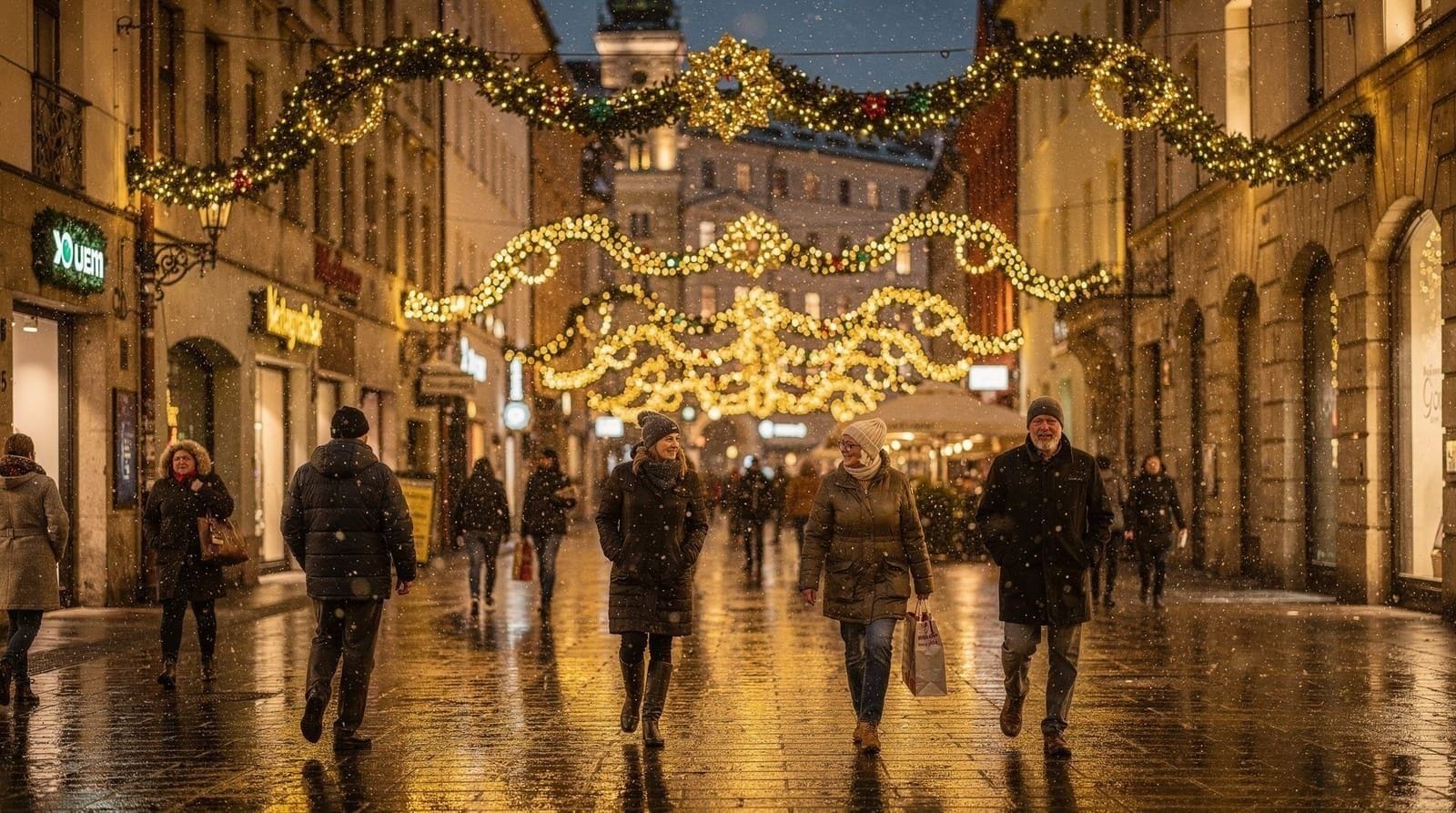
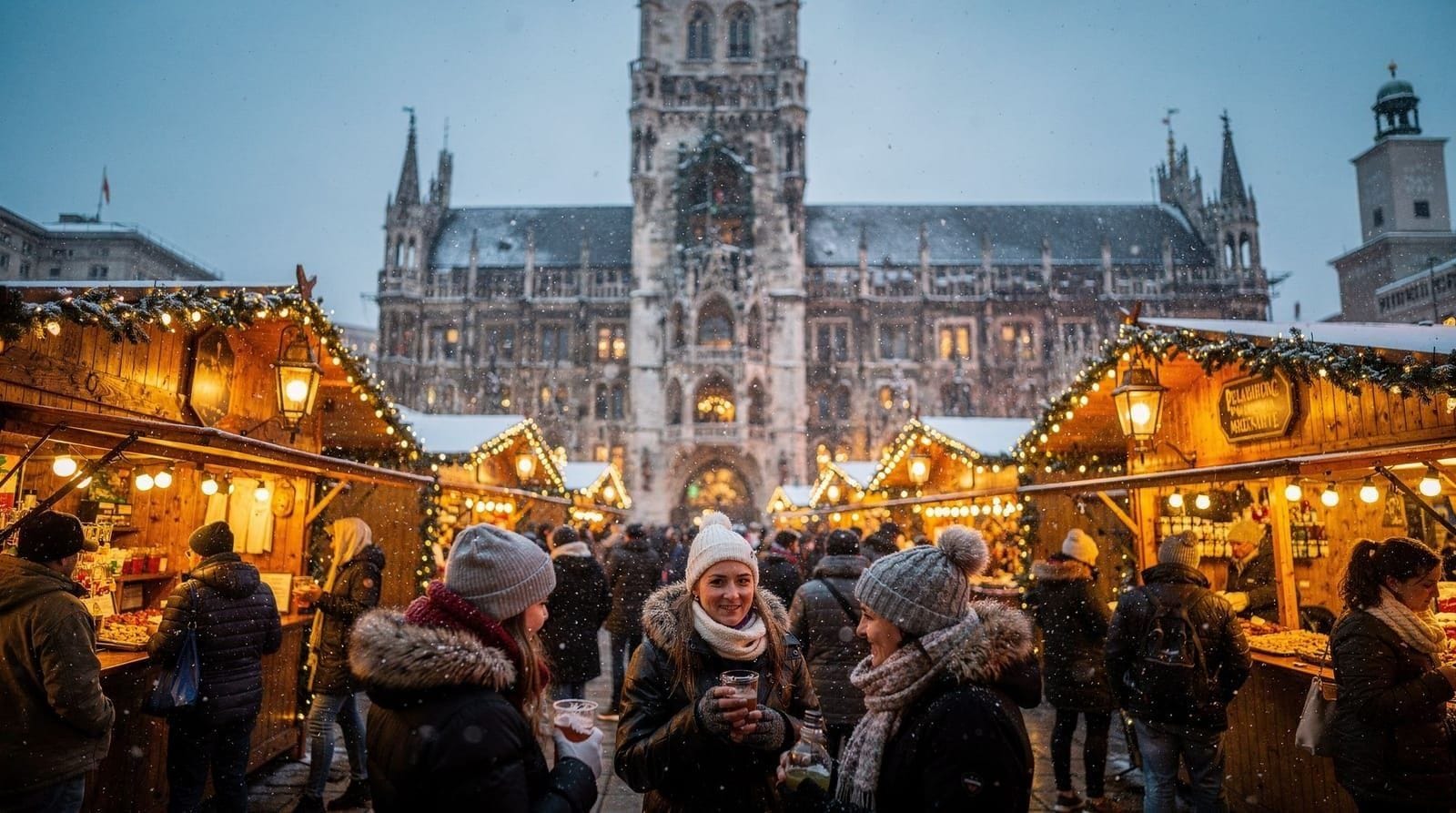
Munich’s Christmas markets (Weihnachtsmärkte) run from late November through December 24. The main market on Marienplatz — the Christkindlmarkt — dates to 1310 in some form and is one of the oldest in Germany. It’s also one of the most commercial and tourist-heavy.
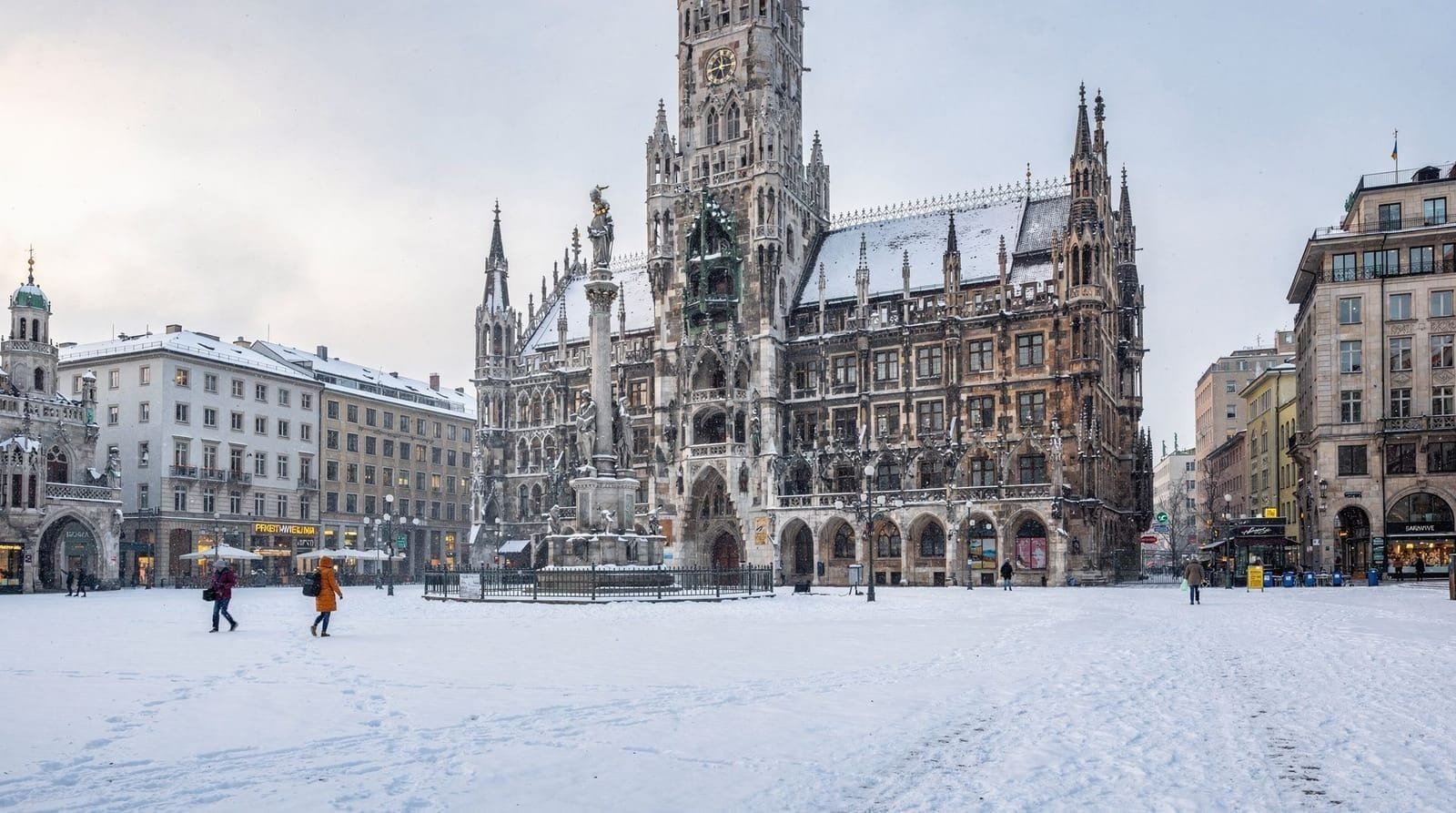
The honest verdict on the Marienplatz market: it’s attractive, the setting in front of the Neues Rathaus is photogenic, and it offers a genuine atmospheric experience. The stalls are a mix of quality craft items and tourist-oriented products. Mulled wine (Glühwein) and roasted almonds (gebrannte Mandeln) are sold at every stall; quality varies. Prices are moderate — €4–€6 for a Glühwein in a keepsake mug (the deposit is refundable).
Better alternatives to the main market:
- Mittelaltermarkt (Medieval Market) near the Residenz on Wittelsbacherplatz: far more atmospheric than the Marienplatz market, with fire jugglers, mead, roasted meats, and medieval costumes. Less polished, more fun.
- Tollwood Winter Festival at Olympiapark: large, alternative, culturally diverse — arts, fair-trade market, street food from around the world. The food selection is better than any other market. Runs late November to December.
- Schwabing Christmas Market on Münchner Freiheit: residential neighborhood market, heavily local, good for actually buying gifts rather than tourist items.
The Munich Christmas markets guide covers all the markets with dates and logistics.
Museums: the winter advantage
Munich’s museum concentration in Maxvorstadt is significant: the Alte Pinakothek, Neue Pinakothek, Pinakothek der Moderne, Museum Brandhorst, Glyptothek, and the Archaeological Collections are all within walking distance of each other, and all within 2 km of the Residenz.
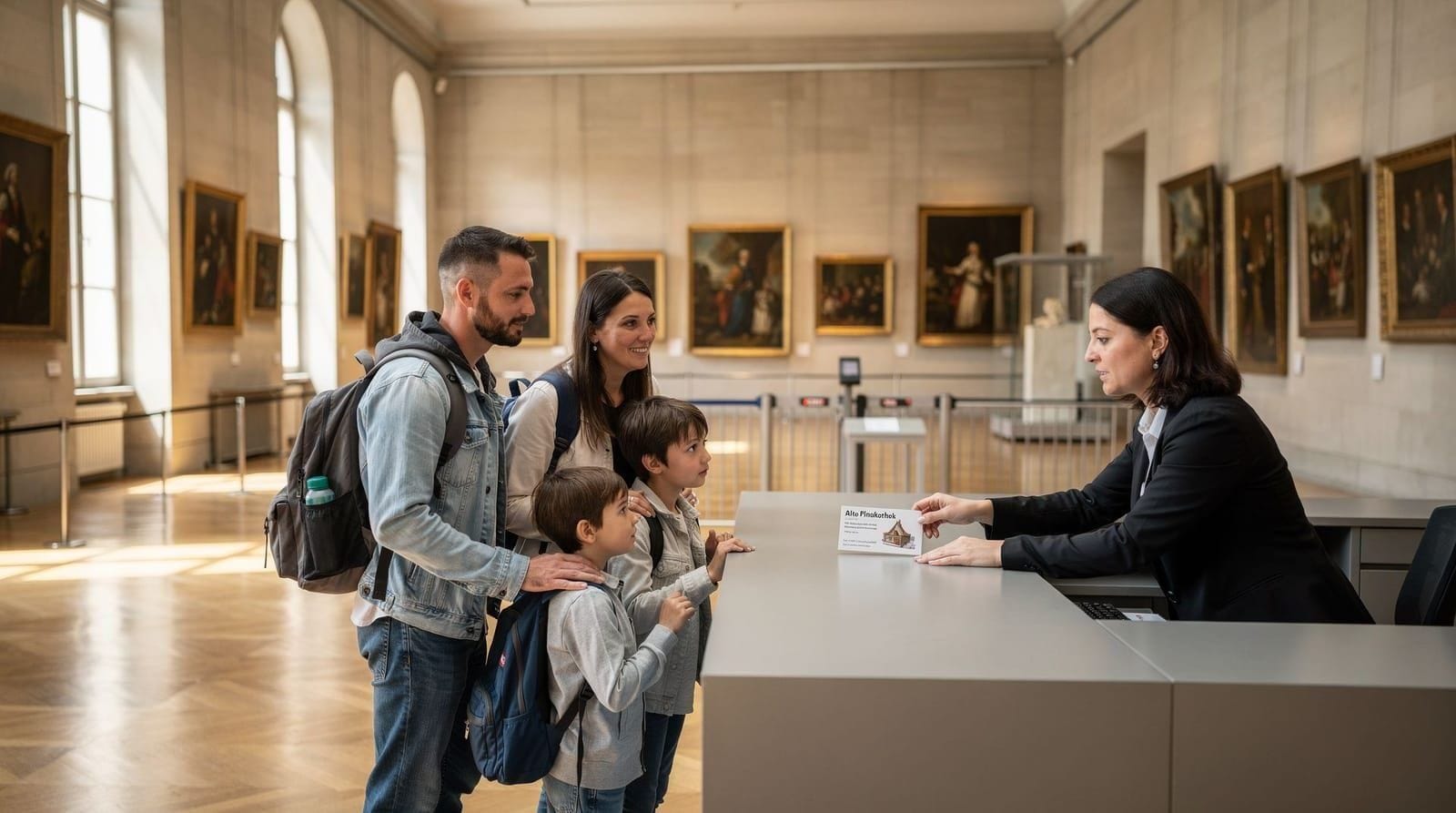
In winter, these museums are notably less crowded. The Alte Pinakothek — containing one of Europe’s finest collections of European painting from the 13th to 18th centuries — can be explored at leisure on a January Tuesday in a way that’s impossible in July.
Admission and the Munich Museum Pass: Many city museums offer Sunday admission at €1. The Munich Museum Pass (available for 1, 2, or 3 days) covers the state museums and is worth calculating against individual ticket prices. The Munich Museums Pass guide covers what’s included.
The Deutsches Museum on Museumsinsel deserves a dedicated winter day. The world’s largest science and technology museum covers aviation, marine engineering, chemistry, physics, and technology across 73 departments. You will see a fraction of it in any reasonable visit. The mining, chemistry, and aerospace sections are consistently strong. Alte Pinakothek guided tour — expert context for the Old Masters collection
Tip: The Pinakothek museums are closed on Mondays. Plan accordingly.
The Residenz in winter
The Munich Residenz is one of Europe’s great palaces and, by winter standards, remarkably uncrowded. The State Rooms — including the Antiquarium (the largest Renaissance hall in Germany, vaulted and painted throughout) and the opulent Ancestral Gallery — are open year-round. The Treasury contains the Wittelsbach crown jewels and is genuinely exceptional.
Winter is arguably the best time to visit the Residenz: no queues at entry, room to stand in front of individual works, and the cool temperatures of the building that feel excessive in summer are appropriate in February.
The Nymphenburg Palace in the western suburbs is also open year-round, though the formal gardens are less appealing in winter. The interior — particularly the Gallery of Beauties (portraits of Ludwig I’s favourite beauties regardless of social class) and the Carriage Museum — rewards a winter visit.
Day trip skiing from Munich
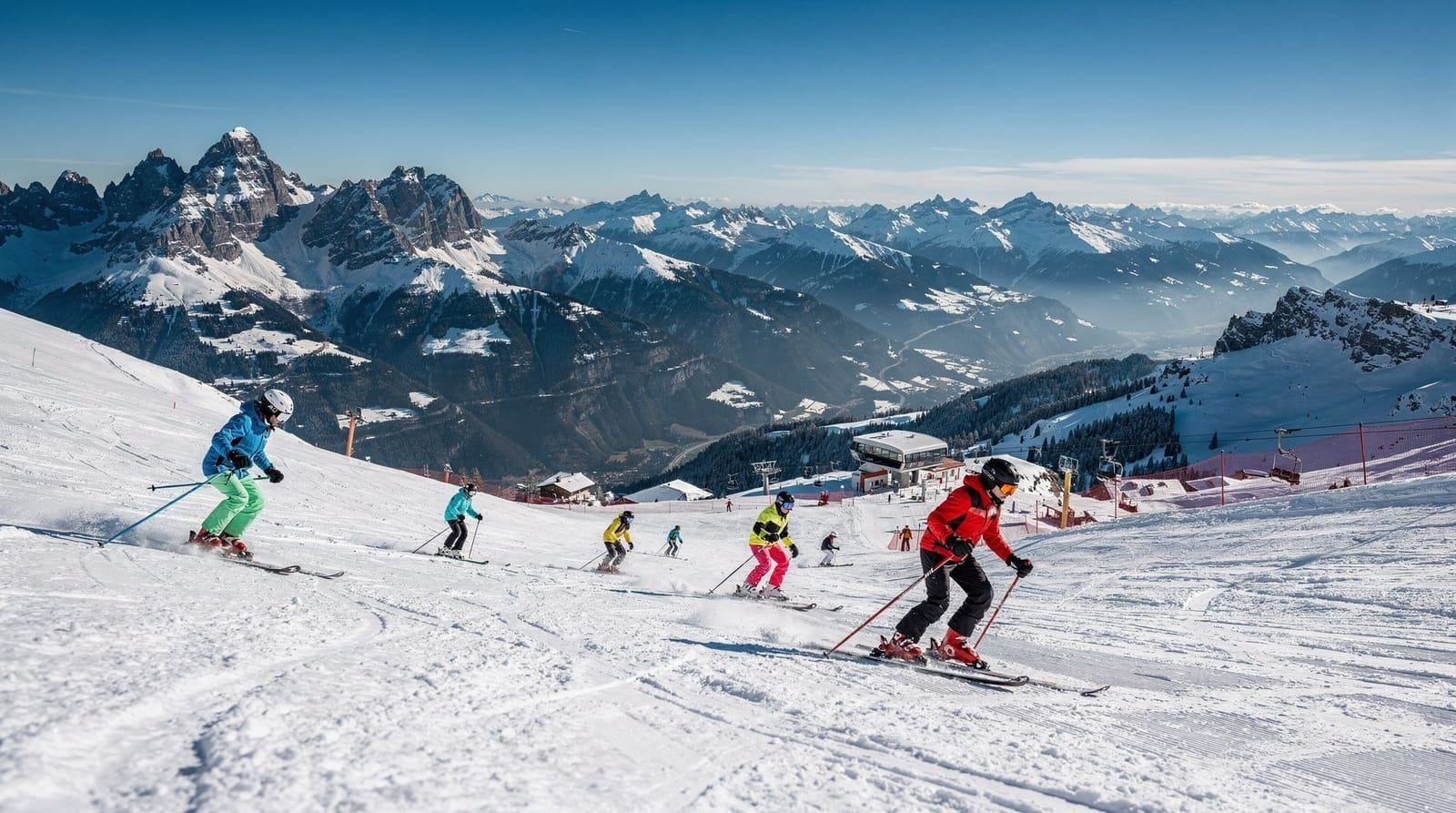
Munich is approximately 90 minutes by road or 90–120 minutes by regional train from the nearest ski areas. This is one of the city’s genuine winter advantages — proper Alpine skiing without a long journey.
Garmisch-Partenkirchen: the most significant ski area accessible from Munich. The Classic ski area and the Zugspitze ski area (glacier, reliable snow, longest season) are both here. Bayern-Ticket covers the train to Garmisch; local buses connect to the lifts. A day ski pass runs €45–€65 depending on area and season. Ski rental available at the foot of the lifts. See the Garmisch hiking and skiing guide for detail.
Spitzingsee: closer to Munich (about 60 km), smaller, quieter than Garmisch. Excellent for beginners and intermediate skiers. More relaxed atmosphere.
Zugspitze itself: Germany’s highest skiing at the glacier, reliable snow from November to May. More expensive than the lower areas but accessible by the Bayerische Zugspitzbahn from Garmisch. The Zugspitze guide covers access in detail.
Honest note: “day trip skiing from Munich” requires an early start. Trains to Garmisch leave Munich Hauptbahnhof from around 5:40am; on the slopes by 9am is achievable. Later starts mean shorter days on the mountain.
Winter with kids
Munich in winter can genuinely work for families, but pick activities carefully. The Christmas markets are a highlight for most children — the Mittelaltermarkt’s fire jugglers and the carousel at several markets are crowd-pleasers, and the Deutsches Museum’s hands-on exhibits are ideal for a cold day when outdoor plans don’t work. Skiing day trips are better suited to families with kids who already ski or snowboard confidently; beginner lessons eat into an already-tight day-trip window, so a longer stay near Garmisch works better for first-timers. The Munich with kids guide has the fuller seasonal breakdown, including which museums have the best facilities for families and where the indoor playgrounds are on a genuinely cold day.
Fasching: Munich’s Carnival season
Munich’s Fasching (Carnival) runs roughly from Epiphany (January 6) to Shrove Tuesday (Faschingsdienstag, the day before Ash Wednesday). In 2026, Faschingsdienstag falls on February 17.
Fasching is taken seriously in Munich — more seriously than in most German cities, though not to the level of Cologne or Rio. The final week before Ash Wednesday sees street parties, costume balls, and the Fasching parade through the city center. The Viktualienmarkt hosts a traditional costume dance on Faschingsdienstag that has been running since 1891.
This is a genuinely local event with minimal tourist infrastructure built around it — which makes it worth catching if you happen to be in Munich in February.
Ice skating
Munich has several ice skating rinks open in winter. Olympia-Eisport-Zentrum at Olympiapark is the largest indoor ice arena and is open to public skating sessions (entry around €5–€8, skate rental extra). The outdoor rink at the Eisbach-Stadion in the English Garden area operates seasonally when temperatures permit.
The most atmospheric option is the outdoor rink set up near Marienplatz during the Christmas market season — small, central, and completely surrounded by the market.
Starkbierfest: the “strong beer festival”
Less known outside Bavaria but worth planning around: Starkbierfest (strong beer festival) runs in March, traditionally at Paulaner’s Nockherberg brewery. This is the pre-Lent version of a beer festival, built around Starkbier — strong, dark, malty lagers in the 7–9% ABV range. The Nockherberg celebration includes a political satire show (Politiker-Derblecken) that skewers Bavarian and German politicians.
Entry to the main Nockherberg event requires tickets booked in advance. Several other Munich breweries run their own Starkbierfest events with easier access. See the Starkbierfest guide for specifics.
Practical winter tips
Temperature: Munich averages 0–2°C in January and February, occasionally dropping to -10°C. Cold snaps with proper Alpine frost are possible. Warm layers, waterproof outer layers, and warm shoes are essential.
Daylight: December 21 (winter solstice) sees only about 8.5 hours of daylight in Munich. Plan outdoor activities for midday. Museums and indoor activities are better for morning and evening.
Transport: Munich’s public transport operates normally in winter. The S-Bahn to Garmisch and regional trains throughout Bavaria run year-round, sometimes with weather delays on the Alpine routes. Check Deutsche Bahn for real-time status.
Hotel prices: Late November through early December (before Christmas markets open) and January–March see Munich’s lowest accommodation prices. Booking 3–4 weeks ahead is usually sufficient outside the Christmas market period. The Christmas market period (late November–December 24) sees prices rise but not to summer or Oktoberfest levels.
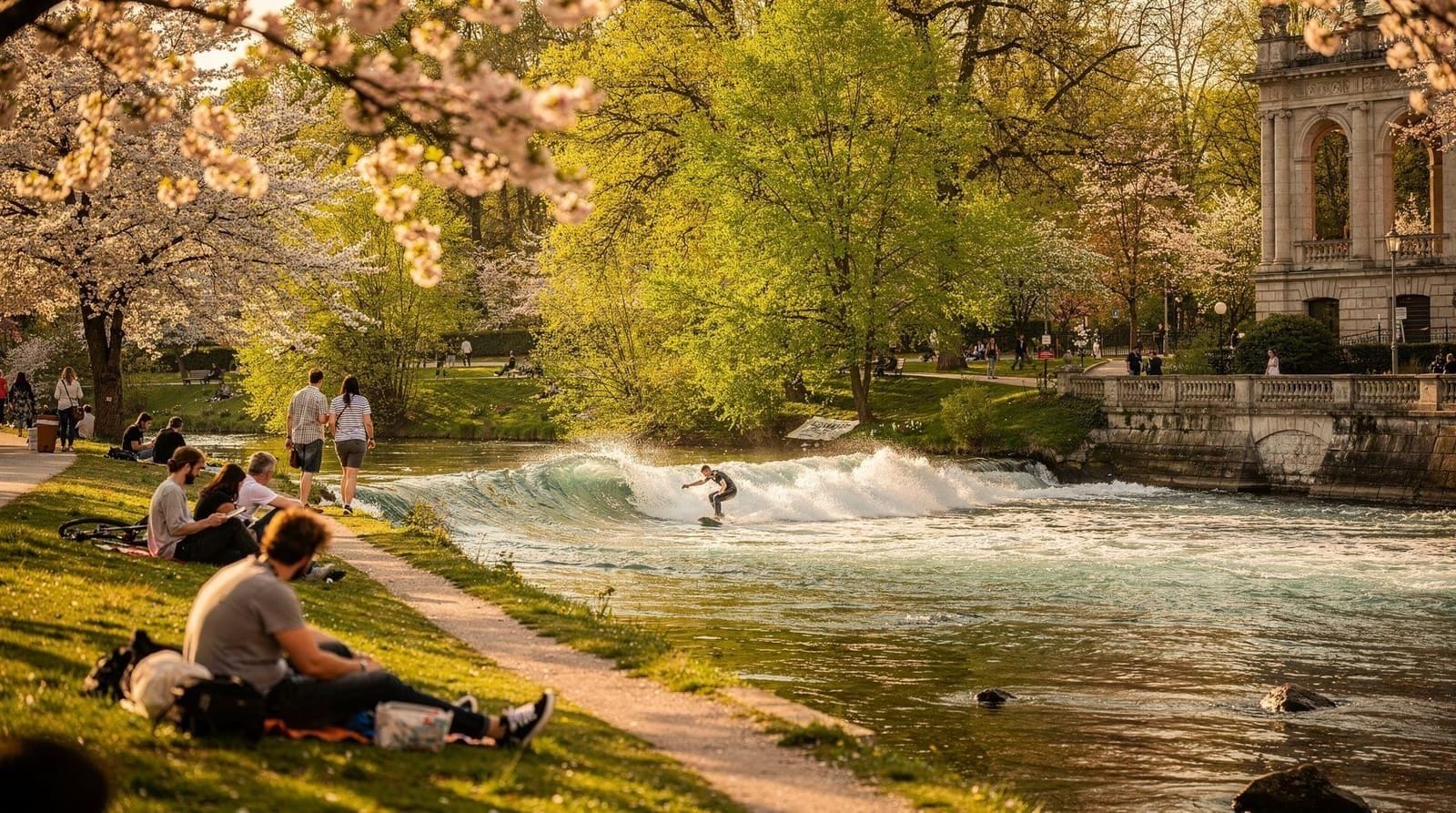
The English Garden in winter: Serviceable for a walk; cross-country skiing on the paths after heavy snow is a local tradition. The Eisbach wave still runs. Beer gardens are closed or operating as heated restaurants only. The Chinese Tower beer garden typically closes from mid-October to late April.
Is winter the right time for you?
Winter in Munich is best suited to visitors who:
- Are museum-focused (the Pinakotheken, Residenz, and Deutsches Museum are at their best)
- Want the Christmas market experience specifically (late November–December 24)
- Plan to include Alpine skiing as part of the trip
- Are flexible on price and want significantly cheaper accommodation than summer
- Prefer lower crowds at major sights
Winter is less suitable for visitors primarily interested in beer garden culture, outdoor activities in the English Garden, or lake and Alpine hiking. Those activities are March–October territory. For a full seasonal breakdown, see the Best time to visit Munich.