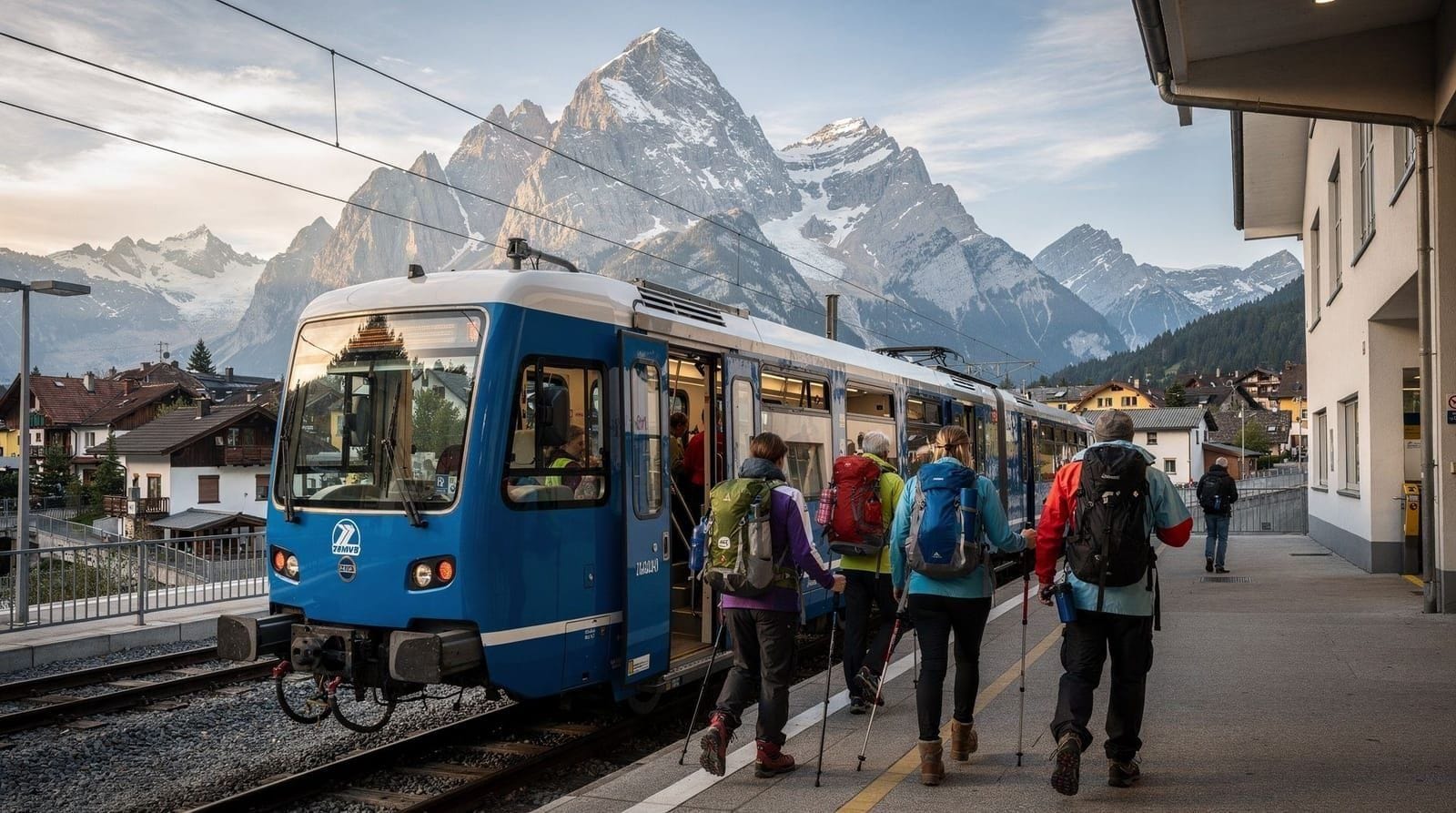
Bad Tölz — spa town and old town on the Isar
Visit Bad Tölz's painted old town Marktstraße, Blomberg mountain, Isar river walk, and traditional Bavarian customs — 50 km south of Munich, 45 min by BRB.
Munich: old town walking tour
Quick facts
- Distance from Munich
- 50 km (31 mi) south
- Train journey
- ~45 min (BRB Bayerische Oberlandbahn, direct)
- Altitude
- 670 m (2,198 ft)
- Population
- ~18,500
- Blomberg cable car return
- EUR 16 adults, EUR 11 children (2026)
- Leonhardifahrt
- First Tuesday in November (traditional horse procession)
Bavaria as it actually looks, without the tour buses
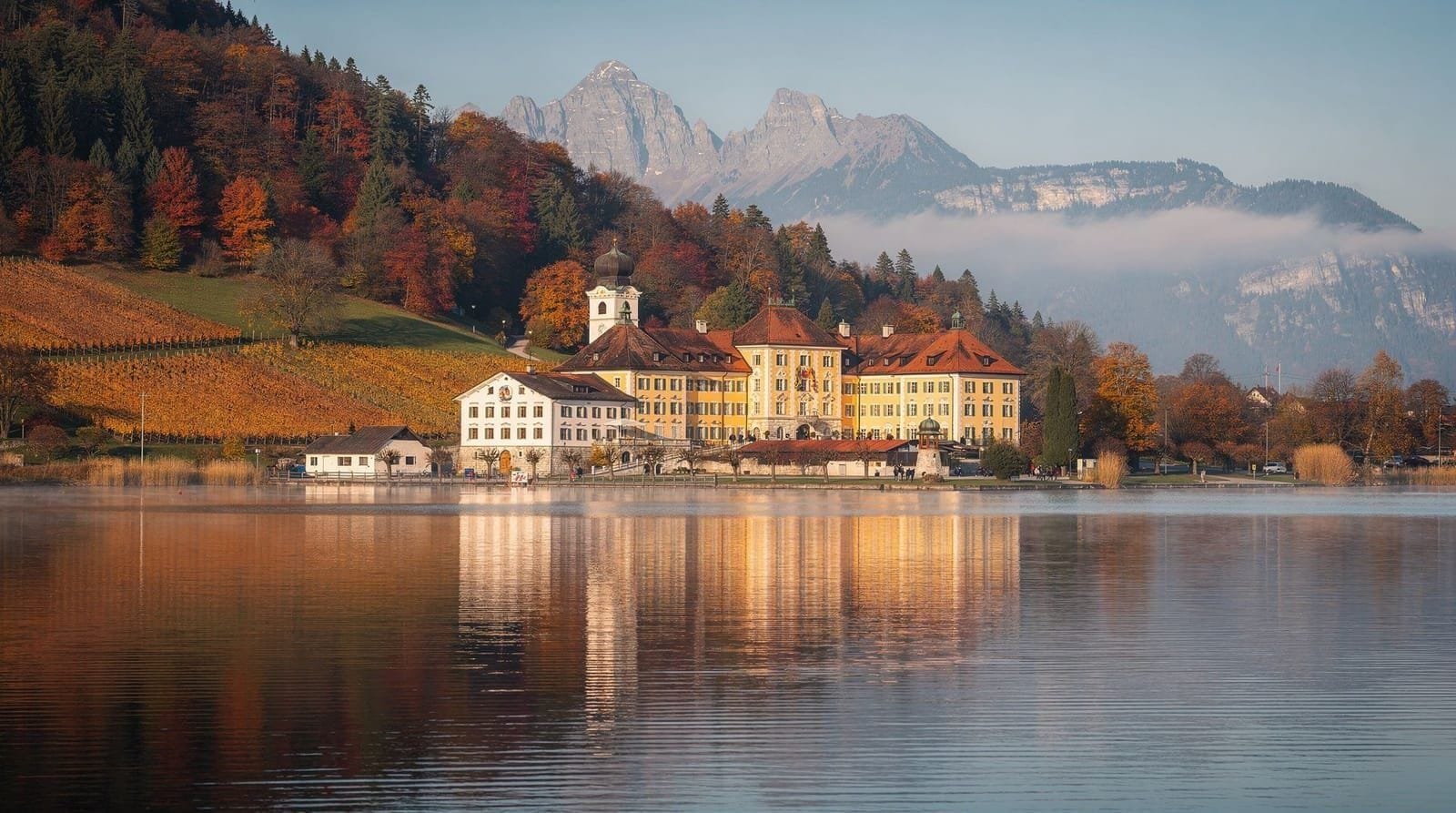
Bad Tölz is one of those places that Munich residents know well and foreign visitors often overlook. Forty-five minutes by direct BRB train from Munich Hauptbahnhof, it has a beautifully preserved old town on a hillside above the Isar river, a mountain with summer tobogganing and hiking, and a spa culture rooted in iodine-rich springs discovered in the 19th century.
quickAnswer — Is Bad Tölz worth visiting? Yes, particularly if you want to see a working Bavarian town rather than a tourism-oriented destination. Marktstraße (the old town main street) has genuine shops, bakeries, and butchers alongside the painted facades. The Blomberg cable car gives you a mountain experience without the queues of the Zugspitze or Karwendelbahn. Budget EUR 40–60 per person for a full day including train, cable car, and lunch.
What Bad Tölz is not: it is not a major castle destination, it has no famous single attraction that draws international visitors. Its value is exactly the opposite — the experience of a traditional Bavarian market town still functioning as it has for centuries, without a tour group in sight.
| Where | 50 km south of Munich, on the Isar |
| Cost | Around EUR 40–60/person for train, Blomberg cable car, and lunch |
| Time needed | 1 day comfortably; 2 days for a spa weekend |
| Getting there | BRB direct train from Munich Hbf, around 45 min |
| Best time | May–October for Blomberg and the toboggan; early November for the Leonhardifahrt |
Getting there
By train (strongly recommended): The BRB Bayerische Oberlandbahn (BOB) runs direct from Munich Hauptbahnhof to Bad Tölz in approximately 45 minutes. Trains run roughly every 60 minutes throughout the day, with additional peak-hour services. The Bayern-Ticket (EUR 29 for up to 5 people, valid from 09:00 on weekdays) covers the full return journey and is by far the cheapest option.
Bad Tölz station is at the edge of the old town — you walk directly from the platform into the historic centre within 5 minutes. This is one of the most convenient station-to-centre connections of any Bavarian day-trip destination.
The Bavaria by train guide has a full comparison of BOB routes, Bayern-Ticket logistics, and tips for combining multiple destinations on the same day. See also the day trips by train from Munich guide for alternatives.
By car: A8 Munich toward Salzburg to the Holzkirchen exit, then B318 south to Bad Tölz — approximately 50–60 minutes in normal traffic. The town has several pay-and-display car parks near the old town (EUR 1.50–2/hour, day maximum EUR 10 in 2026). Given that the BRB connection is so fast and direct, driving adds little benefit unless you plan to continue south to Tegernsee (25 km further) or the Isar valley.
Old town Marktstraße
Marktstraße is the main artery of Bad Tölz’s old town, running uphill from the Isar bridge to the Kalvarienberg hill. It is about 400 metres long and flanked by buildings dating mostly from the 16th to 19th centuries — many with the elaborate facade painting characteristic of the foothills region.
Unlike Munich’s pedestrian zones, Marktstraße functions primarily for local residents rather than tourists. You will find a traditional pharmacy (Stadtapotheke, operating since 1744), several butcher shops selling regional Wurst and smoked meats, bakeries, ironmongers, and clothing shops alongside the craft galleries and souvenir sellers. The street has been protected from chain-store development more successfully than most comparable towns.
Notable buildings: The Stadtpfarrkirche Mariä Himmelfahrt (Parish Church of the Assumption) at the top of the hill has a Gothic tower and an interior richly decorated in the southern German style — Baroque altars, carved choir stalls, and ceiling frescoes. Entry free. The Rathaus (town hall, 1735) on Marktstraße has one of the most elaborately painted facades in the town.
The Kalvarienberg (Calvary hill): Above the church, a path leads through 14 Stations of the Cross to a small hilltop chapel — the Leonhardikapelle — with views over the old town and the Isar valley. The 10-minute walk is worthwhile for the perspective.
Market days: There is a weekly outdoor market on Tuesdays and Fridays along the lower Marktstraße — vegetables, bread, cheese, and flowers from local farms. Hours approximately 07:00–13:00.
Blomberg mountain
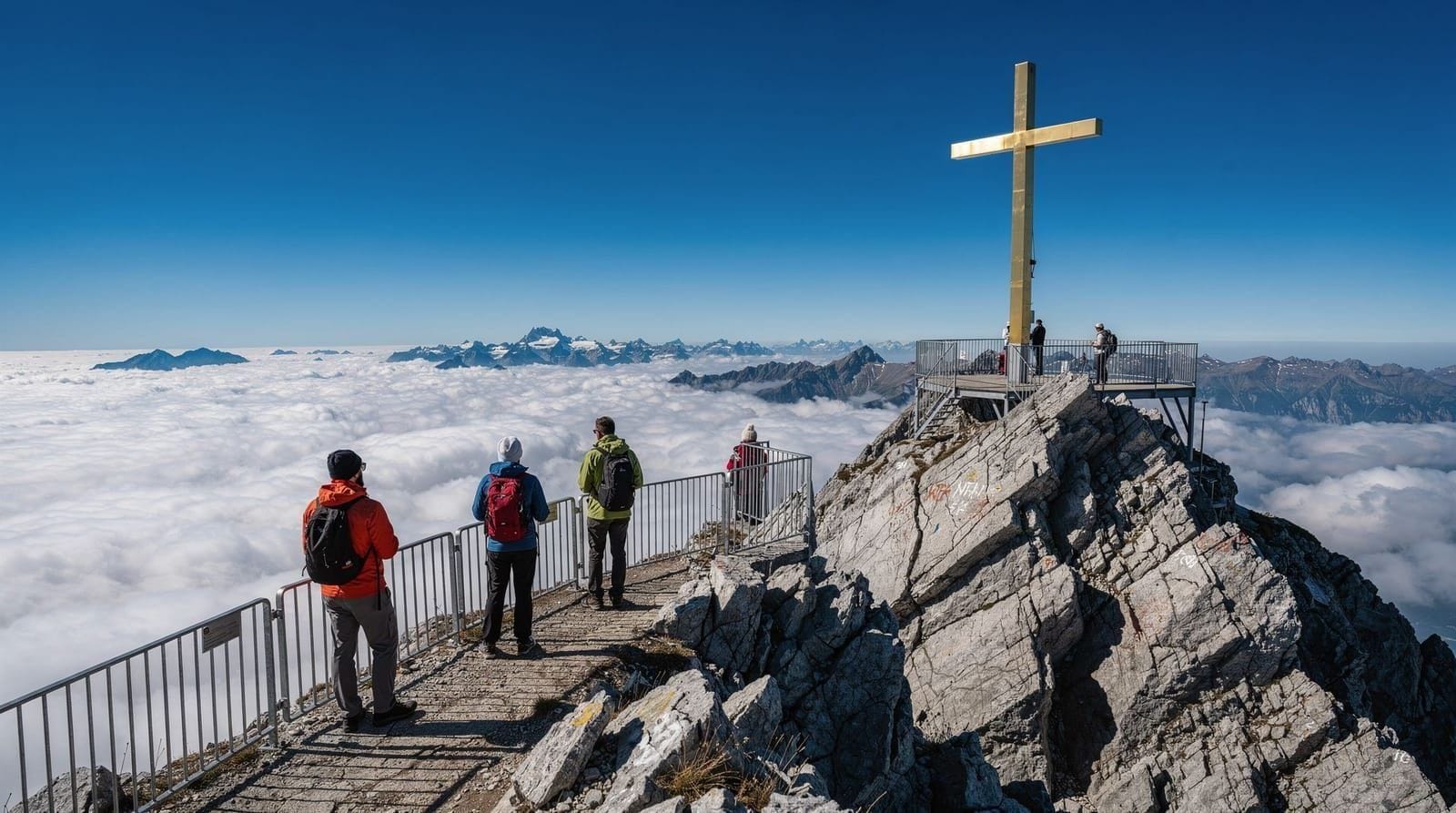
Blomberg (1,248 m) is Bad Tölz’s local mountain, about 5 km west of the town centre. A cable car (Blombergbahn) runs from a car park at the edge of town to the summit station; from there hiking trails branch out in several directions.
Cable car details (2026):
- Return ticket: EUR 16 adults, EUR 11 children (6–15), under 6 free
- Operating hours: daily 09:00–17:00 (summer season, May–October); winter skiing season with shorter hours
- Journey time: approximately 7 minutes each way
- The base station has a car park (free) but is not directly on the BRB bus network; from Bad Tölz town centre you need either a taxi (EUR 10–12) or the infrequent city bus (line 4 in summer, check schedule)
Honest note: getting to the Blomberg base station from Bad Tölz centre without a car requires some planning. A taxi from the station is the easiest option if you want to include it in a day trip — budget EUR 20–25 return for a taxi.
At the summit: The summit area has a restaurant (Blomberg-Alm, good Brotzeit platters EUR 12–16, Radler and Weissbier) and access to the following:
Summer toboggan run (Rodelbahn): 2.6 km long, one of Bavaria’s longest. A single run costs EUR 5 adults, EUR 3.50 children; includes the cable car up. The track is a concrete channel with wheeled sleds — brakeable by pulling the handle. Suitable for all ages; minimum age for solo riding is 8 years. Can queue significantly on warm summer weekends.
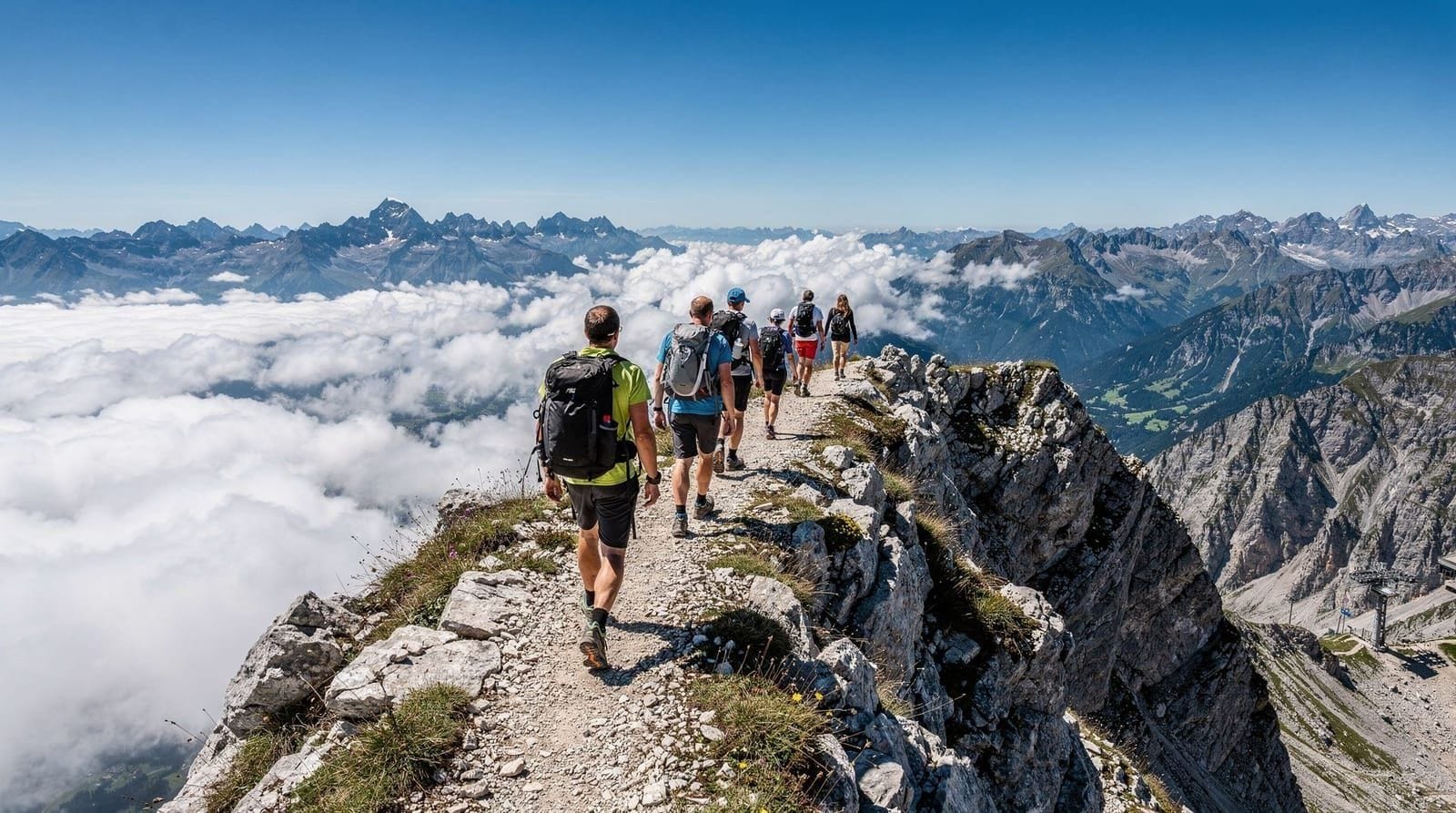
Hiking from the summit: Several marked routes lead from the summit station. The Blomberg circular trail (2.5 hours, moderate) loops through alpine meadows with views of the Benediktenwand range to the south. The descent to the valley on foot takes 60–80 minutes via the marked forest path — a good option if you want to save the cable car cost and only use it one-way.
In winter, Blomberg has a small ski area (7 runs, maximum 400 m vertical, day pass EUR 30 adults) — suitable for beginners and families, but not serious skiers.
Isar river, thermal spa, and the Föhn
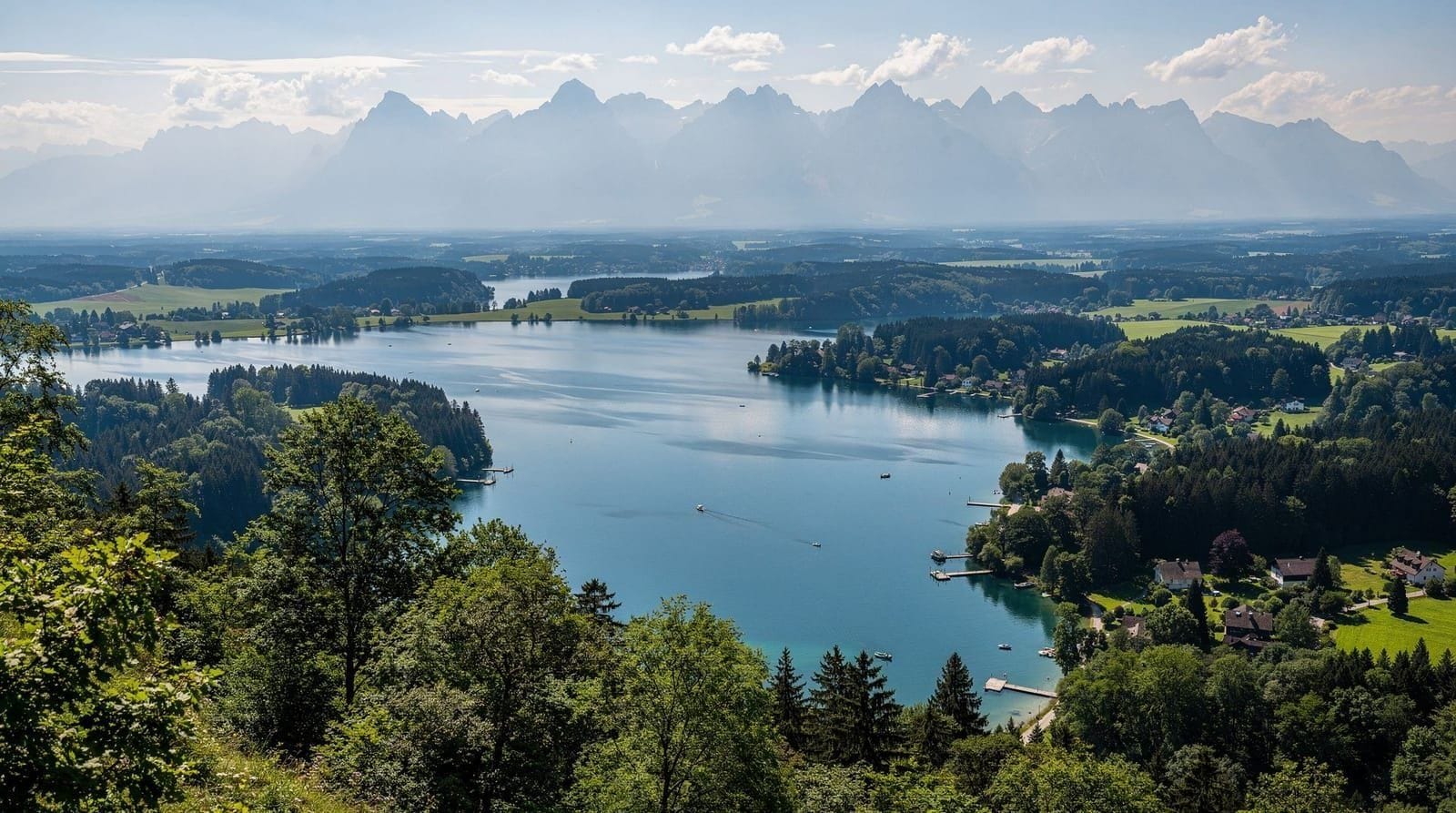
The Isar at Bad Tölz: Bad Tölz sits at the point where the Isar emerges from a narrow Alpine gorge and broadens into a more accessible river valley. The islet upstream of the road bridge is a natural bathing spot in summer — the water is cold (typically 14–18°C, colder in June before the snowmelt slows) but the pebbly banks and clear water are characteristic of Upper Bavarian rivers. Free access.
Alpamare: Bad Tölz is officially a spa town (Kurort), with recognised therapeutic properties attached to its iodine-rich springs. The main public facility is Alpamare (Ludwigstrasse 14), an indoor waterpark and spa complex with pools, water slides, saunas, and treatments. Day entry: EUR 24–32 adults depending on time and day. This is primarily a family waterpark with spa elements, not a quiet wellness retreat.
For a more serious spa experience, the hotels along the Bad Tölz valley (Hotel Jodquellenhof, Luitpoldpark-Hotel) have their own spa facilities and day packages from approximately EUR 50–80 per person. These require advance booking.
The Föhn: Bad Tölz and the Isar valley are particularly subject to Föhn winds — warm, dry southerly airflows that funnel through the Alps and create extraordinary clarity. On a Föhn day, the Bavarian Prealps appear much closer and sharper than normal, and photography of the old town with the mountains behind is spectacular. The downside: Föhn conditions can cause headaches in sensitive individuals, and the warm weather brings sudden storms.
Local traditions
Bad Tölz takes its traditional Bavarian customs seriously. These are not performances for tourists — they are practiced by residents and can be observed by visitors who happen to be present at the right time.
Leonhardifahrt (first Tuesday in November): The most important annual event in Bad Tölz. A procession of horse-drawn wagons decorated with votive offerings, accompanied by riders in traditional dress, travels from the town up to the Leonhardikapelle. The procession honours St. Leonard, patron of horses and livestock, and has been held continuously since 1450 (with interruptions for wars). No entry fee; access is unrestricted for observers. This is one of the most genuine examples of Bavarian folk tradition still in practice — significantly more authentic than events staged for tourist audiences.
Tölzer Schützenkompanie: The local rifle company (a historical militia tradition common across Bavaria and Austria) participates in regional celebrations and the annual Leonhardifahrt. Seeing them in traditional dress with their equipment is part of the procession experience.
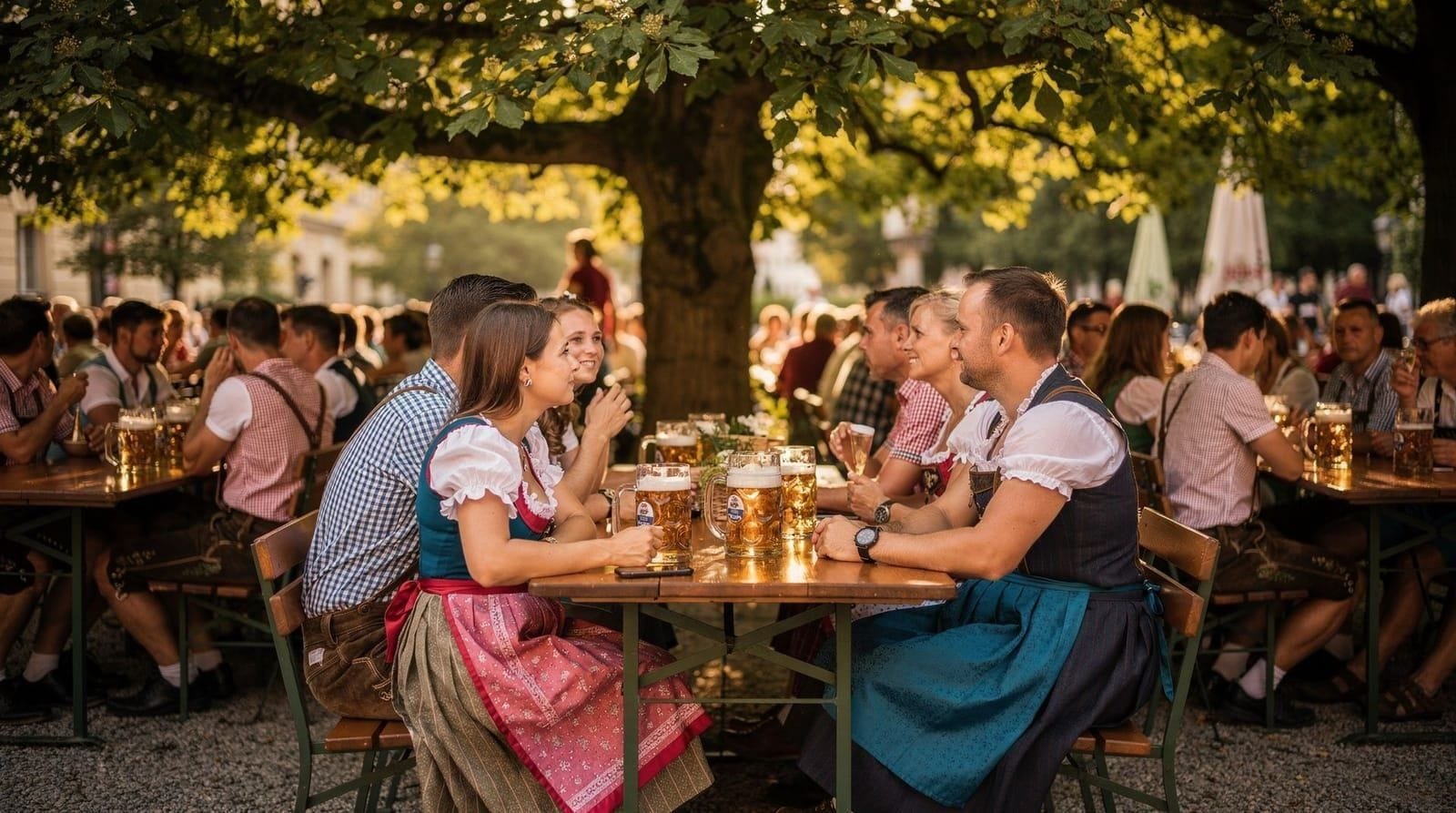
Traditional dress: In Bad Tölz and the surrounding villages, traditional Tracht (Lederhosen for men, Dirndl for women) is actually worn on important occasions rather than being purely a tourist product. The processions and local festivals are the appropriate context.
Kindl-Fest (Corpus Christi, June): Children in traditional dress, flower decorations on streets, and a religious procession through the old town. Dates vary by year (Corpus Christi is 60 days after Easter).
Where to eat in Bad Tölz
Gasthaus zum Reisinger (Marktstraße 24): The most central traditional Wirtshaus. Bavarian cooking with local ingredients — the weekly menu changes and usually features seasonal game in autumn. Schweinsbraten EUR 17–20, Brotzeit platters EUR 10–14. Open Tuesday–Sunday for lunch and dinner.
Gasthof Kolberbräu (Marktstraße 29): A hotel restaurant with solid Bavarian cooking and house beer (brewed locally by Tölzer Brauerei). More tourist-oriented than Reisinger but reliable and centrally located. Open daily.
Metzgerei Bachmair (Marktstraße 7): A traditional butcher shop serving warm Mittagstisch (lunch dishes) — Leberkäse (Bavarian meat loaf, EUR 4–6), Weisswurst (EUR 3.50–5 per pair), and sandwiches. This is where locals eat a quick cheap lunch. No seating inside — take away or find a bench on the street.
Bäckerei Schrobenhauser (Schulgasse 3, off Marktstraße): Excellent bread, pretzels, and pastries. The Laugenbrezeln (salt pretzels, EUR 1.20) and Zwetschgenkuchen (plum cake) are worth the detour.
At the Blomberg summit (Blomberg-Alm): Basic Bavarian food at predictably elevated mountain prices. Weissbier EUR 4.80, Brotzeit EUR 12–16. Standard for an alpine restaurant.
For broader context on Bavarian food, the best Bavarian dishes guide and the Munich food tour guide provide detailed overviews. Munich: Bavarian beer walking tour with samples and food — a good complement before heading south
Combining Bad Tölz with Tegernsee
Bad Tölz and Tegernsee are natural companions on a day trip — they are 25 km apart by road and connected by bus (approximately 35–40 minutes on bus 9562). By public transport from Munich, the most practical combination is to take the BRB to Bad Tölz (45 minutes), explore the old town and Marktstraße (2–3 hours), then bus or taxi to Tegernsee for the afternoon and Bräustüberl. Return to Munich from Tegernsee by BRB (50–60 minutes). This is a full but manageable day.
By car, the same combination is easier — you can also include a detour to Schliersee or the Blomberg cable car without major time pressure.
See the Bavarian Alps 3-day itinerary for a structured multi-day plan covering both towns alongside Garmisch-Partenkirchen and Mittenwald. Munich: guided food walking tour with beer tasting — start your Bavaria trip right in Munich
Bad Tölz by season
Spring (April–May): The Isar runs high with snowmelt, the old town is quiet, and the Blomberg trails are still partly muddy at higher elevation. A good time for the town itself, less so for the summit hikes.
Summer (June–August): Peak season for Blomberg — the toboggan run, hiking, and the outdoor cable car all operate at full capacity, and the Isar islet bathing spot is at its most usable. Marktstraße and the Föhn-clear mountain views are best appreciated on a warm, dry-wind day. Weekends bring day-trippers from Munich, though nowhere near the volume seen at Neuschwanstein or the Zugspitze.
Autumn (September–October): Comfortable hiking temperatures, good light for photography, and the first Leonhardifahrt preparations visible in the town in late October. The Isar water is too cold for casual bathing by this point.
Winter (November–March): Blomberg’s small ski area operates, the Leonhardifahrt (first Tuesday in November) is the calendar highlight, and Marktstraße’s painted facades look particularly striking against snow. Alpamare is a sensible winter activity when outdoor options are limited.
Comfortable versus rushed: how much time Bad Tölz actually needs
| Time available | What’s realistic |
|---|---|
| Half day (3–4 hrs) | Marktstraße walk, Kalvarienberg, one meal — skip Blomberg |
| Full day (7–8 hrs) | Marktstraße, Blomberg cable car and toboggan or a short hike, lunch |
| Full day + spa | Marktstraße morning, Alpamare or a hotel spa afternoon, skip Blomberg entirely |
| 2 days | Bad Tölz day one, Tegernsee or Blomberg hiking day two, unhurried pace throughout |
Trying to combine Marktstraße, the full Blomberg summit experience, and Tegernsee in a single day from Munich is possible but rushed — most visitors are happier picking two of the three rather than all three.
Frequently asked questions about Bad Tölz
How do I get from Munich to Bad Tölz by train?
BRB Bayerische Oberlandbahn (BOB) from Munich Hauptbahnhof, direct to Bad Tölz in 45 minutes. Trains run roughly every hour. The Bayern-Ticket (EUR 29 for up to 5 people) is the best value and covers the full return journey.
Is Bad Tölz worth visiting?
Yes, particularly for visitors who want to see a working Bavarian town rather than a purpose-built tourist attraction. Marktstraße is one of the best-preserved small-town main streets in Bavaria and has not been overwhelmed by tourism. The Blomberg adds a mountain element without the queues of major Alpine destinations.
What is the Leonhardifahrt?
The Leonhardifahrt is a traditional horse procession held in Bad Tölz on the first Tuesday in November. It honours St. Leonard (patron of horses) and has been practiced since 1450. Decorated wagons, riders in traditional Tracht, and a procession to the hilltop Leonhardikapelle make it one of the most genuine folk traditions in Bavaria. Free to observe; no booking required.
How do I get to Blomberg from Bad Tölz without a car?
The Blomberg base station is about 5 km from Bad Tölz station. In summer, city bus line 4 runs infrequently — check the current schedule at mvv-muenchen.de. A taxi from the station costs EUR 10–12 one-way. Many visitors take a taxi up and hike down to save the return cable car cost.
Can I swim in the Isar at Bad Tölz?
Yes. There is a natural bathing spot on the islet upstream of the road bridge — accessible and free. The water is cold (14–18°C) and clear. Not a managed lido with facilities; bring your own towel and be aware of river currents, which can be strong in spring.
What is the Alpamare thermal spa?
Alpamare (Ludwigstrasse 14) is an indoor waterpark and spa complex using Bad Tölz’s iodine-rich thermal water. It includes pools, water slides, saunas, and treatment rooms. Day entry EUR 24–32 adults. More family waterpark than quiet wellness retreat; the hotel spas in town are better for a relaxed spa day.
How far is Bad Tölz from Tegernsee?
25 km by road (approximately 30 minutes). Bus 9562 connects the two towns in 35–40 minutes. By public transport from Munich, a sensible combination is Bad Tölz in the morning and Tegernsee in the afternoon, returning from Tegernsee by BRB to Munich.
What is the best month to visit Bad Tölz?
May to October covers the Blomberg season (cable car, hiking, summer toboggan) and the warmest weather for the Isar bathing spot. September is a particular sweet spot — comfortable hiking temperatures and thinner crowds than midsummer. Early November is worth planning around specifically if you want to see the Leonhardifahrt procession.
Is Bad Tölz suitable for a day trip with children?
Yes. The Blomberg summer toboggan run is a genuine highlight for children aged 8 and up (younger children can ride with an adult), the old town is compact and easy to walk with a pushchair, and Alpamare’s waterpark facilities are aimed squarely at families. The Isar bathing spot needs supervision, as the current can be strong, especially in spring.
Top experiences
Bookable activities with verified prices and instant confirmation on GetYourGuide.