Munich to Nuremberg day trip: history, castles, and an honest look at the crowds
From Munich: Nuremberg day trip by train
How long is the train journey from Munich to Nuremberg?
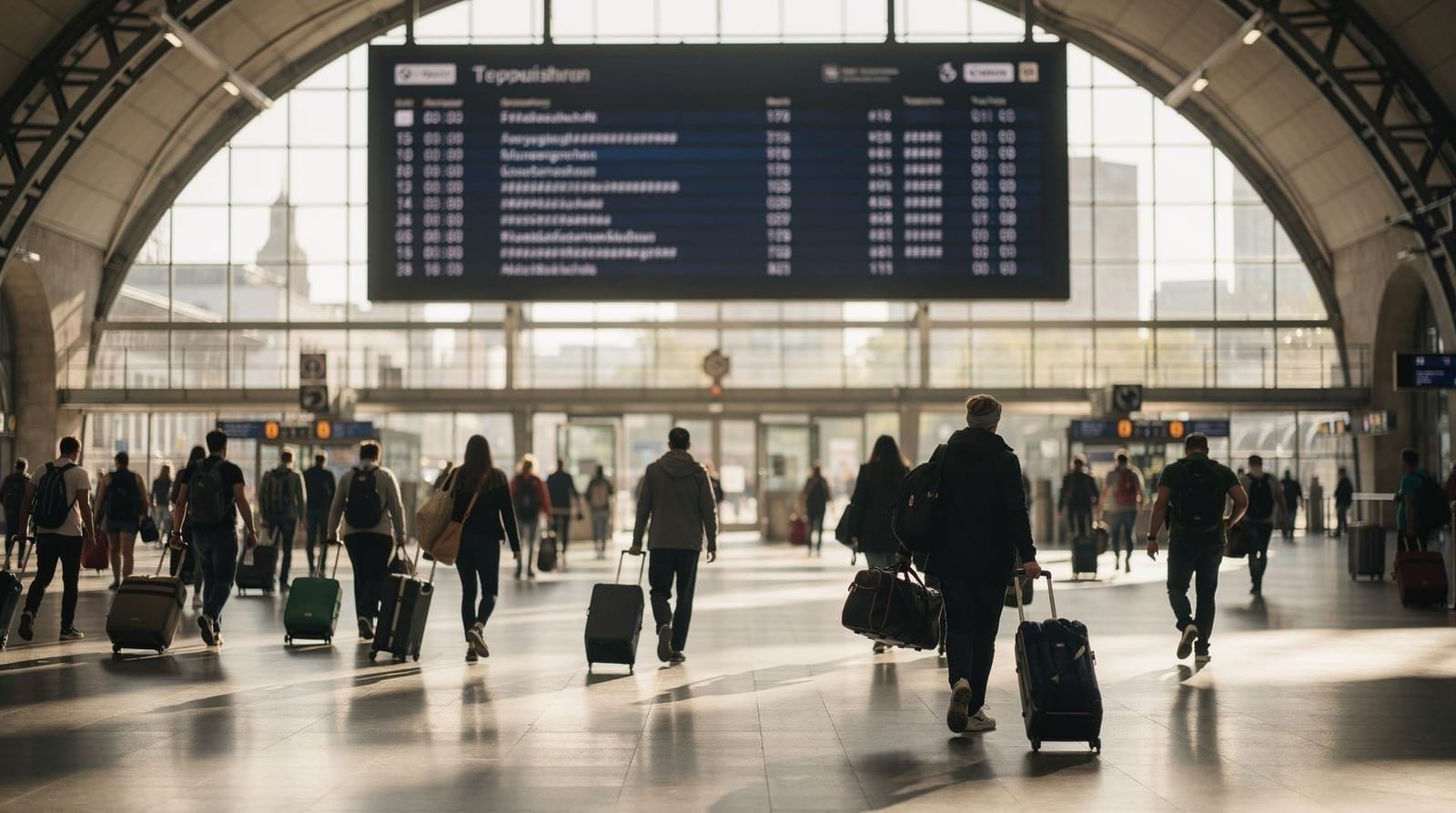
The ICE express train from Munich Hauptbahnhof to Nuremberg Hauptbahnhof takes approximately 1 hour 10 minutes and costs €40-80 without a saver fare. The regional train (covered by the Bayern-Ticket at €29) takes approximately 1 hour 50 minutes. Both services run frequently throughout the day.
Nuremberg: Bavaria’s most historically weighted city
Nuremberg holds two distinct periods of German history in unusually close proximity. In the medieval old town, you walk streets that date from the 13th and 14th centuries, past a castle that was the symbolic centre of the Holy Roman Empire. A 20-minute tram ride from the same old town takes you to the site of the Nazi Party Rallies — the largest purpose-built propaganda grounds in history, and now one of Germany’s most important historical documentation centres.
Most visitors come for one or the other. The complete picture — medieval grandeur followed by 20th-century catastrophe and post-war justice — is one of the most intellectually rich day trips available from Munich. It requires a full day and some advance planning for the Documentation Centre, but the combination is unlike anything else in Bavaria.
Transit time context: Nuremberg is 170km from Munich. The ICE express takes 1h 10min and costs €40-80 one-way without a saver fare. The regional train covered by the Bayern-Ticket takes 1h 50min. For most travellers, the regional train makes financial sense — the extra 40 minutes transit time is easily absorbed in a full-day visit.
| Where | Nuremberg, 170km north of Munich |
| Cost | Regional train ~€29 (Bayern-Ticket); ICE €17.90+ advance, €40–80 walk-up |
| Time needed | Full day for old town + Documentation Centre |
| Getting there | ICE (~1h10) or regional (~1h50) from Munich Hbf |
| Best time | Arrive before 10am; weekdays for the Christkindlesmarkt |
Getting there: Munich to Nuremberg by train
ICE Express: Munich Hauptbahnhof to Nuremberg Hauptbahnhof in approximately 1h 10min. Services depart roughly every 30 minutes throughout the day. Prices vary widely: Sparpreis (advance purchase) fares can be as low as €17.90 one-way booked weeks ahead; flexible fares run €40-80. Not covered by Bayern-Ticket.
Regional train (covered by Bayern-Ticket): The RB/RE regional service takes approximately 1h 50min with stops at Ingolstadt and several smaller stations. Services run roughly every 60 minutes. The Bayern-Ticket (€29 single, €38 for two, €9 each additional person up to 5) covers the complete journey.
Recommended departure times from Munich Hbf for a day trip:
- 7:02 (regional) → Nuremberg approximately 8:52
- 8:02 (regional) → Nuremberg approximately 9:52
- 7:30 (ICE, check timetable) → Nuremberg approximately 8:42
For a full day that includes both the old town and the Documentation Centre, arriving in Nuremberg before 10am is advisable. The Documentation Centre is 3km from the old town by tram and requires 2-3 hours — starting it after 3pm leaves insufficient time. Guided day trip from Munich to Nuremberg with rail tickets
ICE vs regional train, compared:
| ICE Express | Regional (Bayern-Ticket) | |
|---|---|---|
| Time | ~1h10 | ~1h50 |
| Cost | €17.90+ booked weeks ahead, €40–80 walk-up | Flat €29 solo, cheaper per person in groups |
| Booking | Advance Sparpreis fares sell out | No booking needed, board any regional train |
| Best for | Time-pressed visitors, last-minute plans with advance booking | Bayern-Ticket holders, budget-conscious travellers |
For most day-trippers already using or planning to use a Bayern-Ticket for other Bavaria trips, the regional train is the better value; the 40-minute difference rarely matters over a full day.
Nuremberg’s old town: where to start
Nuremberg Hauptbahnhof is directly adjacent to the old town, separated by the surviving section of the 14th-century city wall. The Hauptbahnhof has good left-luggage facilities (€3-4 per locker) — use them if you are carrying a bag.
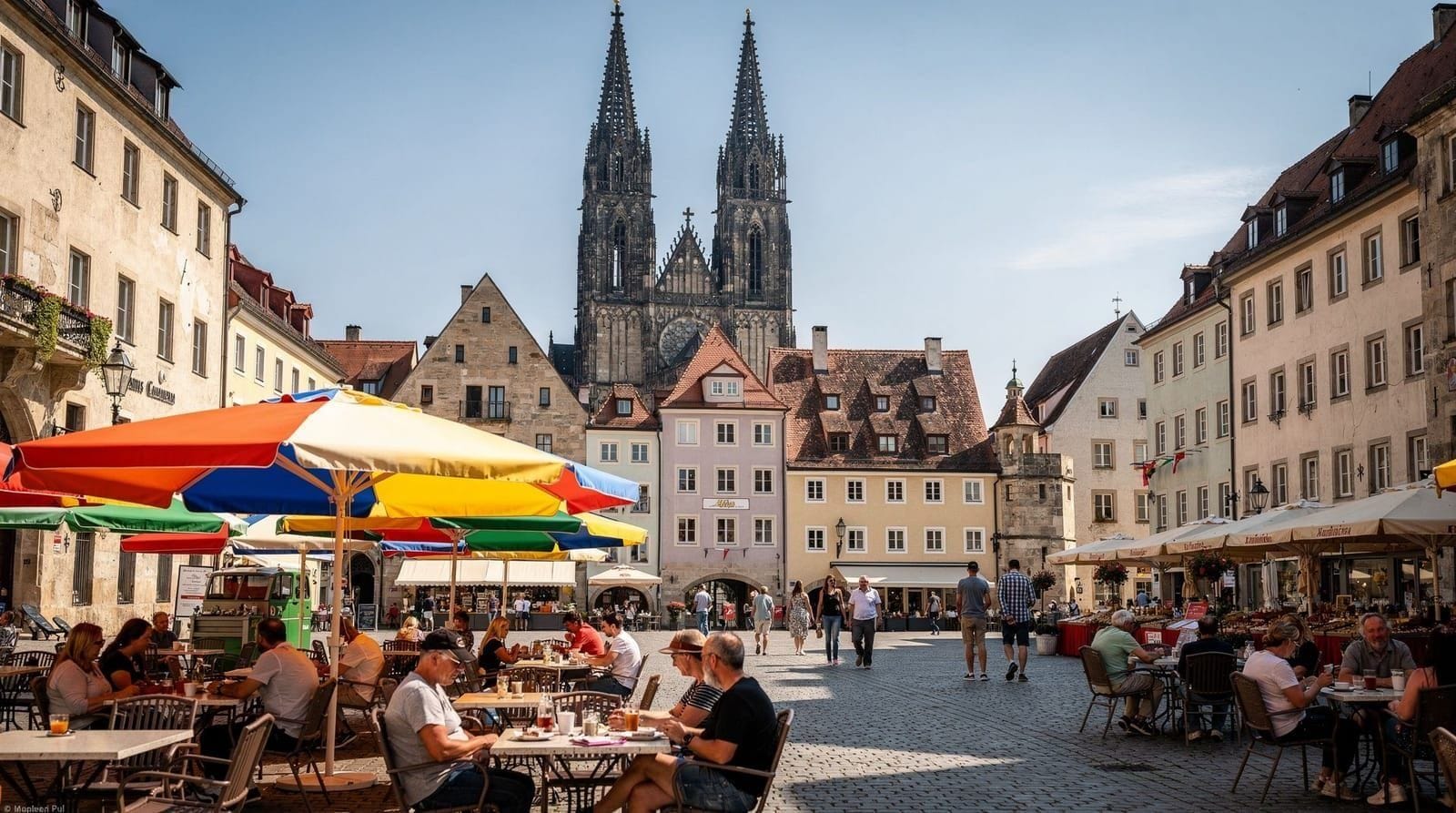
The Hauptmarkt: The main market square is the heart of the old town. The Frauenkirche (Church of Our Lady) on the eastern side of the square is a 14th-century Gothic church with an interesting Mannerist portico added in the 16th century. At noon daily, the Mannleinlaufen — a mechanical clock display with figures moving around Emperor Charles IV — activates above the portico. The square is the site of the Christkindlesmarkt (Christmas market), which is Europe’s most famous, running from late November through 24 December.
Nuremberg’s Rostbratwürste: Before heading further into the old town, note the Bratwursthausle (Rathausplatz 1, a short walk from Hauptmarkt). This is arguably the best place in Nuremberg for the city’s signature sausages — small, spiced, grilled over beechwood, served in groups of 6 or 12 with sauerkraut or potato salad. Opens from 11am. A plate of 6 costs approximately €8.
Albrecht Durer’s house (Albrecht-Durer-Haus): Durer, Germany’s most important Renaissance artist, was born in Nuremberg in 1471 and lived in this house (Albrecht-Durer-Strasse 39) from 1509 until his death in 1528. The museum is a reconstruction of the house with period rooms, a working printing press, and high-quality reproductions of Durer’s work. Entry approximately €8 for adults. Recommended.
St. Lorenz Church (Kirche St. Lorenz): One of the most important Gothic churches in Germany. The interior was heavily damaged in WWII bombing (as was most of Nuremberg’s old town) and has been carefully restored. The tabernacle (Sakramentshaus) by Adam Kraft (1493-96) is the outstanding piece — a 20-metre stone canopy rising to the vault. Free entry.
Kaiserburg: the castle above the city
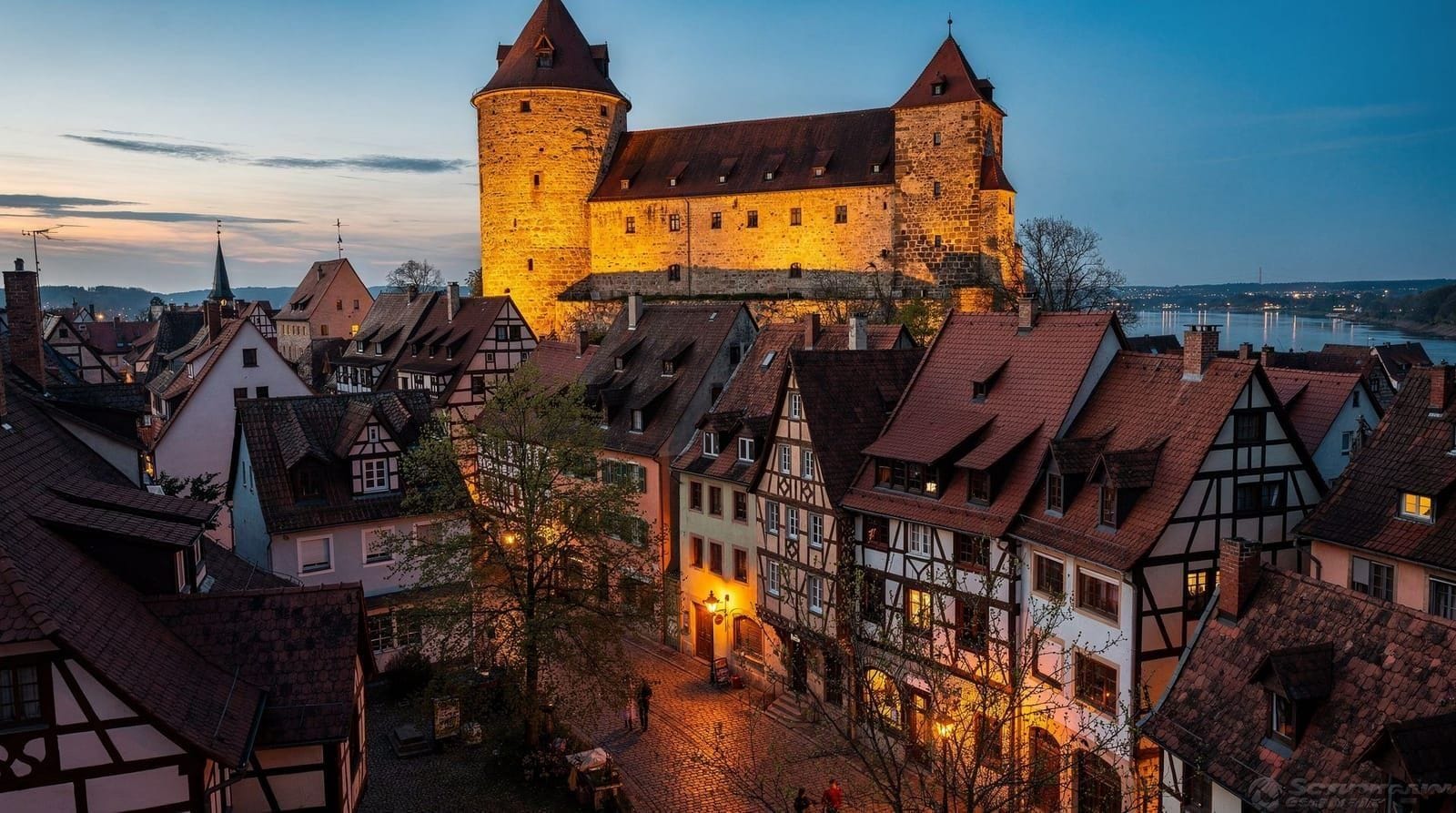
The Kaiserburg dominates the northern edge of the old town, rising on a sandstone bluff. It has been the focal point of Nuremberg since the 11th century, used by Holy Roman Emperors as their preferred German residence from the 12th through 16th centuries.
The castle complex includes several distinct sections: the Sinwellturm (round tower, the highest point with city views), the Heidenturm, the imperial palace (Palas) with its Romanesque double chapel, and the deep well (Tiefer Brunnen, sunk 52 metres through sandstone). The museum covering the castle’s history and its role in imperial politics is well-presented.
Entry: The full castle complex ticket costs approximately €9 for adults in 2026. The grounds can be walked for free. The museum and internal structures require the ticket. Allow 1.5-2 hours.
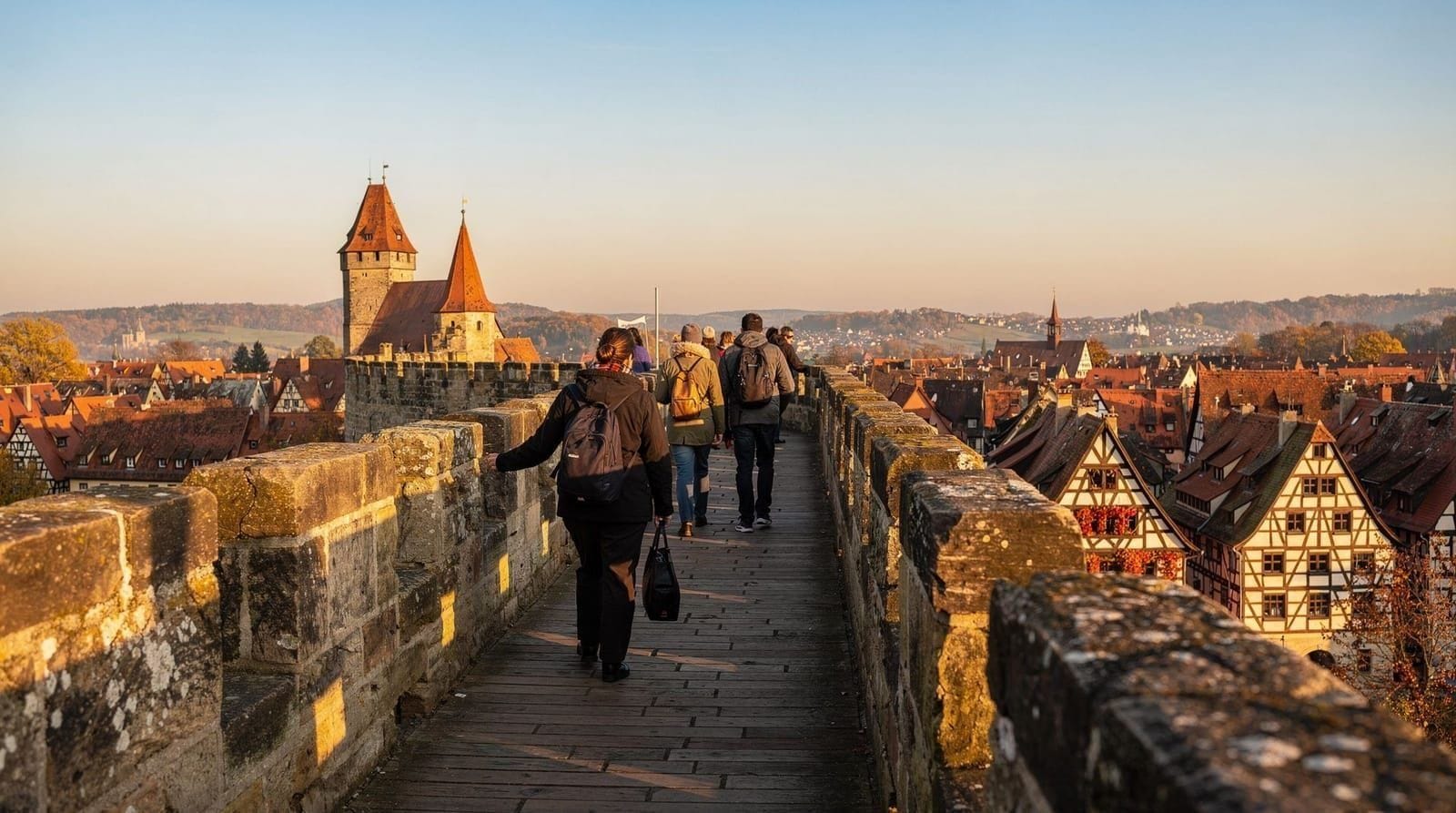
Views: The Sinwellturm viewing platform gives the best panorama over the old town — the red-roofed houses, the towers of St. Lorenz and St. Sebald, and the modern city beyond the old walls. The walk from Hauptmarkt to the castle takes about 10 minutes uphill through the old town lanes.
The Documentation Centre: the 20th century
The Dokumentationszentrum Reichsparteitagsgelande is a 3km tram ride from the old town (Tram 9 from Rathaus/Weissgerbergasse to Doku-Zentrum). The journey takes about 10 minutes.
The Documentation Centre occupies the north wing of the unfinished Kongresshalle — a hall designed by Albert Speer to hold 50,000 people, modelled on the Colosseum in Rome, and never completed. The wing is now a museum; the main hall remains as a vast unfinished hulk of brown sandstone, one of the most surreal architectural remnants of the Nazi period.
The Permanent Exhibition (Faszination und Gewalt): Twelve rooms covering the rise of National Socialism, the function of the Nazi Party Rallies, the role of propaganda and spectacle, and the consequences. The exhibition is comprehensive, intellectually honest, and appropriately unflinching. It does not sensationalise but it does not minimise either. Entry approximately €9.
The Zeppelinfeld: The large rally grounds (Zeppelinfeld) adjacent to the Documentation Centre are the field where mass rallies took place, with the Zeppelin Tribune — a stone grandstand modelled on the Pergamon Altar — along one side. You can walk onto the field freely. The tribune is in partial decay; restoration work is ongoing. The scale is disturbing in exactly the way it should be: understanding the psychology of mass spectacle is easier when you are standing in the actual location.
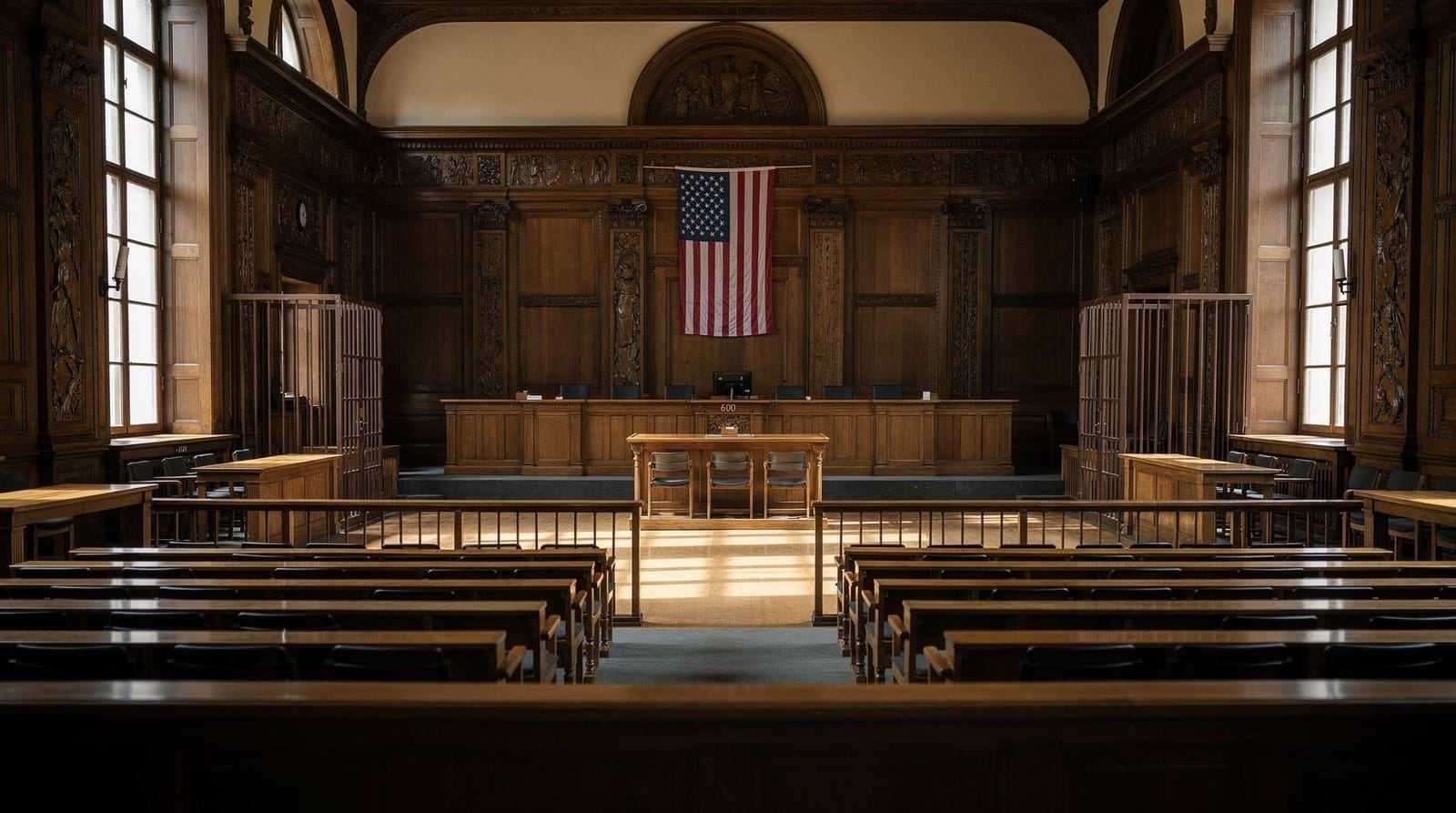
The Courtroom 600: The Nuremberg Trials took place at the Palace of Justice (Justizpalast, Bärenschanzstrasse 72), about 3km from the Documentation Centre. This requires a separate trip by tram. Entry is approximately €8. Courtroom 600 itself is still an active Bavarian court; visits are typically possible on Saturdays or via the permanent exhibition in the building.
For depth on the trials and their significance, see the Nuremberg Trials guide. Guided Nuremberg day tour including old town and historical sites
Time planning for Nuremberg
Old town only (half-day): Hauptmarkt → St. Lorenz → Durer’s House → Kaiserburg → St. Sebald Church. This takes 3-4 hours at a comfortable pace. Suitable if you arrive late morning or have a half-day.
Full day (old town + Documentation Centre): Arrive before 10am. Spend the morning in the old town (3-4 hours). Tram to the Documentation Centre after lunch (2-3 hours). Return to the old town for dinner. This is the most complete version of the Nuremberg day trip.
Full day (old town + Documentation Centre + Courtroom 600): Very ambitious — only achievable if you arrive on the first train and move efficiently. Courtroom 600 visits on Saturdays require checking the current access arrangements.
Where to eat in Nuremberg
Bratwursthausle (Rathausplatz 1): Best Nuremberg sausages, direct and unpretentious. Queue in peak season but moves quickly.
Goldenes Posthorn (Glockengasse 2, near St. Sebald): One of Nuremberg’s oldest restaurants, open since 1498. Solid Franconian food (Schäufele — pork shoulder, Sauerbraten, etc.) at moderate prices. More formal than the sausage places.
Cafe Klara (Weinmarkt 6): Good coffee and cakes in a relaxed setting, useful for a mid-morning stop near the old town.
Tourist-trap note: Restaurants on Hauptmarkt and immediately adjacent are tourist-priced. Move one block away for better value.
Nuremberg’s Christmas market: a special case
Nuremberg’s Christkindlesmarkt is arguably the most famous Christmas market in Germany. It runs on the Hauptmarkt from the last Friday before the first Advent Sunday through 24 December. The market is large, well-organised, and genuinely atmospheric — the Hauptmarkt with its Frauenkirche backdrop is the right setting for a Christmas market.
The honest observation: in early December (weeks 1 and 2 of Advent), the market draws enormous crowds, particularly on weekends. Saturday afternoons in late November and early December are among the most crowded days in the city year. If you plan a Christmas market visit, arriving on a weekday morning gives a more manageable experience. The Christkindlmarkt has been running since 1628, making it one of Germany’s oldest.
Lebkuchen (gingerbread) is Nuremberg’s other culinary speciality alongside the sausages. The best versions come from Lebkuchen Schmidt (Zollhaustorstrasse 30 or at the market) — the decorated tins of Lebkuchen are the standard souvenir but the loose gingerbread sold fresh at the market is notably better than the packaged version.
Practical notes for Nuremberg in 2026
Getting around: Nuremberg’s old town is compact and walkable from the Hauptbahnhof. The Documentation Centre (rally grounds) is not walkable — Tram 9 from Rathaus/Weissgerbergasse runs frequently and reaches Doku-Zentrum in about 12 minutes. A single tram ticket costs approximately €3.10; a day pass approximately €7.
Left luggage: Nuremberg Hauptbahnhof has coin-operated lockers at €3-4 per day. The main station is large and well-equipped.
Nuremberg Card: A tourist card (€38 for 2 days) covers public transport and free or reduced entry to museums including the Kaiserburg, the Durer House, and the Documentation Centre. Worth calculating against your planned visits — for a single day covering the old town and Documentation Centre, individual entry fees may total less.
Safety and practical notes: Nuremberg is a normal German city. The old town and surroundings are safe at all hours. The Documentation Centre is in an area of the city that is not the tourist centre — arrive by tram rather than walking.
Rainy day plan: Nuremberg holds up well in poor weather — the Kaiserburg’s interior rooms, the Durer House, St. Lorenz Church, and the Documentation Centre’s exhibition are all indoor and substantial enough to fill a full day without needing the outdoor Zeppelinfeld walk. If rain is forecast, prioritise these and save any outdoor old-town wandering for breaks between showers.
Nuremberg for history-focused travellers
If you are travelling specifically for the WWII and Nuremberg Trials history, consider pairing Nuremberg with Munich’s own Third Reich sites. The Munich Third Reich walking tour guide covers the Beer Hall Putsch sites, the Third Reich buildings, and the NS-Dokumentationszentrum in Munich itself. The Beer Hall Putsch history guide provides context on the 1923 coup attempt that began in Munich. Understanding Munich’s role in the rise of National Socialism alongside Nuremberg’s role in its mass spectacle gives a more complete picture.
For the broader day-trip comparison, see Best day trips from Munich. If you are weighing Nuremberg against a shorter, gentler option, Munich to Regensburg covers a similarly historic but less demanding day, and Munich to Rothenburg offers the fairy-tale medieval alternative.
Frequently asked questions about the Munich to Nuremberg day trip
Is the Bayern-Ticket valid on the Munich to Nuremberg train?
The Bayern-Ticket covers regional trains only (journey time approximately 1h 50min). ICE express trains (1h 10min) require a separate ticket. For most travellers on the Bayern-Ticket, the regional train makes sense — the 40-minute difference is absorbed in a full day.
What is the Nazi Documentation Centre in Nuremberg?
The Dokumentationszentrum Reichsparteitagsgelande is a museum in the unfinished Congress Hall at the Nazi Party Rally Grounds. The permanent exhibition traces the rise of National Socialism and its role in Nuremberg. Entry €9 for adults. One of Germany’s most important historical museums.
Can you visit the Nuremberg Trials courthouse?
Yes. Courtroom 600 in the Palace of Justice (Bärenschanzstrasse 72) is preserved as a memorial. Visits are typically possible on Saturdays and through the building’s permanent exhibition. Entry approximately €8.
How long do you need in Nuremberg?
For the old town and Kaiserburg: 3-4 hours. Adding the Documentation Centre: another 2-3 hours. A full day is needed to cover both seriously. For half a day, prioritise the old town and castle.
What is the best thing to eat in Nuremberg?
Nuremberg Rostbratwürste (small, spiced grilled pork sausages) at Bratwursthausle (Rathausplatz 1). A plate of 6 with sauerkraut costs approximately €8.
What is the Kaiserburg and is it worth visiting?
The Kaiserburg (Imperial Castle) was the preferred residence of Holy Roman Emperors from the 11th through 16th centuries. Entry approximately €9. The museum covers imperial history well; the tower gives excellent city views. Worth 1.5-2 hours.
Is Nuremberg or Regensburg the better historical day trip?
They emphasise different periods. Nuremberg combines a medieval old town with the 20th-century Nazi Party Rally Grounds and Documentation Centre, giving it more range but also more intensity. Regensburg is more purely medieval, with a well-preserved old town and no equivalent 20th-century layer, making it a gentler day. Choose Nuremberg if the WWII history matters to your trip; choose Regensburg for a lighter, purely medieval day.
Should I buy the Nuremberg Card?
Only if your itinerary is dense. At €38 for two days, it covers public transport and entry to major sights including the Kaiserburg, Durer House, and Documentation Centre. For a single focused day trip covering just the old town and Documentation Centre, adding up individual entry fees is often cheaper — do the sum against your specific plan before buying.
Top experiences
Bookable activities with verified prices and instant confirmation on GetYourGuide.