Munich packing guide: what to bring for every season and Oktoberfest
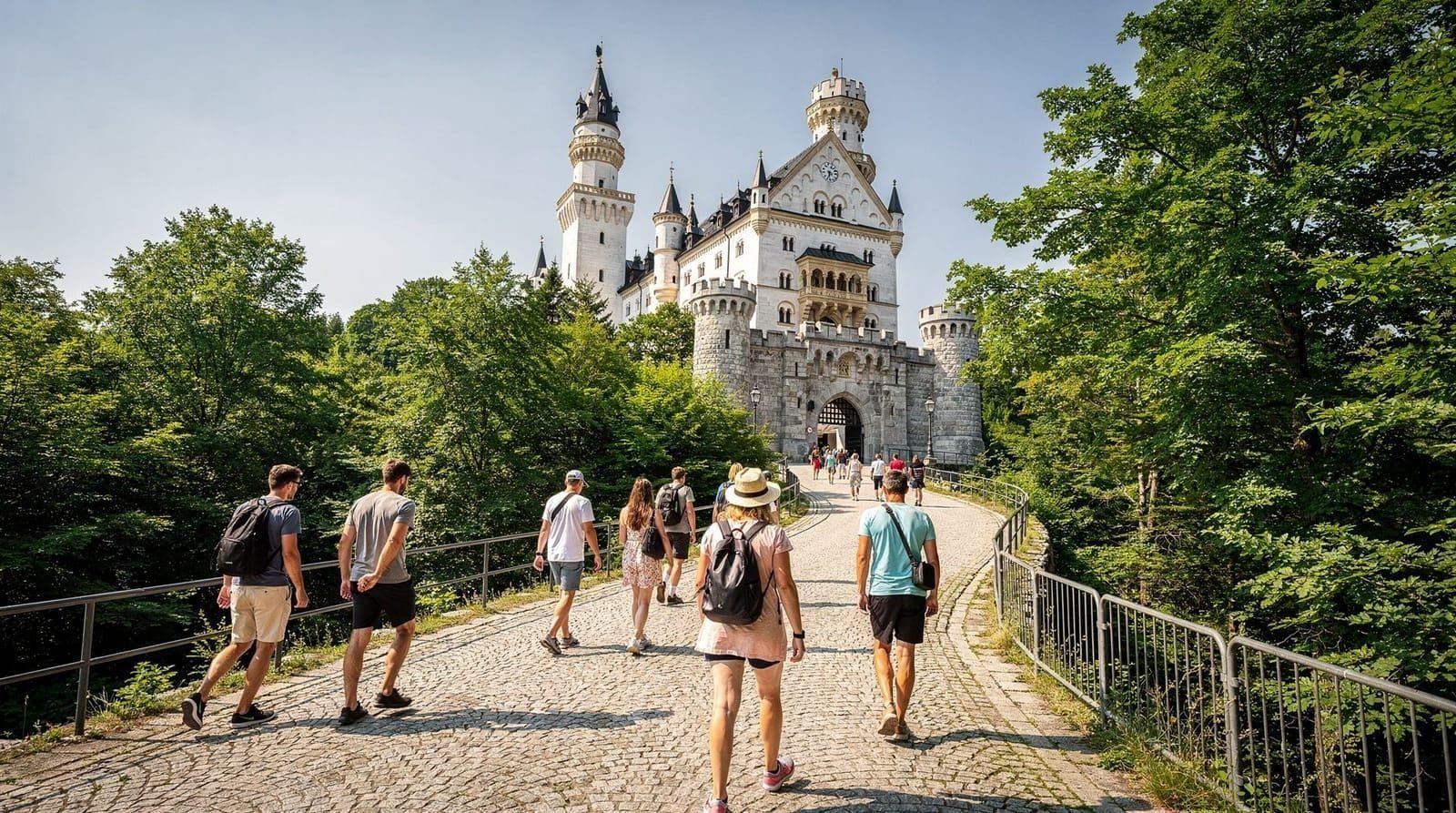
Munich: Neuschwanstein Castle tour
What should I pack for Munich?
Pack comfortable walking shoes broken in before you travel — Munich has cobblestoned streets and you will cover 12–18 km per day on foot. Bring layers and a waterproof jacket regardless of season. If visiting October through April, a warm coat is essential. For Oktoberfest, traditional Tracht is optional but welcomed; buy it before arriving as Munich prices are higher. For Alps day trips, bring extra layers and closed-toe shoes.
Packing for Munich involves managing more variables than a simple city break: the weather is changeable, the terrain requires good footwear, Alps day trips demand extra layers, and Oktoberfest raises specific questions about traditional dress. This guide covers each scenario clearly.
| Essentials | broken-in walking shoes, layers, a waterproof jacket |
| Cost to add Tracht | around €150–400 for quality Dirndl/Lederhosen |
| Alps day trips | add a warm mid-layer, sunglasses, sunscreen |
| Luggage storage | Hauptbahnhof lockers, around €5–10/item/day |
| Best approach | pack for layering rather than a fixed forecast |
The non-negotiables for Munich
Footwear
The most important packing decision for Munich is footwear, and it comes down to one principle: comfort over style. The Altstadt is heavily cobblestoned — Marienplatz, Kaufingerstrasse, Sendlingerstrasse, and the streets around the Residenz and Viktualienmarkt are all paved with irregular stone. After 6 hours of sightseeing on cobblestones in inadequate shoes, your day ends early.
What works:
- Well-cushioned trainers/sneakers (the most practical all-round option)
- Light hiking shoes (excellent for the city and Alps day trips)
- Comfortable flat leather boots (fine on smooth surfaces, acceptable on cobblestones)
- Waterproof walking shoes or trail shoes (best if rain is likely)
What does not work:
- High heels (genuinely dangerous on wet cobblestones)
- New shoes not yet broken in (blisters guaranteed)
- Flip-flops or sandals without back strap (impractical on uneven surfaces)
- Dress shoes designed for indoor environments
Second pair: Bring a second pair of different shoes for the evenings or days when your primary shoes need to dry out. Wet shoes on day 3 of a week trip are a common source of misery.
For Alps day trips: If the Zugspitze, Garmisch hiking, or trails near the Königssee are on the agenda, bring proper trail shoes or light hiking boots. The approach trails at these destinations involve uneven terrain.
Layers and weather management
Munich’s weather is genuinely variable regardless of season. The Alps proximity means rapid changes — sunny mornings can turn to afternoon thunderstorms in summer, and Föhn wind can bring unusual warmth in autumn and spring.
The core layering system that works year-round:
- Base layer (moisture-wicking T-shirt or light long-sleeve)
- Mid layer (light fleece or knit sweater)
- Outer layer (waterproof or water-resistant jacket)
This three-layer system adapts to Munich’s conditions from May through October with minor adjustments.
By season:
Spring (April–May): Add mid-weight fleece or down jacket. Waterproof outer layer. Temperatures range 10–19°C but can feel colder with wind.
Summer (June–August): Light clothing for daytime (23–27°C average). Always carry a light waterproof for afternoon thunderstorms. Evenings cool to 15–18°C — have a sweater or light jacket accessible.
Autumn (September–October): Layering essential. September is mild (17–20°C days), October cools quickly (10–15°C). The evenings during Oktoberfest (September 19 – October 4) are brisk — bring a warm layer for outdoor fairground time.
Winter (November–March): A proper warm coat, hat, gloves, and scarf. Temperatures regularly 0–5°C, occasionally dropping to -5°C with wind chill. The beer gardens are closed and outdoor sightseeing is cold — dress accordingly. Good news: indoor sights (Residenz, Deutsches Museum, Pinakotheks) are exactly as good in winter and far less crowded.
Oktoberfest packing specifics
The Tracht question
The question everyone asks before their first Oktoberfest: should I buy a Dirndl (women’s traditional dress) or Lederhosen (men’s leather breeches)?
The honest answer: it is your choice, not a requirement. Regular clothes are completely acceptable at Oktoberfest. Many international visitors wear normal clothing; Bavarian locals and experienced Oktoberfest regulars tend to wear Tracht.
If you decide to wear Tracht:
For women — a genuine Dirndl consists of a dress, apron (Schürze), and blouse (Bluse). Buy it before you come to Munich. In Munich itself, authentic Dirndl from stores like Loden-Frey or Trachten Angermaier start at €150–250 for entry-level and go well above €400 for quality versions. The tourist-shop knockoffs at €30–50 look exactly what they are and are considered tacky by Bavarian locals.
Where the apron bow goes: Tied on the left means single; on the right means taken or married; in the centre (front) means the wearer is a virgin or a server. This is the most-asked-about Oktoberfest cultural detail and it is real, not a myth.
For men — genuine Lederhosen (leather shorts or long trousers) with a Trachtenhemd (checked linen shirt) and optional Trachtenhut (hat). Quality Lederhosen start at €200–350 and last decades; cheap versions fall apart quickly and look synthetic. Rent is sometimes available at Oktoberfest adjacent shops in Munich — worth considering for a one-time visitor.
Buy before you come: Tracht bought in your home country (online from Bavarian trachten retailers like Dirndl.com or Alpenfeeling) is typically 30–50% cheaper than buying in Munich during Oktoberfest week.
Oktoberfest-specific packing list
- Small crossbody bag or waist pack: The beer tents are very crowded. Large backpacks and wheeled luggage are prohibited inside the tents and awkward in crowds. A small crossbody bag for phone, wallet, and keys is ideal.
- Cash: The Oktoberfest is increasingly card-friendly but carrying €50–100 in cash remains advisable for food stalls, rides, and small purchases.
- Comfortable but closed-toe shoes: The Wiesn has a combination of pavement, mud (after rain), grass, and sawdust-covered tent floors. Flat, comfortable, closed shoes are the most practical. Wear Tracht shoes (Haferlschuhe) if dressing in Tracht.
- Light jacket for evenings: October evenings at the outdoor Wiesn are cold. The tents are warm, but walking between them and at the fairground rides is cool.
- Earplugs: Optional, but the main Oktoberfest tents operate at sustained high decibel levels for many hours. Some visitors find them useful.
Alps and day trip packing
If your Munich itinerary includes any of these destinations, specific additions apply:
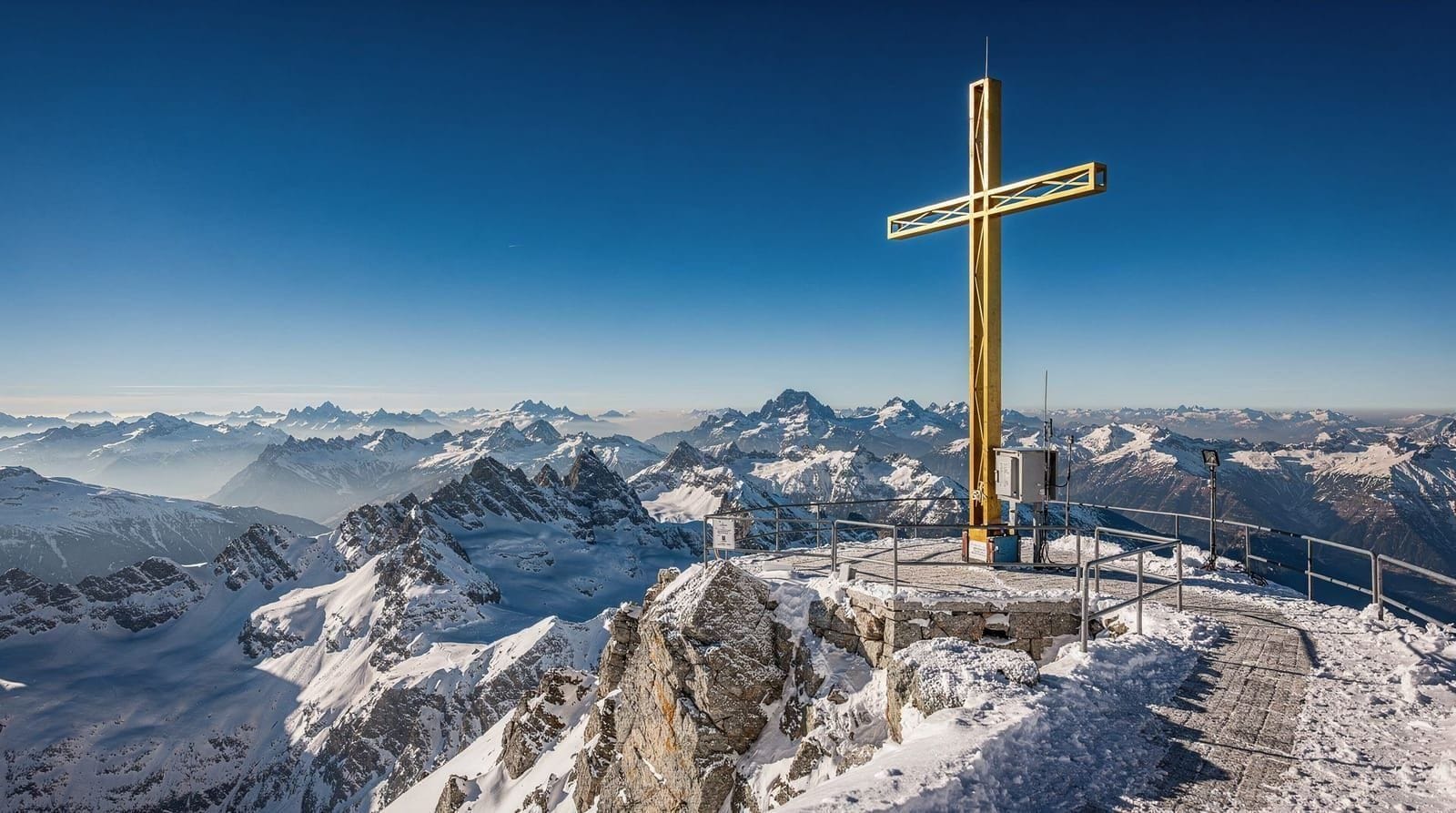
Zugspitze (2,962m summit)
The summit of Germany’s highest mountain is dramatically colder and windier than Munich. Even in summer, expect temperatures of 2–10°C at the summit compared to 22–27°C in Munich. Bring:
- Warm mid layer (fleece or down jacket)
- Wind-resistant outer layer
- Sunglasses (UV is stronger at altitude)
- Sunscreen (factor 30+ recommended)
- Hat and light gloves (useful at summit in summer)
Guide: Zugspitze day trip guide.
Neuschwanstein Castle
The walk up to Neuschwanstein from the valley (30–40 minutes) and the viewpoint at the Marienbrücke involve moderate uphill walking on gravel and forest paths. Comfortable walking shoes suffice — hiking boots are not necessary but are comfortable. Bring:
- Walking shoes or trail shoes (not dress shoes)
- Light layers (the castle interior is cool)
- Small day pack for water and snacks (food options near the castle are limited and expensive)
Guide: Munich to Neuschwanstein day trip.
Berchtesgaden and Eagle’s Nest
The Eagle’s Nest (Kehlsteinhaus) at 1,834m involves a special bus from the Obersalzberg parking area and then an elevator. The outdoor areas are cool and windy. Bring:
- Warm mid-layer
- Waterproof jacket
- Comfortable shoes for the short walks at the summit
Guide: Munich to Berchtesgaden day trip.
If you are booking a guided day trip rather than travelling independently, transport and some equipment logistics are handled for you, which simplifies packing considerably: Neuschwanstein Castle day tour from Munich
For a full-day Alps combination covering Zugspitze and the Eibsee lake, a guided tour also removes the need to plan train connections around your gear: Zugspitze and Eibsee lake private day tour from Garmisch
Packing by trip length and travel style
Weekend trip (2–3 days), city only: One pair of broken-in walking shoes, a three-layer system, and a small day bag cover almost everything. Skip hiking-specific gear entirely unless a day trip is confirmed.
Week-long trip with one Alps day trip: Add a dedicated warm mid-layer and proper trail shoes to the weekend list above. A 20–25 litre day pack for the trip itself is worth packing inside your main luggage rather than buying in Munich.
Oktoberfest-specific trip: Prioritise the Tracht and tent-logistics items above everything else — a small crossbody bag and closed-toe comfortable shoes matter more for Oktoberfest than for any other kind of Munich visit. See the best time for Oktoberfest guide for how your dates affect what you’ll need.
Winter or Christmas market trip: Reprioritise toward warmth over versatility — a genuine winter coat, waterproof boots and a thermal base layer matter more in December and January than the summer-oriented layering system above. The Munich in winter guide has the fuller seasonal picture.
The complete Munich packing checklist
Documents and money
- Passport or national ID card
- Travel insurance documents (and EHIC card if EU citizen)
- Hotel confirmation printout or digital copy
- Offline map downloaded (Google Maps or Maps.me Munich offline)
- Cash in Euros (€100–150 minimum)
- Credit/debit cards (Visa and Mastercard most widely accepted)
Clothing
- Walking shoes (comfortable, broken in)
- Trail shoes or hiking boots (if Alps day trips planned)
- Casual shoes or sandals (for evenings)
- T-shirts or light tops (3–5 for a week)
- Long-sleeve shirts or light jumpers (2–3)
- Waterproof or water-resistant outer jacket
- Warm mid-layer (fleece or down jacket for shoulder/winter seasons)
- Jeans or comfortable trousers (1–2 pairs)
- Light dress, skirt, or shorts (summer visits)
- Heavy coat, hat, gloves, scarf (October–April)
- Tracht (optional, if pre-planned for Oktoberfest)
Day pack (carry-on bag or small backpack)
- Reusable water bottle (Munich tap water is excellent)
- Small day pack for day trips (20–25 litre)
- Sunscreen (especially for Alps summits)
- Sunglasses
- Small umbrella or packable rain poncho
Electronics
- Phone and charger
- Universal travel adapter (Type F / Schuko for Germany)
- Camera (Munich and Bavaria are very photogenic)
- Portable power bank
- Earphones
Health and pharmacy
- Prescription medications (full supply + extra)
- Basic first aid (plasters for blisters — very commonly needed on day 2)
- Pain relief (Paracetamol/Ibuprofen equivalent)
- Motion sickness tablets (for cable cars, winding mountain roads)
- Personal toiletries (available in Munich but convenient to have your own)
What not to pack
Large wheeled suitcases for day trips: Luggage storage is available at Munich Hauptbahnhof (€5–10 per item per day), but dragging a large case to Neuschwanstein or on the Zugspitze cable car is impractical. Pack a day pack that goes inside your main luggage for day trip use.
Expensive or irreplaceable items: Munich is a very safe city, but Oktoberfest crowds are the one environment where pickpocket risk is elevated. Leave expensive jewellery, unnecessary credit cards, and irreplaceable items at the hotel.
Too many formal clothes: Munich has some fine dining, but it is primarily a relaxed, casual city. Smart casual covers 99% of Munich restaurant and bar situations. Heavy formal wear takes up luggage space that serves you better spent on layers.
Frequently asked questions about packing for Munich
What should I wear to an Oktoberfest beer tent?
Anything from jeans and a t-shirt to full Tracht. There is no enforced dress code inside the main Oktoberfest tents. Practical considerations: dress in layers (tents are hot, outside is cold), wear comfortable shoes you can stand in for hours, and keep valuables in a closed bag close to your body.
Can I do hikes near Munich in regular trainers?
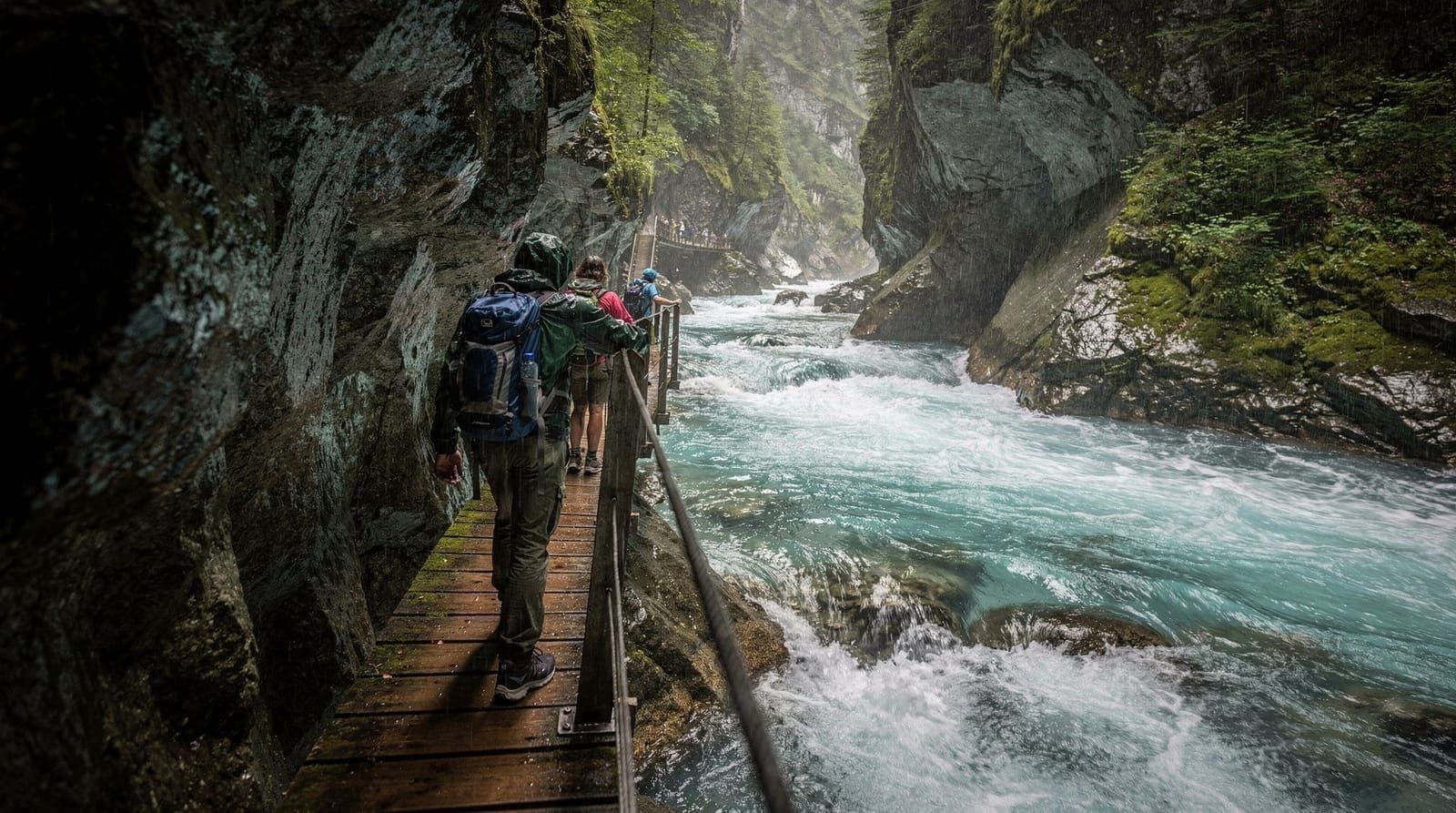
Most accessible viewpoints and easy routes (Marienbrücke at Neuschwanstein, Partnach Gorge rim walk, lower Zugspitze areas) are doable in good trainers. For longer or steeper hikes around Garmisch or on alpine trails, proper hiking shoes with ankle support and grip make a significant safety and comfort difference. See Garmisch hiking guide for specific trail requirements.
Is Munich suitable for backpack travel?
Yes. Munich has excellent hostel options, great public transport, and all day trips are accessible by train with a day pack. A 40–50 litre backpack that meets airline carry-on dimensions is the ideal format for a Bavaria backpacking trip — large enough for 7–10 days of clothes and layers, small enough to carry on local transit without hindrance.
What should I pack for Munich in December for Christmas markets?
Winter essentials: warm coat (not just a fleece — December in Munich is genuinely cold at 0–4°C), waterproof boots or shoes, hat, gloves, scarf. A thermal base layer significantly extends how long you can stand comfortably at outdoor Christmas market stalls. The markets involve a lot of standing outdoors in the cold — dress warmly rather than stylishly.
Should I pack differently for a business trip versus a leisure trip to Munich?
For business, add one or two smart-casual outfits beyond the leisure packing list — blazers, dress shirts, smart trousers — since Munich’s business culture leans slightly more formal than purely leisure travel requires, particularly for dinner meetings. Comfortable walking shoes still matter if you plan to sightsee around meetings; consider packing a second pair of smarter shoes alongside your usual trainers rather than replacing them.
Do I need to bring reins or straps for a baby stroller in Munich?
Munich’s cobblestoned Altstadt is challenging for pushchairs and strollers. Bring a baby carrier as an alternative for the old town areas. Most museums and larger sights are stroller-accessible, but the Residenz interior has some stairs. The Deutsches Museum and Nymphenburg Palace are both stroller-friendly. For the English Garden and Nymphenburg grounds, strollers are fine on the smooth paths.