Starnberger See — Munich's closest lakeside escape
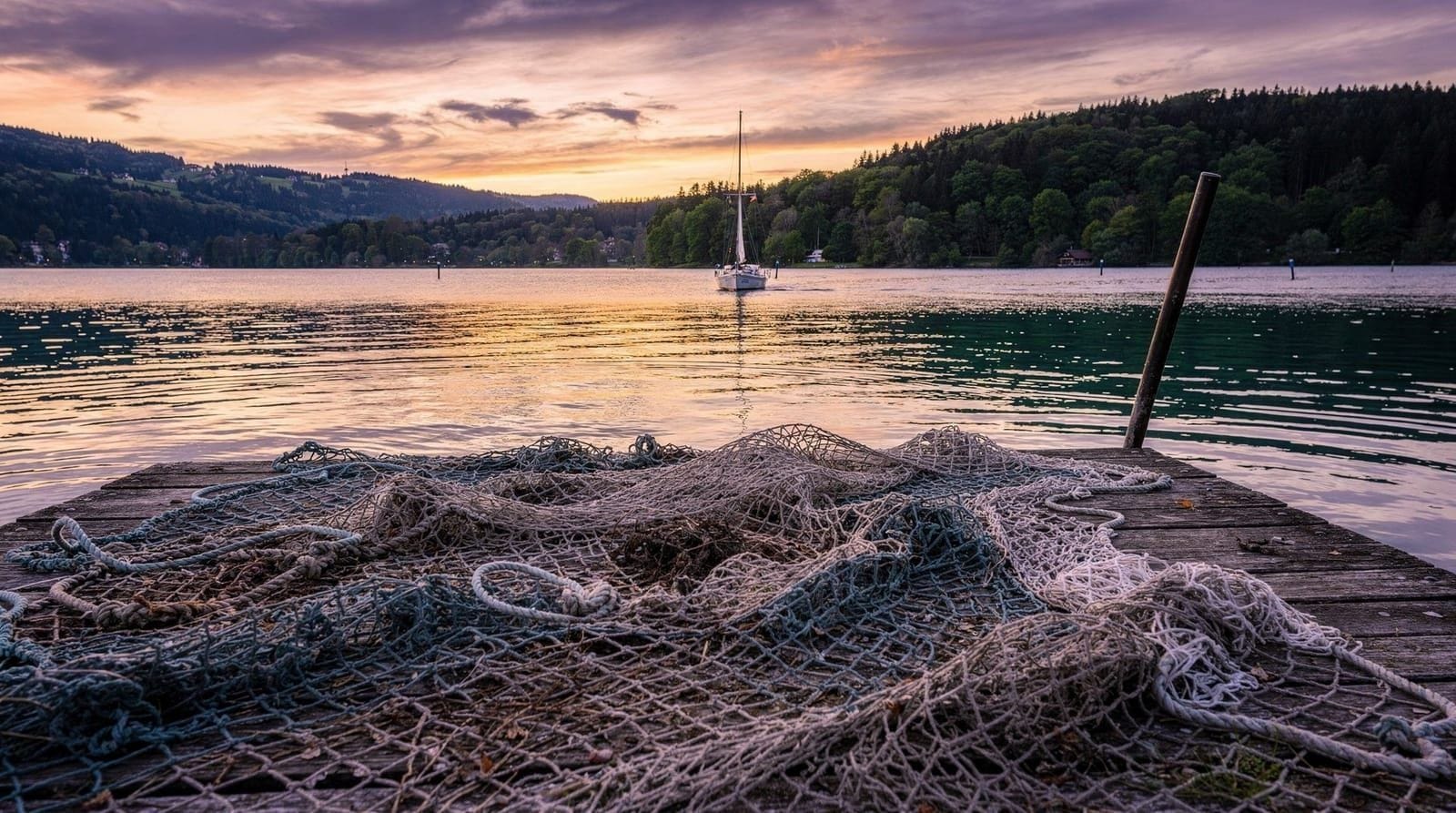
Starnberger See is Munich's nearest large lake, 30 min by S6 S-Bahn. Affluent shoreline villages, King Ludwig II memorial, steamboats, and summer swimming.
From Munich: Herrenchiemsee Palace and boat trip day tour
Quick facts
- Distance from Munich
- 25 km southwest
- By S-Bahn
- S6 from Munich Hauptbahnhof → Starnberg, 36 min
- Lake size
- 57 km², depth up to 128 m
- King Ludwig II connection
- Drowned near Berg on 13 June 1886
- Swimming season
- June–September (water 18–22°C peak summer)
Thirty-six minutes from Munich, a different world
The Starnberger See sits 25 km southwest of Munich, making it the easiest large lake to reach from the city by public transport. The S6 S-Bahn line runs directly from Munich Hauptbahnhof to Starnberg Nord, Starnberg, and beyond to Tutzing at the southern tip — you can be standing at the waterfront with your shoes off within 45 minutes of leaving the city centre, without changing trains, without a car, and without spending more than the cost of an MVV day ticket.
Quick answer: Starnberger See is the go-to lake for Munich residents wanting a half-day escape. It offers a long shoreline with multiple swimming spots, steamboat cruises, the historically significant site of King Ludwig II’s death near Berg, and a string of affluent lakeside villages including Starnberg, Tutzing, and Feldafing. The water is cold in spring, swimmable from June, and the S-Bahn makes it trivially easy to reach without planning.
| Where | 25 km southwest of Munich, Fünfseenland |
| Cost | Around €7.40 single S-Bahn or €15.40 MVV day ticket; beaches free–€4 |
| Time needed | Half day or full day; easy return by S-Bahn |
| Getting there | S6 from Munich Hbf, about 36 min to Starnberg |
| Best time | June–September for swimming; April–May for quieter walking |
Getting to Starnberger See
The S6 S-Bahn line is the direct connection. Departures from Munich Hauptbahnhof run every 20 minutes during the day. Journey time to Starnberg is approximately 36 minutes; to Tutzing at the south end of the lake, about 55 minutes. The line also stops at intermediate lakeside stations including Possenhofen (closest station to the east shore walking path and the Empress Elisabeth connection), Feldafing, and Tutzing.
Ticket options: An MVV single to Starnberg from Munich (zone M+3) costs approximately €7.40. An MVV day ticket for the Munich metropolitan area covering all S-Bahn zones costs around €15.40 per person and covers unlimited travel on the S6 all day. Groups of up to 5 people can use a Bayern-Ticket (€29 day ticket for the first person, +€6 each additional) which allows regional trains and S-Bahn across the whole of Bavaria — useful if you plan to explore beyond the lake.
By car: The A952 motorway spur runs directly from the Munich ring road to Starnberg, approximately 30 minutes in normal traffic. Parking in Starnberg town is paid and busy in summer. Peripheral car parks on the east shore near Possenhofen are less congested.
King Ludwig II and Berg
The Starnberger See is permanently linked to the most mysterious death in Bavarian royal history. On the evening of 13 June 1886, King Ludwig II — who had been deposed and declared insane just days earlier — went for a walk with his psychiatrist, Dr. Bernhard von Gudden, near Berg on the eastern shore. Neither man returned. Their bodies were found floating in shallow water a few hours later. Ludwig was 40 years old.
The official explanation was drowning, but the exact circumstances have never been fully established. Ludwig’s body showed no signs consistent with drowning according to some contemporary accounts, and conspiracy theories (assassination, attempted escape) have circulated ever since. The investigation was closed within days and the full evidence has never been publicly released.
At Berg, a small votive chapel (the Votivkapelle) was built in Ludwig’s memory on the waterside, and a wooden cross in the lake marks the approximate spot where the body was found — accessible by boat and visible from the shore path. There is no formal visitor infrastructure, no ticket office, and no guided tours stop specifically here. The chapel (open daily, free entry) is a quiet, simple structure with photographs and memorial items. The site draws respectful visitors rather than tourists and rewards the short detour from Berg station (5 minutes walk).
Schloss Berg, the summer residence where Ludwig was held under house arrest in his final days, is privately owned and not accessible to visitors. It can be seen from the lake on a steamboat cruise.
For deeper context on Ludwig II’s three royal palaces, the Herrenchiemsee and Neuschwanstein destinations connect to the same story.
Villages along the shore
The Starnberger See shore is more developed and affluent than other Bavarian lakes — this is where Munich professionals and entrepreneurs have bought second homes for over a century, and it shows in the property prices, the quality of the restaurants, and the general manicured quality of the lakeside gardens. That is not entirely a drawback: the infrastructure is good, the restaurants are mostly better than average, and the villages have a polished, lived-in quality rather than a tourist-trap feel.
Starnberg is the main town, on the north end of the lake. The centre has a pleasant lakeside promenade, several waterfront cafes, a small museum covering local and Ludwig II history (Museum Starnberger See, Tuesday–Sunday, €5), and a well-maintained public beach (Stadtpark beach, free entry to the grass area, small charge for changing rooms). The weekly market runs on Fridays.
Possenhofen on the east shore was the childhood home of Empress Elisabeth of Austria (known as Sisi) — she spent summers here at Schloss Possenhofen, which is also private and not publicly accessible but visible from the water. The village itself is quiet with a good waterside walk north towards Starnberg (3 km, mostly flat lakeside path).
Feldafing is known for the Rose Island (Roseninsel) in the lake just offshore — a small island with a garden villa used by King Maximilian II and later his son Ludwig II. The island is accessible by rowing boat from Feldafing, and the villa (open May–October, approximately €4) is a pleasant historical footnote. Feldafing also has a public beach and the Feldafing Golf Club, one of the oldest courses in Germany (1926).
Tutzing at the southern tip is the quietest of the main villages. The Protestant Academy of Bavaria (Evangelische Akademie) holds occasional public lectures and cultural events here. Tutzing has a good waterfront and is a logical place to turn around if cycling the east shore.
Steamboat trips on the lake
The Bayerische Seenschifffahrt company operates passenger boats on the Starnberger See from April to October. Routes run from Starnberg town to Berg, Seeshaupt (south shore), and return via the west shore. A full lake circuit takes approximately 2 hours.
Fares (2026): Starnberg to Seeshaupt approximately €8.50 single; full round trip approximately €14. Combined boat-and-S-Bahn day tickets are available and can save money if you plan to use both. The boats are not luxury cruise vessels — they are straightforward passenger ferries with open decks, pleasant for the views and the breeze but not gastronomy cruises.
The boat stop at Berg allows a short disembarkation to visit the Votivkapelle and the lake cross, then catching a later boat back. Check timetables at bayerische-seenschifffahrt.de before the trip as schedules vary by season.
Swimming and cycling
Swimming beaches: The lake has several accessible public beaches. The most convenient for train travellers is the Strandbad Starnberg near the station (open June–September, small entry fee around €4). The beach at Possenhofen (free, grass lawn, less infrastructure) is better for those who don’t want to pay. The water is clean and cold until late May, comfortable from mid-June, reaching 20–22°C in July and August. The lake is deep (128 m maximum) so it cools again rapidly in autumn.
Cycling: A signed cycle route runs around the entire lake — approximately 46 km total, manageable in 3–4 hours at a comfortable pace. The east shore path is almost entirely flat and lakeside; the west shore involves more road cycling through villages. Bikes can be rented from several locations in Starnberg town (approximately €15–22 per day, €30–40 e-bike). You can also take a bike on the S6 S-Bahn (bicycle supplement required, not permitted during peak hours on weekday mornings and evenings).
Sailing and watersports
Starnberger See has a long sailing tradition — several Munich-based sailing clubs use the lake, and its size and generally reliable summer breeze make it one of the better inland sailing lakes in southern Germany. Segelschule Starnberg, near the Stadtpark beach, offers taster sessions and short courses for visitors without their own equipment (from roughly €60 for a half-day sailing taster, 2026 prices). Stand-up paddleboard and kayak rental is available at several points along the north shore, typically €15–20/hour, and is a gentler alternative for those who just want time on the water without instruction. Motorboats with a smaller engine capacity can be rented without a licence at a handful of operators near Starnberg town; larger craft require a German or EU boating licence. Windsurfing is possible but less established here than on some of the smaller Fünfseenland lakes. None of this needs booking far in advance outside the busiest summer weekends.
Practical tips
Crowds: Starnberger See is extremely popular with Munich residents in summer, particularly on hot weekends. The beaches can be packed by 11:00 on a July Saturday. Arriving by 09:30 or visiting on a weekday makes a significant difference.
What to eat: Shoreside restaurants in Starnberg and Tutzing serve standard Bavarian food (Schweinshaxe, Weisswurst, Brotzeit) alongside fish from the lake. Expect main courses at €16–26 in sit-down restaurants on the waterfront. Self-catering (taking food from Munich) is a practical option for beach days — there are no restrictions on picnicking on public waterfront areas.
Combining with Ammersee: The S6 and S8 S-Bahn lines serve different lakes and are not directly connected at the lake end. Combining Starnberger See and Ammersee in one day requires either a car or returning to Munich and changing. This works if you have an MVV day ticket but leaves limited time at each lake. Better to choose one.
The Fünfseenland: The “Five Lakes Land” marketing umbrella covers Starnberger See, Ammersee, Pilsensee, Wörthsee, and Weßlinger See — all accessible from Munich and all worthwhile for different reasons. For a gentle overview of all the lakes and how they compare, see the Munich lakes guide.
For the culture-history side of Ludwig II and his fatal connection to this lake, the King Ludwig II castles guide provides fuller context. Munich old-town walking tour — combine with a Starnberger See afternoon
Starnberger See by season
| Months | Water temp | Notes |
|---|---|---|
| April–May | Too cold to swim | Best for quiet walking and cycling before crowds arrive |
| June | Warming, ~18°C | Swimming becomes comfortable; fewer crowds than July–Aug |
| July–August | Peak, 20–22°C | Busiest weekends; arrive before 09:30 for beach space |
| September | Cooling, still swimmable | Good balance of warm water and thinner crowds |
| October | Too cold to swim | Steamboats reduce schedule; good for a crisp lakeside walk |
| November–March | Cold, steamboats not running | Quietest months; chapel at Berg and villages still open |
Frequently asked questions about Starnberger See
How long does it take to get from Munich to Starnberger See by S-Bahn?
The S6 from Munich Hauptbahnhof reaches Starnberg in 36 minutes. The train runs every 20 minutes during the day. No changes are needed.
Can I swim in the Starnberger See?
Yes. The lake is clean with high water quality standards. Official beaches exist at Starnberg, Possenhofen, Feldafing, and Tutzing with facilities. Swimming from public shoreline outside paid beaches is also permitted. Water temperature reaches 20–22°C in mid-summer.
Where exactly did King Ludwig II die?
Ludwig II died on 13 June 1886 near Berg on the eastern shore. A wooden cross in the lake marks the approximate spot; a votive chapel (Votivkapelle) stands on the bank nearby. Both are a 5-minute walk from Berg station on the S6 line. Entry to the chapel is free.
Is the Starnberger See suitable for cycling?
Yes. A 46 km signed cycle path circles the lake. The east shore path is flat and lakeside; the west shore route goes through villages. Allow 3–4 hours for the full circuit. Bike hire is available in Starnberg town (approximately €15–22/day, e-bikes €30–40).
What is the difference between Starnberger See and Ammersee?
Starnberger See is closer to Munich (S6, 36 minutes), larger, more developed, and historically associated with Ludwig II and Empress Elisabeth. Ammersee (S8, around 40–50 minutes to Herrsching) is quieter, less manicured, and the better choice for those who want fewer crowds and a hike to Andechs Monastery. Both are beautiful; Starnberger See has more infrastructure, Ammersee has more seclusion.
Are there restaurants at Starnberger See?
Yes. The town of Starnberg has a range of cafes and restaurants on the lakefront. Tutzing and Feldafing also have waterfront restaurants. Bavarian fish dishes (particularly Renke/whitefish and Forelle/trout) appear on most menus. Budget €16–26 for a main course at a lakeside restaurant.
Does the steamboat go to Berg where Ludwig II died?
Yes. Bayerische Seenschifffahrt operates regular boat services that stop at Berg. From Berg landing, the Votivkapelle and lake cross are a 5-minute walk. You can disembark, visit the memorial site, and catch a later boat back to Starnberg.
Can I visit Starnberger See in winter?
Yes, though the experience is different. Swimming and the steamboats stop, but the villages, the Berg memorial chapel, and lakeside walking paths remain open year-round. Winter is the quietest time to see the lake, and a clear cold day with the Alps visible across the water can be more atmospheric than a crowded July beach afternoon.
Is Starnberger See a good half-day trip if I only have a few hours in Munich?
Yes, it is one of the best options for a short window. The S6 gets you to the lakefront in 36 minutes with no changes, so even a 3–4 hour block is enough for a walk along the Starnberg promenade, a coffee with a lake view, and a look at the Museum Starnberger See, without the planning overhead of a full day trip further afield.
Can I rent a boat or go sailing on Starnberger See?
Yes. Sailing tasters and short courses are available through Segelschule Starnberg near the main beach, SUP and kayak rental runs €15–20/hour at several north-shore operators, and small motorboats can be rented without a licence at a handful of businesses in Starnberg town. Larger motorboats require a German or EU boating licence. Weekday bookings rarely need to be made in advance; summer weekends are busier.
The Empress Elisabeth connection
The Starnberger See has a second royal connection that receives far less attention than Ludwig II’s death: Empress Elisabeth of Austria — known throughout Europe as Sisi — grew up on the shore of this lake. Her family’s summer residence, Schloss Possenhofen (known locally as “Possenhofenl”), stood on the east bank between Munich and Starnberg. The station at Possenhofen still bears her name on local information boards.
Elisabeth was born in Munich in 1837 and spent childhood summers at Possenhofen swimming in the lake, sailing, and riding — an unusually free childhood by aristocratic standards of the period. The lake was the site of her courtship with the young Emperor Franz Joseph I of Austria, whom she met when she accompanied her older sister to Bad Ischl, where Franz Joseph was initially supposed to become betrothed to that sister. The rest is the most romanticised story in Habsburg history.
Schloss Possenhofen is today a private apartment building and not accessible to visitors. It can be seen clearly from the lake on a steamboat excursion — a large neoclassical mansion directly on the shore. A small information board at Possenhofen station provides the historical context in German and English.
The combination of Ludwig II and Elisabeth gives the Starnberger See an unusual density of 19th-century royal history for such a small area. Both figures died tragically young — Elisabeth was assassinated in Geneva in 1898 — and both have become cultural icons whose lives have been extensively mythologised. The lake, seen from a steamboat on a clear afternoon, provides a different register: the actual physical landscape they both knew, specific and unchanged in its essential contours.
Day-trip combinations from Starnberger See
The S6 line from Munich to Starnberger See passes through Gauting, Starnberg, Possenhofen, Feldafing, Tutzing, and Seeshaupt — each a potential stop for a different character of visit. Starnberg town for the museum and main beach; Possenhofen for the Elisabeth connection and quieter walking; Feldafing for the Rose Island and golf course; Tutzing for the Protestant Academy events and the southern lake atmosphere.
A productive itinerary from Munich combines morning at the northern lake (Starnberg, beach), a midday steamboat to Berg to see the Ludwig II memorial, lunch on the boat or at Berg, and an afternoon return by boat or train. This fills 6–7 hours and covers the primary historical and scenic points without rushing.
For those interested in the broader network of Bavarian lakes, the best day trips from Munich guide covers logistics across all the major destinations. The day trips by train from Munich guide is specifically useful for public-transport planning.
The other lakes-and-countryside destinations — Ammersee with its Andechs hike, and Chiemsee with its island palace — each take half a day more to reach than Starnberger See, which remains the most accessible lake day trip from Munich by a significant margin.
Top experiences
Bookable activities with verified prices and instant confirmation on GetYourGuide.