Munich public transport tips every visitor needs to know
Understanding Munich’s public transport system
Munich’s public transport network is genuinely excellent — reliable, extensive, and clean in a way that feels almost unfair compared to most major cities. The flip side is that it has enough quirks to catch visitors off guard, and the fines for travelling without a valid ticket are significant. This guide covers everything you need to navigate it confidently from day one.
| Network | U-Bahn, S-Bahn, trams, buses (all MVV) |
| Cost | Single 3.90 EUR; day ticket 9.20 EUR; Bayern-Ticket from 29 EUR |
| Validation | Required before boarding — 60 EUR fine if skipped |
| Airport link | S1/S8, around 45 minutes, 13.60 EUR |
| Hours | Around 04:00–01:30 weekdays; 24h Fri–Sat |
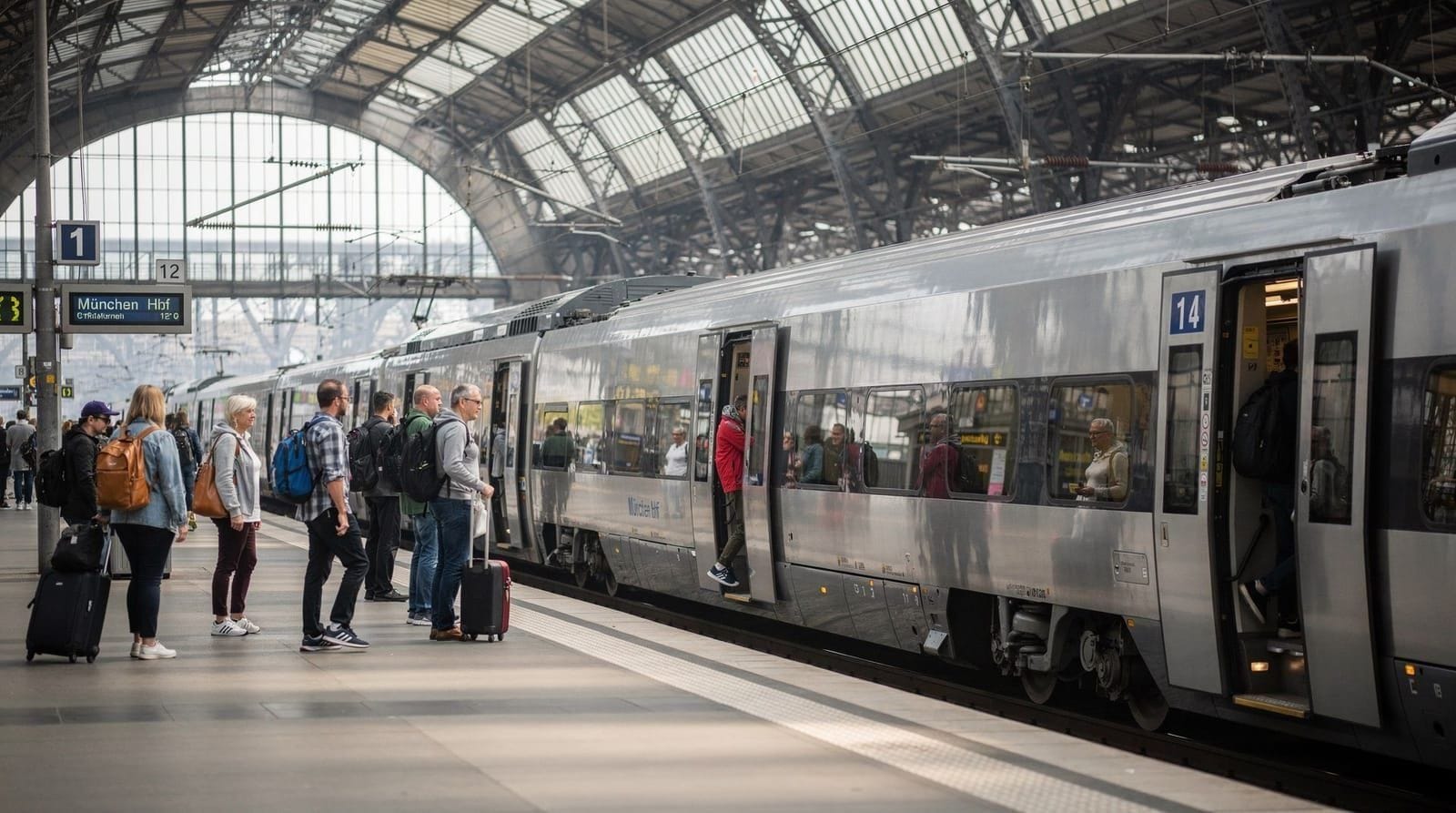
The network is operated by MVV (Munchner Verkehrsgesellschaft) and combines several overlapping systems: the U-Bahn (underground metro), the S-Bahn (suburban rail), trams, and buses. For most tourist purposes, you will use the U-Bahn and S-Bahn for the vast majority of trips. The tram and bus networks fill the gaps.
The zone system — what you actually need to know
MVV divides the Munich region into concentric zones, labelled M (Munich city centre), 1, 2, 3, and 4, radiating outward. For the purposes of most visitors:
- Zone M: covers the entire city centre and most tourist areas, including the old town, English Garden, Nymphenburg, and Schwabing
- Zone M + 1: extends to areas like the Olympic Park, Dachau, and most of the inner suburbs
- Zone M + 2 and beyond: covers day-trip destinations — Starnberg, Ammersee, and the outer suburbs
The airport (Franz Josef Strauss) is in Zone 5, which means a separate Airport-City-Day-Ticket or an all-zones day ticket is needed.
In practice, a ticket for zones M/1/2 covers almost everything most visitors do in Munich proper. Check the zone map at any station before you buy.
How to buy tickets
Ticket machines
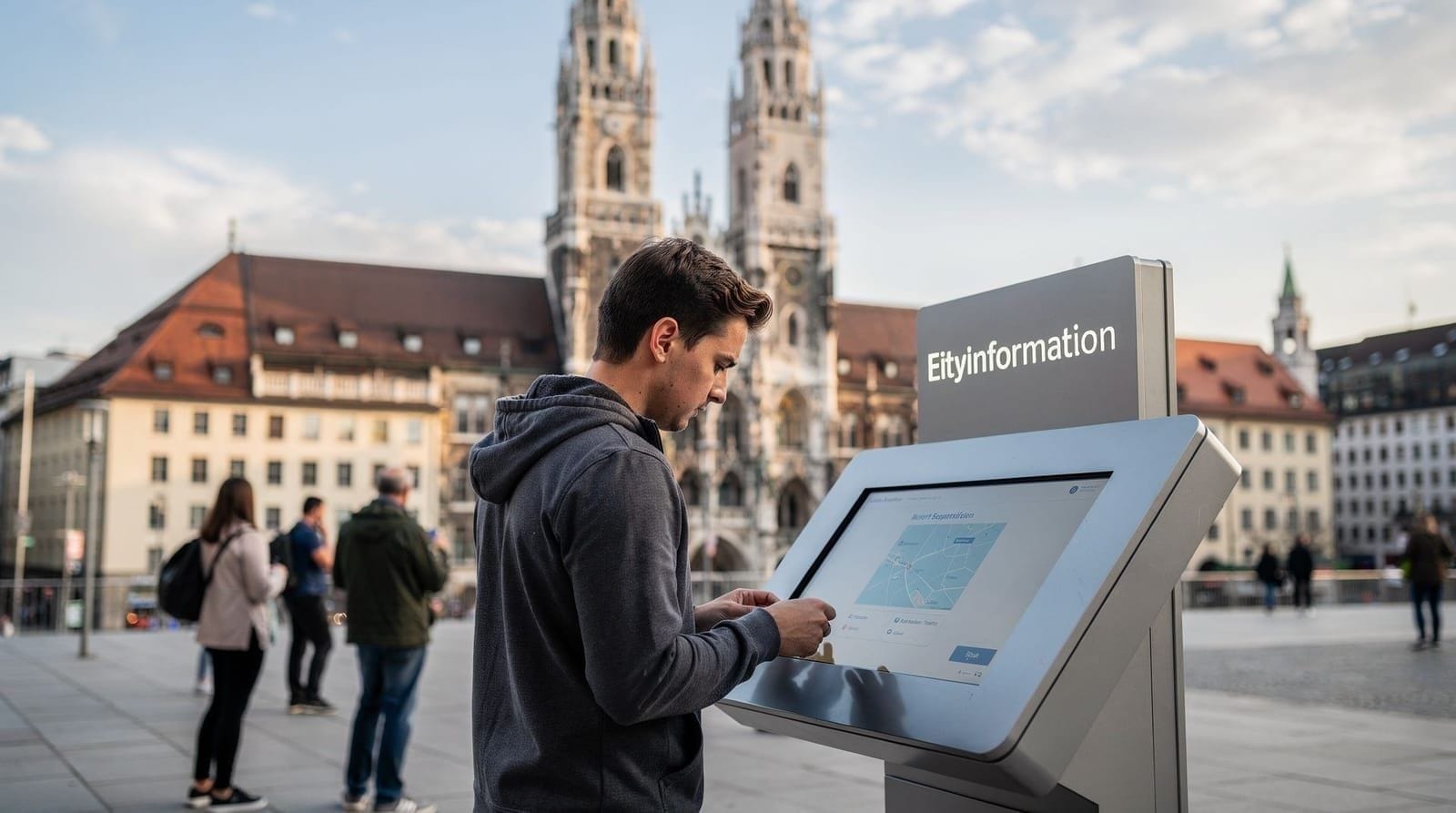
Every U-Bahn and S-Bahn station has ticket machines operated by MVV. They are available in German and English (and several other languages). The interface is straightforward — select your destination or zone, choose ticket type, pay by card or cash. Cards are accepted at all major stations but the machines can be slow to process contactless payments; chip-and-PIN is faster.
Common mistake: Selecting the wrong number of zones. If you are unsure, select your destination from the list rather than trying to calculate zones manually.
The MVV app
The MVV app (available for iOS and Android) lets you buy and store tickets digitally. It shows real-time departure boards, route planning, and allows purchasing directly on your phone. The ticket appears as a QR code on your screen. This is increasingly the preferred method and avoids the machine queues.
The DB Navigator app (Deutsche Bahn) also works for Munich transport tickets and is useful if you are doing longer regional train journeys on the same trip.
Ticket types
Single ticket (Einzelticket): Valid for one journey in the selected zones, including transfers within 90 minutes (for zones M/1/2). The inner city single is 3.90 EUR in 2026; short-trip tickets (Kurzstreckenfahrschein, 4 stops on U/S-Bahn or 2 stops on tram/bus) are 2.00 EUR.
Day ticket (Tageskarte): Valid from time of validation until 06:00 the next morning. Inner zones: 9.20 EUR single, 17.30 EUR for up to 5 people (Partner Day Ticket). These are excellent value if you are doing more than 2–3 trips in a day. The all-zones day ticket (including airport) runs 19.60 EUR.
3-day and weekly tickets: Available for visitors staying longer. A 3-day inner-zone ticket is around 27 EUR; a weekly ticket (7-Tage-Karte) in zones M/1/2 is approximately 22 EUR.
Bayern-Ticket: This is separate from city transport and covers the entire state of Bavaria for one day, valid on regional trains, S-Bahn, U-Bahn, trams, and buses. Excellent value for day trips — from 29 EUR for one person, up to 49 EUR for 5 people. See the full Bayern-Ticket guide for details on how to use it.
The validation rule — do not skip this
This is the most common mistake visitors make. In Munich, you must validate your ticket before boarding. Insert it into the blue stamping machines (Entwerter) on the platform or at the entrance. Unvalidated tickets — even if you purchased them — are treated as invalid. Inspectors check frequently, and the fine for travelling without a valid ticket is 60 EUR, issued on the spot. No exceptions are made for tourists claiming ignorance.
Note: Day tickets and multi-day tickets only need to be validated once (the first time you use them). Single tickets must be validated immediately before each journey.
If you are using the MVV app, validation happens automatically when you “check in” digitally — no separate stamping required.
U-Bahn vs S-Bahn — what’s the difference
U-Bahn: Munich’s underground metro system, with 8 lines (U1–U8). Runs entirely underground within the city. Fastest for city-centre trips. Operates from around 04:00 to 01:30 on weekdays, with all-night service on weekends.
S-Bahn: Suburban rail network, with 8 main lines (S1–S8) plus branches. Runs underground through the city centre (sharing the central tunnel), then above ground into the suburbs and beyond. Slower for inner-city trips but essential for reaching destinations outside the city: Dachau (S2), Starnberg (S6), Petershausen, Tutzing, and the airport.
For most tourist trips within Munich, the U-Bahn is faster and more frequent. For day trips on the Bayern-Ticket, you will be using the S-Bahn and regional trains.
Getting to the airport
Munich Airport (MUC) is served by two S-Bahn lines:
- S1: departs from Munich Airport and arrives at Munich Hauptbahnhof, continuing through the city. Journey time approximately 45 minutes.
- S8: departs from the airport in the other direction, also connecting to the Hauptbahnhof. Same journey time.
Both run every 20 minutes during the day; combined, this gives a train every 10 minutes. The S-Bahn runs from around 04:00 to midnight.
Cost: The airport is in Zone 5. A single airport-city ticket is 13.60 EUR. An Airport-City-Day-Ticket costs 19.60 EUR and covers unlimited travel in all zones for the rest of the day — worth it if you are arriving and plan to travel around.
Luggage: There is no charge for luggage on Munich public transport, and the S-Bahn trains have luggage racks. During off-peak hours, getting a large suitcase on and off is not a problem. At rush hour, it can be awkward.
Taxi alternative: Airport to city centre by taxi takes 35–50 minutes depending on traffic and costs approximately 60–80 EUR. Not dramatically faster than the S-Bahn at peak times.
Tram lines worth knowing
Munich’s tram network is less obvious to visitors but very useful in some areas:
- Tram 17: connects the Hauptbahnhof to the Oktoberfest grounds (Theresienwiese) and continues to Amalienburgstrasse — extremely useful during Oktoberfest
- Tram 19: runs along Sendlinger Strasse through the old town, good for reaching the Deutsches Museum area
- Tram 12: connects Schwabing to the Maxvorstadt museum district
All standard MVV tickets are valid on trams. Remember to validate at the stamping machine before or on boarding.
Using public transport to reach key sights
The good news: almost every major Munich attraction is reachable without a taxi or tour bus. The S-Bahn to the English Garden, U-Bahn to the Olympic Park, tram to the Deutsches Museum — the network covers everything.
Nymphenburg Palace is a great example: it is easy to reach on public transport, a detail covered in this guided tour that uses Munich’s public transport to reach Nymphenburg. If you prefer to explore the old town on foot rather than using transport at all, a guided walking tour of the old town is the most efficient way to cover the central historic area without needing any tickets at all.
For the full breakdown of lines, maps, and station-by-station guidance, see our detailed Munich U-Bahn and S-Bahn guide.
Common mistakes to avoid
Not validating your ticket: As covered above — this is the most expensive mistake you can make. The 60 EUR fine is non-negotiable.
Buying a single when a day ticket would be cheaper: If you plan to make more than 2 inner-zone trips in a day, the 9.20 EUR day ticket is better value than three separate singles at 3.90 EUR each. Do the mental arithmetic before you buy.
Using the wrong zone: If your hotel is outside Zone M (which is possible in some outer neighbourhoods), you need to buy tickets covering the correct zones for every journey. Check your hotel address against the zone map.
Assuming the airport ticket covers city travel: An inner-zone day ticket does not cover the airport. Buy the all-zones Airport-City-Day-Ticket or a specific airport single for your journey in and out.
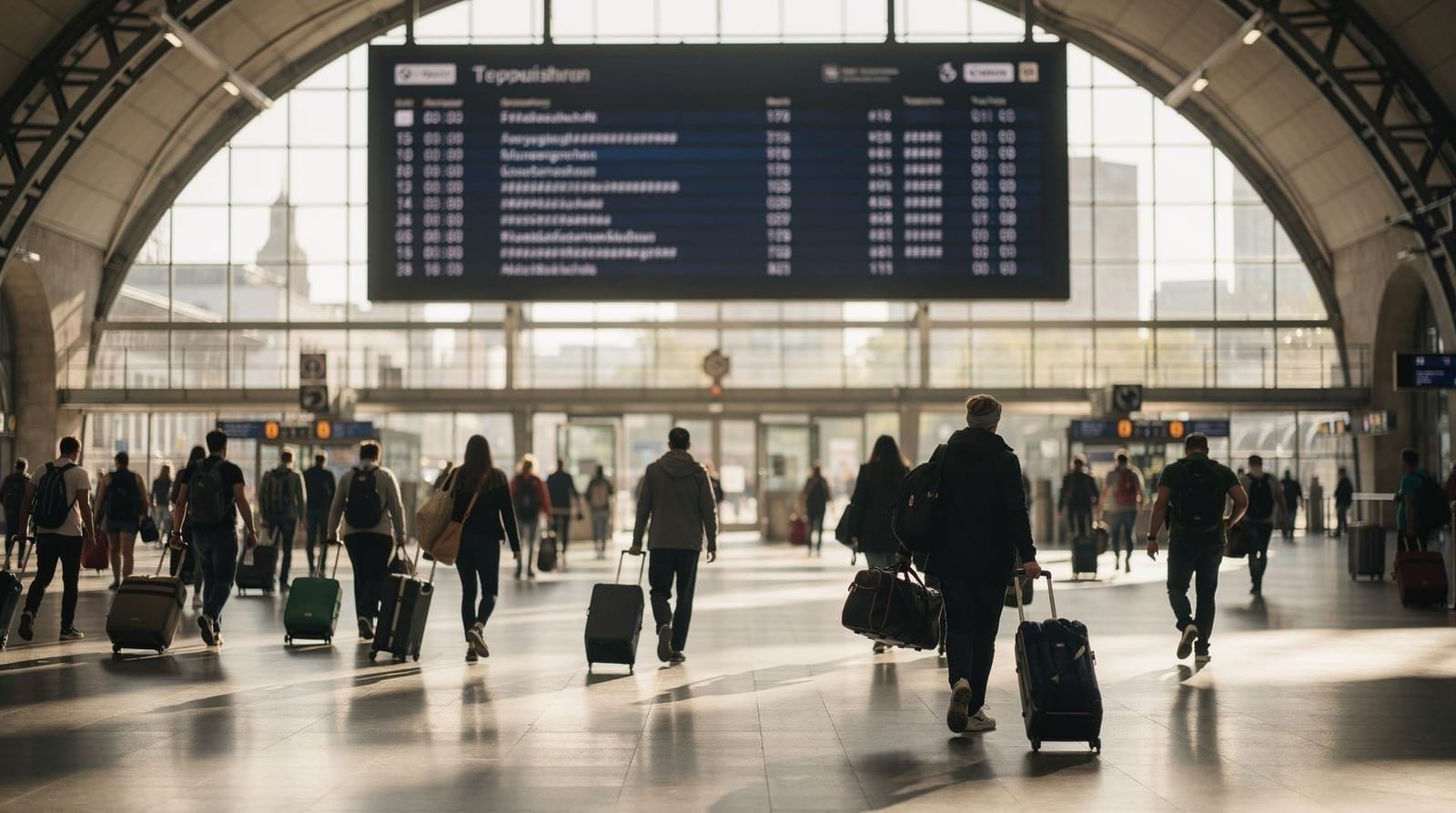
Getting on the wrong S-Bahn branch: Some S-Bahn lines split into branches (S1, S3, S4, and S6 all have branches at their outer ends). Always check the destination board on the platform and the front of the train, not just the line number. The S1 heading to the airport is a different train from the S1 heading to Freising.
Oktoberfest transport tips
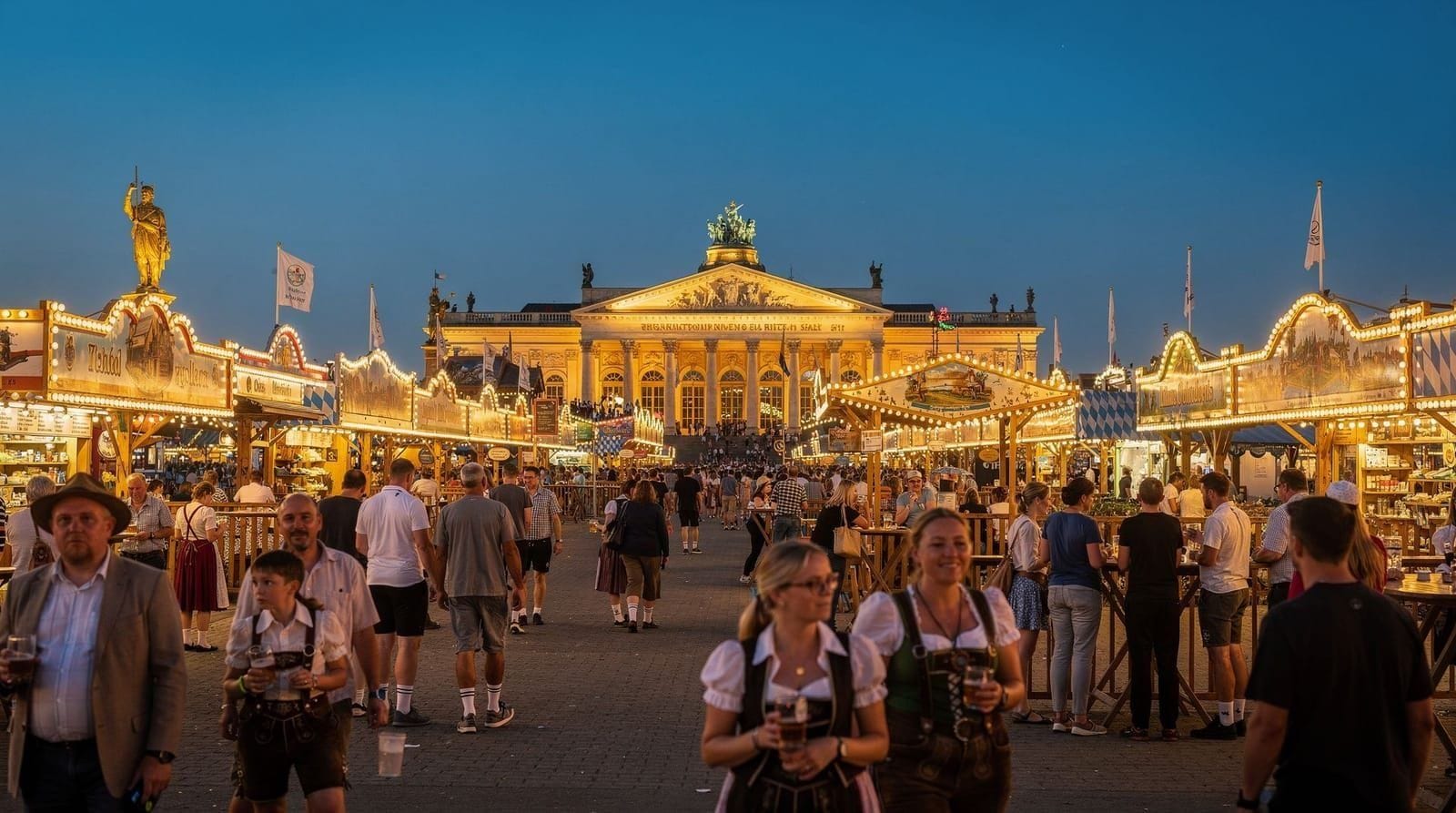
During Oktoberfest (late September to early October), Munich’s public transport is under serious pressure. The Theresienwiese grounds are served primarily by U4 and U5 (Theresienwiese station) and Tram 17. Some key advice:
- Avoid U4/U5 at closing time (around 23:30) — the crush is significant and delays are common
- The S-Bahn is a better option for reaching Hauptbahnhof; walk 15–20 minutes to the S-Bahn rather than waiting in the U-Bahn queue
- Buy your ticket before Oktoberfest. Machines at Theresienwiese have queues during peak hours
- The Partner Day Ticket for up to 5 people is excellent value if you are travelling in a group
For more on getting around during Oktoberfest, see the full Oktoberfest guide which covers logistics in detail.
Bike-sharing as a complement
Munich has a well-developed bike-sharing network with both Deutsche Bahn’s Call a Bike (now DB Rad) and the newer MVG Rad system. The MVG Rad app allows you to rent bikes from docking stations across the city for around 1 EUR per 30 minutes or a day rate of 10–13 EUR.
For the city centre and English Garden, a bike is often faster than public transport and more enjoyable. Cycling is legal on many footpaths (look for blue signs), and Munich has dedicated cycling infrastructure on most major streets. Helmets are not legally required for adults in Germany, but many visitors choose to use them.
Which ticket should you actually buy
| Your situation | Best ticket | Price |
|---|---|---|
| 1–2 city trips, one day | Single Einzelticket | 3.90 EUR |
| 3+ city trips, one day | Tageskarte (day ticket) | 9.20 EUR |
| Group of 2–5, one day | Partner Day Ticket | 17.30 EUR |
| Day trip outside Munich | Bayern-Ticket | from 29 EUR |
| Arriving/leaving via airport | Airport-City-Day-Ticket | 19.60 EUR |
| Staying 3+ days in the city | 3-day ticket | around 27 EUR |
What happens if you’re caught without a valid ticket
Fare inspectors on Munich’s U-Bahn and S-Bahn are plainclothes and check frequently, especially on airport lines and during Oktoberfest. They carry an ID badge that they show on request. The fine for an invalid or unvalidated ticket is 60 EUR, payable on the spot or by invoice if you don’t have cash or card immediately available. “I didn’t know I had to validate it” is not accepted as a defence — inspectors see this claim daily from tourists. If you’re using a phone ticket through the MVV app, keep the app open and ready to show; a dead phone battery does not excuse an invalid ticket.
Tips for staying oriented
Munich’s U-Bahn and S-Bahn maps look complicated at first but follow a logical pattern. The city centre (Innenstadt) is a horizontal oval with the main east-west tunnel carrying both S-Bahn and parts of the U-Bahn. Most U-Bahn lines radiate outward from this central zone.
Key interchange stations to know:
- Marienplatz: Central point, U3/U6 and S1–S8 all stop here
- Hauptbahnhof: The main train station, all U-Bahn lines and all S-Bahn lines plus regional and national trains
- Karlsplatz (Stachus): U4/U5 plus trams; useful for the old town western edge
- Sendlinger Tor: U1/U2/U3/U6 interchange; convenient for many areas south of the centre
Download an offline MVV map before your trip — mobile signal underground is inconsistent, and having the map locally available saves confusion when a connection drops.
For the full context on planning your Munich visit efficiently, the Munich travel tips guide and Munich trip planning guide have everything else you need to know.
Frequently asked questions about Munich public transport
Do I need to buy separate tickets for U-Bahn, S-Bahn, trams and buses?
No. All MVV tickets — single, day, or multi-day — cover the entire network, including trams and buses, as long as you’re travelling within the zones your ticket covers.
Is it worth downloading the MVV app before arriving?
Yes. It lets you buy and validate tickets digitally without queuing at machines, shows real-time departures, and works offline for route planning once loaded. It’s the fastest way to navigate the system from your first day.