Zugspitze Summit Tips: Everything You Need to Know in 2026
What you are actually signing up for
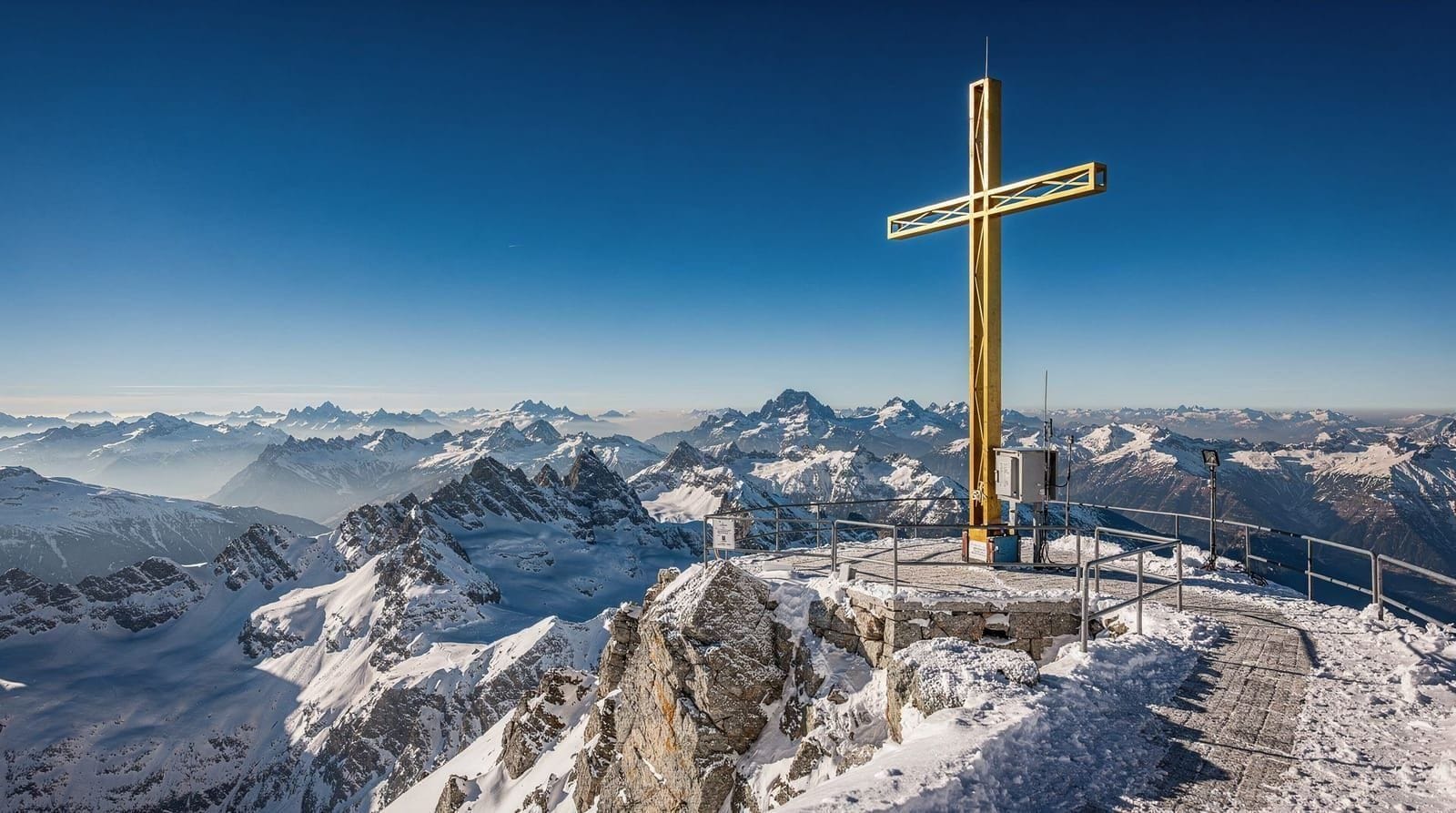
At 2,962 metres, the Zugspitze is Germany’s highest mountain. The summit experience is built around this single fact: you go up, you stand higher than anywhere else in the country, you look out over four countries on a clear day, and you come back down. There is no hiking required — both the cogwheel train and the cable car deliver you to the summit without a step of uphill walking. What you get at the top is a narrow ridge with viewing platforms, two restaurants, a weather station, a small chapel, and Germany’s highest beer garden.
That sounds wonderful, and it genuinely can be. But the Zugspitze draws enormous crowds in summer, the weather can close in entirely within an hour, and the logistics from Munich require a full day. This guide gives you the specific practical information to make the trip worth your time and money.
If you prefer a guided experience rather than navigating the trains and logistics independently, two options are worth considering: the Zugspitze van tour from Munich via Garmisch picks you up in Munich, handles all transfers, and includes a stop in Garmisch-Partenkirchen town. The Munich tour to Germany’s highest peak is the standard guided group option with commentary throughout. Both eliminate the train-booking complexity, though the independent route is substantially cheaper if you are comfortable with the logistics.
| Where | Zugspitze summit, via Garmisch-Partenkirchen (around 90 min by train from Munich) |
| Cost | around €72 round-trip summit ticket, plus around €29 Bayern-Ticket |
| Time needed | full day from Munich |
| Getting there | direct regional train to Garmisch, then cogwheel train or cable car to the summit |
| Best time | first departure (around 07:10), mid-week, avoid late July–early August |
How to get from Munich to the Zugspitze
Step 1: Munich to Garmisch-Partenkirchen by train
Garmisch-Partenkirchen is the gateway town for Zugspitze. Direct regional trains run from Munich Hauptbahnhof roughly every hour and take about 90 minutes. The Bayern-Ticket (a flat-rate day pass for Bavaria’s regional trains, valid from 09:00 on weekdays and from midnight on weekends) covers this journey. In 2026, the Bayern-Ticket costs around €29 for one person, with small increments for additional travellers — this makes it excellent value as a group.
Book your train ticket at the DB Bahn website or at any station ticket machine. No seat reservation is needed on regional services.
Step 2: Garmisch to the Zugspitze summit
From Garmisch, you have two main options:
Option A: Zugspitzbahn cogwheel train (Zahnradbahn) The cog railway departs from Zugspitzbahnhof in Garmisch (adjacent to the main station) and runs up through forests, tunnels, and the high alpine plateau to the Zugspitzplatt glacier station, then continues via a short cable car section to the summit. Total journey time is approximately 75 minutes. This is the scenic option — the journey through the mountain and across the glacier plateau is part of the experience.
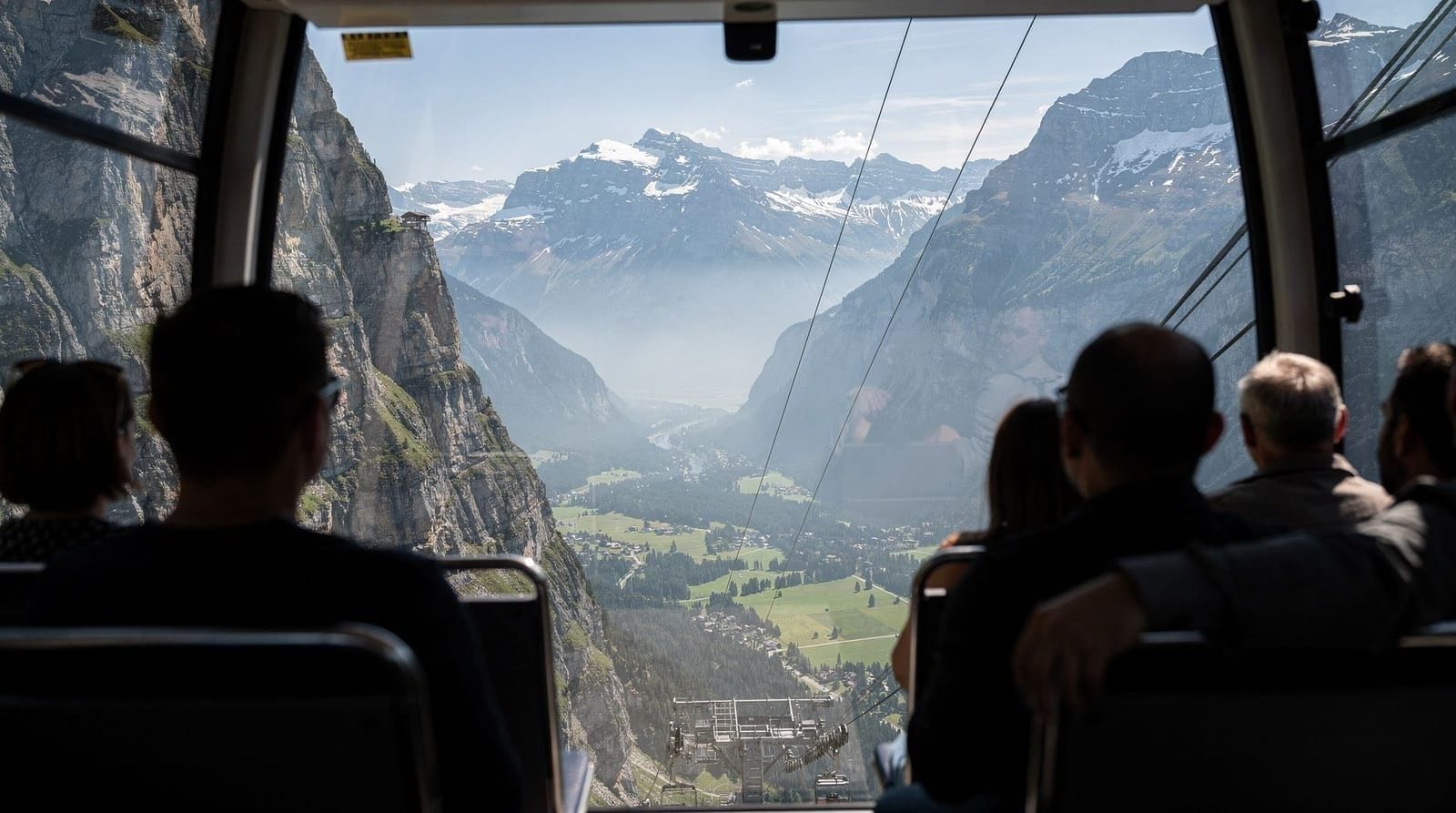
Option B: Eibsee cable car (Eibseeseilbahn) Drive or take a local bus to Eibsee lake (about 9 km from Garmisch), then take the Eibseeseilbahn cable car which reaches the summit in approximately 10 minutes with a dramatic vertical ascent over the lake. This is the faster, more vertigo-inducing option.
The smart move: take the cog railway up and the cable car down (or vice versa). The round-trip ticket allows this. You see the mountain environment from two perspectives and experience both forms of transport.
For full logistics — including the Bayern-Ticket tip, timetables, and how to combine with Eibsee — see our dedicated Zugspitze day trip guide.
2026 prices: what it costs
The Zugspitze is not cheap. In 2026:
- Round-trip summit ticket (from Garmisch, Zugspitzbahn plus summit cable car): approximately €72 per adult
- Eibseeseilbahn round trip (from Eibsee only): approximately €68 per adult
- Children under 15: approximately €40 round trip
- Bayern-Ticket to Garmisch: approximately €29 for one adult (valid for the regional train both ways if you return the same day)
A solo traveller will spend roughly €100–€105 for trains and mountain transport. A couple spending a day at the Zugspitze should budget around €175 for transport alone, before food, coffee, or the glacier cable car if you want the intermediate station.
There is no meaningful way to reduce the summit ticket price — no city discount card covers it, no student reduction exists for international visitors. The only real savings come from being strategic about transport (Bayern-Ticket covers the train) and packing your own food for the summit (restaurant prices at altitude are high, as expected).
Cogwheel train vs cable car: an honest comparison
Cogwheel train (Zugspitzbahn)
- Departs from Garmisch station, very convenient
- 75-minute journey, slow but immersive
- Passes through the Zugspitzplatt glacier plateau — a unique landscape
- The train can be delayed or halted by snow conditions in winter/spring
- Less dramatic visually than the cable car ascent
- Good for people uncomfortable with exposed heights
Eibseeseilbahn cable car from Eibsee
- Requires getting to Eibsee first (local bus or taxi from Garmisch, or driving)
- 10-minute ascent, the most vertically dramatic ride in Bavaria
- The Eibsee lake far below during the ascent is spectacular
- Queues at Eibsee can be long on summer weekends
- Better for those who want a shorter ascent time
Verdict: If you have a full day, take the cog railway up and the cable car down. You experience the glacier plateau at leisure on the way up and get the dramatic descent view on the way back. If time is tight or you are bringing young children who tire easily, the cable car both ways is fine.
For a broader overview of the alpine transport options across Bavaria, see our Bavarian Alps cable cars guide.
Ascent options compared
| Cogwheel train | Eibsee cable car | |
|---|---|---|
| Duration | around 75 minutes | around 10 minutes |
| Departure point | Garmisch station directly | Eibsee (bus or 45-min walk from Garmisch) |
| Best for | glacier plateau views, fear of heights | speed, dramatic vertical ascent |
| Typical queues | shorter, steadier flow | can be long on summer weekends |
| Weather sensitivity | can be delayed by snow in winter/spring | generally more resilient |
What to expect at the summit
The Zugspitze summit sits at 2,962 metres on the border between Germany and Austria. You can cross between the two countries on foot — there is no border control, just a sign. The summit has two sectors:
German summit (Zugspitze proper) The gold summit cross marks the highest point of Germany. Viewing platforms on both the east and west sides give 360-degree panoramas when clear. Germany’s highest beer garden (outdoor tables, locally brewed beer, alpine snacks) sits just below the cross. A small chapel dedicated to alpine rescue workers is tucked into the ridge.
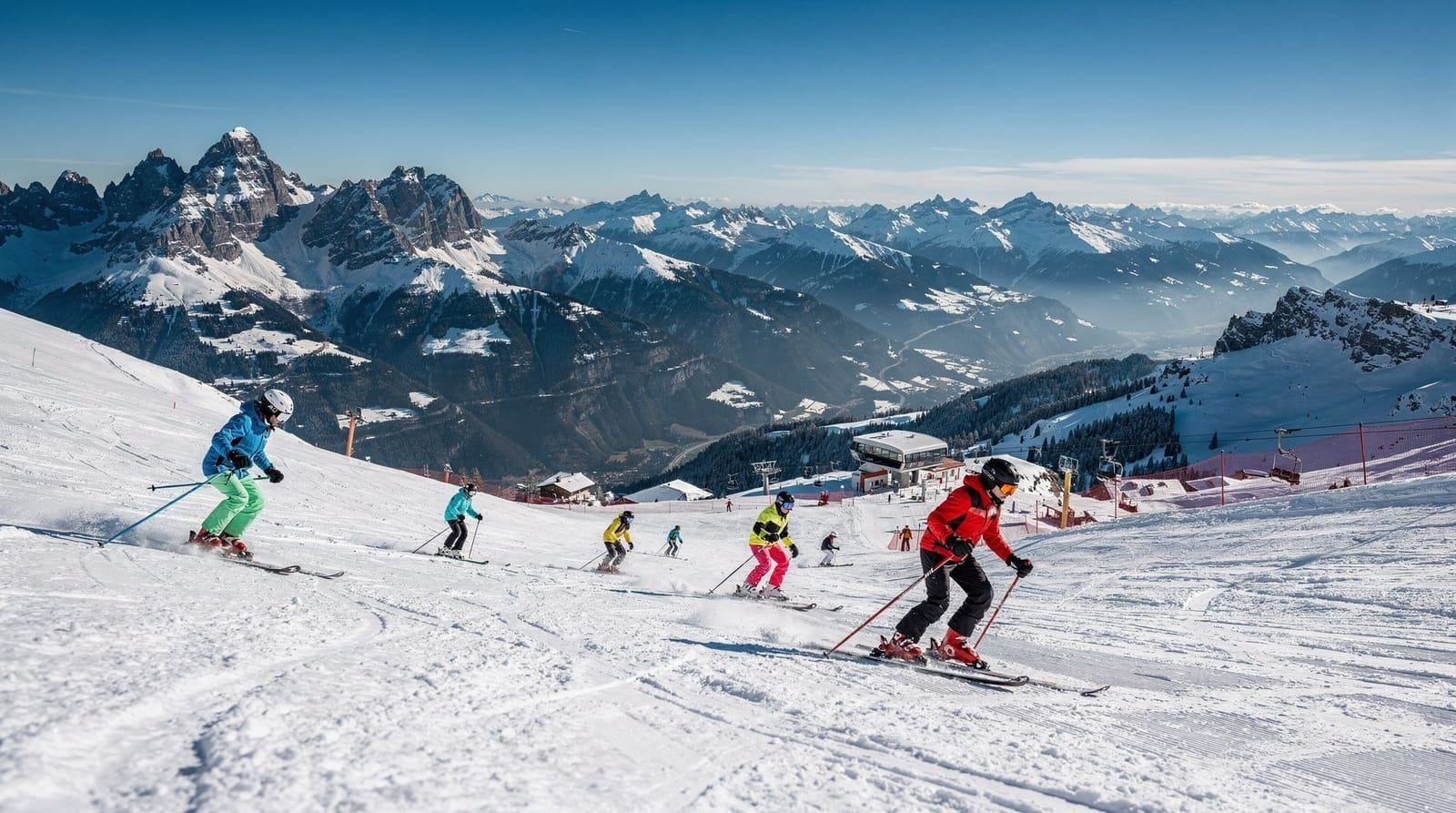
Zugspitzplatt glacier plateau (intermediate level) Reached by the cog railway before the final summit cable car, the glacier plateau is a high alpine environment at around 2,600 metres. In winter and spring it is a ski area. In summer the snow recedes but the landscape remains otherworldly — white fields in hollows, bare rock, huge views across the Alps. Worth 30–45 minutes if you are not in a rush.
Restaurants and food Two restaurants operate at the summit: one on the German side, one on the Austrian side. Prices are high by Munich standards. A beer at the summit beer garden will cost around €7–8 in 2026. If budget matters, bring sandwiches and eat at the outdoor tables on the viewing platform — this is perfectly normal and nobody minds.
Avoiding the crowds
Summer weekends (July and August particularly) see the Zugspitze at full capacity. The cable cars have limited throughput and queues can reach 90 minutes. Strategies that actually work:
Take the first train up The first Zugspitzbahn departure from Garmisch is around 07:10. Taking this means you arrive at the summit before the cable car groups, before the tour buses from Munich, and often before the afternoon clouds form. Check the exact timetable for your travel date on the Bayerische Zugspitzbahn website.
Go mid-week Tuesday to Thursday are significantly quieter than weekend days. If you have flexibility, this is the single most effective crowd-avoidance strategy.
Avoid late July and early August These are the two most crowded weeks. Late May, June (mid-week), and September offer good weather odds with far fewer visitors.
Check the weather the night before The Zugspitze webcam (accessible from the Bayerische Zugspitzbahn website) shows summit conditions in real time. If the summit is in cloud by 07:00, rescheduling is worth considering. Clear mornings can cloud over by 12:00 — mountain weather moves fast at this altitude.
What to wear and pack
The summit temperature is typically 15–20 degrees Celsius lower than Munich. In June and July, Munich might be 28°C while the Zugspitze is 10°C with a cold wind. Pack accordingly:
- Wind-proof jacket (mandatory, not optional — the ridge is very exposed)
- Warm mid-layer (fleece or light down jacket)
- Sunglasses (UV exposure at altitude is intense even in cloud)
- Sunscreen (same reason — altitude reduces UV filtration)
- Walking shoes with some grip (the summit platforms are uneven rock; you need stable footing)
- Water (altitude can cause mild dehydration faster than at sea level)
- Snacks if you want to avoid summit restaurant prices
Children feel the cold at altitude more than adults. Pack extra layers for anyone under 12.
A practical note on timing your layers: dress for Munich weather at the base and carry the warm layer rather than wearing it on the train — the cogwheel train and cable car cabins are heated, and you’ll want the jacket only once you step out onto the summit platform. Storing extra layers in a small daypack is easier than juggling clothing changes at altitude with limited seating.
Eibsee lake: worth stopping for
Whether or not you take the cable car from Eibsee, the lake itself is worth an hour of your day. Eibsee is one of Bavaria’s most beautiful alpine lakes: turquoise-green water, wooded shoreline, and the Zugspitze rising directly behind. A circular walking path of about 7 km runs around the lake and takes around 2 hours at an easy pace. You can swim in summer — the water is very cold (around 18°C maximum in August) but refreshing.
To reach Eibsee from Garmisch: bus line 1 runs from Garmisch Bahnhof to Eibsee (about 20 minutes), or it is a pleasant 45-minute walk through forest on a marked path. By car, the lake is about 9 km south of Garmisch on the B23.
Is the Zugspitze suitable for kids and older visitors?
Yes, in the sense that no hiking is required to reach the summit — both the cogwheel train and cable car do the work. Cold and altitude are the two real considerations: the temperature drop from Munich can be dramatic, and thinner air at 2,962 metres can leave some visitors slightly breathless or light-headed for the first 15–20 minutes. Neither is usually a serious problem for a short summit visit, but pack the extra layers noted below and take it easy for the first few minutes at altitude, especially with young children or anyone with a heart or respiratory condition. The Zugspitzplatt glacier plateau, reached partway up, is flatter and gentler if a full summit visit feels like too much for a member of your group.
Combining Zugspitze with Garmisch-Partenkirchen town
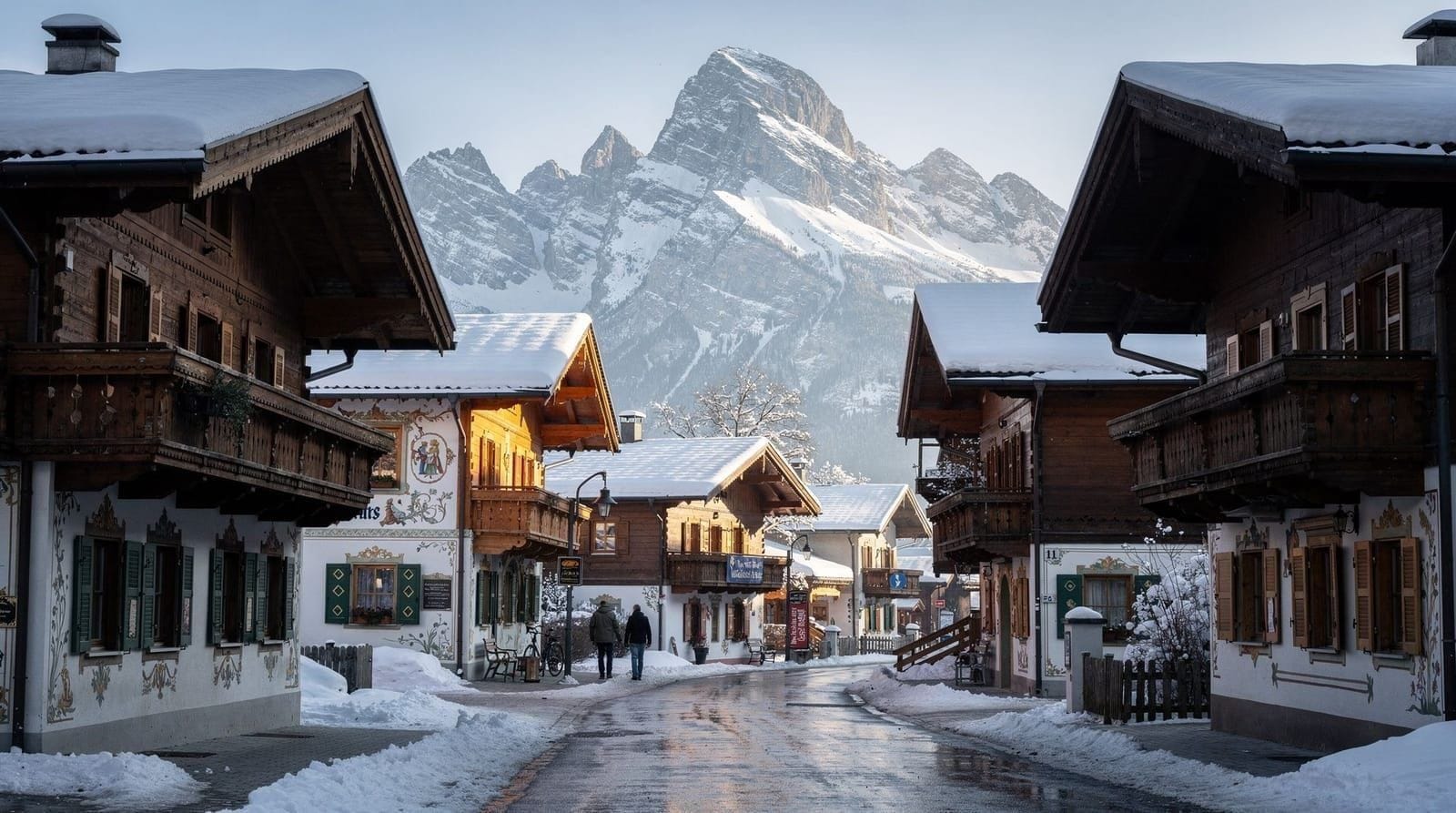
Garmisch-Partenkirchen is worth a couple of hours in itself, particularly the old painted houses of the Partenkirchen side and the Partnachklamm gorge (a 45-minute walk through dramatic carved rock — one of the best short walks in Bavaria). Combining the gorge with a Zugspitze summit makes for a very full day but is physically manageable since the gorge walk is flat and easy.
The town also has good lunch options: the Gasthäuser around the pedestrianised centre serve traditional Bavarian food at reasonable prices, significantly cheaper than the summit restaurants.
Planning your visit: key links
For the full logistics picture including train timetables, ticket booking links, the Bayern-Ticket strategy, and an hour-by-hour itinerary, see our complete Zugspitze day trip guide. For an overview of all worthwhile day trips from Munich by train, see day trips by train from Munich and best day trips from Munich.
If you are planning a broader stay in the region, winter skiing day trips from Munich covers the Zugspitzplatt and other Bavarian ski areas, and the Bavarian Alps cable cars guide covers the full network of lifts and tramways across the region.
The Zugspitze is a genuine highlight — one of those places that delivers exactly what it promises when the conditions align. Get the weather right, go early, and pack a warm layer. The view from 2,962 metres on a clear morning is something you will remember.